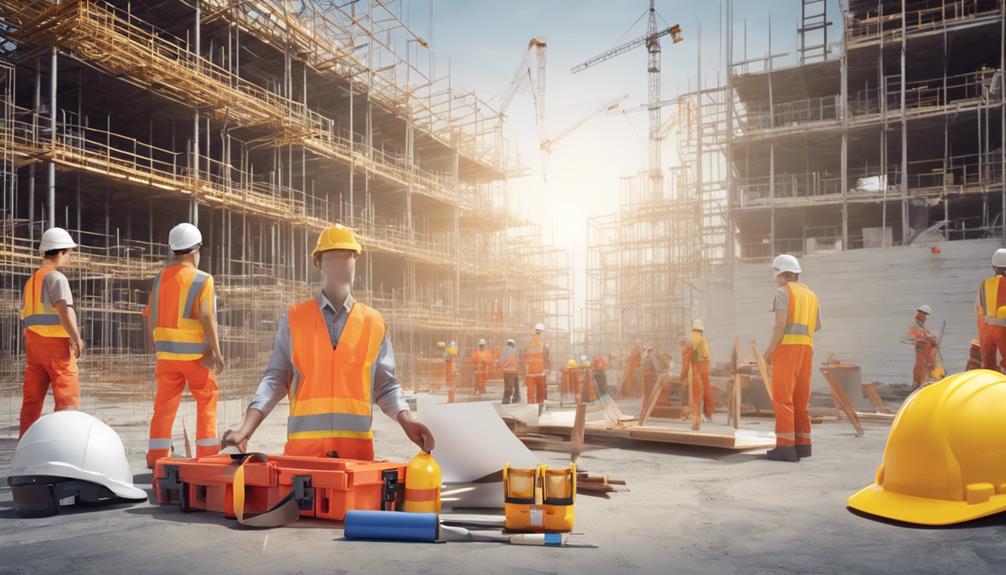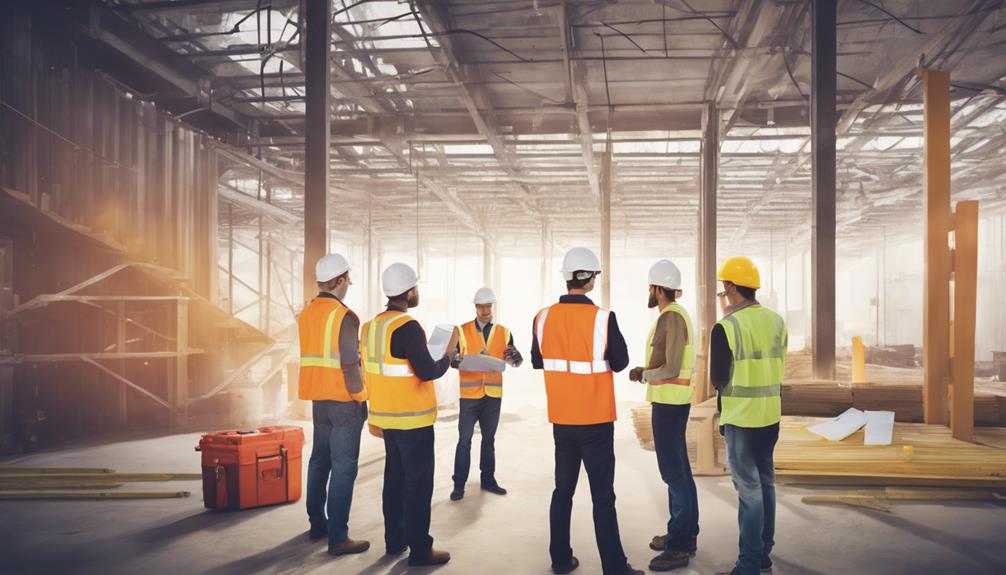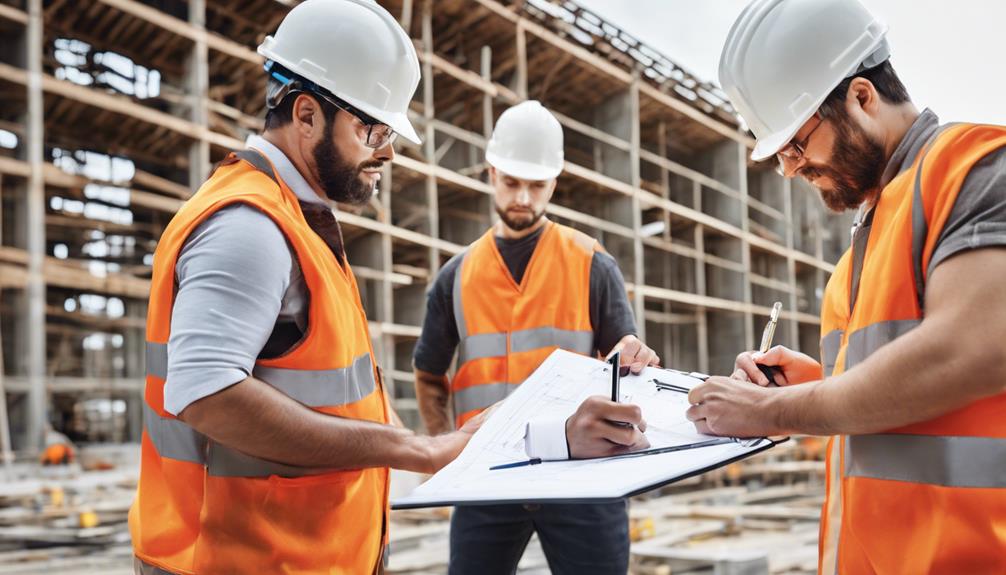
construction osha compliance tips

7 Tips for OSHA Compliance in Construction

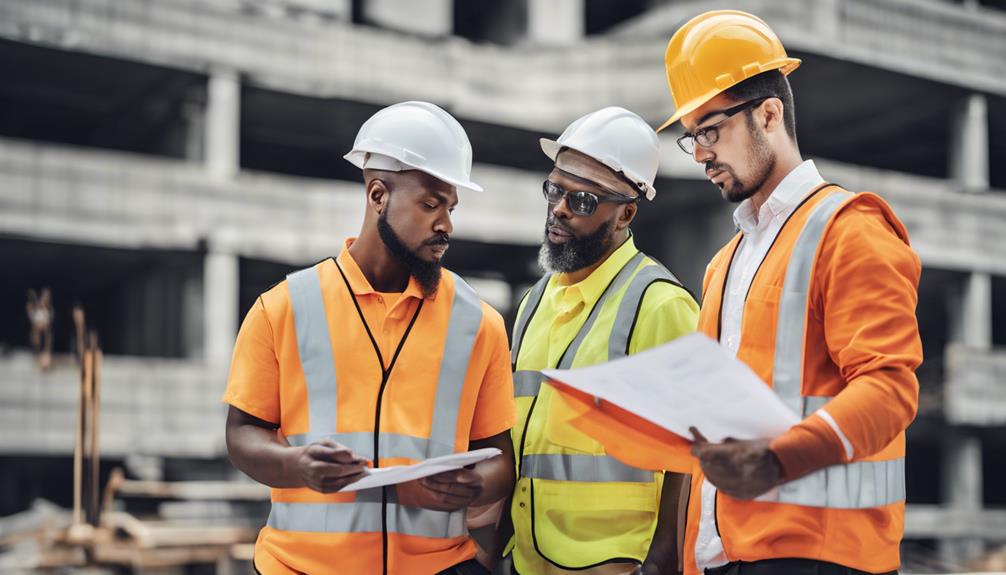
To ensure you're meeting OSHA compliance in construction, first, familiarize yourself with key standards such as fall protection, hazard communication, and scaffolding. You'll need to conduct regular tailored safety training and frequent site inspections to monitor and maintain adherence to these protocols. Implement robust fall protection measures, ensure all equipment is suitable and maintained, and always use the correct personal protective equipment. It's crucial to document all training sessions, incidents, and compliance measures promptly and accurately. Lastly, maintain an ongoing dialogue about safety to cultivate a culture focused on continuous improvement. Exploring these strategies further will enhance your understanding and application of safety measures.

Understanding Key OSHA Standards

Navigating the key OSHA standards is crucial for ensuring safety and compliance in the construction industry. As you dive into the myriad regulations, you'll find that understanding the specific standards that apply to your projects isn't just about following rules—it's about protecting lives.

Firstly, you need to familiarize yourself with the Fall Protection standard (29 CFR 1926.501), which is paramount in preventing fall-related injuries and fatalities. It mandates that fall protection must be provided at elevations of six feet in the construction industry. You'll need to ensure that every site has the proper guardrail systems, safety nets, or personal fall arrest systems in place.

Next, consider the Hazard Communication standard (29 CFR 1910.1200), which ensures that information about the chemical hazards in the workplace and associated protective measures is available and understandable to workers. You must maintain a written hazard communication program and ensure that all containers are labeled, safety data sheets are accessible, and workers are adequately trained.

Lastly, don't overlook the Scaffolding standard (29 CFR 1926.451), which requires scaffolds to be soundly built and secure, with regular inspections to maintain their safety. Compliance with these standards isn't just regulatory; it's a direct investment in the health and safety of your team.

Regular Safety Training Sessions

Regular safety training sessions are essential in reinforcing OSHA standards and ensuring your team's compliance and safety on the construction site. You've got to keep everyone up to speed with the latest safety protocols and provide continuous education on risk management and hazard recognition. Here's how you can make your training sessions impactful and engaging.

Firstly, make sure your training is relevant and specific to the tasks your team is handling. General information is fine, but the real value comes from training tailored to the specific risks and equipment involved in your current projects. This approach makes the training directly applicable and much more likely to be remembered and used.

You'll also want to mix up the formats of your training sessions. Don't just stick to lectures. Include hands-on demonstrations, interactive digital training, and group discussions. This variety not only keeps the content fresh but also caters to different learning styles, helping ensure that all your team members grasp the important points.

Lastly, foster an environment where safety training is seen not just as a requirement, but as a valuable part of your team's professional development. Encourage questions, feedback, and discussion about safety issues. This open dialogue keeps everyone engaged and informed, and it helps you spot potential areas for improvement in your safety practices.

Conducting Frequent Site Inspections

Conducting frequent site inspections is crucial in maintaining compliance with OSHA regulations and ensuring the safety of your construction team. You'll want to walk through the site regularly, checking for any potential hazards such as misplaced tools, unstable structures, or exposed wiring. It's your eyes on the ground that can spot small issues before they turn into serious problems.

You should also keep an eye on your team's adherence to safety protocols. Are they wearing the correct protective gear? Are workers keeping their work areas clean and organized? These inspections aren't just about following rules; they're about fostering a culture of safety that everyone buys into.

Make sure you're documenting everything. Each inspection should be recorded with details of what was checked, findings, and any corrective actions taken.

This documentation will be invaluable if OSHA ever conducts an audit and can also help you track progress on safety improvements.

Implementing Fall Protection Measures

To ensure worker safety on heights, implementing fall protection measures is essential. You've got to understand the risks involved and take the right steps to mitigate them.

Firstly, assess the site to identify areas where falls could occur. Are there unprotected edges, holes, or overhangs? Recognizing these hazards is the first step toward prevention.

Next, you need to set up the appropriate systems. Guardrails are your first line of defense. Ensure they're sturdy and meet OSHA's height and strength requirements. For some tasks, though, guardrails mightn't be feasible. In these cases, consider safety nets or personal fall arrest systems (PFAS). Remember, each system has its specific setup and usage guidelines which you must follow meticulously.

Training is another critical component. You and your team need thorough training on the equipment and the dangers of working at height. This isn't a one-time event. Regular refresher courses are vital to maintain safety standards and keep everyone's knowledge up to date.

Lastly, always have a rescue plan in place. If a fall occurs, knowing how to efficiently execute a rescue can make the difference between life and death. Don't overlook this crucial element of fall protection.

Ensuring Proper Equipment Use

After ensuring that fall protection measures are in place, it's equally important to focus on the proper use of equipment. You've got to ensure that every piece of machinery and tool you use is suitable for the task at hand and in good working condition. Don't just grab the nearest tool; make sure it's designed for the job you're about to tackle.

You should also be trained on every piece of equipment you handle. This isn't just about knowing what buttons to push; you need to understand the safety features, the limits of the equipment, and what could go wrong if it's misused. It's not enough to be shown once; regular refresher training is crucial to keep you sharp and aware.

Proper maintenance is your next big priority. Check and double-check equipment before and after use. Look for signs of wear and tear, and report any faults immediately. Don't be tempted to "make do" with faulty equipment – it's not worth the risk.

Lastly, always wear the right personal protective equipment. Each task might require different gear, so check what's needed. Remember, the right tools, properly used, not only keep you safe but also make your job easier.

Reporting and Addressing Hazards Promptly

Recognizing a hazard is just the first step; you must report it immediately to prevent accidents. Once you've identified a potential risk, don't hesitate or assume someone else will handle it. You're a crucial part of the safety chain, and your prompt response can make a big difference.

After spotting a hazard, inform your supervisor or safety officer right away. If it's an imminent danger, don't wait—take immediate steps to safeguard yourself and your coworkers. This might mean cordoning off the area or turning off equipment until help arrives. You aren't just protecting your team; you're potentially saving lives.

Remember, it's not just about spotting dangers; it's also about actively participating in the solution. Engage in safety meetings and trainings. Speak up if you feel procedures could be improved. Your insight as someone on the front lines is invaluable.

Lastly, follow up. After reporting, check to see that the hazard was addressed. This closure isn't just for your peace of mind—it ensures that the issue was taken seriously and remedied. You play a key role in this process, reinforcing a culture of safety that benefits everyone on site.

Maintaining Accurate Records and Documentation

Maintaining accurate records and documentation in construction is essential for ensuring compliance with OSHA regulations. You've got to keep detailed logs of everything from employee training sessions to accident reports and safety meetings. This isn't just busywork; it's your proof that you're following the rules and keeping your worksite safe.

First, make sure you're documenting all required training. OSHA needs to see that your team knows how to handle the equipment and risks they face every day. Keep these records organized and up-to-date. If OSHA comes knocking, you'll need to show these documents promptly.

Next, accident reports are critical. If an incident occurs, document it immediately. Include who was involved, what happened, why it happened, and what steps you're taking to prevent future occurrences. This isn't just for compliance; it's about learning from mistakes and improving safety measures.

Finally, don't forget about regular safety audits and meetings. Document each one, noting what safety topics were covered and any decisions or actions taken as a result. Maintaining this documentation helps you track progress and ensures continuous improvement in your safety practices.

Staying on top of these records shows OSHA that you're committed to maintaining a safe and compliant worksite.

Conclusion

Now that you've got the basics, remember, staying OSHA compliant isn't just about dodging fines; it's about keeping everyone safe. Make sure you're consistently applying these tips: understand the rules, train regularly, inspect sites, implement fall protections, use equipment correctly, report hazards quickly, and keep detailed records. By making these practices routine, you'll not only meet regulations but also foster a safer, more efficient work environment. Safety isn't a one-time check; it's an ongoing commitment.

Related articles: What Are Key Safety Protocols in Commercial Construction?

construction safety regulation overview

OSHA Rules for Commercial Construction Safety FAQs

In your commercial construction activities, you're required to follow OSHA standards that emphasize safety first. You must provide fall protection when working over six feet, ensure proper use and maintenance of safety gear like hard hats and high-visibility clothing, and manage hazardous materials with clear labeling and secure storage. Training is vital, so you'll need to offer regular sessions on these safety protocols to all workers, including comprehensive courses for new hires. Detailed documentation of any incidents is also crucial. By adhering to these guidelines, you can minimize risks and maintain compliance, setting the stage for further insights into effective safety management.

Understanding Key OSHA Standards

Understanding key OSHA standards is crucial for anyone involved in commercial construction. You need to know that OSHA, or the Occupational Safety and Health Administration, sets these guidelines to ensure workplace safety and health. As you dive into a project, it's essential to familiarize yourself with the specific standards that apply to your construction site.

Firstly, hazard communication is vital. You're required to be informed about the potential dangers on site, and it's your right to work in a safe environment. OSHA mandates that all hazards are clearly marked and communicated to every worker. This includes the presence of toxic substances, electrical risks, and any physical hazards.

Another critical standard involves fall protection. Given the height at which you often work, understanding the protocols for fall prevention can't be overstressed. OSHA requires that all sites have guardrail systems, safety nets, or personal fall arrest systems in place wherever there's a risk of falling from six feet or more.

Required Safety Gear and Equipment

To ensure your safety on a construction site, you must wear the proper gear and use the designated equipment. OSHA mandates that all workers have access to and utilize specific safety items tailored to the tasks they're performing.

This includes:

  • Hard hats to protect against head injuries
  • Safety glasses for eye protection
  • High-visibility clothing to ensure you're seen by others, especially when working around heavy machinery

You'll also need sturdy, non-slip work boots to safeguard your feet and provide traction on slippery or uneven surfaces. Hearing protection is crucial, too, especially if you're working in areas with high noise levels. Gloves are necessary to shield your hands from sharp objects, harmful substances, and extreme temperatures.

Beyond personal protective gear, OSHA requires that proper equipment be used for specific tasks. For example, when working at heights, you must have access to safety harnesses and lanyards that meet the latest safety standards. Scaffolding and ladders should be inspected regularly to ensure they're stable and secure.

Managing Hazardous Materials

While ensuring your physical safety with the right gear is fundamental, equally important is managing hazardous materials effectively on a construction site. You'll need to know not just what these materials are, but also how to handle them safely to prevent accidents and health risks.

First off, always identify and label all hazardous materials. This isn't just good practice; it's an OSHA requirement. Labels should clearly state what the substance is, its dangers, and the necessary precautions. Don't assume that everyone knows what's in an unmarked container – that's how accidents happen.

Next, ensure you've got the proper storage for these materials. Flammable substances need special cabinets away from any ignition sources. Corrosive materials should be in containers that won't degrade. And always keep incompatible substances apart to avoid dangerous reactions.

You also need to be trained in handling these materials safely. This training should cover personal protective equipment, emergency procedures, and proper disposal methods. Don't skimp on this; thorough training can be the difference between a normal day and a catastrophic incident.

Reporting and Recordkeeping Protocols

Accurately documenting every incident and safety procedure is crucial in commercial construction. You're responsible for maintaining detailed records that comply with OSHA's stringent requirements. Every workplace injury, illness, or incident that occurs on the job site must be logged. This isn't just bureaucratic paperwork; it's vital for identifying patterns that could indicate safety hazards.

You'll need to familiarize yourself with OSHA's Form 300, the Log of Work-Related Injuries and Illnesses. It's your primary tool for recordkeeping. For each recordable incident, you must detail the case number, the employee's name, job title, and a description of the incident, including the outcome. Remember, confidentiality is key, especially concerning the employee's personal information.

In addition to Form 300, don't overlook Form 301, Injury and Illness Incident Report, which provides more detailed data about each specific case.

Annually, you're also required to complete Form 300A, which summarizes the year's total injuries and illnesses. This summary must be posted in a visible location from February 1 to April 30, ensuring that your team is aware of the incidents and the related preventive measures taken. Compliance isn't just about following rules; it's about keeping everyone on site safe.

Training and Compliance Measures

After ensuring your records are meticulously maintained, it's equally important to focus on training and compliance measures within commercial construction. You need to guarantee that all your staff are well-trained and fully compliant with OSHA standards to not only avoid legal pitfalls but also to ensure a safe working environment.

Start by regularly scheduling training sessions that cover both basic safety protocols and specific procedures related to your current projects. Ensure every new hire participates in these training sessions before beginning work, and keep records of all training activities.

It's not enough to conduct training once; refresher courses are crucial to keep everyone's knowledge up to date.

Additionally, you must stay informed about any updates in OSHA regulations. Changes can happen frequently, and it's your responsibility to implement these changes promptly. Utilize OSHA's outreach programs and online resources for the latest guidelines and training materials.

Conclusion

You've got the basics of OSHA standards for commercial construction now. Always ensure you're suited up with the right safety gear and know how to handle hazardous materials safely. Don't forget to keep up with your reporting and record-keeping duties, and make sure everyone's trained properly. Staying compliant isn't just about following rules; it's about keeping you and your team safe. Keep these guidelines in mind and you'll be on track for a safer workplace.

Related articles: 7 Tips for OSHA Compliance in Construction

construction site safety rules

Top OSHA Safety Rules for Construction Sites

To ensure your safety and meet OSHA regulations on your construction site, you'll need to implement several crucial safety measures. Always use fall protection, including personal fall arrest systems, when working at heights of 6 feet or more. Make sure scaffolding is secure before use, and don't forget daily checks for stability and damage. All electrical tools must be inspected before use, especially in wet conditions. Always wear appropriate personal protective gear like helmets, safety glasses, and steel-toed boots. Don't overlook health hazards; provide proper documentation and training for handling hazardous materials. Educating yourself and your team on these guidelines will significantly enhance site safety.

Understanding Fall Protection Requirements

Fall protection is crucial on construction sites to prevent injuries from falls, which are among the most common accidents in the industry. You've got to understand the importance of using the right equipment and adhering to safety standards to keep everyone safe.

First off, you need to know when fall protection is required. OSHA mandates that any time you're working at heights of six feet or more, fall protection must be used. This rule isn't just a suggestion; it's a strict requirement meant to protect you from potential hazards.

So, what kind of equipment are we talking about? Well, personal fall arrest systems (PFAS) are your first line of defense. These systems include a full-body harness, a lanyard, and an anchor point. The harness distributes the forces over your body if you fall, while the lanyard has a shock-absorber to reduce the impact. It's crucial that you check these components regularly for wear and tear.

Moreover, you need to be trained on how to properly use and maintain this equipment. Don't just strap on a harness and think you're good to go. Understand how it functions, and always inspect your gear before use, because your life literally hangs in the balance.

Guidelines for Scaffold Safety

Nearly every construction project involves the use of scaffolding, making it essential to understand and adhere to specific safety guidelines. You must ensure that all scaffolding is stable and secure before anyone climbs on it. Start by inspecting the footing; it needs to be solid, level, and capable of supporting the scaffold's load without settling or displacement.

You're also responsible for checking the scaffolding each day before use—look for any signs of damage or wear. Make sure all planking is tightly secured and in good condition, free from cracks or splits.

Don't forget to install guardrails, midrails, and toeboards on all open sides at heights over 10 feet to prevent falls.

Training is crucial. You and your team need to know how to safely erect, move, and dismantle scaffolding. This includes understanding the load capacities and ensuring that the scaffold isn't overloaded with equipment or materials.

Lastly, keep the area around scaffolding clear of debris, tools, and other hazards that could cause trips or falls. Scaffolding safety isn't just about preventing falls from the structure itself; it's also about maintaining a safe environment around it.

Electrical Safety Standards

After ensuring your scaffolding is safe and secure, it's equally important to address electrical hazards on construction sites. You've got to be vigilant about the risks posed by live wires, power tools, and electrical equipment.

First up, always check that the power supply matches the voltage requirements of your tools to prevent overload. If you're uncertain, don't hesitate to consult an electrician.

Next, make sure all electrical tools and cords are inspected for wear and tear before use. Frayed cords or damaged tools can lead to disastrous electrical accidents. Don't take shortcuts; replace any faulty equipment immediately.

Keep your work area dry. Water is a conductor of electricity, so introduce measures to keep the site as dry as possible, especially in areas where electrical tools are used. When you're working in damp conditions, use portable Ground Fault Circuit Interrupters (GFCIs) to cut the power swiftly in case of a fault.

Lastly, ensure all power lines and installations are clearly marked and there's a safe clearance from any conductive materials. You should also enforce a strict protocol for locking out and tagging out circuits when working in proximity to them. This helps prevent accidental energization, keeping you and your team safe.

Proper Use of Personal Protective Equipment

Switching gears to personal protective equipment (PPE), it's crucial you understand its proper use to ensure your safety on the job. PPE includes items like helmets, goggles, and protective clothing designed to shield you from various hazards encountered in construction work.

First off, you've got to wear a helmet at all times to protect against falling objects and bumps. Make sure it fits snugly and is in good condition.

Similarly, eye protection is non-negotiable. Whether it's flying debris or dust, safety glasses or goggles are your best friends to prevent eye injuries.

Don't overlook the importance of gloves that suit the task at hand. For handling rough materials, choose heavy-duty gloves. If you're dealing with chemicals, ensure they're resistant to chemical exposure.

Proper footwear, typically steel-toed boots, is essential too. They protect your feet from falling objects, sharp implements, and even slips or falls.

Lastly, if your job involves visibility hazards, wearing high-visibility clothing is key to ensure you're seen by drivers and machine operators.

Health Hazards and Communication

While personal protective equipment plays a significant role in safeguarding you against physical injuries, it's equally important to address the health hazards present at construction sites. You're constantly exposed to a variety of risks ranging from hazardous chemicals to noise pollution. Understanding these risks and knowing how to communicate about them effectively is crucial for maintaining a safe work environment.

OSHA requires your employer to implement a Hazard Communication Standard (HCS). This means they must inform you about the identities and hazards of the chemicals you're working with. They'll provide Safety Data Sheets (SDS) that detail the properties of each chemical, the potential hazards, and the procedures for safe handling and emergency measures. You should make sure you're familiar with where these SDS are kept and take the time to read them.

Besides chemical exposure, you should be aware of other health risks like prolonged exposure to high noise levels which can lead to hearing loss. Wear your hearing protection as required and participate in hearing conservation programs if they're offered.

Regular training sessions are also part of OSHA's requirements, ensuring you're not just aware of the hazards, but also know how to avoid or mitigate them effectively.

Trenching and Excavation Safety

Digging into the specifics of trenching and excavation, it's crucial to recognize these activities as some of the most hazardous operations on construction sites. As you plan your next project, remember that each step you take can significantly impact safety.

OSHA requires that all trenches deeper than five feet must have protective systems in place, unless the excavation is made entirely in stable rock. If you're working in trenches four feet or deeper, you'll also need to provide safe entry and exit routes, such as ladders or steps, within 25 feet of all workers.

You've got to inspect trenches daily before work begins, especially after any event that could have changed conditions, like rainfall. A competent person must conduct these inspections to identify and mitigate potential hazards such as cave-ins, hazardous atmospheres, or materials that could fall or roll into the excavation.

Managing Hazardous Materials

How do you handle hazardous materials on a construction site? It's crucial to know the ropes to ensure everyone's safety and compliance with OSHA regulations.

First up, you've got to properly identify and label all hazardous materials. This isn't just good practice; it's a must. Labels should be clear, durable, and prominently displayed.

Next, you need to store these materials correctly. Segregate incompatible substances to prevent dangerous reactions and store them in containers designed for their specific chemical properties. Make sure these areas are well-ventilated and accessible only to trained personnel.

Training is another key component. You and your team must be trained in handling hazardous materials safely. This includes understanding Material Safety Data Sheets (MSDS) and knowing emergency procedures. Don't skimp on this training; it's your frontline defense against accidents.

Speaking of emergencies, have a solid response plan in place. Equip your site with appropriate spill cleanup kits and ensure workers know how to use them effectively. Regular drills can make a big difference in response times during an actual event.

Crane Operation Regulations

Navigating crane operation regulations is essential for maintaining safety and compliance on construction sites. You must understand and adhere to specific standards to protect everyone involved. OSHA requires that all crane operators are certified or qualified, ensuring they've got the necessary skills to operate safely. You'll need to verify that operators have undergone appropriate training and certification before they handle any crane activities.

In addition, crane inspections are mandatory before use. You're responsible for examining cranes daily to identify any potential mechanical or safety issues. Pay special attention to the crane's hooks, wires, and safety latches, as these are prone to wear and tear. If you spot any defects, you're required to report them immediately and halt operations until repairs are made.

Moreover, setting up a crane involves assessing the environment. You'll need to check that the setup area is stable and capable of supporting the crane's weight and operations.

Also, be aware of overhead hazards like power lines, as cranes can create an electrocution risk if they come into contact with them.

Conclusion

You've got the basics covered—now make them work for you on-site. Remember, adhering to OSHA's rules isn't just about avoiding fines; it's about keeping everyone safe. Always use the right PPE, double-check your scaffolds, and keep clear communication on hazardous materials. Don't cut corners with electrical setups or crane operations. Safety is a daily commitment. Embrace these guidelines to ensure every day ends as safely as it begins. Stay informed, stay safe.

Related articles: OSHA Rules for Commercial Construction Safety FAQs

osha rules for construction

Understanding OSHA Rules for Commercial Construction

Navigating OSHA standards in commercial construction, you'll focus on upholding strict safety measures, including mandatory compliance with fall protection, scaffolding, and PPE guidelines. You'll need to ensure all scaffolding is secured and regularly inspected, and implement necessary fall protections such as guardrails or personal fall arrest systems. Additionally, maintaining clear hazard communications through proper labeling and safety data sheets for chemicals is crucial. Equipping yourself with the right PPE to safeguard against potential injuries also becomes paramount in meeting OSHA's requirements. Understanding these rules will markedly boost your ability to maintain a safer construction environment and assure regulatory compliance, opening up further insights on enhancing workplace safety.

Overview of OSHA Standards

The Occupational Safety and Health Administration (OSHA) sets forth rigorous standards to ensure safety and health in commercial construction. As you step onto a construction site, it's crucial to understand that OSHA's framework is designed to mitigate various risks associated with this high-hazard industry.

You're expected to comply with these standards, which cover a wide range of safety issues. These include fall protection, where you must use guardrails, safety nets, or personal fall arrest systems to prevent injuries from falls.

Scaffolding must be constructed securely and inspected regularly to ensure it can support the intended load without collapsing.

You'll also find strict guidelines for ladder use. Ladders must be stable and strong enough to support the worker and their equipment safely. They should be inspected for defects before use, and you must always maintain a three-point contact (two hands and a foot, or two feet and a hand) while climbing or descending.

Hazard Communication Requirements

Under OSHA's Hazard Communication Standards, you're required to be fully informed about the chemicals on your job site. This means your employer must have a comprehensive program that includes container labeling, safety data sheets (SDS), and worker training. Each chemical must have a proper label that spells out all hazards. It's crucial that these labels remain intact and legible.

Safety data sheets, provided by the chemical manufacturers, are your go-to resource for detailed information. You'll find everything from handling precautions to first aid measures on these sheets. Make sure you know where they're kept and how you can access them quickly.

Training is another key element. You should receive specific training on the hazards of the chemicals you might encounter, including how to handle spills, leaks, or other accidents.

This training must be conducted in a language and vocabulary that you can understand, ensuring you know how to protect yourself and your coworkers.

Personal Protective Equipment Guidelines

After ensuring you're informed about hazardous chemicals and how to handle them, it's equally important to focus on your physical protection on the job site. OSHA mandates that you wear the right personal protective equipment (PPE) for every task you undertake. Here's what you need to know to stay compliant and safe.

Firstly, always wear a hard hat when you're on the site. It protects you from falling objects and bumps against fixed objects. Make sure it fits snugly and is in good condition.

You'll also need eye protection. Safety glasses or goggles are a must, especially when you're working with materials that might splinter or create dust.

Don't forget about your hands. Depending on the job, you'll need gloves that resist cuts, abrasions, or chemicals. Make sure they fit well and provide the necessary protection without sacrificing your dexterity.

Hearing protection is vital, too. In areas where the noise level is consistently high, earmuffs or earplugs are essential to prevent long-term hearing loss.

Lastly, wear sturdy, non-slip footwear. Boots should have steel toes and puncture-resistant soles to safeguard your feet from heavy falling objects or sharp items on the ground.

Fall Protection Measures

Ensuring your safety from falls on commercial construction sites is crucial, given that falls are one of the leading causes of injury. OSHA mandates specific fall protection measures to minimize risks and protect you while you're working at heights.

Firstly, you'll need to identify all fall hazards on your site. It's your job to assess where potential falls could occur, such as open edges or holes. Once these are marked, implementing protective systems is your next step. Guardrails are a must around perimeters and open sides of elevated platforms and floors. They're your first line of defense against falls.

For areas where guardrails can't be installed, personal fall arrest systems (PFAS) are required. You'll wear a harness connected to a lifeline, which is anchored securely. It's crucial that your harness fits well and your lifeline is free of damages to ensure they function correctly in the event of a fall.

Training is also key. You must be trained not only on how to use the equipment but also on recognizing hazards and knowing the procedures for setting up and maintaining fall protection systems. Remember, staying safe isn't just about wearing the right gear; it's about understanding how to use it effectively.

Scaffolding Safety Protocols

Building on the importance of fall protection, scaffolding safety is another vital area to address on commercial construction sites. You need to ensure that all scaffolding isn't only sturdy but also complies with OSHA's specific regulations. This starts with the design and erection of scaffolds, which must be supervised by a qualified person.

It's crucial that you inspect scaffolding daily before use. Check for any loose components or damage that may have occurred overnight or from previous use.

Don't overlook the importance of securing scaffolding to a solid structure; it prevents any swaying or tipping that could lead to falls or other accidents.

You're also required to train all workers who'll be using the scaffolding. This training must cover the correct way to climb on and off safely, the weight capacities, and the importance of using personal fall arrest systems.

Remember, training isn't a one-off task. It needs to be ongoing to address new hazards and reinforce safety protocols.

Lastly, ensure that the scaffolding has guardrails, toeboards, and other protective barriers. These features are essential in preventing falls and ensuring that tools or debris don't fall and injure someone below.

Stick to these protocols, and you'll maintain a safer work environment for everyone involved.

Electrical Safety Regulations

While addressing scaffolding safety is crucial, don't overlook electrical safety regulations, which are equally vital in preventing workplace injuries on commercial construction sites. As you navigate these hazards, it's essential to familiarize yourself with specific OSHA standards designed to protect you from electrical risks.

Firstly, you must ensure all electrical equipment on site is properly grounded or double insulated. This rule prevents accidental electrocutions—a common yet preventable danger.

Also, keep an eye on overhead power lines. Always maintain a safe distance, typically at least 10 feet, to avoid accidental contact with machinery or equipment.

Another critical area involves the use of extension cords. Don't just grab any cord lying around; make sure it's rated for the power needs of the tools you're using and is free of damage. Torn insulation or exposed wires can be fatal. Ensure cords are placed away from water and high-traffic areas to avoid tripping hazards and potential exposure to moisture.

Lastly, circuit protection devices, such as ground fault circuit interrupters (GFCIs), are mandatory on construction sites. These devices can prevent severe injuries by immediately cutting off electrical power in case of a ground fault. Remember, staying informed and vigilant about these regulations isn't just good practice—it's your responsibility.

Training and Compliance Tips

To effectively meet OSHA's regulations, you'll need comprehensive training and strict compliance strategies. Start by ensuring that everyone on your team understands their role in maintaining safety. Tailor training sessions to the specific needs of your projects and workers. It's not just about running through a checklist; it's about making sure the training is relevant and retained.

You'll want to keep records of all training sessions. Documentation is critical and can protect you in the event of an incident. Make these records easily accessible and up-to-date.

Regularly review and update your training programs to incorporate new regulations and feedback from safety audits.

Engage your team in regular safety meetings to reinforce training and discuss new or recurring safety concerns. Use these meetings to encourage feedback and foster a culture of safety. Employees who feel involved are more likely to commit to compliance.

Invest in continuous education for yourself and your leadership team. Understanding the latest OSHA standards and the rationale behind them enables you to better communicate the importance of compliance to your team.

Conclusion

You've got the basics of OSHA standards for commercial construction down. Remember, communicating hazards effectively, gearing up with the right protective equipment, securing fall protections, adhering to scaffolding and electrical safety protocols are crucial. Always stay compliant by keeping up with training and regulations. Keeping these points in check not only ensures safety but also boosts overall site efficiency. Stay safe, stay informed, and keep building strong!

Related articles: Top OSHA Safety Rules for Construction Sites

construction site safety rules

What Are OSHA Regulations for Construction?

OSHA regulations for construction ensure you're safe and healthy on site. They dictate you need fall protection at heights over six feet, scaffolding strong enough to bear four times its load, and personal protective equipment like hard hats and steel-toed boots. You must also follow strict guidelines for electrical safety and machinery operation, ensuring all are grounded and inspected regularly. On top of maintaining a clear record of any workplace injuries and accidents, ongoing training is mandatory to keep you aware of potential hazards. Knowing these rules isn't just about compliance; it's about your safe return home every day. Exploring these standards further could truly be a lifesaver.

Overview of OSHA Standards

The Occupational Safety and Health Administration (OSHA) sets rigorous standards to ensure safety and health in the construction industry. You're probably aware that construction sites are fraught with potential hazards, from heavy machinery to high noise levels. OSHA's comprehensive guidelines are essential to navigate these risks effectively.

As you dive into the specifics, you'll find that OSHA categorizes standards into general and specific requirements. General standards apply across all sites, ensuring basic protections like proper sanitation, noise exposure limits, and hazard communication. It's vital you're familiar with these, as they form the foundation of a safe work environment.

On the other hand, specific standards address risks unique to construction. These include guidelines for using and maintaining equipment and handling materials.

For instance, there are strict protocols for electrical safety to prevent shocks and fires, and guidelines for safely handling and storing hazardous materials to avoid exposure and contamination.

Understanding these standards isn't just about compliance—it's about keeping you and your coworkers safe. You'll need to regularly check for updates and ensure that all safety measures are in place and thoroughly followed. Remember, a safe site is the result of continual effort and strict adherence to OSHA's established standards.

Fall Protection Requirements

One critical area where OSHA sets stringent standards is fall protection on construction sites. As you navigate these heights, it's crucial to understand that any time you're working at elevations of six feet or more, OSHA requires that you're protected from falls. You've got to use guardrails, safety nets, or personal fall arrest systems—whichever suits the job best.

You might wonder about the specifics, like how sturdy those guardrails need to be. Well, they must withstand a force of at least 200 pounds applied within two inches of the top edge, at any point along their length. It's all about ensuring they're strong enough to prevent you from going over if you lose your balance.

Don't forget, the use of personal fall arrest systems comes with its own set of rules. Your harness must fit snugly, and it should be connected to a lifeline or lanyard that's strong enough to support your weight and then some.

The anchorage point, crucially, must be capable of supporting at least 5,000 pounds.

Scaffolding Safety Regulations

Shifting focus to scaffolding, it's essential you adhere strictly to OSHA's safety regulations whenever you're working above ground. Scaffolding must be stable and secure, ensuring it's capable of supporting its own weight plus four times the maximum intended load without settling or displacement. It's crucial that you inspect scaffolds daily before use, especially after any alteration, damage, or severe weather condition.

Make sure all scaffolding platforms are fully planked or decked with scaffolding planks that meet specific criteria for type and thickness. Guardrails and toeboards are a must on all open sides and ends of platforms more than 10 feet above the ground. You're also required to use personal fall arrest systems or guardrail systems for heights exceeding 10 feet.

Don't overlook the importance of safe access. Ladders, stair towers, ramps, or other safe means must be provided. Never use barrels, boxes, loose bricks, or concrete blocks to boost your height on a scaffold.

Lastly, keep the area around scaffolding clear of debris, tools, or materials that could pose tripping hazards. Always maintain a clean work environment to prevent accidents. Adhering to these guidelines not only keeps you safe but ensures a smoother workflow on your construction projects.

Electrical Safety Protocols

Moving from scaffolding to electrical safety, it's critical you understand and follow OSHA's electrical safety protocols to protect yourself and your co-workers. Electrical hazards, including shock and arc flash, can be deadly. You must always ensure that you're working with tools and equipment that are properly grounded or double-insulated. Don't assume anything is safe just because it hasn't been a problem before.

When you're working near live electrical circuits, make sure you're aware of the specific requirements that OSHA lays out for such situations. You'll need to de-energize and lock out or tag out systems before starting work. If that's not possible, special precautions must be taken to work safely.

It's also vital to maintain a safe distance from overhead power lines. OSHA mandates specific clearance distances, and it's your job to know and stick to these. Assume that all overhead lines are energized at lethal voltages; never take chances.

Lastly, inspect electrical tools and cords regularly for damage. Frayed cords, exposed wires, and cracked tool casings represent significant risks. If you spot any of these, don't use the tool. Report it immediately and ensure it's repaired or replaced.

Personal Protective Equipment

Ensure you wear the appropriate personal protective equipment (PPE) while on the job site, as mandated by OSHA. This includes items like hard hats, safety goggles, gloves, and steel-toed boots, each serving to protect you from specific hazards. Don't think of these as optional; they're your first line of defense against injury.

Now, let's break it down further.

Hard hats are crucial for preventing head injuries. Whether you're working under scaffolding or around heavy machinery, a hard hat can save your life.

Likewise, safety goggles protect your eyes from flying debris, dust, and chemicals. Make sure they fit snugly and provide adequate side protection.

Next up are gloves. Depending on your task, you'll need the right type—rubber gloves for electrical work, heavy-duty leather gloves for handling building materials, and so on. They're not just for comfort; they prevent cuts, burns, and abrasions.

Lastly, don't overlook the importance of proper footwear. Steel-toed boots are essential where there's a risk of falling objects or when working with heavy equipment. They also help prevent slips, trips, and falls on uneven surfaces.

Stick to these guidelines, and you'll not only comply with OSHA regulations but also ensure a safer working environment for yourself and your coworkers.

Health Hazards and Communication

As you transition from understanding the importance of personal protective equipment, it's crucial to also focus on the health hazards present on construction sites and the ways these risks are communicated. Exposure to harmful chemicals, dust, and biological agents can pose significant health risks. It's vital to know how these are identified and managed.

OSHA requires all construction sites to implement a Hazard Communication Standard (HCS). This means you'll often see labels and Safety Data Sheets (SDS) for each hazardous substance. These labels will tell you what the substance is, the risks associated with it, and the precautions you should take. You're also entitled to training on how to handle these materials safely.

Moreover, air quality on construction sites is a major concern, especially when dealing with asbestos or silica. OSHA's standards require employers to measure the amount of these substances in the air to ensure they don't exceed safe levels. You should be aware of these measurements and understand the use of ventilation or respiratory protective gear if the levels are high.

Machinery and Equipment Safety

Shifting focus to machinery and equipment safety, you'll find that proper handling and maintenance are critical for preventing workplace accidents. OSHA mandates that all equipment used on construction sites be regularly inspected and maintained to ensure they're in safe working condition. It's your responsibility to check that machinery is operating correctly before use.

You must also ensure that all safety guards and devices are in place and functional. These aren't just protective measures; they're essential barriers between you and potential harm. Skipping these checks can lead to severe injuries, or worse. Remember, it's not just about following regulations—it's about safeguarding your own life and the lives of your coworkers.

Training plays a pivotal role in machinery safety. You're required to undergo proper training for each piece of equipment you operate. This isn't limited to initial instruction; refresher training sessions are necessary to stay updated on safety practices and operational procedures.

Moreover, always wear the appropriate personal protective equipment (PPE). Hard hats, goggles, and other gear are your last line of defense against accidents. By staying diligent with these practices, you're not only complying with OSHA regulations but also actively contributing to a safer construction environment.

Fire Prevention and Protection

From the safety of machinery and equipment, we now turn our attention to fire prevention and protection on construction sites. It's crucial you understand the OSHA standards to ensure not just compliance but also safety.

You're responsible for keeping your site equipped with the right types and amounts of fire extinguishers, and you must ensure they're easily accessible and regularly maintained. You'll need to train yourself and your team on how to use these extinguishers effectively. It's not just about having them on site; knowing how to quickly and safely use them can be life-saving.

Additionally, you're required to keep the work area free from accumulations of flammable and combustible waste materials. Regular disposal of these materials reduces fire risks significantly. Also, ensure that temporary heating devices, which are often used on construction sites during colder months, are installed with proper clearances from combustible materials.

Adherence to OSHA's guidelines on the storage and handling of flammable liquids is a must. These substances should be stored in approved containers and storage cabinets.

Training and Education Standards

Understanding OSHA's training and education standards is crucial for maintaining safety and compliance on your construction site. You're responsible for ensuring that all your workers receive the proper training to recognize, avoid, and prevent safety hazards. This training isn't just a one-time event; it's an ongoing process that adapts as new technologies and practices emerge.

Firstly, you'll need to provide a comprehensive orientation for all new hires. This includes detailed instructions on safety measures, the correct use of equipment, and the specific hazards of the construction site. Remember, it's your duty to ensure that the training is understandable for all employees, regardless of their previous experience or language skills.

Additionally, specialized training must be given depending on the roles and the equipment used by your employees. For instance, workers who operate heavy machinery or work at heights need specific training focused on those areas.

Regular refresher courses are also essential to help your team remember and apply safety protocols effectively.

Make sure you're also up to date with OSHA's latest training requirements. They can change, and it's your responsibility to comply with any new standards that are introduced. Keeping your workforce well-trained isn't just about following the law; it's about protecting lives.

Recordkeeping and Reporting Obligations

Recordkeeping and reporting are essential components of maintaining OSHA compliance on your construction site. You're required to document a wide range of incidents and safety-related events to adhere to these regulations. This includes keeping records of any work-related injuries, illnesses, and fatalities. Additionally, you must maintain a log of incidents that could have led to severe injuries, even if no one was hurt.

You'll need to report certain incidents to OSHA directly. This is mandatory for all work-related fatalities within eight hours and for any in-patient hospitalizations, amputations, or losses of an eye within 24 hours. Remember, it's not just about filling out paperwork; this data helps you analyze trends and prevent future incidents.

Make sure your records are detailed and accessible. You're expected to keep these records for at least five years and they must be available for OSHA inspection upon request.

Also, at the end of each year, you're required to summarize this data and post it in a visible location on your site until April 30 of the following year.

Staying on top of these obligations not only keeps you compliant but also significantly enhances safety on your site.

Conclusion

You've got the basics of OSHA regulations for construction covered, from fall protection to machinery safety. Always ensure you're using the right personal protective equipment and adhere to scaffolding and electrical safety protocols. Don't forget the importance of thorough training and keeping accurate records. By staying vigilant and following these standards, you'll maintain a safer worksite and protect yourself and your colleagues from potential hazards. Stay safe and keep up with OSHA's updates to remain compliant.

Related articles: Understanding OSHA Rules for Commercial Construction

construction safety guidelines overview

Essential Commercial Construction Safety Guidelines FAQ

To ensure your commercial construction site is safe, you must adhere to several key guidelines. Familiarize yourself with OSHA regulations specifically relevant to your project, including handling hazardous materials and executing high-altitude tasks. Always maintain strict adherence to safety protocols, such as using personal protective equipment (PPE) like gloves and safety goggles, which must be correct fitting and well maintained. Implement comprehensive fall protection measures and electrical safety procedures to prevent accidents. Don't forget regular training and emergency response planning are critical. By adhering to these practices, you'll not only ensure compliance but also foster a safer work environment, which you'll see enhances productivity and reduces downtime.

Understanding OSHA Regulations

Nearly every commercial construction project falls under the purview of OSHA regulations, ensuring worker safety is a top priority. As you dive into your next project, it's critical you're up-to-date with these standards.

OSHA, or the Occupational Safety and Health Administration, sets and enforces protective workplace safety and health standards. Understanding these regulations isn't just about compliance; it's about ensuring every worker heads home safe every day.

You need to familiarize yourself with the specific OSHA standards that apply to your project. These can vary significantly depending on the nature of the work and the risks involved. For instance, there are stringent guidelines for hazardous materials, heavy machinery, and high-altitude work.

It's your responsibility to identify which aspects of OSHA regulations are most relevant and ensure your team is fully trained on them.

Moreover, staying compliant involves regular site inspections and ensuring all safety protocols are being followed meticulously. You might also need to file certain reports or display specific notices that inform your team about the site's current safety status.

Ignoring these protocols can lead to hefty fines and, more importantly, put your workers at risk.

Personal Protective Equipment

Shifting focus to Personal Protective Equipment (PPE), it's essential you ensure that every worker on your construction site is properly outfitted. From helmets to high-visibility clothing, the right gear is crucial to prevent injuries and comply with legal standards.

You'll want to start by assessing the specific hazards associated with your project. Are there risks of flying debris, or perhaps the potential for exposure to harmful chemicals? These factors determine the type of PPE required. For instance, safety goggles or face shields are a must where there's a risk of particles or chemicals splashing.

Similarly, gloves should be selected based on the need for dexterity, grip, and protection against chemicals or cuts.

Remember, it's not enough to provide the equipment; you must also ensure it fits each worker correctly and is maintained in good condition. Ill-fitting PPE won't offer the necessary protection and could even be dangerous in itself.

Training is another critical component. Make sure everyone knows how to properly use and maintain their PPE. Regular training sessions and reminders can help reinforce this knowledge.

Fall Protection Measures

Addressing fall protection measures is crucial for maintaining safety on your construction site. Falls are among the leading causes of injury in the construction industry, so it's essential you're proactive in implementing stringent safety protocols.

First, ensure you've got guardrails installed at all open sides of elevated platforms and floors. These barriers are your first line of defense against falls. They need to be sturdy and checked regularly for stability.

Don't overlook the importance of hole covers, too. Any opening in the floor must be covered securely to prevent accidental slips and trips.

Next, personal fall arrest systems (PFAS) are mandatory when working at heights of six feet or more. This system includes a full-body harness, a lanyard, and an anchor point that can support substantial weight. You must train your team on how to properly use and inspect this equipment before each use. Regular training refreshers are vital to ensure compliance and understanding.

Lastly, consider implementing safety nets as an additional precaution, especially in areas where other forms of fall protection are impractical. These nets provide a safety catch, reducing the risk of serious injuries from falls.

Electrical Safety Procedures

Moving from fall protection to electrical hazards, it's essential you understand and implement rigorous electrical safety procedures on your construction site.

First, always ensure that all electrical tools are properly maintained and inspected before use. Frayed cords, damaged plugs, and malfunctioning equipment can lead to serious accidents. You're also responsible for verifying that all electrical installations follow the National Electrical Code to prevent overload and potential fires.

Don't overlook the importance of using Ground Fault Circuit Interrupters (GFCIs) on all construction sites. These devices can prevent electrocution by immediately shutting off an electrical circuit when it detects that the current is flowing along an unintended path. It's crucial that you test GFCIs regularly to ensure they're functioning correctly.

Furthermore, keep water away from electrical equipment. Water increases the risk of electrocution, so always use waterproof electrical boxes and cover exposed wires, especially in damp locations.

Lastly, educate your team on the dangers of electrical work. Conduct regular training sessions that cover topics like safe handling of electrical devices, emergency procedures, and the proper use of personal protective equipment. Remember, knowledge is just as important as the physical precautions you put in place. Stay vigilant and keep safety your top priority.

Handling Hazardous Materials

Handling hazardous materials on a construction site requires strict adherence to safety protocols to prevent accidents and health hazards. You need to familiarize yourself with the Material Safety Data Sheets (MSDS) for each substance you're handling. These sheets provide critical information about the properties of each hazardous material, including potential health risks and first aid measures.

Always wear the appropriate personal protective equipment (PPE). This might include gloves, goggles, respirators, and protective clothing, depending on the materials you're dealing with. It's not just about putting on PPE; you must ensure it fits correctly and is in good condition.

Proper storage of materials is crucial. You must store hazardous materials in designated areas that are clearly marked and equipped with the right containment systems to prevent spills or leaks. Make sure these areas are well-ventilated and away from general traffic zones.

When transporting hazardous materials, use the right type of containers and handling equipment. Cylinders should be strapped securely, and all containers must be labeled clearly. Avoid mixing different materials during transport, as this can lead to dangerous chemical reactions.

Lastly, if a spill occurs, follow the emergency procedures outlined in your site's safety plan. Quick and effective response can mitigate risks significantly.

Fire Safety and Prevention

Fire safety and prevention are critical components of maintaining a secure construction site. You need to be vigilant and proactive to protect both your team and the project.

Firstly, ensure that your site has clearly marked fire exits and routes. It's vital you keep these areas unobstructed at all times to facilitate quick evacuations in emergencies.

You must also regularly check that all fire extinguishers are accessible, well-maintained, and appropriate for the types of potential fires that could occur, given the materials and equipment you're working with. Don't forget to train every team member on how to use these extinguishers effectively.

Storing flammable materials is another area where you can't afford to be careless. Make sure these materials are kept in designated, secure areas away from general work zones. Equally important is enforcing a strict no-smoking policy within and around these zones.

Routine fire drills are crucial. They help familiarize your crew with evacuation procedures and identify any weaknesses in your emergency response strategy. Always review and adjust your fire safety plan regularly, adapting to new risks introduced by different phases of the construction project. Remember, preparedness is your best defense against fire-related incidents.

Machinery and Equipment Use

After covering fire safety, let's focus on the proper use of machinery and equipment, which is equally important for maintaining a safe construction environment. As you operate heavy machinery, it's crucial to ensure that you're trained on each specific piece of equipment. Don't just hop on and figure it out as you go. Each machine has its own quirks and requirements.

Firstly, always check the machinery before use. Look for any signs of wear and tear or malfunction. You don't want to discover a faulty brake system while operating a two-ton crane. Regular maintenance checks aren't just a suggestion; they're a must.

Secondly, wear your safety gear. Helmets, goggles, and other protective equipment aren't accessories; they're necessities. They can shield you from unexpected mishaps that often occur when you least expect them.

Lastly, keep your workspace clear. Debris around machinery can cause accidents. Ensure all tools are stowed properly and the area around the equipment is free from clutter. This not only keeps you safe but also maintains the machinery's integrity.

Emergency Response Planning

When a crisis strikes on a construction site, having an efficient emergency response plan can significantly reduce injuries and save lives. You must know the specifics of your plan and be ready to act swiftly when needed. This involves understanding the layout of your site, the location of emergency equipment, and the fastest evacuation routes.

Firstly, ensure all workers are familiar with multiple escape routes. Post evacuation maps prominently across the site and conduct regular drills to keep everyone prepared. It's not just about knowing the way out; it's about reacting quickly and calmly.

Next, you'll need to establish clear roles and responsibilities. Who takes charge during an emergency? Who handles first aid? Who communicates with emergency services? Assigning these roles beforehand prevents confusion and overlapping during critical moments.

Communication is key. Equip your site with a reliable means to alert everyone of an emergency—whether it's air horns, loudspeakers, or alarms. Make sure all workers know what each signal means and how to respond.

Lastly, review and revise your plan regularly. Each project might present new risks, requiring adjustments to the emergency procedures. Stay proactive, and you'll keep your site as safe as possible.

Health Monitoring and Reporting

In addition to emergency preparedness, actively monitoring the health of your workforce and maintaining accurate reporting are critical components of construction site safety. You'll need to establish a robust system to ensure that the health of your employees is constantly assessed and any concerns are swiftly addressed.

Start by implementing regular health screenings and assessments. These can help you catch potential health issues before they become serious problems. It's crucial to have protocols in place for dealing with health emergencies. This includes having qualified medical personnel on call and ensuring all employees are aware of whom to contact if they or a coworker are feeling unwell.

You'll also need to maintain detailed health logs for every employee. These should document any incidents, symptoms of illness, or injuries that occur on the site. Accurate records are essential not only for managing health on site but also for complying with legal requirements and protecting your company in the event of work-related health claims.

Encourage your team to report any health concerns, no matter how minor they seem. A culture of openness and prompt reporting can prevent many issues from escalating. Remember, a healthy workforce is a safe and productive one.

Conclusion

You've got the essentials to keep your construction site safe and compliant. Remember, understanding and applying OSHA regulations, using the right protective gear, and implementing robust safety measures are crucial. Stay vigilant with electrical safety, hazardous materials, and fire prevention. Ensure machinery is used correctly, and always have an emergency plan ready. Keep health monitoring and reporting in check to maintain a secure environment. Stay safe, and let's make safety a priority on your site!

Related articles: What Are OSHA Regulations for Construction?

job safety top tips

Stay Safe on the Job: Top Site Safety Tips

To stay safe on the job, you must become familiar with OSHA standards specific to your role and always use the proper safety gear. Make sure you've got a well-fitting hard hat, safety glasses, and appropriate gloves, and always wear boots that are both slip-resistant and puncture-proof. Don't forget to assess risks for potential falls and set up necessary guards like guardrails or safety nets. Regularly inspect and maintain all equipment and machinery, and manage hazardous materials with care — store them correctly and have a spill containment plan ready. Each step you take enhances your safety, but there's much more you can learn to protect yourself even better.

Understanding OSHA Standards

To ensure your workplace meets safety regulations, it's crucial to understand OSHA standards. These guidelines are designed to protect you from potential hazards on the job.

First, familiarize yourself with the general duty clause. This fundamental aspect of OSHA mandates that your employer must provide a workplace free from recognized hazards that could cause serious harm or death.

You'll also need to know about specific standards relevant to your job. For instance, if you work in construction, there are detailed requirements for fall protection, scaffold safety, and ladder use. Each sector has tailored standards, so identifying the ones applicable to your field is key.

Don't overlook the importance of OSHA's posting requirements. Your employer should display the official OSHA poster in a prominent place, explaining your rights and responsibilities. This includes access to safety records and the ability to request an OSHA inspection if you believe there are violations.

Lastly, take advantage of training sessions. OSHA often requires that employees undergo periodic safety training to remain aware of potential risks and the latest safety practices. Staying informed and proactive about these regulations isn't just a legal obligation; it's a fundamental aspect of ensuring your own safety at work.

Wearing Proper Safety Gear

Understanding OSHA standards sets a solid foundation for workplace safety, and equally important is wearing the proper safety gear. You've got to make sure you're kitted out with the right equipment before stepping onto any job site. This isn't just about following rules; it's about protecting yourself from potential hazards that could cause serious injury or worse.

First off, don't skimp on quality when it comes to your hard hat. It's your first line of defense against falling objects or unexpected impacts. Make sure it fits snugly and isn't cracked or damaged.

You'll also need safety glasses or goggles. Whether you're dealing with flying debris or hazardous liquids, your eyes are vulnerable and need protection.

Don't forget your hearing protection, especially if you're working in areas with constant loud noise. Prolonged exposure without earplugs or earmuffs can lead to permanent hearing loss.

And when it comes to your hands, gloves are a must. Choose a pair that offers the right balance of protection and dexterity, based on the materials you'll be handling.

Lastly, wear the right boots. Slip-resistant and puncture-proof footwear ensures you're stable and safe on varied terrains. Remember, taking these precautions isn't optional; it's essential.

Implementing Fall Protection Measures

Safety isn't just a priority; it's a necessity, especially when it comes to preventing falls on the job site. Implementing effective fall protection measures is crucial for keeping you and your coworkers safe.

First off, you need to assess the risks. Identify areas where falls could occur and evaluate the hazards present. Are you working on scaffolding, a roof, or near open pits?

Once you've pinpointed these risks, it's time to set up the right systems. Start by installing guardrails and safety nets where feasible. These barriers can significantly reduce the risk of a fall.

But sometimes, barriers aren't enough, or they're impractical. That's when personal fall arrest systems come into play. Make sure you're using full-body harnesses that fit well and are in good condition. Connect them to a robust anchorage point that can support your weight and more.

You've got to train regularly on these systems, too. Don't just put on a harness and think you're set. Learn how to inspect it, wear it, and maintain it properly. Ensure you and your team practice deploying these systems in controlled environments before facing real danger.

Handling Equipment and Machinery

Most job sites require the use of various equipment and machinery, making proper handling essential for maintaining safety. As you operate or work around these powerful tools, it's critical to prioritize your safety and that of your coworkers.

Always start by thoroughly reading the user manuals. Even if you've used similar machinery before, specific models might've unique features or safety precautions.

You should also ensure you're wearing the right protective gear. Don't just grab whatever's handy; the correct gloves, helmets, and eye protection can be the difference between a normal day and a trip to the emergency room.

Remember to inspect your equipment before use. Look for signs of wear or damage that could compromise safety. If something seems off, don't hesitate to report it. It's better to delay a task than to risk an accident.

Lastly, stay aware of your surroundings. This means keeping an eye out for coworkers, staying clear of operating machinery you're not working on, and never bypassing safety barriers. They're there for a reason. By following these guidelines, you'll help ensure that everyone on the site can go home safe at the end of the day.

Managing Hazardous Materials

After tackling equipment and machinery, it's crucial to turn your attention to managing hazardous materials on site. Firstly, you've got to understand what you're dealing with. Always check the Material Safety Data Sheets (MSDS) for each substance. These sheets provide critical information about the chemical properties, hazards, handling, and emergency procedures.

Next, make sure you're storing these materials correctly. Flammable materials need a cool, dry area away from direct sunlight. Corrosive substances should be in non-reactive containers, clearly labeled and separated from each other to prevent accidental mixing. It's not just about safety; it's about preventing costly spills and chemical reactions.

You'll also need the right personal protective equipment (PPE). Depending on the material, this could range from gloves and goggles to more specialized gear like respirators or hazmat suits. Don't skimp on this; your health could depend on it.

Lastly, have a spill containment plan in place. Know where your spill kits are and how to use them. Regularly inspect your storage areas for any signs of leaks or degradation. Stay vigilant and always report any irregularities immediately. Managing these materials isn't just following protocol—it's actively protecting yourself and your coworkers.

Conducting Regular Safety Trainings

To maintain a high level of safety awareness, conducting regular safety trainings is essential. You need to ensure everyone on site not only knows the safety protocols but also understands how to apply them in various situations. Think about it: the more familiar you're with the procedures, the better prepared you'll be when facing actual risks.

Start by scheduling periodic training sessions. Don't just have them annually; consider bi-annual or even quarterly trainings to keep safety fresh in everyone's minds.

You'll want to cover everything from the use of personal protective equipment to the correct way to operate machinery. Each session should also include hands-on practice where possible, because there's no substitute for real-world experience.

It's also crucial to customize your training to fit the specific needs of your site. Not all sites are the same, and the risks can vary greatly. By tailoring your trainings, you're ensuring that they're as relevant and effective as possible.

Lastly, keep track of everyone's training progress and provide updates or refresher courses as needed. This not only helps in maintaining compliance with safety regulations, but it also reinforces the importance of safety on the site. Remember, a well-trained team is a safe team.

Creating Emergency Response Plans

Creating an effective emergency response plan is crucial for ensuring everyone's safety on site. You'll need to identify potential emergencies and develop procedures to tackle them efficiently. Start by assessing risks such as fires, chemical spills, or natural disasters. Once you've pinpointed these risks, you can tailor your plan to address each scenario.

Your plan should include clear escape routes and meeting points, easily accessible to all workers. Make sure these paths are well-marked and unobstructed.

You also need to establish a communication strategy. Who calls for help? How will you alert others on the site? Decide on these roles beforehand and ensure everyone knows their responsibilities.

Include a list of emergency contacts and medical facilities. This list should be accessible to all employees and updated regularly.

Training is another critical component. Regular drills will help everyone remember what to do in an emergency. This practice can make a significant difference in response times and overall safety.

Conclusion

You've got the tools to keep yourself safe at work now. Always stick to OSHA standards and don't skimp on your safety gear. Make sure you're using fall protection and handle equipment with care. Be smart about hazardous materials and keep up with regular safety trainings. Most importantly, have a solid emergency plan in place. Stay alert, stay informed, and you'll not only protect yourself but also set a standard for safety at your workplace.

Related articles: Essential Commercial Construction Safety Guidelines FAQ

commercial construction safety guide

Top 5 Commercial Construction Site Safety Tips

To boost safety on your commercial construction site, start with comprehensive training programs that cover safety protocols and proper equipment use. Ensure you're conducting regular site inspections to identify and mitigate risks. Always enforce the use of personal protective equipment (PPE), matching specific gear to the hazards of tasks. Keep communication clear through frequent meetings and visible signage to remind everyone of safety practices. Additionally, manage hazardous materials meticulously, ensuring proper labeling, storage, and handling. Advanced knowledge of these practices and tips can enhance safety and operational efficiency on your site.

Implementing Comprehensive Training Programs

Implementing comprehensive training programs is crucial for enhancing safety on a commercial construction site. You need to ensure that every worker has the skills and knowledge to navigate potential hazards effectively. Start by developing a curriculum that covers crucial safety protocols, emergency responses, and proper use of equipment. It's not just about one-time training; you must also provide continuous learning opportunities to keep everyone up-to-date with the latest safety standards and technologies.

You'll want to customize training sessions based on specific roles. For instance, electricians and welders face different risks and thus require specialized instructions tailored to their needs. Incorporating practical, hands-on sessions where workers can apply what they've learned in a controlled, supervised environment is equally important.

Remember, the effectiveness of a training program often hinges on engagement. Use interactive methods like simulations and group discussions to make learning more interactive and memorable.

Also, feedback is key. Regularly gather input from your team to refine the training process, ensuring it remains relevant and effective.

Ensuring Regular Site Inspections

Regular site inspections are essential to maintaining safety on your commercial construction site. You'll want to ensure that inspections aren't just a checkbox activity but a core part of your daily operations. This proactive approach helps in identifying potential hazards before they lead to accidents or injuries.

Firstly, develop a regular inspection schedule that covers all areas of your site. It's crucial to include unexpected checks to catch unseen issues.

You need a team that's trained to spot risks, from unstable structures to misplaced tools. Remember, consistency is key; don't let your guard down just because nothing seems amiss.

Use a checklist tailored to your specific site needs. This list should evolve as the project progresses and as new risks emerge.

Documenting these inspections is just as important as conducting them. It's not only about compliance but also about tracking progress and understanding patterns in safety lapses.

Enforcing Personal Protective Equipment Use

While ensuring regular site inspections is crucial, equally important is enforcing the use of personal protective equipment (PPE). You can't afford to overlook this aspect, as it directly impacts the well-being of every worker on your site. From helmets and gloves to high-visibility clothing and safety harnesses, each piece plays a pivotal role.

First, you need to understand the specific requirements of your construction site. Different tasks require different types of PPE. You wouldn't use the same gear for welding as you'd for electrical work, right? It's crucial to match the right PPE to the hazards of the job.

Next, make PPE usage a non-negotiable part of your site protocol. This means not only providing the right equipment but also training your team on how to use it correctly. They need to know not just how to wear it, but also when and why each piece is necessary.

You should also regularly check that all PPE is in good condition. Damaged or worn-out equipment is nearly as bad as none at all. Replace anything that doesn't meet safety standards immediately. Remember, cutting corners with PPE isn't just unsafe; it can be downright deadly.

Establishing Clear Safety Communication

After ensuring that everyone on your site uses the correct personal protective equipment, it's vital to focus on how safety information is communicated. Clear communication is your lifeline, reducing risks and preventing accidents.

Start by establishing a comprehensive communication plan that details who communicates what, when, and how. You'll need to make sure that everyone knows the protocol for reporting unsafe conditions and emergencies.

Implement regular safety meetings and training sessions to keep safety protocols fresh in everyone's mind. These should be interactive, encouraging questions and discussions about real-life scenarios that could occur on the site. It's crucial that you're not just talking at your team but engaging with them.

Don't forget the power of visual aids. Use clear, understandable signage throughout the site to remind workers of risks and procedures. Symbols are particularly effective because they transcend language barriers.

Lastly, ensure that all communication tools are up to date and functioning. Whether it's a bullhorn, walkie-talkies, or a digital messaging system, maintaining these tools is as important as the messages themselves. Clear, consistent, and reliable communication isn't just a regulatory requirement; it's a cornerstone of site safety.

Managing Hazardous Materials Properly

Handling hazardous materials on your construction site requires strict adherence to safety protocols to prevent accidents and health risks. Firstly, you need to know exactly what materials are considered hazardous. These can range from chemicals and solvents to certain types of dust and fibers. Once identified, ensure they're correctly labeled and stored. Proper storage reduces the risk of spills or accidental exposure.

You'll also want to train your team on how to handle these materials safely. This training should cover proper use, emergency procedures, and first aid. Don't assume everyone's up to speed; regular refresher courses are vital to maintain high safety standards.

Equipping your site with the right tools and protective gear is another crucial step. Provide gloves, masks, and goggles as needed. Ensure that there's always sufficient ventilation when working with volatile substances.

Conclusion

You've got the top five safety tips to keep your commercial construction site secure. Remember, thorough training is your foundation, and regular inspections ensure everything stays on track. Always enforce the use of personal protective equipment—it's a must. Keep communication clear and straightforward to avoid misunderstandings. Lastly, manage hazardous materials with utmost care. Put these practices into action, and you'll not only boost safety but also enhance efficiency on your site. Stay safe and build smart!

Related articles: Stay Safe on the Job: Top Site Safety Tips

construction site safety manual

Ensuring Safety on Construction Sites: A Guide

To ensure your construction site remains safe, start by familiarizing yourself with local zoning and building codes to avoid costly delays and ensure structural safety. You'll need to conduct thorough risk assessments, establish detailed safety protocols, and invest in regular hazard recognition training for your team. Make sure everyone is equipped with properly fitting protective gear and understands how to use it effectively. Regular safety audits and drills are crucial to maintain a proactive safety culture. Additionally, have a clear emergency response plan in place and routinely review its effectiveness. Exploring these strategies further will equip you with the knowledge to maintain a safe working environment.

Understanding Commercial Construction Laws

Navigating commercial construction laws is essential for ensuring compliance and preventing legal issues on your project. You've got to stay on top of a multitude of regulations that govern everything from land use to building codes. It's not just about following the law; it's about understanding how these laws affect your timeline, budget, and design plans.

First off, zoning laws dictate what you can build and where. You'll need to ensure your project fits within local zoning requirements which might limit building height, design, and usage. It's crucial you check these before you plan, as non-compliance can lead to costly delays.

Building codes are another major area. These codes ensure that structures are safe and reliable. They cover everything from structural integrity to fire safety, but don't worry about the latter for now. You must adhere strictly to these codes, as inspectors will review your work at several stages. If you're not up to code, you risk having to redo parts of your construction.

Lastly, don't forget about the permits. Every major construction project needs them, and obtaining them can be a lengthy process. You'll need different permits for different aspects of your work, so start this process early to avoid delays.

Implementing Effective Safety Protocols

To ensure your construction site remains a safe environment for everyone, it's crucial to implement effective safety protocols from the outset. You've got to establish clear guidelines that address potential risks unique to your project. Start by conducting a thorough risk assessment to identify specific hazards. This step is foundational; it informs the protocols you'll develop.

Once risks are identified, create a detailed safety plan that includes preventive measures and response strategies. You'll need to set up clear signage around the site, delineating zones like hard hat areas or heavy machinery paths.

It's also vital to ensure that all safety equipment is accessible and maintained. Regular checks on gear like harnesses, helmets, and protective eyewear keep them functional and effective.

Implement a system for reporting and addressing safety incidents. This isn't just about compliance; it's about creating a proactive culture of safety. Encourage your workers to report near-misses and accidents. This data is invaluable for tweaking your safety measures and preventing future incidents.

Training Workers on Hazard Recognition

After setting up safety protocols, it's essential to train your workers in hazard recognition to further enhance site safety. You've got to ensure they can identify potential dangers before they turn into real problems. Start by educating them on the types of hazards typical in construction sites, such as fall risks, unstable structures, and electrical hazards.

You need to focus your training sessions on real-world scenarios. Use visuals like diagrams and photos of actual site conditions to make the lessons stick. It's not just about showing them what's dangerous; you've got to explain why it's dangerous and how accidents can be prevented.

Make sure your training includes hands-on exercises. Let them walk through the site with a seasoned supervisor who points out hazards and models the correct way to react. This practical approach helps cement the knowledge and gives them confidence.

Don't forget to keep these sessions engaging. If you're just lecturing, you'll lose their attention. Mix in discussions, Q&A sessions, and maybe even quizzes to keep them on their toes. You're not just checking a box; you're equipping your team to stay safe every day.

Conducting Regular Safety Audits

Regular safety audits are crucial to maintaining stringent safety standards on construction sites. These audits help you identify potential hazards and ensure compliance with safety regulations before they lead to accidents or injuries. Think of these audits as your ongoing commitment to not just meet, but exceed, safety benchmarks.

You should schedule these audits regularly, not just when you think there's a problem. It's about proactive prevention. You'll want to involve everyone, from site supervisors to workers, as this promotes a culture of safety and accountability.

During these audits, you're checking for everything from the proper storage of materials to the secure installation of scaffolding.

Ensure you're documenting every audit. This documentation isn't just for record-keeping; it's a critical tool for analyzing trends over time. If you notice recurring issues, you can address them systematically rather than as one-offs.

Moreover, sharing the outcomes and corrective actions with your team is essential. It keeps everyone informed and up-to-date on best practices and the specific steps needed to mitigate risks.

Utilizing Protective Gear Properly

Nearly every construction job requires some form of protective gear. As you step onto the site, it's crucial to know not just what gear you need, but how to use it correctly.

First off, you've got your hard hat. Make sure it fits snugly and doesn't slide around on your head. You don't want to be adjusting it when you should be focusing on your work.

Next, consider your eye protection. Whether you choose goggles or safety glasses, ensure they provide enough coverage and don't hinder your vision. Fogging up or slipping can distract you and lead to accidents, so check they're designed for heavy-duty use.

Hearing protection is another must, especially if you're working around loud machinery. Select earmuffs or plugs that reduce noise to safe levels while allowing you to hear necessary signals and alarms.

Don't overlook proper footwear. Steel-toe boots are a must to protect your feet from falling objects or punctures. Ensure they've slip-resistant soles to keep you steady on your feet.

Lastly, gloves are vital for hand protection. Choose the type based on your task – heavy-duty for lifting and carrying, or precision gloves for intricate work. Fit is key; too loose, and you'll struggle, too tight, and it's uncomfortable. Always inspect your gear before use to ensure it's up to the task.

Managing Emergency Response Plans

While protective gear is your first line of defense on a construction site, having a solid emergency response plan is equally important for safety. It's crucial that you're not just aware of the plan, but actively involved in its development and ongoing updates.

As part of the process, you'll need to identify potential emergencies specific to your site, such as fires, building collapses, or hazardous material spills. You must then establish clear, practical response procedures for these scenarios. Include details like evacuation routes, assembly points, and roles and responsibilities.

Make sure everyone knows what they're supposed to do and where they should go in case of an emergency. Regular drills are essential; they ensure that everyone knows the protocol and can act swiftly and confidently if a real emergency occurs.

Communication is key. Equip your site with effective communication tools and systems to alert and direct workers during an emergency. Also, have a backup communication plan in case the primary system fails.

Lastly, review and revise the emergency plan regularly. As conditions and personnel change, your plan must adapt to ensure it remains effective. This proactive approach helps minimize risks and protect everyone on site.

Conclusion

You've got the tools to ensure safety on your construction site. Stay updated with commercial construction laws and never skimp on safety protocols. Regularly train your team to recognize hazards and conduct safety audits to keep everyone sharp. Always use protective gear correctly and have a solid emergency response plan ready. Remember, prioritizing safety doesn't just comply with regulations; it saves lives. Keep up the good work, and let's build safely and successfully together.

Related articles: Top 5 Commercial Construction Site Safety Tips

commercial construction safety guidelines

Top 10 Commercial Construction Site Safety Tips

Ensure you keep your commercial construction site safe by following these top 10 tips: First, train every worker thoroughly, covering hazard recognition and safe equipment operation. Always wear the required protective gear and maintain a regular inspection schedule to check for machinery wear or damage. Keep your work areas neat and pathways clear to prevent accidents. Handle tools correctly and ensure they're appropriate for the task at hand. Prepare for emergencies by familiarizing your crew with safety procedures. Secure the site perimeter, monitor weather conditions closely, and give your team structured breaks to maintain focus and health. Exploring these strategies further will offer even deeper insights for enhancing safety on site.

Implement Comprehensive Training

Every worker on your site should undergo comprehensive safety training to ensure they know how to handle the various challenges and risks they might encounter. This isn't just about ticking boxes; it's about building a culture of safety that permeates every level of your operation. You're not just training them to avoid accidents; you're empowering them to take proactive steps towards a safer work environment.

Start with the basics: hazard recognition, emergency procedures, and safe equipment operation. Don't assume they know even the simplest safety practices; cover everything from how to lift properly to the importance of reporting hazards. Tailor your training to the specific needs of your site and the tasks at hand.

For instance, if you're working at heights, focus heavily on fall hazards and prevention strategies.

Refresh this training regularly. It's easy to forget or become complacent about safety protocols, so regular refreshers can help keep everyone sharp and focused. Also, consider cross-training your team members. This not only enhances team versatility but also ensures that more workers can spot potential hazards and understand the variety of risks present.

Building a safe site starts with comprehensive training. Your commitment here sets the tone for a safety-first culture.

Enforce Protective Gear Usage

Enforcing the use of protective gear is crucial for maintaining safety on your construction site. You've got to make sure everyone from your newest apprentice to your site supervisors understands this isn't optional. It's about protecting lives.

Firstly, establish a clear policy that outlines what gear is required for different tasks. We're talking hard hats, safety glasses, high-visibility clothing, gloves, and steel-toe boots, just to name a few. Make sure your team knows this gear isn't just for show. It's their first line of defense against workplace hazards.

Next, lead by example. If you're not geared up, why should they be? Show your team that safety is a top priority by suiting up yourself every day, no exceptions.

Additionally, keep regular checks to ensure compliance. It's not enough to tell your crew to wear the gear; you've got to verify that they are. Spot checks can help enforce this rule, but remember, it's about more than just compliance. It's about creating a culture where safety is ingrained in every action.

Lastly, don't skimp on the quality of protective gear. Invest in durable, comfortable equipment that your team can rely on. After all, their safety is in your hands.

Maintain Clean Work Areas

Maintaining clean work areas isn't just about keeping the site looking good; it's essential for preventing accidents and ensuring the safety of all personnel. Debris like scattered tools, materials, or even spilled substances can significantly increase the risk of trips, slips, and falls—some of the most common hazards in commercial construction. It's your job to make sure everything is in its right place.

Start by implementing a routine cleaning schedule. Allocate specific times for clearing away debris and ensure everyone sticks to the plan. You'll find that regular cleanup sessions not only minimize hazards but also boost the team's overall efficiency.

Encourage workers to take responsibility for their immediate work areas and to check their surroundings for potential dangers before they begin their tasks.

Additionally, designate clear pathways for foot and vehicle traffic. This isn't just about moving debris; it's about strategically organizing the site to ensure smooth and safe movement. Signage can play a crucial role here, guiding the flow of traffic and alerting workers to changes in the layout or ongoing cleaning operations.

Ensure Proper Tool Handling

Proper tool handling is crucial to maintaining safety on a construction site. You've got to ensure everyone knows how to use their tools correctly to minimize risks and prevent accidents. It starts with training; make sure you're up to speed with the latest techniques and safety protocols. Don't just assume you know how to handle something—always double-check.

You should also keep your tools in good shape. Although you're not diving into regular equipment inspections, remember that a well-maintained tool is safer to use. If a tool feels off, don't use it until it's been looked over.

Moreover, always pick the right tool for the job. It's tempting to just make do with what's at hand, but using tools improperly can lead to serious injuries. Take the time to grab the correct one, even if it means a trip back to the tool shed.

Storing tools properly is another key aspect. Don't leave them scattered around where they can pose a tripping hazard. Designate specific spots for storing tools, and make sure everyone knows where things go. This not only keeps your site tidy but also reduces the risk of using the wrong tool for the job.

Regular Equipment Inspections

Beyond tool handling, regular equipment inspections are essential for site safety. You've got to ensure that all machinery and gear are in top shape before they're used. Faulty equipment isn't just unreliable; it's a major hazard that can lead to serious injuries or even fatalities.

Start by developing a routine inspection schedule. Stick to it religiously; don't skip or delay checks just because you're behind schedule.

You'll need to look over everything—from small hand tools to large machinery. Check for signs of wear, damage, or malfunction. If you find any issues, don't just patch them up temporarily. Get repairs done properly, or replace the equipment if it's beyond fixing.

It's also crucial to train your team on how to perform these inspections. They should know what signs of deterioration to look for and understand the importance of reporting any problems immediately.

Make sure there's a straightforward process for reporting issues. This keeps everyone in the loop and ensures that no broken equipment slips through the cracks.

Establish Clear Signage

After ensuring that your equipment is in top condition, it's important to focus on clear, effective communication on the construction site. One key aspect is establishing clear signage. You can't overlook this step if you want everyone to stay safe and informed.

Start by identifying all the areas on your site that need signs. These might include hazard warnings, directional guidance, and operational procedures.

You'll want to ensure these signs are visible and readable from a distance. Use large fonts and contrasting colors to grab attention. It's also crucial that your signs can withstand the local weather conditions, so choose durable materials that won't fade or deteriorate quickly.

Think about placement too. Signs should be at eye level and in spots where they're most likely to be seen, not hidden behind equipment or materials. Also, consider using bilingual or pictogram signs if you have a diverse workforce. This ensures that non-English speakers aren't left guessing.

Lastly, keep your signage updated. If there are changes in operations, hazards, or layout, your signs should reflect these changes promptly. Regular checks will help you maintain this critical line of communication, keeping everyone on site safe and well-informed.

Develop Emergency Protocols

Every construction site must have a well-defined emergency protocol to ensure swift and effective responses to any crisis. As a site manager, you're responsible for developing these protocols, which include procedures for fires, medical emergencies, and structural failures. Start by conducting a risk assessment to identify potential hazards specific to your site. This will help you tailor your emergency plans effectively.

You'll need to establish clear roles and responsibilities for your team. Who's in charge of calling emergency services? Who handles first aid? Make sure everyone knows their role inside out.

It's crucial to conduct regular drills to ensure everyone's prepared. These drills not only familiarize your crew with the procedures but also highlight areas for improvement in your emergency plans.

Include a communication plan that specifies how to alert everyone on site about an emergency. You'll want a system that reaches everyone immediately—consider alarms or a PA system. Don't forget to set up assembly points that are safe and known to all workers.

Limit Unauthorized Access

To enhance security and safety on your construction site, it's crucial to limit unauthorized access. This step isn't just about protecting assets; it's about ensuring everyone who sets foot on your site is supposed to be there, minimizing potential hazards and liabilities.

Start by establishing a clear perimeter around your site. Use fencing and clearly marked entrances to control access points. It's effective to incorporate badge systems or sign-in procedures at these entrances to track who's coming and going. Make sure all workers and visitors wear visible identification at all times.

You'll also want to invest in surveillance cameras and lighting around the perimeter and in key areas. These measures don't just deter theft and vandalism; they also help you monitor for any unauthorized attempts to enter the site.

Additionally, consider employing security personnel. Having trained guards at entry points ensures that only authorized individuals gain access and can act quickly in case someone tries to bypass your security measures.

Monitor Weather Conditions

While managing your construction site, it's essential to monitor weather conditions closely, as sudden changes can significantly impact safety and operations. Weather can be unpredictable, and being unprepared can lead to serious hazards. Regularly check forecasts from reliable sources and consider subscribing to real-time weather alert services that can warn you of incoming storms, high winds, or other severe conditions.

You'll also need to tailor your response plans based on the specific weather risks. For instance, in the case of high winds, secure or lower cranes and scaffolding, and halt operations if necessary to ensure everyone's safety. During winter, monitor for ice and snow, which can increase the risk of slips and falls. Make sure you have supplies like salt or sand to manage icy surfaces.

Heat is another critical factor. High temperatures can affect worker health and equipment functionality. While you're not focusing on breaks here, remember that machinery might need special attention to prevent overheating.

Lastly, communicate effectively with your team about any weather-related adjustments. Clear, timely communication can be the difference between a normal working day and a potentially hazardous situation. Always prioritize safety over deadlines when weather conditions worsen.

Promote Regular Breaks

Promoting regular breaks throughout the workday boosts productivity and maintains high safety standards on your construction site. As a manager, you're responsible for overseeing the well-being of your team, and that includes ensuring they're not overworking themselves. Fatigue can lead to serious mistakes, and in an environment filled with heavy machinery and high places, those mistakes can be fatal.

Implement a structured break schedule that allows every worker to rest and recover. It's not just about stopping work; it's about providing time for physical and mental rejuvenation.

Encourage your team to step away from their tasks, hydrate, and perhaps even find a quiet spot to relax. This downtime is crucial for maintaining focus and alertness when they return to their duties.

Conclusion

You've got the tools to ensure safety at your commercial construction site! Remember to train your team thoroughly, enforce protective gear use, and keep your work areas clean. Always handle tools carefully, inspect your equipment regularly, and have emergency protocols in place. Limit access to authorized personnel, monitor weather changes closely, and encourage your crew to take regular breaks. By following these top safety tips, you'll create a safer, more efficient work environment for everyone.

Related articles: Ensuring Safety on Construction Sites: A Guide