
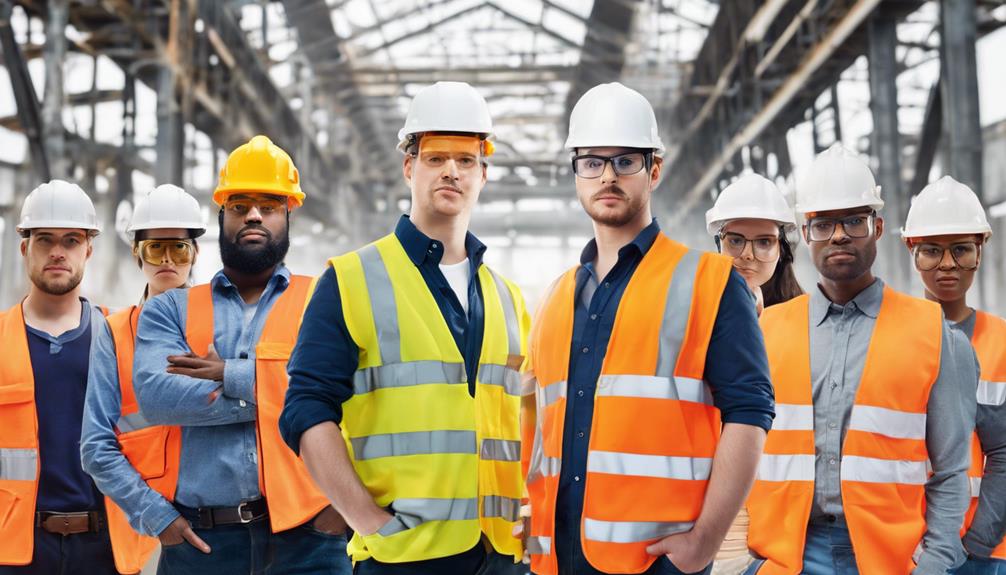
To boost safety on your commercial construction site, start with comprehensive training programs that cover safety protocols and proper equipment use. Ensure you're conducting regular site inspections to identify and mitigate risks. Always enforce the use of personal protective equipment (PPE), matching specific gear to the hazards of tasks. Keep communication clear through frequent meetings and visible signage to remind everyone of safety practices. Additionally, manage hazardous materials meticulously, ensuring proper labeling, storage, and handling. Advanced knowledge of these practices and tips can enhance safety and operational efficiency on your site.
Implementing Comprehensive Training Programs
Implementing comprehensive training programs is crucial for enhancing safety on a commercial construction site. You need to ensure that every worker has the skills and knowledge to navigate potential hazards effectively. Start by developing a curriculum that covers crucial safety protocols, emergency responses, and proper use of equipment. It's not just about one-time training; you must also provide continuous learning opportunities to keep everyone up-to-date with the latest safety standards and technologies.
You'll want to customize training sessions based on specific roles. For instance, electricians and welders face different risks and thus require specialized instructions tailored to their needs. Incorporating practical, hands-on sessions where workers can apply what they've learned in a controlled, supervised environment is equally important.
Remember, the effectiveness of a training program often hinges on engagement. Use interactive methods like simulations and group discussions to make learning more interactive and memorable.
Also, feedback is key. Regularly gather input from your team to refine the training process, ensuring it remains relevant and effective.
Ensuring Regular Site Inspections
Regular site inspections are essential to maintaining safety on your commercial construction site. You'll want to ensure that inspections aren't just a checkbox activity but a core part of your daily operations. This proactive approach helps in identifying potential hazards before they lead to accidents or injuries.
Firstly, develop a regular inspection schedule that covers all areas of your site. It's crucial to include unexpected checks to catch unseen issues.
You need a team that's trained to spot risks, from unstable structures to misplaced tools. Remember, consistency is key; don't let your guard down just because nothing seems amiss.
Use a checklist tailored to your specific site needs. This list should evolve as the project progresses and as new risks emerge.
Documenting these inspections is just as important as conducting them. It's not only about compliance but also about tracking progress and understanding patterns in safety lapses.
Enforcing Personal Protective Equipment Use
While ensuring regular site inspections is crucial, equally important is enforcing the use of personal protective equipment (PPE). You can't afford to overlook this aspect, as it directly impacts the well-being of every worker on your site. From helmets and gloves to high-visibility clothing and safety harnesses, each piece plays a pivotal role.
First, you need to understand the specific requirements of your construction site. Different tasks require different types of PPE. You wouldn't use the same gear for welding as you'd for electrical work, right? It's crucial to match the right PPE to the hazards of the job.
Next, make PPE usage a non-negotiable part of your site protocol. This means not only providing the right equipment but also training your team on how to use it correctly. They need to know not just how to wear it, but also when and why each piece is necessary.
You should also regularly check that all PPE is in good condition. Damaged or worn-out equipment is nearly as bad as none at all. Replace anything that doesn't meet safety standards immediately. Remember, cutting corners with PPE isn't just unsafe; it can be downright deadly.
Establishing Clear Safety Communication
After ensuring that everyone on your site uses the correct personal protective equipment, it's vital to focus on how safety information is communicated. Clear communication is your lifeline, reducing risks and preventing accidents.
Start by establishing a comprehensive communication plan that details who communicates what, when, and how. You'll need to make sure that everyone knows the protocol for reporting unsafe conditions and emergencies.
Implement regular safety meetings and training sessions to keep safety protocols fresh in everyone's mind. These should be interactive, encouraging questions and discussions about real-life scenarios that could occur on the site. It's crucial that you're not just talking at your team but engaging with them.
Don't forget the power of visual aids. Use clear, understandable signage throughout the site to remind workers of risks and procedures. Symbols are particularly effective because they transcend language barriers.
Lastly, ensure that all communication tools are up to date and functioning. Whether it's a bullhorn, walkie-talkies, or a digital messaging system, maintaining these tools is as important as the messages themselves. Clear, consistent, and reliable communication isn't just a regulatory requirement; it's a cornerstone of site safety.
Managing Hazardous Materials Properly
Handling hazardous materials on your construction site requires strict adherence to safety protocols to prevent accidents and health risks. Firstly, you need to know exactly what materials are considered hazardous. These can range from chemicals and solvents to certain types of dust and fibers. Once identified, ensure they're correctly labeled and stored. Proper storage reduces the risk of spills or accidental exposure.
You'll also want to train your team on how to handle these materials safely. This training should cover proper use, emergency procedures, and first aid. Don't assume everyone's up to speed; regular refresher courses are vital to maintain high safety standards.
Equipping your site with the right tools and protective gear is another crucial step. Provide gloves, masks, and goggles as needed. Ensure that there's always sufficient ventilation when working with volatile substances.
Conclusion
You've got the top five safety tips to keep your commercial construction site secure. Remember, thorough training is your foundation, and regular inspections ensure everything stays on track. Always enforce the use of personal protective equipment—it's a must. Keep communication clear and straightforward to avoid misunderstandings. Lastly, manage hazardous materials with utmost care. Put these practices into action, and you'll not only boost safety but also enhance efficiency on your site. Stay safe and build smart!
Related articles: Stay Safe on the Job: Top Site Safety Tips · Essential Commercial Construction Safety Guidelines FAQ · What Are OSHA Regulations for Construction?