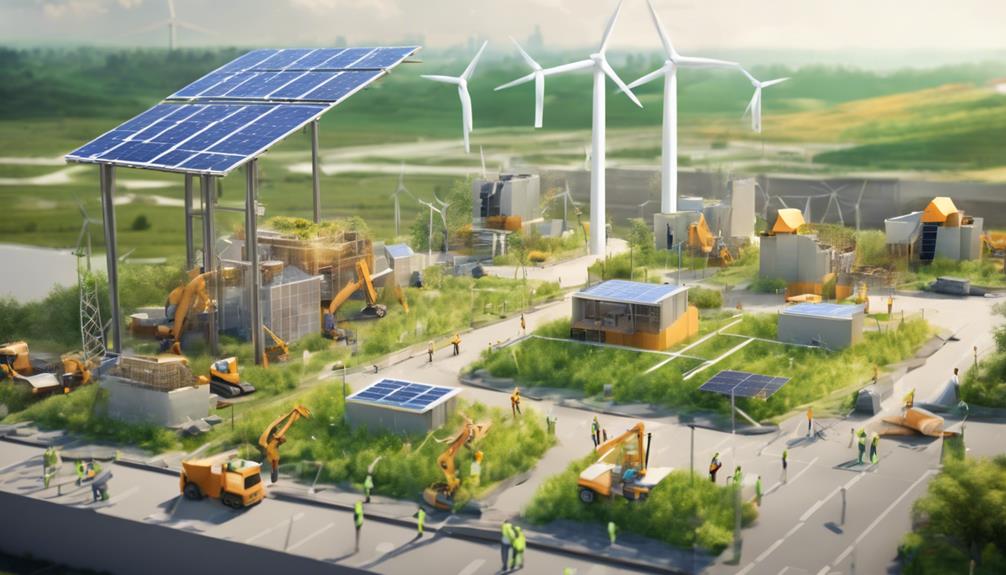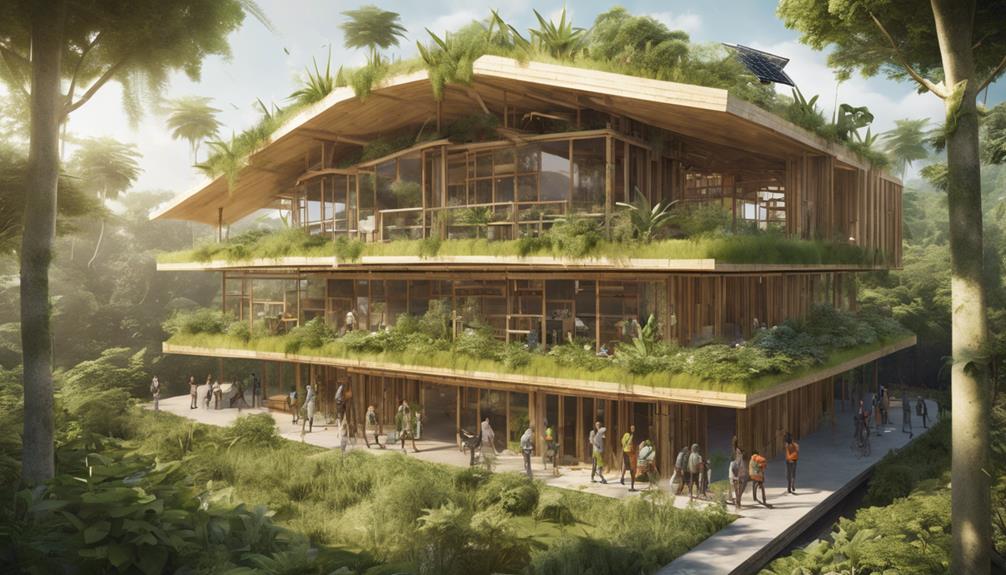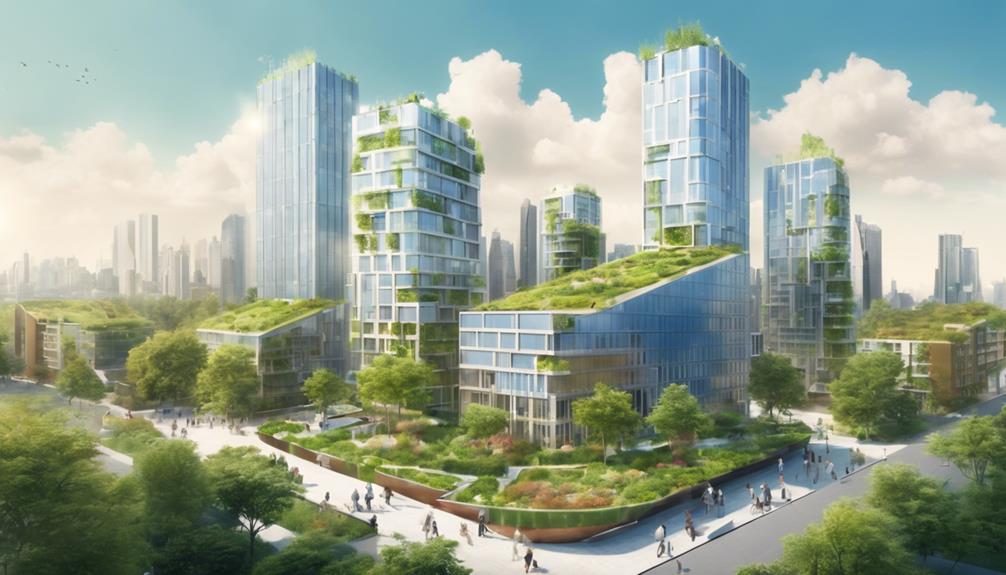
In 2024, adopting sustainable building practices offers you tremendous benefits, from enhancing energy efficiency to reducing your operating costs. You'll enjoy lower energy bills through features like solar panels and advanced insulation, and also cut maintenance expenses with materials designed for longevity. Moreover, sustainable designs foster better employee well-being, offering natural light and improved air quality, which can boost productivity and job satisfaction. Plus, your property value could rise, as green-certified buildings attract more buyers and potentially command higher prices. These eco-friendly approaches not only save you money but also minimize your environmental footprint. For further insights, there's more intriguing information available on this subject.
Enhanced Energy Efficiency
Implementing sustainable building practices significantly boosts energy efficiency in your home or office. By integrating features such as improved insulation, energy-efficient windows, and advanced HVAC systems, you're not just cutting down on energy consumption; you're also enhancing the comfort of your living or workspace. These technologies work together to maintain optimal temperature and air quality, which means your heating and cooling systems don't have to work as hard.
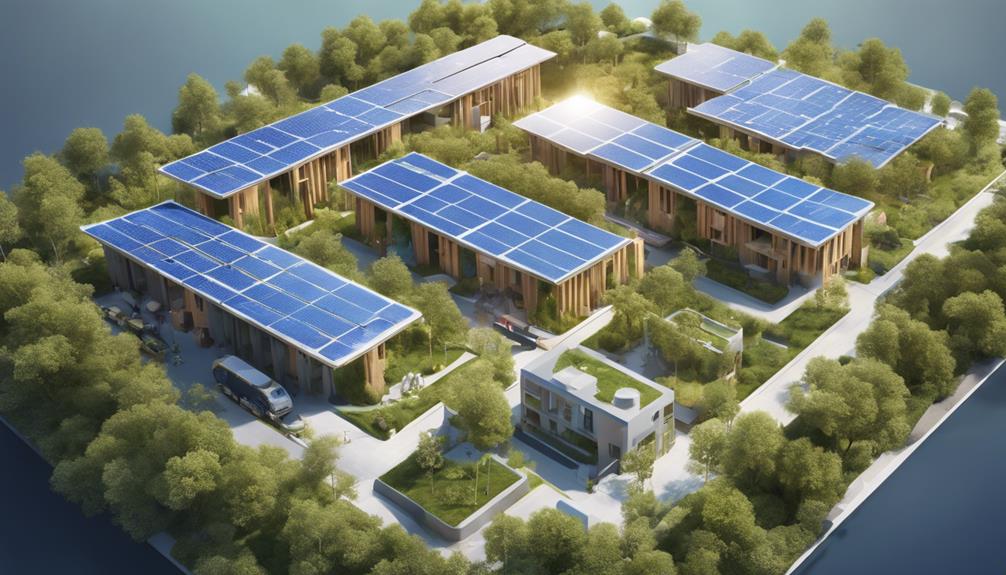
Moreover, adopting renewable energy sources like solar panels or small wind turbines can lead to even greater energy autonomy. These systems harness natural resources to provide electricity, reducing reliance on non-renewable energy sources. You'll notice that your home or office becomes less impacted by external temperature fluctuations, maintaining a more consistent internal environment.
Smart home technologies further streamline this efficiency. With automated systems to control lighting, heating, and cooling based on occupancy and time of day, you're ensuring that energy isn't wasted. These innovations not only make your space smarter but also significantly more energy-efficient.
Reduced Operating Costs
Adopting sustainable building practices leads directly to lower operational costs for your property. By integrating technologies like solar panels and energy-efficient HVAC systems, you'll see a significant decrease in energy bills. These improvements not only reduce your reliance on non-renewable energy sources but also capitalize on natural resources, which often incur lower costs.
Incorporating sustainable materials also plays a crucial role. Materials like recycled insulation or sustainably sourced wood might've a higher upfront cost, but they last longer and require less maintenance. This means you'll be spending less on repairs and replacements over time.
Water usage is another area where sustainable practices cut costs. Installing low-flow fixtures and rainwater harvesting systems reduces the amount of water you use and lowers your utility bills. These systems are especially beneficial in areas with high water rates or limited water supply.
Moreover, by using energy management systems, you can monitor and control the consumption of resources in real-time, allowing for immediate adjustments that prevent wastage. Over time, the savings from these systems can be substantial.
Improved Employee Well-being
Beyond reducing costs, sustainable building practices significantly enhance employee well-being. When you work in a building that prioritizes sustainability, you're not just occupying space; you're immersed in an environment that actively promotes your health and productivity.
Natural light floods your workspace, thanks to thoughtful window placements and design strategies that maximize daylight. This isn't just about aesthetics; exposure to natural light has been linked to better sleep and mood, which can boost your overall job satisfaction and efficiency.
You'll also breathe easier, literally. Sustainable buildings often incorporate better ventilation systems and use materials that are low in volatile organic compounds (VOCs). This means the air you breathe is cleaner, reducing the risk of respiratory problems and enhancing cognitive functions. It's not just about feeling good; it's about performing at your best.
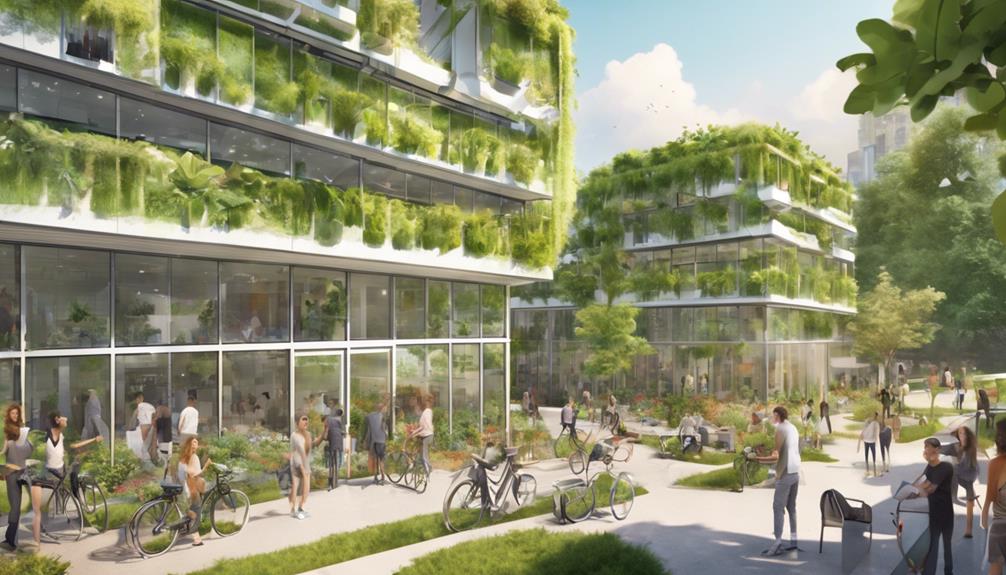
Moreover, green spaces and living walls are common features in sustainable buildings. These elements aren't merely decorative. They bring a slice of nature indoors, which studies have shown can lower stress levels and enhance mental health.
You'll find that your workplace becomes a retreat where you can recharge, fostering a sense of well-being that transcends the typical office environment.
Increased Property Value
In addition to enhancing well-being, sustainable building practices significantly increase property values. When you invest in green buildings, you're not just doing good for the environment; you're also setting up a financial advantage. Sustainable features like solar panels, energy-efficient appliances, and superior insulation often attract buyers willing to pay a premium. This is because they know they'll save on energy costs and maintenance in the long run.
Moreover, as awareness of sustainability grows, the demand for green properties is skyrocketing. Buyers and renters are increasingly seeking homes that align with their values, translating to higher prices and faster sales for eco-friendly properties. You'll find that properties with green certifications, such as LEED or BREEAM, can command higher prices in the real estate market.
Furthermore, local governments are starting to offer tax incentives and rebates for sustainable properties, enhancing their investment appeal. This not only boosts the initial value but also contributes to long-term appreciation.
Investing in sustainable building isn't just a moral decision; it's a savvy financial strategy. By focusing on sustainability, you're ensuring your property remains desirable and valuable in a market that's increasingly eco-conscious.
Environmental Impact Reduction
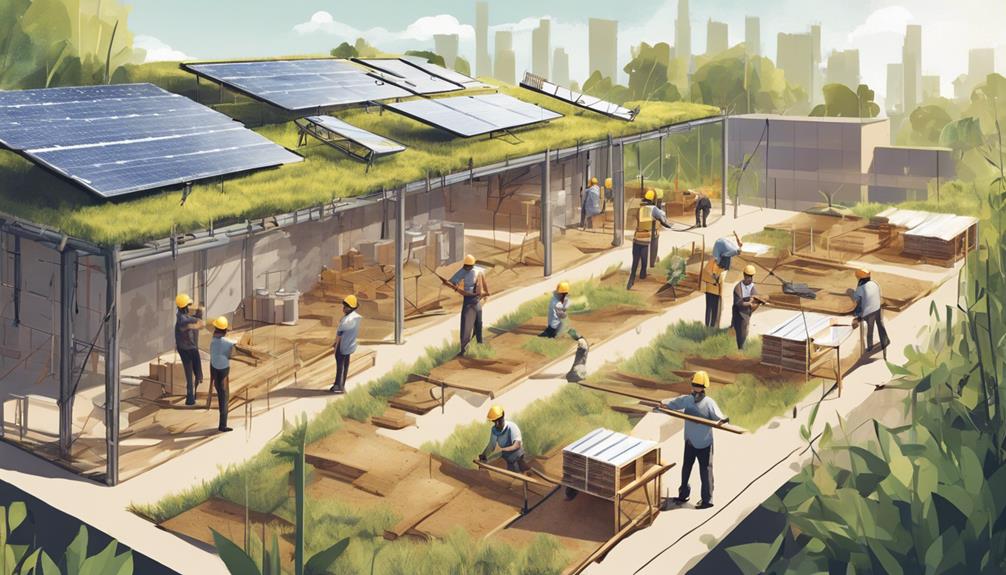
Reducing your environmental impact through sustainable building practices not only preserves natural resources but also minimizes waste. By choosing eco-friendly materials, you reduce the demand for non-renewable resources and decrease your carbon footprint. When you opt for sustainable wood, bamboo, or recycled materials, you're supporting industries that are less harmful to the environment.
You'll also find that sustainable buildings use less energy. By incorporating solar panels, efficient insulation, and energy-efficient appliances, you're cutting down on electricity usage and reliance on fossil fuels. This, in turn, reduces greenhouse gas emissions, which are crucial for combating climate change.
Water conservation is another significant benefit. Sustainable buildings often feature systems that reuse and recycle water. Rainwater harvesting and greywater systems can dramatically decrease your water usage and lower your utility bills. You're not just saving money; you're contributing to a more sustainable management of water resources.
Lastly, sustainable construction methods can lead to better waste management. By optimizing resource usage and recycling construction debris, you're helping to reduce landfill waste. Every step you take towards sustainable building doesn't just contribute to a healthier planet—it ensures a healthier living environment for everyone.
Conclusion
You've seen how sustainable building practices can transform your space and the world around you. By boosting energy efficiency and reducing operating costs, you're not just saving money; you're also enhancing the well-being of everyone who steps into your building. The increase in property value and the significant reductions in environmental impact are just icing on the cake. Embrace these sustainable strategies, and watch as your investment pays dividends in more ways than one.
Related articles: What Are the Best Sustainable Building Materials? · Eco-Friendly Materials for Sustainable Construction · 3 Best Sustainable Building Materials for Construction