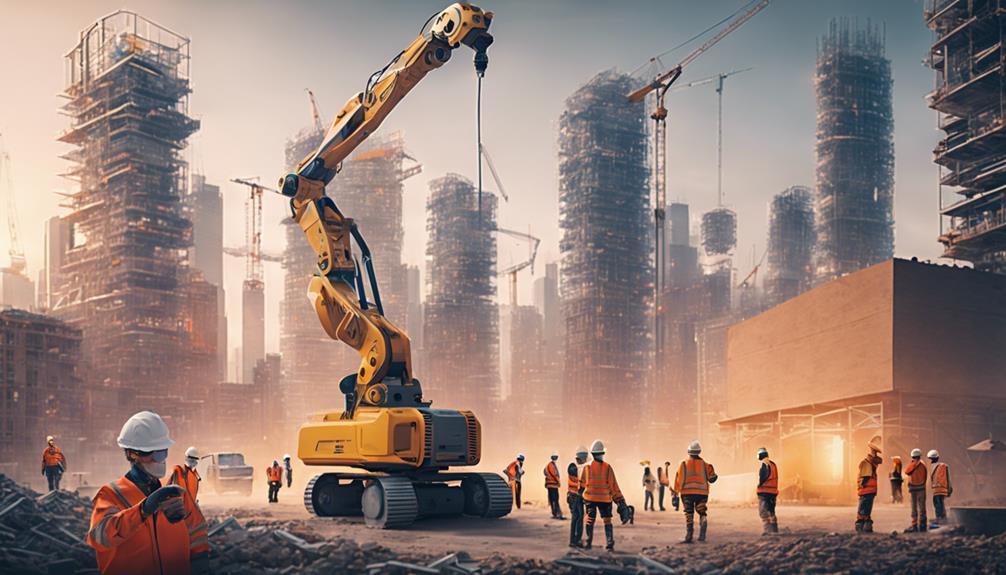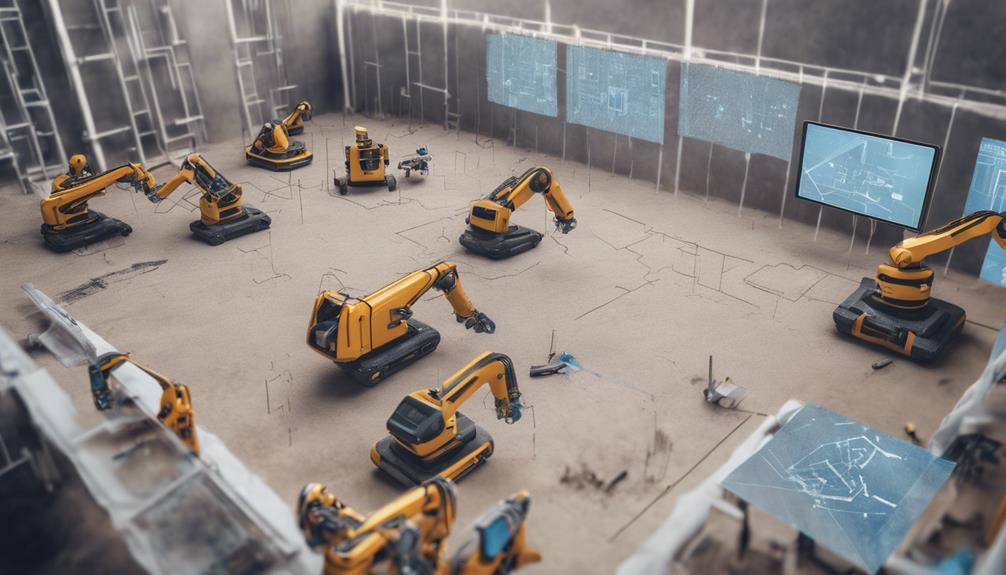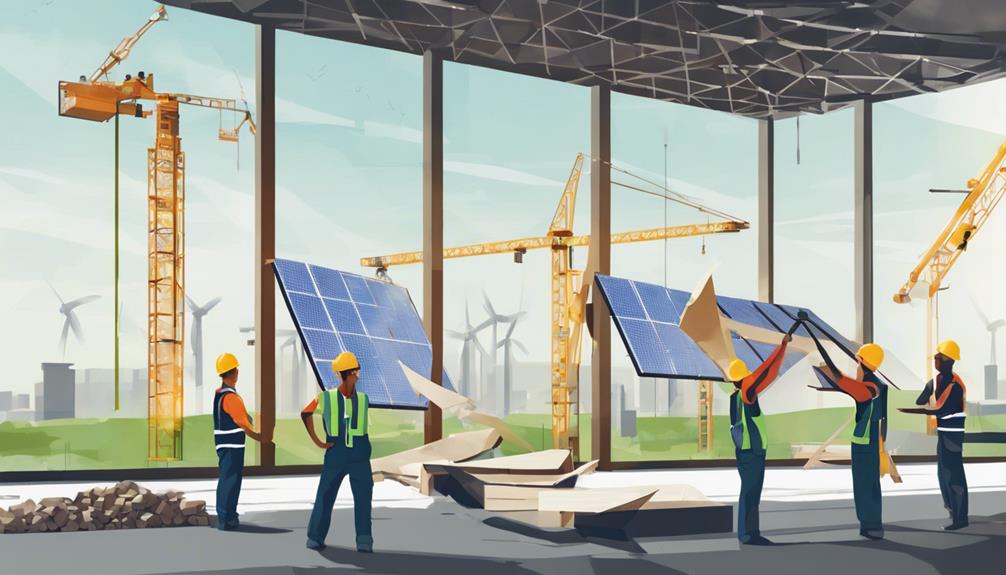
sustainable construction tech solutions

Top 10 Sustainable Construction Technology Solutions

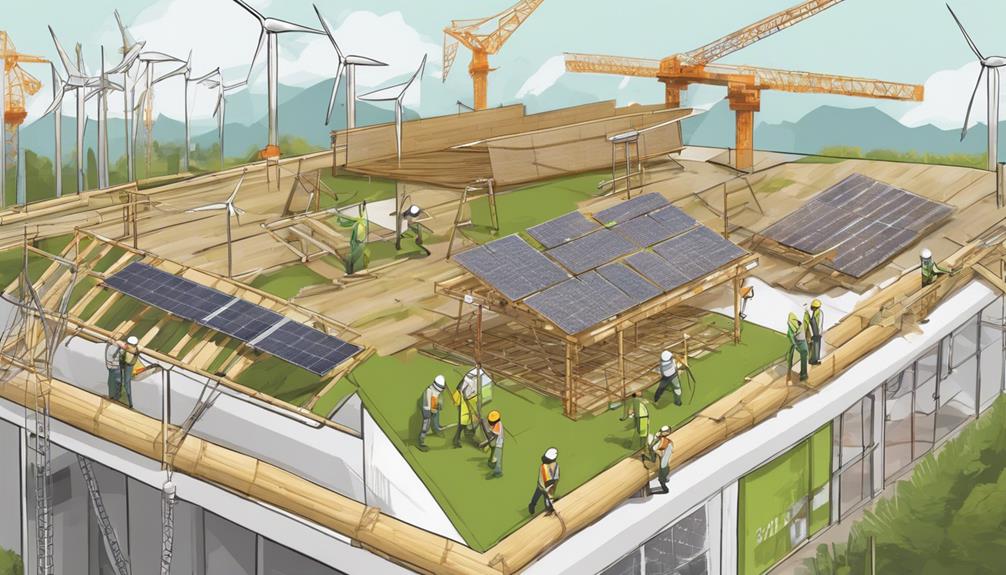
As you consider building sustainably, it's essential to know the leading technologies reshaping the industry. You can incorporate green building materials like bamboo and recycled steel, which support our planet while catering to efficiency. Consider energy-efficient HVAC systems that could slash energy use by up to 40%, and don't overlook the benefits of integrating solar power, which not only reduces utility bills but also taps into enticing government rebates. Smart glass and water reclamation systems are innovative choices, reducing dependence on conventional energy and water sources. Exploring these options offers more than immediate gains; they ensure a greener future with each project you undertake.

Green Building Materials

In the realm of sustainable construction, green building materials stand out as essential tools for reducing environmental impact. You're tasked with choosing materials that not only support the health of the planet but also cater to the well-being and safety of future building occupants. Consider bamboo, a rapidly renewable resource that's as durable as traditional hardwoods. It's not just about picking eco-friendly materials; it's about understanding their lifecycle impacts.

Recycled steel is another cornerstone of green building. By opting for steel that's been given a second life, you're reducing the need for new iron ore extraction, which significantly lowers energy consumption and mining pollution. This choice doesn't compromise on strength or versatility, making it ideal for a variety of construction needs.

You should also look into recycled concrete, which uses demolished construction waste as an aggregate. This practice not only saves natural resources but also reduces landfill waste. Plus, it cuts down on the emissions involved in transporting raw materials.

Energy-Efficient HVAC Systems

Why consider upgrading to energy-efficient HVAC systems? You're not only cutting down your energy bills but also enhancing indoor air quality and reducing your carbon footprint. Energy-efficient systems use advanced technology to minimize waste and optimize performance. They're designed to use less energy by incorporating high-efficiency filters and smart thermostat controls that adapt to your lifestyle and weather conditions.

Imagine a system that adjusts itself based on real-time data like occupancy and external temperatures. This isn't just about comfort; it's about being smart with your energy use.

You'll see significant savings on utility bills as these systems can reduce energy consumption by up to 40% compared to older models.

Moreover, investing in such technology increases your property value. Today's market increasingly values sustainable homes, making this a savvy long-term investment. Additionally, many local governments offer incentives for energy-efficient upgrades, which can help offset the initial cost.

Solar Power Integration

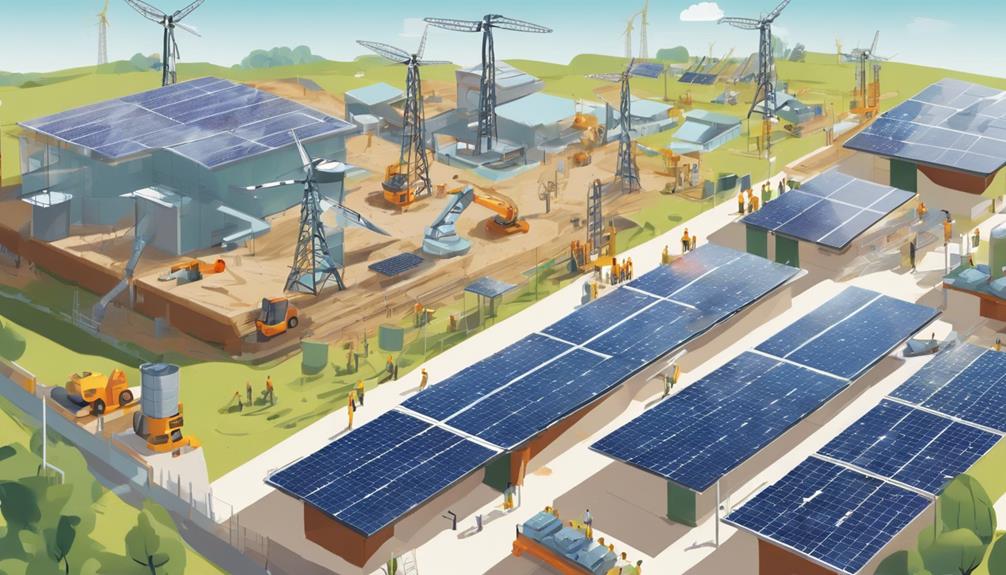
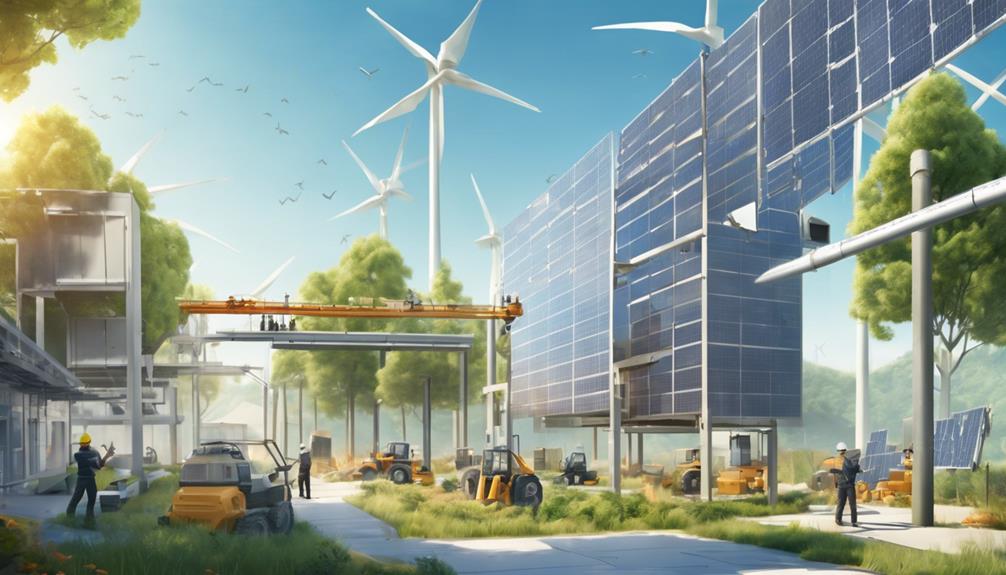
Building on the theme of energy efficiency, integrating solar power into your construction projects offers another robust avenue for reducing reliance on non-renewable energy sources. By harnessing the sun's energy through photovoltaic panels, you're not only cutting down on utility bills but also contributing to a greener planet. It's a step that aligns with global trends towards sustainability and energy independence.

Solar panels are versatile. You can install them on rooftops, integrate them into building facades, or even use them as part of the parking structures. This flexibility means you can incorporate solar power into a wide range of projects, from residential homes to large commercial buildings.

Plus, advancements in solar technology have significantly increased efficiency and decreased the cost of these systems, making solar integration more accessible than ever.

Moreover, government incentives and rebates can further reduce the initial investment, enhancing the financial viability of solar installations. These benefits make it an attractive option for both builders and clients looking to invest in long-term savings and environmental stewardship.

Smart Glass Technology

Smart glass technology revolutionizes how buildings manage light and heat, offering you dynamic control over environmental factors with just the touch of a button. Imagine you're in your office and the sun starts to glare on your computer screen. Instead of reaching for blinds or curtains, you simply adjust the opacity of your windows electronically. This isn't just convenient; it's also a game-changer in energy efficiency.

This innovative tech, also known as electrochromic glass, can switch between clear and tinted states. When it's sunny and hot, the glass tints to block UV rays and reduce cooling costs. On colder days, it clears up to let in sunlight, tapping into natural warmth and light.

You're not just cutting down on energy usage; you're enhancing your comfort without relying heavily on HVAC systems.

Moreover, smart glass integrates seamlessly with smart home systems, allowing automated adjustments based on weather forecasts or time of day. You can also manually control them via smartphone apps, making it easier than ever to maintain an optimal indoor environment.

Water Reclamation Systems

Water reclamation systems are vital technologies that allow you to recycle used water, turning what would be waste into a valuable resource. These systems collect and treat water from various sources, including rainwater, greywater from sinks and showers, and blackwater from toilets. By treating this water, you're not only reducing your overall consumption but also lessening your building's impact on the local water system.

You might wonder how this fits into your daily life. Imagine reusing water for landscaping, flushing toilets, and even cooling systems in large buildings. It's all possible with modern water reclamation technology, which uses sophisticated treatment processes to ensure the water is safe and effective for reuse. This not only saves you money on water bills but also promotes a sustainable approach to resource management.

As a stakeholder in sustainable construction, you play a critical role. By integrating water reclamation systems into your projects, you're contributing to a more sustainable future. These systems are adaptable to both residential and commercial buildings, making them a versatile solution in the fight against water scarcity.

Prefabricated Construction Methods

As you explore sustainable construction technologies, consider the advantages of prefabricated construction methods. Prefabrication involves assembling parts of a building in a factory before transporting them to the construction site for installation. This method isn't just efficient; it significantly reduces construction waste and site disturbances.

By choosing prefabricated methods, you're opting for a process where materials can be managed more effectively. There's less waste of resources like wood and metal, as excess materials are recycled in the plant rather than discarded at the site. This approach not only conserves materials but also minimizes the environmental impact of your construction project.

Furthermore, because components are made in controlled environments, the precision is higher, which enhances the building's quality. This controlled assembly means fewer mistakes and reworks, speeding up construction times and reducing the overall carbon footprint of the build.

Additionally, with most of the work done offsite, the on-site construction activity is greatly reduced, which lessens noise and air pollution. This makes prefabricated construction particularly beneficial in dense urban areas where minimizing disruption is crucial.

Incorporating prefabricated methods into your project isn't just a nod to efficiency; it's a step toward more sustainable building practices.

Eco-Friendly Insulation Options

Switching to eco-friendly insulation options is another crucial step towards a more sustainable construction project. These materials not only reduce your carbon footprint but also enhance the energy efficiency of buildings. You'll find that options like sheep's wool, recycled cotton, and hemp aren't only renewable but also boast low embodied energy, which means less environmental impact during their production.

Consider sheep's wool, which is naturally fire-resistant and can regulate humidity effectively. It's a fantastic choice if you're looking to maintain indoor air quality while keeping energy costs down.

Recycled cotton, made from textile scraps and denim, is another superb option. It's treated to be fire-retardant without the use of harmful chemicals, making it a safe bet for both residential and commercial spaces.

Hemp insulation is gaining traction due to its durability and mold-resistant properties. It's easy to install and provides excellent thermal performance, which can significantly cut heating and cooling expenses. Moreover, these materials often provide better soundproofing than traditional fiberglass insulation.

Sustainable Landscaping Practices

Incorporating sustainable landscaping practices into your construction project not only enhances the aesthetic appeal of the property but also significantly reduces its environmental impact. By choosing native plants, you're opting for species that are adapted to the local climate and soil conditions, requiring less water, fertilizers, and pesticides. This choice supports local biodiversity and provides habitats for native wildlife.

You should also consider implementing rain gardens or bioswales, which are effective in managing stormwater runoff naturally. These features filter pollutants and prevent them from reaching water bodies, while also replenishing local groundwater supplies.

Additionally, using permeable paving materials for walkways and driveways allows rainwater to seep through the ground, reducing runoff and erosion.

To further minimize your environmental footprint, opt for organic mulches and compost. These enrich the soil by breaking down naturally, improving soil structure and fertility without the use of synthetic chemicals.

Lastly, integrating smart irrigation systems can drastically reduce water usage. These systems deliver water efficiently and are responsive to weather conditions, ensuring that plants receive precise amounts when needed, which conserves water and reduces your utility bills.

Advanced Building Automation

Building on the foundation of sustainable landscaping, advanced building automation systems further enhance a property's efficiency and environmental stewardship. You'll find that these systems integrate seamlessly into your building, optimizing energy use and reducing waste through intelligent control of lighting, heating, ventilation, and air conditioning (HVAC). They're not just about convenience; they're crucial for minimizing your carbon footprint.

With sensors and IoT (Internet of Things) technology, your building learns from your habits and adjusts itself accordingly. Imagine walking into a room where the lights and temperature adjust automatically to your preferences, all while conserving energy when you're not present. This isn't the future; it's what you can implement today.

Moreover, these systems provide real-time data analytics. You'll receive insights on energy consumption patterns, allowing you to make informed decisions about energy use.

This visibility ensures you're not just saving money; you're actively participating in global sustainability efforts.

Low-Impact Construction Sites

Often, the environmental impact of construction sites is overlooked, but adopting low-impact practices can significantly reduce this harm. As you delve into construction projects, it's essential to prioritize methods that lessen your ecological footprint. Implementing sustainable site design principles, such as preserving natural landscapes and minimizing soil disruption, can prevent detrimental changes to the local ecosystem.

Utilizing advanced technologies like electric-powered machinery helps in cutting down emissions traditionally associated with diesel engines. You'll find that these alternatives not only contribute to cleaner air but also significantly reduce noise pollution. It's about making smarter choices that align with environmental conservation goals.

Moreover, managing waste efficiently is crucial. Opt for recycling and reusing materials whenever possible. This approach not only conserves resources but also decreases the overall waste sent to landfills.

You should also consider sourcing materials locally. This reduces transportation emissions and supports local economies, creating a win-win situation.

Conclusion

You've explored the top sustainable construction technologies that can revolutionize how buildings interact with the environment. From green materials to smart energy systems, each solution offers a step towards a more sustainable future. Whether you're integrating solar power or optimizing with smart glass, your choices not only reduce environmental impact but also promise long-term savings. It's time to take action and build smarter, not harder. Embrace these innovations and lead the way in sustainable construction.

Related articles: 3 Best Modern Architectural Design Trends 2023

eco friendly gadgets for construction

Building Green: Gadgets for Guilt-Free Construction

When you're aiming for guilt-free construction, there's a plethora of gadgets to help you mitigate environmental impact. Consider starting with bamboo and recycled materials such as plastic or reclaimed wood to cut down your carbon footprint significantly. Install smart energy systems that adapt to your habits and optimize renewable energy usage, while water-conserving technologies like greywater systems and low-flow fixtures drastically reduce your water demand. Don't overlook the power of solar innovations and green roofing to further enhance efficiency and biodiversity. Every choice you make can contribute significantly to sustainability, guiding you to explore deeper into how these gadgets function to transform green building.

Eco-Friendly Building Materials

In recent years, the shift towards eco-friendly building materials has become essential for sustainable construction. You've likely noticed more options on the market, each promising lower environmental impacts without compromising on quality or durability. Materials like bamboo, recycled plastic, and reclaimed wood aren't just buzzwords; they're practical choices that you can use to reduce your carbon footprint while building or renovating.

Consider bamboo, highly renewable due to its rapid growth rate, making it an ideal alternative to traditional hardwoods. It's not only strong and aesthetically pleasing but also helps in the fight against deforestation.

Similarly, recycled plastic is transforming waste into weather-resistant decking and insulation, pushing the boundaries of what recycling can achieve in construction contexts.

Reclaimed wood is another standout. By repurposing timber from demolished buildings, you're not only preserving history but also avoiding the environmental toll of processing new lumber. This approach significantly cuts down on waste and energy consumption.

As you plan your next building project, think about these materials. They're more than eco-friendly choices; they're smart, sustainable decisions that don't sacrifice functionality for environmental consciousness. Choosing them means you're part of a larger movement towards a greener planet.

Smart Energy Management Systems

Beyond eco-friendly materials, integrating Smart Energy Management Systems into your construction or renovation project can significantly optimize energy use and reduce costs. These systems, equipped with sensors, software, and automation technologies, allow you to monitor and control the energy consumption of your building in real time.

Imagine adjusting heating, cooling, and lighting based on occupancy and time of day—automatically.

You're not just saving money; you're actively participating in a sustainable future. These systems learn from your habits and adjust to improve efficiency over time. For instance, during peak hours when energy costs spike, your system could lower its demand, seamlessly reducing your utility bills without sacrificing comfort.

Moreover, the integration of renewable energy sources like solar or wind becomes simpler with a smart system. It effectively manages the energy you generate, storing excess power for later use or selling it back to the grid. This not only maximizes your investment in renewables but also ensures you have power during outages.

Water Conservation Technologies

Shifting focus to water conservation technologies, you'll discover innovative tools that significantly reduce your project's water footprint. Among these, greywater recycling systems stand out. These systems capture water from sinks, showers, and laundry, then treat and reuse it for irrigation and toilet flushing. It's a smart way to cut down on fresh water usage without compromising on your building's operational needs.

Next, consider installing rainwater harvesting systems. These systems collect rainwater from roofs, which can then be stored and used for landscape irrigation, reducing your reliance on municipal water supplies. It's a straightforward method to harness a natural resource while minimizing your environmental impact.

Low-flow fixtures, including toilets, showerheads, and faucets, are essential too. They reduce water usage by using high-efficiency designs that maintain performance. By switching to these, you can achieve up to a 60% reduction in water use compared to traditional fixtures.

Finally, don't overlook the importance of soil moisture sensors. These devices optimize irrigation schedules based on real-time soil moisture levels, ensuring that you're only watering when necessary, thus preventing water wastage.

Adopting these technologies not only conserves water but also saves money on utility bills, making them a win-win for any green construction project.

Solar Power Innovations

Harness the power of the sun with the latest advancements in solar technology. You're no longer limited to bulky panels on your roof. Today's innovations include flexible solar films that can be integrated directly into the building materials themselves – imagine windows and walls that generate power!

You'll find that newer solar panels have drastically improved in efficiency. They can now convert more sunlight into electricity, even on cloudy days. This means you can achieve greater energy independence and reduce your carbon footprint without sacrificing style or functionality.

Consider also the integration of solar batteries. These aren't just for storing excess power; they're smart. They can learn your energy usage patterns to optimize when to store and when to use the power, ensuring you have energy during grid outages or peak demand times.

Don't forget about portable solar options. Portable solar generators are perfect for on-site power needs without the noise and pollution of traditional generators. They're easy to set up, and you can move them as needed across your construction sites.

Embrace these solar power innovations to make your building projects greener and more sustainable. You're not just building; you're investing in the future of our planet.

Green Roofing Solutions

While exploring solar innovations offers a significant leap toward sustainability, another impactful approach is implementing green roofing solutions. You might wonder what a green roof involves. Essentially, it's a layer of vegetation planted over a waterproofed substrate atop your building. This isn't just about aesthetics; the benefits are substantial.

Firstly, green roofs are excellent at insulating your home. They reduce the need for artificial heating and cooling, slashing your energy bills and carbon footprint. In summer, the soil and plants absorb sunlight, keeping your interiors cooler.

Conversely, in winter, they provide added insulation, trapping heat inside.

Moreover, these roofs manage stormwater effectively. Urban areas often face runoff issues during heavy rains, leading to flooding and strained sewage systems. A green roof absorbs and retains a large percentage of this water, releasing it slowly back into the environment. This not only mitigates flood risks but also reduces the burden on municipal drainage systems.

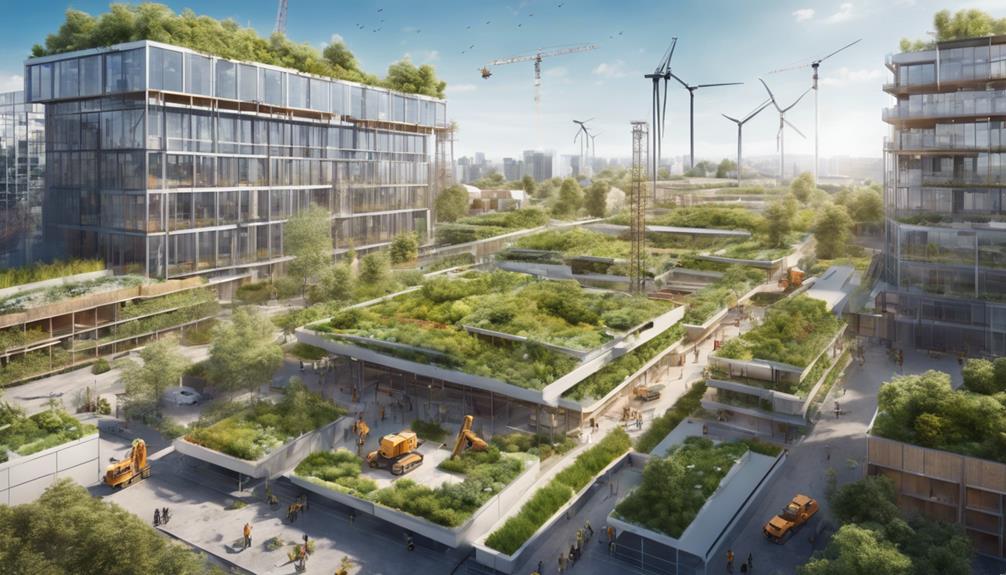
Green roofs also enhance biodiversity, providing habitats for birds, insects, and other wildlife, which is crucial in urban settings where green spaces are limited.

To get started, consult with a specialist who understands your local climate and can recommend suitable plant species. It's a smart investment that pays off environmentally and financially.

Sustainable Insulation Options

Exploring sustainable insulation options can significantly enhance your home's energy efficiency. By choosing materials that minimize environmental impact, you're not just cutting down on energy costs; you're also contributing to a healthier planet. Let's dive into some eco-friendly choices that don't skimp on performance.

First up is sheep's wool insulation. It's a fantastic option as it naturally regulates humidity, is renewable, and offers excellent thermal resistance. You might worry about costs, but consider the long-term energy savings—it's worth the initial investment.

Next, consider recycled denim. Yes, the material that makes your jeans can also keep your home warm or cool. It's made from post-industrial cotton fibers, which means it's diverting waste from landfills while providing effective insulation.

Another innovative option is cork. Harvested from the bark of cork oak trees without harming the tree, cork is a superb insulator and highly sustainable. It's also naturally fire retardant and sound-dampening, making it a top choice for green building.

Lastly, don't overlook cellulose insulation, made from recycled paper. It's often treated with borate for fire and pest resistance, proving that you can use recycled materials without compromising on safety or efficiency.

Advanced Recycling Tools

As you consider sustainable insulation options, it's also important to explore how advanced recycling tools are transforming construction waste management. These innovative gadgets are crucial in reducing the environmental footprint by efficiently processing materials that would otherwise end up in landfills.

One standout is the mobile crusher, a powerful device that can break down large chunks of concrete into reusable gravel right at the construction site. You'll save on transportation costs and reduce the need for new raw materials.

Another game-changer is the smart shredder, equipped with sensors to sort and process different types of waste, from wood to metal, enhancing the recycling process and minimizing contamination.

Don't overlook specialized scanners that identify and categorize materials for recycling. These tools are incredibly effective in maximizing material recovery and ensuring that each component is reused in the most environmentally friendly way possible.

Conclusion

You've explored an array of tools and technologies that make building green not just possible, but practical. From eco-friendly materials and smart energy systems to innovative solar solutions and sustainable insulation, you're equipped to reduce your environmental footprint significantly. Embrace these advancements and integrate them into your projects. Remember, every choice you make counts towards a healthier planet. Start building guilt-free, knowing you're contributing positively to our world's future.

Related articles: Top 10 Sustainable Construction Technology Solutions

green construction technology guide

How to Implement Green Construction Technology Solutions

To implement green construction technology solutions, start by familiarizing yourself with green building standards like LEED or BREEAM. Opt for sustainable building materials such as recycled steel or bamboo, and consider using renewable energy systems like solar panels or geothermal energy to power your projects. Don't forget to install efficient water management systems, including low-flow fixtures and rainwater harvesting. Integrating smart building technologies will enhance energy efficiency and operational performance. Each step you take not only supports the environment but also boosts the health and comfort of building occupants. There's more to explore on how these technologies can transform your next project.

Understanding Green Building Standards

Green building standards are crucial guidelines you must follow to ensure sustainability in construction. These benchmarks serve as the foundation for reducing environmental impacts while promoting healthier living environments. You're not just constructing buildings; you're fostering a sustainable future.

When you dive into these standards, you'll encounter various certifications and ratings like LEED, BREEAM, or WELL. Each of these has its own set of criteria focusing on aspects such as energy efficiency, water use, indoor environmental quality, and innovation in design. It's key to familiarize yourself with the specific requirements of the certification you're aiming for. This isn't just about compliance; it's about exceeding norms and setting new benchmarks in sustainable construction.

Implementation often involves rigorous planning and detailed project management. You'll need to engage with architects, engineers, and builders who are versed in these standards. They'll help you navigate the complex landscape of sustainable building, ensuring that every component of your project aligns with the established criteria.

Choosing Sustainable Building Materials

After understanding green building standards, selecting the right sustainable building materials is your next crucial step. You'll want to focus on materials that not only reduce environmental impact but also promote energy efficiency and long-term durability.

Start by considering locally sourced materials. Using local products reduces transportation emissions and often supports your local economy. Materials like reclaimed wood, recycled steel, and bamboo are sustainable choices that also add a unique aesthetic to your project.

Next, think about the life cycle of the materials you choose. Opt for those that offer longevity and are recyclable, ensuring they can be reused or disposed of responsibly at the end of their life. Products like recycled content concrete and natural fiber insulation are excellent examples.

Don't forget to assess the manufacturing process of each material. Prefer those produced with minimal chemical pollutants and lower water usage. This step not only helps in preserving natural resources but also minimizes health risks to construction workers and future building occupants.

Lastly, ensure all materials meet or exceed existing green building standards. This alignment guarantees that your choices aren't only environmentally friendly but also recognized and valued in the green construction community.

Integrating Renewable Energy Systems

Once you've selected sustainable building materials, the next step is to integrate renewable energy systems into your construction project. This move isn't just eco-friendly; it's also economically wise in the long run. You're looking at solar panels, wind turbines, and geothermal energy as primary options.

Start with solar panels. They're versatile and can be installed on roofs or as part of the building's facade. You'll need to evaluate the solar potential of your site to ensure maximum efficiency. Don't forget to consider battery storage systems to manage excess power.

Next, consider wind turbines if your site is in a high-wind area. Small-scale turbines can be seamlessly integrated into building designs and are especially effective in rural or remote locations.

Geothermal systems are another excellent option, particularly for heating and cooling. By installing a geothermal heat pump, you're tapping into the earth's stable underground temperature to regulate building climate more efficiently.

Lastly, ensure all systems are interconnected with smart technology. This allows for real-time monitoring and better energy management. You'll not only save on costs but also boost the building's sustainability credentials. Remember, integrating these systems requires careful planning and expertise, so consider consulting with a specialist.

Implementing Efficient Water Management

While integrating renewable energy is crucial, don't overlook the importance of implementing efficient water management in your construction project. Efficient water management isn't just about saving water; it's about integrating systems that reduce your project's overall environmental impact and operational costs.

Start by choosing low-flow fixtures for toilets, showers, and faucets. These fixtures use significantly less water than standard ones, helping you cut down on water usage without sacrificing performance.

Also, consider installing rainwater harvesting systems. These systems collect rainwater from roofs, which can be used for landscaping, flushing toilets, and other non-potable uses. This not only reduces your demand on the local water supply but also decreases stormwater runoff, which can be a major pollutant.

Incorporate drought-resistant landscaping to further minimize water usage. Opt for native plants that require less water, maintenance, and fertilizer. By doing so, you're not just conserving water; you're also creating a sustainable ecosystem that supports local wildlife.

Lastly, implement a water management plan that includes regular checks for leaks and a schedule for maintenance. Educating your building users on water conservation practices is also essential. This holistic approach ensures that your project remains efficient and sustainable long after completion.

Utilizing Smart Building Technologies

Shifting focus to smart building technologies, you'll find they're essential for enhancing operational efficiency and occupant comfort in modern construction projects. These technologies aren't just about automation; they're about integrating intelligence into every part of a building.

You can start by incorporating advanced sensors and IoT devices. These tools monitor everything from energy usage to structural health, providing data that's crucial for proactive maintenance and energy management. Imagine being alerted about a potential system failure before it happens—that's the power of smart technology at your fingertips.

Next, consider the role of building management systems (BMS). A BMS centralizes control of the building's systems, from HVAC to lighting, often optimizing performance to reduce energy consumption and costs. It's not just about keeping the lights on; it's about making sure they're used efficiently.

Enhancing Indoor Environmental Quality

Turning our attention to enhancing indoor environmental quality, it's crucial to realize how significantly this impacts both comfort and health. As you embark on green construction projects, consider the array of strategies that ensure the air inside remains healthy and clean.

Start by choosing low-emitting materials. These products, such as paints, sealants, and flooring, release fewer volatile organic compounds (VOCs), enhancing the air quality of your indoor spaces.

You'll also want to focus on advanced ventilation systems. A well-designed system doesn't just circulate air; it filters and purifies, removing pollutants and maintaining an appropriate level of humidity. This is vital for preventing mold growth and ensuring occupants are breathing easy.

Moreover, natural light plays a pivotal role. Incorporate large windows and skylights to maximize daylight, reducing the reliance on artificial lighting, which can emit harmful by-products and consume excessive energy.

Daylighting not only saves energy but also boosts mood and productivity, creating a more pleasant and productive environment.

Adopting Waste Reduction Practices

Building on the foundation of enhancing indoor environmental quality, it's equally important to focus on waste reduction in green construction. You need to start at the design phase, where minimizing material usage can significantly cut down waste. This means optimizing your building layouts and selecting standardized sizes to reduce cut-offs.

You'll also benefit from choosing materials that are recyclable or that have been recycled. It's not just about selecting the right materials; it's about planning how to use them efficiently.

For instance, consider modular construction techniques that allow for components to be prefabricated. This method not only speeds up construction but also reduces waste generated on site.

Implementing a strict sorting policy at your construction site is crucial. Set up clear bins for different types of waste – wood, metal, plastic, and so forth. Educate your crew on the importance of sorting waste to ensure maximum recycling and minimum landfill use.

Lastly, think about the future. Choose materials and develop designs that can be easily disassembled and reused. This approach extends the lifecycle of the materials and reduces the environmental impact of your projects. It's all about thinking ahead and making sustainable choices that'll pay off long term.

Applying Green Roofing Solutions

Green roofing solutions present a transformative opportunity to enhance the sustainability of your building projects. By incorporating vegetation atop your buildings, you're not just adding aesthetic value; you're actively contributing to urban air quality improvement and biodiversity. These green roofs absorb rainwater, reducing runoff and decreasing the burden on urban sewage systems.

You'll need to choose the right type of green roof depending on your building's structure. Extensive roofs, with shallow soil depths, support small plants like sedums and can be installed on a variety of buildings due to their light weight.

Intensive roofs, however, are heavier, require deeper soil, and can accommodate a wider range of plants, including shrubs and small trees.

Installing a green roof isn't as daunting as it might seem. Start by consulting with a structural engineer to ensure your roof can support the additional weight. Next, choose a waterproof membrane to protect the building. Above this, install a root barrier, followed by a drainage layer, then soil, and finally, the plants.

Evaluating Project Sustainability Impact

After implementing green roofing solutions, it's important to assess the overall sustainability impact of your project. You've made a significant step by choosing environmentally friendly materials and designs, but how do you measure the actual benefits?

Start by evaluating energy efficiency. Green roofs typically reduce the need for heating and cooling, leading to lower energy consumption. You can compare your energy bills before and after installation to see the difference.

Next, consider the roof's impact on stormwater management. Green roofs absorb and retain rainwater, which reduces runoff and alleviates pressure on urban sewage systems. Measure the volume of water your roof retains during rainfall events to quantify this benefit.

Don't forget about the improvement in air quality and biodiversity. Green roofs contribute to filtering pollutants and providing habitats for various species. Assess the types of plants and wildlife supported by your roof, and monitor any changes in local air pollution levels.

Lastly, evaluate the roof's lifespan and maintenance requirements. Sustainable materials often last longer and require less frequent replacement, which enhances the project's sustainability. Calculate the savings in maintenance costs and potential waste reduction over time. These factors collectively showcase the true sustainability impact of your project.

Conclusion

You've explored the essentials of green construction, from selecting sustainable materials to integrating renewable energy. Now, implement these technologies to not only meet green standards but also enhance efficiency and comfort. Utilize smart systems and adopt waste reduction practices for a significant impact. Remember, every small step contributes to a larger environmental goal. By applying what you've learned, you'll lead the way in sustainable building, ensuring a healthier planet for future generations.

Related articles: Building Green: Gadgets for Guilt-Free Construction

sustainable construction tech solutions

What Are the Best Sustainable Construction Tech Solutions?

The best sustainable construction tech solutions you can use include leveraging materials like bamboo and recycled steel to minimize environmental footprint. You might also consider incorporating precast concrete and cellulose insulation to increase efficiency and reduce waste. Additionally, integrating solar panels and green roofs can drastically lower energy expenses and improve insulation. Technologies like high-efficiency HVAC systems, smart thermostats, and LED lighting enhance your building's operational performance. Don't forget about systems for harvesting rainwater and managing water smartly to conserve resources. Each of these options not only makes your project more sustainable but also promises significant cost savings over time, revealing an exciting path forward in eco-friendly construction.

Green Building Materials

Integrating green building materials into your construction projects not only boosts sustainability but also significantly reduces the environmental footprint of your buildings. You're making a choice that benefits both the planet and your project's longevity. Materials like bamboo, recycled steel, and precast concrete aren't only eco-friendly but also durable and aesthetically pleasing.

Bamboo, for instance, grows rapidly and absorbs carbon dioxide at a higher rate than many trees, making it a super sustainable option.

You'll find that using recycled steel helps in minimizing waste in the industry. It takes far less energy to recycle steel than to produce new steel from raw materials. By incorporating such recycled elements, you're not just constructing buildings; you're also helping to reduce landfill waste.

Precast concrete, another sustainable choice, is known for its precision and versatility. It's produced in a controlled environment, which minimizes waste and ensures quality.

When you choose these materials, you're not only addressing the immediate needs of your project but also contributing to a broader positive impact. You're participating in a cycle of sustainability that promotes environmental health and resource efficiency, paving the way for a greener future.

Energy-Efficient Systems

Shifting your focus to energy-efficient systems can dramatically enhance the sustainability of your construction projects. These systems aren't just good for the planet; they'll save you a bundle on energy costs in the long run. Let's dive into some of the most effective technologies that you should consider integrating.

First off, high-efficiency HVAC systems are a must. They use less energy to heat and cool buildings, ensuring comfort without the hefty energy bill. You'll want to pair these with smart thermostats that adjust temperatures based on occupancy and weather conditions, maximizing efficiency.

Next, consider LED lighting solutions. LEDs consume significantly less power than traditional bulbs and have a longer lifespan, reducing both your energy consumption and maintenance costs. For an even greater impact, integrate these with daylight sensors and dimming systems to adjust the light levels in real time, according to natural light availability.

Lastly, don't overlook the importance of high-performance insulation and energy-efficient windows. These can drastically reduce the need for heating and cooling by keeping the indoor environment naturally more stable. Opt for materials and designs that prevent thermal bridging and ensure a tight building envelope.

Implementing these technologies not only contributes to environmental conservation but also enhances the economic value of your property.

Water Conservation Technologies

After exploring energy-efficient systems, it's equally important to consider water conservation technologies in your construction projects. These innovations help you not only save water but also reduce your overall environmental impact. One effective tool is low-flow plumbing fixtures. By installing faucets, toilets, and showerheads that use less water, you're significantly cutting down on water usage without sacrificing performance.

You should also think about rainwater harvesting systems. These systems collect rainwater from roofs and store it for non-potable uses such as irrigation and flushing toilets. It's a great way to reduce dependence on municipal water supplies and lower your water bills.

Another smart approach is the use of greywater systems. These systems recycle water from sinks, showers, and washing machines, using it for landscape irrigation or toilet flushing. It's a superb method to maximize water reuse on your property, ensuring you're making the most out of every drop.

Lastly, consider incorporating smart water management systems. These technologies utilize sensors and IoT technology to monitor water usage and detect leaks, ensuring optimal water management throughout your building.

Waste Reduction Strategies

Minimizing construction waste is crucial for any sustainable building project. You can achieve this by adopting several key strategies that not only reduce waste but also promote resource efficiency.

Start by planning the use of materials meticulously. This involves calculating precise material requirements to avoid overordering, which often leads to surplus and waste. It's also beneficial to standardize dimensions, which ensures materials are fully utilized with minimal offcuts.

Utilize prefabrication techniques wherever possible. By constructing components in a controlled factory environment, you reduce waste generated on-site and enhance the precision of builds. This approach not only cuts down on waste but also speeds up construction times.

Recycling and reusing materials should be a priority. Encourage the segregation of waste on-site to make recycling processes more efficient. Materials such as wood, metal, and concrete can often be recycled or reused in new projects, significantly reducing the need for raw materials and the waste associated with their extraction and processing.

Lastly, consider materials with lower environmental impacts. Opt for those that are recyclable, reusable, and have a longer lifespan to further diminish the waste footprint of your projects. By integrating these strategies, you're not just cutting costs—you're also paving the way for a more sustainable construction industry.

Smart Automation Tools

Beyond waste reduction strategies, integrating smart automation tools is essential for enhancing efficiency in sustainable construction. You'll find that these tools dramatically streamline processes, from planning through to execution. Imagine systems that can automatically adjust material orders based on real-time inventory levels or robots that can precisely place bricks, reducing both time and waste. These aren't just conveniences; they're revolutionizing how buildings are made.

When you dive into smart automation, you're also stepping into a realm of advanced data analytics. Tools like AI-powered software can predict project timelines and potential delays by analyzing vast amounts of data. This isn't just about speed; it's about precision. By predicting issues before they occur, you're not just saving time—you're ensuring that every step is carried out with sustainability in mind.

Moreover, consider the role of drones and IoT devices. Drones can perform site surveys more quickly and accurately than human teams, while IoT devices monitor construction conditions, ensuring that everything from temperature to air quality is optimized for both efficiency and sustainability. Integrating these technologies means you're not only building smarter, but also contributing to a healthier planet.

Eco-Friendly Insulation Options

Shifting focus to eco-friendly insulation options, you'll discover that these materials are crucial for reducing energy consumption and minimizing environmental impact. Traditional insulation often involves materials that can be harmful both during manufacture and disposal. In contrast, eco-friendly insulation uses sustainable or recycled materials that are better for the environment and can be just as effective.

One popular choice is sheep's wool insulation. It's renewable, biodegradable, and has excellent thermal properties. Moreover, it naturally regulates humidity and can help improve indoor air quality by absorbing pollutants.

Another option is recycled cotton, which uses textile scraps that would otherwise end up in landfills. This material is treated to be fire and pest resistant, making it a safe, sustainable choice.

If you're looking for something more durable, consider rigid foam boards made from cork or wood fiber. These materials aren't only sustainable but also provide excellent thermal resistance and are easy to install.

Lastly, cellulose insulation, made from recycled paper, is a cost-effective option that offers superior soundproofing and is easy to retrofit in existing structures.

Conclusion

You've seen the power of sustainable construction technologies, from green building materials to smart automation tools. By integrating these solutions, you're not just building structures; you're fostering a healthier planet. Embrace energy-efficient systems and water conservation technologies to cut costs and conserve resources. Don't overlook the importance of waste reduction strategies and eco-friendly insulation options. Together, these innovations not only support the environment but also pave the way for a sustainable future in construction.

Related articles: How to Implement Green Construction Technology Solutions

green building technology advancements

Innovative Sustainable Tech in Commercial Construction

You're embracing a greener future in commercial construction with innovative sustainable technologies. Consider solar power systems that turn buildings into energy producers, and smart HVAC systems optimizing your energy usage. Don't forget high-efficiency fixtures and smart water meters that make water conservation straightforward. Enhanced with sustainable building materials like bamboo flooring and recycled concrete, your projects not only reduce environmental impact but also appeal to eco-conscious consumers. Harnessing these technologies leads to operational cost savings and boosts your building's marketability. Exploring these options further will reveal deeper benefits and potentials for your construction projects.

Green Building Materials

In the realm of commercial construction, green building materials are revolutionizing how structures come to life. You're seeing more developers choose sustainable options that not only benefit the environment but also offer long-term financial gains. These materials, ranging from recycled steel to low-VOC paints, ensure that your building projects are as eco-friendly as they're robust.

Imagine using bamboo for flooring instead of traditional hardwood. Bamboo grows quickly, making it a highly renewable resource that you can feel good about. It's not just about the materials themselves but also about the impact their production has on the planet.

By opting for recycled content in concrete, you're reducing landfill waste and decreasing the use of virgin materials, which often require energy-intensive extraction processes.

Your choices extend beyond just the materials. The way these materials are sourced and manufactured plays a crucial role in reducing the carbon footprint of your projects. Opting for locally sourced materials minimizes transportation emissions, enhancing the sustainability of your construction even further.

These choices aren't just good for the Earth; they also cater to a growing market of eco-conscious consumers, potentially increasing your project's marketability. By integrating green materials, you're not just building; you're leading in the new era of sustainable construction.

Energy Efficient Systems

Transitioning from materials to mechanisms, consider how energy-efficient systems dramatically cut down your building's power consumption. Integrating smart HVAC systems, for example, isn't just about maintaining comfortable temperatures; it's about optimizing airflow and thermal settings based on real-time occupancy and weather conditions. You'll see your energy bills plummet as these systems learn and adapt to daily building usage patterns.

Don't overlook lighting solutions either. By switching to LED lighting, coupled with intelligent sensors that adjust brightness according to natural light levels and room occupancy, you're not just saving on electricity. You're also enhancing the work environment which can boost productivity.

Furthermore, think about the role of high-performance insulation and energy-efficient windows. These aren't just barriers against weather; they're crucial components in maintaining internal temperatures without overburdening heating and cooling systems. This synergy between advanced materials and smart systems significantly reduces the need for artificial heating and cooling, slashing your energy consumption even further.

Adopting these technologies means you're not only contributing to environmental sustainability but also capitalizing on substantial cost savings in the long run. Embrace these innovations and watch as they pay off in both ecological and economic dividends.

Water Conservation Technologies

Shifting focus to water conservation technologies, you'll discover that implementing advanced systems can significantly reduce your building's water usage. These innovations not only benefit the environment but also cut down on your operational costs.

For starters, consider high-efficiency fixtures like toilets, faucets, and showerheads. These aren't just any fixtures; they're designed to use less water per use, dramatically cutting your building's overall consumption. Pair these with smart water meters that provide real-time data on water usage and leaks. This way, you're not just saving water; you're also becoming proactive in managing resources efficiently.

Next, explore greywater recycling systems. These systems reuse water from sinks, showers, and laundry, treating it for use in toilet flushing or landscape irrigation. It's a clever way to double the utility of the water you're already consuming.

Don't overlook rainwater harvesting either. By installing a system to collect and store rainwater, you can reduce your reliance on municipal water supplies. This collected water can be used for non-potable purposes, such as irrigation or cooling towers.

Solar Power Integration

As you explore water conservation technologies, another impactful step towards sustainable building involves integrating solar power. Solar power systems harness sunlight to generate electricity, drastically reducing reliance on non-renewable energy sources. You'll not only lower energy costs but also enhance your building's environmental credentials.

Imagine converting vast areas of your building's rooftops and facades into energy-producing assets. By installing photovoltaic (PV) panels, you can turn these underutilized spaces into power generators.

The initial investment in solar technology might seem substantial, but the long-term savings on electricity bills and the potential to earn tax credits and rebates make it economically viable.

Moreover, integrating solar power contributes to a sustainable energy profile that appeals to eco-conscious tenants and clients. This can significantly boost your property's marketability and potentially increase its value.

And you're not just saving money; you're playing a pivotal role in the global shift towards sustainable development.

Adopting solar power isn't just about installing panels; it's about committing to a renewable future. Consider the broader impact of your choice: reduced greenhouse gas emissions, less dependency on fossil fuels, and a strong message about your commitment to sustainability.

Smart Building Solutions

Building on the momentum of solar integration, smart building solutions represent the next frontier in sustainable commercial construction. You'll find that these technologies not only enhance building efficiency but also significantly reduce operational costs.

Imagine walking into a building where lighting, heating, and cooling systems adjust automatically based on occupancy and weather conditions. That's the reality of smart buildings.

By integrating IoT devices, smart sensors, and advanced analytics, you can now monitor and control your building's energy consumption in real time. This isn't just about saving money; it's about optimizing resources and improving the occupant experience.

For instance, smart windows can adjust their tint based on the intensity of sunlight, maintaining optimal indoor temperatures without excessive air conditioning use.

Moreover, these smart systems can predict maintenance needs before they become costly repairs, ensuring that your building operates smoothly without unexpected downtime. This proactive approach not only preserves the building's value but also enhances sustainability by extending the lifespan of its components.

As you dive deeper into smart building solutions, you'll realize they're not just optional upgrades. They're essential tools that align with your commitment to sustainability and efficiency. Embrace these innovations and lead the way in transforming commercial construction for a better tomorrow.

Waste Reduction Methods

Reducing waste in commercial construction is crucial for maintaining sustainability and cost-efficiency. You've got to adopt strategies that not only minimize waste generation but also promote the reuse and recycling of materials.

Start by planning your projects meticulously. Efficient design reduces excess, and by using materials that can be recycled or are made from recycled content, you're already a step ahead.

You should also consider deconstruction over demolition. This method allows you to salvage valuable materials that can be reused in other projects, significantly reducing the amount of waste sent to landfills. It's not just about being eco-friendly; it's also about cutting down costs associated with waste disposal.

Implementing a just-in-time (JIT) inventory system can drastically cut down on waste by reducing the materials that are over-ordered and subsequently wasted. Ensure you're ordering only what's necessary, when it's necessary.

Lastly, educate your team about the importance of waste management. Conduct regular training sessions on waste reduction techniques and the benefits of recycling. When everyone's on board, maintaining a lean construction site becomes much easier, helping you meet your sustainability goals while keeping a lid on costs.

Indoor Environmental Quality

Improving indoor environmental quality (IEQ) in commercial construction significantly enhances occupant comfort, health, and productivity. You'll find that focusing on IEQ involves several key components, such as air quality, lighting, and acoustic performance.

Firstly, consider the air you're breathing inside. Utilizing advanced HVAC systems with proper filtration methods can drastically reduce pollutants, ensuring the air remains clean and fresh. This isn't just about comfort; it's about reducing sickness and boosting cognitive function among building occupants.

Next, let's talk about natural light. Maximizing daylight not only saves energy but also benefits mental health and overall well-being. By designing spaces with ample windows and using materials that reflect natural light, you can create an environment that reduces eye strain and increases productivity.

Sound plays a crucial role too. Implementing sound-absorbing panels and thoughtfully designed layouts can minimize noise pollution, which often disrupts concentration and increases stress.

Sustainable Site Development

As we focus on the interior elements that enhance comfort and productivity, it's equally important to consider the impact of our building practices on the external environment. You're now entering a phase where your decisions can significantly affect local ecosystems and the broader climate. Sustainable site development focuses on minimizing these impacts through thoughtful planning and innovative practices.

You should start by choosing a site that inherently requires fewer alterations. This means selecting locations that don't disrupt natural waterways, fertile soil, or critical habitats. You'll benefit from leveraging the existing topography to reduce extensive grading and deforestation.

Consider the implementation of green infrastructure elements such as permeable pavements, green roofs, and rain gardens. These features manage stormwater onsite, reduce runoff, and lower the heat island effect, making your project more sustainable and less intrusive to the surrounding area.

You're also encouraged to restore native vegetation and create landscapes that support local wildlife. This not only helps in carbon sequestration but also enhances the aesthetic and ecological value of your development.

Lifecycle Assessment Tools

Lifecycle assessment tools are essential for evaluating the environmental impacts of your commercial construction project from inception to completion. These tools help you measure the sustainability of materials and processes throughout your project's life. You'll find they're indispensable for making informed decisions that align with your sustainability goals.

Let's break it down. Initially, you'll use these tools to analyze raw material extraction and processing impacts. This stage is critical as it sets the foundation for your project's overall environmental footprint.

From there, you'll assess the construction phase, examining everything from energy use to waste management practices. By doing so, you're not just ticking boxes; you're actively minimizing adverse environmental effects.

Post-construction, lifecycle assessment tools continue to serve you by monitoring the building's operation and maintenance. This ongoing evaluation ensures that the building remains as green as possible throughout its use.

Conclusion

You've explored the cutting-edge of sustainable tech in commercial construction, from green materials and energy-efficient systems to solar power and smart solutions. By integrating these innovations, you're not just building structures; you're crafting future-proof, eco-friendly spaces. Embrace these technologies to significantly reduce environmental impacts and enhance efficiency. Remember, every sustainable choice you make contributes to a healthier planet. It's time to lead the change, one building at a time.

Related articles: What Are the Best Sustainable Construction Tech Solutions?

ai in construction industry

Why Is AI Transforming Commercial Construction?

AI is revolutionizing commercial construction, making your projects more efficient and cost-effective. By analyzing vast data sets, AI improves planning precision, foreseeing delays and optimizing task allocations. It streamlines supply chains, maintaining real-time tracking and automating procurement to minimize errors. Your site's safety is enhanced through continuous monitoring and risk prediction, while labor productivity soars with AI-driven tools and smart automation. Quality control is advanced with constant data analysis, reducing rework and enhancing reliability. AI's predictive capabilities extend to maintenance and resource allocation, cutting down on waste and downtime. Consider how further exploration could unveil deeper insights into AI's pivotal role in modern construction techniques.

Enhancing Project Planning Precision

AI significantly boosts the accuracy of project planning in commercial construction. You'll find that integrating AI tools into your projects allows for the meticulous analysis of vast data sets, ranging from timelines and budget forecasts to risk assessments. This high-level data handling isn't just about crunching numbers; it's about delivering insights that you can trust to make crucial decisions swiftly and effectively.

Imagine you're handling a complex project with multiple variables. AI's predictive capabilities let you foresee potential delays or budget overruns before they become problematic. This isn't just convenient; it's a game-changer in maintaining your project on track and within budget, reducing the stress typically associated with manual tracking and adjustments.

Moreover, AI applications can optimize task allocations based on worker skills and project phases, ensuring that the right people are working on the right tasks at the right time. This optimization not only enhances productivity but also boosts morale by preventing the common issue of task mismatch in large projects.

Streamlining Supply Chain Management

Efficient management of your supply chain can significantly reduce costs and enhance project timelines in commercial construction. By leveraging AI, you're not just managing logistics; you're optimizing them. AI technologies forecast demands more accurately, anticipate delays, and suggest the most cost-effective materials and suppliers. This means you can avoid overstocking and reduce wastage, trimming down expenses significantly.

AI also offers real-time tracking of materials from order to delivery. You won't be left guessing when materials will arrive or facing unexpected shortages that can stall your projects. With AI, you're equipped with predictive analytics that alert you to potential disruptions, allowing you to make swift adjustments. This agility in the supply chain ensures that your construction projects remain on schedule.

Moreover, by automating procurement processes with AI, you reduce human error and free up your team to focus on more strategic tasks. This not only speeds up operations but also enhances accuracy in order fulfillment.

You'll find that streamlined communication across different stakeholders becomes the norm, not the exception, leading to more synchronized project execution.

In essence, AI in supply chain management isn't just a tool—it's your strategic partner in ensuring that your construction projects are successful, cost-effective, and timely.

Improving Construction Site Safety

While streamlining supply chain management enhances project efficiency and cost-effectiveness, equally important is the role of AI in elevating construction site safety. You're likely aware that construction sites are rife with hazards, from high-rise structures to heavy machinery. AI steps in as a game-changer, constantly monitoring these environments to predict and prevent accidents before they occur.

Imagine sensors and cameras integrated throughout the site, feeding data into AI systems. These systems analyze patterns and detect anomalies in real-time. For example, if a worker nears an unsafe zone, AI can instantly alert them and their supervisor, perhaps preventing a potentially fatal fall. It's like having an extra set of eyes that never blink.

Moreover, AI-driven robots are deployed to handle dangerous tasks. They're designed to operate in environments that would be risky for humans, such as demolishing unstable structures or handling hazardous materials. This not only reduces the risk of injury but also spares you from having to place your team in harm's way.

In essence, AI in construction doesn't just protect individual workers; it transforms the entire safety culture. By integrating AI, you're not just building structures; you're also building a safer, smarter workplace.

Boosting Labor Productivity

How can AI further enhance your team's productivity on the job? By introducing smart automation and data-driven decision-making, AI revolutionizes how tasks are approached and completed. Imagine AI-driven tools that predict the best times for concrete pours based on weather, worker availability, and material readiness, or robotic arms that assist in heavy lifting and precise installations. These innovations not only speed up the construction process but also reduce physical strain on your workers, allowing them to focus on more complex tasks.

AI also plays a crucial role in training and skill development. Virtual reality (VR) simulations, powered by AI, provide your team with realistic, hands-on training experiences without the risks associated with live training. These VR platforms can tailor scenarios to individual learning needs, accelerating proficiency and ensuring that every team member performs at their best.

Moreover, AI enhances teamwork and communication. With AI-driven communication tools, your team can stay connected effortlessly, ensuring that everyone is on the same page. Real-time updates and alerts help in maintaining a smooth flow of information, crucial for timely and efficient project execution. By leveraging AI, you're not just upgrading technology; you're enhancing every aspect of your team's performance.

Optimizing Resource Allocation

Optimizing resource allocation is crucial in commercial construction, where managing materials, machinery, and manpower effectively can significantly cut costs and boost efficiency. As you're dealing with numerous projects, AI steps in as a game-changer. It isn't just about using resources wisely; it's about predicting future needs and adjusting in real-time, ensuring you're always a step ahead.

Imagine AI algorithms evaluating past project data to forecast the precise amount of materials needed, reducing waste. You won't order too much or too little, just the perfect amount.

AI also strategically schedules the use of heavy machinery. Instead of sitting idle, expensive equipment is used efficiently across multiple sites, slashing rental costs and downtime.

Moreover, AI optimizes workforce deployment. It analyzes tasks and assigns the right number of workers with the appropriate skills, preventing both understaffing and costly overstaffing. You'll see projects moving smoothly, without the delays that mismatched resources can cause.

Advancing Quality Control Measures

Building on the efficient use of resources, advancing quality control measures is another area where AI significantly impacts commercial construction. You're seeing it firsthand as AI technologies embed deeper into the fabric of the industry. They're not just improving how materials are used, but also how buildings are constructed with precision and accuracy.

Imagine AI-powered systems that continuously analyze data from construction sites. These systems alert you to inconsistencies and errors in real-time, drastically reducing the need for costly rework. You're no longer just reacting to quality issues; you're preventing them. This preemptive approach ensures adherence to safety standards and building codes, enhancing the overall reliability of your projects.

Moreover, AI tools integrate with imaging and sensor technologies to provide detailed inspections that are humanly impossible. These tools can detect micro-cracks and structural weaknesses that the naked eye would miss.

As a result, you're delivering projects that aren't just completed on time and within budget, but also exceed safety and quality expectations.

Facilitating Predictive Maintenance

Predictive maintenance is revolutionizing the way you manage and maintain construction equipment. By harnessing AI, you're now capable of predicting failures before they occur, ensuring that your machinery is always in top condition. This isn't just about fixing equipment; it's about foreseeing faults and preventing them, which means you're saving time and money.

AI analyzes data from sensors embedded in your equipment to monitor its condition continuously. This data includes vibration, temperature, and power consumption, among others. You'll receive alerts when patterns deviate from the norm, indicating potential issues well before they become critical. This allows you to schedule maintenance only when necessary, rather than relying on a routine schedule. It's not just efficient; it's smart.

What's more, this shift to predictive maintenance means you're less likely to face sudden breakdowns. Equipment reliability goes up, and the risk of unexpected repair costs goes down. You're not just maintaining equipment; you're optimizing its lifecycle and performance.

Incorporating AI into your maintenance strategy doesn't just keep your equipment running smoothly; it integrates your operational processes, enhancing overall productivity without compromising safety. Now, that's how you leverage technology to stay ahead in the competitive field of commercial construction.

Reducing Project Delays

AI significantly cuts down on project delays in commercial construction. You've probably experienced the frustration of delayed projects, which not only disrupt schedules but also ripple through various aspects of operations. With AI, you're looking at smarter planning and real-time problem-solving.

Here's how it works: AI algorithms analyze massive amounts of data including weather conditions, workforce availability, and supply chain statuses. This analysis helps predict potential delays before they occur, allowing you to preemptively adjust schedules or resources.

Imagine you're managing a large-scale construction project. AI tools keep you a step ahead, offering insights derived from ongoing projects worldwide. They can alert you to the likelihood of delays based on similar past scenarios. This means you're not just reacting to issues as they arise; you're anticipating and mitigating them effectively.

Moreover, AI enhances communication among your project teams. Automated updates and alerts ensure that everyone, from architects to engineers, stays on the same page, reducing misunderstandings that can lead to delays. You're ensuring smoother operations, where coordination is no longer a blockade but a facilitator.

Increasing Cost Efficiency

Cost efficiency in commercial construction has soared with AI integration. As you delve into your projects, you'll notice that AI tools streamline operations and significantly slash costs. They tackle the heavy lifting of data management, from real-time budget monitoring to predictive analytics. This means you're not just reacting to financial issues; you're anticipating them and adapting preemptively.

Imagine reducing waste with precise calculations on material requirements, or optimizing labor allocation based on predictive models. AI's ability to forecast and plan with high accuracy minimizes the risk of over-ordering and understaffing—two major cost burdens in your field.

Additionally, AI-powered software enhances task automation. Routine paperwork, compliance checks, and even some elements of physical labor are now managed by intelligent systems. This not only speeds up the process but also cuts down on human error, which can be costly.

Moreover, AI tools provide a granular view of every aspect of your project. You can see where every penny goes, ensuring tighter control over your budget. By integrating AI, you're not only keeping up with the latest in technology—you're also ensuring that your projects are as profitable as possible.

Integrating Sustainable Practices

Building on the cost efficiencies gained through AI, integrating sustainable practices into your commercial construction projects is another significant step forward. By leveraging AI, you're not just cutting costs; you're also paving the way for a more sustainable future. AI helps you choose materials that are both cost-effective and environmentally friendly, reducing waste and minimizing your carbon footprint.

Imagine this: your AI system analyzes past projects and current data to predict the optimal mix of materials and methods that meet sustainability targets without compromising on quality or budget. You're not just building; you're doing so with the least environmental impact possible.

AI also enhances energy efficiency in the construction process itself. It optimizes machinery use, schedules tasks to reduce energy consumption, and monitors construction sites to ensure compliance with green regulations. This isn't just good for the planet—it's good for your bottom line, too.

Moreover, AI-driven analytics can forecast long-term environmental benefits, helping you make informed decisions that align with global sustainability standards. You're building smarter, greener, and more efficiently, showcasing your commitment to sustainability. This not only attracts clients who value eco-friendliness but also sets you apart in a competitive industry.

Conclusion

You've seen how AI is revolutionizing commercial construction, making every phase more efficient and safer. It sharpens project planning, smooths out supply chains, and boosts worker productivity. It also ensures resources are used wisely and maintenance is timely, cutting down on delays and costs. Most importantly, it helps integrate sustainable practices into every project. Embrace AI in your construction projects to stay ahead, reduce risks, and build smarter, not just faster.

Related articles: Innovative Sustainable Tech in Commercial Construction

ai revolutionizing commercial construction

How AI Is Transforming Commercial Construction

AI is rapidly reshaping the way you manage and execute commercial construction projects. It enhances design accuracy by using simulations to predict and remedy potential structural issues, ensuring that plans are both aesthetically pleasing and sustainable. In project management, AI automates tasks, streamlines communication, and delivers real-time updates, enabling you to predict delays and mitigate risks effectively. Resource allocation becomes more precise with AI's ability to forecast and adjust needs, minimizing waste and cutting costs. Moreover, AI greatly improves on-site safety by monitoring for hazards and handling high-risk tasks. With these advancements, you'll find that further exploration reveals even greater benefits.

Enhancing Design Accuracy

AI technologies are revolutionizing the way we approach design in commercial construction. You're now equipped to achieve unprecedented levels of accuracy that simply weren't possible before. By integrating AI into the design process, you can predict and resolve potential structural issues before they ever become real problems, which not only saves time but also significantly reduces costs.

Imagine you're working on a complex, multi-story building. Traditionally, the margin for error in your blueprints could make or break the project's success. Now, with AI-powered simulation tools, you're able to run countless scenarios to test the viability of different design solutions under varied conditions. This isn't about replacing your expertise; it's about enhancing it.

Moreover, AI's capability to process and analyze vast amounts of data helps you to tailor designs that aren't only structurally sound but also optimally functional and aesthetically pleasing. You'll find that AI can suggest alterations based on environmental impact, helping you meet sustainability targets without a hitch.

As you embrace these advanced tools, you'll notice that your role evolves from merely executing designs to strategically innovating them. This shift not only boosts your project's success rate but also positions you as a leader in sustainable, efficient design practices in the competitive field of commercial construction.

Streamlining Project Management

Commercial construction project management has seen a significant boost in efficiency thanks to AI technologies. You're now witnessing a revolution where complex schedules are streamlined and communication across hundreds of stakeholders is simplified. AI tools integrate with existing project management software, automating mundane tasks and freeing up your time to focus on more critical decision-making processes.

Imagine AI as your assistant that never sleeps; it continuously analyzes project data, predicting delays and suggesting adjustments before they become costly. This proactive approach reduces downtime and accelerates project timelines. You're not just managing a project; you're steering it with precision, enabled by real-time insights that AI provides.

Moreover, risk management has evolved. AI algorithms assess risks by evaluating historical data and current project metrics, alerting you to potential issues before they surface. This means you're better prepared to handle unexpected challenges, safeguarding your project's timeline and budget.

The integration of AI into project management isn't just about keeping the project on track—it's about enhancing your role as a manager. You're empowered to lead with data-driven confidence, ensuring that every decision you make is informed and impactful. This isn't the future; it's your new reality in construction project management.

Optimizing Resource Allocation

With the integration of AI, optimizing resource allocation in construction projects has become more precise and efficient. You're now able to leverage advanced algorithms that predict and adjust resource needs in real-time. This means you can avoid the typical oversupply or shortage of materials that can plague projects, saving both time and money.

AI's ability to analyze vast amounts of data quickly enables you to make informed decisions about where and when to allocate resources. For instance, machine learning models can forecast the optimal deployment of machinery and labor based on project phase, weather conditions, and other variables. You're not just reacting to situations as they arise; you're anticipating them.

Furthermore, AI helps you maintain a lean inventory. By accurately predicting material requirements, you minimize waste and reduce storage costs. This streamlined approach not only boosts your bottom line but also supports sustainability efforts.

Lastly, AI-driven tools integrate seamlessly with other tech solutions, such as project management software. This integration ensures that all aspects of your project are aligned, enhancing overall productivity. With AI, you're not just optimizing resource allocation; you're transforming how projects are managed from the ground up.

Improving Safety Measures

Beyond optimizing resources, AI significantly enhances safety measures on construction sites. You'll find that integrating AI technologies not only streamlines operations but also drastically reduces the risk of accidents and fatalities.

Imagine AI-driven surveillance systems that monitor every corner of a site 24/7. They instantly detect unsafe behavior or hazardous conditions, alerting you before an accident happens.

These systems are equipped with machine learning algorithms that learn from vast amounts of data, identifying patterns that might elude even the most experienced human observer. For instance, if a worker frequently neglects to wear proper safety gear, the AI system flags this behavior, enabling supervisors to intervene promptly.

Moreover, AI-powered robots are being deployed to handle dangerous tasks such as heavy lifting and working in unstable conditions, which significantly lowers the risk for human workers. You're not just keeping your site safer; you're also ensuring that your workforce remains healthy and intact.

Investing in AI for safety doesn't just help prevent physical injuries; it also boosts overall morale and productivity. Workers feel safer, and projects are less likely to be delayed by accidents, ensuring smoother operations and better outcomes.

Facilitating Predictive Maintenance

While AI's role in enhancing safety is evident, its capabilities extend to maintaining equipment reliability through predictive maintenance. You've probably experienced the frustration of equipment breakdowns delaying your projects. Now, imagine AI as your proactive partner that predicts these failures before they even happen.

Here's how it works: AI algorithms analyze data from sensors embedded in your machinery. This data includes vibration, temperature, and operational speed. By continuously monitoring this information, AI identifies patterns and anomalies that precede equipment failures. It's like having a crystal ball, but powered by data, not magic.

You'll receive alerts about potential issues before they escalate. This means you can schedule maintenance during downtime rather than dealing with unexpected and costly disruptions. Plus, this proactive approach extends the life of your equipment, optimizing your investment.

Moreover, predictive maintenance isn't just about avoiding breakdowns; it's also about saving money. By addressing issues early, you're not just dodging the bullet of major repairs; you're also reducing the energy waste that comes with running faulty equipment. Over time, these savings add up, proving that AI doesn't just help you manage; it helps your business thrive.

Advancing Sustainability Efforts

AI's transformative power in commercial construction doesn't stop at predictive maintenance; it's also revolutionizing sustainability practices.

You'll find that AI helps firms drastically reduce their carbon footprint by optimizing resource usage and minimizing waste. Through sophisticated data analysis, AI predicts the exact amount of materials needed, ensuring that you're not over-ordering or underutilizing resources.

Moreover, AI's role extends to energy management. By integrating AI with building information modeling (BIM), you can simulate various energy scenarios and choose the most efficient one. This not only helps in reducing operational costs but also significantly lowers energy consumption during a building's lifecycle. Imagine a system that adjusts energy use based on occupancy and weather conditions in real-time—AI makes this possible.

Additionally, AI contributes to the enhanced use of renewable energy sources in construction projects. It analyzes historical weather data and predicts future patterns to optimize the placement and use of solar panels and other renewable technologies. This predictive capability ensures maximum efficiency and supports your commitment to sustainable development.

Embracing AI, you're not just building smarter; you're building greener. This shift isn't just good for the planet—it's essential, and AI is at the forefront, helping you lead the charge in sustainable construction.

Revolutionizing Client Interactions

As you've seen AI boost sustainability in construction, it's equally transforming how you interact with clients. Imagine AI tools that not only manage but also enhance your client relationships. You're no longer just sending out generic emails or updates. Instead, AI systems analyze client data to personalize communications and predict client needs before they even articulate them.

For instance, AI-driven CRM platforms help you track all interactions, ensuring you're always on top of client concerns and preferences. This isn't about bombarding clients with information but delivering the right message at the right time.

Say a client frequently checks updates on material sourcing for their project. Your AI system notes this and alerts you to send detailed, customized updates specifically about material choices.

Moreover, virtual reality (VR) and augmented reality (AR) powered by AI are reshaping client presentations and meetings. You can walk clients through virtual constructions of their projects, making changes in real-time based on their feedback. This interactive approach not only saves time but also significantly boosts client satisfaction as they feel truly involved in the process.

Thus, AI isn't just a tool for efficiency; it's a strategy to deepen and personalize client engagements, making every interaction count.

Conclusion

As you've seen, AI is revolutionizing commercial construction, making every phase more efficient and sustainable. It's enhancing design accuracy, streamlining project management, and optimizing resource allocation. Safety and maintenance are also getting smarter, reducing risks and downtime. Plus, AI's role in sustainability and client interactions is creating more responsive, eco-friendly projects. Embrace these innovations, and you'll see significant improvements in how your construction projects are planned, executed, and maintained. AI isn't just the future; it's your new reality in construction.

Related articles: Why Is AI Transforming Commercial Construction?

ai revolutionizes commercial construction

How AI Transforms Commercial Construction Industry

In the commercial construction industry, you'll find AI significantly enhances how projects are planned, managed, and executed. It improves design accuracy by preemptively predicting structural issues and optimizing material estimates, ensuring sustainability and efficiency from the get-go. Additionally, AI revolutionizes project management by accurately forecasting timelines, automating routine tasks, and enabling real-time collaboration and updates. Safety on job sites is also boosted through AI-monitored security and health measures. Resource allocation becomes more precise and proactive, minimizing waste and promoting environmental sustainability. This integration of AI not only leads to safer, more efficient processes but also elevates overall industry standards, hinting at an innovative future for commercial construction.

Enhancing Design Accuracy

With the integration of AI, the accuracy of commercial construction designs has significantly improved. You'll notice that by leveraging machine-learning algorithms, architects and engineers can now predict structural issues before they even occur. This preemptive approach minimizes costly errors and revisions, ensuring that projects adhere more closely to their initial specs.

AI tools also enhance the precision of material estimates. You're no longer reliant on rough calculations or past experiences. Instead, AI analyzes vast amounts of data to predict the exact quantities needed, reducing waste and cost overruns. It's not just about sticking to budgets; it's about optimizing resources in ways that were previously unimaginable.

Moreover, AI's capability to simulate various design scenarios revolutionizes how you approach sustainability and efficiency. By modeling different building orientations and materials, AI helps you find the optimal balance between cost-efficiency and environmental impact. This isn't just good for your wallet; it's crucial for the planet.

Streamlining Project Management

AI not only enhances design accuracy but also significantly streamlines project management in commercial construction. As you're managing projects, you'll find that AI tools can predict project timelines more accurately than traditional methods. This isn't just about saving time; it's about enhancing the precision of every project phase, from planning to execution.

Imagine you're juggling multiple projects. AI integrates data from each to provide a unified dashboard that highlights critical issues before they become costly. It automates routine tasks, such as scheduling and reporting, freeing you up to focus on more strategic decision-making. This means you're not just reacting to problems as they arise; you're anticipating them.

Moreover, communication is key in your role. AI facilitates real-time updates and collaboration across teams, ensuring everyone is on the same page, even when project dynamics shift. This reduces misunderstandings and delays, streamlining the flow of information.

In essence, AI doesn't just assist you; it amplifies your ability to oversee and steer projects with a level of oversight that was previously unattainable. You're not only managing projects more efficiently but also delivering them on time and within budget, thanks to the predictive prowess of AI.

Optimizing Resource Allocation

Effective resource allocation is crucial in maximizing efficiency and reducing waste in commercial construction. As you dive into your next big project, imagine leveraging AI to predict and allocate resources more precisely than ever before. You're not just saving money; you're ensuring every aspect of your operation runs smoother.

With AI, you'll forecast resource needs with startling accuracy. It analyzes historical data and current market trends to predict the exact amount of materials, labor, and machinery required. You won't over-order materials, nor will you find yourself short-staffed. This precision cuts down on excess costs and delays, streamlining your budget and schedule.

Further, AI facilitates real-time resource management. If a sudden change occurs, AI quickly recalculates and advises on the best course of action. You're always prepared, never caught off guard.

Lastly, consider the environmental impact. By optimizing the use of resources, you're not only saving costs but also minimizing your ecological footprint. Adopting AI in resource allocation demonstrates your commitment to sustainable practices, enhancing your reputation as a forward-thinking leader in the construction industry.

Embrace AI, and watch how it transforms your approach to resource allocation, pushing your projects toward greater success and sustainability.

Improving Construction Safety

Safety in the commercial construction industry is paramount, and integrating AI can significantly enhance job site security. You're constantly on the lookout for ways to ensure that each worker goes home safe every day, and AI tools are proving to be indispensable in this respect.

Imagine real-time monitoring systems equipped with AI that can instantly analyze video feeds from the construction site. These systems are adept at detecting unsafe behaviors or potential hazards the moment they occur. They alert you immediately, allowing for swift action to mitigate risks.

It's like having an extra set of eyes constantly scanning the environment, making sure safety protocols are followed meticulously.

Moreover, AI-driven wearables are revolutionizing how you monitor worker health on-site. These devices can track vital signs and fatigue levels, sending alerts when a worker is overexerted or under stress, which could lead to accidents.

Advancing Predictive Maintenance

Predictive maintenance is revolutionizing how you maintain equipment and machinery on your construction sites. By integrating AI, you're now able to predict when a piece of equipment will fail, allowing you to act before downtime affects your projects. This proactive approach not only saves you money but significantly reduces the stress of unexpected breakdowns.

With AI algorithms, your data from sensors on machines is analyzed in real-time. You receive alerts about potential issues before they escalate into costly repairs. This means you can schedule maintenance during off-hours, enhancing productivity during operational times.

It's not just about avoiding interruptions; it's about extending the lifespan of your valuable assets.

Moreover, the precision of AI-driven predictive maintenance ensures that you're not performing unnecessary checks. You'll find that maintenance schedules become more streamlined and efficient, focusing resources where they're needed most.

This shift from reactive to proactive maintenance doesn't just cut costs—it optimizes your resource allocation across projects.

Facilitating Sustainable Practices

Building on the efficiency gained through AI-driven predictive maintenance, the commercial construction industry is also embracing AI to enhance sustainable practices. As you delve deeper into this transformation, you'll find that AI's capabilities are pivotal in reducing waste and optimizing resource use.

For instance, AI algorithms can analyze project data to predict the exact amount of materials needed, minimizing surplus and the environmental footprint associated with excess production and transportation.

Moreover, AI supports the integration of renewable energy sources into building designs. You can now use AI to simulate and optimize solar panel placements and energy consumption patterns, ensuring maximum efficiency and sustainability. This isn't just about compliance with green regulations; it's about setting new standards in environmental responsibility.

AI also plays a crucial role in monitoring construction sites for compliance with sustainability benchmarks. Through real-time data collection and analysis, you're equipped to make adjustments that align with sustainability goals immediately. This proactive approach helps avoid costly rework and delays that can impact both the budget and the environment.

Embracing AI in these ways doesn't just make good environmental sense; it positions your projects at the forefront of the green revolution in construction, making them more attractive to eco-conscious clients and investors.

Revolutionizing Client Interactions

AI-driven platforms are reshaping how you engage with clients in the commercial construction industry. With these technologies, you're now able to offer more personalized, efficient, and interactive communication options.

Imagine using virtual reality (VR) to walk a client through a building design or modification before any physical work begins. You can change elements in real-time, based on their feedback, significantly enhancing client satisfaction and reducing costly post-construction changes.

Further, AI enhances the way you handle data, making it easier to keep clients informed. Automated systems can track project progress and automatically update clients on key milestones, budget adherence, and potential issues. This not only keeps your clients well-informed but also frees up your time to focus on other critical tasks, boosting your productivity.

Moreover, predictive analytics can help you anticipate client needs and preferences, allowing for proactive service delivery. This means you can address concerns before they become problems, thereby building stronger, trust-based relationships.

These AI tools aren't just improving communications; they're transforming client relationships into collaborative partnerships. As you integrate more AI solutions, you'll find your interactions with clients becoming more streamlined, insightful, and impactful, setting a new standard in the industry.

Conclusion

As you explore the transformative potential of AI in commercial construction, you'll see it's not just about building smarter; it's about redefining the entire process. From sharpening design accuracy to streamlining project management and boosting safety, AI is your powerhouse tool. It also optimizes resource use and revolutionizes client interactions, all while championing sustainability. Embrace AI, and you'll not only stay ahead of the curve but also lead the charge in shaping a more efficient, sustainable future in construction.

Related articles: How AI Is Transforming Commercial Construction

ai in commercial construction

How AI Transforms Commercial Construction: Top 7 Innovations

AI is revolutionizing your world in commercial construction through seven key innovations. You'll see more precise project planning and management, as AI tools predict timelines and resource needs to help you avoid scheduling conflicts. Equipment usage is optimized, reducing bottlenecks and adapting to unforeseen changes. Safety is enhanced with AI monitoring potential hazards and compliance, drastically cutting down accidents. Real-time design adjustments, predictive maintenance, smarter supply chain management, and energy cost reductions are all game-changers. These advancements ensure projects are safer, quicker, and more cost-effective. Each step forward brings new insights that could transform your future projects.

AI-Driven Project Planning

In the realm of commercial construction, AI-driven project planning significantly streamlines processes, ensuring projects stay on schedule and within budget. You'll find that AI tools analyze vast amounts of data much faster than traditional methods, predicting project timelines and resource needs with remarkable accuracy. This means you're no longer at the mercy of guesswork or unforeseen delays.

AI's predictive capabilities can foresee potential scheduling conflicts before they become problematic. For instance, if a delay on one task is predicted, AI can adjust the workflow in real-time, reallocating resources efficiently to keep everything moving smoothly. This proactive approach saves you time and money, reducing the stress commonly associated with managing large-scale construction projects.

Moreover, AI enhances communication across various teams. By integrating data from different sources—like weather reports, material delivery schedules, and labor availability—it keeps everyone on the same page.

You'll notice fewer miscommunications and discrepancies, as AI provides a unified view of the project status, accessible to all stakeholders at any time. This transparency not only boosts efficiency but also builds trust among team members and clients, making your project management efforts more effective and appreciated.

Automated Equipment Coordination

Transitioning from AI-driven project planning, automated equipment coordination further revolutionizes commercial construction by optimizing the use and scheduling of machinery. Imagine you're managing a large building site. You've got diggers, cranes, trucks, and myriad specialized equipment humming around.

Now, instead of manually scheduling each piece, AI systems can automatically coordinate all these moving parts in real-time. You'll see a dramatic drop in idle times and a spike in productivity.

This isn't just about having robots on site; it's about smart algorithms that predict equipment needs, calculate optimal usage patterns, and prevent bottlenecks before they occur. You're no longer getting calls about a crane that's double-booked or a concrete mixer sitting unused. Instead, you've got a seamless flow of operations, with each piece of equipment scheduled at its most effective time.

Moreover, this technology adapts to on-the-fly changes. Say it rains, or a delivery gets delayed—your AI system recalibrates all associated schedules. This minimizes downtime and keeps your project on track. You're not just working faster; you're working smarter, ensuring that every dollar spent on equipment rentals delivers maximum value. This is how you leverage AI to stay ahead in the competitive world of commercial construction.

Enhanced Safety Monitoring

Beyond the realm of efficiency, AI also significantly boosts safety on construction sites. You've likely heard about AI's impact on productivity, but its role in safeguarding workers is equally revolutionary. Through advanced algorithms and machine learning, AI systems can now monitor sites in real-time, detecting potential hazards that might escape human oversight.

Imagine cameras and sensors scattered across a site, constantly feeding data back to an AI system. This system isn't just passively recording; it's actively analyzing the environment for signs of danger.

You'll receive alerts about anything from a worker nearing an unsafe zone to machinery operating unsafely close to human operators. And it's not just about catching risks as they happen. AI can predict and mitigate risks before they even arise, learning from past incidents and site-specific conditions to tailor safety measures.

Moreover, this technology isn't static. It keeps learning and adapting, ensuring safety protocols evolve as the site changes. This continuous monitoring and analysis reduce accidents and enhance overall safety compliance, making construction sites safer for everyone involved.

Real-Time Design Adjustments

Many construction projects now benefit from AI's ability to make real-time design adjustments. As you're managing your construction site, imagine being able to tweak building designs on the fly to optimize space, materials, and structural integrity. AI tools integrate with building information modeling (BIM) systems, enabling you to see the impacts of changes instantly, without manual recalculations.

This capability is crucial when you're faced with unforeseen site conditions. Say you hit an unexpected underground water pipe or soil instability could threaten the foundation. Instead of halting progress for days or weeks to redesign, AI quickly assimilates the new information, proposes optimized solutions, and lets you continue with minimal downtime.

Moreover, real-time design adjustments allow for better utilization of resources. You can adjust plans to accommodate material availability or labor constraints, reducing waste and cost overruns. This adaptability isn't just about solving problems; it's about enhancing efficiency.

You're able to respond to client demands for customization without the typical delays and added expenses associated with significant design changes.

Embrace this AI-driven flexibility, and you'll not only keep your project on track but also deliver a product that's truly tailored to your client's needs.

Predictive Maintenance Insights

Harnessing predictive maintenance insights, you can anticipate equipment failures before they disrupt your construction schedule. AI-driven tools analyze data from your machines, predicting when they'll need repairs. This not only saves you from unexpected downtimes but also extends the lifespan of your valuable equipment.

Imagine getting alerts about a crane's potential malfunction weeks before it happens. You can schedule repairs during downtime, ensuring projects stay on track without compromising safety. This foresight isn't just convenient; it's cost-effective, reducing the hefty sums usually spent on urgent repairs.

Moreover, predictive maintenance isn't just about fixing what's about to break. It's about optimizing the performance of your equipment throughout the project. By analyzing trends and usage patterns, AI helps you understand how to better use your assets, potentially lowering energy costs and minimizing wear and tear.

You'll find that integrating these insights into your operations not only boosts productivity but also enhances your team's morale. They spend less time troubleshooting and more time on what they do best—building. With predictive maintenance powered by AI, you're not just constructing buildings; you're building a smarter, more efficient operation.

AI Optimized Supply Chain

While predictive maintenance revolutionizes equipment management, AI also plays a pivotal role in refining your supply chain operations. By integrating AI, you're not just streamlining processes; you're transforming them. AI's ability to analyze vast amounts of data in real-time helps you predict supply needs, manage inventory more effectively, and reduce waste. This isn't just about keeping shelves stocked; it's about understanding patterns and anticipating demands before they become urgent.

With AI, you can optimize routing and distribution strategies, which means products reach their destinations more efficiently and with fewer delays. This is crucial in construction, where timing and precision are everything. Imagine having materials delivered exactly when and where you need them, minimizing downtime and boosting productivity.

Moreover, AI enhances supplier selection and negotiation by providing insights into supplier performance and market conditions. You'll make smarter decisions based on data, not just gut feelings or past experiences. This leads to better relationships with suppliers and can significantly lower costs.

In essence, AI doesn't just help you manage your supply chain; it reinvents how you interact with every element of it, ensuring that you're always a step ahead. This is how you build smarter, not harder.

Smart Energy Management

In the realm of commercial construction, smart energy management empowered by AI dramatically cuts costs and boosts efficiency. As you delve into this tech-driven approach, you'll find that AI algorithms are crucial for analyzing vast amounts of data from building sensors. They optimize heating, ventilation, and air conditioning systems (HVAC) in real time, adapting to both external weather conditions and the number of occupants.

You're not just saving money; you're also enhancing the comfort of everyone inside the building. AI's predictive capabilities mean maintenance can be scheduled efficiently, preventing breakdowns and reducing downtime. This isn't about reacting to problems—it's about foreseeing and preventing them.

Furthermore, integrating AI with renewable energy sources, like solar panels, allows for smarter energy consumption. The system learns the best times to store energy or feed it back into the grid based on usage patterns and peak tariff times. You're not only optimizing energy use but also helping to build a sustainable future.

Adopting AI in smart energy management isn't just a trend; it's a transformative shift that redefines how buildings operate. It's about making smarter decisions that lead to substantial savings and a lesser environmental impact. Imagine the possibilities as these technologies evolve.

Conclusion

As you embrace these AI innovations in your commercial construction projects, you'll find that managing complexities becomes more streamlined and efficient. From the initial planning stages to the final touches of energy management, AI has got your back, ensuring safety, enhancing accuracy, and optimizing resources. These tools aren't just about keeping up with technology—they're about setting new standards and staying ahead in a competitive market. So, dive into the future of construction, where AI leads the way to innovation and excellence.

Related articles: How AI Transforms Commercial Construction Industry

ai in construction industry

3 Best AI Innovations Transforming Construction Industry

In the construction industry, AI-driven project management tools are a game changer for you, streamlining processes, forecasting timelines, and mitigating risks. You'll also see autonomous construction robotics on-site, enhancing efficiency and safety; these robots can lay bricks and frame buildings with precision, reducing the physical strain on workers. Additionally, smart safety systems utilizing AI continuously monitor environments, detecting hazards and offering automated alerts, keeping you safer. As you explore further, you'll discover even deeper insights into how these innovations can be applied effectively in your projects.

AI-Driven Project Management Tools

Numerous AI-driven project management tools have revolutionized how construction projects are planned, executed, and monitored. You've likely noticed how these tools streamline processes, predicting and mitigating risks before they become costly issues. They utilize data analytics to forecast project timelines and budget overruns, ensuring you stay on track and within financial constraints. With these innovations, you're not just working harder; you're working smarter.

Imagine integrating AI to personalize your project management approach. These tools analyze past performance and adjust operations to enhance productivity. They learn from each cycle, continually refining strategies to optimize results. It's like having a bespoke consultant that evolves with your needs.

Moreover, communication across your project team is smoother. Real-time updates and predictive analytics keep everyone informed, from stakeholders to on-site workers. This synchronization reduces misunderstandings and delays, propelling the project forward efficiently.

You'll find that AI's impact doesn't stop at mere management. It extends to client interactions, offering insights into client expectations and aligning project outcomes accordingly. This tailored approach not only satisfies clients but also secures future collaborations.

Embrace these tools to transform your approach, improve accuracy, and elevate overall project success.

Autonomous Construction Robotics

Building on the foundation set by AI-driven project management tools, autonomous construction robotics are stepping in to further enhance efficiency and safety on site. You're now witnessing a revolution where machines don't just assist but lead construction efforts.

Imagine robots that can lay bricks, tie rebar, and frame buildings, all programmed to optimize tasks without human error. They're not just concepts; they're real, and they're reshaping how structures rise from the ground.

These robots work tirelessly, around the clock if needed, to keep your projects on schedule. You'll see them equipped with sensors and AI algorithms that allow for precise movements and decision-making capabilities, adapting to different construction scenarios.

This isn't just about speed; it's about precision and the ability to tackle complex tasks that are challenging and repetitive for human workers.

Moreover, the integration of these autonomous systems into your projects reduces the physical strain on human workers and redirects their expertise to more critical, less monotonous tasks. This shift not only boosts productivity but also opens up new avenues for innovation in construction methodologies.

You're not just building faster; you're building smarter and safer, pushing the boundaries of what's possible in construction.

Smart Safety Systems

As the construction industry embraces autonomous robotics, smart safety systems are playing a crucial role in protecting workers and ensuring project success. You'll find that these systems utilize advanced AI to monitor work environments continuously, detecting potential hazards that could lead to accidents. Whether it's through wearable tech or stationary sensors, you're constantly kept in the loop about your safety status.

Imagine you're on a site where automated alerts inform you immediately if you're entering a risky zone or if you're handling equipment in a potentially unsafe manner. This isn't just about avoiding injuries; it's also about creating a workflow that prevents them from happening in the first place.

Moreover, data collected from these systems helps predict and mitigate risks by analyzing trends and patterns in safety breaches.

You also benefit from training programs powered by virtual reality (VR) that simulate real-world scenarios. These aren't just effective for new workers; even seasoned professionals can update their skills in line with the latest safety standards.

Conclusion

You've seen how AI is revolutionizing the construction industry, from streamlining project management to deploying autonomous robots and enhancing safety. Embracing these innovations isn't just about keeping up; it's about staying ahead. Imagine your projects becoming more efficient, safer, and cost-effective. It's time to leverage AI-driven tools, robotics, and smart systems to transform your construction projects. The future is here, and it's built on advanced AI technologies that make every build better than the last.

Related articles: How AI Transforms Commercial Construction: Top 7 Innovations