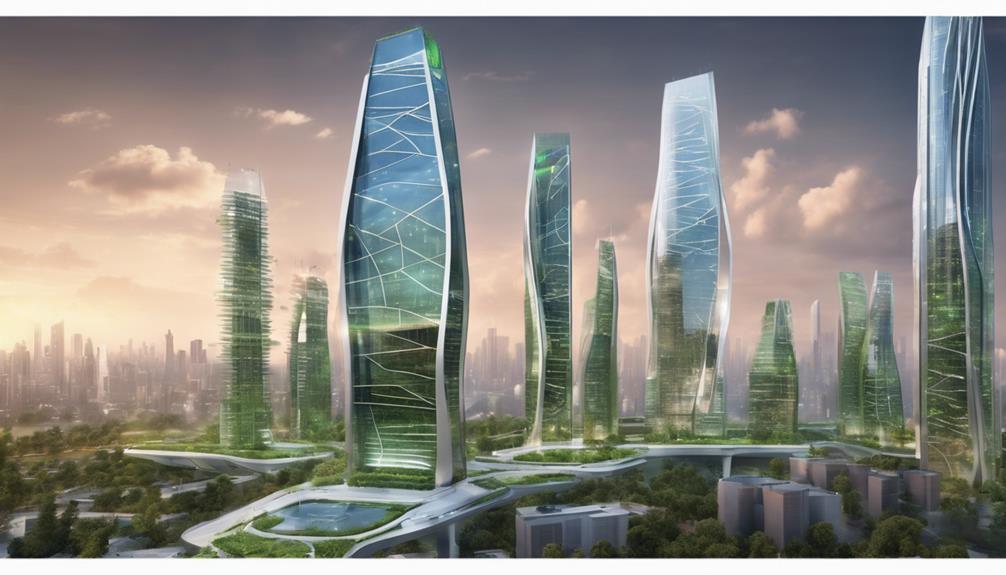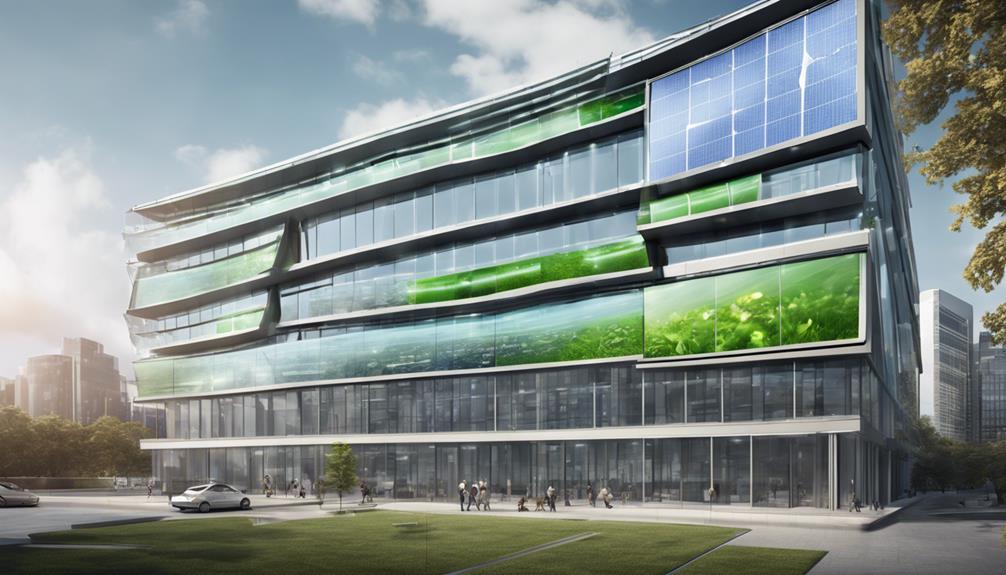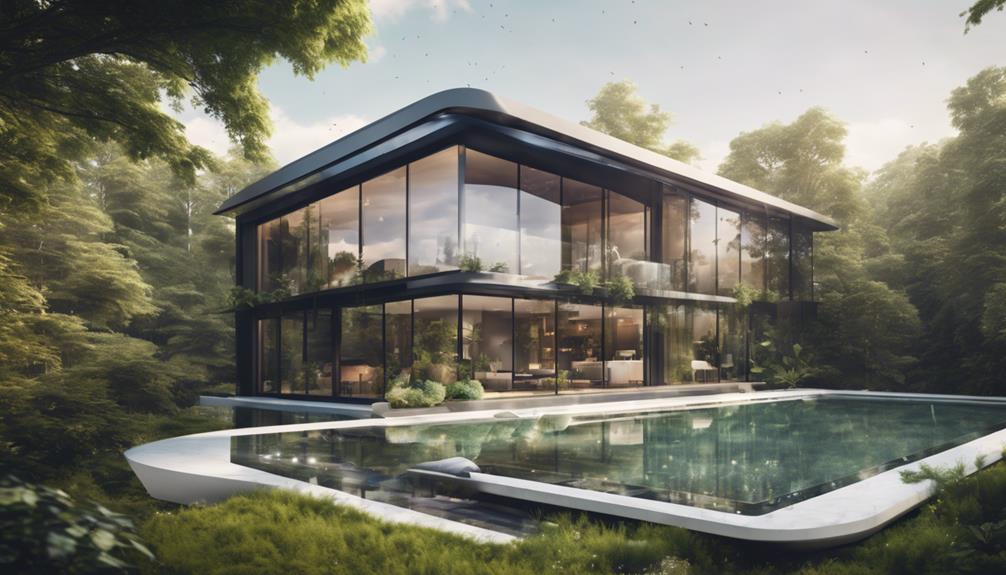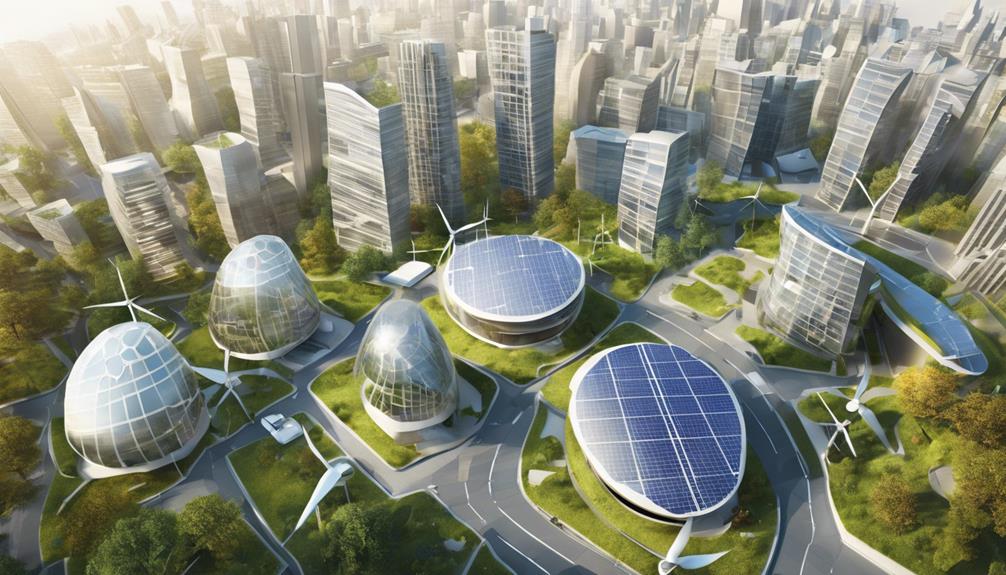
Today's leading energy-saving building designs harness advanced technologies and smart architectural principles. You'll benefit from passive solar designs which strategically orient homes to maximize sunlight and reduce energy costs. High-performance insulation techniques keep your home snug with minimal heat loss. Integrated smart lighting systems adjust based on occupancy and time of day, soaring energy efficiency to new heights. Don't overlook green roofing and advanced HVAC technologies that both improve air quality and lower energy use. These features are just the start, as innovative solutions like energy-efficient windows and renewable energy sources are setting the new standard in construction, paving the way for deeper insights into sustainable living.
Passive Solar Design Principles
When designing your home, incorporating passive solar design principles can significantly reduce your energy costs. You're not just saving money; you're also embracing eco-friendly practices that benefit the environment. Imagine using the sun's energy to keep your home warm in the winter and cool in the summer, all without relying heavily on artificial heating and cooling systems.
First, consider the orientation of your home. Ideally, you'll position your house so that its longest side faces south. This maximizes your exposure to sunlight during the day. Large windows on the southern side allow natural light to penetrate deep into your living spaces, reducing the need for artificial lighting and providing free heat during the colder months.
Incorporating materials with high thermal mass, like concrete or brick, in floors or walls that receive sunlight can be beneficial. These materials absorb heat during the day and release it slowly as temperatures drop, maintaining a comfortable indoor environment.
Don't forget about shading devices, such as overhangs and awnings. They play a crucial role by blocking high summer sun, preventing excessive heat gain, while still letting in the low winter sun for warmth. This balance is key to optimizing your home's energy efficiency year-round.
High-Performance Insulation Techniques
Building on the foundation of passive solar design principles, high-performance insulation techniques further enhance your home's energy efficiency. These techniques aren't just about keeping warm air in during winter; they're equally vital for reflecting heat away in the summer, ensuring you're comfortable year-round while slashing your heating and cooling costs.
One of the key materials you might consider is spray foam insulation. It expands to fill cracks and crevices, creating a tight seal that traditional fiberglass batts can't match. This means significantly less air leakage, which is a major culprit in energy waste.
Another option is rigid foam boards, which provide a high R-value per inch, making them ideal for limited space applications such as basement walls and cathedral ceilings.
Don't overlook the importance of installation quality. Even the best materials can fail to perform if they're not installed correctly. It's worth hiring professionals who ensure that every nook is properly sealed.
Additionally, consider using advanced weatherstripping around doors and windows and opt for insulated doors to prevent heat loss. These steps, combined with robust insulation, form a barrier that keeps your energy bills low and your comfort high.
Smart Lighting Systems Integration
As you explore energy-saving options for your home, integrating smart lighting systems should be a top priority. These advanced systems offer more than just convenience; they're a practical approach to reduce your energy consumption and lower your utility bills. Smart lighting technology allows you to control light intensity, color, and timing through automated settings or remotely via smartphone apps.
One major advantage is the ability to adjust lighting based on occupancy. Sensors detect when a room is unoccupied and automatically turn off lights, cutting wasteful energy use.
You can also set schedules to dim or turn off lights during peak energy hours, which helps in managing your electricity costs more efficiently.
Moreover, smart bulbs are typically LED, which are far more energy-efficient than traditional incandescent bulbs. They use up to 75% less energy and last 25 times longer. This not only means significant savings on your energy bills but also reduces the frequency of replacements.
Investing in smart lighting is a step forward in making your home energy-efficient. You'll not only enjoy the modern convenience and enhanced control over your environment but also contribute to a sustainable future. Consider integrating smart lighting systems to experience these benefits firsthand.
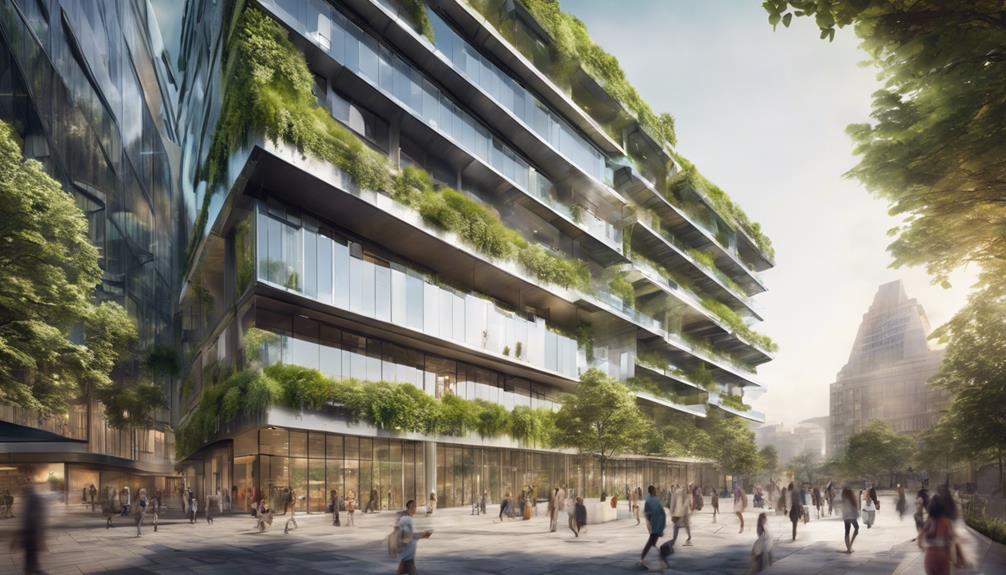
Green Roofing Solutions
Green roofing solutions offer a transformative approach to enhancing your home's energy efficiency and aesthetics. Imagine your roof covered with vegetation, absorbing heat, and reducing your energy costs. It's not just about being eco-friendly; it's about making a smart choice for temperature control.
By installing a green roof, you're adding an extra layer of insulation. This means you'll rely less on your heating and cooling systems, cutting down on your energy bills significantly.
You might worry about the upkeep, but modern green roofs are designed with low-maintenance plants suited to your climate. Plus, they're incredibly durable. They protect against UV rays and physical damage, potentially doubling the lifespan of your roof. It's a long-term investment that pays off, both financially and environmentally.
Moreover, green roofs can manage stormwater effectively, reducing runoff and lowering the risk of flooding. This natural absorption system means you could save on drainage costs. And let's not forget the boost in property value. Homes with green features are increasingly in demand, making your energy-efficient roof a wise upgrade.
Advanced HVAC Technology
Moving beyond green roofing, advanced HVAC technology is revolutionizing the way we heat and cool our homes. You're likely familiar with traditional systems, but the latest innovations offer significant improvements in energy efficiency and environmental impact. Let's dive into what's changing and how it impacts you.
First off, modern HVAC systems utilize smart thermostats and automated sensors that adjust temperatures based on real-time room occupancy and weather conditions. This means your system isn't just running on a set schedule; it's adapting to when and where you need heating or cooling. You'll see your energy bills decrease because you're not wasting resources on unoccupied spaces.
Additionally, today's units feature variable speed motors that precisely control air flow, significantly reducing electricity use. Unlike older models that turn on and off repeatedly, these new systems operate at varying speeds, which ensures a more consistent temperature and better humidity control throughout your home.
Lastly, consider the integration of high-efficiency filters and UV light purifiers. These not only enhance air quality but also improve system performance by keeping components clean and free from obstructions. By upgrading to these advanced systems, you're not just saving money; you're also contributing to a healthier indoor environment.
Utilizing Renewable Energy Sources
Building on the momentum of advanced HVAC systems, integrating renewable energy sources into your home's design can further reduce your carbon footprint and lower energy costs. You've likely heard of solar panels and wind turbines, but how can you actually incorporate these into your living space? It's simpler than you might think.
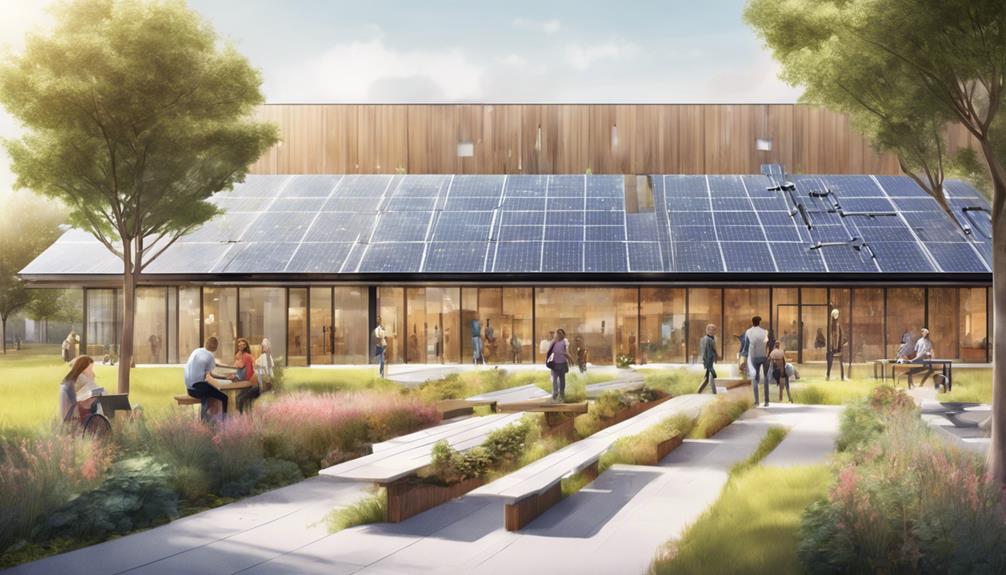
Start with solar panels. They're not just for your roof anymore. You can install them on garages, sheds, or any surface that receives ample sunlight. They'll harness the sun's power, converting it to electricity, potentially making you energy-independent and even allowing you to sell excess power back to the grid.
Consider a solar water heating system as well. It uses solar panels to heat your water tank, slashing the energy needed for heating water using traditional methods.
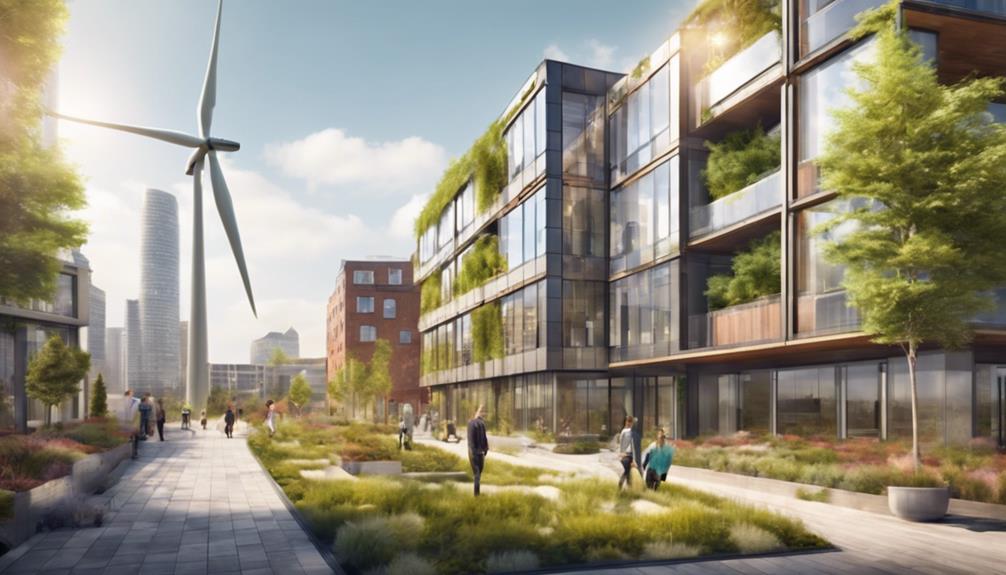
Don't overlook small-scale wind turbines if you live in a windy area. These can be mounted on your roof or on a pole in your yard. They're perfect for generating electricity to power your home, especially in off-grid setups.
Lastly, explore geothermal heat pumps. These use the stable underground temperature to heat and cool your home, significantly cutting your reliance on traditional energy sources. With these strategies, you're not just saving money; you're leading in environmental stewardship.
Energy-Efficient Window Innovations
Installing energy-efficient windows is a critical step towards enhancing your home's insulation and reducing your energy bills. These innovative windows aren't just about keeping out the cold or keeping in the heat; they're about smartly managing your home's climate without overworking your heating or cooling systems.
Energy-efficient windows come equipped with features like double or triple glazing, inert gas fills between panes, and low-emissivity (low-E) coatings. These technologies collectively reduce heat transfer, keeping your home comfortable while using less energy.
The low-E coating, for instance, reflects various solar and heat waves, maintaining your home's internal temperature more consistently.
You'll also find that these windows can significantly dampen outside noise, a bonus for urban dwellers. Moreover, modern advancements include dynamic glass, or "smart windows", which tint automatically in response to sunlight exposure, further optimizing energy consumption and comfort.
Investing in these windows pays off; not only do they decrease monthly utility costs, but they also increase your property's value. They're a powerful component in any energy-efficient home design, seamlessly blending function with aesthetics.
Conclusion
You've explored the cutting-edge of energy-saving building designs, from harnessing the sun's power with passive solar principles to integrating smart lighting systems. Remember, investing in high-performance insulation and advanced HVAC technology not only cuts costs but also boosts efficiency. Don't overlook green roofing and renewable energy sources, and consider the latest in energy-efficient window innovations. By adopting these solutions, you're not just building smarter—you're contributing to a more sustainable future.
Related articles: How Property Construction Management Software Can Help You · Typical Tools of a Concrete Contractor · What Should I use a General Contractor for?