
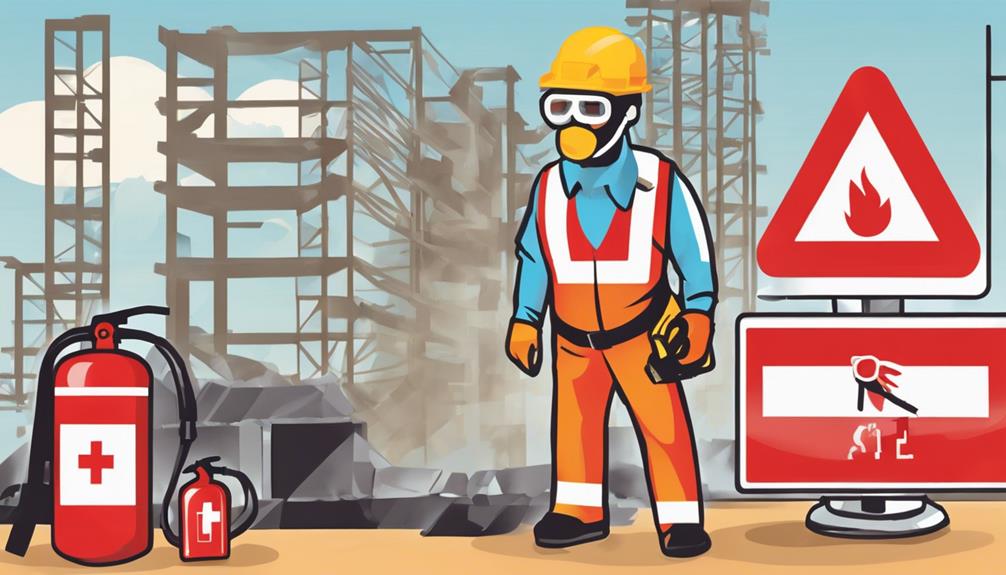
As you tackle your building projects, it's crucial to prioritize safety with top protocols. Firstly, implement comprehensive fall protection: install guardrails, use safety nets, and ensure personal fall arrest systems are up to par. Don't forget to hold regular check-ups and training on this gear. Secondly, enforce strict personal protective equipment (PPE) usage. Assess risks, ensure proper fit, and strictly monitor compliance to keep everyone protected. Lastly, conduct regular safety training sessions to keep your team aware and prepared to handle any onsite risks effectively. Discovering more on these protocols can significantly enhance your project's safety standards.
Implementing Comprehensive Fall Protection
To ensure safety on your building project, start by implementing comprehensive fall protection measures. You can't afford to overlook this crucial aspect, especially when working at heights. Begin by assessing all the potential fall hazards on your site. Identify areas like roofs, ledges, and open shafts where falls could occur.
Once you've pinpointed these risks, it's time to develop a fall protection plan that's specific to your site. This plan should include installing guardrails, safety nets, or personal fall arrest systems wherever necessary.
Don't just go for any equipment; ensure it's sturdy, well-maintained, and meets industry standards.
Training is next on your list. You need to ensure everyone on site knows how to use the fall protection systems correctly. Conduct regular training sessions and drills to keep these practices fresh in their minds.
It's also vital to continually monitor the effectiveness of your fall protection measures. Regular inspections and maintenance of equipment are non-negotiable to prevent malfunctions or failures.
Enforcing Strict PPE Usage
After setting up comprehensive fall protection, shift your focus to enforcing strict PPE usage on site. It's essential that you ensure every worker is equipped with the necessary Personal Protective Equipment (PPE). This isn't just about compliance; it's about keeping everyone safe.
First, you'll need to assess the specific risks associated with your project and determine the appropriate PPE for each task. This includes hard hats, safety glasses, gloves, and hearing protection, among others. Make sure you're not just handing out equipment; you must also verify that each piece fits properly and is in good condition.
You've got to be diligent about this. Regularly inspect PPE and replace any items that are damaged or worn out. It's easy to overlook small issues, but even minor damage can significantly reduce protection.
Enforcement is key. Set a firm policy that PPE must be worn at all times in designated areas. You'll need to lead by example—wear your PPE consistently and correctly. Additionally, consider appointing a safety officer to monitor compliance and address any violations immediately.
Regular Safety Training Sessions
While enforcing strict PPE usage is crucial, equally important are regular safety training sessions to ensure every team member understands their role in maintaining a safe work environment. You must prioritize these sessions to keep safety procedures fresh in everyone's minds. It's not just about a one-time training at the start; it's about continuous education and adaptation to new safety standards and practices.
Regular training helps you recognize hazards and prevent accidents before they happen. You'll learn not only the "how" but also the "why" behind each safety rule. This makes it easier for you to commit to following these guidelines because you understand their importance in protecting you and your teammates.
Make sure these sessions are interactive. You don't want to sit through a dull lecture. Engage with the material, ask questions, and participate in demonstrations. This active involvement helps retain crucial information much better.
Lastly, these trainings should be scheduled at regular intervals and after any incident to review and improve existing safety protocols. Remember, a safe construction site is the foundation of efficient, quality work. Stay informed, stay safe, and ensure you're contributing positively to your workplace.
Conclusion
You've got the essentials to elevate safety on your building projects. Remember, implementing comprehensive fall protection isn't just about compliance; it's about ensuring everyone gets home safely. Make sure you're strict with PPE usage; it's your first defense against onsite hazards. And don't skimp on regular safety training sessions—they keep everyone's knowledge fresh and response times quick. By sticking to these protocols, you're not just following rules, you're building a culture of safety and responsibility.
Related articles: Essential Safety Protocols for Commercial Construction Projects · Top Safety Protocols for Building Projects · Why Follow Safety Protocols in Commercial Construction?