
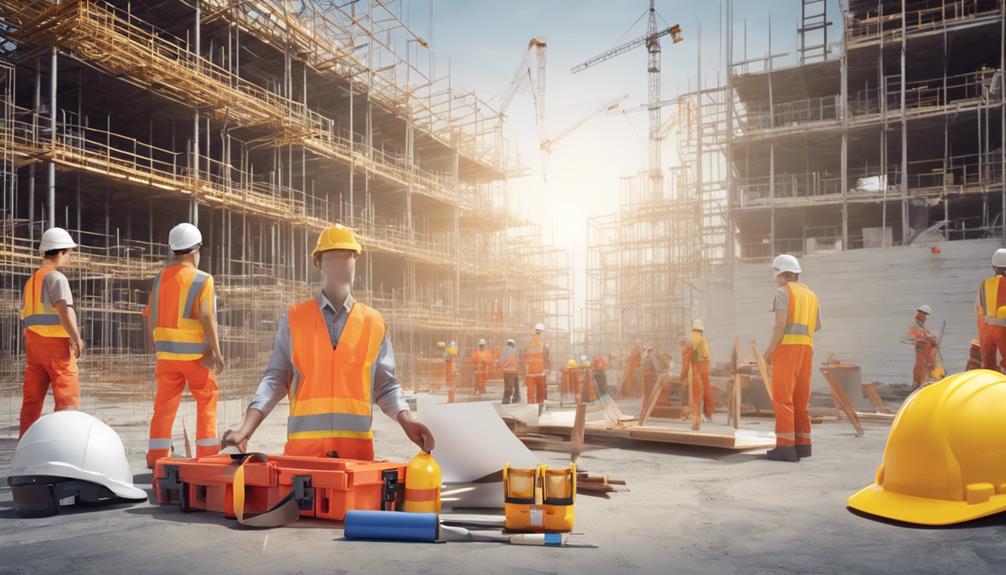
In your commercial construction activities, you're required to follow OSHA standards that emphasize safety first. You must provide fall protection when working over six feet, ensure proper use and maintenance of safety gear like hard hats and high-visibility clothing, and manage hazardous materials with clear labeling and secure storage. Training is vital, so you'll need to offer regular sessions on these safety protocols to all workers, including comprehensive courses for new hires. Detailed documentation of any incidents is also crucial. By adhering to these guidelines, you can minimize risks and maintain compliance, setting the stage for further insights into effective safety management.
Understanding Key OSHA Standards
Understanding key OSHA standards is crucial for anyone involved in commercial construction. You need to know that OSHA, or the Occupational Safety and Health Administration, sets these guidelines to ensure workplace safety and health. As you dive into a project, it's essential to familiarize yourself with the specific standards that apply to your construction site.
Firstly, hazard communication is vital. You're required to be informed about the potential dangers on site, and it's your right to work in a safe environment. OSHA mandates that all hazards are clearly marked and communicated to every worker. This includes the presence of toxic substances, electrical risks, and any physical hazards.
Another critical standard involves fall protection. Given the height at which you often work, understanding the protocols for fall prevention can't be overstressed. OSHA requires that all sites have guardrail systems, safety nets, or personal fall arrest systems in place wherever there's a risk of falling from six feet or more.
Required Safety Gear and Equipment
To ensure your safety on a construction site, you must wear the proper gear and use the designated equipment. OSHA mandates that all workers have access to and utilize specific safety items tailored to the tasks they're performing.
This includes:
- Hard hats to protect against head injuries
- Safety glasses for eye protection
- High-visibility clothing to ensure you're seen by others, especially when working around heavy machinery
You'll also need sturdy, non-slip work boots to safeguard your feet and provide traction on slippery or uneven surfaces. Hearing protection is crucial, too, especially if you're working in areas with high noise levels. Gloves are necessary to shield your hands from sharp objects, harmful substances, and extreme temperatures.
Beyond personal protective gear, OSHA requires that proper equipment be used for specific tasks. For example, when working at heights, you must have access to safety harnesses and lanyards that meet the latest safety standards. Scaffolding and ladders should be inspected regularly to ensure they're stable and secure.
Managing Hazardous Materials
While ensuring your physical safety with the right gear is fundamental, equally important is managing hazardous materials effectively on a construction site. You'll need to know not just what these materials are, but also how to handle them safely to prevent accidents and health risks.
First off, always identify and label all hazardous materials. This isn't just good practice; it's an OSHA requirement. Labels should clearly state what the substance is, its dangers, and the necessary precautions. Don't assume that everyone knows what's in an unmarked container – that's how accidents happen.
Next, ensure you've got the proper storage for these materials. Flammable substances need special cabinets away from any ignition sources. Corrosive materials should be in containers that won't degrade. And always keep incompatible substances apart to avoid dangerous reactions.
You also need to be trained in handling these materials safely. This training should cover personal protective equipment, emergency procedures, and proper disposal methods. Don't skimp on this; thorough training can be the difference between a normal day and a catastrophic incident.
Reporting and Recordkeeping Protocols
Accurately documenting every incident and safety procedure is crucial in commercial construction. You're responsible for maintaining detailed records that comply with OSHA's stringent requirements. Every workplace injury, illness, or incident that occurs on the job site must be logged. This isn't just bureaucratic paperwork; it's vital for identifying patterns that could indicate safety hazards.
You'll need to familiarize yourself with OSHA's Form 300, the Log of Work-Related Injuries and Illnesses. It's your primary tool for recordkeeping. For each recordable incident, you must detail the case number, the employee's name, job title, and a description of the incident, including the outcome. Remember, confidentiality is key, especially concerning the employee's personal information.
In addition to Form 300, don't overlook Form 301, Injury and Illness Incident Report, which provides more detailed data about each specific case.
Annually, you're also required to complete Form 300A, which summarizes the year's total injuries and illnesses. This summary must be posted in a visible location from February 1 to April 30, ensuring that your team is aware of the incidents and the related preventive measures taken. Compliance isn't just about following rules; it's about keeping everyone on site safe.
Training and Compliance Measures
After ensuring your records are meticulously maintained, it's equally important to focus on training and compliance measures within commercial construction. You need to guarantee that all your staff are well-trained and fully compliant with OSHA standards to not only avoid legal pitfalls but also to ensure a safe working environment.
Start by regularly scheduling training sessions that cover both basic safety protocols and specific procedures related to your current projects. Ensure every new hire participates in these training sessions before beginning work, and keep records of all training activities.
It's not enough to conduct training once; refresher courses are crucial to keep everyone's knowledge up to date.
Additionally, you must stay informed about any updates in OSHA regulations. Changes can happen frequently, and it's your responsibility to implement these changes promptly. Utilize OSHA's outreach programs and online resources for the latest guidelines and training materials.
Conclusion
You've got the basics of OSHA standards for commercial construction now. Always ensure you're suited up with the right safety gear and know how to handle hazardous materials safely. Don't forget to keep up with your reporting and record-keeping duties, and make sure everyone's trained properly. Staying compliant isn't just about following rules; it's about keeping you and your team safe. Keep these guidelines in mind and you'll be on track for a safer workplace.
Related articles: 7 Tips for OSHA Compliance in Construction · What Are Key Safety Protocols in Commercial Construction? · 3 Best Safety Protocols for Building Projects