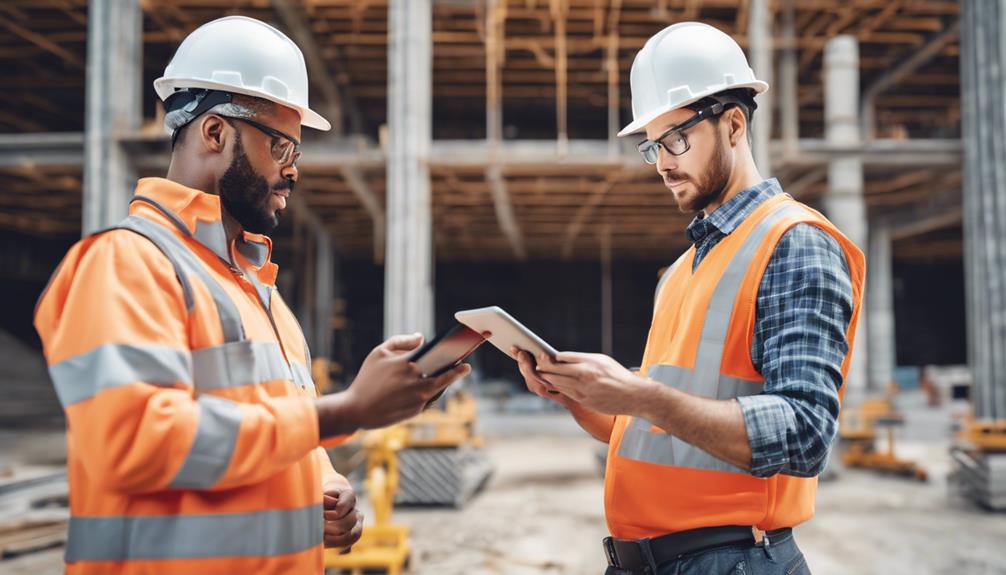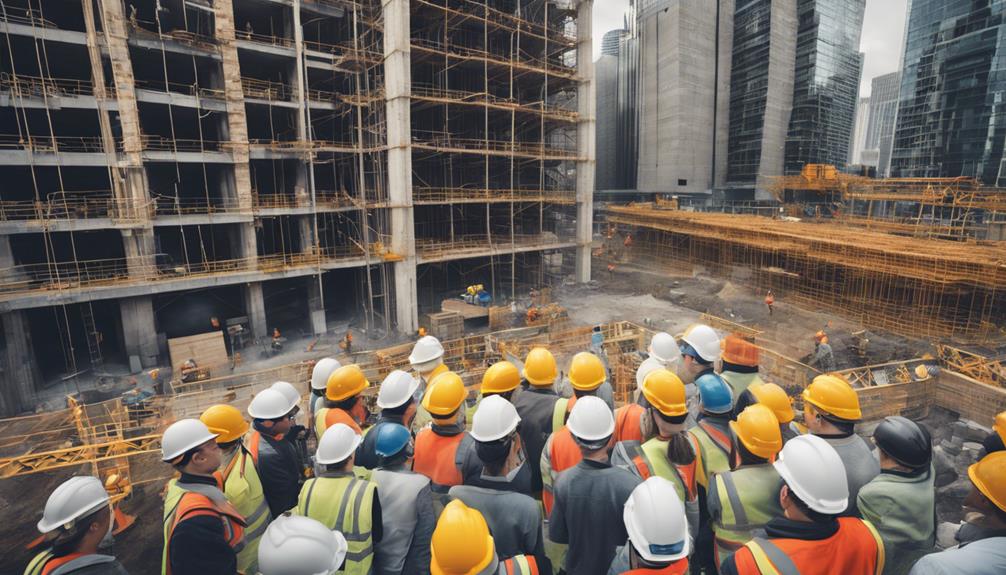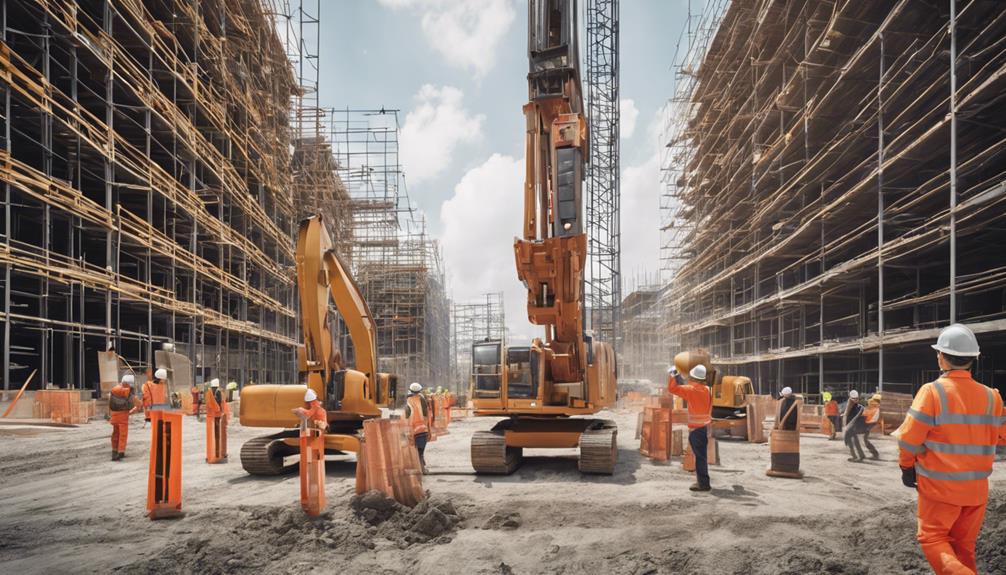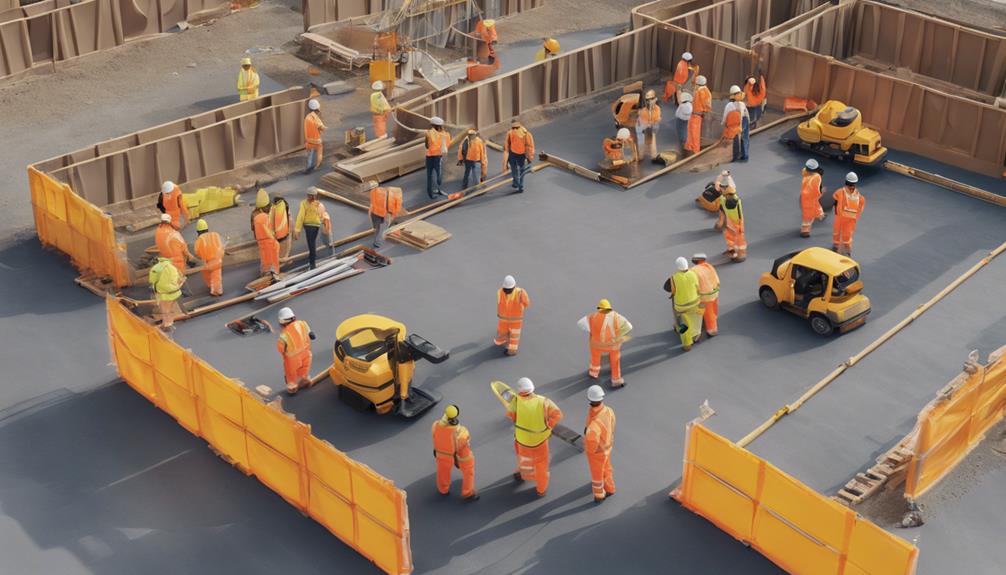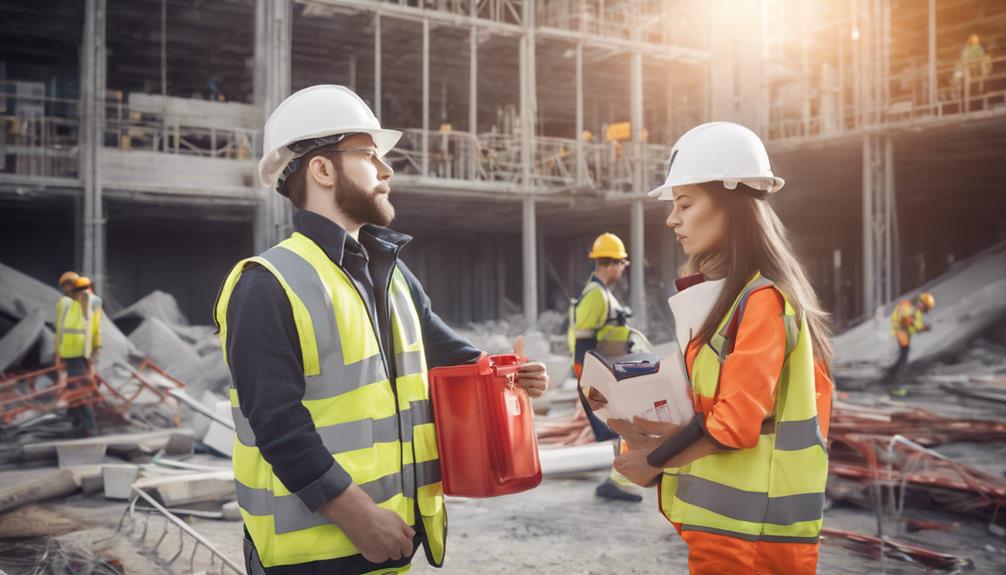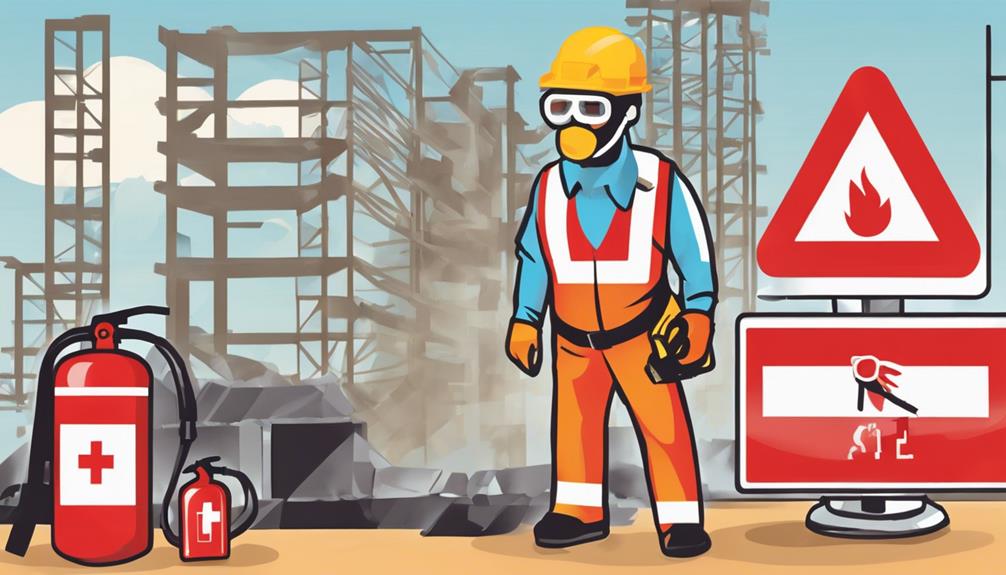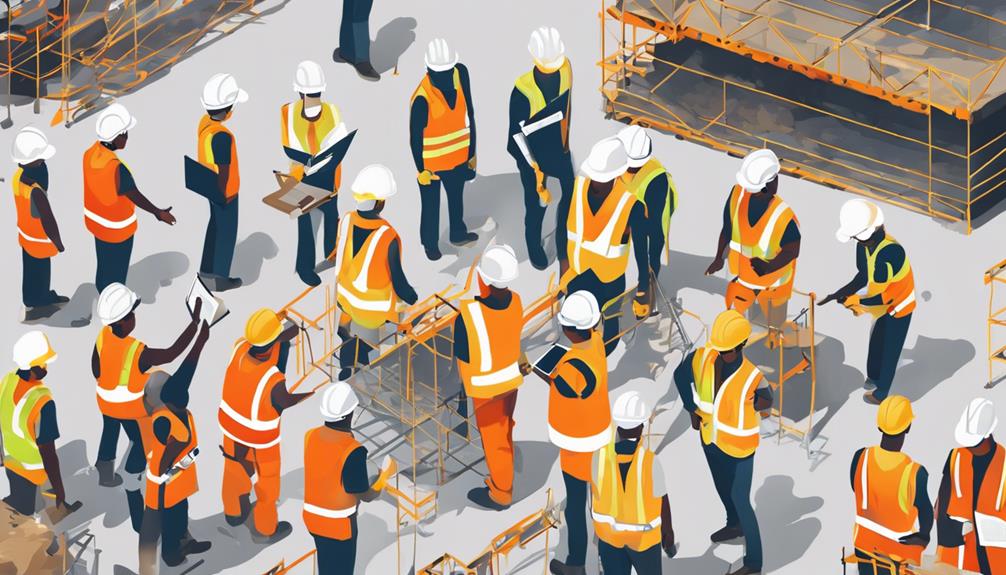
To ensure compliance with construction safety standards, you need to grasp the importance of adhering to OSHA regulations and actively participating in safety training. Start by familiarizing yourself with common site hazards, such as fall risks and electrical dangers, and don't overlook the necessity of personal protective equipment (PPE). Regular safety audits and emergency response planning are crucial in identifying gaps in your safety protocols. Keeping detailed records helps demonstrate compliance and pinpoints areas for improvement. By integrating advanced technology, you can further enhance safety measures and monitoring. This approach will arm you with the tools necessary to foster a safe work environment, paving the path for deeper exploration into each aspect.
Understanding OSHA Regulations
Why should you care about OSHA regulations? Well, as someone working in the construction industry, your safety and the safety of your co-workers hinge largely on adhering to these standards. OSHA, or the Occupational Safety and Health Administration, sets and enforces protective standards to prevent workplace injuries and illnesses. Ignoring these rules not only puts everyone at risk but can also lead to hefty fines and legal issues for your company.
Understanding OSHA regulations means you're equipped to recognize whether your workplace adheres to the required safety protocols. This awareness is crucial because it directly impacts your daily operations and long-term health.
For instance, knowing the specifics of fall protection, scaffolding safety, and personal protective equipment requirements can be the difference between a normal day at work and a catastrophic accident.
Moreover, being familiar with these regulations ensures you can actively participate in safety meetings and training sessions, making them more effective. When you understand the rules, you're more likely to spot potential violations and can suggest improvements. This proactive approach not only enhances your safety but also boosts overall morale and productivity on the job site.
Identifying Common Hazards
Transitioning from understanding OSHA regulations, let's pinpoint the common hazards you'll likely encounter on a construction site.
First, you've got fall hazards. Whether it's from scaffolding, ladders, or roofs, falls are a leading cause of injury. Always check your gear and make sure guardrails and safety nets are in place.
Next up are electrical hazards. Exposed wires, unfinished electrical systems, and power tools can pose serious risks. Make sure you're aware of the electrical safety protocols and keep water away from electrical areas.
Then, there's the issue of struck-by incidents. This can involve anything from flying or falling objects to vehicles moving around the site. Always wear your hard hat and stay vigilant about what's happening around you.
Don't forget about trench and excavation work. Cave-ins pose a significant risk, so it's vital to follow shoring and sloping guidelines to prevent collapses.
Lastly, hazardous materials, such as asbestos, lead, or chemicals, can also be present. Know what materials are on your site and handle them with care, using appropriate personal protective equipment.
Safety Training Essentials
Understanding the hazards is only part of the battle; equipping yourself with the right training is crucial to effectively manage these risks. As you navigate your career in construction, it's vital that you undergo comprehensive safety training. This isn't just about ticking a box; it's about genuinely understanding the implications of poor safety practices and learning how to avoid them.
Firstly, you'll need to complete a basic safety course that covers the fundamentals. These typically include risk assessment, accident prevention techniques, and emergency response protocols. Don't just skim through these courses; engage actively and ask questions if something isn't clear.
Beyond the basics, it's important to participate in ongoing training sessions. The construction industry is dynamic, with new technologies and methodologies emerging regularly. Staying updated through continuous education helps you adapt and apply the most current safety standards.
Lastly, don't overlook the value of specialized training tailored to specific tasks or machinery. If you're working with heavy equipment, for instance, specialized training can be the difference between a normal day at work and a catastrophic accident. Investing your time in these training sessions not only enhances your skill set but also significantly reduces the likelihood of incidents on the job site.
Personal Protective Equipment
After completing necessary safety training, your next step is to focus on personal protective equipment (PPE). You can't overlook the importance of properly gearing up before stepping onto the construction site. Each piece of PPE has a specific role in protecting you from various hazards.
Firstly, hard hats are crucial. They protect you from falling objects and bumps against fixed objects. Make sure yours fits snugly and is always in good condition.
Eye protection is just as vital. Whether it's safety glasses or goggles, ensure they've the right filter shade and are free of scratches or cracks that could impair your vision.
Hearing protection, like earplugs or earmuffs, is required when working around high noise levels. Fitting them correctly ensures maximum protection against long-term hearing loss.
Respiratory masks should be worn in environments where you're exposed to dust, fumes, or vapors. Select one approved for the specific hazard you're facing.
Lastly, gloves and boots shield your hands and feet. Choose gloves based on the material handling requirements and ensure your boots have slip-resistant soles and, if necessary, steel toes.
Implementing Fall Protection Measures
One often overlooked aspect of construction safety is implementing effective fall protection measures. As you manage your construction site, it's crucial to prioritize these safeguards to prevent falls, which are among the leading causes of serious work-related injuries and deaths. You need to start by identifying all areas where fall risks exist, such as rooftops, scaffolding, and open ledges.
Firstly, ensure that guardrails are installed around every open side of elevated platforms and floor holes. These barriers are your first line of defense, preventing workers from accidental slips and falls. Don't forget to check their stability regularly.
Next, consider personal fall arrest systems (PFAS) for scenarios where guardrails aren't feasible. You'll need to provide harnesses, anchorage, and connectors. Each piece must be inspected for wear and tear before use, and workers must be trained on proper fitting and use.
Lastly, safety nets can be deployed as an additional precaution, especially when working at heights exceeding 25 feet. These nets catch falling workers, reducing the distance and impact of a fall.
Handling Hazardous Materials
Handling hazardous materials on a construction site requires strict adherence to safety protocols to prevent accidents and health hazards. You've got to know what you're dealing with, whether it's toxic chemicals, flammable substances, or explosive materials. It's crucial you understand the specific risks associated with each type of material and how to manage them safely.
Firstly, ensure you're wearing the right personal protective equipment (PPE). Depending on the material, this might include gloves, goggles, respirators, or full-body suits. Don't skimp on this; proper PPE can be the difference between a safe day at work and a disastrous one.
You also need to be well-versed in the Material Safety Data Sheets (MSDS) for every hazardous substance on site. These sheets provide vital information about the chemicals, including their hazards, handling instructions, and emergency measures. Make it a habit to review these documents before starting your work.
Moreover, proper storage of materials is non-negotiable. Store hazardous materials in clearly labeled, secure containers away from general traffic areas and direct sunlight. Always follow the manufacturer's guidelines for storage and handling to minimize any risk of spills or reactions.
Conducting Regular Safety Audits
Building on the foundation of handling hazardous materials safely, conducting regular safety audits is another key step in maintaining a safe construction site. You can't afford to overlook this crucial aspect of your safety program.
Regular audits help you identify potential hazards before they lead to accidents or injuries. They also ensure that your safety protocols aren't just on paper but are being effectively implemented.
Start by scheduling audits at regular intervals, perhaps quarterly or semi-annually, depending on the scale and complexity of your projects. You'll need a detailed checklist that covers every aspect of construction safety, from electrical systems to scaffold stability.
It's not just about checking boxes; you should actively engage with your team during these audits. Ask questions, encourage feedback, and observe operations to see how safety measures hold up under daily stresses.
Ensure your audit team comprises individuals knowledgeable in construction safety standards and unbiased in their evaluations. Sometimes, bringing in external auditors can provide a fresh perspective and highlight overlooked issues.
After each audit, review the findings thoroughly. Prioritize issues based on risk and address them promptly. Don't just fix problems; use the insights gained to refine your safety protocols continually. That's how you'll build a genuinely safe and compliant construction site.
Emergency Response Planning
Ensure your construction site is equipped with an effective emergency response plan to swiftly tackle any unforeseen incidents. It's crucial you tailor this plan to the specific risks associated with your project. Start by conducting a thorough hazard assessment to identify potential emergencies, ranging from fires to structural failures.
Once you've pinpointed the risks, develop clear, actionable steps that'll be taken in response to each scenario. You'll need to designate roles and responsibilities to your team members. Who's in charge of calling emergency services? Who handles evacuation? Make sure everyone knows their role inside and out.
Training is key. You can't just hand out a manual and expect everyone to be prepared. Conduct regular drills to ensure that when an emergency strikes, your team's response is almost instinctive. These simulations should cover a variety of scenarios to prepare your crew for anything that might come their way.
Lastly, review and update your emergency plan regularly. As your construction site evolves, so too should your strategies for managing potential crises. Stay proactive and keep safety at the forefront of your operations.
Record Keeping and Documentation
In the world of construction, maintaining accurate and comprehensive records is essential. You'll find that diligent record keeping not only ensures compliance with safety standards but also protects your company legally and financially. Every safety incident, inspection result, employee training session, and maintenance check should be meticulously documented and easily accessible.
You're responsible for creating a system where documents are current and retrievable within moments. This means keeping logs of daily operations, hazard assessments, and corrective actions taken to mitigate risks. It's not just about filling out forms; it's about creating a paper trail that showcases your commitment to safety at every stage of a project.
Moreover, you should regularly review these records. This isn't merely a bureaucratic necessity; it's a proactive measure to improve workplace safety.
Leveraging Technology for Safety Compliance
While maintaining comprehensive records is vital, integrating advanced technology can significantly enhance safety compliance in construction. You'll find that tools like wearable tech and drones aren't just flashy—they're practical.
Wearables can monitor biometrics and environmental conditions, alerting you to potential health risks like overheating or toxic exposure. Drones provide a bird's-eye view, making it easier to inspect hard-to-reach areas without compromising worker safety.
Implementing building information modeling (BIM) also transforms safety measures. BIM allows you to create and manipulate virtual models of a building, giving you a clear overview of the entire construction process before it even begins. This helps you identify potential safety issues and mitigate them proactively.
Don't overlook the power of mobile apps and software for safety training and compliance tracking. These platforms can streamline the documentation process, ensuring that safety protocols are updated and accessible to all team members in real time.
Conclusion
You've got the tools to ensure safety on your construction site. Familiarize yourself with OSHA regulations and recognize common hazards. Invest in thorough safety training and the right protective gear. Don't overlook fall protection; it's crucial. Regular safety audits and emergency preparedness will keep you on track. Maintain detailed records and use technology to streamline compliance. By staying proactive, you'll not only meet safety standards but exceed them, ensuring everyone goes home safe every day.
Related articles: Effective Risk Strategies for Commercial Construction Safety · What Are Key Risk Management Strategies in Construction? · Effective Risk Management in Commercial Construction