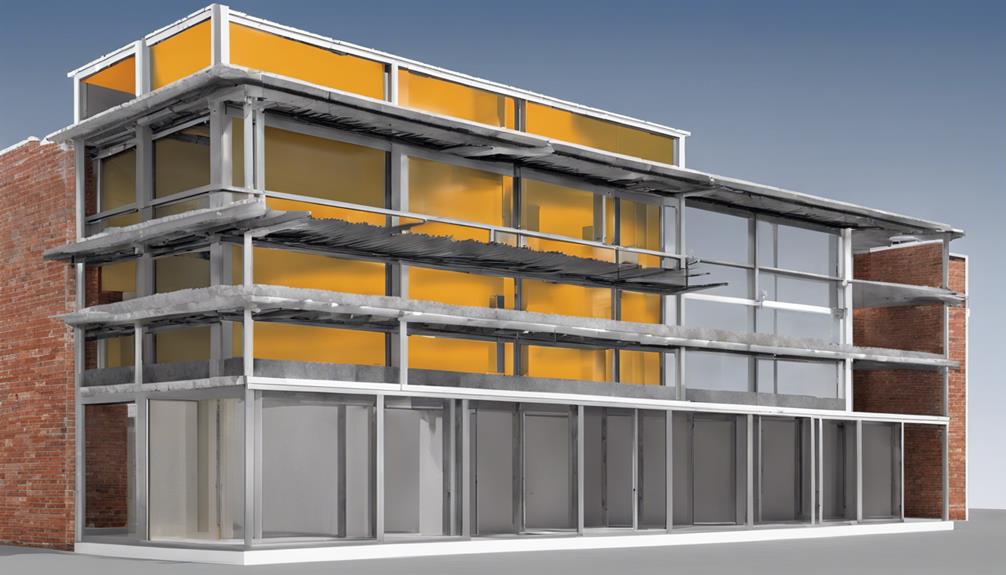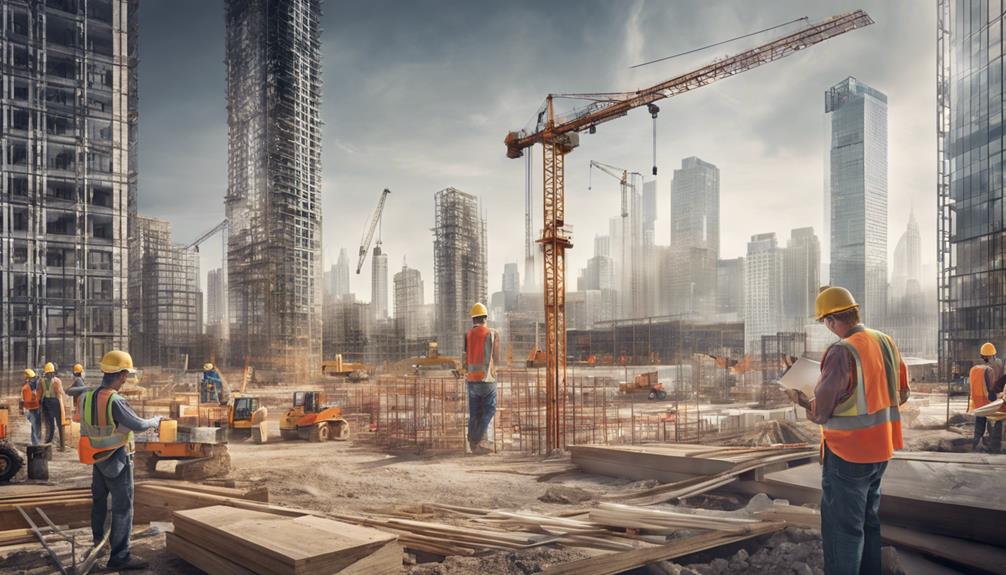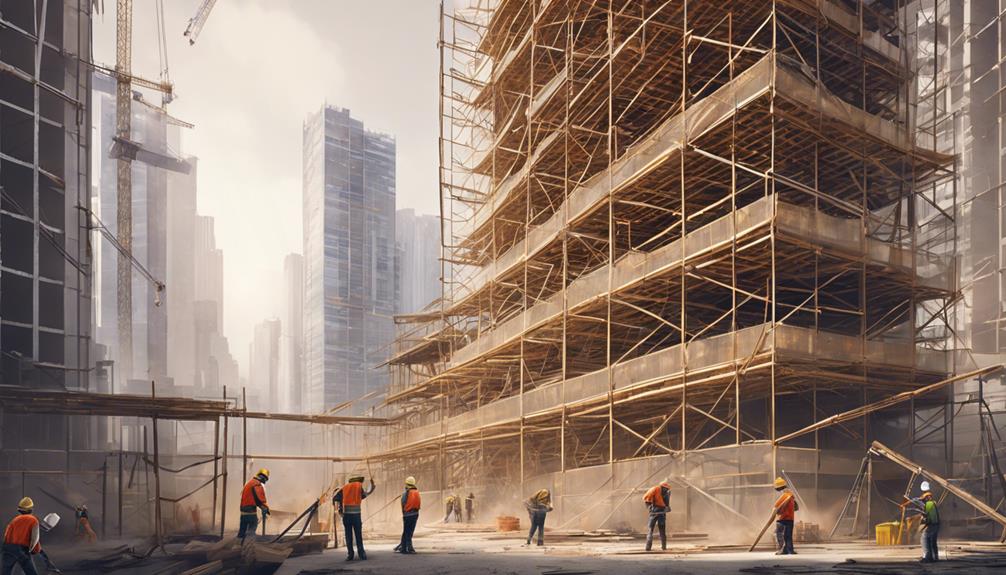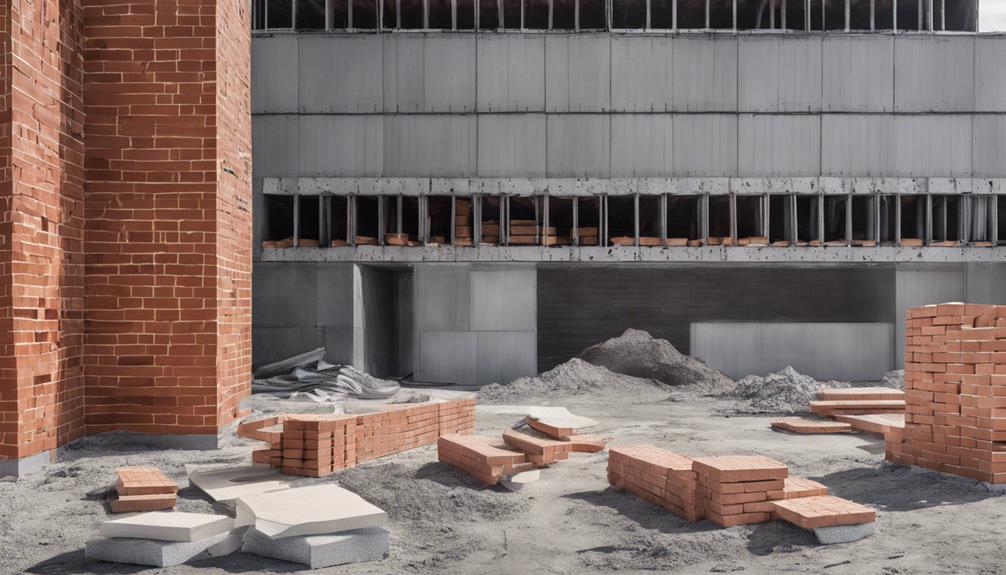
When selecting top fire-resistant materials for your building, you'll want to consider options like concrete, which boasts exceptional strength and acts as a robust fire shield. Gypsum board is another affordable choice, slowing fire spread by releasing water vapor. Don't overlook fire-resistant glass that maintains visibility while blocking heat, or steel framing, which supports heavy loads while withstanding extreme conditions. Additionally, fire-retardant treatments can make wood safer, and specific insulation like mineral wool provides added safety and energy efficiency. Exploring these materials further will reveal how they can best serve your structural and safety needs in construction.
Understanding Fire-Resistant Ratings
Fire-resistant ratings are crucial for understanding how well building materials withstand heat and flames. When you're selecting materials for construction, these ratings inform you of the time a material can endure a fire before it fails. This knowledge isn't just technical; it's a matter of safety and compliance with building codes.
Materials are typically tested by standards organizations which expose them to extreme conditions to determine their performance. These ratings are expressed in hours – one, two, three, or four-hour ratings are common. A one-hour rating means the material can resist fire for one hour under standard test conditions.
You should know that different components of a building like walls, floors, and ceilings might've varied fire-resistant requirements based on their location and function. For example, an exit route may need a higher rating than other areas. It's not just about picking the highest rating; it's about matching the material to the specific needs and regulations of your project.
Always consult with a fire safety engineer or a building professional when planning your construction. They can help you interpret these ratings and choose the right materials to ensure your building is both safe and compliant. Remember, the right information leads to better choices.
Concrete: Superior Fire Resistance
Among the variety of building materials available, concrete stands out for its superior fire resistance. When you're planning your next construction project, consider how concrete's unique properties offer not just strength and durability but also significant protection against fire.
Concrete's composition—cement, water, and aggregates—enables it to withstand extremely high temperatures. This material doesn't burn, melt, or emit toxic fumes when exposed to fire. It acts as an excellent fire shield, often keeping the integrity of a structure intact and preventing the spread of flames.
You'll find that concrete's thermal mass also contributes to its fire-resistant capabilities. It absorbs and retains heat, which helps in stabilizing temperatures within a building during a fire. This quality not only slows down the fire's progression but also reduces the risk of the fire spreading to other parts of the building.
Moreover, concrete's fire resistance can be enhanced with specific treatments and reinforcements, making it even more robust in fire scenarios. For high-risk areas prone to fire, using reinforced concrete can be a wise choice, providing that extra layer of safety you need.
Gypsum Board Applications
Gypsum board, commonly known as drywall, offers a cost-effective and efficient solution for enhancing fire safety in buildings. It's made from gypsum plaster pressed between thick sheets of paper and then dried in a kiln. This material isn't just versatile; it's also renowned for its excellent fire-resistant properties. When exposed to fire, gypsum board releases water vapor, which helps to lower the temperature and slow the spread of flames.
You can use gypsum board in various parts of your building to ensure safety and compliance with fire codes. It's ideal for walls, ceilings, and partitions. Installing it in critical areas will significantly enhance your building's overall fire resistance.
For instance, using Type X gypsum board, which contains glass fibers to increase its fire resistance, is a must for areas that require a higher fire rating.
Moreover, gypsum board's smooth surface makes it easy to paint and decorate, allowing you to blend safety with aesthetics seamlessly. It's also easy to install and replace, making it a practical choice for both new constructions and renovations.
Fire-Resistant Glass Features
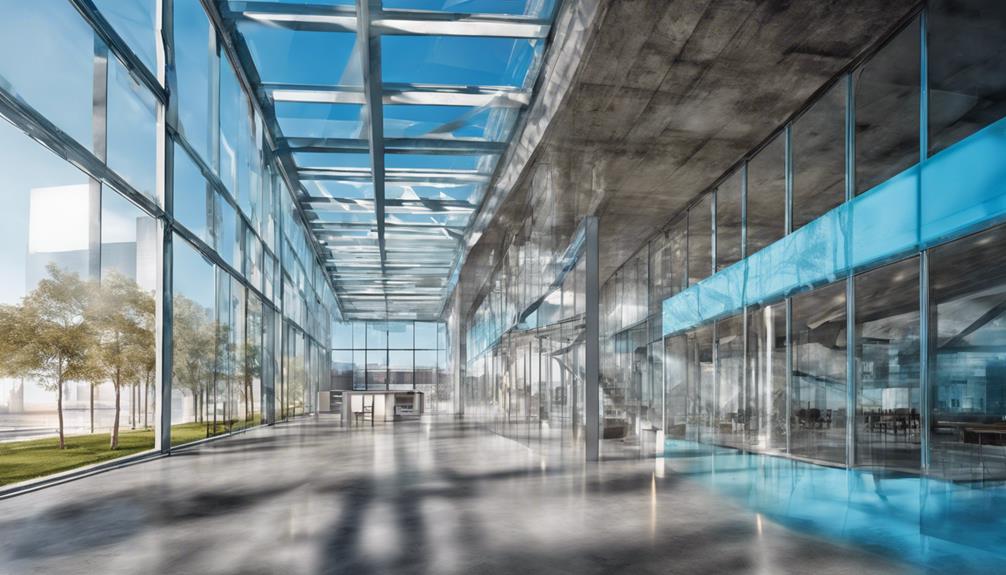
While gypsum board is a standout choice for fire safety in building constructions, another innovative material that significantly enhances protection is fire-resistant glass. You'll find that this isn't your typical window glass. Fire-resistant glass is specially designed to withstand extreme heat, preventing fire spread and smoke damage for a certain period, typically ranging from 20 minutes to 3 hours depending on its rating.
This glass is made by layering together multiple sheets with intumescent interlayers that react to heat. When exposed to fire, these layers swell up, forming a shield that not only retains its integrity but also provides insulation from heat. This feature allows you more time to evacuate safely and for emergency services to respond.
You should consider installing fire-resistant glass in critical areas such as escape routes, stairwells, and between different sections of a building to hinder fire spread. It's also crucial in exterior windows to prevent fires from jumping to neighboring structures.
Moreover, despite its robust fire-fighting capabilities, fire-resistant glass maintains all the aesthetic qualities of standard glass, offering clear visibility and contributing to the overall design elegance of your building. So, it's not just about safety; it's also about maintaining style and openness in your architectural choices.
Steel Framing Advantages
Steel framing's durability offers significant advantages when constructing buildings, particularly in terms of safety and longevity. When you choose steel, you're opting for a material that withstands severe weather, earthquakes, and fires better than many alternatives. Its inherent strength supports heavier loads, which means your building can safely reach new heights without the risk of collapse under stress.
Another benefit you'll appreciate is steel's resistance to pests and decay. Unlike wood, steel doesn't attract termites or mold, which can save you a fortune in maintenance and repair costs over the building's lifespan.
You'll find that steel's dimensional stability also prevents warping, cracking, or splitting, ensuring that your structure remains intact and functional for decades.
Moreover, steel framing is surprisingly adaptable. It can be prefabricated to precise specifications, speeding up the construction process and reducing on-site errors. This precision allows for more innovative architectural designs and better integration of insulation materials, enhancing both the aesthetic and energy efficiency of your building.
Opting for steel framing isn't just a practical choice; it's a forward-thinking strategy that prioritizes safety, durability, and cost-efficiency. It's a robust foundation that lets you build with confidence, knowing your investment is secure against many of nature's challenges.
Brick and Block Effectiveness
Shifting focus to brick and block, you'll discover their remarkable utility in building construction. These materials are prized for their inherent fire resistance. Bricks and concrete blocks, when constructed properly, can withstand extreme temperatures that would typically compromise other materials. This makes them an excellent choice for fire safety in your building projects.
Brick and block don't just resist fire; they also slow the spread of flames. This can be crucial in allowing more time for evacuation and potentially saving lives.
Moreover, the thermal mass of these materials helps in maintaining interior temperatures, reducing the burden on heating and cooling systems and thereby enhancing energy efficiency in your building.
You'll also appreciate the low maintenance required for brick and block constructions. Unlike other materials that might need regular treatments or repairs, brick and block are durable over time, resisting not only fire but also moisture and pest damage. This durability translates into a lower total cost of ownership, as the need for replacements or frequent repairs is significantly reduced.
Incorporating these materials into your construction isn't just a safety choice, but a smart financial decision as well, aligning longevity with robustness in your building's design.
Fire-Retardant Wood Treatments
After exploring the benefits of brick and block for fire resistance in buildings, let's consider an alternative for projects where wood is preferred. You might've assumed wood is inherently risky for fire-sensitive applications, but that's not entirely the case. Modern advancements in fire-retardant treatments can make wood a viable option.
Fire-retardant wood treatments involve applying chemicals that reduce the wood's flammability. These chemicals react when exposed to high temperatures, forming a protective char layer that insulates the underlying wood from heat and slows down combustion.
You've got a few options here: pressure-treated or surface-coated wood. Pressure-treated wood is infused with fire-retardant chemicals under high pressure, ensuring deep penetration and long-lasting protection. Surface-coated wood, on the other hand, is treated with a fire-resistant coating that also prevents fire spread but might require more frequent reapplications depending on exposure and wear.
It's crucial you choose the right type of treated wood for your project. Check the treatment's compatibility with your specific application, whether it's exterior siding, roofing, or interior paneling. Also, keep in mind that while these treatments enhance fire resistance, they don't make the wood entirely fireproof. Regular maintenance and inspections are essential to ensure the treatment remains effective.
Fire-Resistant Insulation Choices
While treated wood offers improved fire resistance, opting for fire-resistant insulation is equally crucial in enhancing the safety of your building. You'll want to consider materials that not only slow the spread of fire but also contribute to the overall energy efficiency and comfort of your space.
One standout option is mineral wool, also known as rock wool or slag wool. This insulation is made from natural minerals and offers excellent fire resistance due to its ability to withstand temperatures above 1,000 degrees Celsius without melting. It's not just fire-resistant; it's also effective at soundproofing and temperature control, making it a top choice for safety-conscious builders like you.
Another great choice is fiberglass insulation. It's made from fine strands of glass woven together, and while it's mostly known for its thermal insulation properties, it's also non-combustible. The materials used in fiberglass are naturally fire-resistant, providing a reliable barrier against heat and flames without the risk of emitting toxic fumes.
When you're planning your next building project, don't overlook gypsum board as an insulative option. Commonly used in drywall, gypsum contains water in its crystalline structure, which vaporizes during a fire and helps control the spread of flames.
Stone Durability in Fires
Stone stands as a formidable choice for building materials, especially when considering fire resistance. If you're planning a construction project, you'll find that using stone can provide not only aesthetic value but also significant safety benefits in the event of a fire.
Granite, limestone, and sandstone are among the top choices due to their ability to withstand high temperatures. These materials don't burn, making them ideal for areas prone to wildfires or in constructions where fire safety is paramount.
You mightn't realize it, but stone also absorbs heat slowly, which helps in maintaining structural integrity longer during a fire, compared to other materials.
Moreover, the density and composition of stone make it a poor conductor of heat. This feature significantly reduces the speed at which a fire can spread, offering you more time to safely evacuate and for emergency services to respond.
It's essential, though, to combine stone with other fire-resistant building practices for optimal protection.
Incorporating stone into your building not only enhances its resistance to fire but also adds to its longevity and resale value. It's a wise investment that pays off in safety, durability, and aesthetic appeal.
Just remember, while stone is resistant, it's not invulnerable, so consider comprehensive fire safety measures in your overall design.
Fireproofing Paints and Coatings
Many buildings benefit significantly from the application of fireproofing paints and coatings, which offer an additional layer of protection against flames. You'll find these innovative solutions essential in enhancing your building's resilience to fire. Essentially, they're designed to expand when exposed to high temperatures, forming a protective barrier that insulates structural members from the intense heat of a fire.
These coatings can be applied to a variety of materials, including steel, wood, and concrete, making them versatile for different building types.
You might wonder about their application process. It's straightforward: the paint is applied just like any other paint or coating, but you'll need to ensure it's evenly distributed to maximize its effectiveness.
When choosing the right fireproofing paint, consider the fire rating it offers—this determines how long the coated material can withstand fire exposure before it fails. It's also wise to check for certifications from reputable safety organizations to confirm the product's reliability and effectiveness.
Investing in quality fireproofing paints and coatings isn't just about compliance with safety regulations; it's about peace of mind. Knowing you've added an extra layer of protection can make all the difference in an emergency.
Conclusion
You've explored the top fire-resistant materials that can safeguard your building against the ravages of fire. From the robustness of concrete and steel framing to the protective qualities of fire-resistant glass and insulation, these materials are crucial for enhancing safety. Don't overlook the effectiveness of fire-retardant wood treatments and fireproof paints. By choosing the right materials, you're not just building; you're fortifying. Remember, investing in these materials can be a lifesaving decision for your property.
Related articles: 3 Best Fire-Resistant Materials for Commercial Buildings · Sustainable Materials for Office Buildings · Top Green Materials for Office Construction