
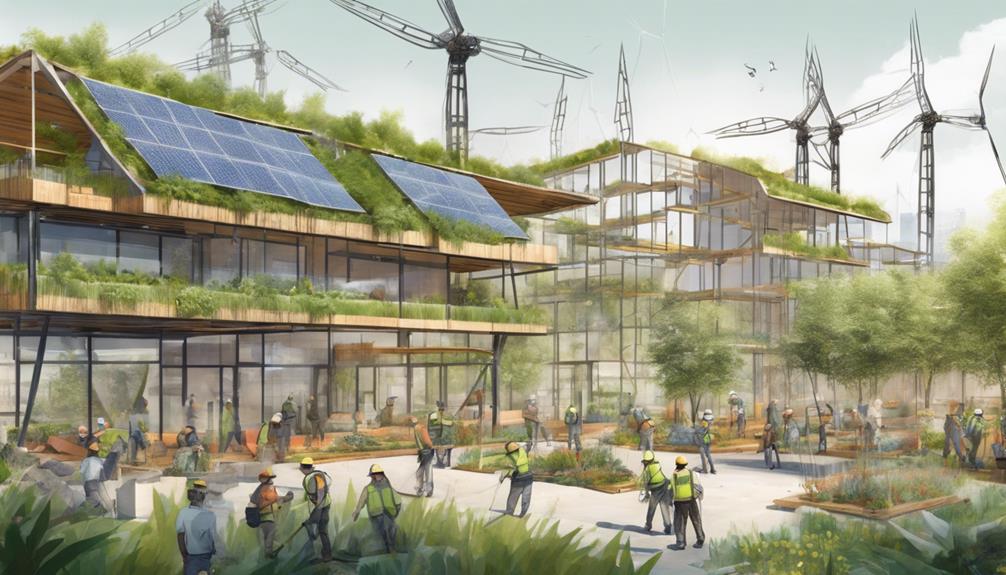
When selecting sustainable materials for your commercial construction project, you're making a smart move towards enhanced energy efficiency and durability. Consider using recycled steel to reduce environmental impact and meet LEED certification standards, or opt for bamboo, which offers rapid renewability and aesthetic flexibility for various applications. Energy-efficient glass can significantly lower heating and cooling costs while improving indoor comfort. Additionally, exploring low-impact concrete alternatives and eco-friendly roofing solutions can further minimize your project's carbon footprint. As you explore these options, you'll discover how each choice contributes to a healthier environment and potentially lower project costs. More insights await as you uncover the full benefits and applications of these materials.
Benefits of Sustainable Materials
Sustainable materials offer significant benefits that can transform your commercial construction projects. By choosing these eco-friendly options, you reduce your environmental impact while potentially enhancing the efficiency and longevity of your building.
One major advantage is energy efficiency. Materials like high-performance glass or bamboo flooring provide excellent insulation and natural temperature regulation, which can significantly lower heating and cooling costs. You're not just saving money; you're also reducing your carbon footprint.
Durability is another key benefit. Many sustainable materials, such as cork or reclaimed wood, aren't only stylish but also incredibly resilient. These materials often withstand wear and tear better than traditional options, meaning less maintenance and replacement over the lifespan of your building.
Furthermore, using non-toxic and natural materials improves indoor air quality, creating a healthier environment for occupants. This can boost productivity and well-being, contributing to a more positive workspace.
Recycled Steel Uses
Recycled steel is a game-changer in commercial construction, offering both strength and sustainability. When you choose recycled steel for your building projects, you're not just making a cost-effective decision; you're also reducing the environmental impact. Unlike new steel, recycled steel doesn't require the extraction of raw materials, which significantly cuts down on energy consumption and carbon emissions.
You'll find recycled steel in various forms, from structural beams to roofing materials. It's particularly popular for reinforcing bars in concrete, providing the same level of strength and durability as its newly manufactured counterparts. This versatility makes it an ideal choice for everything from skyscrapers to small commercial buildings.
Moreover, using recycled steel helps you meet green building standards, such as LEED certification, which can enhance your project's marketability and potential tax benefits. It's a smart move that supports the circular economy, where materials are kept in use for as long as possible.
Bamboo as a Building Material
Bamboo is making waves as an innovative and highly sustainable choice for commercial construction. You'll find that it's not only strong and durable, but also grows at an astonishing rate compared to traditional timber. This rapid growth cycle means you can harvest bamboo without causing severe environmental impacts, making it a superb renewable resource.
What's more, bamboo sequesters carbon at higher rates than many trees, actively reducing greenhouse gases. This property makes it a standout in fighting climate change, something you can proudly point out in your project's sustainability reports.
And let's talk about versatility. Whether you're looking at framing, paneling, or flooring, bamboo's natural properties, including its tensile strength, rival or exceed those of many conventional building materials.
You'll also appreciate bamboo's aesthetic flexibility. It offers a unique visual appeal with its warm tones and distinctive grain patterns, which can elevate the design of any building. Plus, its adaptability means it blends well with other materials, maintaining both function and form.
Energy-Efficient Glass Options
Switching focus to the windows of your building, consider the advantages of energy-efficient glass options. These innovative materials not only reduce your carbon footprint but also slash your energy bills. By choosing the right type of glass, you're investing in both the planet's future and your own financial savings.
Energy-efficient glass, such as low-emissivity (low-E) windows, uses a microscopic layer of metal oxides that minimize the amount of infrared and ultraviolet light coming through your glass without compromising the amount of visible light transmitted. This means during the summer, your buildings stay cooler and during the winter, the warmth stays inside, reducing your heating and cooling needs.
Additionally, consider the potential of double or triple-pane glass filled with gases like argon or krypton. These gases are much better insulators than air, enhancing thermal performance and further cutting down on energy costs. The extra layers of glass also provide superior sound insulation, making your building quieter and more peaceful.
You'll find that energy-efficient glass options might come with a higher upfront cost, but the reductions in utility expenses can offset these initial investments over time. It's a smart choice, ensuring you reap benefits both immediately in comfort and long-term in savings and sustainability.
Low-Impact Concrete Alternatives
Moving beyond traditional materials, it's time to explore low-impact concrete alternatives that significantly reduce environmental footprints. As you consider your next construction project, dive into options like fly ash, slag, and silica fume. These materials, byproducts of industrial processes, can replace a portion of cement in concrete, slashing CO2 emissions and enhancing durability.
You'll find fly ash, a residue from coal combustion, especially compelling. It not only saves landfill space but also improves the strength and workability of concrete.
Similarly, slag, produced from iron and steel manufacturing, offers increased longevity and a lower carbon footprint.
Silica fume, another industrial byproduct, significantly enhances concrete's mechanical properties and resistance to harsh environments.
Moreover, consider adopting recycled aggregate concrete, which uses crushed recycled concrete, glass, or slag as an aggregate. This not only reduces waste but also cuts down on resource extraction.
These alternatives aren't just environmentally friendly; they're also cost-effective in the long run due to their enhanced durability and reduced maintenance costs. As you plan, weigh these options carefully. They represent a smart choice for both your budget and the planet.
Sustainable Wood Sources
Why not consider timber from responsibly managed forests for your next project? Using sustainable wood sources isn't just good for the planet; it can also enhance your project's credibility and marketability. When you choose certified wood, you're ensuring that the material comes from forests where environmental impacts are minimized, and biodiversity is maintained. This means the forests are managed to provide continuous yields while protecting ecosystems.
Look for certifications like FSC (Forest Stewardship Council) or PEFC (Programme for the Endorsement of Forest Certification). These labels guarantee that the wood was harvested in a way that preserves natural habitats and benefits the local communities economically and socially. Plus, using certified wood can help you meet green building standards, such as LEED, which can significantly boost your project's environmental profile.
Furthermore, consider reclaimed wood. This option not only reduces the demand on forests but also offers a unique aesthetic that can be a selling point for your project. Reclaimed wood comes from various sources, including old buildings or unused structures, and reusing it prevents waste and reduces landfill impacts.
Green Insulation Choices
Exploring green insulation options is crucial for enhancing your building's energy efficiency and reducing its carbon footprint. You'll find a range of sustainable materials that not only keep your spaces warm in winter and cool in summer but also support environmental stewardship.
One of the top choices is cellulose insulation, made from recycled paper, primarily newsprint, treated for fire resistance. It's a fantastic option because it uses up waste paper and provides excellent thermal properties. You're essentially turning a waste product into something incredibly useful.
Another great option is sheep's wool. It's natural, renewable, and has the ability to manage moisture while providing high insulation values. Wool fibers are crimped, creating millions of tiny air pockets that trap air, enhancing its insulative properties. It's more than just warm sweaters; it's a smart choice for keeping your building energy-efficient.
For a more rigid option, consider cork panels. Cork is harvested from the bark of the cork oak tree, which regrows, making it a sustainable choice. It's not only a good insulator but also provides excellent acoustic properties.
Choosing any of these materials helps you build greener and smarter, aligning your project with modern sustainability standards.
Eco-Friendly Roofing Solutions
Have you considered the impact of your choice in roofing materials on the environment? Selecting the right eco-friendly roofing solution can significantly reduce your building's carbon footprint. Let's explore some sustainable options available today.
First up, solar roofing tiles. These aren't just traditional roof tiles; they're integrated with photovoltaic cells that generate electricity. You'll not only shield your building from the elements but also power it sustainably. Plus, they blend seamlessly with traditional roofing materials, maintaining aesthetic values while being environmentally conscious.
Green roofs are another excellent choice. By covering your roof with vegetation, you're adding insulation, reducing runoff, and combating urban heat islands. This setup requires a robust waterproofing system to prevent leaks, but the benefits, including improved air quality and reduced energy consumption, are well worth it.
Lastly, consider recycled roofing materials. Products like rubber shingles made from old tires or recycled waste plastics offer durability and longevity, alongside a reduced environmental impact. They come in various styles and colors, ensuring you don't have to compromise on design for sustainability.
Natural Fiber Applications
Continuing our discussion on sustainable building materials, let's consider natural fiber applications, an area gaining traction for its environmental benefits and functional versatility. You've likely heard of materials like wool, hemp, and flax being used in textiles, but their potential in construction is equally impressive. These fibers can be integrated into composites used for interior applications such as wall coverings, insulation, and flooring.
Natural fibers aren't only renewable but they also help in reducing the carbon footprint of buildings. For instance, when you choose hemp insulation, you're opting for a material that isn't only highly effective but also captures carbon during its growth. This dual benefit makes it an attractive choice for green building projects.
Moreover, these materials offer superior indoor air quality compared to synthetic alternatives. They're less prone to emitting volatile organic compounds (VOCs), ensuring that you're creating a healthier environment for occupants.
Consider also the aesthetic and tactile qualities natural fibers bring. They can create a sense of warmth and organic beauty that's often lacking in synthetic materials.
As you plan your next project, think about how these sustainable options could enhance both the function and form of your building.
Lifecycle Assessment Methods
To fully grasp the environmental impact of your building project, it's crucial to utilize lifecycle assessment methods. These methods provide a comprehensive analysis of the environmental aspects and potential impacts throughout a product's life—from raw material extraction through materials processing, manufacture, distribution, use, repair and maintenance, and disposal or recycling.
When you're selecting materials, you'll want to consider the whole lifecycle. This includes how much energy is consumed and what kind of emissions are produced at each stage. For instance, the production of some materials might require less energy but could involve harmful chemicals that pose greater long-term risks to the environment.
You should also think about the end of a material's life. Can it be recycled or does it end up in a landfill? Choosing materials that can be easily recycled or reused reduces the overall environmental footprint of your building.
Lifecycle assessments aren't just good for the planet; they're also smart economically. By understanding the full costs associated with different materials over their entire lifespan, you can make more informed decisions that might save money in the long run. So, don't overlook this powerful tool—it's essential for building sustainably.
Conclusion
You've explored a range of sustainable materials that not only benefit the environment but also enhance the efficiency and sustainability of your commercial construction projects. From recycled steel to bamboo, and energy-efficient glass to green insulation, each choice contributes to a healthier planet. Remember, selecting eco-friendly materials like low-impact concrete and natural fibers isn't just a good decision—it's an investment in our future. Make sure to apply lifecycle assessment methods to maximize your project's sustainability.
Related articles: What Are the Best Affordable High-Rise Construction Supplies? · 7 Tips for Affordable High-Rise Construction Supplies · Why Choose Affordable High-Rise Building Supplies?