
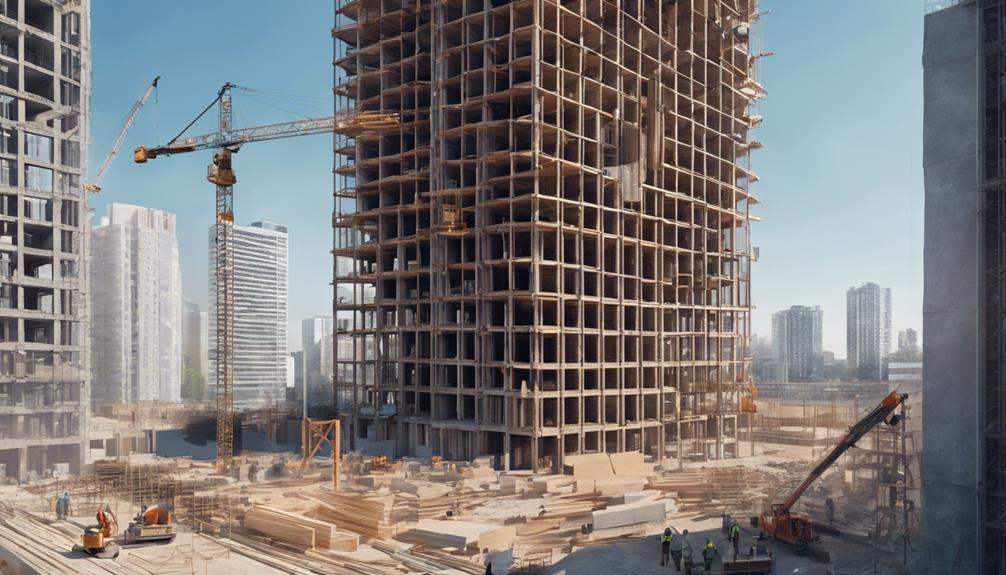
To cut costs on your high-rise build, it's wise to partner with local steel and concrete suppliers who offer bulk pricing and may match competitors' lower prices. You'll find significant savings by negotiating deals on overstocked glass and aluminum, and considering eco-friendly materials like recycled aluminum and engineered wood. Durable yet budget-friendly materials like bamboo provide both sustainability and cost efficiency. Developing strong relationships with these suppliers can lead to even better financial terms over time. As you explore these options, you might uncover additional ways to keep your project affordable and high-quality.
Cost-Effective Steel Suppliers
When it comes to building high-rises, finding cost-effective steel suppliers can significantly reduce your overall expenses. You've got to dig deep into the market, looking beyond the big names to uncover suppliers who offer competitive rates without compromising on quality. Consider local manufacturers who might save you a bundle on shipping costs.
Don't just settle for the first quote you receive. You should ask for price breakdowns from multiple suppliers and compare them carefully. It's not just about the lowest number; check what's included. Are there hidden costs? What about the delivery schedules? You need steel delivered on time to avoid costly delays.
Also, think about long-term partnerships. Suppliers often lower prices for loyal customers, so if you're planning multiple projects, mention this. They might offer you a deal that could benefit your current project and future ones.
Lastly, keep an eye on steel market trends. Prices can fluctuate based on demand, supply disruptions, or changes in raw material costs. By staying informed, you can anticipate changes and lock in prices with suppliers at the right time, potentially saving you thousands. Remember, smart negotiating and strategic planning are your best tools in this game.
Affordable Concrete Options
After securing your steel at a competitive price, it's time to consider your options for affordable concrete, another major expense in high-rise construction. You'll want to focus on both cost and quality to ensure your project stays within budget without compromising structural integrity.
First, look into local suppliers who offer bulk pricing. Buying in large quantities often leads to significant discounts, and purchasing locally can reduce transportation costs dramatically. Don't hesitate to negotiate prices or ask for price-match guarantees to push costs down further.
Next, consider the mix design. Opt for standard mixes for non-critical elements of your construction to save money. However, ensure that the concrete's strength and durability meet the necessary standards for your building's specifications. Sometimes, a slightly higher initial cost can prevent expensive repairs or modifications later on.
Additionally, explore the possibility of using recycled concrete. This option isn't only environmentally friendly but can also be cost-effective. Many suppliers now offer high-quality recycled concrete that's suitable for various construction stages, including foundations and load-bearing walls.
Budget-Friendly Glass Providers
Moving on to the windows of your high-rise, finding budget-friendly glass providers is crucial to maintaining your project's affordability. You'll need to ensure the glass not only fits your budget but also meets the safety and aesthetic standards required for such a structure. Here's how you can source cost-effective glass without compromising on quality.
First, consider regional manufacturers. Often, local companies will offer competitive pricing to gain loyalty within their community. They might also provide better terms for bulk purchases, which could be ideal for your large-scale project. Don't forget to check for any local subsidies or tax incentives for using regional businesses, which can further reduce costs.
Another strategy is to look for overstock deals. Providers sometimes hold excess stock that they're willing to dispose of at a discount. This can be a goldmine for budget-conscious projects like yours. Make sure to verify the specifications and quality standards of the overstock glass to ensure they meet your needs.
Lastly, forge strong relationships with suppliers. Suppliers are more likely to negotiate prices and offer favorable terms to repeat customers. Show them your project's scope and potential for future business, and you might just secure that deal that keeps your costs down and quality high.
Discounted Aluminum Sources
Just as finding the right glass is key to keeping costs low, so is sourcing affordable aluminum for the structural components of your high-rise. You're in luck because there are numerous ways to find discounted aluminum that don't compromise on quality.
First, consider suppliers who offer overstock deals. Manufacturers often have excess material that they're willing to sell at reduced prices to clear space.
Next, look into recycling companies. Recycled aluminum isn't only cheaper but also environmentally friendly. It provides the same structural integrity as new metal but at a significantly lower cost. Check for local recyclers who specialize in construction-grade aluminum.
Don't overlook the power of bulk buying. If you're working on a large project, purchasing in bulk can lead to substantial discounts. Negotiate with suppliers to see how much you could save by ordering larger quantities.
Economical Wood Alternatives
If you're searching for cost-effective materials beyond traditional wood for your high-rise construction, consider exploring economical wood alternatives. One standout option is engineered wood products like cross-laminated timber (CLT). It's not only cheaper but also offers superior strength and flexibility, making it ideal for building upwards.
Another cost-effective choice is bamboo. It's remarkably sustainable due to its fast growth rate, and its tensile strength is comparable to steel, which is why it's gaining popularity in modern constructions. You'll save money and contribute to environmental sustainability.
Don't overlook recycled plastic lumber. It's resistant to decay and pests, requires minimal maintenance, and is perfect for areas exposed to harsh weather conditions. While its initial cost might be higher, the long-term savings in maintenance are worth considering.
Finally, consider using modular wooden panels. These pre-fabricated panels reduce onsite construction time significantly, which can slash overall project costs. They're designed for easy assembly, which means you can speed up the construction process without compromising on safety or quality.
Choosing the right materials can dramatically reduce costs while ensuring your project remains sustainable and durable. Dive into these alternatives and you might find the perfect fit for your needs.
Wholesale Electrical Components
After exploring cost-effective building materials, it's equally important to consider the electrical components required for high-rise construction. As you move forward with your project, don't forget that wholesale electrical components can drastically reduce your costs without compromising on quality.
When you're buying in bulk, you'll find that prices are often significantly lower than retail. It's crucial to partner with reputable suppliers who offer competitive rates and reliable products. Look for vendors that provide warranties and have positive reviews, ensuring that you're not just saving money, but also investing in the safety and durability of your building.
You'll need to consider a range of components, from wiring and cables to switches and circuit breakers. Opting for energy-efficient options can also lead to long-term savings on utility costs, which is a huge plus for any high-rise. LED lighting, automated energy management systems, and high-quality insulators should be on your list.
Additionally, understanding the specific electrical needs of a high-rise is vital. This includes adequate load calculations and ensuring that the electrical infrastructure can handle the demands of such a large building. By focusing on these aspects, you'll ensure that your high-rise isn't only well-equipped but also operationally efficient and safe.
Cheap Plumbing Materials
While focusing on electrical components is crucial, you should also consider the plumbing materials for your high-rise. Opting for cost-effective plumbing options doesn't mean you have to compromise on quality. It's all about knowing where to look and what to choose.
Start by selecting PVC pipes instead of copper. PVC isn't only significantly cheaper but also lightweight, resistant to corrosion, and easy to install. You'll save on labor and material costs.
For fixtures, consider composite or thermoplastic options which offer durability at a fraction of the cost of traditional materials.
Next, look into bulk purchasing. Many suppliers offer substantial discounts for large orders, which is ideal when you're dealing with the scale of a high-rise project. Don't forget to negotiate; suppliers often have wiggle room in their pricing, especially if you're a repeat customer or you're buying multiple products.
Lastly, consider the longevity and maintenance costs. Cheaper materials might need more frequent replacements or repairs. Balance your initial savings against potential future expenses. Opt for materials that offer a good compromise between cost and lifespan. This approach will ensure that you're truly saving money in the long run, not just upfront.
Inexpensive Flooring Solutions
When choosing flooring for your high-rise project, consider laminate and vinyl options as they provide both affordability and durability. Laminate flooring, especially, offers a cost-effective solution with a variety of designs that mimic more expensive materials like hardwood or stone. It's not only easy on your budget but also on installation time, which can be a crucial factor in keeping construction schedules on track.
Vinyl flooring is another stellar choice for high rises. It's resistant to moisture and wear, making it ideal for areas with high foot traffic. You'll find that cleaning is a breeze, and maintenance costs are minimal, keeping your long-term expenses down. Additionally, modern vinyl comes in an array of styles and textures, allowing you to achieve a high-end look without breaking the bank.
Don't overlook the opportunity to mix and match these materials across different areas of your building. Using vinyl in bathrooms and kitchens for its resistance to water, and laminate in living areas and bedrooms for comfort and aesthetic appeal, can optimize both cost and functionality.
With these options, you're well-equipped to make choices that align with both your architectural vision and budgetary constraints.
Low-Cost Insulation Choices
Consider choosing fiberglass or cellulose as affordable insulation options for your high-rise building. Both materials aren't only cost-effective but also perform well in minimizing heat transfer and improving energy efficiency. Fiberglass, made from fine glass fibers, is popular due to its versatility and ease of installation. It's available in batts and rolls which fit snugly between wall studs and ceiling joists, reducing both heat loss and sound transmission.
Cellulose, on the other hand, is crafted from recycled paper products and is treated with fire retardants. It's an eco-friendly option that provides excellent thermal performance and is typically less expensive than fiberglass. You can install it using a loose-fill technique, which allows it to conform to odd-shaped spaces and around obstructions, ensuring a tight seal.
When you're budgeting for insulation, remember that the initial cost is just part of the picture. Consider the long-term savings in heating and cooling costs. Both fiberglass and cellulose have competitive R-values, which measure the material's ability to resist heat flow. The higher the R-value, the greater the insulation power. So, investing in quality insulation can lead to significant energy savings over time, making it a smart choice for your high-rise project.
Budget HVAC Systems
Many budget-friendly HVAC systems are available that can significantly reduce your high-rise's operational costs without sacrificing performance. You'll find that modern advancements have led to more efficient systems that don't break the bank. Opting for these can slash your energy bills and still keep tenants comfortable.
When exploring options, look for units with high Seasonal Energy Efficiency Ratios (SEER). A higher SEER rating means better efficiency, and although the upfront cost might be a tad higher, the long-term savings are substantial.
You might also consider HVAC systems that incorporate smart technology. These systems adjust heating and cooling automatically based on occupancy and weather conditions, ensuring optimal performance without constant manual adjustments.
Additionally, don't overlook the importance of proper installation. A well-installed system maximizes efficiency and extends the lifespan of the unit. Hiring reputable professionals might seem expensive initially, but it prevents costly repairs and replacements down the line.
Lastly, check for rebates and incentives offered by energy companies or local governments. These can reduce your investment cost significantly, making budget HVAC systems even more attractive. By smartly investing in the right HVAC system, you're setting up your high-rise for reduced operational costs and increased tenant satisfaction.
Conclusion
You've seen how to slash your high-rise building costs without sacrificing quality. From cost-effective steel suppliers to budget HVAC systems, there's no need to overspend. Embrace these affordable concrete options and economical wood alternatives. Don't forget the discounted aluminum and cheap plumbing materials. With these inexpensive flooring solutions and low-cost insulation choices, your project stays under budget. Make the smart choice; opt for these resources and watch your savings grow while your building reaches new heights.
Related articles: Top Affordable Supplies for High-Rise Construction · Why Choose Fire-Resistant Materials for Commercial Buildings? · Top 5 Fire-Resistant Materials for Buildings