
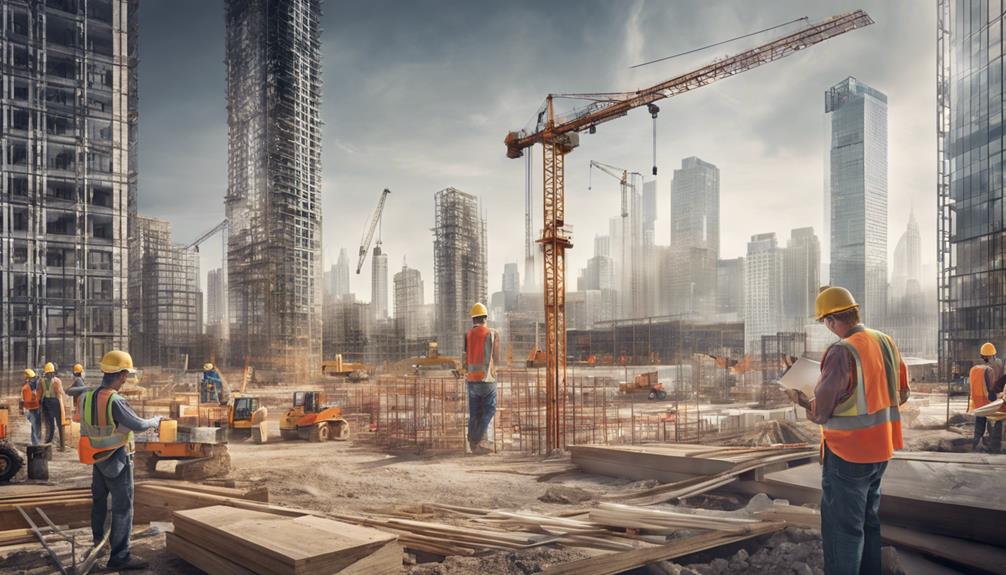
Choosing affordable high-rise building supplies helps you manage your budget while ensuring quality and sustainability. You'll benefit from cost-efficient materials like recycled steel and high-performance concrete, which not only lower initial expenses but also reduce maintenance costs over time. Utilizing modern construction techniques such as prefabrication can further save money and speed up project completion. Moreover, embracing eco-friendly options not only minimizes environmental impact but also enhances building durability— a crucial factor in attracting eco-conscious tenants. With wise negotiation and strategic purchasing, every dollar you save can enhance other project aspects or boost your savings. There's more to learn about how these strategies enhance your project's overall success.
Cost Efficiency in Construction
In today's construction industry, cost efficiency is paramount. You're likely feeling the pressure to deliver projects that not only meet high standards but also come in at or under budget. Achieving this balance starts with selecting the right materials and technology that offer value without compromising quality.
You need to consider materials that provide durability and are cost-effective over the long run. Innovative materials such as high-performance concrete or recycled steel feature prominently here. Such options not only reduce initial costs but also decrease maintenance expenses down the line, boosting overall cost efficiency.
Moreover, employing modern construction techniques can significantly cut down on waste. Techniques like prefabrication and modular construction, where components are built offsite and then assembled onsite, can save you a great deal of time and money.
These methods not only speed up the construction process but also reduce labor costs and minimize onsite errors.
Meeting Budget Constraints
You've already seen how selecting the right materials and construction techniques can elevate cost efficiency. Now, let's focus on how you can meet budget constraints without compromising the quality of your high-rise project. It's all about making smart choices and understanding where you can cut costs effectively.
Firstly, you'll want to leverage bulk purchasing. By ordering materials in large quantities, you typically secure them at a lower price. This approach not only reduces the unit cost but also minimizes the frequency of delivery charges. It's a straightforward strategy that can save you a significant amount of money.
Secondly, consider the timing of your purchases. Prices for building materials can fluctuate based on market demand and supply issues. If you plan your procurement strategically, purchasing materials during off-peak times, you can take advantage of lower prices.
Lastly, don't overlook the importance of negotiating with suppliers. Building strong relationships with them can lead to better deals, more favorable payment terms, and even discounts on large orders. Remember, every dollar you save on materials is a dollar that can be allocated elsewhere in the project or kept as savings.
Sustainability and Eco-Friendly Options
Adopting sustainable and eco-friendly materials isn't just good for the environment; it also enhances the long-term value of your high-rise. When you choose materials like recycled steel, bamboo, or low-VOC paints, you're not only reducing your carbon footprint but also investing in the longevity and safety of your building. These options often come with better durability and less maintenance over time, saving you money in the long run.
You might wonder if going green will limit your design options. On the contrary, the variety of sustainable materials available today allows for a broad range of architectural creativity. From recycled glass facades that shimmer in the sunlight to reclaimed wood that adds warmth and character, eco-friendly doesn't mean aesthetic compromise.
Moreover, tenants are increasingly drawn to buildings that emphasize sustainability. By marketing your high-rise as environmentally conscious, you're likely to attract a forward-thinking demographic that values eco-responsibility. This can lead to higher occupancy rates and potentially higher rental incomes.
Availability and Accessibility
Exploring the availability and accessibility of sustainable building materials is crucial for project planners and developers. You need to know where and how you can get these materials, and at what cost. As you delve into the planning stages, it's essential to consider that the supply chains for eco-friendly materials can be less predictable than traditional ones.
You'll find that while some materials are widely available, others might need to be sourced from specific regions, potentially impacting your project timeline and budget.
Moreover, the rise of green building initiatives has spurred increased production and distribution networks for sustainable materials. This means you're more likely than ever to find suppliers who can meet your needs. However, you must check their stock levels regularly and maintain good relationships with multiple suppliers to ensure a steady supply.
Accessibility also involves the ease of integration of these materials into your existing processes. It's not just about purchasing; it's about ensuring that the materials can be easily adapted to your project needs without requiring significant changes to your construction methods or designs.
Keep this in mind as you select materials, ensuring they align with your project's specific requirements and capabilities.
Durability and Quality Considerations
In assessing affordable high-rise building supplies, consider the durability and quality of the materials you choose. You're investing in the future of a structure that needs to withstand the tests of time and weather. Cheaper materials might save you money upfront, but if they degrade quickly, you'll face frequent repairs and higher costs down the line.
Think about the long-term impact of your choices. High-quality materials may cost more initially, but their longevity means you won't be replacing them anytime soon. This is particularly vital in high-rise construction, where the safety and comfort of hundreds, perhaps thousands, hinge on material integrity.
You'll want to look for supplies that promise both strength and endurance. Products that come with guarantees or certifications from trusted industry bodies can often provide you with peace of mind, assuring you that they meet a certain standard of quality.
Compliance With Building Regulations
While considering the quality and durability of materials, you must also ensure they meet local and international building codes. This isn't just a legal necessity; it's crucial for the safety and compliance of your high-rise project.
Remember, every region has its own set of regulations that govern the construction of buildings, including the types of materials that can be used.
You'll find that investing in supplies that are code-compliant can drastically reduce the risk of legal complications which might arise from non-compliance. These regulations are in place to protect both you and the future occupants of the building. They cover everything from fire safety to structural integrity and environmental impact.
It's your responsibility to stay informed about these codes, which can often be complex and frequently updated.
To navigate this, you might consider consulting with a specialist or investing in training for your team. Ensuring compliance from the start of your project not only streamlines the construction process but also avoids costly penalties or redesigns later on.
Plus, using compliant materials can often speed up the approval process, helping you keep your project on schedule and within budget.
Long-Term Investment Benefits
Shifting focus to long-term investment benefits, you'll find that choosing high-quality, compliant building supplies can significantly increase the value of your high-rise project. When you opt for superior materials, you're not just meeting the bare minimum standards; you're investing in the future resale value of the building.
Durable, well-chosen supplies ensure fewer repairs and replacements over time, which translates to lower maintenance costs and higher tenant satisfaction.
You're also looking at an increased appeal to eco-conscious investors and tenants. Modern building materials that feature energy efficiency contribute to reduced operational costs, a vital selling point in today's market. This can lead to higher occupancy rates and, consequently, a more robust revenue stream.
Moreover, investing in quality supplies from the start can protect you against future regulatory changes that could require costly upgrades. Anticipating these changes by choosing adaptable and forward-thinking materials places you ahead of the curve, making your building more attractive to potential buyers or investors who are keen on properties that don't need immediate upgrades.
Conclusion
You've seen how choosing affordable high-rise building supplies doesn't mean compromising on quality or sustainability. By focusing on cost-efficient, eco-friendly options that meet building regulations, you ensure your project stays within budget and is built to last. These choices not only make your build more accessible but also turn it into a wise long-term investment. So, go ahead and select the right materials that offer durability and value—your future self will thank you.
Related articles: Unbelievably Cheap Supplies for High-Rise Builds · Top Affordable Supplies for High-Rise Construction · Why Choose Fire-Resistant Materials for Commercial Buildings?