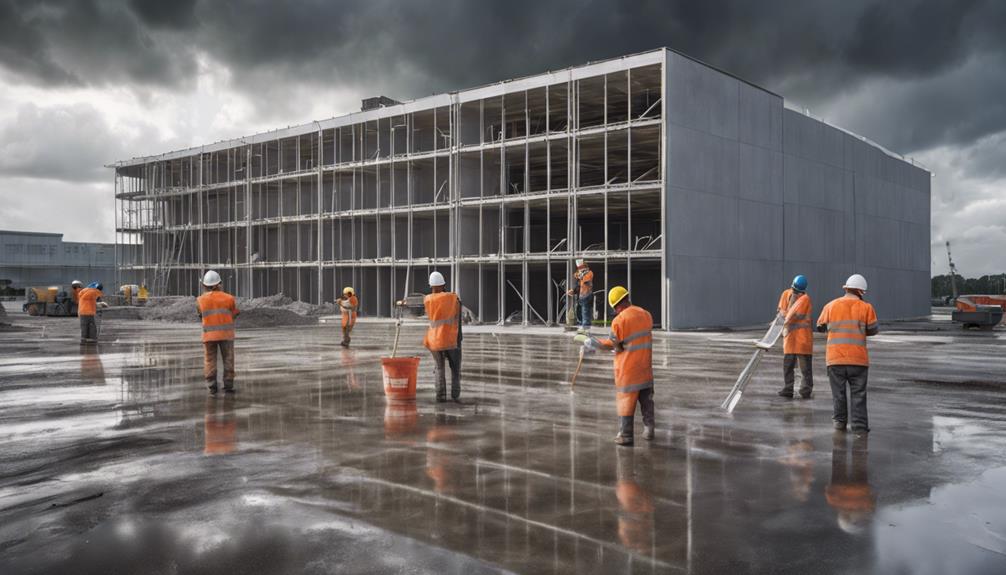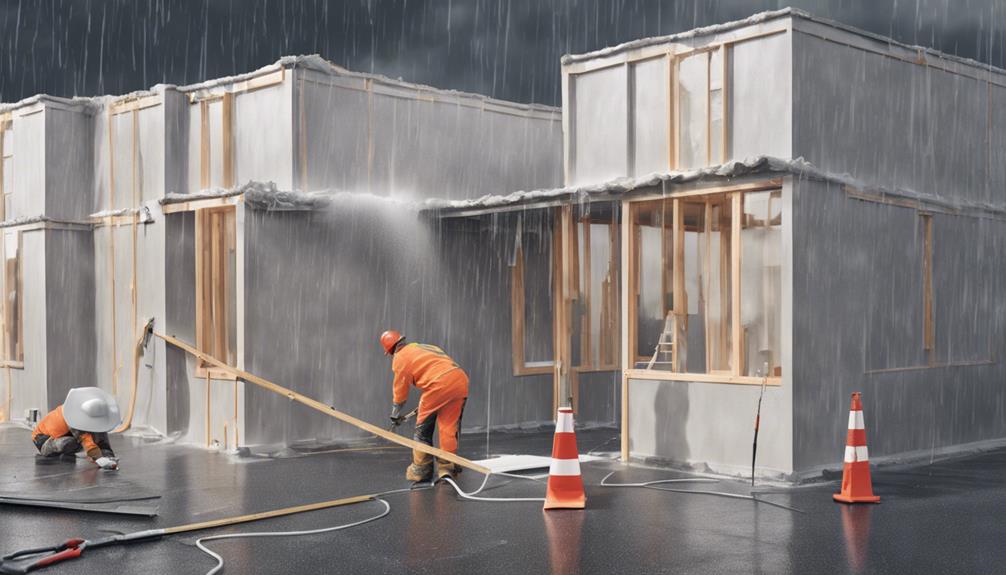
Over time, you've seen a significant shift in how buildings are weatherproofed, from using natural materials like mud and straw to employing advanced synthetic substances such as vinyl and fiberglass. Earlier methods capitalized on local resources, but the advent of synthetic materials brought about enhanced durability and resistance. Nowadays, progressive technologies integrate smart sensors and nanotechnology to provide weatherproofing solutions that not only protect but also contribute to sustainability efforts. You might be surprised at what these new applications can do to extend the longevity and efficiency of buildings, as further exploration will reveal their full impact on modern construction practices.
Early Methods of Weatherproofing
Early methods of weatherproofing in construction relied primarily on natural materials available locally. You'd find builders using mud, straw, and clay to seal joints and protect structures. These materials weren't only abundant but also provided effective resistance against the natural elements.
In regions with ample timber, wood shingles became a popular choice due to their durability and ease of replacement.
In your ancestral home, for instance, you might notice thick walls plastered with lime. This ancient practice, dating back thousands of years, not only helped in regulating the indoor climate but also prevented water penetration. Lime, when mixed with water and sand, creates a breathable coating that hardens over time, enhancing its weatherproof properties.
Thatching, another age-old technique, involved layering dried vegetation like straw, reeds, or heather tightly over frames to create roofs. This method was skill-intensive, requiring you to know exactly how to layer the thatch to ensure water would run off effectively without seeping through.
These traditional practices reflected a deep understanding of local environments and available resources. They didn't just serve the purpose; they connected you to your surroundings, utilizing what was at hand to create shelters that stood the test of time without straying far from nature's offerings.
Advent of Synthetic Materials
As the 20th century unfolded, the construction industry witnessed a significant shift with the introduction of synthetic materials. You've probably seen some of these innovations yourself, like vinyl and fiberglass, which have drastically altered how buildings are made weatherproof. These materials not only offered improved durability and resistance to environmental elements but also brought versatility in design and application.
Imagine the impact of synthetic polymers, such as polyethylene and PVC. These materials became the backbone of waterproofing solutions, replacing more traditional methods that often fell short in longevity and effectiveness. You'll find these synthetics in everything from roofing membranes to exterior cladding, providing barriers that are both tough and lightweight.
Moreover, synthetic insulation materials like polystyrene and polyurethane foam revolutionized thermal resistance in building envelopes. These insulations help maintain indoor temperatures, reducing the need for excessive heating or cooling. What's more, they're often easier to install and more cost-effective over time.
The shift to these materials wasn't just about improving performance. It also aligned with a growing awareness of the need for sustainable building practices. By using synthetics that often require less maintenance and have longer lifespans, the industry started to move towards more environmentally conscious construction techniques.
Technological Advancements in Sealants
Building on the innovations in synthetic materials, the construction industry has also seen remarkable progress in the development of sealants. You've likely noticed how crucial a tight seal is in preventing water and air ingress in buildings. Modern sealants offer you much more than their predecessors. They're not just about filling gaps; they adapt to environmental changes, ensuring long-lasting protection.
Today's sealants harness advanced polymers that enhance elasticity and durability. You can observe this in silicone and polyurethane sealants, which maintain their integrity despite extreme weather fluctuations. This means you don't have to worry about frequent replacements or repairs.
Moreover, these materials have improved adhesion qualities, sticking better to a variety of surfaces, from glass to concrete. This versatility makes them indispensable in modern construction.
Environmental considerations have also steered the evolution of sealants. Manufacturers now prioritize low-VOC (volatile organic compounds) formulas, which are safer for both you and the environment. These advancements not only meet stricter environmental regulations but also contribute to healthier indoor air quality in buildings.
As you explore these technological strides, remember that the right choice in sealants can significantly impact the longevity and resilience of construction projects, ensuring structures that stand the test of time and elements.
Modern Weatherproofing Techniques
Why settle for traditional methods when modern weatherproofing techniques offer far superior protection for your construction projects? Today, you've got a plethora of advanced options that not only enhance the durability of buildings but also contribute to energy efficiency and environmental sustainability.
One standout approach is the use of liquid-applied membranes. These coatings adapt to various surface irregularities, providing a seamless barrier against water and air. You'll find them easy to apply, and they cure into a flexible, watertight layer over roofs, walls, and foundations.
Then there's the integration of smart vapor retarders, which adjust their permeability based on ambient humidity, improving indoor climate control while preventing moisture accumulation. You'll appreciate how they smartly balance the moisture dynamics, contributing to the building's thermal efficiency.
Also, don't overlook the role of advanced insulating materials like aerogel and vacuum insulation panels. These aren't just lightweight; they're incredibly effective in minimizing thermal bridges and enhancing the overall R-value of your building envelope.
Future Trends in Weatherproofing
Looking ahead, the future of weatherproofing in construction promises even more innovative and efficient solutions. You'll see materials that not only protect structures from the elements but also contribute to energy conservation. Imagine coatings that help buildings self-regulate temperature, cutting down on heating and cooling costs.
Nanotechnology is set to play a big role. You'll encounter nano-coatings that repel water and dirt, making buildings almost maintenance-free. These coatings can also enhance durability, reducing the need for frequent repairs. Smart sensors integrated into weatherproofing systems will allow real-time monitoring of conditions, enabling automatic adjustments to maximize protection and energy efficiency.
Biodegradable materials are on the rise too. You'll use products that provide excellent resistance against weather, yet decompose naturally without harming the environment. This shift not only supports global sustainability efforts but also complies with stricter environmental regulations.
Additionally, the use of big data and AI in weatherproofing applications will help predict and mitigate potential damage from severe weather events, ensuring that your projects are safer and more resilient. As you adapt to these changes, you'll not only save costs but also contribute to a more sustainable and innovative construction landscape.
Conclusion
As you've seen, weatherproofing in construction has transformed significantly. From rudimentary methods to sophisticated technologies, each advancement offers you better protection against the elements. Today's sealants and materials are not only more effective but also environmentally friendly. Looking ahead, anticipate innovations that further enhance efficiency and sustainability. So, whether you're renovating or building anew, these evolving weatherproofing solutions promise to keep your space dry and comfortable, no matter what Mother Nature throws your way.
Related articles: Ultimate Weatherproofing Solutions for Commercial Construction · Why Choose These Building Insulation Suppliers? · Top Suppliers for Commercial Building Insulation Materials