
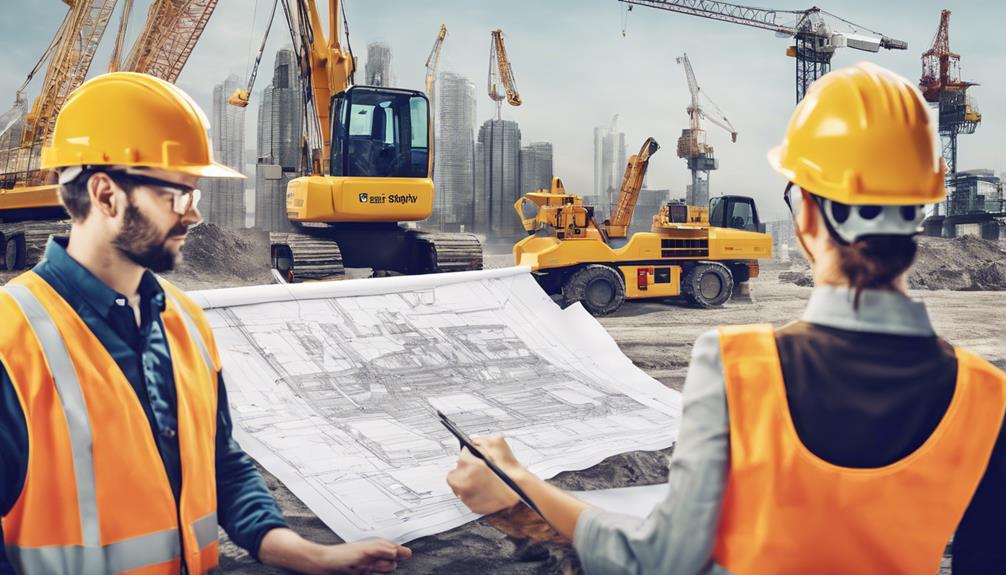
To effectively manage risks in your construction projects, you'll need to focus on several key strategies. Start by conducting thorough risk assessments to anticipate potential issues and adapt your plans accordingly. Implement robust safety protocols, including regular training and strict enforcement of Personal Protective Equipment (PPE) guidelines. Utilize cutting-edge technology for real-time hazard monitoring and improved communication channels to keep everyone on your team updated. It's also vital to develop a concise emergency response plan and conduct regular drills to ensure everyone knows their roles during a crisis. These strategies help mitigate risks, and there's always more to uncover that can enhance your project's success.
Identifying Common Construction Risks
Understanding common construction risks is the first step toward effective risk management in the construction industry. As you delve into project planning, recognizing these risks ensures you're prepared for potential challenges ahead. Let's break down these risks into several key categories.
First, you've got financial risks. These include budget overruns and cash flow issues. It's critical you monitor costs closely and forecast accurately to keep your project financially viable.
Weather-related risks also play a big part. Unexpected weather can delay projects and damage materials, so always check long-term forecasts and plan contingencies.
Next, consider logistical risks. Supply chain disruptions can delay your project timeline. You'll want to maintain good relationships with multiple suppliers to mitigate this risk.
Labor shortages are another concern, potentially causing delays and increasing labor costs. Maintaining a flexible hiring strategy is essential to adapt to these fluctuations.
Lastly, there's project management risks. Poor project management can lead to missed deadlines and quality issues. Invest in experienced managers and robust tracking tools to keep your project on track.
Implementing Safety Protocols
After addressing common construction risks, it's equally important to focus on implementing safety protocols. As a construction manager, you're responsible for not just identifying risks but also ensuring your team's safety. This begins with establishing comprehensive safety protocols that are clearly communicated to every worker.
First, you'll need to develop a detailed safety plan that addresses the specific hazards of your construction site. This includes proper handling and storage of materials, use of protective gear, and clear guidelines on machinery operation. Make sure you're consistently updating these plans to adapt to new risks or changes in project scope.
Training is crucial. You've got to ensure every team member understands and can implement safety measures effectively. Conduct regular training sessions that cover both basic safety principles and any new protocols. It's not enough to have the knowledge; workers must be able to apply it practically.
Enforcement is key. Regularly monitor compliance with safety protocols and take immediate action if standards aren't met. Remember, maintaining a safe work environment isn't just about preventing accidents; it's about creating a culture of safety that permeates every level of your project.
Regular Risk Assessments
Conducting regular risk assessments is crucial to maintaining the integrity and safety of your construction project. It's your responsibility to identify potential hazards before they turn into real problems. This proactive approach not only safeguards your workforce but also protects your project's timeline and budget from unforeseen disruptions.
Start by reviewing the project's scope and environment at each critical phase. Changes in project scope, equipment, or personnel can introduce new risks that weren't present at the outset. You'll need to adjust your strategies accordingly to mitigate these emerging threats.
Use a systematic approach to assess risks. This might involve checklists, software tools, or consultation with experts. Focus on both the likelihood of risks occurring and the potential impact if they do. It's about understanding which issues could derail your project and planning how to address them effectively.
Document all findings meticulously. This record-keeping isn't just for compliance—it's a practical tool for tracking trends over time and understanding the efficacy of your mitigation strategies.
Lastly, don't overlook environmental factors and regulatory changes that could influence risk levels. Being adaptable and responsive to these external influences ensures that your risk management strategies remain robust and relevant throughout the project lifecycle.
Training Employees Thoroughly
Building on the foundation of regular risk assessments, another vital step in risk management is thoroughly training your employees. Effective training doesn't just equip your team with the necessary skills; it also ingrains a culture of safety and awareness that can significantly reduce accidents on site.
Start by identifying the specific skills and knowledge each role requires. It's not just about handling equipment correctly; it's also understanding the potential hazards associated with different tasks and environments. Tailor your training programs to address these needs comprehensively.
You'll need to cover everything from the correct way to lift heavy materials to recognizing early signs of structural issues.
Moreover, ongoing training is crucial. Don't assume a one-time session is enough. Regular refresher courses ensure that safety stays front and center in your employees' minds and that they're up to date with the latest safety protocols and regulations.
Utilizing Technology for Safety
How can technology enhance safety in construction? As a construction manager, you're constantly looking for ways to boost safety and efficiency on your projects. One powerful tool at your disposal is technology. Let's explore how you can leverage it to keep your site safer.
First off, drones are a game-changer for conducting site surveys. They provide real-time, aerial views that help you identify potential hazards before they become serious. You're not just saving time; you're actively preventing accidents.
Another critical technology is wearable devices. These gadgets can monitor workers' health stats, alerting you to fatigue or other health concerns that could lead to accidents.
You've also got advanced software that can simulate construction processes before you even break ground. This isn't just about testing structural integrity; it's about foreseeing possible safety issues, allowing you to make adjustments in a virtual environment, which drastically reduces risks.
Establishing Clear Communication Channels
Effective risk management in construction demands top-notch communication. You need to ensure everyone on your project, from the foreman to the newest laborer, understands the goals, hazards, and procedures clearly. It's your job to establish communication channels that everyone can access and use comfortably.
Start by setting up regular meetings and briefings. These shouldn't just be top-down; encourage feedback and discussions to spot potential risks before they turn into real issues. Utilize tools like group chats, bulletin boards, and dedicated communication apps designed for construction sites. These platforms can keep everyone updated in real time and provide a record of communications.
You also need to tailor your communication methods to your team's needs. Consider language barriers and technological proficiency. Sometimes, simple visual aids or multilingual support can prevent misunderstandings and ensure everyone's on the same page.
Lastly, don't underestimate the power of face-to-face communication. Digital tools are helpful, but personal interactions build trust and clarity. Make yourself available on-site to address concerns and provide guidance. Remember, clear communication isn't just about sending messages—it's about ensuring they're understood.
Enforcing Personal Protective Equipment Use
Nearly every construction site requires the strict use of personal protective equipment (PPE) to safeguard workers from job-related injuries. As a manager, it's your duty to enforce these standards rigorously. Without proper PPE, you're not just risking workers' health; you're also exposing your project to potential legal and financial repercussions.
First off, you've got to ensure that every worker is equipped with the right gear for their specific tasks. This includes helmets, goggles, gloves, and high-visibility clothing, among others. It's not enough to just hand them out; you need to train your team on how and when to use each item. They should understand that it's for their own safety, not just a box-ticking exercise.
You should conduct regular inspections and keep records that everyone is complying with the PPE guidelines.
If someone's skimping on safety, don't hesitate to address it immediately. This could be through reminders, re-training, or even disciplinary actions if necessary.
Developing Emergency Response Plans
Developing a comprehensive emergency response plan is crucial for any construction site. You'll need to identify potential emergencies specific to your site, whether they're natural disasters like floods or earthquakes, or man-made incidents such as fires or structural failures. Start by conducting a thorough risk assessment to pinpoint vulnerabilities that could lead to emergencies.
Once you've identified the risks, you'll need to develop clear procedures. This means outlining specific steps for evacuation, including designated routes and assembly points.
You'll also want to establish a method for accounting for all personnel during and after an emergency. It's vital that everyone knows their role, so training is key. Regular drills will ensure that everyone knows what to do and where to go when an alarm sounds.
Make sure your communication plan is robust. You'll need reliable ways to alert everyone on site about an emergency, as well as methods for contacting emergency services swiftly. Include a list of key contacts who must be notified in case of an incident.
Monitoring and Adapting Strategies
Once you've set your emergency response plan in motion, it's crucial to keep an eye on how well it's working and make any necessary adjustments. Monitoring isn't just about ticking boxes; it's about actively observing the effectiveness of your responses in real-time. You'll want to ensure that the strategies you've implemented aren't only being followed but are also effective in mitigating risks.
To do this, set up a system of regular check-ins and audits. These can be weekly or monthly, depending on the scale of your project. During these sessions, review incident logs, feedback from your team, and any near-miss reports. This data is invaluable as it provides direct insights into where your plan may falter or excel.
If you find that certain aspects of your plan aren't working as expected, don't hesitate to adapt. This might mean retraining staff, updating equipment, or revising communication protocols. Remember, the goal is to ensure safety and efficiency, and flexibility is key to achieving this.
Lastly, keep your team informed about any changes made. Clear communication ensures everyone's on the same page, which is crucial for the successful implementation of any revised strategies.
Conclusion
You've learned the key strategies to manage risks in construction. Now, make sure you consistently apply these measures. Regularly assess risks, enforce safety protocols, and ensure everyone's thoroughly trained. Use technology to enhance safety and keep communication clear. Don't forget about personal protective gear and have an emergency plan ready. Stay vigilant and adapt your strategies as needed. By doing so, you'll not only protect your team but also streamline your construction projects effectively.
Related articles: Effective Risk Management in Commercial Construction · New Safety Rules Impact Construction Risk Management · Navigating Risk in Commercial Construction Projects