
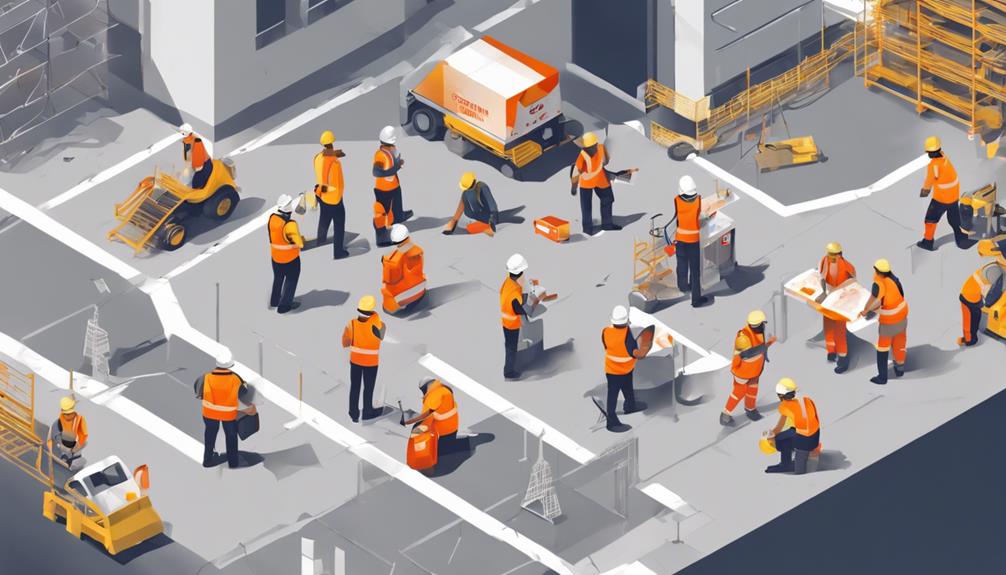
To bolster safety on your commercial construction site, you'll need to integrate several key strategies. Start by familiarizing yourself with OSHA guidelines; these are essential for minimizing common hazards. Make sure you're conducting regular safety audits to spot potential risks and enforce compliance vigorously. Don't skimp on worker training programs—these are crucial for ensuring everyone knows how to handle the dangers inherent in construction environments. Consistent, clear on-site communication and the correct use of protective gear can further decrease risks. By applying these methods, safety becomes part of your site's foundation, setting the stage for even deeper insights into effective risk management.
Understanding OSHA Guidelines
Understanding OSHA guidelines is crucial for maintaining safety standards in commercial construction. You need to know these rules because they protect you and your colleagues from potential hazards inherent in your job. OSHA, or the Occupational Safety and Health Administration, sets and enforces protective standards while providing training, outreach, education, and assistance.
You're probably aware that the construction industry is fraught with risks, from falls and electrical hazards to excavation accidents. OSHA has developed specific regulations to address these dangers. For instance, fall protection must be provided at elevations of six feet in the construction industry.
You'll also find that OSHA mandates the use of guardrails and toe-boards around every open-sided platform.
Moreover, it's your right to work in a safe environment. OSHA gives you the power to request an inspection if you believe there are violations of safety standards that endanger you or your peers. Understanding these guidelines isn't just about compliance; it's about taking proactive steps to ensure a safer workplace.
Knowing these guidelines, you can also participate more effectively in safety training sessions, recognizing why each rule exists and how it applies to your daily tasks. This knowledge empowers you to not only follow the rules but to advocate for safety in your workplace actively.
Implementing Regular Safety Audits
To enhance safety on your construction site, it's essential to implement regular safety audits. These audits help you identify potential hazards and ensure compliance with safety standards before they lead to accidents or regulatory penalties. Here's how you can get started.
First, develop a comprehensive audit checklist tailored to your specific operations. Include items such as equipment safety, site cleanliness, and proper signage. You'll want to review past incident reports and safety meeting minutes to pinpoint recurring issues. This proactive approach allows you to address problems before they escalate.
Next, schedule your audits at regular intervals, perhaps quarterly or biannually, depending on the scale and complexity of your projects. It's crucial that these audits aren't predictable to your team. Surprise audits can give you a clear picture of the everyday working conditions, rather than a prepared scenario.
Assign a dedicated team or hire external auditors to conduct these reviews. They should be trained to look critically at all operations and suggest practical improvements.
After each audit, hold a meeting to discuss findings and implement necessary changes promptly.
Prioritizing Worker Training Programs
Prioritizing worker training programs is essential for maintaining a safe construction environment. When you invest in comprehensive training, you're not just complying with regulations; you're actively preventing accidents and injuries.
Think about the variety of risks present on a construction site—from electrical hazards to heavy machinery operation. Each worker needs to be well-versed in handling these risks effectively. It's your responsibility to ensure that every team member has access to up-to-date training sessions that cover the latest safety protocols and techniques.
Start with the basics: a thorough orientation for new hires. But don't stop there. You've got to keep the training ongoing. Regular refresher courses are crucial, as they help even seasoned workers recall and apply safety measures under pressure.
Consider specialized training that's tailored to specific roles or machinery. For instance, someone operating a crane should have more targeted training compared to a general laborer. This specialization ensures that each worker's training is relevant and deep enough to cover the nuances of their specific tasks.
Enhancing On-Site Communication
Effective on-site communication is crucial for maintaining safety in commercial construction. You need to ensure that every team member knows how to quickly share information and updates. Establishing clear communication channels, such as regular briefings and real-time digital tools, can keep everyone on the same page.
You'll find that using technology, like mobile apps and walkie-talkies, facilitates immediate and clear communication. Implementing these tools can reduce misunderstandings and ensure rapid response to any emerging issues or hazards. It's also essential you're not just broadcasting messages but fostering an environment where workers feel comfortable voicing concerns and suggestions.
Moreover, regular training sessions on communication best practices are vital. These should cover not only the technical aspects but also the importance of clear, concise language and active listening skills. Everyone must understand the common terms used on-site to avoid any confusion, especially when dealing with complex instructions or emergency situations.
Utilizing Protective Gear Effectively
While enhancing on-site communication lays the groundwork for safety, equally important is your use of protective gear. You've got to remember that the right gear can be the difference between a minor incident and a major injury.
Let's start with your head – wearing a hard hat isn't just a suggestion, it's a necessity. It protects you from falling objects, bumps, and electrical shocks.
Moving on to your eyes, safety goggles are a must. Whether you're cutting, grinding, or dealing with splashes, your eyes need protection from debris and chemicals. Don't take chances; make sure they're always covered.
Hearing protection is another critical area. Construction sites are loud, and prolonged exposure to noise can permanently damage your hearing. Use earmuffs or earplugs to guard against this risk.
Your hands are your most valuable tools, so glove up. Depending on the task, you might need cut-resistant gloves, chemical-resistant gloves, or insulated gloves. Make sure they fit well and are suitable for the job.
Lastly, don't overlook your feet. Steel-toe boots provide crucial protection from heavy falling objects and sharp items on the ground. They also help prevent slips and falls by offering better grip. Always lace them up tight and ensure they're comfortable for long wear.
Managing Hazardous Materials Safely
In managing hazardous materials on construction sites, you must first understand the specific risks associated with each substance. Identifying what materials are present and their potential dangers helps you set up appropriate safety measures. You'll need to keep up-to-date Material Safety Data Sheets (MSDS) for every hazardous substance. These sheets provide crucial information on handling emergencies and routine use safely.
Next, ensure you've got the right tools for storage and disposal. Improper handling can lead to serious incidents. Secure storage areas are essential, and they should be accessible only to trained personnel.
You also need to clearly label all hazardous materials to avoid confusion and mishandling.
Training is another critical component. You've got to ensure everyone on site knows how to handle these materials safely. Regular training sessions and drills can make a big difference in preventing accidents.
Don't just assume that workers remember their training; refresh their knowledge regularly.
Conclusion
You've got the tools to make your construction site safer now. By staying on top of OSHA guidelines and conducting regular safety audits, you're setting a solid foundation. Remember, prioritizing training ensures everyone knows how to protect themselves and others. Boost your on-site communication and use protective gear wisely—it's non-negotiable. Lastly, handle hazardous materials with utmost care. Put these strategies into action, and you'll not only boost safety but also foster a culture of accountability and well-being on your site.
Related articles: What Are Key Risk Management Strategies in Construction? · Effective Risk Management in Commercial Construction · New Safety Rules Impact Construction Risk Management