
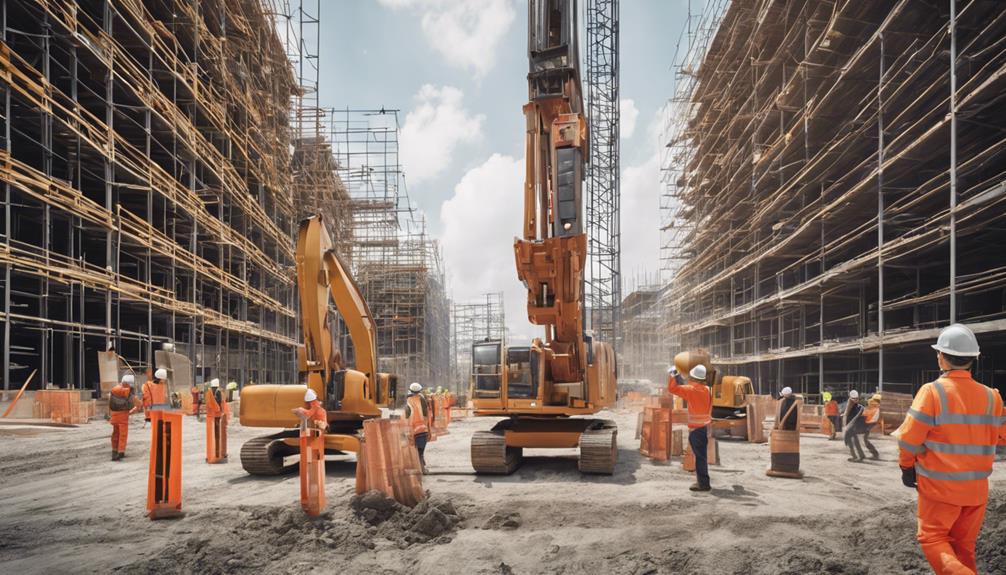
Following safety protocols in commercial construction protects you from severe risks and financial losses. You'll know how to handle emergencies, use personal protective equipment (PPE), and safely manage materials. Regular training keeps you abreast of evolving standards and practices, enhancing safety compliance and reducing the likelihood of legal issues. Moreover, a safe construction site minimizes work stoppages and accidents, which in turn, saves money and advances your project timelines. By understanding and applying these guidelines, you're not only protecting yourself and your team but also ensuring project efficiency and legal compliance. Dive deeper to explore how staying updated on safety protocols can further benefit your projects.
Understanding Construction Safety Protocols
In the realm of commercial construction, understanding safety protocols is crucial for everyone involved. It's not just about following rules; it's about ensuring that every worker goes home safe every day. You're a key part of maintaining this safety standard.
First off, you need to be well-versed in the specific protocols that apply to your job site. This includes knowing the emergency procedures, correct handling and storage of materials, and the use of personal protective equipment (PPE). Don't underestimate the importance of PPE; it's designed to protect you from potential hazards that can cause serious injuries or even death.
Training is another critical aspect. You must participate in all safety training sessions provided by your employer. These aren't just formalities; they're practical sessions that equip you with the knowledge and skills to handle unexpected situations. Pay attention and ask questions if something isn't clear.
Lastly, it's essential to stay updated. Safety standards and protocols can evolve, and new equipment and technologies can introduce new procedures. Keeping abreast of these changes ensures that you're always prepared and protected. Remember, in construction, being informed is being safe.
Reducing Workplace Accidents
Building on your understanding of safety protocols, let's focus on actively reducing workplace accidents. You're equipped with knowledge, so now it's time to apply it to make your construction site safer. Remember, every measure you implement significantly lowers the risk of incidents, directly impacting the wellbeing of your team.
Firstly, prioritize regular training sessions. These aren't just formalities; they're your frontline defense against accidents. By ensuring everyone's skills are up-to-date, you're fostering an environment where safety is second nature.
Don't overlook the power of a well-informed team. They're your eyes and ears on the ground, capable of identifying risks before they escalate.
Next, maintain regular equipment checks. Faulty machinery isn't just inefficient—it's dangerous. Implementing a routine where equipment undergoes rigorous inspections prevents malfunctions that could lead to accidents.
It's not just about fixing issues but preventing them.
Lastly, keep communication channels open. A site where workers feel comfortable reporting potential hazards and near misses is a site that adapts and improves. Encourage this culture.
Let everyone know that their voice matters and that safety is a collective responsibility. Reducing accidents isn't just about following rules—it's about creating a proactive safety culture.
Enhancing Worker Protection
As we shift our focus to enhancing worker protection, remember that every individual on the job site plays a crucial role in this endeavor. It's not just about following rules; it's about fostering a culture where safety is paramount. You're part of a team, and your actions contribute to the welfare of every person working alongside you.
First off, you've got to be vigilant. Always keep an eye out for potential hazards and report them immediately. Don't assume someone else will handle it. If you see something, say something. It's better to prevent an accident than to deal with its consequences.
Next, make sure you're wearing the right gear. Don't skimp on personal protective equipment (PPE). Whether it's helmets, goggles, or steel-toed boots, wearing the correct PPE can drastically reduce your risk of injury. It's not just a precaution; it's a necessity.
Lastly, participate in all safety trainings and drills. These aren't just boxes to tick; they're crucial learning opportunities that could one day save your life or the life of a coworker. Pay attention, ask questions, and apply what you learn. Remember, your safety and the safety of those around you depends heavily on your proactive participation.
Legal Compliance and Penalties
Shifting our focus to legal compliance, you'll find that adhering to regulations isn't just about avoiding fines; it's crucial for maintaining a safe construction environment. When you're in compliance, you're not just ticking boxes—you're actively preventing hazardous incidents that could lead to severe legal consequences.
Each safety protocol you follow is a step towards minimizing the risk of accidents, which, if neglected, could result in heavy penalties or even criminal charges.
Understanding the legal requirements in your area is essential. These laws are set by occupational safety and health administrations and can vary significantly depending on your location. You must stay updated with these changes as non-compliance can lead to stop-work orders, inspections, and audits that disrupt your project timeline.
Moreover, each incident on a site that results from non-compliance can increase scrutiny on your future projects. Authorities might subject your upcoming endeavors to more rigorous inspections, slowing down your operational pace.
Ensuring that your team is well-trained in compliance can mitigate these risks, fostering a reputation for reliability and safety that surpasses mere legal obligation. Always remember, a safe site is your responsibility, and the law is structured to ensure that you make it a priority.
Financial Impacts of Safety Negligence
Ignoring safety protocols in commercial construction can lead to significant financial burdens. When you cut corners on safety, you're not just risking lives; you're also opening the door to hefty fines and legal costs. If an accident occurs, you'll likely face lawsuits, which can drain your finances with legal fees and settlements. Insurers might also increase premiums or refuse to cover your projects altogether if they deem you a high-risk client due to frequent safety lapses.
Moreover, incidents on-site often result in costly work stoppages. While you're addressing the immediate aftermath, work grinds to a halt, causing delays that can push your project well beyond its deadline. This isn't just about lost time; it's about lost revenue. Every day your project is inactive, you're bleeding money, missing out on potential earnings from completed projects.
Repairing damaged equipment or structures due to accidents adds another layer of expenses. And don't forget the potential for increased scrutiny from regulatory bodies, which might impose additional operational constraints, leading to further financial strain.
In a nutshell, playing fast and loose with safety isn't just irresponsible—it's financially imprudent. Adhering to safety protocols isn't just a legal obligation; it's a financial strategy that preserves your bottom line.
Improving Project Timelines
Building on the foundation of rigorous safety protocols not only protects your team but also streamlines your project timelines. When you're committed to safety, you minimize the disruptions caused by accidents. Fewer accidents mean fewer work stoppages, which can throw your schedule off track. By adhering to strict safety measures, you're not just avoiding delays; you're ensuring that each phase of the construction process flows more smoothly into the next.
Let's say you've got all your safety measures in place. This setup reduces the time spent on dealing with injuries and the associated paperwork. It also lessens downtime caused by investigations or regulatory inspections triggered by accidents.
You'll find that with fewer interruptions, your team can maintain a better rhythm and pace of work. This consistency is key to meeting or even beating deadlines.
Moreover, when your crew isn't bogged down by safety concerns, they can focus better on their tasks. A focused team is an efficient team. They can work quicker and smarter, using their time on site more effectively. Implementing comprehensive safety protocols isn't just about compliance; it's about enhancing productivity and keeping your project on schedule.
Building Reputation and Trust
Establishing a solid reputation and earning the trust of your clients hinges significantly on your adherence to safety protocols. When you prioritize safety, you're not just protecting your team—you're also showcasing your commitment to high standards and reliability. Clients notice when you operate safely; it reassures them that their projects are in capable hands.
Consider when a potential client visits your construction site. They'll observe how the operations are managed and whether safety measures are strictly followed. A well-organized site, with clear safety signage and workers following best practices, speaks volumes about your professionalism and the seriousness with which you take your work.
This impression often translates into long-term business relationships and positive referrals.
Moreover, a strong safety record reduces downtime caused by accidents, ensuring that projects are completed on time or even ahead of schedule. This reliability is crucial for clients who are likely juggling tight deadlines and budget constraints. They need a construction partner who delivers not just quality work, but also a predictable, smooth-running project timeline.
Utilizing Modern Safety Equipment
As you continue to enhance your site's safety standards, consider the role of modern safety equipment in protecting your workforce. Today's market offers a variety of advanced tools designed to prevent accidents and minimize hazards. From smart helmets that can detect impacts and alert supervisors, to high-visibility apparel integrated with LED lighting, these innovations are tailored to safeguard your team.
You'll find that harnesses now come with enhanced ergonomic features, reducing strain and increasing comfort during long hours of wear. Safety boots have also evolved, featuring slip-resistant soles and materials that withstand extreme conditions. Investing in these modern solutions not only boosts safety but also workers' confidence, knowing they're well-protected.
Moreover, don't overlook the power of technology in monitoring conditions and managing risks. Devices that measure air quality and detect toxic gases can be lifesavers, literally. When you equip your site with these sophisticated tools, you're not just complying with safety regulations—you're setting a higher standard.
Ongoing Safety Training Importance
Why stop at just equipping your team with the latest gear? Ensuring they know how to use it effectively through ongoing safety training is crucial. You wouldn't want your team to be unprepared, would you? Regular training updates not only reinforce essential safety practices but also introduce new techniques and technologies that can enhance safety on the job.
Think about it: construction environments are constantly changing, and yesterday's safety protocols mightn't cut it today. By keeping your team's training up-to-date, you're not just meeting legal requirements; you're actively preventing accidents and injuries.
And let's be honest, a safer worksite is also more productive. Workers are less likely to be cautious if they're confident in their safety training.
Moreover, consider the morale of your team. Knowing that you invest in their health and safety can boost their morale and dedication to the job. They'll know you value them, not just as workers, but as people.
Conclusion
You've seen why adhering to safety protocols in commercial construction isn't just a recommendation—it's essential. By reducing accidents and enhancing worker protection, you're not only complying with the law but also safeguarding your finances and project timelines. Embrace modern safety equipment and continuous training. Remember, maintaining rigorous safety standards boosts your reputation and earns trust. So, always prioritize safety; it's the foundation of your success and the well-being of everyone on site.
Related articles: Top 5 Construction Safety Standards to Follow · Why Ensure Compliance With Construction Safety Standards? · What Are Construction Safety Compliance Requirements?