material choice in construction

Traditional Vs Modern Materials in Commercial Construction

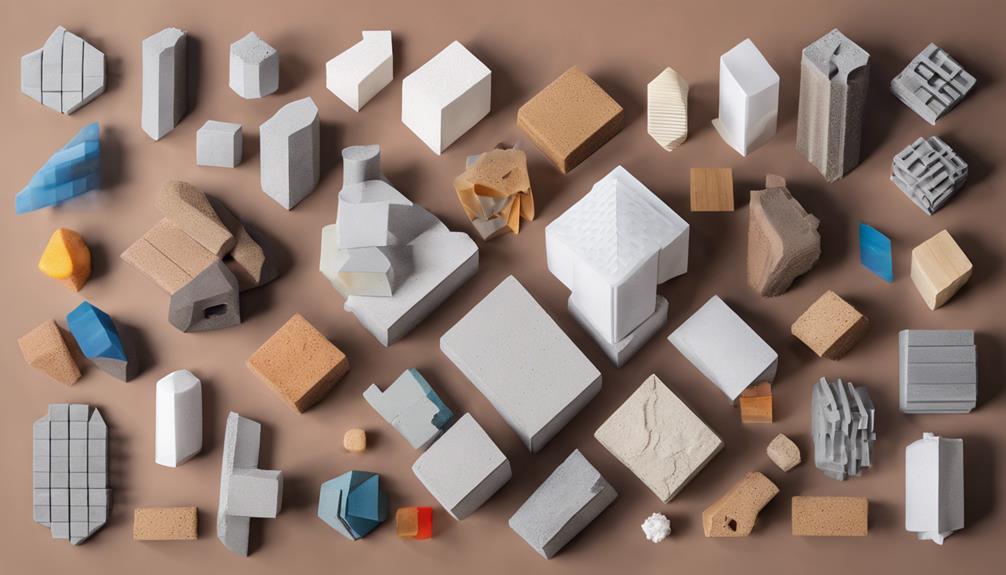
In commercial construction, you'll find that traditional materials like wood, stone, and brick have been trusted for centuries, offering durability and aesthetic quality, yet they often require more maintenance and can be less resistant to environmental threats. On the other hand, modern materials such as steel and concrete provide superior strength, adaptability, and lower long-term costs, with added benefits of sustainability through recycled materials. However, they might lack the timeless appeal of natural materials and raise environmental concerns during production. Exploring these options will guide you in balancing cost, durability, and sustainability for your project's needs. This choice could significantly influence the future implications of your building project.

History of Building Materials

The history of building materials has evolved significantly over the centuries, adapting to the needs and technologies of each era. Initially, you'd find structures built primarily from natural resources directly available in the environment. Think about mud, stone, and wood, each chosen for its local availability and fundamental structural qualities.

As you move through time, the introduction of brick made a significant mark during the Industrial Revolution. This era leaned heavily on mass production, making bricks and mortar widespread, signaling a shift towards more uniform construction practices.

Concrete came into the picture next, revolutionizing the possibilities in building with its durability and ability to be molded.

Steel then began to challenge traditional materials in the 19th century, offering unprecedented strength and the ability to create skyscrapers and expansive bridges that were once deemed impossible. Each of these materials brought a new layer of possibilities to construction, moving from purely functional and locally sourced to innovative and globally influenced.

You can see this progression not just as a shift in resources, but as a broader reflection of societal changes, where each phase in material evolution aligns closely with technological advancements and cultural shifts in human history.

Benefits of Traditional Materials

Why consider traditional materials for your next construction project? One compelling reason is their proven durability. Structures built centuries ago with materials like stone, wood, and brick have withstood the test of time, showcasing not just longevity but also minimal maintenance needs over decades. You're investing in materials that are renowned for their strength and resistance to wear and tear.

Moreover, traditional materials blend naturally with the environment, often enhancing the aesthetic quality of your project. They offer a timeless appeal that can significantly increase the property's value and attractiveness. This can be crucial, especially if your building is in a historically significant area or you aim to maintain a certain cultural heritage.

Traditional materials also tend to be more sustainable. Many such materials are natural, and their processing is less energy-intensive compared to modern alternatives. By choosing traditional options, you're often supporting local industries and reducing environmental impact, thanks to the lower transportation and manufacturing emissions. This aspect not only benefits the planet but can also resonate with clients and stakeholders who prioritize eco-friendly practices.

Challenges With Traditional Materials

Despite their many benefits, traditional materials come with distinct drawbacks that you should consider before choosing them for your construction project.

For starters, materials like wood, stone, and brick, while aesthetically appealing, can be more susceptible to environmental damage. Wood, for instance, is prone to rot, termite infestation, and fire. Similarly, stone and brick, though durable, suffer from weathering and require regular maintenance to preserve their integrity and appearance.

Additionally, the sustainability of traditional materials can be a significant concern. The extraction processes for stone and certain woods can be environmentally damaging, leading to deforestation and landscape degradation. These materials are often less energy-efficient, meaning your building's thermal performance could be compromised, potentially increasing heating and cooling costs.

Another challenge is the variability in quality. Natural materials can vary widely in strength, size, and quality. This inconsistency can pose challenges during construction, requiring additional time and resources to ensure structural integrity.

Lastly, traditional materials often come with higher long-term costs due to maintenance, repair, and replacement needs. While they offer a classic look and substantial initial structural strength, you might find yourself dealing with more upkeep than you bargained for.

Rise of Modern Materials

Often, architects and developers are turning to modern materials like steel, concrete, and advanced polymers to meet the demands of contemporary construction. You'll notice that these materials are now prevalent in projects ranging from towering skyscrapers to expansive shopping centers. This shift isn't just about aesthetics or trends; it's a response to the evolving needs of the modern world.

As you explore the landscape of new buildings, it becomes clear that traditional materials like wood and stone, while still in use, can't always accommodate the ambitious designs and functionalities desired today. Modern materials, by contrast, offer specific properties that make them highly suitable for innovative construction techniques.

For instance, the adaptability of steel allows for dynamic, cantilevered structures, which would be challenging with traditional materials.

Moreover, the integration of technology with these materials is pushing boundaries further. Smart polymers and composites are being developed to react to environmental changes, adding a layer of functionality that traditional materials can't provide.

As you're looking into construction options, you'll find that these modern materials are shaping the way buildings are designed, constructed, and even operated.

Advantages of Modern Materials

As you consider the rise of modern materials in construction, it's clear that their advantages are substantial. They offer enhanced durability and strength, ensuring your structures can withstand harsh conditions and last longer. Modern materials like high-performance concrete and composites aren't just tough; they're smart. They can resist environmental stresses better than traditional materials, reducing maintenance costs significantly.

You'll also find that modern materials are incredibly versatile. Whether you're aiming for aesthetic appeal with translucent concrete or need lightweight materials like structural insulated panels for easy installation, these innovations meet diverse architectural needs. This versatility allows for more creative designs and solutions, making your projects stand out.

Moreover, many modern materials are designed with sustainability in mind. Products like recycled steel and low-VOC paints help reduce your carbon footprint. By choosing these materials, you're not only building for today but are also investing in a greener future.

Disadvantages of Modern Materials

While modern materials bring many benefits to construction, they also come with several disadvantages. You might find that some of these materials can impact the environment negatively. For instance, the production processes for materials like plastics and composite materials often involve toxic chemicals and emit significant amounts of greenhouse gases. You're also looking at potential health risks for individuals working with or residing in buildings made from these materials, due to the off-gassing of volatile organic compounds.

Furthermore, while you might be drawn to modern materials for their initial aesthetic appeal, they can sometimes lack the timeless quality found in traditional materials like wood or stone. This can make your building look dated as design trends shift. You'll also face challenges with recycling some modern materials at the end of their life cycle.

Unlike traditional materials, which are often easily repurposed or naturally degrade, certain modern composites aren't biodegradable and are more difficult to recycle, potentially leading to increased landfill waste.

As you weigh your options, consider how these factors mightn't only affect your immediate construction needs but also the long-term sustainability and environmental impact of your project.

Comparing Durability and Cost

After considering the environmental and health impacts of modern versus traditional materials, you should also evaluate their durability and cost effectiveness.

Modern materials, such as steel and reinforced concrete, often boast greater durability against the elements. For instance, steel's resistance to pests and mold contrasts sharply with traditional wood, which can suffer from these issues.

However, traditional materials like wood and stone aren't without their merits. They've stood the test of time in countless structures around the world and can be incredibly durable if maintained properly. Stone buildings, for example, can last centuries, outperforming many modern materials in longevity.

Cost-wise, the initial investment in modern materials can be higher than traditional options. Yet, you'll find that modern materials may lead to lower maintenance costs over time, offsetting the upfront expense.

In contrast, traditional materials, while initially cheaper, could require more frequent repairs and maintenance, increasing their lifetime cost.

It's crucial to balance these factors based on your project's specific needs. Think about the building's intended lifespan, usage, and the climate it will face. This approach will help you make a well-informed decision that aligns with both your budget and durability requirements.

Future Trends in Construction Materials

Nearly every sector of the commercial construction industry will experience significant changes in the coming years, driven by advancements in material technology. You'll see an increased adoption of smart materials designed to react dynamically to environmental conditions. Imagine windows that adjust their opacity based on sunlight intensity or walls that breathe to regulate indoor temperatures naturally.

Biodegradable materials are set to revolutionize the industry too. You'll be choosing from construction options that not only reduce the environmental footprint but also offer superior performance and lower long-term costs. These materials decompose naturally, eliminating a massive chunk of construction waste and reducing landfill usage.

Moreover, the integration of nanotechnology promises enhancements in the durability and strength of building materials while maintaining lightweight properties. You'll benefit from structures that are stronger, more resilient, and require less maintenance. This could fundamentally change how tall or wide buildings can be constructed without compromising safety.

Lastly, 3D printing technology will likely streamline the construction process, reducing material waste and labor costs. You'll see more complex architectural forms becoming feasible and affordable, opening up new possibilities in commercial construction design and aesthetics.

Keep an eye out, as these innovations could be coming to a site near you, transforming how you think about building materials and construction techniques.

Conclusion

As you've seen, traditional and modern materials each have their unique strengths and weaknesses. While traditional materials bring durability and aesthetic value, modern materials offer versatility and efficiency. You'll need to weigh these factors based on your project's requirements. Moving forward, the blend of sustainability and technological advancement will likely dictate trends in construction materials. Keep an eye on innovations that marry the best of both worlds, optimizing both functionality and environmental responsibility in your future projects.

Related articles: 3 Best AI Innovations Transforming Construction Industry

innovative materials for construction

7 Best Innovative Materials in Commercial Construction

You've got to check out these innovative materials in commercial construction! Self-healing concrete not only fixes its own cracks but also enhances durability, significantly cutting down your maintenance costs. Transparent aluminum marries the strength of metal with the clarity of glass, perfect for secure, high-visibility settings. Bamboo reinforcement offers a sustainable alternative with strength on par with steel, ideal for earthquake-prone areas. Lightweight yet powerful, aerogel insulation drastically minimizes energy waste. Plus, 3D printed structures streamline building processes, trimming down both time and waste. Excited yet? There's more to uncover about how these materials can revolutionize your next project.

Self-Healing Concrete

Self-healing concrete, a groundbreaking innovation in the field of commercial construction, directly addresses the perennial problem of concrete cracks. You've likely seen how traditional concrete structures can suffer from cracks due to environmental stress, wear and tear, or underlying structural issues. This not only compromises the integrity of buildings but also increases maintenance costs. Now, imagine a concrete that repairs itself.

Engineers have developed self-healing concrete infused with bacteria that produce limestone when exposed to water and air. These bacteria lie dormant until cracks form. When water seeps into the cracks, it activates the bacteria, which then start producing limestone, effectively sealing the crack from within.

You might wonder about the longevity and efficacy of such a solution. Research shows that these microbial-induced healing processes can prolong the life of concrete structures significantly, reducing the frequency and costs of repairs. Plus, the environmental impact is noteworthy. By enhancing durability, self-healing concrete reduces the need for new materials and the carbon footprint associated with frequent repairs or reconstructions.

With this technology, you're not just investing in a building but in a future where maintenance is streamlined and structures are more sustainable. It's a smart choice for any forward-thinking construction project.

Transparent Aluminum

Stepping into the realm of science fiction, transparent aluminum is no longer just a fantastical concept but a revolutionary material now being utilized in commercial construction. Imagine a material that combines the hardness and durability of metal with the transparency of glass. That's what you get with transparent aluminum. You can now see it in high-security environments, luxury storefronts, and modern building facades.

This material is crafted from aluminum oxynitride (ALON), which is a ceramic composed of aluminum, oxygen, and nitrogen. It's manufactured through a process involving high heat and pressure, resulting in a clear, durable substance. You'll find that it's significantly stronger than traditional glass, offering up to four times the strength and durability. This makes it an ideal choice for areas requiring high security or visibility.

Moreover, its unique properties allow for greater design flexibility in construction. You can use it in various applications, from transparent bulletproof windows to skylights and even load-bearing elements in buildings.

It's also resistant to weathering and UV light, ensuring longevity and reducing maintenance costs.

Embracing transparent aluminum means you're not just building structures; you're innovating with materials that redefine the boundaries of design and functionality.

Bamboo Reinforcement

Turning now to Bamboo Reinforcement, you'll find it's not just an eco-friendly option but a highly effective solution in commercial construction. When you consider strength and sustainability, bamboo stands out as a remarkable material. It grows incredibly fast, reaching maturity in just three to five years, compared to decades for traditional timber. This rapid renewal makes it a powerhouse for carbon sequestration, significantly reducing the environmental footprint of your projects.

You might wonder about its durability and performance. Well, bamboo's tensile strength can rival that of steel, making it an excellent choice for reinforcing concrete where tensile strength is crucial. It's especially useful in earthquake-prone areas, as its flexibility and lightweight nature contribute to more resilient building structures.

Moreover, integrating bamboo into your construction projects isn't just about going green. It's cost-effective too. Bamboo is abundant in tropical regions, reducing material costs and transportation emissions.

Plus, it's easier to handle and install compared to heavier traditional materials.

Aerogel Insulation

After exploring the sustainable benefits of bamboo reinforcement, let's now examine Aerogel Insulation, a cutting-edge material revolutionizing thermal management in commercial construction. You'll find that this material isn't just lightweight; it's among the most effective insulators known today. Imagine reducing your building's energy consumption dramatically, simply by integrating aerogel into your construction plans.

Aerogel's structure is composed of over 90% air, making it incredibly light yet strong. It's often dubbed 'frozen smoke' due to its translucent appearance. But don't let its ethereal look fool you—it can support up to 4,000 times its own weight. This robustness enables you to use it in a variety of applications, from walls to roofs, without compromising structural integrity.

Moreover, aerogel's thermal properties are unmatched. It effectively blocks the three methods of heat transfer: conduction, convection, and radiation. This means you're not just insulating your building; you're transforming it into a fortress against heat and cold, maintaining a comfortable interior environment year-round.

Incorporating aerogel also means you're opting for a material that's environmentally friendly. It's composed of non-toxic materials and contributes significantly to reducing the overall carbon footprint of your buildings. So, as you push for more sustainable construction, consider how aerogel can play a pivotal role in your projects.

3D Printed Structures

Exploring the frontier of construction technology, 3D printed structures are reshaping how we think about building design and assembly. Imagine standing on a construction site where instead of the usual cacophony and chaos, there's a large printer constructing a building layer by layer. This isn't science fiction; it's the reality of 3D printing in construction.

You're probably wondering about the benefits. Well, 3D printing significantly reduces labor costs and construction waste, making it not only economically savvy but also environmentally friendly. The precision of 3D printers ensures that material is used only where needed, minimizing excess.

Moreover, the speed of construction is astonishing. A house can be printed in just 24 hours, a remarkable improvement over traditional methods. This swift turnaround could revolutionize housing markets and is especially crucial in disaster relief scenarios where time is of the essence.

But it's not just about speed and savings. The creative freedom offered by 3D printing is unprecedented. Complex, bespoke designs that once required meticulous craftsmanship can now be printed with ease, allowing for more innovative architecture.

As you delve deeper into the world of 3D printed structures, you'll find a technology ripe with potential, ready to transform the construction landscape.

Light-Generating Cement

Imagine a world where buildings illuminate the night using only their structure, thanks to light-generating cement. This innovative material isn't just futuristic—it's a game-changer in reducing urban lighting costs and energy consumption. As you dive deeper into its mechanisms, you'll find that this cement absorbs solar energy during the day and then releases it at night, glowing beautifully and efficiently.

You might wonder how it works. The key is in the phosphorescent materials embedded within the cement. These materials, typically made from strontium aluminate, are known for their strong luminescence and long-lasting afterglow. Unlike traditional lighting, this cement doesn't require electricity or extensive maintenance, making it an eco-friendly alternative that can light up pathways, highways, and even entire facades of buildings.

For construction professionals like yourself, integrating light-generating cement into projects means pushing the envelope in sustainable design. It offers not only a reduction in long-term energy costs but also enhances aesthetic appeal—a vital factor in modern architecture. Moreover, its implementation could revolutionize safety features by providing better visibility in low-light areas.

Embrace this bright future, where your projects aren't just constructed; they glow, leading the way in innovation and sustainability.

Thermal Bridging Breakers

Switching gears to thermal bridging breakers, you'll find they play a crucial role in enhancing building energy efficiency. Thermal bridges occur where insulation is interrupted by materials that conduct heat, allowing energy to escape. You've likely noticed colder areas near metal fasteners or concrete slabs. That's thermal bridging in action.

Thermal bridging breakers, or thermal breaks, are materials or methods that reduce heat loss through these bridges. They're often made of materials with low thermal conductivity, like reinforced thermoplastics or insulated metal ties. These components are designed to be inserted between conductive materials, effectively blocking the path of heat.

You can imagine these as barriers on a road, stopping heat from traveling straight through your building's envelope. By integrating thermal breaks, you're not only improving comfort but also slashing energy costs significantly. They're particularly vital in colder climates, where heating demands are higher.

Moreover, modern regulations often require these features in new constructions, pushing architects to incorporate them from the outset.

Conclusion

You've explored some of the most revolutionary materials transforming commercial construction today. From the self-healing prowess of concrete to the futuristic clarity of transparent aluminum, each material offers unique benefits. Bamboo reinforcement and aerogel insulation are changing how we think about sustainability and efficiency, while 3D printing, light-generating cement, and thermal bridging breakers push boundaries further. Embrace these innovations—they're not just changing buildings, they're reshaping the future of construction around you.

Related articles: Traditional Vs Modern Materials in Commercial Construction

cutting edge construction materials list

Top 10 Innovative Materials in Commercial Construction

You're stepping into the future with the top 10 innovative materials in commercial construction that are reshaping the industry. Self-healing concrete repairs its own cracks, while transparent aluminum merges the strength of metal with the clarity of glass. Aerogel insulation offers unmatched thermal resistance, and modular bamboo provides flexibility and rapid assembly benefits. The revolution extends to 3D printed structures that reduce waste and enable complex designs. Additionally, thermal bridging breakers improve energy efficiency, and pollution-absorbing bricks clean the air around your buildings. Recycled plastic blocks further promote sustainability. Each material not only promises enhanced performance but also paves the way towards a greener planet. Explore further and you'll uncover how these materials also impact cost and aesthetic considerations.

Self-Healing Concrete

Self-healing concrete represents a significant breakthrough in prolonging infrastructure life and reducing maintenance costs. Imagine you're walking along a bridge or a skyscraper that repairs its own cracks, almost like magic. This isn't a fantasy; it's real, thanks to the innovative use of specific bacteria within the concrete mix. These bacteria, when activated by water ingress, produce limestone, effectively plugging cracks and fissures that develop over time.

You might wonder how this affects you. Well, it drastically reduces the frequency and necessity for repairs, which typically disrupt your daily commute and can be a significant public nuisance. Moreover, because structures last longer, you're also looking at lower construction costs in the long run. This technology doesn't just save money; it's eco-friendly, reducing the carbon footprint associated with frequent renovations and rebuilding.

For you as a homeowner, imagine the benefits in terms of house maintenance. A driveway, patio, or foundation that heals itself means fewer worries about long-term wear and tear. You're not only investing in your home's durability but also in a sustainable future.

Self-healing concrete isn't just a material; it's a smart, practical investment in our infrastructure and living spaces.

Transparent Aluminum

Now, imagine a world where you can enjoy the robust security of metal barriers while still having the ability to see through them. This isn't science fiction—it's a reality with transparent aluminum. This revolutionary material, also known as aluminum oxynitride, combines the strength and durability of metal with the aesthetic appeal of glass.

You might wonder how it's possible. Transparent aluminum is produced by a high-energy process that transforms aluminum oxynitride powder into a clear material. The result is a substance three times harder than steel and transparent like glass. It can withstand extreme pressure and impact, making it an ideal choice for high-security environments.

Think about the possibilities for your projects. You can use it for bulletproof windows or transparent security barriers that don't compromise on light or aesthetics.

It's also highly resistant to thermal shock, so it performs exceptionally well in areas with severe temperature fluctuations.

As you explore options for your next construction project, consider transparent aluminum for applications where durability and visibility are paramount. It's not just a material; it's a game-changer in building design, offering security without sacrificing transparency.

Aerogel Insulation

Shifting focus to another groundbreaking material, consider aerogel insulation for your next project. Known for its exceptional thermal properties, aerogel is a synthetically produced porous ultralight material derived from a gel, in which the liquid component of the gel has been replaced with gas. What makes aerogel stand out is its incredible lightness—it's often dubbed 'frozen smoke' due to its translucent appearance and weight.

When you're tackling energy efficiency, aerogel insulation's performance is unmatched. It offers up to four times the insulating power of traditional fiberglass or foam insulation. This means you can achieve superior thermal performance in your building projects without compromising on space, as aerogel has a much thinner profile.

Moreover, aerogel is hydrophobic, which ensures that it remains effective even in damp conditions. This quality makes it an ideal choice for both humid climates and areas prone to water exposure within buildings. Its durability and resistance to compression also contribute to a longer lifespan compared to standard insulation materials.

Modular Bamboo

Several commercial construction projects are now turning to modular bamboo as a dynamic and sustainable material choice. You'll find that bamboo's natural properties make it an excellent candidate for modern construction needs. It's not only strong and flexible, but it also grows rapidly, ensuring a supply that's both renewable and eco-friendly.

You might wonder how bamboo fits into urban construction. Well, modular bamboo components are prefabricated, meaning they're designed for quick and easy assembly. This modularity allows you to adapt bamboo for various structural needs, from framing to paneling, without compromising on aesthetics or durability. It's a game changer for reducing construction time and labor costs.

Moreover, bamboo's lightweight nature reduces the overall load on building foundations, allowing for less intensive ground work. This aspect is particularly advantageous in areas prone to earthquakes.

Additionally, bamboo has a natural resistance to pests and moisture, which enhances its longevity and reduces the need for chemical treatments.

3D Printed Structures

Diving into another innovative material, 3D printed structures are revolutionizing the commercial construction industry. You've likely heard about 3D printing for small gadgets and tools, but imagine printing entire building components or even whole structures. This isn't just future talk; it's happening right now, and it's transforming how buildings are constructed.

Using large-scale 3D printers, companies can produce walls, floors, and even roofing elements directly from digital models. This technology allows for complex, customized designs that traditional methods would find difficult or too costly. You're not just limited to standard materials either. 3D printers use a variety of inputs, including concrete, plastic composites, and even metal.

The benefits you'll see are substantial. Construction times plummet because parts are printed quickly and assembled faster than traditional methods.

There's also a significant reduction in waste. Since materials are deposited only where needed, there's minimal excess. This efficiency not only saves money but also benefits the environment—a win-win in today's eco-conscious world.

Moreover, the flexibility in design means that new architectural possibilities open up. You can now think about curves and shapes that once seemed out of reach, making your projects stand out in the urban landscape.

Light-Generating Cement

Imagine a world where buildings themselves can illuminate the streets and paths around them. That's the promise of light-generating cement, a groundbreaking material you'll find increasingly in commercial construction. Unlike traditional cement, this innovative variant absorbs solar energy during the day and releases it as light after the sun sets, reducing the need for artificial lighting in outdoor spaces.

Developed using a special type of photoluminescent material, light-generating cement soaks up sunlight and can emit light for around 12 hours at night. The intensity and duration of the light depend on how much sunlight the cement absorbs throughout the day, which means longer, sunnier days can enhance its effectiveness.

You might be wondering about its applications. Well, they're as broad as your imagination. From glowing bike lanes that increase safety for cyclists at night to illuminated sidewalks that enhance urban aesthetics and pedestrian visibility, the potential is vast.

It's also incredibly durable, maintaining its luminescent properties for an extended period without significant degradation.

Think about the implications for energy savings and environmental impact. With light-generating cement, cities can slash their electricity use, lower carbon emissions, and create safer, more sustainable environments—all through the very sidewalks and buildings that define them.

Graphene Reinforcements

While light-generating cement is transforming how we light our cities, another breakthrough, graphene reinforcements, is revolutionizing the strength and durability of construction materials. Imagine you're constructing a building that not only stands taller but lasts longer, all thanks to the incorporation of graphene. This ultra-strong, lightweight material is making significant waves in the construction industry by enhancing the properties of traditional materials like concrete and steel.

You've probably heard about graphene's impressive attributes in other industries, but here's how it applies to construction: when added to materials, graphene improves tensile strength and resistance to wear and tear. This means your projects can endure more physical stress and adverse conditions, reducing maintenance costs and extending the lifespan of structures.

Moreover, graphene's addition to concrete or other composites significantly minimizes material quantities needed without sacrificing structural integrity. You're looking at sleeker, more efficient designs that are resource-effective and environmentally friendlier. This isn't just a step forward; it's a leap in building technology.

Thermal Bridging Breakers

As we continue exploring innovations in commercial construction, thermal bridging breakers emerge as a crucial development. You may wonder what exactly these are. Thermal bridging occurs when materials that are poor insulators come in contact, allowing heat to bypass the insulation in a building. This can significantly affect your building's energy efficiency.

Thermal bridging breakers are specially designed materials that interrupt these pathways. They're typically installed at junctures where insulation is commonly compromised, such as between balconies and interior floors, or around windows. By integrating these breakers, you're effectively reducing heat loss and gain, slashing energy costs noticeably.

These breakers aren't just about energy efficiency; they also help in maintaining interior comfort, preventing cold spots and reducing the risk of condensation, which can lead to mold and mildew. This makes them a key player in both the sustainability and livability of commercial structures.

Materials used for thermal bridging breakers vary, but they all share the characteristic of low thermal conductivity. Innovations continue to evolve, with newer composites and geometric designs enhancing their effectiveness. Adopting this technology means you're stepping towards a more sustainable and cost-effective construction practice.

Pollution-Absorbing Bricks

Turning to pollution-absorbing bricks, these innovative materials offer a proactive way to combat urban air pollution directly from your building's facade. Imagine your office or apartment block not just standing idly, but actively cleaning the air.

These bricks are embedded with pollution-absorbing technology that captures pollutants like nitrogen oxides and volatile organic compounds as air passes over them.

You'll find this technology especially beneficial in cities where air quality is a frequent concern. The bricks work seamlessly, integrating into the structure of new buildings or renovations without altering aesthetic designs. They're made using various materials, including special clays and binders that react with air pollutants, neutralizing them before they can accumulate.

The maintenance is minimal too. Unlike other air-purifying systems that require regular upkeep, these bricks stand the test of time with little to no maintenance required. They don't just reduce environmental impact but also potentially lower healthcare costs by improving air quality.

Adopting pollution-absorbing bricks in your next project could be a significant step towards sustainability. Not only do you contribute to a healthier planet, but you also enhance the appeal and innovation of your property. It's a smart choice for forward-thinking builders and developers focused on green construction solutions.

Recycled Plastic Blocks

Moving from pollution-absorbing bricks to another innovative construction material, consider the benefits of recycled plastic blocks. You're not only choosing a sustainable option but also embracing durability and cost-effectiveness. These blocks are made from melted down plastic waste, transforming what would be landfill content into valuable building materials.

You'll find these blocks incredibly lightweight, which can reduce your overall construction costs. They're easier and quicker to handle compared to traditional materials, cutting down on labor and transportation expenses. Plus, their resistance to mold, insects, and water makes them an excellent choice for areas prone to moisture and pests.

What's more, by opting for recycled plastic blocks, you're contributing to a reduction in global plastic waste—a significant step towards environmental sustainability. Every ton of plastic recycled into blocks means less virgin material used, reducing your project's carbon footprint.

Lastly, these blocks come in various shapes and sizes. Whether you're building a small garden wall or a large commercial facility, there's a product that fits your needs. So, when planning your next construction project, think about using recycled plastic blocks. You'll be investing in the future of our planet, while benefiting from a high-quality, versatile material.

Conclusion

You've just explored some of the most groundbreaking materials transforming commercial construction today. From self-healing concrete that repairs its own cracks to transparent aluminum that combines strength with aesthetic beauty, these innovations are setting new benchmarks. Whether it's the eco-friendly allure of recycled plastic blocks or the efficiency of aerogel insulation, these materials aren't just building structures—they're shaping the future. Embrace these advancements; they're here to revolutionize how you build and what you can imagine.

Related articles: 7 Best Innovative Materials in Commercial Construction

innovative materials reshape buildings

Why Are New Materials Transforming Commercial Construction?

You're seeing a transformation in commercial construction because new materials are making buildings smarter, stronger, and more sustainable. Smart glass optimizes natural light and cuts energy costs, while advanced composites enable lighter structures with incredible strength. Additionally, the use of sustainable materials minimizes environmental impacts, and innovative technologies like self-healing concrete extend building lifespans while reducing maintenance. These materials not only cut down costs but also speed up construction times significantly. The integration of cutting-edge technology and eco-friendly materials isn't just a trend—it's shaping the future of construction. Exploring further can uncover how these advancements are setting new standards in the industry.

Emerging Smart Materials

The construction industry's adoption of emerging smart materials is revolutionizing how buildings are designed and constructed. You're stepping into a world where your environment not only shelters you but interacts with you. Imagine walls that change color based on the weather, or that heal their own cracks. These aren't futuristic dreams; they're becoming today's reality thanks to smart materials.

Smart glass, for instance, adjusts its transparency depending on the intensity of sunlight, optimizing natural light while reducing energy costs for heating and cooling. You'll no longer need to rely as heavily on artificial lighting or HVAC systems, as your building manages these elements for you. This not only makes your space more comfortable but significantly cuts down on your utility bills.

Moreover, these materials aren't just about comfort and savings. They integrate sensors and IoT technology that allow for real-time data monitoring. This means you can track everything from structural integrity to environmental conditions, ensuring that maintenance is proactive rather than reactive.

It's a shift from static to dynamic building environments, tailor-made to respond to both the occupants' needs and external environmental factors. This intelligent integration opens up new avenues for functionality and efficiency in building management.

Enhanced Durability and Strength

Many new materials now offer significantly enhanced durability and strength, transforming not just the aesthetics but also the longevity of commercial buildings.

You'll find that the use of advanced composites and high-performance concrete in construction allows structures to withstand harsher weather conditions and resist environmental stressors more effectively than traditional materials. This isn't just about lasting longer; it's about maintaining integrity under stress, reducing maintenance needs, and ultimately saving money.

Consider the impact of self-healing concrete, which incorporates special bacteria that produce limestone to fill cracks as they form. This innovative material can double the lifespan of a typical building, significantly reducing the need for repairs and extending the periods between maintenance cycles.

You're not only investing in a building that looks good; you're investing in one that's built to last.

Moreover, the integration of ultra-high-performance concrete (UHPC) offers a prime example of how strength isn't about bulk. UHPC provides a sleek, more refined finish with up to four times the compressive strength of traditional concrete. It allows for thinner, lighter structures with greater load-bearing capacities, which opens up new possibilities in design and architecture without compromising on durability.

Sustainability and Eco-Friendly Options

In today's construction industry, sustainability and eco-friendly materials aren't just trends; they're essential components of modern building practices. You're seeing a shift where traditional materials are being replaced by innovative options that minimize environmental impact. These materials, such as recycled steel, bamboo, and low-VOC (volatile organic compound) paints, not only reduce the carbon footprint but also improve the health of building occupants.

You'll find that the use of such sustainable materials can significantly enhance a building's energy efficiency. For instance, green insulation options, like sheep's wool or recycled denim, are becoming popular for their ability to regulate temperature naturally.

Moreover, photovoltaic glass and cool roofing are excellent for harnessing solar energy and reducing reliance on non-renewable energy sources.

Another aspect you should consider is the long-term sustainability offered by these materials. Durable, recyclable materials ensure that the environmental impact is kept at a minimum throughout the building's life cycle. By integrating these eco-friendly options into your projects, you're not just building structures; you're also promoting a sustainable future.

Cost-Effective Building Solutions

How can you reduce costs without compromising quality in commercial construction? The answer lies in embracing innovative materials and advanced manufacturing techniques.

You'll find that materials such as high-performance concrete and recycled steel not only offer durability but also cost efficiency over the long haul. These materials require less maintenance and are often more affordable than traditional options due to their longer life spans and reduced need for replacements.

Moreover, modular construction is revolutionizing how projects are delivered. By assembling parts of a building in a factory, you can significantly cut down on construction time and labor costs. This method also reduces waste and allows for tighter budget control, making it a win-win for both the environment and your wallet.

Additionally, consider implementing lean construction techniques. By improving the efficiency of your construction processes, you can minimize waste and maximize value. This approach focuses on planning and coordination to ensure that every step is as cost-effective as possible.

Incorporating these strategies won't just save you money; they'll also enhance the overall quality and sustainability of your projects. So, you're not just cutting costs—you're also investing in the future.

Revolutionary Insulation Technologies

Switching gears to insulation, the industry's latest advancements offer significant improvements in energy efficiency. You've likely noticed rising energy costs, and effective insulation is becoming crucial in reducing these expenses.

New materials, such as vacuum insulation panels and gas-filled panels, provide superior performance over traditional fiberglass or foam. They're thinner, yet they block heat transfer more effectively, allowing for sleeker wall designs without compromising on thermal resistance.

Imagine integrating phase-changing materials (PCMs) into your building's structure. These materials absorb or release heat as temperatures fluctuate, maintaining a comfortable indoor environment throughout the day. This isn't just about comfort; it's also about reducing the strain on heating and cooling systems, which can significantly cut down your energy bills.

Aerogels, another groundbreaking technology, offer high insulation values with minimal thickness. Their translucent properties allow for natural light, reducing the need for artificial lighting during the day. Incorporating these materials doesn't just enhance energy efficiency; they also contribute to a brighter, more inviting space.

Lightweight Construction Materials

While discussing the latest in insulation technologies, it's equally important to explore how lightweight construction materials are reshaping the industry. You'll find that these innovative materials aren't just reducing the load on structures but also speeding up construction processes and slashing costs.

Imagine you're overseeing a project where every minute and dollar counts. By integrating materials like high-strength aluminum, lightweight concrete, and advanced composites, you're not only ensuring quicker assembly but also lowering transportation and labor expenses. These materials are easier to handle and can be moved without heavy machinery, which further reduces your project's carbon footprint.

Moreover, the use of such materials enhances design flexibility. You're no longer constrained by the weight limitations of traditional materials, which allows for more daring architectural designs. This flexibility opens up possibilities for expansive spans and curves that were once impractical.

Incorporating lightweight materials also means you can retrofit older buildings with new floors or features without overburdening existing structures. This capability is a game-changer for urban development, where space is at a premium and the ability to modify and improve upon existing buildings is crucial.

As you move forward, consider how these materials can't only meet but exceed your project requirements, offering both efficiency and innovation.

Fire Resistance Improvements

As the construction industry evolves, so does the emphasis on fire resistance in building materials. You're seeing a shift toward innovative solutions that significantly enhance safety and minimize risks. Materials like fire-retardant treated wood and intumescent paint are becoming staples in new builds, not just for their efficiency but for their ability to meet stringent safety standards.

Take intumescent paint, for example. When exposed to high temperatures, it expands to form a protective barrier that insulates structural members from the heat. This isn't just an incremental improvement; it's a game-changer that can drastically extend the time it takes for fire to compromise the structural integrity of a building.

Moreover, advancements in materials science have led to the development of new composites and high-performance concretes that resist fire naturally. These materials don't just withstand flames; they prevent the spread, giving you crucial time to evacuate and for emergency services to respond.

It's clear that as you look towards future projects, considering these new fire-resistant materials isn't just a compliance issue—it's a crucial investment in safety and resilience. The ongoing research and innovation are setting new standards, transforming how buildings are constructed from the ground up.

Faster Construction Times

You'll notice that alongside improvements in safety, new materials and technologies are also speeding up construction times significantly. Innovative materials such as prefabricated modular units and lightweight, high-strength composites are changing the way buildings are constructed. These materials can be assembled offsite and quickly installed, drastically reducing the traditional building timeline.

Think about the role of self-healing concrete and 3D-printed materials. They don't just cut down on labor costs; they also simplify many steps that traditionally slow down construction projects. Self-healing concrete reduces the need for repairs and maintenance, which can often cause delays. Meanwhile, 3D printing allows for complex parts to be produced rapidly and installed immediately, streamlining the assembly process.

Moreover, the integration of advanced technology like Building Information Modeling (BIM) software further enhances construction speed. BIM provides a digital blueprint of the building, which improves coordination among different teams and minimizes conflicts and rework. This means that projects can move forward faster, without the typical setbacks.

In essence, as you're exploring options for your next commercial project, consider how these new materials can't only meet your safety standards but also significantly compress your construction schedule.

Aesthetic Innovations

Beyond functionality, new materials are revolutionizing the aesthetics of commercial construction. You've likely noticed how new buildings aren't just structures; they're pieces of art. Advances in material science have given architects the freedom to push the boundaries of design. You're seeing more curves, unconventional shapes, and surfaces that seem to change color depending on the angle of the sun.

Take the use of smart glass, which can adjust its transparency and opacity with the flip of a switch. It's not just about privacy; it's about creating dynamic exteriors that interact with the environment and reflect the building's identity in innovative ways.

Then there's the integration of photovoltaic glass, turning windows into sources of power while maintaining a sleek, modern look.

You're also witnessing the rise of composite materials, which allow for lighter, stronger constructions that can take on almost any form or texture, mimicking other materials or creating entirely new visuals. This means that you can have buildings that not only function more efficiently but also serve as a canvas for aesthetic expression.

These innovations aren't just changing how buildings look; they're transforming how you experience spaces, making every visit unique.

Regulatory Impact on Materials

Many new materials entering the commercial construction market must navigate a complex web of regulations. As you explore these materials, you'll find that regulatory bodies often have stringent requirements that can significantly influence both the development and the deployment of innovative materials. These regulations are designed to ensure safety, sustainability, and compliance with existing building codes, which can sometimes slow down the introduction of new products.

You'll also notice that each region has its unique set of rules. If you're working in multiple areas, you'll need to be aware of and comply with different standards and certifications. This can be both time-consuming and costly. However, these regulations also play a crucial role in ensuring that new materials contribute positively to building safety and environmental sustainability.

Moreover, staying ahead of these regulatory curves can offer a competitive advantage. By aligning your projects with the latest regulations, you can enhance your reputation as a forward-thinking builder. This is particularly important as more clients and investors prioritize eco-friendly and safe building practices.

Conclusion

You're witnessing a revolution in commercial construction as new materials redefine durability, aesthetics, and sustainability. These innovations not only speed up construction times and improve fire resistance but also cut costs and meet stricter regulations. By integrating smart materials and advanced insulation technologies, you're stepping into a future where buildings are not only more sustainable and cost-effective but also stronger and more visually appealing. Embrace these changes, as they shape a better, more efficient world for you.

Related articles: Top 10 Innovative Materials in Commercial Construction

innovative materials in construction

10 Innovative Materials Transforming Commercial Construction

You're at the forefront of a construction revolution with materials that not only enhance building sustainability but also transform design and efficiency. Imagine structures self-repairing with concrete that heals its own cracks, or envision transparent aluminum that offers the strength of metal with the clarity of glass. Consider the rapid customization and reduced costs brought by 3D printed steel, and the superior insulation from aerogel, slashing energy bills. From modular bamboo structures easy to assemble, to lightweight liquid granite, the options are both innovative and environmentally kind. Exploring these materials further could significantly reshape your understanding of modern construction.

Self-Healing Concrete

Self-healing concrete, an innovative material designed with your building's longevity in mind, automatically repairs its own cracks. When you choose this advanced concrete for your construction projects, you're investing in a future where maintenance costs plummet and structural integrity skyrockets.

This concrete isn't just smart; it's practical. It incorporates tiny capsules filled with healing agents that burst upon the formation of cracks, releasing a substance that hardens to fill the gaps.

Imagine the savings you'll achieve with reduced repair work. You won't have to monitor your building as closely for signs of wear and tear, giving you peace of mind and more time to focus on other aspects of your business.

Plus, the environmental impact is significantly minimized. By cutting down on the frequency of repairs, you're also reducing the carbon footprint associated with regular maintenance activities.

This isn't just about cost-saving; it's about resilience. Buildings that incorporate self-healing concrete can withstand harsh conditions longer, reducing the likelihood of catastrophic failures during events like earthquakes.

It's a forward-thinking choice that puts you ahead in the sustainability and durability stakes, making your investment not just sound, but visionary.

Transparent Aluminum

Step into the future with transparent aluminum, an advanced material that revolutionizes traditional views on both aesthetics and functionality in construction. Imagine a world where you can enjoy the toughness of metal with the clear, unobstructed views of glass. That's what transparent aluminum offers. It's not just a fantasy from science fiction; it's a robust, real-world material that's making waves across various industries, especially in commercial building.

You're probably wondering how it works. Transparent aluminum is essentially a ceramic alloy made from aluminum, oxygen, and nitrogen. It combines high optical clarity with the strength and durability typical of metallic elements. This means you can use it in places where traditional glass might shatter or where typical metals might obstruct the view.

Think about the applications in skyscrapers, where large, clear panels are essential for aesthetics but must also withstand extreme weather conditions. Transparent aluminum steps up as the perfect candidate. It's resistant to corrosion, offers excellent durability, and maintains transparency, bridging the gap between function and form.

Moreover, its versatility doesn't stop at windows. From transparent security barriers to sky-high observatories, transparent aluminum is opening up new possibilities in design and architecture, ensuring structures aren't just safe and sound but also visually stunning.

3D Printed Steel

While transparent aluminum is transforming views and structural integrity, 3D printed steel is reshaping how we think about construction timelines and design flexibility. Imagine you're tasked with a complex architectural design that includes intricate patterns and custom fittings. Traditionally, steel fabrication might limit your creativity due to the constraints of manufacturing and the time it takes to produce specific elements.

However, with 3D printed steel, you're no longer bound by these limitations. This technology allows for rapid prototyping and production, meaning you can move from design to construction much faster than before. You can tweak designs up until the last minute, providing a level of flexibility previously unattainable with conventional methods.

This agility can significantly reduce overall project timelines and potentially cut down costs associated with delays and labor. Moreover, 3D printing with steel isn't just about speed and flexibility; it also promotes sustainability. The process minimizes waste by using only the amount of material required for each component, unlike traditional methods that may involve cutting large chunks of steel and discarding the excess.

This efficiency not only saves materials but also reduces the environmental impact of your construction projects. So, as you plan your next big build, consider how 3D printed steel could elevate your project from the ordinary to the extraordinary.

Aerogel Insulation

Moving on to aerogel insulation, you'll find it revolutionizing the way we insulate buildings. Known for its incredible lightness and high insulating properties, this material offers a game-changing approach to energy efficiency in commercial construction.

Imagine a building that stays warm in the winter and cool in the summer, all thanks to an insulation that's nearly as light as air.

You might wonder how something so light can be so effective. It comes down to the structure of aerogel, which is composed almost entirely of air, trapped within a network of silica particles. This formation minimizes heat transfer, making aerogel one of the best insulators available today.

But the benefits don't stop at thermal insulation. Aerogel is also extremely effective at reducing noise pollution—a significant advantage in bustling urban environments. Plus, it's non-toxic and fire-resistant, enhancing both the safety and sustainability of modern buildings.

You're not just looking at an insulation option that performs well; you're investing in a material that pushes the boundaries of what's possible in construction technology. As you consider the future of your projects, remember that incorporating aerogel could significantly reduce energy costs while boosting the overall environmental profile of your buildings.

Modular Bamboo

After exploring the high-tech benefits of aerogel insulation, let's consider another innovative material: modular bamboo. You might wonder why bamboo? Well, it's not just any bamboo. This engineered form is a game-changer in commercial construction due to its sustainability and strength.

Modular bamboo offers you a unique combination of flexibility and durability that traditional materials can't match. It's grown rapidly, harvested sustainably, and prepared into modules that can be easily assembled and disassembled. This means you're looking at a construction process that's not only quicker but also less wasteful.

Imagine reducing your carbon footprint while still achieving high aesthetic and structural standards. Modular bamboo accomplishes this with a lower environmental impact than conventional building materials like steel or concrete. It's also incredibly resilient, capable of withstanding severe weather conditions, which is crucial for commercial buildings.

Moreover, the versatility of modular bamboo allows for innovative design solutions. Whether you're building a high-rise or a sprawling corporate campus, bamboo modules can be adapted to meet diverse architectural needs. This adaptability, coupled with cost-effectiveness, makes modular bamboo an ideal choice for forward-thinking construction projects.

Light-Generating Cement

Exploring the realm of light-generating cement opens up new possibilities for energy-efficient building designs. Imagine walking on a sidewalk illuminated by the very material it's made of. That's the future you're stepping into with light-generating cement.

This innovative material absorbs solar energy during the day and emits light after the sun goes down, providing a built-in lighting solution that doesn't rely on external electricity sources.

You'll find that this technology not only enhances aesthetic appeal but also increases safety in low-light conditions. Think about the reduced need for street lamps and the potential to create safer, self-illuminating pedestrian paths in your projects. Additionally, this cement can be integral in emergency scenarios, lighting up evacuation routes without the need for power.

The practical applications are vast. From driveways and garden paths that need no additional lighting to glowing architectural elements that make a building stand out, your options expand significantly.

Moreover, integrating this cement into your constructions can significantly cut down on electricity costs, contributing to a more sustainable and cost-effective building model.

Liquid Granite

Nearly every commercial construction project stands to benefit from the robust versatility of liquid granite. You might wonder, what exactly is this material? Liquid granite, a composite that mimics the strength and durability of granite without the extensive quarrying and heavy processing, offers a sustainable alternative in building materials.

It's composed of a mix of recycled granulated slags and ashes, bound by a hydraulic binder, generally creating a lighter product than traditional concrete.

Imagine you're managing a project where weight and environmental impact are concerns. You'll find liquid granite to be particularly advantageous. It's not just about the lighter footprint; this material also boasts superior fire resistance compared to standard concrete options. That means you can achieve safer, more resilient structures, particularly vital in high-risk areas prone to fire.

Additionally, its thermal compatibility with steel makes it an excellent choice for reinforced structures, enhancing the building's overall integrity and longevity. You'd appreciate knowing that despite its high-performance qualities, liquid granite remains cost-effective. It requires less energy in production and can be sourced more sustainably, helping you meet budget and environmental targets without compromising on quality.

Flexible Concrete Cloth

Shifting focus to another innovative material, flexible concrete cloth offers unique advantages in commercial construction. You've probably dealt with the complexities of traditional concrete applications, from preparing the mix to ensuring proper curing. Now, imagine a material that simplifies all that while maintaining durability. That's where concrete cloth comes in.

This material, often shipped in rolls, is a fabric infused with cement. You can cut it to size, position it, and then just add water to activate the curing process. It's ready to use in less than 24 hours. Think about the time you'll save on your projects, not to mention the labor costs.

Concrete cloth isn't just quick; it's also incredibly versatile. You can use it for emergency repairs or as a durable layer for erosion control. It molds to the shape of the surface it's applied to, creating a strong, waterproof barrier.

This adaptability makes it perfect for constructing complex shapes or working in tight spaces where traditional methods would be cumbersome.

Thermal Bridging Foam

While flexible concrete cloth simplifies many construction challenges, thermal bridging foam addresses a different set of concerns in commercial building projects. You're likely aware of the significant energy losses that occur through thermal bridging – where building materials conduct heat, cooling, or sound between the inside and outside of a building, bypassing the insulation. That's where thermal bridging foam steps in. It's a game-changer, especially in climates with extreme temperatures.

This innovative foam material is designed to fit snugly between concrete panels and other hard-to-insulate spaces, effectively blocking heat transfer at points that typically leak energy. Think of it as the seal that stops your building's energy from sneaking out. You'll not only save on heating and cooling costs, but you'll also boost your building's overall energy efficiency.

Moreover, thermal bridging foam is incredibly light and easy to install. You won't be wrestling with bulky insulation materials or specialized tools. It's just a matter of fitting the foam into the right spots. This ease of use translates to faster construction times and lower labor costs.

Plus, its durability means you aren't looking at replacements or major maintenance headaches anytime soon. So, you're not just improving efficiency; you're setting up for long-term savings.

Recycled Plastic Bricks

Recycled plastic bricks represent an exciting leap forward in sustainable building materials. You're likely familiar with traditional bricks, but these innovative alternatives are made from recycled plastics, turning waste that would otherwise clog landfills into valuable construction resources. They're not just eco-friendly; they're durable, lightweight, and water-resistant, making them ideal for a variety of building needs.

Imagine constructing a building that helps combat plastic pollution. These bricks are molded from shredded plastic waste, heated, and compressed into robust shapes that lock together easily. This process reduces the carbon footprint associated with manufacturing traditional clay bricks, which typically require high-temperature kilns.

The benefits don't stop at environmental impact. They're cost-effective, as they reduce the need for expensive raw materials and minimize long-term maintenance costs due to their resilience against rot and pest damage.

Plus, their light weight can save you significantly on transportation and labor costs.

Conclusion

You've just explored some of the most groundbreaking materials revolutionizing commercial construction. From self-healing concrete that fixes its own cracks to transparent aluminum that combines strength and aesthetics, these innovations are setting new benchmarks. Imagine building with 3D printed steel or insulating with aerogel for superior energy efficiency. As you consider integrating modular bamboo or recycled plastic bricks, remember, these materials aren't just about building structures; they're about building a sustainable future. Embrace the change and lead the way in modern construction.

Related articles: Why Are New Materials Transforming Commercial Construction?

smart building technology advancement

Evolution of Smart Building Tech in Commercial Construction

You've seen a significant shift in commercial construction as smart building technologies have advanced. Initially focused on efficient HVAC management during the 1970s energy crises, these systems now integrate advanced sensors and IoT to create buildings that dynamically adjust to both environmental conditions and occupant needs. Today's smart buildings do more than save energy; they optimize lighting, security, and maintenance through real-time data, making operations more efficient and reducing the carbon footprint. Intrigued by how these technologies interact and the challenges of integrating them with existing systems? There's a lot more for you to uncover in this evolving field.

Origins of Smart Building Technology

While smart building technology may seem like a product of the digital age, its roots extend back to the development of building automation systems in the 1970s. These initial systems focused primarily on basic tasks like managing heating, ventilation, and air conditioning (HVAC) more efficiently than ever before. As you delve deeper, you'll find that the energy crises of the 1970s played a significant role in this tech evolution. Builders and developers were driven to create systems that could reduce power usage without sacrificing comfort.

By the 1980s, the integration of microprocessors and computers into building management brought a new level of sophistication to these systems. You weren't just turning down a thermostat manually anymore. Instead, buildings began to respond to their environments and the people within them in more nuanced ways. This era marked the beginning of buildings that could learn from behaviors and adjust themselves accordingly.

These foundational technologies set the stage for the advanced smart building technologies you see today. They weren't just about convenience; they addressed real world needs for energy efficiency and operational cost reductions. This historical perspective shows that what might seem like a sudden explosion of tech in buildings has been a long time coming.

Key Components of Smart Buildings

Building on the developments from the 1980s, today's smart buildings incorporate several key components that make them highly efficient and responsive to occupants' needs. You'll find that these buildings are equipped with advanced sensors and IoT devices. These tools continuously gather data on everything from temperature and humidity to occupancy patterns. This data isn't just collected; it's the backbone of how the building operates, adjusting environments to suit your needs in real-time.

Another crucial component is the Building Management System (BMS). It's your building's brain, integrating all the data from various sensors to control heating, ventilation, air conditioning (HVAC), lighting, and other systems. It ensures optimal performance and energy efficiency, which not only reduces your carbon footprint but also slashes your energy bills.

You also can't overlook the importance of smart security systems in these buildings. They go beyond traditional security measures by integrating biometric scanners and facial recognition technology, providing a level of security that's both high-tech and highly reliable.

Lastly, smart buildings often feature automated systems for predictive maintenance, using AI to anticipate and address potential issues before they become problems. This proactive approach minimizes downtime and extends the lifespan of the building's critical systems.

Integration Challenges and Solutions

Integrating smart technology into existing building infrastructures presents several challenges. You'll often find that legacy systems aren't compatible with new tech, creating a significant hurdle. It's crucial to evaluate the compatibility of old and new systems early in your planning process.

You might face issues with data silos where information isn't seamlessly shared across systems. This can hinder the performance of smart technologies that rely on real-time data.

To overcome these challenges, you need robust solutions. Start by choosing technology that offers flexible integration capabilities. Look for systems designed with open standards; these allow easier incorporation with existing infrastructure.

Additionally, investing in middleware can bridge the gap between old and new technologies. This software layer helps translate and transfer data across disparate systems, smoothing out integration bumps.

You also need to consider the physical aspects of integration. Sometimes, the existing spatial layout doesn't accommodate new tech without significant alterations. In such cases, work with architects and engineers who specialize in retrofit projects. They can devise innovative solutions that minimize the need for physical modifications while maximizing the benefits of smart technologies.

Impact on Energy Efficiency

Successfully addressing integration challenges not only enhances system compatibility but also significantly boosts the energy efficiency of commercial buildings. When you integrate advanced smart technologies, you're not just streamlining operations; you're actively reducing the energy footprint of your property.

Think about it: smart sensors and automated systems optimize the use of lighting, heating, and cooling based on real-time occupancy and environmental data. This means you're only using energy when and where it's needed.

Moreover, these smart systems adapt continuously. For instance, during peak hours, your building can automatically adjust to lower power consumption, while maintaining comfort. This dynamic adjustment isn't just good for your wallet—it's crucial for the environment.

Consider the broader implications. By reducing your building's energy demand, you're also lessening the strain on local power grids, which can lead to broader societal benefits like reduced power outages and lower regional energy costs.

It's a win-win: you save on operational costs, and you contribute to a more sustainable, energy-efficient future. Remember, every kilowatt saved by your smart building reduces the overall carbon footprint, making a direct impact on urban sustainability.

Future Trends in Smart Construction

As you look ahead, the horizon of smart construction reveals promising advancements that promise to reshape the commercial building landscape. You're about to see technologies that not only increase efficiency but also significantly enhance the functionality and sustainability of buildings.

Imagine buildings that learn from their occupants, adapting to optimize energy use and comfort. You'll soon encounter smart sensors integrated deeper into construction materials, providing real-time data on structural health. This isn't just about preventing failures; it's about predictive maintenance, saving you time and money before issues escalate.

You'll also witness the rise of robotics in construction. These aren't just labor-saving devices; they bring precision and speed to tasks that are currently manual, reducing construction times dramatically.

Moreover, 3D printing is set to revolutionize how building components are produced, offering unprecedented customization options and further cutting down waste.

Conclusion

You've seen how smart building technology has evolved from simple automated systems to complex, integrated networks that transform commercial construction. As you look ahead, you'll find that these technologies not only make buildings more energy-efficient but also more responsive to human needs. Embrace the challenges of integration, for the solutions you develop will shape the future of construction, making it smarter, greener, and more efficient. Get ready, because the future of smart construction is just around the corner.

Related articles: 10 Innovative Materials Transforming Commercial Construction

innovative technology for buildings

Smart Building Tech in Commercial Construction

In commercial construction, you'll find that smart building technology significantly boosts efficiency and sustainability. This tech integrates sensors and IoT devices to monitor essential aspects like energy usage and air quality. It can retrofit existing structures and optimize systems such as lighting and HVAC to adapt automatically to occupancy and external conditions. This not only lowers energy costs but also enhances the overall environmental footprint. By harnessing these innovations, buildings become more responsive and interconnected, enabling a holistic management approach that fundamentally transforms environments. You'll see how adopting these technologies can transform your next project and explore what's on the horizon for smart construction.

Overview of Smart Building Technologies

Smart building technologies transform how commercial buildings operate, making them more efficient and responsive. As you explore the latest in construction, you'll discover how these technologies integrate various systems within a building to optimize performance.

Imagine sensors and IoT devices that monitor everything from energy usage to air quality. They feed data into a centralized management system, allowing for real-time adjustments. You don't just get reports on how much energy you're using; you get actionable insights that help you use resources more wisely.

These systems aren't limited to new constructions. Existing buildings can be retrofitted with smart technologies, bringing them up to speed with modern standards. It's about upgrading what you've got, making it better, and preparing it for future demands.

Consider also the role of automation in this tech landscape. Systems can automatically adjust lighting, heating, and air conditioning based on occupancy and weather conditions. You're not just saving on costs; you're also creating a more comfortable environment for everyone inside.

As you delve deeper into smart building technologies, you'll see they're not just about individual gadgets. They represent a holistic approach to building management that fundamentally changes how environments are controlled and experienced.

Benefits of Smart Construction Systems

With smart construction systems, you'll experience significant improvements in efficiency and safety on your projects. These systems streamline numerous construction processes, allowing you to monitor progress and manage resources more effectively. You can expect fewer delays and cost overruns, as real-time data and analytics help you make quicker, informed decisions.

Moreover, smart tech minimizes human error and enhances safety protocols. Automated tools and machinery reduce the need for manual labor in hazardous conditions, thus lowering the risk of accidents.

You'll also find that smart sensors and wearables keep workers safer by monitoring health metrics and environmental conditions, alerting you to potential dangers before they become critical issues.

Beyond efficiency and safety, you'll enjoy improved sustainability with smart construction. These systems optimize the use of materials, reduce waste, and ensure that energy efficiency standards are met or exceeded. This not only helps the environment but also cuts down long-term operational costs, making your projects more sustainable economically and environmentally.

Incorporating smart construction systems isn't just a step forward; it's a leap towards more resilient, efficient, and safer construction practices that align with modern demands and standards.

Key Features of Intelligent Infrastructure

Intelligent infrastructure integrates advanced technology directly into the framework of buildings and systems, enhancing functionality and interconnectivity. When you step into a smart building, you're entering a space where every component, from lighting to HVAC, is optimized for efficiency and comfort. This isn't just about convenience; it's about creating environments that adapt to your needs before you even express them.

One of the standout features you'll notice is the use of sensors. These aren't ordinary sensors; they collect data on everything from room occupancy to air quality, providing a continuous stream of information used to improve your experience and reduce waste.

Imagine walking into a conference room and having the lights and temperature adjust automatically to your preset preferences—this is the reality of intelligent infrastructure.

Moreover, integration plays a huge role. All these systems communicate through a centralized platform, making management a breeze. You can control various aspects of the building from a single dashboard, enhancing not just user comfort but also operational efficiency.

Lastly, energy management in smart buildings goes beyond simple conservation. Systems are designed to learn from usage patterns, making real-time adjustments that significantly lower energy costs and carbon footprints. This isn't the future; it's what you can expect from today's intelligent infrastructure.

Implementation Challenges and Solutions

How do we tackle the hurdles of implementing smart building technology?

First, you're likely to face high upfront costs. To mitigate this, explore various financing options like grants, loans, or partnerships that could ease the initial financial burden. It's also wise to start small with pilot projects that demonstrate ROI before scaling up.

Next, you'll encounter integration issues. Your current building systems mightn't seamlessly connect with new smart technologies. To overcome this, work with technology providers that offer flexible solutions adaptable to existing infrastructure. Ensure there's an integration plan in place that includes comprehensive testing phases to catch any compatibility issues early on.

Another major challenge is the resistance to change from your team. It's crucial to manage this by fostering a culture that values innovation. Provide training sessions and workshops to familiarize your staff with the new technologies. Highlight how these advancements can make their daily tasks easier and improve overall efficiency.

Lastly, concerns about data security can arise. Strengthen your system against potential cyber threats by investing in robust cybersecurity measures and regularly updating them. Keep your team informed about security protocols to ensure everyone's on the same page, safeguarding your project from data breaches.

Future Trends in Smart Construction

Several emerging trends are set to redefine the landscape of smart construction. You'll soon notice that buildings aren't just structures; they're evolving into responsive, interactive environments. Imagine walking into an office that adjusts lighting, temperature, and even background noise based on your preferences and schedule. This personalized environment is made possible by the integration of IoT devices and AI, creating buildings that not only conserve energy but also enhance your productivity and comfort.

You'll also see a significant shift towards sustainable construction practices. As you become more environmentally conscious, the demand for green technology in building designs will skyrocket. Materials that are both sustainable and self-healing will be at the forefront, reducing maintenance costs and extending the lifecycle of infrastructures.

Moreover, the use of augmented reality (AR) and virtual reality (VR) in construction projects will transform how you visualize and modify your space before construction even begins. This technology allows for precise adjustments and error minimization, which in turn cuts down on waste and ensures that projects adhere more closely to their initial plans.

As you look ahead, be ready for a construction industry that's smarter, more efficient, and increasingly tailored to user needs.

Conclusion

As you explore the evolving world of smart building technologies, you're stepping into a future where efficiency and sustainability are at the forefront. Embrace these innovative systems to not only enhance building management but also to significantly cut costs and reduce environmental impact. While implementation challenges may arise, the solutions are within reach, promising a smarter, more resilient infrastructure. Stay ahead by keeping an eye on upcoming trends, ensuring your projects are as future-proof as they are impressive.

Related articles: Evolution of Smart Building Tech in Commercial Construction

cutting edge technologies for buildings

5 Best Smart Building Technologies for Commercial Projects

For your commercial projects, you'll want to incorporate the best smart building technologies to enhance efficiency and security. Consider Automated HVAC Systems, which seamlessly regulate temperature and air quality while reducing energy consumption. Pair these with Intelligent Lighting Controls that adapt lighting based on occupancy and natural light, saving you costs and improving environmental sustainability. Don't forget Advanced Security Solutions that proactively prevent threats with biometric and video systems. Energy Management Systems are crucial for monitoring usage and optimizing based on real-time data. Lastly, Building Information Modeling can revolutionize your construction process, making it smarter and more economical. Interested in how these technologies can transform your space? Let's explore further.

Automated HVAC Systems

In the realm of smart building technologies, automated HVAC systems stand out as critical for enhancing both comfort and energy efficiency in commercial spaces. You'll find that these systems not only regulate temperature seamlessly but also improve air quality and reduce energy consumption. By integrating sensors and intelligent controls, automated HVAC adjusts the indoor climate based on real-time data such as occupancy, weather conditions, and time of day.

You're looking at a system that learns from its environment. For example, during low occupancy periods, the system can reduce output, saving significant amounts of energy without compromising comfort. This adaptive approach means you're not just stuck with preset temperatures; the system optimizes itself continuously.

Moreover, with remote monitoring capabilities, you can oversee and adjust settings from anywhere, ensuring optimal operation even when you're not on site. This feature is particularly beneficial if you manage multiple properties, providing centralized control over all locations.

Investing in an automated HVAC system isn't merely about upgrading technology; it's about embracing a solution that offers substantial cost savings over time. As you enhance operational efficiency, you're also stepping towards sustainability, a crucial consideration in today's commercial building management.

Intelligent Lighting Controls

While automated HVAC systems revolutionize temperature control, intelligent lighting controls similarly transform lighting efficiency and functionality in commercial buildings. You'll find that these systems offer far more than just on-and-off functionality. They adapt to occupancy, natural light levels, and even the specific tasks being performed in various parts of the building.

Imagine walking into a room where the lights adjust automatically, not just to your presence, but also to the time of day and the amount of sunlight streaming through the windows. This isn't just convenient; it's also a huge energy saver.

By utilizing sensors and advanced algorithms, intelligent lighting systems ensure that no watt is wasted. This can significantly reduce your building's energy consumption, slashing utility bills and lessening your environmental impact.

Moreover, you can control these settings from a central system, which can be integrated with other building management systems. This integration allows for a holistic approach to energy management and operational efficiency.

Whether you're managing one building or a campus of them, intelligent lighting controls provide a scalable solution that grows with your needs, ensuring sustainability and cost-effectiveness in the long run.

Advanced Security Solutions

Moving beyond intelligent lighting, advanced security solutions now play a pivotal role in safeguarding commercial properties. As you manage your building's security needs, you're likely looking for the latest technologies that not only deter crime but also streamline security operations.

One key technology you should consider is biometric authentication systems. These systems use unique physical characteristics, such as fingerprints or facial recognition, to ensure that only authorized personnel can access certain areas of your building.

You'll also benefit from integrated video surveillance systems. Modern cameras equipped with AI capabilities can analyze live footage for unusual activities, alerting your security team instantly. This real-time response is crucial for preventing potential security breaches or addressing them swiftly when they occur.

Moreover, consider implementing smart access control systems. These systems allow you to customize access rights for different areas of your building and can be controlled remotely. Whether you're dealing with sensitive information or valuable equipment, smart access ensures that your assets are protected without hindering the flow of authorized personnel.

Lastly, don't overlook the importance of security data analytics. These tools help you understand security patterns and predict potential threats, enabling proactive management of your building's security measures. By adopting these advanced solutions, you're not just reacting to threats but actively preventing them.

Energy Management Systems

Energy management systems are essential for optimizing the use of resources in your commercial building, reducing both costs and environmental impact. These systems intelligently monitor and control the energy usage of your building's heating, ventilation, air conditioning (HVAC), lighting, and other utilities. By integrating real-time data analytics, you're not only alerted to energy inefficiencies but can also predict future energy needs and adjust systems accordingly.

You'll love the way these systems provide detailed reports and visualizations of energy consumption patterns. This data empowers you to make informed decisions, leading to more effective management strategies and significant cost savings.

Imagine being able to pinpoint exactly where your energy usage peaks and taking proactive steps to mitigate it. You're not just saving money; you're also playing a part in reducing your building's carbon footprint.

Additionally, many energy management systems now come with automated features that adjust settings based on occupancy and weather conditions, ensuring optimal performance without manual intervention. This not only enhances comfort for occupants but also extends the lifespan of your building's infrastructure by preventing overuse.

Embracing this technology positions you as a forward-thinking leader in sustainability, ready to tackle the challenges of modern building management.

Building Information Modeling

Building Information Modeling (BIM) often revolutionizes how you plan, design, and manage your commercial projects. This technology isn't just about creating digital blueprints; it's a comprehensive process that enables you to simulate and analyze building performance before the first brick is laid. BIM helps you visualize the end product in a way traditional methods can't, ensuring fewer surprises during construction.

With BIM, you're not just seeing the structure but understanding how different elements interact. You can track material sustainability, estimate costs, and timeline scenarios in real-time. This foresight reduces waste, saves money, and significantly cuts down on construction time. It's a game-changer for ensuring your project stays on budget and schedule.

Imagine coordinating with architects, engineers, and contractors all through a single platform. BIM facilitates this collaboration, allowing changes to be made quickly and efficiently. Everyone's on the same page, literally and figuratively, which minimizes conflicts and errors.

Adopting BIM isn't just about keeping up with technology—it's about staying ahead in a competitive market. It empowers you to build smarter, faster, and more economically, turning complex challenges into well-executed results. As you move forward, consider how integrating BIM can elevate your next commercial project.

Conclusion

You've seen how these top five smart building technologies can revolutionize your commercial projects. By integrating automated HVAC systems, intelligent lighting controls, advanced security solutions, energy management systems, and building information modeling, you're not just enhancing efficiency; you're also setting a new standard in sustainability and innovation. Embrace these technologies to ensure your projects are as future-proof, cost-effective, and environmentally friendly as possible. Start planning your next smart building venture today!

Related articles: Smart Building Tech in Commercial Construction

implementing smart tech solutions

How to Implement Smart Building Tech in Commercial Projects

To implement smart building tech in your commercial projects, start by understanding the building's purpose and assessing the technological savviness of its users. Choose technologies that enhance efficiency, such as energy management and robust security systems, ensuring they're compatible with mobile monitoring. Involve tech suppliers early in the design phase to integrate these systems seamlessly with the architectural plans. Make sure installation is handled by professionals following a strict timeline, and don't forget to test thoroughly to ensure everything works perfectly. This is just the beginning; further exploration will reveal how ongoing maintenance can contribute to lasting performance and sustainability.

Assessing Project Requirements

Before diving into smart building technology for your commercial project, it's crucial to assess the specific requirements. You need to understand what your building will demand in terms of functionality and which smart technologies can enhance its performance. Start by evaluating the primary purpose of your building. Is it a retail space, an office, or a multifunctional complex? Each type demands a unique set of technologies tailored to its operational needs.

Consider the scale of your project. Are you looking to implement smart technology in a single building or across a campus? The scope will significantly influence your infrastructure needs, from network capabilities to energy management systems.

You'll also want to think about the users of the building. What tech savviness can you expect from them, and how will it affect their interaction with the building's smart features?

Lastly, look into any regulatory requirements or sustainability goals that might impact your choice of technologies. Certain areas may have strict guidelines on energy use or data security that could shape your tech implementation strategy. By considering these aspects, you'll ensure that the smart technology chosen not only fits but enhances the functionality and efficiency of your commercial project.

Choosing the Right Technologies

After assessing your project's requirements, it's time to select the appropriate smart technologies that will optimize the functionality and efficiency of your commercial space. You'll want to focus on systems that not only meet your current needs but also offer scalability for future growth and adaptation.

First, consider energy management systems. These are crucial for reducing costs and supporting sustainability goals. Look for solutions that provide real-time data analytics and allow for remote monitoring and control of HVAC, lighting, and other energy-consuming systems.

Next, evaluate the security technologies available. Advanced surveillance cameras, access control systems, and alarm systems will enhance the safety of your property. Make sure they're compatible with mobile devices for real-time alerts and remote management.

Don't overlook the importance of connectivity. A robust wireless network and IoT integration are essential for enabling smart technologies to communicate effectively. Choose systems that support a wide range of devices and standards to ensure seamless operation.

Planning and Design Integration

With the right technologies selected, integrating them into your building's design from the outset is crucial for maximizing efficiency and functionality. You'll want to ensure that the smart tech solutions you've chosen align seamlessly with the architectural and engineering plans. This isn't just about fitting new gadgets into old plans; it's about rethinking the plans to accommodate and optimize the new technologies.

Start by involving your tech suppliers early in the design phase. They can provide valuable insights into the specific requirements and limitations of their products. For instance, smart HVAC systems need different spatial allocations than traditional ones. Similarly, advanced security systems might require specific wiring plans or unobstructed lines of sight that must be considered during the initial design phase.

Coordination among all stakeholders — architects, engineers, technology providers, and contractors — is key. Regular meetings ensure everyone's on the same page and can adapt to changes smoothly. Don't underestimate the power of detailed, tech-integrated blueprints. These documents can save you a lot of headaches later by providing a clear roadmap from the start.

Incorporating smart technology into your building design isn't just about adding value; it's about creating a functional, future-proof space that meets the evolving needs of its users.

Installation and Configuration

Once your smart building technologies are integrated into the design, you'll need to focus on their installation and configuration.

First, you should collaborate with skilled installers who understand the nuances of smart tech systems. Ensure they're well-versed in the specific technologies you've chosen, whether it's advanced HVAC systems, intelligent lighting, or security solutions.

You'll also want to map out a clear timeline for the installation process. It's crucial that this timeline aligns with other construction or renovation activities to avoid delays.

As you get into the nuts and bolts of installation, make sure that all components are installed according to manufacturer specifications. This isn't just about placing equipment; it's about ensuring that each component communicates effectively with the system as a whole.

Configuration is your next big step. This involves setting up the systems to meet your specific operational needs. Customize user interfaces and control settings so that they're intuitive and accessible for daily users.

You should also establish a network that allows for seamless communication between different technologies. Remember, the goal is to create a cohesive, efficient environment that enhances the functionality of the building and comfort of its occupants.

Testing and Quality Assurance

Why is testing crucial in implementing smart building technologies? Well, it's simple. Testing ensures that all the newly installed systems operate as intended before they go live. You wouldn't want to discover a malfunction in your HVAC system during a heatwave or a major conference, right? That's where quality assurance comes into play.

During the testing phase, you'll simulate various scenarios that your building might encounter to check the responsiveness and efficiency of each system. This includes testing software interfaces, sensor accuracy, and the integration of different technologies. It's your chance to verify that everything communicates properly, without glitches that could lead to inefficiencies or, worse, safety hazards.

Moreover, comprehensive testing helps you establish baseline performance metrics. These are critical for future troubleshooting and assessments. You'll know exactly what 'normal' looks like, which makes it easier to spot when something's off down the line.

Maintenance and Upgrades

After ensuring your smart building technologies operate flawlessly through rigorous testing, regular maintenance and timely upgrades become your next focus. You'll find that staying on top of these tasks is crucial to keeping your systems efficient and reliable.

Set up a maintenance schedule that aligns with the manufacturer's recommendations and includes regular check-ups and repairs. This proactive approach helps you catch issues before they escalate, saving you time and money in the long run.

Don't overlook the importance of software updates and hardware upgrades. As technology evolves, so should your building's systems to remain cutting-edge and secure.

Implement a strategy for periodic updates, and be ready to replace hardware that can no longer support the latest software enhancements. This not only improves functionality but also boosts the overall value of your property.

Engage with tech support and maintenance professionals who specialize in smart technologies. Their expertise will be invaluable, especially when dealing with complex systems.

Establishing a good relationship with these experts ensures you have the support needed to address any technical challenges promptly.

Conclusion

You've navigated through the complexities of integrating smart building technology into your commercial project. From assessing needs to choosing the right tech, and from seamless installation to rigorous testing, you're set up for success. Remember, the journey doesn't end here. Keep your systems up-to-date with regular maintenance and be ready to upgrade when necessary. Embrace these innovations, and you'll not only enhance efficiency but also create a future-proof space that stands out in today's fast-evolving landscape.

Related articles: 5 Best Smart Building Technologies for Commercial Projects

smart building technology overview

What Are the Top Smart Building Technologies?

As you explore the realm of smart building technologies, you'll find top options that seamlessly integrate convenience and efficiency. You can use automated lighting systems tailored to environmental conditions and personal preferences or intelligent HVAC controls that adapt to the indoor environment while conserving energy. For security, advanced solutions like biometric systems and smart cameras offer robust protection. There's also energy management software to monitor and optimize consumption and smart elevators that enhance both efficiency and safety. With IoT sensors and analytics, you're equipped to monitor, analyze, and adapt building operations proactively. Each step forward offers more insights into how smart technologies can redefine spaces.

Automated Lighting Systems

Automated lighting systems transform how you interact with the spaces around you, offering both convenience and energy efficiency. With the integration of motion sensors and ambient light detection, these systems ensure that lights are only on when you need them, reducing waste and saving on your electricity bills.

You can forget about flipping switches as you move through your home or office—these smart systems handle it all, adjusting brightness according to the time of day or the activity in each room.

What's more, you can control everything remotely. Whether you're cozy in bed or away on vacation, you can manage your lighting from your smartphone or tablet. This not only adds a layer of security by allowing you to simulate occupancy but also means you'll never come home to a dark house again.

Moreover, personalized settings allow you to create the perfect ambiance for any occasion. Whether it's a soft glow for a quiet evening or vibrant colors for a party, you can customize the lighting to suit your mood or event with just a few taps. This technology doesn't just make your life easier; it also adds a touch of magic to your everyday environments.

Intelligent HVAC Controls

Intelligent HVAC controls revolutionize your home's comfort and energy efficiency by automatically adjusting temperature and airflow. These systems learn from your preferences, local weather patterns, and even the number of people in a room to provide optimal heating, cooling, and ventilation without constant manual adjustments.

You'll notice significant energy savings as these smart systems reduce heating and cooling loads during off-peak hours or when rooms are unoccupied. By analyzing data over time, intelligent HVAC controls optimize operations to cut down on unnecessary energy use, directly impacting your utility bills positively.

Moreover, these systems contribute to a healthier indoor environment. They regulate humidity levels, filter air more efficiently, and ensure that fresh air distribution is effectively maintained. This not only improves the air quality but also helps in preventing health issues related to poor air conditions, such as allergies or respiratory problems.

Integration with other smart home technologies is seamless. You can control your HVAC settings through a smartphone app, voice commands, or even remotely when you're away from home. This connectivity offers you unprecedented control over your indoor climate, ensuring comfort is just a tap or a voice command away.

Advanced Security Solutions

Securing your home goes beyond locks and alarms with today's advanced security solutions. You've got a range of options that offer both sophistication and ease of use. Imagine controlling access to your home with biometric systems like fingerprint and facial recognition. These aren't just for sci-fi movies anymore; they're real, practical solutions that provide a higher level of security.

Beyond biometrics, smart cameras and motion sensors integrate seamlessly into your home network. You can monitor everything remotely from your smartphone or tablet. Whether you're at work or on vacation, you can see who's at your door, who's leaving, and who's wandering around unexpectedly.

Don't forget about automated alerts. You'll receive real-time notifications for any suspicious activity. This means you're always in the loop, no matter where you are. Integration with local law enforcement can also be a feature, ensuring that help is on the way in an emergency without you needing to dial 911.

Lastly, consider the peace of mind that comes with advanced encryption technologies. These protect your security data from hackers, making sure that your safe haven remains just that—safe. With these tools at your disposal, you're not just installing a security system; you're upgrading to a smarter, safer home.

Energy Management Software

Shifting focus to energy management software, you'll find it's essential for optimizing the efficiency of your smart building. This technology isn't just about cutting costs; it's about using resources more wisely and reducing your carbon footprint. Imagine being able to track and analyze energy consumption in real-time, from lighting to HVAC systems. That's what modern energy management systems offer.

With this software, you're not just reacting to issues, you're anticipating them. It allows you to set energy-saving goals based on historical data and real-time information.

For instance, during off-peak hours, the system can automatically adjust the building's energy use, ensuring you're not wasting electricity. This isn't just good for your wallet; it's also good for the planet.

Moreover, the integration capabilities of this software mean it can communicate with other systems in your building for seamless operation. Whether it's adjusting temperatures based on occupancy or dimming lights when rooms are empty, the software ensures that energy use is always optimized.

Smart Elevator Technologies

Smart elevator technologies are revolutionizing the way buildings manage vertical traffic flow. As you move through a modern building, you're likely interacting with systems designed to enhance efficiency and safety. These smart elevators use advanced algorithms to reduce wait times and improve energy efficiency. They're not just responding to button presses; they're predicting and adapting to the flow of human traffic within the building.

Imagine stepping into an elevator that already knows your floor preference because it's integrated with the building's access control system. You'll experience fewer stops and a quicker ride because the system groups passengers with similar destinations. This destination dispatch technology isn't just about speed; it's also about reducing the elevator's energy consumption by minimizing unnecessary trips.

Safety features in smart elevators include touchless controls and biometric verification, which not only increase security but also enhance hygiene, an essential consideration in today's world. In the event of a fire or other emergency, these elevators can also communicate with other building systems to facilitate safer evacuations.

Integrated Building Management

While smart elevators streamline vertical movement, integrated building management systems (IBMS) take a holistic approach to optimizing the performance and sustainability of entire structures. You'll find that IBMS are a game-changer. They centralize control of various subsystems like heating, ventilation, air conditioning (HVAC), lighting, security, and more, all within one platform. This isn't just about convenience; it's about efficiency. By managing these elements from a single point, you can significantly reduce energy usage and improve operational efficiency.

Imagine you're managing a building where the IBMS automatically adjusts the lighting and temperature based on occupancy and time of day. Not only does this reduce wastage, but it also ensures optimal comfort for occupants. Moreover, in emergencies, the system can guide evacuation procedures efficiently, thereby enhancing safety.

The integration goes beyond mere automation. It involves real-time monitoring and data-driven decision-making that help you maintain the building effectively. You can preempt problems before they escalate, which saves on maintenance costs and extends the lifespan of the building's infrastructure.

Adopting IBMS transforms how you interact with your building, turning passive spaces into active participants in energy management and operational strategies.

IoT Sensors and Analytics

Integrating IoT sensors and analytics into your building management strategy revolutionizes how you monitor and control the internal environment. These technologies allow you to gather real-time data from various sensors placed throughout the building, such as temperature, humidity, CO2 levels, and even occupancy sensors.

This data is then analyzed to optimize building operations and energy use, improving both comfort and cost-efficiency. You'll find that IoT sensors can detect minute changes in the environment, triggering automated systems to adjust the lighting, heating, and air conditioning.

This not only ensures optimal indoor conditions but also reduces the strain on your building's systems, prolonging their lifespan. Additionally, analytics can predict when equipment needs maintenance before a breakdown occurs, saving you time and money.

Moreover, IoT analytics provide insights into usage patterns, helping you to make informed decisions about space utilization and energy consumption. You can identify underused areas and adjust heating or lighting accordingly, maximizing space efficiency.

Conclusion

You've seen how top smart building technologies like automated lighting systems and intelligent HVAC controls can transform your space. Advanced security solutions keep you safer, while energy management software slashes your bills. Smart elevator technologies streamline movement, and integrated building management ties everything together. With IoT sensors and analytics, you're always ahead, optimizing comfort and efficiency. Embrace these innovations to not only enhance building performance but also significantly improve your daily experience and sustainability efforts.

Related articles: How to Implement Smart Building Tech in Commercial Projects