
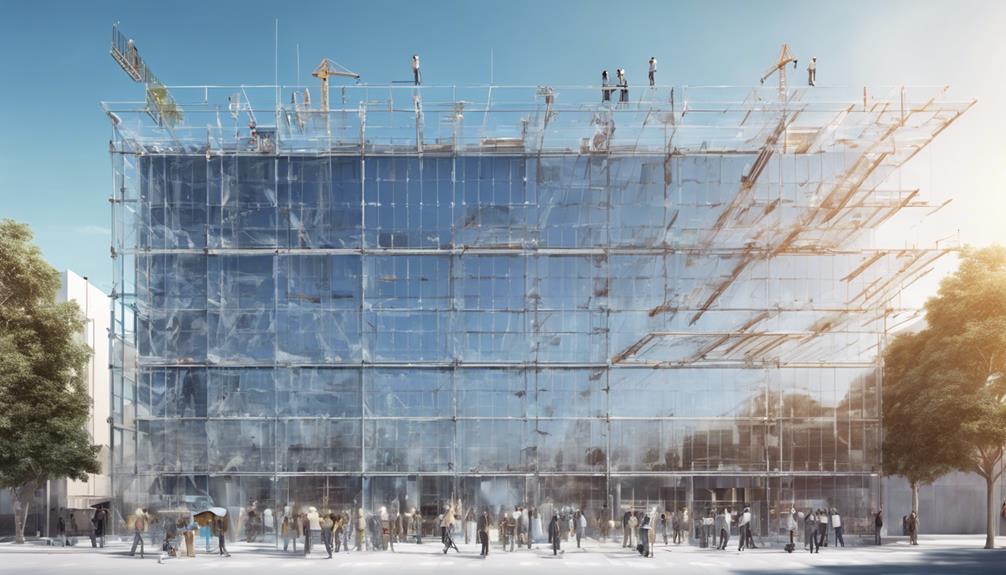
You're seeing a transformation in commercial construction because new materials are making buildings smarter, stronger, and more sustainable. Smart glass optimizes natural light and cuts energy costs, while advanced composites enable lighter structures with incredible strength. Additionally, the use of sustainable materials minimizes environmental impacts, and innovative technologies like self-healing concrete extend building lifespans while reducing maintenance. These materials not only cut down costs but also speed up construction times significantly. The integration of cutting-edge technology and eco-friendly materials isn't just a trend—it's shaping the future of construction. Exploring further can uncover how these advancements are setting new standards in the industry.
Emerging Smart Materials
The construction industry's adoption of emerging smart materials is revolutionizing how buildings are designed and constructed. You're stepping into a world where your environment not only shelters you but interacts with you. Imagine walls that change color based on the weather, or that heal their own cracks. These aren't futuristic dreams; they're becoming today's reality thanks to smart materials.
Smart glass, for instance, adjusts its transparency depending on the intensity of sunlight, optimizing natural light while reducing energy costs for heating and cooling. You'll no longer need to rely as heavily on artificial lighting or HVAC systems, as your building manages these elements for you. This not only makes your space more comfortable but significantly cuts down on your utility bills.
Moreover, these materials aren't just about comfort and savings. They integrate sensors and IoT technology that allow for real-time data monitoring. This means you can track everything from structural integrity to environmental conditions, ensuring that maintenance is proactive rather than reactive.
It's a shift from static to dynamic building environments, tailor-made to respond to both the occupants' needs and external environmental factors. This intelligent integration opens up new avenues for functionality and efficiency in building management.
Enhanced Durability and Strength
Many new materials now offer significantly enhanced durability and strength, transforming not just the aesthetics but also the longevity of commercial buildings.
You'll find that the use of advanced composites and high-performance concrete in construction allows structures to withstand harsher weather conditions and resist environmental stressors more effectively than traditional materials. This isn't just about lasting longer; it's about maintaining integrity under stress, reducing maintenance needs, and ultimately saving money.
Consider the impact of self-healing concrete, which incorporates special bacteria that produce limestone to fill cracks as they form. This innovative material can double the lifespan of a typical building, significantly reducing the need for repairs and extending the periods between maintenance cycles.
You're not only investing in a building that looks good; you're investing in one that's built to last.
Moreover, the integration of ultra-high-performance concrete (UHPC) offers a prime example of how strength isn't about bulk. UHPC provides a sleek, more refined finish with up to four times the compressive strength of traditional concrete. It allows for thinner, lighter structures with greater load-bearing capacities, which opens up new possibilities in design and architecture without compromising on durability.
Sustainability and Eco-Friendly Options
In today's construction industry, sustainability and eco-friendly materials aren't just trends; they're essential components of modern building practices. You're seeing a shift where traditional materials are being replaced by innovative options that minimize environmental impact. These materials, such as recycled steel, bamboo, and low-VOC (volatile organic compound) paints, not only reduce the carbon footprint but also improve the health of building occupants.
You'll find that the use of such sustainable materials can significantly enhance a building's energy efficiency. For instance, green insulation options, like sheep's wool or recycled denim, are becoming popular for their ability to regulate temperature naturally.
Moreover, photovoltaic glass and cool roofing are excellent for harnessing solar energy and reducing reliance on non-renewable energy sources.
Another aspect you should consider is the long-term sustainability offered by these materials. Durable, recyclable materials ensure that the environmental impact is kept at a minimum throughout the building's life cycle. By integrating these eco-friendly options into your projects, you're not just building structures; you're also promoting a sustainable future.
Cost-Effective Building Solutions
How can you reduce costs without compromising quality in commercial construction? The answer lies in embracing innovative materials and advanced manufacturing techniques.
You'll find that materials such as high-performance concrete and recycled steel not only offer durability but also cost efficiency over the long haul. These materials require less maintenance and are often more affordable than traditional options due to their longer life spans and reduced need for replacements.
Moreover, modular construction is revolutionizing how projects are delivered. By assembling parts of a building in a factory, you can significantly cut down on construction time and labor costs. This method also reduces waste and allows for tighter budget control, making it a win-win for both the environment and your wallet.
Additionally, consider implementing lean construction techniques. By improving the efficiency of your construction processes, you can minimize waste and maximize value. This approach focuses on planning and coordination to ensure that every step is as cost-effective as possible.
Incorporating these strategies won't just save you money; they'll also enhance the overall quality and sustainability of your projects. So, you're not just cutting costs—you're also investing in the future.
Revolutionary Insulation Technologies
Switching gears to insulation, the industry's latest advancements offer significant improvements in energy efficiency. You've likely noticed rising energy costs, and effective insulation is becoming crucial in reducing these expenses.
New materials, such as vacuum insulation panels and gas-filled panels, provide superior performance over traditional fiberglass or foam. They're thinner, yet they block heat transfer more effectively, allowing for sleeker wall designs without compromising on thermal resistance.
Imagine integrating phase-changing materials (PCMs) into your building's structure. These materials absorb or release heat as temperatures fluctuate, maintaining a comfortable indoor environment throughout the day. This isn't just about comfort; it's also about reducing the strain on heating and cooling systems, which can significantly cut down your energy bills.
Aerogels, another groundbreaking technology, offer high insulation values with minimal thickness. Their translucent properties allow for natural light, reducing the need for artificial lighting during the day. Incorporating these materials doesn't just enhance energy efficiency; they also contribute to a brighter, more inviting space.
Lightweight Construction Materials
While discussing the latest in insulation technologies, it's equally important to explore how lightweight construction materials are reshaping the industry. You'll find that these innovative materials aren't just reducing the load on structures but also speeding up construction processes and slashing costs.
Imagine you're overseeing a project where every minute and dollar counts. By integrating materials like high-strength aluminum, lightweight concrete, and advanced composites, you're not only ensuring quicker assembly but also lowering transportation and labor expenses. These materials are easier to handle and can be moved without heavy machinery, which further reduces your project's carbon footprint.
Moreover, the use of such materials enhances design flexibility. You're no longer constrained by the weight limitations of traditional materials, which allows for more daring architectural designs. This flexibility opens up possibilities for expansive spans and curves that were once impractical.
Incorporating lightweight materials also means you can retrofit older buildings with new floors or features without overburdening existing structures. This capability is a game-changer for urban development, where space is at a premium and the ability to modify and improve upon existing buildings is crucial.
As you move forward, consider how these materials can't only meet but exceed your project requirements, offering both efficiency and innovation.
Fire Resistance Improvements
As the construction industry evolves, so does the emphasis on fire resistance in building materials. You're seeing a shift toward innovative solutions that significantly enhance safety and minimize risks. Materials like fire-retardant treated wood and intumescent paint are becoming staples in new builds, not just for their efficiency but for their ability to meet stringent safety standards.
Take intumescent paint, for example. When exposed to high temperatures, it expands to form a protective barrier that insulates structural members from the heat. This isn't just an incremental improvement; it's a game-changer that can drastically extend the time it takes for fire to compromise the structural integrity of a building.
Moreover, advancements in materials science have led to the development of new composites and high-performance concretes that resist fire naturally. These materials don't just withstand flames; they prevent the spread, giving you crucial time to evacuate and for emergency services to respond.
It's clear that as you look towards future projects, considering these new fire-resistant materials isn't just a compliance issue—it's a crucial investment in safety and resilience. The ongoing research and innovation are setting new standards, transforming how buildings are constructed from the ground up.
Faster Construction Times
You'll notice that alongside improvements in safety, new materials and technologies are also speeding up construction times significantly. Innovative materials such as prefabricated modular units and lightweight, high-strength composites are changing the way buildings are constructed. These materials can be assembled offsite and quickly installed, drastically reducing the traditional building timeline.
Think about the role of self-healing concrete and 3D-printed materials. They don't just cut down on labor costs; they also simplify many steps that traditionally slow down construction projects. Self-healing concrete reduces the need for repairs and maintenance, which can often cause delays. Meanwhile, 3D printing allows for complex parts to be produced rapidly and installed immediately, streamlining the assembly process.
Moreover, the integration of advanced technology like Building Information Modeling (BIM) software further enhances construction speed. BIM provides a digital blueprint of the building, which improves coordination among different teams and minimizes conflicts and rework. This means that projects can move forward faster, without the typical setbacks.
In essence, as you're exploring options for your next commercial project, consider how these new materials can't only meet your safety standards but also significantly compress your construction schedule.
Aesthetic Innovations
Beyond functionality, new materials are revolutionizing the aesthetics of commercial construction. You've likely noticed how new buildings aren't just structures; they're pieces of art. Advances in material science have given architects the freedom to push the boundaries of design. You're seeing more curves, unconventional shapes, and surfaces that seem to change color depending on the angle of the sun.
Take the use of smart glass, which can adjust its transparency and opacity with the flip of a switch. It's not just about privacy; it's about creating dynamic exteriors that interact with the environment and reflect the building's identity in innovative ways.
Then there's the integration of photovoltaic glass, turning windows into sources of power while maintaining a sleek, modern look.
You're also witnessing the rise of composite materials, which allow for lighter, stronger constructions that can take on almost any form or texture, mimicking other materials or creating entirely new visuals. This means that you can have buildings that not only function more efficiently but also serve as a canvas for aesthetic expression.
These innovations aren't just changing how buildings look; they're transforming how you experience spaces, making every visit unique.
Regulatory Impact on Materials
Many new materials entering the commercial construction market must navigate a complex web of regulations. As you explore these materials, you'll find that regulatory bodies often have stringent requirements that can significantly influence both the development and the deployment of innovative materials. These regulations are designed to ensure safety, sustainability, and compliance with existing building codes, which can sometimes slow down the introduction of new products.
You'll also notice that each region has its unique set of rules. If you're working in multiple areas, you'll need to be aware of and comply with different standards and certifications. This can be both time-consuming and costly. However, these regulations also play a crucial role in ensuring that new materials contribute positively to building safety and environmental sustainability.
Moreover, staying ahead of these regulatory curves can offer a competitive advantage. By aligning your projects with the latest regulations, you can enhance your reputation as a forward-thinking builder. This is particularly important as more clients and investors prioritize eco-friendly and safe building practices.
Conclusion
You're witnessing a revolution in commercial construction as new materials redefine durability, aesthetics, and sustainability. These innovations not only speed up construction times and improve fire resistance but also cut costs and meet stricter regulations. By integrating smart materials and advanced insulation technologies, you're stepping into a future where buildings are not only more sustainable and cost-effective but also stronger and more visually appealing. Embrace these changes, as they shape a better, more efficient world for you.
Related articles: Top 10 Innovative Materials in Commercial Construction · 7 Best Innovative Materials in Commercial Construction · Traditional Vs Modern Materials in Commercial Construction