
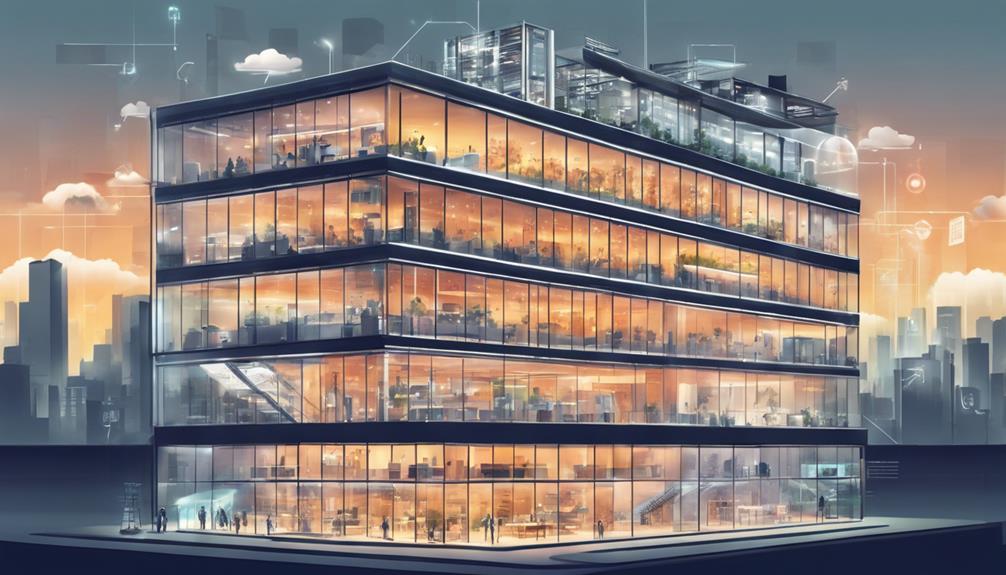
To implement smart building tech in your commercial projects, start by understanding the building's purpose and assessing the technological savviness of its users. Choose technologies that enhance efficiency, such as energy management and robust security systems, ensuring they're compatible with mobile monitoring. Involve tech suppliers early in the design phase to integrate these systems seamlessly with the architectural plans. Make sure installation is handled by professionals following a strict timeline, and don't forget to test thoroughly to ensure everything works perfectly. This is just the beginning; further exploration will reveal how ongoing maintenance can contribute to lasting performance and sustainability.
Assessing Project Requirements
Before diving into smart building technology for your commercial project, it's crucial to assess the specific requirements. You need to understand what your building will demand in terms of functionality and which smart technologies can enhance its performance. Start by evaluating the primary purpose of your building. Is it a retail space, an office, or a multifunctional complex? Each type demands a unique set of technologies tailored to its operational needs.
Consider the scale of your project. Are you looking to implement smart technology in a single building or across a campus? The scope will significantly influence your infrastructure needs, from network capabilities to energy management systems.
You'll also want to think about the users of the building. What tech savviness can you expect from them, and how will it affect their interaction with the building's smart features?
Lastly, look into any regulatory requirements or sustainability goals that might impact your choice of technologies. Certain areas may have strict guidelines on energy use or data security that could shape your tech implementation strategy. By considering these aspects, you'll ensure that the smart technology chosen not only fits but enhances the functionality and efficiency of your commercial project.
Choosing the Right Technologies
After assessing your project's requirements, it's time to select the appropriate smart technologies that will optimize the functionality and efficiency of your commercial space. You'll want to focus on systems that not only meet your current needs but also offer scalability for future growth and adaptation.
First, consider energy management systems. These are crucial for reducing costs and supporting sustainability goals. Look for solutions that provide real-time data analytics and allow for remote monitoring and control of HVAC, lighting, and other energy-consuming systems.
Next, evaluate the security technologies available. Advanced surveillance cameras, access control systems, and alarm systems will enhance the safety of your property. Make sure they're compatible with mobile devices for real-time alerts and remote management.
Don't overlook the importance of connectivity. A robust wireless network and IoT integration are essential for enabling smart technologies to communicate effectively. Choose systems that support a wide range of devices and standards to ensure seamless operation.
Planning and Design Integration
With the right technologies selected, integrating them into your building's design from the outset is crucial for maximizing efficiency and functionality. You'll want to ensure that the smart tech solutions you've chosen align seamlessly with the architectural and engineering plans. This isn't just about fitting new gadgets into old plans; it's about rethinking the plans to accommodate and optimize the new technologies.
Start by involving your tech suppliers early in the design phase. They can provide valuable insights into the specific requirements and limitations of their products. For instance, smart HVAC systems need different spatial allocations than traditional ones. Similarly, advanced security systems might require specific wiring plans or unobstructed lines of sight that must be considered during the initial design phase.
Coordination among all stakeholders — architects, engineers, technology providers, and contractors — is key. Regular meetings ensure everyone's on the same page and can adapt to changes smoothly. Don't underestimate the power of detailed, tech-integrated blueprints. These documents can save you a lot of headaches later by providing a clear roadmap from the start.
Incorporating smart technology into your building design isn't just about adding value; it's about creating a functional, future-proof space that meets the evolving needs of its users.
Installation and Configuration
Once your smart building technologies are integrated into the design, you'll need to focus on their installation and configuration.
First, you should collaborate with skilled installers who understand the nuances of smart tech systems. Ensure they're well-versed in the specific technologies you've chosen, whether it's advanced HVAC systems, intelligent lighting, or security solutions.
You'll also want to map out a clear timeline for the installation process. It's crucial that this timeline aligns with other construction or renovation activities to avoid delays.
As you get into the nuts and bolts of installation, make sure that all components are installed according to manufacturer specifications. This isn't just about placing equipment; it's about ensuring that each component communicates effectively with the system as a whole.
Configuration is your next big step. This involves setting up the systems to meet your specific operational needs. Customize user interfaces and control settings so that they're intuitive and accessible for daily users.
You should also establish a network that allows for seamless communication between different technologies. Remember, the goal is to create a cohesive, efficient environment that enhances the functionality of the building and comfort of its occupants.
Testing and Quality Assurance
Why is testing crucial in implementing smart building technologies? Well, it's simple. Testing ensures that all the newly installed systems operate as intended before they go live. You wouldn't want to discover a malfunction in your HVAC system during a heatwave or a major conference, right? That's where quality assurance comes into play.
During the testing phase, you'll simulate various scenarios that your building might encounter to check the responsiveness and efficiency of each system. This includes testing software interfaces, sensor accuracy, and the integration of different technologies. It's your chance to verify that everything communicates properly, without glitches that could lead to inefficiencies or, worse, safety hazards.
Moreover, comprehensive testing helps you establish baseline performance metrics. These are critical for future troubleshooting and assessments. You'll know exactly what 'normal' looks like, which makes it easier to spot when something's off down the line.
Maintenance and Upgrades
After ensuring your smart building technologies operate flawlessly through rigorous testing, regular maintenance and timely upgrades become your next focus. You'll find that staying on top of these tasks is crucial to keeping your systems efficient and reliable.
Set up a maintenance schedule that aligns with the manufacturer's recommendations and includes regular check-ups and repairs. This proactive approach helps you catch issues before they escalate, saving you time and money in the long run.
Don't overlook the importance of software updates and hardware upgrades. As technology evolves, so should your building's systems to remain cutting-edge and secure.
Implement a strategy for periodic updates, and be ready to replace hardware that can no longer support the latest software enhancements. This not only improves functionality but also boosts the overall value of your property.
Engage with tech support and maintenance professionals who specialize in smart technologies. Their expertise will be invaluable, especially when dealing with complex systems.
Establishing a good relationship with these experts ensures you have the support needed to address any technical challenges promptly.
Conclusion
You've navigated through the complexities of integrating smart building technology into your commercial project. From assessing needs to choosing the right tech, and from seamless installation to rigorous testing, you're set up for success. Remember, the journey doesn't end here. Keep your systems up-to-date with regular maintenance and be ready to upgrade when necessary. Embrace these innovations, and you'll not only enhance efficiency but also create a future-proof space that stands out in today's fast-evolving landscape.
Related articles: 5 Best Smart Building Technologies for Commercial Projects · Smart Building Tech in Commercial Construction · Evolution of Smart Building Tech in Commercial Construction