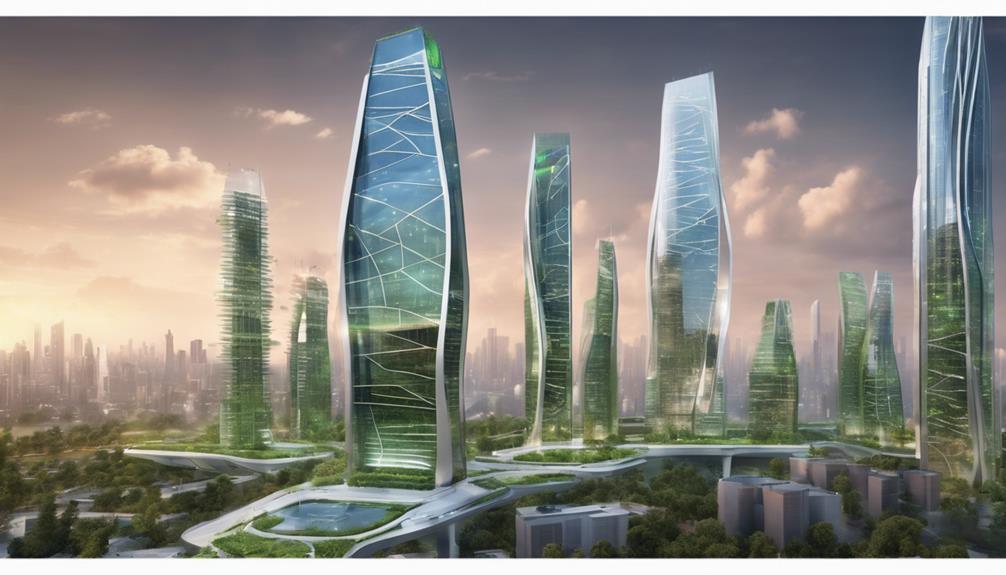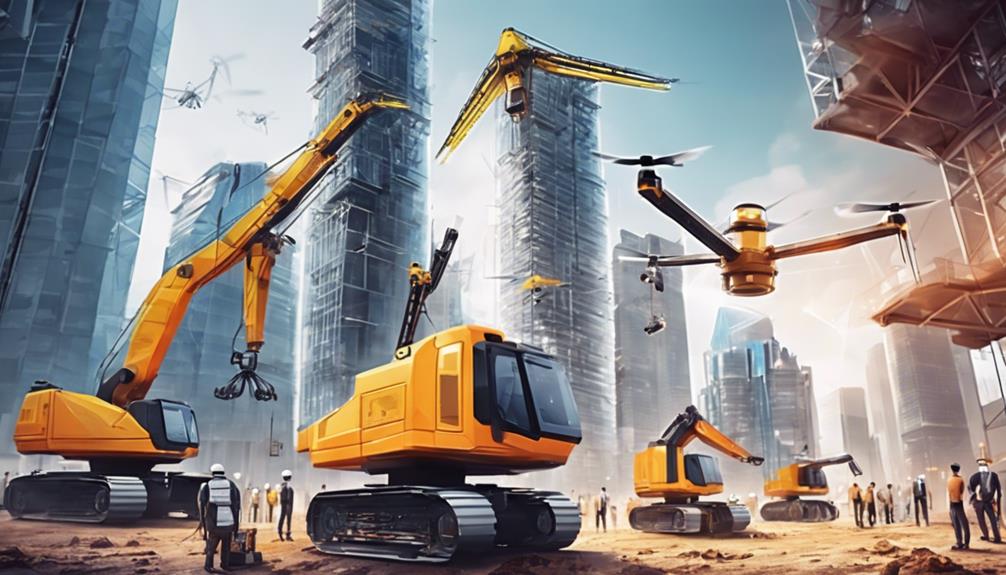
innovative technologies revolutionizing construction

Top 3 New Commercial Construction Technologies

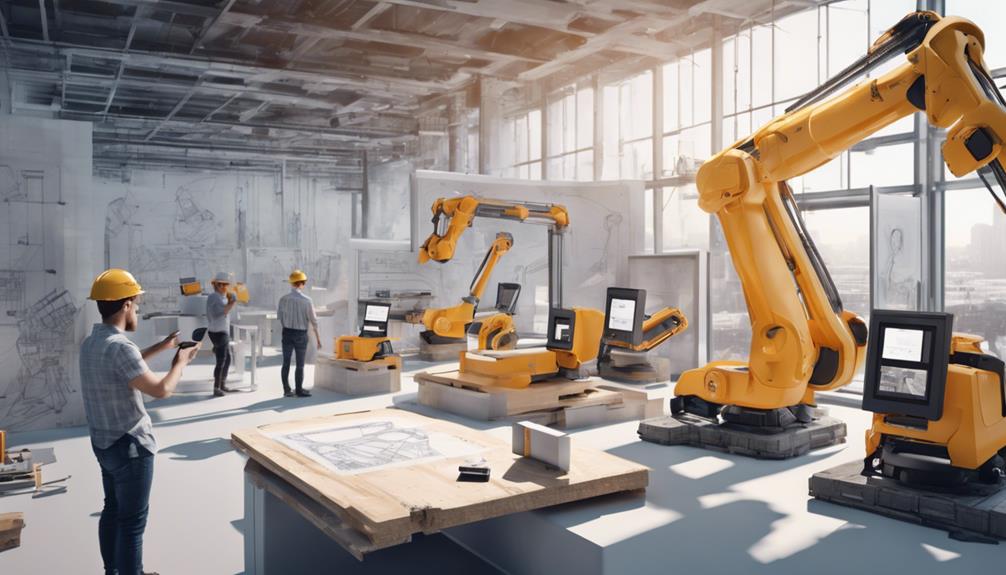
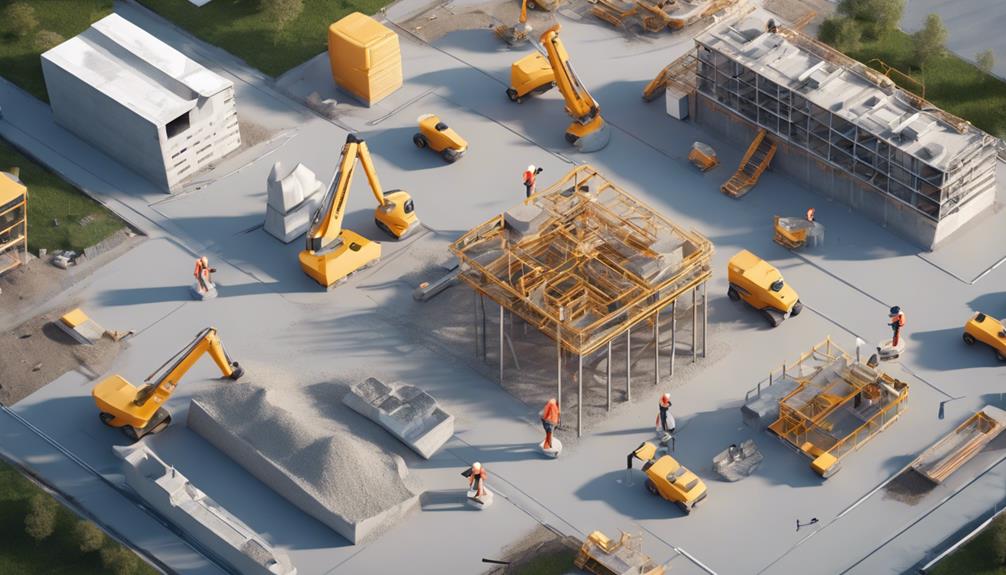
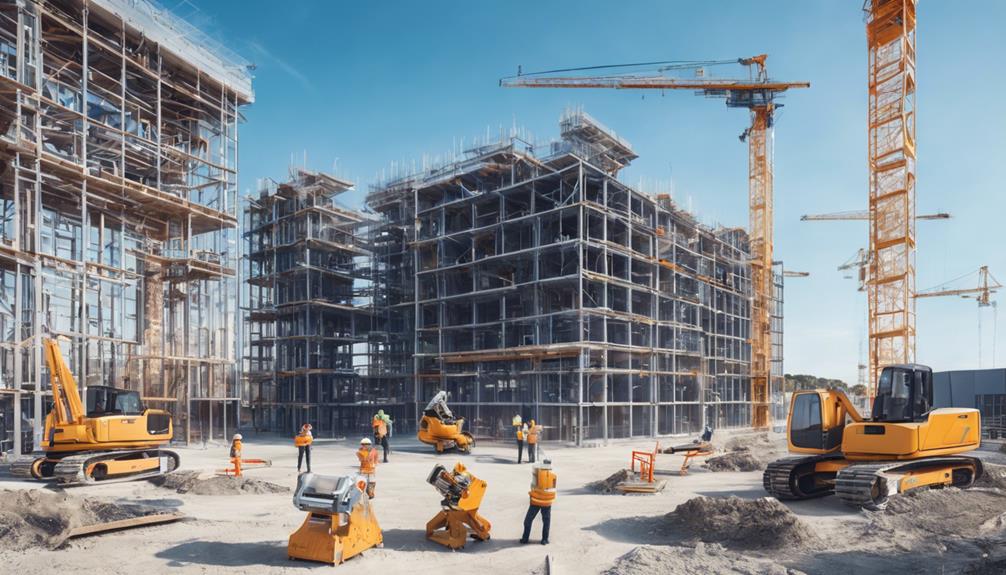
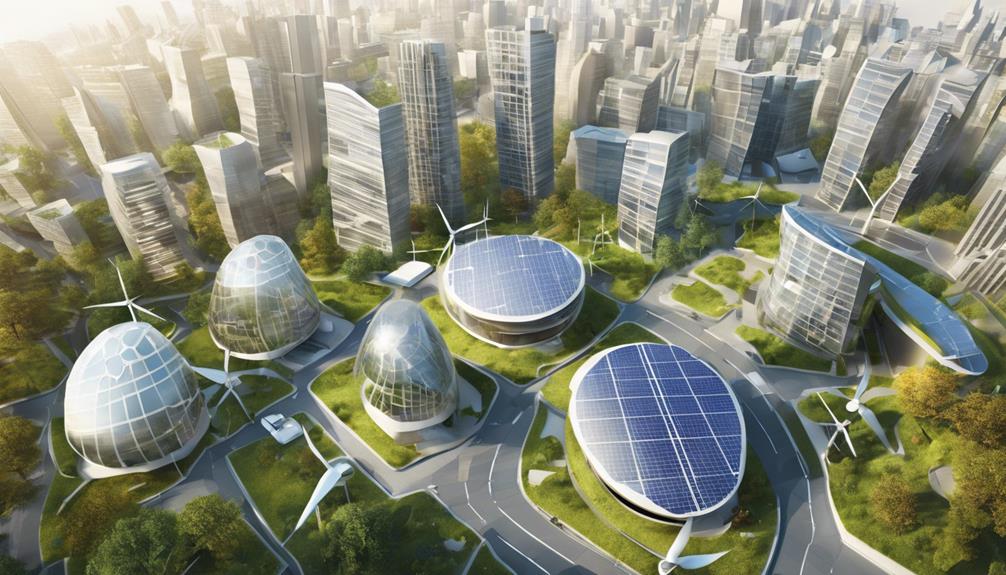
In your search for groundbreaking commercial construction technologies, you'll likely come across autonomous construction robots, advancements in 3D concrete printing, and AI-integrated project management. These robots boost safety and efficiency by performing repetitive tasks with precision, while 3D concrete printing allows for the creation of complex and intricate designs swiftly, reducing waste. Additionally, AI optimizes project management by predicting delays and advising on resource allocation. As you explore, you'll uncover how each technology plays a pivotal role in reshaping the construction landscape and potentially enhancing your next project.

Exploring Autonomous Construction Robots

In recent years, autonomous construction robots have revolutionized the building industry by enhancing efficiency and safety on job sites. You've likely seen videos or heard about drones buzzing over construction areas, but it's what they're doing that's truly groundbreaking. These robots aren't just for show; they're actively scanning sites, mapping out terrains, and analyzing data in real-time. This isn't just about faster work; it's about smarter, safer construction.

Beyond mere observation, robots on the ground are transforming how tasks are performed. Imagine robots laying bricks or tying rebar, tasks that typically take human workers countless hours and significant physical strain. These robots can tirelessly perform these duties with precision, day in and day out, without fatigue.

You're not only saving time but also reducing the risk of injuries that are common in such labor-intensive tasks.

Additionally, these autonomous helpers are equipped with sensors that help prevent accidents on the site. They can detect when humans are too close to danger zones and alert them or even pause their operations to ensure everyone's safety. This integration of technology isn't just changing how buildings are constructed; it's ensuring they're built with utmost safety and efficiency.

Advancements in 3D Concrete Printing

While autonomous robots streamline traditional construction tasks, 3D concrete printing is reshaping the very structure of building processes. This technology allows you to create complex building forms that traditional methods couldn't achieve easily. You're no longer constrained by the limitations of manual labor and conventional molding techniques. Instead, you can print intricate designs layer by layer with concrete, opening up new possibilities for architectural innovation.

The speed of construction is another breakthrough. Imagine slashing the time needed to erect buildings because components can be printed and assembled in a fraction of the traditional timeframe. You're not just saving time; you're also significantly cutting down on waste.

The precision of 3D printing means you use only the amount of material required, minimizing excess and reducing overall costs.

Moreover, the sustainability factor can't be ignored. With the ability to use recycled materials within the print mix, you're contributing to a greener construction environment. This method not only enhances your project's efficiency but also its ecological footprint, aligning with more stringent environmental regulations.

You're witnessing a pivotal shift in how structures come to life, setting a new standard for the future of construction.

Integration of AI in Project Management

Shifting focus to project management, the integration of AI is transforming how projects are planned, monitored, and executed. You're seeing a shift where predictive analytics and machine learning are becoming integral in foreseeing project delays and optimizing resources. Imagine AI tools that can analyze historical data and ongoing project metrics to predict outcomes and suggest corrective actions. This isn't just theory; it's happening now, and it's reshaping your approach to managing large-scale construction projects.

AI-driven platforms help you streamline communication across various project teams. They ensure that everyone's on the same page, reducing misunderstandings and errors that could set you back. You'll find these tools indispensable for risk management, constantly scanning for potential issues and offering solutions before they escalate.

Moreover, AI enhances decision-making. With real-time data analysis, you're equipped to make informed decisions quickly. This agility is crucial in an industry where timing affects both budget and project quality. As you integrate more AI into your processes, you'll notice a significant boost in efficiency and a reduction in costs, proving that embracing these advanced technologies isn't just a trend—it's a strategic move for staying competitive in your field.

Conclusion

As you dive into the future of commercial construction, you'll find these technologies at the forefront. Autonomous construction robots are revolutionizing efficiency onsite. Meanwhile, 3D concrete printing isn't just a novelty; it's reshaping how structures are built, offering both speed and sustainability. And with AI integrated into project management, you're looking at unmatched precision in planning and execution. Embrace these innovations—they're not just changing the game; they're setting a whole new standard.

Related articles: Quiz: Discover the Newest Construction Tech Innovations

cutting edge construction tech 2023

Newest Innovations in Construction Technology 2023

In 2023, you're seeing a revolution in construction technology with innovations designed to boost efficiency, safety, and sustainability. Autonomous construction technology lets machines work continuously without breaks, enhancing precision while reducing accidents and waste. You can explore designs in real-time using augmented reality and 3D tech, making it easier to make adjustments and enhance collaboration. Smart wearables are ramping up safety by monitoring workers' vital signs and environmental hazards, preventing incidents before they happen. Plus, advancements like 3D printing are reshaping building processes, enabling faster construction with less waste. These tools not only streamline operations but also open up new possibilities for creativity and efficiency in your projects.

Autonomous Construction Vehicles

Autonomous construction vehicles are transforming the building industry by executing tasks more efficiently and with fewer errors. You've probably seen the rise of driverless cars, but imagine that technology applied on a construction site. These vehicles range from excavators to bulldozers, all equipped with advanced sensors and GPS technology that allow them to operate with minimal human intervention.

You'll find that these machines can work around the clock. They don't need breaks or shifts, which significantly speeds up project timelines. Moreover, they're programmed to adhere strictly to predefined routes and patterns, reducing the risk of on-site accidents. This is crucial, considering the high rate of injuries in construction work.

These vehicles also contribute to precision. Since they're controlled by software, they can achieve exact movements that might be challenging for human operators. This precision reduces waste materials, which not only cuts costs but also minimizes environmental impact.

Adopting this technology might seem costly initially, but you'll see the return on investment through faster completion times and reduced labor costs. As you look forward to future projects, consider how integrating autonomous vehicles couldn't only streamline your operations but also enhance safety and efficiency on your sites.

Augmented Reality in Design

Augmented reality (AR) is revolutionizing the way you visualize project designs before the first stone is laid. With AR, you're no longer confined to 2D blueprints or small-scale models. Instead, you can see a full-scale, interactive 3D representation of your project overlaid onto the actual construction site. This allows you to explore various design options and make adjustments in real time, significantly reducing the likelihood of costly post-construction changes.

Imagine walking through your future building, observing how different materials and lighting options affect the ambiance, all before construction officially begins. AR also enhances collaboration among stakeholders. You can share the same visual perspective with architects, engineers, and clients, ensuring everyone's on the same page. This synchronization not only streamlines the decision-making process but also helps in identifying potential design conflicts early.

Moreover, AR can be a powerful tool for municipal approvals. By presenting a realistic visualization of how a new structure will look within its intended environment, you can address community concerns and regulatory requirements more effectively. This immersive technology isn't just changing the way designs are conceived but also how they're communicated and executed, making your projects more efficient and aligned with everyone's vision.

Smart Wearables for Safety

While augmented reality offers substantial improvements in design visualization, equally important advancements are being made in the realm of worker safety through smart wearables. You're now stepping into a construction site that's as connected as any high-tech office.

Imagine wearing a smart helmet that not only protects your head but also scans the environment for potential hazards. It's equipped with sensors that monitor your vital signs and alert you if you're experiencing stress or fatigue.

You've got a smartwatch on your wrist that sends real-time health and safety alerts. It vibrates if you're too close to a dangerous zone or if toxic gases reach critical levels. These wearables are synced with a central system, ensuring that supervisors can track every team member's location and well-being, enhancing collective safety protocols.

Moreover, your vest isn't just a high-visibility safety garment; it's embedded with electronics that regulate your body temperature and record your movements to analyze ergonomic risks. This gear isn't just protective; it's predictive, using data to foresee and prevent incidents.

This integration of smart wearables is transforming construction sites into safer, more efficient work environments. You're not just wearing gear; you're equipped with a personal safety consultant.

Advanced Modular Construction

Nearly every aspect of building processes is being streamlined thanks to advanced modular construction. You're seeing projects wrap up faster than ever, with components manufactured off-site in controlled environments. This isn't just about speed; it's about precision and efficiency too. The parts arrive ready to assemble, reducing on-site construction time and the typical disruptions caused by weather or scheduling conflicts.

You'll appreciate how this method cuts down on waste. Traditional building methods can be quite wasteful in terms of materials and energy. In contrast, modular construction uses materials more efficiently and often incorporates sustainable practices and materials. Moreover, the controlled factory setting minimizes the risk of material overuse and allows for tighter inventory control.

The scalability of modular construction is something you can't overlook. Whether it's expanding a school or building a new hotel wing, modules can be designed to fit the current need and easily adjusted or added in the future. This flexibility is key in rapidly changing urban landscapes.

As you look towards your next project, consider how advanced modular construction can't only meet your efficiency needs but also push you towards more sustainable and adaptable building practices.

AI in Project Management

In project management, AI is transforming how teams track and complete tasks. Imagine you're overseeing a large construction project. With AI, you're not just juggling schedules and manpower; you're leveraging smart algorithms that predict delays and optimize workflows. These systems can analyze data from ongoing projects in real-time, suggesting adjustments to keep everything on track and under budget.

You'll find AI tools particularly adept at risk management. They identify potential risks before they become issues, from supply chain disruptions to unexpected weather conditions. This isn't just about avoiding problems; it's about foreseeing them, giving you a strategic advantage in planning and resource allocation.

Moreover, communication across various project stages becomes seamless. AI integrates information from different teams, ensuring everyone's on the same page. This reduces misunderstandings and errors, streamlining operations and boosting productivity.

You're not chasing down emails or texts; you're getting concise reports and actionable insights directly.

As you move forward, adopting AI in your project management toolkit isn't just an upgrade; it's a necessity. It's about staying competitive and capable in a rapidly evolving industry. So, don't just manage projects—master them with the precision and efficiency that AI offers.

Green Building Materials

As the construction industry evolves, so does the importance of sustainable practices, particularly through the use of green building materials. You'll find that these materials not only help reduce your carbon footprint but also improve the overall efficiency and longevity of your projects.

Take bamboo, for instance. It's incredibly sustainable due to its rapid growth rate and is as durable as traditional hardwoods. You can use it for flooring, cabinetry, and more, significantly lowering the environmental impact of your constructions.

Similarly, recycled steel is a game-changer. It offers the same strength and durability as its virgin counterparts without the extensive energy consumption and waste production.

Then there's cork, a remarkable choice for insulation. It's not just natural and renewable; it's also great for thermal and acoustic insulation. This means you're not just building greener but also creating quieter, more energy-efficient spaces.

You should also consider low-VOC paints. These products minimize the release of harmful chemicals into the environment, making your construction sites healthier for workers and ultimately for the building's occupants.

3D Printing in Construction

Exploring the realm of 3D printing in construction, you'll discover how this technology revolutionizes building processes. 3D printing, or additive manufacturing, allows for the creation of complex structures with less waste and reduced labor costs. Imagine printing entire building sections layer by layer, using materials that range from concrete to polymers and composites. This method not only speeds up construction times but also enhances design flexibility, enabling you to realize shapes and forms that would be either impossible or too costly with traditional methods.

You'll find that 3D printing also contributes to sustainability. By precisely using materials only where needed, you'll significantly reduce the environmental footprint of your projects. The ability to recycle materials directly on-site is another perk, minimizing the need for transportation and further cutting down on emissions.

Furthermore, the integration of 3D printing in construction leads to safer work environments. With machines handling the most hazardous tasks, you'll see a drop in workplace accidents, making construction sites safer for everyone involved.

This technology isn't just about creating structures; it's about reimagining what's possible in the built environment. As you adopt 3D printing, you're stepping into a future where construction is faster, safer, and greener.

Real-Time Collaboration Tools

Switching focus to Real-Time Collaboration Tools, you'll notice how vital these systems are in modern construction projects. They're not just a convenience; they're a game changer.

Imagine coordinating multiple project sites with live updates. You no longer rely on delayed reports or emails that sit unread. Instead, you get instant communication, ensuring that every team member, from architects to engineers, is on the same page.

With these tools, you're equipped to make decisions quickly. If there's an issue, you don't wait for the next site visit to resolve it. You can address it immediately through a shared digital platform where all project data is accessible and updatable in real-time.

This means fewer mistakes, less rework, and a significantly streamlined workflow.

Moreover, these tools integrate seamlessly with other software, enhancing overall efficiency. They support various formats and devices, allowing on-the-go access to project details, which is essential in today's fast-paced construction environments.

The result? Projects are completed faster, with higher quality and lower costs.

Embracing these tools not only boosts your project's efficiency but also positions your business as a modern and adaptive competitor in the construction industry.

Energy-Efficient Building Systems

The construction industry's embrace of energy-efficient building systems marks a pivotal shift towards sustainability. You're seeing a revolution unfold as builders and architects adopt technologies that not only reduce energy consumption but also cut down long-term operational costs. It's about smarter resource use, harnessing renewable energy, and optimizing building designs for maximum efficiency.

Imagine living or working in a space where the heating, ventilation, and air conditioning (HVAC) systems are so advanced that they adjust themselves based on real-time occupancy and weather data. That's not just a pipe dream anymore. These systems are being integrated today, reducing energy waste dramatically. You're looking at buildings that can maintain perfect indoor climates with minimal energy use, thanks to smart thermostats and AI-driven controls.

Moreover, the materials used in construction now often include recycled content and are sourced sustainably to minimize environmental impact.

You'll find that new buildings are equipped with better insulation materials, high-efficiency windows, and LED lighting systems—each playing a crucial role in decreasing the carbon footprint.

As you step into this new era, it's clear that adopting these innovations isn't just good for the planet—it's also economically sensible. You're not just constructing buildings; you're building a sustainable future.

Conclusion

You've just explored the cutting-edge of construction technology for 2023. From autonomous vehicles reshaping how projects are executed, to AR and AI enhancing precision and efficiency, your toolkit is expanding. Embrace smart wearables to boost safety and modular techniques for speed. Lean on green materials and 3D printing for sustainability. With these innovations, you're not just building structures; you're crafting the future. Dive in, harness these tools, and transform your construction projects into models of modern efficiency and sustainability.

Related articles: Top 3 New Commercial Construction Technologies

innovative advancements in construction

5 Cutting-Edge Trends in Commercial Construction Tech

You're witnessing a revolution in commercial construction as five key technologies redefine the industry. Augmented Reality (AR) streamlines decision-making and enhances visualizations, drastically cutting down errors and costs. Modular construction techniques boost efficiency, reducing timelines and labor needs while minimizing waste. Innovations in green building integrate sustainable materials and technologies, promoting eco-friendly practices. AI transforms project management, predicting issues and optimizing resources for better control over budgets and deadlines. Robotics improve safety and expedite construction processes, handling repetitive tasks with precision. Each of these advancements propels the field toward a more efficient, sustainable, and cost-effective future, and there's plenty more to uncover.

Augmented Reality Applications

Exploring augmented reality (AR) applications is transforming how construction projects are visualized and executed. You're no longer just looking at blueprints and models; you're now able to see a full-scale, interactive version of your project overlaid on the actual construction site. Imagine walking through your future building, making real-time adjustments to materials and designs before any physical work begins. This isn't just convenient—it's revolutionizing the industry by reducing errors and saving time.

AR tools allow you to troubleshoot problems before they become costly. You can spot potential clashes in HVAC systems or electrical routing, which traditionally wouldn't be caught until the build phase. This early detection system not only saves money but also ensures projects stay on schedule.

Additionally, AR enhances team collaboration. With everyone from architects to engineers able to see and interact with the AR model, decision-making becomes faster and more effective. You're not waiting for updated plans to be emailed; you're seeing changes in real-time.

This technology is also a boon for client interactions. By showing clients a lifelike model of the finished project, you're providing a clearer, more engaging presentation. Their feedback becomes more insightful, leading to results that truly meet expectations.

Modular Construction Innovations

While augmented reality allows us to visualize and interact with our construction projects in unprecedented ways, modular construction innovations are reshaping the actual building process. You'll find that these advancements aren't only speeding up construction timelines but also enhancing precision and efficiency on your projects.

Modular construction involves pre-assembling components of a building in a factory-controlled environment. This means you're looking at significantly reduced on-site labor needs and a much shorter build time. Imagine you're able to cut down construction time by as much as 50% compared to traditional methods.

The sections, or modules, are then transported to the site and assembled much like Lego pieces, which drastically simplifies the on-site process.

Moreover, this method reduces waste and minimizes site disruption, a significant advantage in urban environments where space and time are at a premium. You'll also find that weather delays are less of a setback; since much of the construction is indoors, poor weather isn't going to slow you down as much.

Adopting modular techniques means you're not just keeping up with the latest trends; you're staying ahead. It's a smart move to embrace these innovations, ensuring your projects aren't only cost-effective but also timely and less susceptible to external delays.

Green Building Technologies

Nearly every commercial construction project now integrates some form of green building technology, aimed at reducing environmental impact and enhancing sustainability. As you delve deeper into this field, you'll find several innovative practices that are reshaping the industry.

One key trend is the use of sustainable materials. Companies are increasingly opting for recycled, reclaimed, and locally sourced materials. This not only minimizes transportation emissions but also reduces waste. You're seeing more structures built with bamboo, recycled steel, and precast concrete, which are durable yet environmentally friendly.

Energy efficiency is another major focus. Modern buildings often incorporate smart glass that adjusts to external light conditions, significantly reducing heating and cooling needs. Solar panels are becoming more aesthetically pleasing and integrated, allowing buildings to generate their own clean energy.

Water conservation technologies are also crucial. Low-flow fixtures and water-efficient landscaping are becoming standard in new developments. Moreover, rainwater harvesting systems are now more sophisticated, helping buildings decrease municipal water use.

AI in Project Management

How is AI transforming project management in commercial construction? As you're navigating the complexities of modern construction projects, AI is becoming your pivotal ally, optimizing everything from scheduling to risk management. By harnessing vast datasets, AI algorithms predict project delays, budget overruns, and even compliance issues, allowing you to preemptively address potential hurdles.

You'll find AI particularly useful in enhancing decision-making. Through real-time data analysis, AI provides insights that aren't immediately obvious. For instance, it can analyze weather forecasts against project timelines to suggest optimal working days, thus minimizing downtime and boosting productivity.

Moreover, AI-driven tools streamline communication across various teams. These systems can automatically update everyone involved when changes occur, ensuring that all parties are on the same page, reducing miscommunications and errors.

Additionally, AI contributes to financial management by monitoring expenditures and comparing them against the budget in real-time. This lets you spot financial discrepancies quickly and adjust before they spiral out of control. With AI, you're not just managing a project; you're proactively steering it towards efficiency and success, ensuring that deadlines are met and budgets are kept in check.

Robotics on Construction Sites

Many construction sites now employ robotics, revolutionizing how tasks are performed and enhancing both safety and efficiency. Imagine you're overseeing a project where robots handle repetitive, physically demanding tasks. You're not just cutting down on human error but also significantly reducing workplace injuries. The use of robotic arms for bricklaying or drones for surveying large areas has accelerated project timelines and brought down costs.

As you integrate robotics into your operations, you'll notice that these machines can work around the clock. They don't need breaks, and their precision is unmatched. For instance, robots equipped with 3D printing technology can construct complex building components directly on-site, minimizing the need for transportation and reducing your carbon footprint.

Moreover, the integration of robotics with other technologies like AI and IoT maximizes their potential. You can monitor real-time data through connected devices, ensuring that every robotic function aligns perfectly with your project specifications. This synergy not only boosts productivity but also empowers you to tackle more innovative projects, pushing the boundaries of traditional construction.

Embracing robotics might seem daunting, but it's a game-changer. You're not replacing your workforce; you're equipping them with tools to build safer, faster, and smarter.

Conclusion

You're stepping into a transformative era in commercial construction where technology enhances every aspect of your projects. Embrace augmented reality to visualize your builds, leverage modular construction for efficiency, and prioritize sustainability with green technologies. AI will streamline your project management, while robotics revolutionizes onsite work. By adopting these cutting-edge trends, you'll not only optimize your operations but also lead in innovation and sustainability in the construction industry. Stay ahead; the future is now.

Related articles: Newest Innovations in Construction Technology 2023

cutting edge energy efficient buildings

What Are Today’s Top Energy-Saving Building Designs?

Today's leading energy-saving building designs harness advanced technologies and smart architectural principles. You'll benefit from passive solar designs which strategically orient homes to maximize sunlight and reduce energy costs. High-performance insulation techniques keep your home snug with minimal heat loss. Integrated smart lighting systems adjust based on occupancy and time of day, soaring energy efficiency to new heights. Don't overlook green roofing and advanced HVAC technologies that both improve air quality and lower energy use. These features are just the start, as innovative solutions like energy-efficient windows and renewable energy sources are setting the new standard in construction, paving the way for deeper insights into sustainable living.

Passive Solar Design Principles

When designing your home, incorporating passive solar design principles can significantly reduce your energy costs. You're not just saving money; you're also embracing eco-friendly practices that benefit the environment. Imagine using the sun's energy to keep your home warm in the winter and cool in the summer, all without relying heavily on artificial heating and cooling systems.

First, consider the orientation of your home. Ideally, you'll position your house so that its longest side faces south. This maximizes your exposure to sunlight during the day. Large windows on the southern side allow natural light to penetrate deep into your living spaces, reducing the need for artificial lighting and providing free heat during the colder months.

Incorporating materials with high thermal mass, like concrete or brick, in floors or walls that receive sunlight can be beneficial. These materials absorb heat during the day and release it slowly as temperatures drop, maintaining a comfortable indoor environment.

Don't forget about shading devices, such as overhangs and awnings. They play a crucial role by blocking high summer sun, preventing excessive heat gain, while still letting in the low winter sun for warmth. This balance is key to optimizing your home's energy efficiency year-round.

High-Performance Insulation Techniques

Building on the foundation of passive solar design principles, high-performance insulation techniques further enhance your home's energy efficiency. These techniques aren't just about keeping warm air in during winter; they're equally vital for reflecting heat away in the summer, ensuring you're comfortable year-round while slashing your heating and cooling costs.

One of the key materials you might consider is spray foam insulation. It expands to fill cracks and crevices, creating a tight seal that traditional fiberglass batts can't match. This means significantly less air leakage, which is a major culprit in energy waste.

Another option is rigid foam boards, which provide a high R-value per inch, making them ideal for limited space applications such as basement walls and cathedral ceilings.

Don't overlook the importance of installation quality. Even the best materials can fail to perform if they're not installed correctly. It's worth hiring professionals who ensure that every nook is properly sealed.

Additionally, consider using advanced weatherstripping around doors and windows and opt for insulated doors to prevent heat loss. These steps, combined with robust insulation, form a barrier that keeps your energy bills low and your comfort high.

Smart Lighting Systems Integration

As you explore energy-saving options for your home, integrating smart lighting systems should be a top priority. These advanced systems offer more than just convenience; they're a practical approach to reduce your energy consumption and lower your utility bills. Smart lighting technology allows you to control light intensity, color, and timing through automated settings or remotely via smartphone apps.

One major advantage is the ability to adjust lighting based on occupancy. Sensors detect when a room is unoccupied and automatically turn off lights, cutting wasteful energy use.

You can also set schedules to dim or turn off lights during peak energy hours, which helps in managing your electricity costs more efficiently.

Moreover, smart bulbs are typically LED, which are far more energy-efficient than traditional incandescent bulbs. They use up to 75% less energy and last 25 times longer. This not only means significant savings on your energy bills but also reduces the frequency of replacements.

Investing in smart lighting is a step forward in making your home energy-efficient. You'll not only enjoy the modern convenience and enhanced control over your environment but also contribute to a sustainable future. Consider integrating smart lighting systems to experience these benefits firsthand.

Green Roofing Solutions

Green roofing solutions offer a transformative approach to enhancing your home's energy efficiency and aesthetics. Imagine your roof covered with vegetation, absorbing heat, and reducing your energy costs. It's not just about being eco-friendly; it's about making a smart choice for temperature control.

By installing a green roof, you're adding an extra layer of insulation. This means you'll rely less on your heating and cooling systems, cutting down on your energy bills significantly.

You might worry about the upkeep, but modern green roofs are designed with low-maintenance plants suited to your climate. Plus, they're incredibly durable. They protect against UV rays and physical damage, potentially doubling the lifespan of your roof. It's a long-term investment that pays off, both financially and environmentally.

Moreover, green roofs can manage stormwater effectively, reducing runoff and lowering the risk of flooding. This natural absorption system means you could save on drainage costs. And let's not forget the boost in property value. Homes with green features are increasingly in demand, making your energy-efficient roof a wise upgrade.

Advanced HVAC Technology

Moving beyond green roofing, advanced HVAC technology is revolutionizing the way we heat and cool our homes. You're likely familiar with traditional systems, but the latest innovations offer significant improvements in energy efficiency and environmental impact. Let's dive into what's changing and how it impacts you.

First off, modern HVAC systems utilize smart thermostats and automated sensors that adjust temperatures based on real-time room occupancy and weather conditions. This means your system isn't just running on a set schedule; it's adapting to when and where you need heating or cooling. You'll see your energy bills decrease because you're not wasting resources on unoccupied spaces.

Additionally, today's units feature variable speed motors that precisely control air flow, significantly reducing electricity use. Unlike older models that turn on and off repeatedly, these new systems operate at varying speeds, which ensures a more consistent temperature and better humidity control throughout your home.

Lastly, consider the integration of high-efficiency filters and UV light purifiers. These not only enhance air quality but also improve system performance by keeping components clean and free from obstructions. By upgrading to these advanced systems, you're not just saving money; you're also contributing to a healthier indoor environment.

Utilizing Renewable Energy Sources

Building on the momentum of advanced HVAC systems, integrating renewable energy sources into your home's design can further reduce your carbon footprint and lower energy costs. You've likely heard of solar panels and wind turbines, but how can you actually incorporate these into your living space? It's simpler than you might think.

Start with solar panels. They're not just for your roof anymore. You can install them on garages, sheds, or any surface that receives ample sunlight. They'll harness the sun's power, converting it to electricity, potentially making you energy-independent and even allowing you to sell excess power back to the grid.

Consider a solar water heating system as well. It uses solar panels to heat your water tank, slashing the energy needed for heating water using traditional methods.

Don't overlook small-scale wind turbines if you live in a windy area. These can be mounted on your roof or on a pole in your yard. They're perfect for generating electricity to power your home, especially in off-grid setups.

Lastly, explore geothermal heat pumps. These use the stable underground temperature to heat and cool your home, significantly cutting your reliance on traditional energy sources. With these strategies, you're not just saving money; you're leading in environmental stewardship.

Energy-Efficient Window Innovations

Installing energy-efficient windows is a critical step towards enhancing your home's insulation and reducing your energy bills. These innovative windows aren't just about keeping out the cold or keeping in the heat; they're about smartly managing your home's climate without overworking your heating or cooling systems.

Energy-efficient windows come equipped with features like double or triple glazing, inert gas fills between panes, and low-emissivity (low-E) coatings. These technologies collectively reduce heat transfer, keeping your home comfortable while using less energy.

The low-E coating, for instance, reflects various solar and heat waves, maintaining your home's internal temperature more consistently.

You'll also find that these windows can significantly dampen outside noise, a bonus for urban dwellers. Moreover, modern advancements include dynamic glass, or "smart windows", which tint automatically in response to sunlight exposure, further optimizing energy consumption and comfort.

Investing in these windows pays off; not only do they decrease monthly utility costs, but they also increase your property's value. They're a powerful component in any energy-efficient home design, seamlessly blending function with aesthetics.

Conclusion

You've explored the cutting-edge of energy-saving building designs, from harnessing the sun's power with passive solar principles to integrating smart lighting systems. Remember, investing in high-performance insulation and advanced HVAC technology not only cuts costs but also boosts efficiency. Don't overlook green roofing and renewable energy sources, and consider the latest in energy-efficient window innovations. By adopting these solutions, you're not just building smarter—you're contributing to a more sustainable future.

Related articles: How Property Construction Management Software Can Help You

cutting edge commercial building design

Revolutionary Trends in Energy-Efficient Commercial Architecture

You're stepping into a world where commercial architecture isn't just about aesthetics but also about sustainability and efficiency. Innovative materials like aerogels and bamboo are revolutionizing insulation and structure, while passive solar design maximizes natural light, minimizing your heating costs. Smart glass technology adapts to sunlight variations to optimize indoor environments, cutting down on energy use. Moreover, green roofs provide excellent insulation and manage rainwater effectively, increasing your property's value and sustainability. Natural ventilation strategies reduce your reliance on mechanical systems, improving air quality and energy efficiency. Each of these trends promises to transform how you think about building spaces. Keep exploring, and you'll discover even more fascinating ways these advancements can benefit you.

Smart Glass Technology Advancements

Revolutionizing the aesthetics and functionality of commercial buildings, smart glass technology has made significant strides in recent years. You've likely seen its impact, even if you didn't know what you were looking at.

Imagine walking into a building and the windows automatically adjusting to the sunlight, maintaining perfect lighting without blinds or curtains. That's smart glass at work.

This innovative glass can change its properties, such as tinting, to reduce glare and heat from direct sunlight. You don't have to fiddle with controls or settings; most smart glass systems are automated, reacting to the sun's position and intensity.

This not only enhances your comfort but also cuts down on energy costs by reducing the need for air conditioning and artificial lighting.

Moreover, you're contributing to a more sustainable environment by using smart glass. It's designed to optimize energy consumption, significantly reducing a building's carbon footprint.

The technology has also evolved to allow integration with other building management systems, streamlining operations and boosting efficiency.

If you're in the process of designing or refurbishing your commercial space, consider smart glass for its clear benefits. It's not just an investment in your property's future, but also a step towards a more energy-efficient, sustainable world.

Green Roofing Systems Integration

Expanding upon the innovations in commercial architecture, green roofing systems offer a practical upgrade for any commercial space. As you consider the benefits, you'll find that integrating a green roof isn't just about aesthetics; it's a strategic move towards sustainability.

Green roofs, consisting of vegetation and soil, act as natural insulators. You'll notice a decrease in your building's need for heating and cooling, which translates into lower energy costs.

Furthermore, these systems manage rainwater effectively. Instead of overwhelming stormwater systems, they absorb and filter rainwater, which can reduce the risk of flooding and decrease the burden on local water treatment facilities. You're not only saving on utility bills but also contributing to a healthier urban environment.

Green roofs also extend the lifespan of your roofing materials. By protecting the underlying structure from extreme temperatures and UV radiation, they can double or even triple the life expectancy of your roof. That's a significant saving on maintenance and replacement costs.

Lastly, by adding green space to your building, you're enhancing air quality and providing a natural habitat for wildlife. This can boost the well-being of everyone in the building and elevate the property's value. It's a win-win for you and the environment.

Passive Solar Heating Techniques

While green roofing systems focus on the top of the building, passive solar heating techniques harness the natural energy from the sun to efficiently warm your commercial space from the sides and within. You're essentially turning your building into a solar collector, one that captures and utilizes the sun's heat without active mechanical systems.

Here's how you can implement these techniques:

First, consider the orientation of your building. Having large, south-facing windows maximizes the capture of solar energy during winter months when you need it most. In the summer, when you want to keep things cooler, overhangs or louvers can block the high sun.

Next, think about the materials you use inside. Thermal mass, like concrete floors or brick walls, can absorb and store solar heat during the day and then release it slowly as the temperatures drop at night. This helps in reducing your heating costs significantly.

Lastly, don't underestimate the layout of your space. Open floor plans allow sunlight to penetrate deeper into the interior, reducing the need for artificial lighting during daylight hours and maximizing your passive solar gains.

These strategies, when combined, can drastically cut down your energy consumption and enhance your building's overall energy efficiency.

Advanced Insulation Materials

Building on the idea of harnessing natural resources for energy efficiency, consider the role of advanced insulation materials in your commercial architecture. As you're striving to reduce energy consumption and increase sustainability, these innovative materials are key. They're not just about keeping heat in or out; they significantly enhance the building's overall energy performance.

Think about materials like aerogels and vacuum insulation panels. Aerogels, for instance, boast outstanding thermal resistance with a much thinner profile than traditional insulation. This means you can maximize space and efficiency without compromising on thermal integrity.

Vacuum insulation panels, while more costly, offer unparalleled R-values compared to conventional options. They're ideal for areas where space is at a premium but high thermal resistance is necessary.

Also, don't overlook recycled materials. Denim and cellulose insulation, made from recycled cotton and paper respectively, offer great thermal performance and are environmentally friendly. They're not just good for the planet; they provide excellent sound insulation too, enhancing the comfort within your commercial spaces.

Natural Ventilation Optimization

To further enhance the energy efficiency of your commercial architecture, consider optimizing natural ventilation systems. By leveraging the strategic placement of windows, vents, and openings, you can capitalize on natural wind patterns and temperature differences to regulate your building's climate. This not only reduces reliance on mechanical ventilation but also slashes energy costs significantly.

You should start by analyzing local climate data to understand wind patterns and temperature fluctuations throughout the year. This will guide the positioning of your building's openings to maximize airflow during warmer months and limit heat loss during cooler periods.

Incorporating adjustable window designs and automated vent systems can also help you manage airflow dynamically, adapting to daily or seasonal changes.

Moreover, integrating vegetation like trees and shrubs around your building can enhance these natural ventilation strategies. They act as natural windbreakers and can help funnel breezes into your building. This approach not only improves air quality but also adds aesthetic value to your property.

Renewable Energy Implementations

Transitioning from optimizing natural airflows, you should now focus on incorporating renewable energy sources into your commercial architecture. Integrating solar panels is a great starting point. They're not only cost-effective but also highly adaptable to different building designs. You can install them on roofs, integrate them into window designs, or even use them as shading elements.

Next, consider harnessing wind energy. Small-scale wind turbines can be a practical addition, especially if your building is located in a windy area. They don't require much space and can significantly reduce your building's reliance on traditional energy sources.

Don't overlook the potential of geothermal systems either. By using the earth's stable underground temperature, these systems provide heating and cooling solutions with remarkable efficiency. It's an upfront investment that pays off in the long term with lower utility bills.

Lastly, you might want to explore biomass energy systems, which use organic materials to generate heat and power. This can be particularly beneficial if your project has access to consistent organic waste streams.

Sustainable Building Materials Usage

After exploring renewable energy options, it's crucial to consider the materials you'll use in your project. Choosing sustainable building materials not only minimizes environmental impact but also boosts your building's efficiency and longevity. You're faced with a variety of eco-friendly options, each with distinct benefits and applications.

Firstly, consider bamboo. It's a rapidly renewable material that you can use for flooring, cabinetry, and structural elements. Bamboo grows back quickly after harvesting, making it a top choice for sustainability.

Secondly, recycled steel is a sturdy option that helps you avoid the excessive environmental toll of processing new steel. It provides the same strength and durability as its counterpart, making it ideal for structural supports.

Additionally, you should look at reclaimed wood. Not only does it offer a unique aesthetic with its history, but it also reduces the demand for new timber resources. Using reclaimed wood can significantly lower the carbon footprint of your construction.

Conclusion

You're at the forefront of a green revolution in commercial architecture. By embracing smart glass, integrating green roofs, and utilizing passive solar heating, you're boosting energy efficiency dramatically. Opt for advanced insulation and natural ventilation to further cut costs and carbon footprints. Incorporating renewable energy and sustainable materials isn't just good for the planet—it's smart business. Keep leading the charge; the future of eco-friendly architecture is in your hands, shaping a sustainable world for generations to come.

Related articles: What Are Today’s Top Energy-Saving Building Designs?

energy efficient building design trends

Top Architectural Trends for Energy-Efficient Buildings

In the realm of energy-efficient architecture, you're likely to see a strong emphasis on passive design strategies, which include utilizing natural ventilation, optimized orientation, and thermally efficient materials like insulated windows. High-performance insulation, such as Insulated Concrete Forms and Vacuum Insulation Panels, plays a crucial role. Moreover, technological advancements have enhanced the efficiency of HVAC systems, with options like Geothermal Heat Pumps and Energy Recovery Ventilators coming to the fore. Additionally, integrating smart building technologies and renewable energy sources, from solar panels to wind turbines, has become pivotal. Exploring these trends further might unveil new insights into building a sustainable future.

Smart Glass Technology Integration

Smart glass technology is increasingly transforming how buildings manage light and heat, offering substantial energy savings and enhanced comfort. Imagine sitting by a window and, without moving an inch, you're able to adjust the tint to control the amount of sunlight streaming in. That's smart glass for you.

This innovative glass automatically changes its light transmission properties based on external conditions, which can significantly reduce costs for heating, air conditioning, and lighting. The core benefit? It adapts to both enhance occupant comfort and lower energy use.

For instance, on a scorching summer day, smart glass can darken to minimize heat absorption and reliance on air conditioning. Conversely, on a chilly, overcast day, it can turn completely transparent to absorb as much natural warmth and light as possible.

You'll also find that smart glass contributes to a quieter indoor environment by providing superior sound insulation compared to traditional glass. It's not just about energy; it's about creating a more adaptable and responsive living or working space.

As you explore options for a greener building, consider how integrating smart glass can align with your energy efficiency goals while boosting the aesthetic and functional value of your property.

Green Roofing Systems

Turning your attention to green roofing systems, you'll find they offer an effective way to enhance your building's energy efficiency and environmental footprint. A green roof, essentially a layer of vegetation planted over a waterproof membrane, isn't just aesthetically pleasing—it's a powerhouse in insulating your home or office.

By installing one, you're adding a natural barrier that regulates the temperature inside. During the hot months, it absorbs and deflects sunlight, keeping the interior cooler without overworking the air conditioning.

Conversely, in colder weather, it provides additional insulation, retaining warmth and reducing heating costs.

Moreover, green roofs significantly reduce stormwater runoff, which can decrease the burden on urban sewage systems during heavy rains. The plants and soil filter rainwater, slowly releasing it into the environment rather than letting it flood the systems.

You'll also enjoy improved air quality since the vegetation helps filter pollutants and carbon dioxide out of the air. This not only contributes positively to your immediate environment but also to the broader urban landscape.

Passive Solar Building Design

Building on the concept of green roofing systems, passive solar building design offers another innovative approach to reducing energy consumption and optimizing natural resources in architecture. You'll find that this method isn't just about placing a few solar panels on rooftops. It's an integrated design strategy that focuses on harnessing the sun's energy effectively and efficiently, without relying on active mechanical systems.

Imagine constructing your building in a way that takes full advantage of the sun's path. Properly oriented windows, walls, and floors are designed to collect, store, and distribute solar energy in the form of heat in the winter and reject solar heat in the summer. You're not just saving on heating costs; you're also enhancing comfort with natural light, which can boost your mood and productivity.

Moreover, consider the materials you choose. Thermal mass materials like concrete, bricks, and stone can absorb and retain heat, releasing it when temperatures drop, maintaining a comfortable indoor environment.

By integrating thoughtful landscaping, such as deciduous trees, you can provide shade during summer while allowing sunlight to warm the building in winter.

Passive solar design isn't just about energy efficiency; it's about creating spaces that live in harmony with the environment.

Advanced Building Insulation Techniques

As we transition from the natural efficiencies of passive solar design, consider the role of advanced building insulation techniques in enhancing your home's energy performance. These innovations aren't just about keeping heat in during winter; they're equally pivotal in reflecting heat during summer, ensuring your living space maintains comfort without over-reliance on energy-intensive systems.

You've likely heard of spray foam insulation, but let's dig deeper. This method creates airtight seals in hard-to-reach nooks and crannies, drastically reducing the potential for thermal bridging where heat typically escapes. It's not just effective; it's also a long-term solution that resists settling or deterioration.

Another groundbreaking technique involves vacuum insulation panels. These panels have a thermal resistance up to ten times greater than traditional insulation materials. By integrating these panels, you're not just insulating; you're supercharging your home's resistance to external temperature changes.

Don't overlook phase-changing materials (PCMs) either. Integrated into wallboards or ceilings, PCMs absorb and release heat as temperatures fluctuate, actively regulating the climate inside your home.

High-Efficiency HVAC Systems

Now that we've explored advanced building insulation techniques, let's consider how high-efficiency HVAC systems can further optimize your home's energy performance. These systems are crucial in managing indoor climate while slashing energy consumption and costs.

You might wonder how these systems differ from standard options. High-efficiency HVAC units use advanced technology to improve thermal conversion rates, meaning they deliver more heating or cooling per unit of energy consumed. They often incorporate features like variable speed fans and multi-stage compressors that adjust energy use based on need. This precision avoids the excessive consumption typical of traditional systems.

Investing in a high-efficiency HVAC system also impacts your home's environmental footprint. By consuming less power, you're reducing your reliance on fossil fuels and contributing to lower carbon emissions. Moreover, many of these systems are designed to integrate seamlessly with smart home technologies, allowing you to monitor and adjust settings remotely for optimized energy use.

Remember, the upfront cost might be higher, but the long-term savings on utility bills can be significant. Additionally, various government incentives often exist for installing energy-efficient appliances, so you'll want to check what's available in your area.

Choosing a high-efficiency HVAC system isn't just a smart choice; it's a forward-thinking move towards sustainable living.

Renewable Energy Sources Utilization

Transitioning to renewable energy sources is your next step toward a sustainable home. As the focus on energy efficiency sharpens, integrating solar panels, wind turbines, or even biomass systems isn't just a trend; it's a smart investment in your property's future and the planet's health. You're not only slashing your utility bills but also increasing your home's resale value.

Solar energy, for instance, can be harnessed using photovoltaic cells on your roof to generate electricity or solar thermal technology to heat water. Both methods significantly reduce your reliance on traditional power grids and minimize your carbon footprint.

If you're in a windy region, consider small-scale wind turbines. These can be installed on your property and are perfect for generating electricity, further decreasing your energy costs.

Moreover, embracing geothermal heat pumps for heating and cooling your home utilizes the stable underground temperatures to enhance efficiency and comfort. This system requires an initial investment but pays off with lower operating costs and minimal maintenance.

Investing in renewable energy sources isn't just about being eco-friendly. It's about future-proofing your home against rising energy prices and building a sustainable legacy that you'll be proud of. Don't wait; start planning your transition today.

Conclusion

You're on the brink of embracing some of the most innovative architectural trends to ensure your building is as energy-efficient as possible. From integrating smart glass technology that adapts to sunlight, to installing green roofing systems that provide natural insulation, your choices are shaping a sustainable future. Remember, incorporating advanced insulation techniques and high-efficiency HVAC systems, along with utilizing renewable energy sources, doesn't just cut costs—it significantly reduces your carbon footprint. Make the smart choice, make a lasting impact.

Related articles: Revolutionary Trends in Energy-Efficient Commercial Architecture

efficient designs for buildings

5 Best Energy-Saving Commercial Building Designs

You're in luck if you're hunting for the top energy-saving designs for commercial buildings. Start with passive solar design, leveraging the sun's energy through strategically placed windows and heat-absorbing materials. Upgrade to high-performance glass and glazing to further enhance your building's insulation. Don't forget the benefits of green roofs and living walls, which not only beautify your building but also improve its sustainability. Consider advanced insulation techniques using materials like aerogels for superior thermal performance. Lastly, integrate smart lighting and HVAC systems to automatically adjust energy use based on occupancy and ambient conditions. Exploring these options will unveil even more insights on how to transform your commercial space into a model of efficiency.

Passive Solar Building Design

Passive solar building design optimizes the use of the sun's energy to heat and light spaces naturally, significantly reducing reliance on artificial heating and cooling systems. By focusing on the building's orientation, you can maximize solar gain in the cold months while minimizing it during the hot summer. It's all about making the sun work for you.

You'll want to design with materials that have high thermal mass, like concrete or brick, which absorb and store heat during the day and release it slowly when temperatures drop. This helps keep indoor temperatures steady, reducing the need for additional heating or cooling.

Consider the placement of windows and overhangs. Properly positioned, they allow winter sunlight to fill the space while blocking the high summer sun, keeping your building naturally comfortable. It's a game of angles and seasons.

Landscaping plays a role too. Deciduous trees, for example, provide shade in summer but allow sunlight through in winter when their leaves have fallen. This natural solution not only saves energy but also enhances the aesthetic and value of your property.

High-Performance Glass and Glazing

Building on the concept of using natural resources effectively, high-performance glass and glazing technologies are key to further enhancing energy efficiency in commercial buildings. You'll find that these technologies not only reduce the reliance on artificial heating and cooling but also maximize natural light, cutting down on electricity usage during the day.

High-performance glass, often featuring low-emissivity (low-E) coatings, plays a pivotal role. It's designed to reflect infrared light, keeping heat inside during winter and outside during summer, which dramatically improves the thermal efficiency of your building.

Additionally, advancements in glazing involve multiple layers of glass with inert gas fills like argon or krypton between them, boosting insulation.

You should also consider the orientation and size of windows. Properly oriented windows maximize solar gain in colder months and minimize it in hotter months, complementing the thermal regulation properties of high-performance glass.

Moreover, modern technologies allow for the integration of smart tinting features, which adjust the transparency of the glass based on the intensity of incoming sunlight, providing dynamic control over light and heat entering the building.

Adopting these technologies ensures that your building not only serves as a comfortable space but also adheres to stringent energy efficiency standards, reducing both your carbon footprint and operational costs.

Green Roofs and Living Walls

Exploring the potential of green roofs and living walls can significantly boost your building's sustainability. These features not only enhance the aesthetic value of your property, but they also contribute to environmental conservation and energy efficiency.

Green roofs, also known as living roofs, are layers of vegetation planted over a waterproof membrane on your building's top. They're fantastic at insulating your building, reducing the need for heating in winter and cooling in summer. This means you'll see a drop in your energy bills. Additionally, green roofs absorb rainwater, decreasing stormwater runoff and lessening the burden on urban sewage systems.

Living walls, or vertical gardens, can be installed both inside and outside your building. They improve air quality by naturally filtering pollutants and carbon dioxide, converting them into oxygen. You'll find that they also help to regulate humidity levels, making your indoor environment more comfortable and reducing the reliance on humidification and dehumidification systems.

Both green roofs and living walls can extend the lifespan of your building materials. By protecting exterior surfaces from harsh weather and UV rays, these green installations slow the deterioration of roofing and wall materials. Investing in these green solutions not only promotes sustainability but also brings long-term economic benefits through reduced maintenance costs.

Advanced Insulation Techniques

Shifting focus to advanced insulation techniques, you'll discover that these methods are pivotal in enhancing your building's energy efficiency. By integrating materials like aerogels and vacuum insulation panels, you're not just filling gaps; you're setting a new standard in thermal performance. These high-tech options offer superior R-values—a measure of resistance to heat flow—while taking up less space than traditional materials.

You'll find that spray foam insulation adapts to your building's unique contours. It expands to fill every nook, reducing air leaks more effectively than standard batts or rolls. This adaptability not only seals your building envelope against weather extremes but also significantly cuts heating and cooling costs.

Consider the benefits of reflective insulation in climates with intense sun. By installing it beneath your roofing or in the walls facing the sun, you reflect radiant heat, maintaining a cooler interior without overworking your air conditioning system.

Lastly, don't overlook recycled materials. Cotton denim and sheep's wool, treated for fire and pest resistance, provide eco-friendly options that support sustainable building practices without compromising on thermal efficiency. These innovations in insulation are key to achieving a greener, more cost-effective future for your commercial space.

Smart Lighting and HVAC Systems

Turning to smart lighting and HVAC systems, you'll find these technologies are essential for reducing your building's energy consumption.

Smart lighting systems utilize sensors and programmable controls to adjust lighting based on occupancy and natural light availability. This means you're not wasting energy lighting unoccupied spaces or over-lighting areas during daylight hours.

Similarly, smart HVAC systems optimize heating, cooling, and ventilation to match real-time needs, significantly cutting down on unnecessary energy use.

You can integrate these systems into your building management system (BMS) for centralized control. This integration allows for more precise adjustments and real-time monitoring, which not only reduces energy costs but also extends the life of your equipment by preventing overuse.

Moreover, adopting these smart systems can enhance your building's comfort levels. They adjust conditions based on the number of people in a room and the current weather conditions, ensuring a consistently comfortable environment. This not only boosts occupant satisfaction but can also increase productivity in workplace settings.

Conclusion

You've explored the top energy-saving designs that can transform any commercial building into a model of efficiency. From harnessing the sun's power with Passive Solar Design to integrating Green Roofs, your building can significantly cut energy costs. Don't overlook the impact of High-Performance Glass, advanced insulation, or smart systems for lighting and HVAC. Each step you take not only saves money but also contributes to a healthier planet. It's time to rethink your space and invest in sustainable innovation.

Related articles: Top Architectural Trends for Energy-Efficient Buildings

importance of energy efficiency

Why Are Modern Buildings Prioritizing Energy Efficiency?

You're seeing modern buildings prioritize energy efficiency because it's financially smart and environmentally necessary. Architects harness technologies like solar panels and green roofs while adhering to standards such as LEED to ensure sustainable and cost-effective structures. This focus reduces utility bills, attracts incentives, and paves the way for significant tax benefits. Additionally, these practices diminish the harmful environmental impact by cutting down emissions and reliance on fossil fuels. As you explore further, you'll uncover even more compelling reasons behind this shift, and how technologically advanced, efficient constructions are sculpting the future of our built environment.

The Rise of Green Building Standards

In recent years, an increasing number of architects and developers have embraced green building standards, a trend that significantly elevates a structure's energy efficiency. You've likely noticed more buildings with solar panels, green roofs, and advanced ventilation systems. These aren't just trendy design choices; they're part of a crucial shift toward sustainability.

Green building standards like LEED, BREEAM, and WELL are guiding this transformation. They don't just assess energy efficiency; they consider water usage, indoor environmental quality, and material selection. When you walk into a building that meets these standards, you're stepping into a space that prioritizes your health and the planet's health.

You might wonder why there's such a push for these standards. It's because they ensure that buildings consume less power and water, reducing their environmental impact. This shift isn't merely about compliance; it's about responsibility. Developers and architects aren't just following these standards because they've to; they're doing it because it's the right thing to do for future generations.

As you see more of these efficient, responsibly designed buildings, remember that it's not just about aesthetics or trends. It's about building a sustainable future, one project at a time.

Cost Savings From Energy Efficiency

Adopting energy-efficient practices not only benefits the environment but also leads to significant cost savings for building owners and tenants. When you invest in energy-efficient appliances, better insulation, and modern heating and cooling systems, you're setting the stage for reduced utility bills. Over time, these savings can add up, offsetting the initial costs of green upgrades.

Consider the impact of LED lighting, which uses at least 75% less energy than traditional incandescent bulbs. By switching to LEDs, you're not only cutting down on energy consumption but also reducing the frequency of replacements due to their longer lifespan.

Similarly, energy-efficient windows can help maintain your building's temperature, decreasing the need for heating in winter and air conditioning in summer. This direct reduction in energy use translates to lower monthly expenses, making it a smart financial decision.

Moreover, many regions offer incentives and rebates for implementing energy-saving measures, which can further reduce the upfront costs. By taking advantage of these financial incentives, you enhance the return on your investment and improve the overall cost-effectiveness of your property. Thus, prioritizing energy efficiency isn't just good for the planet—it's a solid economic strategy that pays off in the long run.

Environmental Impact Reduction

Reducing your building's energy consumption significantly lessens its environmental impact. By adopting energy-efficient technologies and designs, you're not just cutting costs, you're also drastically reducing the number of harmful emissions your building releases into the atmosphere. This shift plays a crucial role in combating climate change and promoting a sustainable future.

Improved energy efficiency means your building demands less from power plants, which typically generate energy from fossil fuels like coal and natural gas. These fuels release carbon dioxide, a leading greenhouse gas, into the atmosphere, contributing to global warming. By minimizing your building's energy needs, you're directly reducing its carbon footprint.

Moreover, energy-efficient buildings often use resources more sustainably. This includes better water management and waste reduction practices that further decrease the environmental strain. Sustainable practices in building operations can preserve local ecosystems and biodiversity by avoiding overconsumption of natural resources and reducing pollution.

You're also playing a part in reducing dependence on non-renewable energy sources. By implementing energy-efficient measures, ranging from LED lighting to high-efficiency HVAC systems, you're ensuring that your building utilizes energy more responsibly, paving the way for a greener planet. Every step you take helps in making a significant environmental impact.

Regulatory Compliance and Incentives

You'll find that adhering to regulatory standards not only ensures compliance but can also qualify your building for various incentives. Governments worldwide are tightening the noose on energy consumption norms, pushing you towards more sustainable practices. These changes make it crucial for you to understand what's required to not only meet these standards but to benefit from them financially.

Firstly, meeting or exceeding local and international building codes often unlocks a range of tax benefits, rebates, and grants. For instance, in the U.S., the Energy Policy Act provides significant tax deductions for buildings that achieve a 50% energy reduction compared to a pre-set baseline.

Furthermore, higher energy ratings can lead to reduced utility rates from local energy providers, lowering operational costs significantly.

Additionally, there are often non-monetary incentives such as expedited permitting processes for green buildings. This can speed up your construction and renovation projects dramatically, saving time and reducing overhead expenses.

Moreover, compliant buildings frequently garner public and market recognition, enhancing your brand reputation and potentially increasing property values.

Technological Advances in Construction

Technological innovations are revolutionizing the construction industry, making it possible for you to build more efficiently and sustainably than ever before. Smart technology integration, for instance, allows you to monitor and manage building energy systems in real-time, drastically reducing unnecessary power consumption. Imagine adjusting lighting, heating, and cooling systems automatically based on occupancy or time of day.

Moreover, advancements in building materials are equally significant. You've got materials like self-healing concrete and insulating aerogels, which not only enhance the durability of structures but also improve their energy efficiency. These materials help keep buildings warmer in the winter and cooler in the summer, cutting down on the need for additional heating and air conditioning.

You're also seeing a rise in the use of prefabricated components. This method streamlines the construction process, significantly reduces waste, and shortens project timelines. By assembling parts of a building in a controlled factory environment, you're ensuring higher quality and consistency while minimizing on-site construction challenges.

These technological strides aren't just about adhering to newer, stricter regulations—they're about stepping towards a future where construction is quicker, less wasteful, and fundamentally smarter.

Market Demand for Sustainable Spaces

In response to growing environmental concerns, there's a significant shift in market demand toward sustainable spaces. You're seeing a trend where businesses, homeowners, and property developers are increasingly prioritizing green building certifications like LEED, BREEAM, or WELL. This shift isn't just about altruism; it's economically motivated. Energy-efficient buildings often lead to reduced operational costs through lower energy consumption and water usage, making them highly attractive.

Investors and developers are recognizing that sustainable buildings tend to have higher occupancy rates and command premium rents compared to non-green counterparts. There's a clear financial incentive as properties with sustainability credentials often enjoy higher resale values, drawing more interest from potential buyers and tenants.

You'll find that as the market evolves, sustainability is becoming a critical factor in investment decisions.

Moreover, regulatory frameworks around the world are increasingly stringent on environmental sustainability. Governments are setting ambitious carbon reduction targets, often providing tax incentives or subsidies for green building projects. This regulatory environment is nudging the market further towards sustainability, making it an essential consideration for anyone involved in building and real estate.

Whether you're constructing new properties or retrofitting existing ones, integrating energy-efficient features is becoming a necessity, not just an option.

Enhanced Occupant Comfort and Health

Beyond the financial and regulatory incentives driving the shift towards sustainable buildings, there's also a notable improvement in the comfort and health of those who occupy these spaces. You mightn't realize it, but the air you breathe, the light you work under, and even the sounds around you can significantly impact your well-being. Energy-efficient buildings often incorporate better ventilation systems that improve indoor air quality, reducing potential health issues like asthma or allergies.

These structures typically utilize natural light more effectively, which not only saves energy but also enhances your mood and productivity. Imagine working in an environment where you're exposed to an ample amount of daylight and have access to views outside; it's not just pleasant, it's healthier.

Moreover, the use of non-toxic materials is increasingly common in these buildings. You're less likely to be exposed to harmful chemicals that can off-gas from paints, carpets, and furniture in older buildings. This shift is crucial for your long-term health.

Long-Term Investment Benefits

Shifting to energy-efficient buildings not only enhances occupant comfort but also offers substantial long-term investment benefits. As you consider the upfront costs, remember that these are often offset by the significant savings on energy bills and maintenance costs over time. Lower utility expenses mean you're saving money every month, which adds up to a considerable amount over the lifespan of your building.

Moreover, energy-efficient properties tend to have higher resale values. They're more attractive to buyers and renters who are increasingly conscious of sustainability and operational costs. This demand can drive up your property's market value, making it a smarter investment from a real estate perspective.

You'll also benefit from various government incentives aimed at promoting green building practices. These can include tax rebates, grants, or reduced rates, which alleviate the initial financial burden of adopting energy-efficient technologies.

Case Studies in Efficient Design

Reflecting on the investment benefits of energy-efficient buildings naturally leads us to explore real-world applications that have successfully integrated these principles. Let's look at the Edge in Amsterdam, hailed as one of the greenest buildings worldwide.

It's not just about the solar panels that cover the roof and south-facing facade; it's how they're used alongside motion-sensor LED lighting and an advanced climate control system to slash energy consumption dramatically. You'd see a similar strategy at work in the Bullitt Center in Seattle, which produces as much energy as it uses annually, making it a net-zero energy building.

You might wonder how these features impact daily operations. In both buildings, employees benefit from natural light and superior air quality, which studies show, boost productivity and well-being. The Edge's use of an ethernet-powered LED lighting system not only reduces energy costs but also supports a sophisticated data-gathering network that optimizes building use in real time.

You're looking at smart design that not only saves costs but also creates an environment where people thrive. These case studies exemplify not just architectural innovation, but a forward-thinking approach to how buildings interact with human and environmental health.

Conclusion

You've seen how prioritizing energy efficiency in modern buildings isn't just a trend—it's a necessity. By embracing green standards, leveraging technology, and meeting market demands, you're not only saving on costs but also enhancing comfort and safeguarding the environment. Remember, each step towards energy efficiency reflects a wise investment in our planet's future. So, as you move forward, consider how these insights can transform your spaces into sustainable, cost-effective havens that everyone can cherish.

Related articles: 5 Best Energy-Saving Commercial Building Designs

innovative technology transforms architecture

Revolutionizing Commercial Architecture With Smart Tech

You're stepping into a future where commercial architecture isn't just about buildings; it's about intelligent environments that adapt, learn, and efficiently manage resources. With smart tech integration, you're seeing adaptive environments, enhanced building management systems, and predictive maintenance tailored to user needs. Automated systems and IoT solutions streamline operations and reduce energy costs while providing real-time monitoring and data analysis. The innovation doesn't stop there; intelligent lighting and climate control systems optimize both energy use and ambiance. As commercial spaces evolve, so do the possibilities—each integration offering a glimpse into a sustainable and highly efficient future for architecture. Discover the connections that reveal how these innovations come together.

Defining Smart Technology

Integrating smart technology fundamentally transforms how we interact with our surroundings, making buildings more than just physical structures. You've likely heard the term "smart technology," but what does it really entail? At its core, smart technology refers to systems and devices that use digital intelligence to enhance functionality and efficiency. It's about creating environments that adapt to your needs even before you articulate them.

Imagine walking into your office and having the lights adjust to your preference, the temperature set just right, and your favorite playlist streaming softly in the background. These aren't mere conveniences; they're ways in which buildings learn from and respond to your habits and preferences, making everyday interactions smoother and more intuitive.

But smart technology goes beyond personal comfort. It encompasses advanced building management systems that optimize energy use, improve security, and even predict maintenance needs. This not only reduces operational costs but also extends the lifespan of the building's infrastructure.

Current Tech Trends

As we delve into current tech trends in commercial architecture, you'll notice a significant shift towards sustainability and user-centric design. Innovations like smart glass, which adjusts its opacity to control solar gain and glare, are becoming commonplace. You're seeing more buildings equipped with energy-efficient systems that not only reduce carbon footprints but also lower operational costs.

Biophilic design is also gaining traction, integrating natural elements into the built environment to enhance your well-being. Imagine office spaces with vertical gardens and water features, all connected through smart systems that optimize their care and maintenance.

Moreover, IoT integration is streamlining building management like never before. Sensors and smart meters now monitor everything from energy usage to air quality in real time, enabling adjustments that ensure optimal conditions for occupants.

You're living in a world where your workspace not only knows you're there but also adapts to meet your comfort needs without your direct input.

These tech trends are redefining how commercial spaces are designed, constructed, and operated, focusing heavily on creating environments that are as responsive as they're functional. As these technologies evolve, they're setting new standards in commercial architecture, pushing the boundaries of what buildings can achieve beyond mere aesthetics and functionality.

Benefits of Automation

Many commercial buildings now benefit significantly from automation, which streamlines operations and reduces costs. Imagine walking into a workspace that adapts to your needs without manual input. Automated systems in lighting, security, and HVAC not only make this possible but also ensure that building operations are optimized without constant human intervention.

You'll find that automation allows for real-time monitoring and management of building systems. This capability means problems can be detected and addressed quicker than ever before, minimizing downtime and disruption.

For instance, if a security breach occurs or a system malfunctions, you're notified immediately, not hours later. This responsiveness enhances safety and operational continuity, crucial in today's fast-paced business environments.

Moreover, automation integrates various systems into a unified management platform. You can control different aspects of your building from a single dashboard, simplifying tasks that once required multiple tools and personnel.

This consolidation not only saves time but also significantly reduces the likelihood of human error, enhancing overall efficiency.

Incorporating automation transforms how you interact with your building, turning it into a dynamic asset that actively contributes to business success. By leveraging these technologies, you're not just occupying space; you're optimizing it.

Energy Efficiency Improvements

While automation enhances operational efficiency, it also plays a pivotal role in improving energy efficiency in commercial buildings. As you delve deeper into the architecture of your next project, consider how smart technologies can drastically reduce energy consumption. These systems don't just cut costs; they optimize the use of resources to create a sustainable environment.

For instance, automated lighting and climate control systems adjust based on occupancy and ambient conditions. You're not just installing lights or an HVAC system; you're integrating a responsive solution that conserves energy when rooms are unoccupied.

This isn't only about reacting to the current conditions but also predicting usage patterns to maintain optimal energy use without human intervention.

Moreover, smart windows equipped with electrochromic glass can automatically tint based on the intensity of incoming sunlight. This reduces reliance on artificial lighting and minimizes heating or cooling needs, slashing energy bills significantly.

By adopting these technologies, you're not only enhancing the functionality of your building but also contributing to a larger goal of energy conservation.

Embrace these innovations to not just meet but exceed the energy standards expected in modern commercial architecture. Your building's operational costs will decrease, and its appeal to eco-conscious tenants will soar.

Integrating IoT Solutions

Integrating IoT solutions often streamlines communication between various building systems, making your project not only smarter but also more efficient. Imagine you're managing a building where the HVAC, lighting, and elevators are all interconnected. You'll find that these systems can share information to optimize their functions, saving energy and reducing operational costs.

You can also tailor the ambiance of spaces to suit different events or times of day. For instance, sensors can adjust lighting and temperature based on the number of people in a room or the weather outside. This adaptability not only enhances comfort but also drives down unnecessary utility usage.

Moreover, integrating IoT allows you to monitor your systems in real-time. You'll get instant alerts if something's amiss, enabling you to address issues before they escalate. This proactive approach minimizes downtime and can extend the lifespan of your infrastructure.

Lastly, consider the data you'll accumulate from these smart systems. Analyzing this data helps you understand building trends and improve operational strategies. You'll be able to make informed decisions that further refine the functionality and sustainability of your property, making it a model of modern commercial architecture.

Security Enhancements

As you explore the benefits of IoT in streamlining building operations, don't overlook the significant security enhancements these technologies can also provide. Smart security systems, for instance, can adapt and respond to potential threats in real-time. You'll find that with IoT, your building isn't just monitored; it's actively defended.

Imagine doors that lock automatically if a security breach is detected or cameras that track unusual activities using advanced motion detection algorithms. These aren't just conveniences; they're robust safety measures that keep you and your property secure.

Furthermore, IoT-enabled devices can immediately alert local authorities and building management during an emergency, ensuring a swift response to any situation.

You'll also appreciate how IoT integrates with biometric systems. Fingerprint and facial recognition technologies aren't just for high-tech firms anymore. They're becoming standard in securing access to buildings, significantly reducing the chances of unauthorized entry. This integration ensures that only authorized personnel can access sensitive areas, making your premises safer than ever.

Smart Lighting Systems

Smart lighting systems dramatically transform the efficiency and ambiance of any commercial space. Imagine walking into a room that adjusts its lighting based on the time of day and the number of people present. That's not a scene from a sci-fi movie; it's real, and it's here to enhance your business environment.

You're no longer just flipping a switch. With smart lighting, you're utilizing advanced sensors and intelligent scheduling to not only cut down on energy costs but also to boost the mood and productivity of your workforce. These systems use motion detection and ambient light sensors to provide light exactly when and where it's needed.

This means no more wasted energy in unoccupied spaces, and no more harsh lighting in areas that could use a softer touch.

Furthermore, you can control these settings from a simple app. Adjust brightness, set schedules, and even change color temperatures to suit different tasks or times of day. Whether you're setting up for a presentation or creating a relaxed atmosphere for a break area, smart lighting adapts to your needs.

This isn't just about utility; it's about creating a space that actively works for you, making your commercial property smarter, not harder.

Climate Control Innovations

Following smart lighting, another technological advancement reshaping commercial architecture is climate control innovations. You've seen how smart thermostats and advanced HVAC systems are becoming staples in modern buildings, but it's the integration with IoT that truly elevates the functionality and efficiency of these systems.

Imagine walking into a conference room and having the climate adjust automatically to your preset preferences, all because the system recognizes your phone or badge.

These innovations aren't just about comfort; they're also about significant energy savings and sustainability. Smart climate control systems can learn from behaviors, adjust to weather conditions, and even integrate with other building systems to optimize energy use. This means that you're not only saving money but also contributing to a greener planet.

Moreover, these systems offer detailed data analytics that help facility managers identify inefficiencies and predict future needs. This proactive approach minimizes wastage and enhances the longevity of the building's systems.

Future Design Predictions

Looking ahead, the future of commercial architecture promises even more transformative changes driven by smart technology. You'll see buildings not just constructed but integrated with systems that adapt, learn, and optimize. Imagine walking into a building that recognizes your temperature preference and adjusts its environment accordingly. This isn't far off.

You're likely to encounter structures capable of self-repair, thanks to materials like self-healing concrete, which uses bacteria to fill cracks. The implications for sustainability and maintenance costs are massive.

Additionally, energy efficiency will leap forward with the widespread adoption of photovoltaic glass, turning entire facades into solar panels. This will reduce reliance on traditional energy sources, pushing commercial buildings closer to net-zero emissions.

With the rise of remote work, the demand for flexible spaces will intensify. Buildings will need to be more than places to work—they'll need to foster collaboration and creativity while also providing quiet areas for focused tasks. You'll see more modular designs, with walls and spaces that can easily be reconfigured.

All these innovations will transform how you interact with commercial spaces, making them more responsive, efficient, and sustainable. The line between digital and physical spaces will blur, creating a seamless integration that enhances both user experience and environmental stewardship.

Case Studies Analysis

To illustrate the impact of these futuristic technologies, let's delve into real-life applications through a series of case studies.

Consider the Edge in Amsterdam, which uses a vast network of IoT sensors to optimize energy use and workspace conditions, tailoring temperature and lighting to the time of day and outside weather conditions. You'd find its dynamic windows particularly intriguing, as they automatically tint based on sunlight, significantly reducing cooling costs.

Now, shift your focus to the Salesforce Tower in San Francisco. It's not just a towering skyline feature; it's a pioneer in ecological architecture. The building's high-tech air filtration system uses outside air to reduce the need for mechanical cooling and heating. Imagine walking into a building that breathes! This system saves approximately 30% in energy costs compared to traditional commercial buildings.

Lastly, let's look at the Deloitte headquarters in Toronto, which integrates biophilic design principles with smart technology. This isn't just about aesthetics; it's about enhancing employee well-being and productivity. Natural light optimization and indoor gardens that adjust based on humidity and light sensors make it a living ecosystem.

These examples show you how integrating smart technology in architecture isn't just futuristic—it's practical, sustainable, and increasingly necessary.

Conclusion

As you've seen, smart technology is reshaping commercial architecture dramatically. By embracing automation, IoT solutions, and energy-efficient systems like smart lighting and climate control, you're not just cutting costs but also enhancing functionality and sustainability. The future holds even more promise, with designs that will continue to evolve and adapt. Dive into these trends, explore case studies, and you'll find innovative ways to incorporate these technologies into your projects, ensuring they are as future-proof as they are functional.

Related articles: Why Are Modern Buildings Prioritizing Energy Efficiency?

innovative technology enhancing architecture

Integrating Smart Tech in Modern Architecture

As you explore the integration of smart technology in modern architecture, you'll find buildings designed to anticipate and respond to your needs through advanced materials and systems. Imagine living or working in a space that adapts its environment for optimal comfort and efficiency, using smart thermostats, intelligent lighting, and automated security systems tailored to user presence and preferences. These innovations not only enhance your personal environment but also contribute to significant energy savings and a greener planet. By fully embracing these technologies, your surroundings become a seamless blend of functionality and sustainability. This is just a glimpse into how these intelligent systems are revolutionizing spaces.

Defining Smart Technology

Smart technology often integrates seamlessly into modern architecture, enhancing both functionality and sustainability. When you think about smart tech, you're considering a broad array of tools and systems that anticipate and respond to your needs. It's not just about gadgets; it's about elements that make buildings more adaptive and responsive.

You'll find that smart technology encompasses more than just programmable devices or internet-connected appliances. It includes advanced materials that help control indoor environments and structures that learn and adapt over time. Imagine windows that adjust their tint based on sunlight exposure or flooring that generates energy as people walk over it.

This integration means that the buildings you live, work, or play in are no longer static environments but dynamic spaces that interact with their inhabitants and surroundings. The technology hidden within these spaces is designed to be unobtrusive and intuitive, blending into the very fabric of the building's design.

Understanding smart technology in architecture isn't just about recognizing the devices used; it's about appreciating how deeply technology can be woven into the everyday spaces you occupy. It changes how you interact with your surroundings, making your environment more connected and attuned to your presence.

Benefits of Smart Buildings

Building on the understanding of how technology is woven into modern spaces, it's evident that smart buildings offer significant advantages. As you delve deeper into the world of smart architecture, you'll find that these buildings significantly enhance operational efficiency. They streamline building management processes, reducing the time and manpower needed for maintenance and control. This leads to cost savings that you'll appreciate over the building's lifespan.

Moreover, smart buildings adapt to the needs of their occupants. Imagine walking into a room that adjusts lighting, temperature, and even sound based on your preferences and the task at hand. This personalization not only boosts your comfort but also your productivity, making it easier for you to focus and achieve more in less time.

Energy efficiency is another key benefit. Smart buildings optimize the use of resources, drastically cutting down on energy consumption and, consequently, your utility bills. They achieve this by employing systems that ensure nothing goes to waste, whether it's heating, cooling, or lighting.

Incorporating smart technology in buildings doesn't just make life easier; it creates environments that are sustainable, efficient, and tailor-made for your needs, contributing to a greener planet and a more personalized space.

Key Smart Technologies Used

Delving into the core of modern smart architecture reveals a variety of technologies essential for enhancing building functionality. You'll find that automation systems are at the heart of these innovations. These systems integrate heating, ventilation, air conditioning, and lighting to create environments that adapt to user needs in real-time. Imagine walking into a room that adjusts the light and temperature exactly to your preference without the need to press a single button.

Next up, let's talk about intelligent security systems. These aren't just your average cameras and alarms. They incorporate facial recognition, motion sensors, and real-time alerts directly to your smartphone, providing enhanced security and peace of mind. You're not just protected; you're informed.

Then there's the incorporation of IoT (Internet of Things) devices. These devices connect and communicate seamlessly across the building's network, offering you control over various aspects from anywhere in the world. Picture adjusting your office's ambiance from your living room, or receiving maintenance alerts before a problem escalates.

Impact on Energy Efficiency

Integrating smart technology significantly boosts a building's energy efficiency. As you delve into the use of these innovations in your projects, you'll notice a substantial decrease in energy consumption and cost. Smart thermostats are a prime example; they learn your habits and adjust heating and cooling systems accordingly, ensuring that energy isn't wasted when you're not around.

You'll see similar benefits with smart lighting systems, which automatically dim or turn off based on room occupancy or natural light availability.

Moreover, the integration of energy management systems can provide you with detailed insights into your building's energy patterns. These systems analyze data from various sources within the building, enabling you to pinpoint inefficiencies and adjust settings for optimal performance. Imagine being able to detect and mend minor issues before they escalate into major energy wasters. This not only saves energy but also extends the lifespan of your building's systems.

Additionally, smart windows, which adjust their tint based on the intensity of incoming sunlight, can significantly reduce reliance on artificial cooling during hot days. This seamless adaptation contributes to a more comfortable indoor environment while slashing energy bills. Implementing these technologies transforms how buildings consume energy, turning traditional structures into dynamic, efficient entities.

Enhancing Building Security

Smart technology not only optimizes energy use but also revolutionizes building security. You'll see this as you integrate advanced surveillance systems, biometric access controls, and real-time monitoring apps into your building's architecture. These innovations ensure that you can keep an eye on your premises without being physically present.

Imagine using facial recognition or fingerprint scanning to grant access. These biometric systems reduce the risk of unauthorized entry, making traditional keys or access cards obsolete. You're not just enhancing security; you're streamlining access, making it both safer and quicker for everyone involved.

Moreover, smart sensors play a crucial role. They can detect unusual activity and alert you immediately. Whether it's an opened window or an unexpected movement during non-operational hours, you're instantly informed. This capability allows you to react swiftly to potential threats, perhaps even stopping them before they escalate.

Integration of AI in security systems further refines the protection. These smart systems learn from daily interactions and continually adjust to new threats, keeping your security measures a step ahead of any potential breaches. You're not just protected; you're prepared.

With smart technology, your building isn't just a space; it's a safe haven.

Improving Occupant Comfort

Beyond enhancing security, smart technology significantly boosts the comfort levels for occupants in modern buildings. Imagine living or working in a space that intuitively adjusts to your preferences. Smart thermostats, for instance, learn your schedule and temperature preferences, ensuring you're always walking into a perfectly heated or cooled environment.

This isn't just about luxury; it's about creating an atmosphere where you're consistently comfortable, which can significantly improve your productivity and mood.

Lighting plays a crucial role in comfort too. Smart lighting systems adjust the brightness and color based on the time of day or the task at hand, reducing eye strain and mimicking natural light cycles to support your body's circadian rhythms. You'll notice fewer headaches and better sleep patterns, all thanks to a well-lit environment that changes with your needs.

Moreover, smart acoustic systems can enhance your environment by minimizing noise pollution. These systems can detect and reduce outside noise, or even create soundscapes that promote concentration or relaxation. You're not just occupying a space; you're engaging with a living environment that adapts to ensure you're always at your best.

Smart Tech for Facility Management

While enhancing occupant comfort, smart technology also revolutionizes facility management. You'll find that integrating IoT devices and AI-driven systems enables real-time monitoring and management of building operations. This isn't just about controlling lights and adjusting thermostats from your smartphone. It's about embedding intelligence into the infrastructure to anticipate needs, streamline processes, and maintain efficiency.

Imagine sensors that detect not only occupancy but also monitor environmental conditions like air quality and temperature. These systems can adjust settings autonomously for optimal comfort while conserving energy.

Moreover, predictive maintenance becomes the norm rather than the exception. You've got systems in place that alert you to potential issues before they become problematic, saving time and money on repairs.

Furthermore, energy management gets smarter. With smart meters and integrative software, you're not just tracking energy consumption; you're analyzing patterns and optimizing usage without compromising on comfort. This way, you're not only contributing to a more sustainable environment but also reducing operational costs significantly.

Lastly, security systems equipped with facial recognition and motion sensors ensure safety without being intrusive. You manage everything remotely, ensuring that security protocols are adhered to, even from a distance. This integration of smart technology transforms the way facilities are managed, making them more responsive, secure, and efficient.

Challenges in Implementation

Implementing smart technology in modern architecture isn't without its hurdles. You'll often find that cost is a significant barrier. Integrating cutting-edge systems can be expensive, and the initial investment might deter you, especially if you're working within a tight budget.

Moreover, there's also the challenge of compatibility. Your existing infrastructure mightn't seamlessly accommodate new smart technologies, leading to potential conflicts or the need for costly modifications.

You also can't overlook the complexity of installation. Smart systems often require specialized knowledge for proper setup, which means you might need to hire experts or train your team, adding further to the costs.

Additionally, as you dive deeper into integrating these technologies, you'll encounter maintenance challenges. Smart technology evolves rapidly, and keeping systems updated and functioning optimally can be a daunting task that demands continuous attention and resources.

Privacy and security are paramount concerns too. With increased connectivity, there's a heightened risk of cyber threats. You need robust security measures in place to protect sensitive data and ensure the privacy of users. This aspect alone can make or break your project, as failure to address security concerns can lead to significant vulnerabilities.

Future Trends in Smart Architecture

Despite the challenges associated with implementing smart technology, the future of smart architecture holds promising developments that could redefine how we interact with our environments. You'll soon see buildings that not only adapt to your needs but also predict them, using AI to analyze patterns and automate systems like lighting, heating, and even security for optimal comfort and efficiency.

Imagine windows that adjust their tint based on the time of day and interior lighting that changes with your mood or task. These aren't distant dreams but near-future realities. You'll walk into rooms that adjust their environment so seamlessly, you mightn't even notice—until you visit a place without these smart features and feel the difference.

Moreover, sustainability will be at the heart of future smart buildings. They'll use less energy and generate their own power through solar tiles or kinetic floor tiles that convert footsteps into electricity. Water reclamation systems and green walls will become standard, not exceptions.

This isn't just about convenience; it's about creating spaces that are more responsive, efficient, and in tune with both environmental and personal needs. You'll live and work in spaces that not only support your lifestyle but also promote a healthier planet.

Conclusion

You've seen how integrating smart technology in modern architecture not only boosts energy efficiency but also enhances security and occupant comfort. As you embrace these innovations, you'll find managing your facilities becomes a breeze. However, be mindful of the challenges, especially in implementation. Moving forward, keep an eye on emerging trends to ensure your building stays ahead of the curve. Embrace these advancements, and you'll transform your space into a smarter, more efficient, and comfortable environment.

Related articles: Revolutionizing Commercial Architecture With Smart Tech