innovative advice for architects

Top 10 Smart Tech Tips for Commercial Architecture

To elevate your commercial architecture, consider these top smart tech tips: Integrate IoT technology to optimize efficiency; install smart lighting for energy savings and enhanced aesthetics; incorporate biometrics for secure access; employ energy management tools to boost operational efficiency; use smart glass to save energy while modernizing the facade; and opt for smart elevators to speed up transportation. Don't forget to plan for future upgrades with modular components, and choose sustainable smart materials for long-term benefits. Adopting these technologies not only adds value but sets you ahead in the architectural game. Learn how each can uniquely transform your space as you explore further.

Integrating IoT for Efficiency

In today's fast-paced world, integrating Internet of Things (IoT) technology into commercial architecture isn't just a trend; it's a game-changer for efficiency. As you delve into upgrading your commercial space, consider how IoT can streamline operations and reduce costs.

For starters, think about IoT-enabled HVAC systems. These aren't your typical heating and cooling solutions. They're smarter, learning from the environment and making adjustments to maintain optimal conditions with minimal energy waste.

You'll also find value in IoT sensors that monitor building occupancy. These devices can track the number of people in a room or building, adjusting environmental controls and security measures accordingly. This isn't just about comfort—it's about reducing the energy drain during off-peak hours.

Moreover, integrating IoT can enhance building maintenance. Sensors can predict when a piece of equipment is likely to fail, allowing for preemptive repairs. This predictive maintenance saves you from the downtime and expense of unexpected breakdowns.

Implementing Smart Lighting Systems

Why not brighten up your commercial architecture with smart lighting systems? These systems not only enhance the aesthetic appeal of your space but also contribute significantly to energy efficiency and operational cost reductions. By integrating sensors and programmable settings, you can ensure that lights are only used when necessary, minimizing waste.

Smart lighting technology allows you to customize light levels and colors based on the time of day or the specific needs of a space. For instance, warmer, dimmer lights can create a welcoming atmosphere in lobby areas, while brighter, cooler lights might be optimal for workspaces to boost productivity. You can control these settings remotely, making adjustments effortless and instantaneous.

Moreover, installing smart lighting can lead to substantial savings on your energy bills. These systems are designed to use energy more efficiently than traditional lighting fixtures. They often qualify for energy rebates and incentives, which can help offset initial installation costs.

Consider the impact of smart lighting on your facility's functionality and ambiance. It's a forward-thinking choice that pays off in both aesthetics and operational efficiency. Don't miss out on the opportunity to transform your space with this innovative technology.

Enhancing Security With Biometrics

While smart lighting elevates both aesthetics and efficiency, biometric technology takes security in commercial architecture to the next level. You've probably seen biometrics in action through fingerprint scanners or facial recognition systems. These aren't just for high-tech spy movies anymore; they're becoming integral to modern security protocols in buildings just like yours.

Incorporating biometric systems means you can better control access to your facility. No more worries about lost key cards or compromised entry codes. With biometrics, each person's unique physical characteristics become their key, significantly reducing the risk of unauthorized access.

You might wonder about the installation and maintenance of these systems. It's less complicated than you'd think. Many systems are designed for easy integration with existing security infrastructure, and ongoing maintenance is typically handled through regular software updates and occasional hardware checks.

Moreover, using biometrics can streamline your operations. Imagine a workspace where employees no longer need to carry badges or remember codes. Entry and exit become as simple as a glance or a touch, speeding up workflow and reducing bottlenecks at access points during peak hours.

Utilizing Energy Management Tools

Shifting focus to energy management tools, you'll find they significantly enhance your building's operational efficiency. These systems allow you to monitor and control the energy consumption of all connected devices and systems, from lighting to HVAC units. By using real-time data, you can identify areas where energy is being wasted and adjust accordingly.

Imagine being able to pinpoint exactly when and where your building's energy usage spikes. With this knowledge, you can implement automatic adjustments to reduce consumption during peak hours, potentially slashing your energy bills.

Moreover, many of these tools are equipped with predictive analytics, allowing you to foresee future usage patterns and plan for more sustainable operations.

You're not just saving money; you're also contributing to a greener planet. These smart systems reduce your carbon footprint by ensuring energy isn't just consumed, but consumed wisely. Plus, with the integration of IoT devices, your management becomes more streamlined and less prone to human error.

Investing in these tools not only boosts your operational efficiency but also enhances your building's market value. Energy-efficient buildings attract more tenants and command higher rents, making your investment in smart technology a wise choice for your future.

Adopting Smart Glass Technology

Adopting smart glass technology can transform how you manage natural light and privacy in your commercial spaces. This innovative feature allows you to adjust the transparency of glass windows with the simple click of a button, transitioning from clear to opaque instantaneously. No more bulky window treatments or concerns about uneven light distribution!

Imagine you're hosting an important client meeting and need privacy. Instead of closing blinds or curtains, you'll simply tweak your glass settings to opaque, maintaining a sleek, modern look while ensuring confidentiality.

Similarly, in areas where you want to maximize daylight without the glare, smart glass helps you modulate light exposure, creating a comfortable environment for everyone.

Additionally, this technology can significantly reduce your energy costs. By controlling the amount of sunlight entering the space, smart glass minimizes the need for artificial lighting during the day and can help maintain consistent indoor temperatures, lessening the load on your cooling systems.

It's not just functional; it's also a statement of modernity and sustainability in your architectural design. Investing in smart glass places you at the forefront of eco-friendly and technology-driven commercial spaces, setting you apart in the competitive market.

Implementing Automated HVAC Systems

Implementing automated HVAC systems in your commercial building can significantly enhance energy efficiency and occupant comfort. These systems intelligently adjust heating, cooling, and ventilation based on real-time environmental and occupancy data, ensuring optimal performance with minimal waste. You'll notice a decrease in energy bills as these systems eliminate unnecessary heating or cooling when areas are unoccupied.

What's more, you can control these systems remotely. Whether you're on-site or miles away, you have the power to adjust settings through a simple app. This not only provides flexibility but also allows for immediate responses to unexpected weather changes or building usage patterns.

Moreover, automated HVAC systems are designed to maintain air quality at ideal levels. They regulate humidity and filter air to remove pollutants and allergens, which is crucial for maintaining a healthy environment for occupants. This can lead to fewer health issues related to poor air quality and create a more comfortable and productive workspace.

Investing in this smart technology not only boosts your building's operational efficiency but also enhances its appeal to eco-conscious tenants and clients, potentially increasing its market value. With these systems, you're not just saving money; you're also investing in a sustainable future.

Deploying Advanced Sensor Networks

Deploying advanced sensor networks in your commercial architecture can transform how you manage and utilize your building spaces. By integrating a variety of sensors such as occupancy, temperature, and lighting sensors, you'll gain real-time data that enhances building efficiency and occupant comfort. These systems can adjust environmental conditions automatically, reducing energy consumption and costs.

Imagine sensors that track room occupancy and adjust lighting and climate accordingly. You won't waste resources heating an empty room or over-lighting a barely used corridor.

This isn't just about cost-saving; it's about optimizing your space to better fit the needs of those who use it every day.

Moreover, advanced sensor networks can help improve security measures. Motion detectors and entry point sensors ensure that only authorized personnel access restricted areas, providing a safer environment for everyone.

Integration with mobile applications allows you to monitor these systems from anywhere, offering peace of mind and instantaneous control.

Investing in Smart Elevators

Investing in smart elevators can significantly enhance the functionality and efficiency of your commercial building. These modern marvels use advanced algorithms to optimize travel times and reduce energy consumption, making your building more eco-friendly and cost-efficient. You'll notice that smart elevators offer enhanced user experiences, as they're equipped with intuitive interfaces that adjust to traffic patterns and individual preferences.

With smart elevators, you're not just upgrading a system; you're investing in a solution that adapts to the demands of your building's occupants. These systems can prioritize elevator movements during peak hours, reducing wait times and improving flow within the building. This feature is particularly valuable in high-rise commercial spaces where time saved on transportation can lead to increased productivity.

Moreover, smart elevators come with improved safety features. They continuously monitor their own operations, which allows for immediate detection of any potential issues, long before they become critical. This predictive maintenance ensures that elevators are always in top condition, minimizing downtime and repair costs.

Planning for Future Tech Upgrades

To stay ahead in the competitive commercial architecture market, you must plan for future tech upgrades today. It's not just about integrating current technologies; it's about envisioning the tech landscape of tomorrow and preparing your infrastructure to adapt seamlessly. You've got to think ahead, anticipating technological advancements that could transform how commercial spaces are used and interacted with.

Start by designing buildings with modular tech components. This approach allows you to swap out old tech for new innovations without a complete overhaul, saving time and money.

Consider spaces as evolving entities. What works today might be obsolete tomorrow, so design with flexibility in mind. Use standardized interfaces and scalable systems that can easily integrate emerging technologies.

Don't forget to include robust data conduits. As tech evolves, so does the need for data transmission. Plan for high-capacity, upgradeable wiring and wireless networks that can handle increased demands. This foresight will prevent costly retrofits and ensure your buildings are always at the cutting edge.

Lastly, keep a keen eye on tech trends and maintain a dialog with tech experts. Their insights will guide your decisions, helping you stay one step ahead in planning and implementing future tech upgrades.

Emphasizing Sustainable Smart Materials

While planning for technological adaptability, you must also prioritize the use of sustainable smart materials in commercial architecture. These materials aren't just eco-friendly; they enhance building functionality, reduce energy consumption, and cut down long-term operational costs.

You'll want to focus on materials like self-healing concrete, which minimizes maintenance needs by automatically fixing its own cracks. There's also insulated glazing that smartly adjusts to external temperatures to optimize indoor climate, slashing heating and cooling demands significantly.

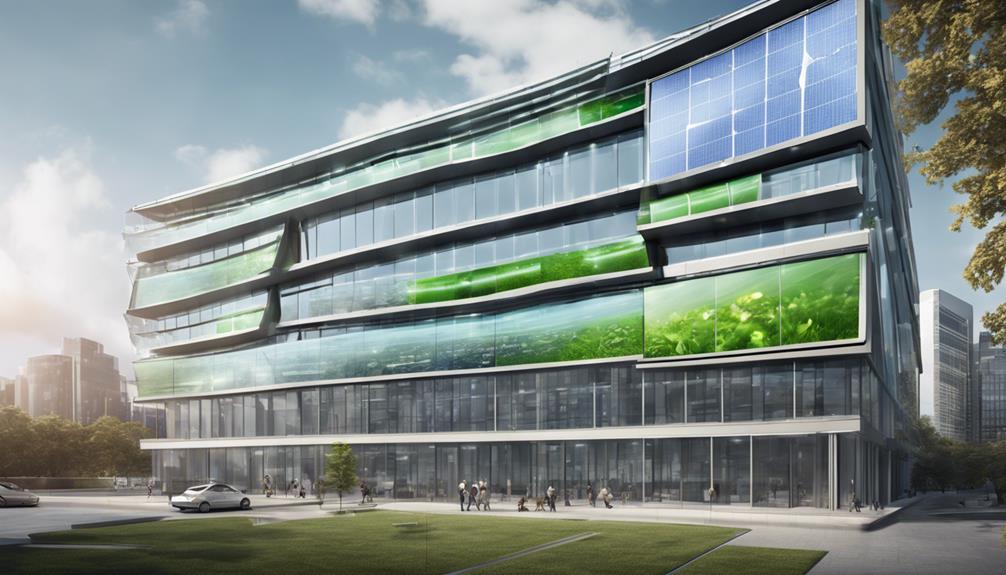
Don't overlook photovoltaic glass, which transforms windows into energy-producing panels, offering a dual benefit of light control while generating power.

Incorporating these materials means you're investing in technology that pays off both environmentally and economically. It's not only about choosing products that are sustainable, but also about selecting those that can adapt and evolve with technological advances. This approach ensures your building remains both modern and functional over its lifespan without frequent need for resource-intensive upgrades.

Conclusion

You've explored the top smart tech tips to revolutionize your commercial architecture. By integrating IoT, implementing smart lighting, and enhancing security with biometrics, you're setting a robust foundation. Utilizing energy management tools and adopting smart glass tech further boost efficiency and sustainability. Don't overlook the importance of advanced sensors and smart elevators. Remember, planning for future upgrades and emphasizing sustainable materials are crucial for staying ahead. Embrace these innovations to ensure your building is not just modern but future-ready.

Related articles: Integrating Smart Tech in Modern Architecture

incorporating technology into architecture

Integrating Smart Tech in Modern Architecture

As you explore incorporating smart tech into modern architecture, you'll find it's not just about adding convenience; it's a comprehensive enhancement of energy efficiency, safety, and aesthetic values. You can manage your home's climate and energy using intuitive systems that learn from your habits, improve security with biometric tech, and reduce energy costs with interconnected IoT devices. Advanced lighting and climate controls connect seamlessly with renewable energy sources, consistently optimizing your living space's comfort and functionality while prioritizing sustainability. Moreover, these technologies adapt to both your needs and the environmental demands, continuously evolving as you further explore their potential.

Exploring Energy Management Systems

In today's world, effectively managing energy consumption is crucial, and smart technology offers innovative solutions. Imagine you're controlling your home's climate, lighting, and appliances with just a few taps on your smartphone. It's not just convenient; it's also incredibly efficient.

Smart thermostats learn your habits and adjust the heating and cooling to suit your schedule, reducing energy waste. You're not only saving money but also contributing to a larger cause: reducing your carbon footprint.

Smart lighting systems go beyond simple on and off switches. They adjust the brightness based on the time of day and presence in the room, ensuring that no energy is wasted on an empty space. Moreover, these systems integrate seamlessly with solar panels and other renewable energy sources.

You can monitor and manage your energy production and consumption in real-time, optimizing the use of available resources. This integration is pivotal as it transforms how you interact with your home's energy systems, making you an active participant in energy conservation.

Embrace these technologies, and you'll see how they revolutionize not only how you interact with your home but also how you contribute to a more sustainable world.

Enhancing Security With Biometric Technology

Biometric technology significantly enhances security by personalizing access to your home. Imagine never needing to fumble for keys again — your fingerprint, iris, or facial recognition grants you entry. This isn't just about convenience; it's about creating a nearly impenetrable barrier against unauthorized access. You control who comes in and when, ensuring that only recognized individuals can enter.

Moreover, integrating biometrics with your home security system elevates the safety of your living space. If there's an attempt to breach your secure entry, you'll receive instant notifications on your devices. This real-time alert system doesn't just protect against burglaries; it enhances your ability to monitor and control access remotely.

You can even set temporary access for visitors or service personnel without compromising your overall security.

Think of biometric technology as your personal security guard, always on duty and recognizing only familiar faces, fingerprints, or eyes. It removes the risk of lost or stolen keys and the potential for copied access codes. With biometrics, your home's security adapts to the unique identifiers of your family, creating a personalized and secure environment that keeps pace with modern life.

Implementing IoT for Building Efficiency

Shifting focus to the implementation of Internet of Things (IoT) technology, you'll find it revolutionizes building efficiency. By integrating IoT devices throughout a building, you're not just installing technology; you're embedding a smart network that communicates and optimizes itself to enhance the way the building operates. This isn't just about saving energy; it's about creating environments that adapt to the needs of those inside them.

Imagine sensors that monitor air quality and adjust HVAC systems in real time, ensuring optimal conditions while conserving energy. Or consider IoT-enabled systems that manage water usage, detecting leaks or inefficiencies that often go unnoticed until they're costly problems. By leveraging these technologies, you're not only making the building more sustainable but also significantly reducing operational costs.

Furthermore, with IoT, building maintenance transforms from reactive to proactive. Sensors can predict equipment failures before they occur, allowing for timely maintenance that minimizes downtime and extends the lifespan of the building's infrastructure.

This integration doesn't just add value; it fundamentally changes how buildings are managed, making them smarter, more responsive, and inherently more efficient. As you move forward, these IoT solutions aren't just options but essential components in modern architectural design.

Advancements in Smart Lighting Solutions

As we delve into advancements in smart lighting solutions, it's clear that this technology has moved beyond simple on-and-off functionality. You're now entering a realm where lighting doesn't just illuminate your space; it enhances your life.

Imagine your home or office lights adjusting automatically based on the time of day or the weather outside. This isn't a distant dream—it's today's reality.

Smart lighting systems utilize sensors and AI to optimize light levels, saving energy and reducing your utility bills. You can control these systems via smartphone apps or voice commands, making them not only efficient but also incredibly convenient.

Picture adjusting the ambiance of a room with just a few taps on your phone or a simple voice command.

Moreover, these systems integrate seamlessly with other smart home technologies, providing a holistic experience. They can even learn from your behavior. Forgot to dim the lights before bed? Don't worry, your smart system remembers your preferences and adjusts accordingly.

This isn't just about practicality; it's about creating mood and enhancing aesthetics. Whether you're setting the scene for a dinner party or focusing on work, smart lighting adapts to your needs, transforming how you interact with your environment.

Automation in Climate Control Systems

Moving seamlessly from smart lighting to the realm of climate control, modern technology now allows you to tailor your indoor environment with precision. With automated climate control systems, you're able to adjust temperatures, manage humidity, and enhance air quality with minimal effort. These systems learn from your habits and preferences, automatically creating the perfect atmosphere for comfort and energy efficiency.

You can control these settings from your smartphone or voice-activated devices, making it easier than ever to manage your home's climate, even when you're away. This isn't just about comfort; it's also about reducing your carbon footprint and slashing energy costs. The system's smart sensors detect when a room is unoccupied, adjusting the environment accordingly to avoid unnecessary heating or cooling.

Moreover, integration with other smart home systems allows for a cohesive approach to energy management. For example, your climate control can work in tandem with smart windows that adjust tint and opacity to keep out heat during summer or insulate the house during colder months. It's a complete system that not only improves your living conditions but also contributes to a sustainable future.

Future Trends in Smart Building Materials

Exploring the future of architecture, smart building materials are set to revolutionize how structures interact with their environment. Imagine buildings that heal themselves, adapt to weather changes, and optimize energy use without human intervention. You'll see facades that shift and breathe, windows that adjust to light automatically, and walls that regulate indoor temperatures.

You're stepping into a world where construction materials aren't just inert substances; they're dynamic components equipped with sensors and IoT connectivity. These materials can detect structural weaknesses, alerting you to potential issues before they escalate. This isn't just about safety; it's about sustainability. By significantly reducing the need for repairs and replacements, these materials extend the life of buildings and lessen environmental impact.

Looking ahead, expect to see more integration of nanotechnology and biotechnology in building materials. Nanotech offers materials that are stronger yet lighter, while biotech can lead to living materials that might even absorb pollutants from the air. You'll be part of selecting these materials, not just for their functionality but for their ability to reduce your carbon footprint.

As you plan your next project, think of these innovations not just as building materials, but as essential partners in sustainable development.

Conclusion

You're stepping into a future where your living and working spaces are as smart as they are stylish. Imagine managing energy seamlessly, enhancing security with a touch, and optimizing building efficiency through IoT. Advances in smart lighting and climate control aren't just convenient—they're revolutionizing how you interact with your environment. As you embrace these innovations, keep an eye on emerging smart materials that promise even more integrated, sustainable living spaces. The future of architecture isn't just about buildings; it's about better living.

Related articles: Top 10 Smart Tech Tips for Commercial Architecture

top smart tech solutions

5 Best Smart Technologies in Commercial Architecture

In your quest to discover cutting-edge smart technologies in commercial architecture, you'll encounter innovations like automated climate control systems that tailor your building's temperature to real-time external conditions and occupancy. Intelligent lighting solutions maximize efficiency by adapting to natural light and occupancy patterns. For security, systems equipped with facial recognition technology ensure unparalleled safety. Energy-efficient building materials pave the way for lower operational costs and a smaller carbon footprint, while integrated building management systems centralize control over key building functions, reducing overall energy consumption. Exploring these technologies further can open up a world of possibilities for your architectural projects.

Automated Climate Control Systems

Automated climate control systems frequently transform how energy is managed in commercial buildings. When you're managing a large space, whether it's an office complex or a retail center, the efficiency of your heating, ventilation, and air conditioning (HVAC) system isn't just about comfort—it's crucial for reducing energy consumption and operational costs. These smart systems adapt to both external weather conditions and internal occupancy levels, dynamically adjusting to optimize temperature and air quality.

Imagine walking into your building on a chilly morning to find it perfectly warm, not because the heat's been blasting all night, but because the system anticipated the need based on forecast data and occupancy sensors. This isn't just convenient; it's a game changer in energy management. You're not only saving money but also contributing to a sustainable future.

Moreover, the data collected by these systems can be invaluable. You'll see patterns in energy use that can lead to further optimizations—maybe certain areas don't need as much heating or cooling at specific times.

Intelligent Lighting Solutions

Just as smart climate control has transformed energy management, intelligent lighting solutions are redefining efficiency and comfort in commercial buildings. With advancements in sensor technology and integration capabilities, you can now enjoy lighting systems that adapt to both the natural light available and the specific needs of each space within a building.

Imagine walking into a room where the lights adjust automatically based on the time of day, occupancy, and even the colors of the walls.

These systems aren't just about convenience; they're also incredibly energy efficient. By using LED fixtures that integrate with occupancy sensors and daylight harvesting technologies, you're not only cutting down on your energy consumption, but you're also reducing your carbon footprint. It's a win-win for you and the environment.

Furthermore, intelligent lighting systems can be managed remotely through a centralized platform, allowing for real-time adjustments and monitoring. This level of control ensures that no energy is wasted, and it enhances your ability to maintain optimal lighting conditions without constant manual intervention.

Embracing intelligent lighting solutions means investing in a smarter, more sustainable future for your commercial space. It's a straightforward step towards creating environments that are both beautifully illuminated and impeccably efficient.

Advanced Security Technology

As the landscape of commercial security evolves, advanced security technology steps in to provide unparalleled protection and peace of mind. Imagine walking into your building and knowing that every corner is monitored with precision yet seamlessly integrated to maintain aesthetics. You're not just buying a security system; you're investing in a smarter, safer environment.

Facial recognition technology ensures that only authorized personnel can access sensitive areas. It's quick, efficient, and eliminates the need for cumbersome key cards or access codes.

You'll also find real-time monitoring systems that alert you to any unusual activity, no matter where you are. These systems aren't just reactive; they're proactive, using predictive analytics to identify potential threats before they materialize.

Additionally, integrated alarm systems now communicate directly with law enforcement, speeding up response times during emergencies. Gone are the days of false alarms and unnecessary disruptions. Every alert is verified, ensuring that you receive assistance only when it's truly needed.

You're not just protecting your physical assets but also ensuring the safety and confidence of everyone in the building. Advanced security technology isn't just an investment in safety—it's a cornerstone in building a resilient and forward-thinking business.

Energy-Efficient Building Materials

Shifting focus to the core of sustainable design, energy-efficient building materials are revolutionizing how commercial structures are built. You're seeing a surge in materials that not only reduce energy costs but also decrease carbon footprints.

Imagine your building enveloped in advanced insulation panels that drastically cut heating and cooling demands. Or consider thermochromic windows that adjust their tint based on the sunlight's intensity, maintaining optimal indoor temperatures without excessive air conditioning use.

Concrete, a staple in construction, has transformed too. You've got options like high-performance concrete that ensures longevity and less frequent replacements. This isn't just about saving money; it's about reducing resource use and enhancing energy conservation.

Moreover, the rise of recycled materials is pivotal. By incorporating reclaimed wood or recycled steel, you're not just constructing a building; you're endorsing a cycle of sustainability that supports global eco-efforts. These materials often come with improved performance metrics, proving that you don't have to compromise on quality or aesthetics for the sake of eco-friendliness.

Choosing these innovative materials means you're building smarter, not harder. You're creating spaces that are as efficient as they're inspiring, setting a new standard in commercial architecture.

Integrated Building Management Systems

Efficiency reaches new heights with integrated building management systems (IBMS) in commercial architecture. You'll find that these systems aren't just a component of modern buildings; they're a transformative tool that optimizes the operation and energy use of your property. By centralizing the control of systems such as HVAC, lighting, and security, IBMS reduce energy consumption and maintenance costs, leading to significant savings.

Imagine you're managing a building where every system communicates seamlessly. With IBMS, you can monitor and adjust settings from a single interface, whether you're on-site or miles away. This not only simplifies building management but also enhances responsiveness to issues as they arise.

Furthermore, the data collected by IBMS can be eye-opening. You'll gain insights into usage patterns and system performance, enabling you to make informed decisions about upgrades and energy use. This is crucial for maintaining an environmentally friendly and cost-effective facility.

Incorporating IBMS into your building isn't just about keeping up with technology—it's about staying ahead. Embrace these systems to not only enhance building functionality but also to contribute to a sustainable future.

Conclusion

You've seen how cutting-edge smart technologies can transform commercial buildings into more efficient, secure, and comfortable spaces. By integrating automated climate controls, intelligent lighting, advanced security systems, energy-efficient materials, and comprehensive building management systems, you're not just constructing buildings; you're creating future-ready environments. Embrace these innovations to ensure your projects are at the forefront of commercial architecture, offering both functionality and sustainability. Lead the way in smart building solutions and set new standards in the industry.

Related articles: Integrating Smart Tech in Modern Architecture

embracing nature in offices

Authentic Biophilic Design Trends in Workspaces

You're on the right track if you're incorporating abundant natural light, indoor vertical gardens, soothing water features, sustainable materials, and earthy color schemes into your workspace. These elements not only bolster well-being and productivity but also connect you directly with nature. Maximize sunlight with well-placed windows and use reflective surfaces to enhance light's reach. Add a vertical garden to purify the air and a water feature to elevate ambiance. Opt for natural fibers and recycled materials to minimize your environmental impact. Experimenting with these trends could transform how you feel and work each day. Stick around for more enriching tips that bring the outside in.

The Rise of Natural Light

The importance of natural light in modern interiors has surged, as more homeowners and designers recognize its benefits. You'll find that integrating more natural light not only enhances the aesthetic appeal of your space but also significantly improves your well-being. Exposure to sunlight boosts your vitamin D levels, which is crucial for bone health and immune function.

Moreover, natural light regulates your body's circadian rhythms, helping you sleep better at night.

When you're planning your workspace, consider the placement of windows to maximize sunlight exposure. Large, unobstructed windows or skylights can flood your area with light, reducing the need for artificial lighting and cutting down on energy costs. You might also think about using reflective surfaces to bounce light around the room, ensuring even the darker corners get a bit of sunshine.

Additionally, the color palette you choose can influence the perception of natural light in your workspace. Light colors and muted tones can make your space feel brighter and more open. Remember, the goal is to create an environment where you feel energized and productive.

With thoughtful design choices, you can harness the power of natural light to transform your workspace into a vibrant, healthy area.

Indoor Vertical Gardens

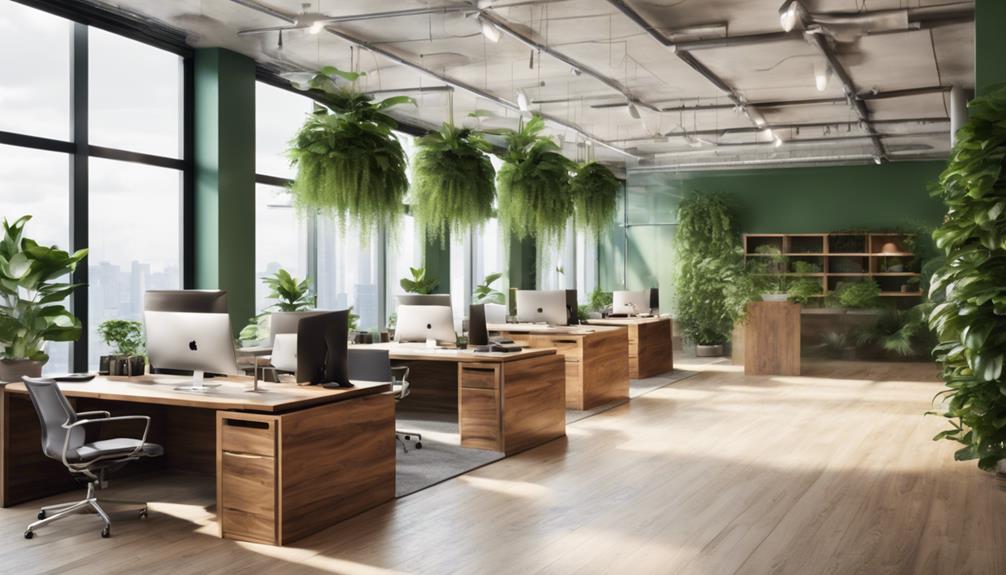
Bringing nature indoors has never been more stylish than with indoor vertical gardens. Imagine transforming your bland office walls into lush, living landscapes. These aren't just aesthetically pleasing; they're a breath of fresh air—literally. Plants naturally purify the air, removing toxins and improving indoor air quality. You'll breathe easier, and you might just find that your focus sharpens, too.

Vertical gardens are versatile. You can choose from a variety of plants that thrive indoors, from ferns and mosses to small flowering plants. Each selection offers different textures and shades of green, creating a visually dynamic space. You're not just installing a garden; you're crafting an environment that enhances well-being.

Care for these living walls is simpler than you might think. Many come with integrated watering systems, and with the right light conditions, maintenance can be minimal. This isn't just a trend; it's a practical, sustainable approach to design.

Your workspace should be a place of inspiration and vitality. By incorporating a vertical garden, you're setting a standard for a healthier, more engaging work environment. Step into your office and into nature every day.

Incorporating Water Features

Often, integrating water features into your interior design not only elevates the aesthetic appeal but also significantly enhances the ambiance of your space. You'll find that the sound of trickling water isn't just soothing; it can increase focus and productivity by drowning out distracting noises.

Imagine a small waterfall or fountain in your workplace, creating a serene environment that invites calm and encourages creativity.

You might think installing a water feature sounds complicated, but it's simpler than you'd expect. Start with something small, like a tabletop fountain, which doesn't require complex plumbing. As you get comfortable, you could consider larger, more interactive installations such as a wall-mounted waterfall or a koi pond.

These elements bring a piece of nature right into your work area, making it more lively and inviting.

Sustainable Materials Usage

Transitioning to sustainable materials isn't just a trend; it's a necessity for eco-friendly design. As you rethink your workspace, consider the profound impact of your material choices on both the environment and workplace well-being. You're not just selecting materials; you're making a statement about your company's values and commitment to sustainability.

Wood, for instance, is a core element in biophilic design. Opt for reclaimed or responsibly sourced wood, which reduces deforestation and lowers carbon footprints. It's not only about the origin but also about the end of life cycle. Choose materials that are recyclable or biodegradable to ensure they can return to the earth without harming it.

Bamboo is another excellent choice. It's fast-growing, making it highly renewable, and it has the tensile strength of steel, which is great for durable furniture and fixtures.

Additionally, integrating natural fibers like jute or sisal can enhance the aesthetic and functionality of your space while keeping environmental impact low.

Biophilic Color Schemes

As you explore biophilic design, consider how color schemes drawn from nature can transform your space. You'll find that harnessing earthy tones—deep greens, rich browns, sandy beiges—can evoke a sense of calm and connection to the outdoors. These colors don't just look beautiful; they enhance your well-being, reducing stress and boosting productivity.

Think about how the soft greens of leafy plants or the dark browns of wet soil can be incorporated into your office's walls, floors, or furnishings. Imagine stepping into a room where the color palette reminds you of a peaceful forest or a tranquil beach. This isn't just about aesthetics; it's about creating an environment that mentally and physically supports you.

You can accent these natural hues with brighter, organic colors, like sky blue or sunrise orange, to add vibrancy and energy to your workspace. The key is to blend these colors seamlessly, ensuring they're not overpowering but rather, complementing each other and fostering a cohesive and soothing atmosphere.

Integrating Outdoor Elements

Building on the foundation of biophilic color schemes, you can further enhance your connection to nature by integrating outdoor elements into your workspace. Start by incorporating natural materials such as wood, stone, and bamboo. These materials don't just add a touch of nature; they also bring a sense of calm and grounding to your environment.

Consider installing large, expansive windows or even skylights to usher in more natural light and provide views of the outdoors. If you're in a dense urban area, create a small garden or green wall. This isn't just for aesthetics; these living elements help purify the air and can boost your mood and productivity.

Don't overlook the power of water features. A small tabletop fountain or a strategically placed aquarium can introduce soothing sounds and movement, mimicking the tranquil effects of a natural setting.

Lastly, integrate outdoor elements in your furniture choices. Opt for pieces made from natural fibers or upcycled outdoor elements. Not only do these choices sustain the biophilic design, but they also promote sustainability.

Conclusion

You've explored the transformative power of biophilic design in workspaces, from basking in natural light to surrounding yourself with indoor vertical gardens. Integrating water features and using sustainable materials not only enhance your surroundings but also promote well-being. By adopting biophilic color schemes and blending outdoor elements indoors, your workspace becomes a sanctuary where creativity and productivity flourish. Embrace these trends and watch how they positively influence your daily work experience and overall health.

Related articles: 5 Best Smart Technologies in Commercial Architecture

biophilic design in offices

Is Biophilic Design Really Architect-Approved for Offices?

Yes, biophilic design is indeed architect-approved for office spaces. By integrating elements of nature into your work environment, you'll not only enjoy aesthetic enhancements but also reap significant health and productivity benefits. Architects recognize that incorporating natural light, plants, and materials like wood or stone can reduce stress and revitalize your workplace. Despite challenges such as integrating these elements into existing structures, the overall impact on wellbeing and creativity makes it a sought-after design approach. Successful examples, like Etsy's headquarters and Microsoft's campus, underline its effectiveness. There's much to explore about how this trend can transform your own office space.

Defining Biophilic Design

Integrating nature into indoor spaces, biophilic design focuses on enhancing connectivity between humans and the natural environment through the use of direct nature, indirect nature, and space and place conditions. When you bring elements like plants, water features, or natural light into your workspace, that's direct nature at work.

Indirect nature involves using materials, colors, and textures that evoke the outdoors, like wood finishes, stone surfaces, or botanical motifs.

Space and place conditions go a bit deeper. They're about creating environments where you feel a spatial harmony akin to what you might experience in nature. This could be achieved through the use of scale, proportion, and layout that mimic the natural world.

For instance, arranging office spaces so they open up to outdoor views or incorporating pathways that mimic meandering rivers can help.

It's about more than just aesthetics; it's about creating a sense of environment where comfort and productivity meet naturally. You're not just putting a plant on your desk; you're transforming your workspace into a place that feels more alive and connected to the natural world.

This approach can redefine how you interact with your office and how you feel while you're there.

Benefits for Office Workers

Understanding the principles of biophilic design leads us to appreciate how it benefits office workers specifically. By integrating natural elements into your workplace, you're not just adding aesthetic value; you're enhancing your overall well-being.

Imagine stepping into an office that doesn't just house desks and computers, but also living plants, natural light, and materials that mimic the outdoors. It's not just about beauty; it's about creating an environment where you can thrive.

Studies show that offices featuring natural elements can reduce stress and increase productivity. When you're surrounded by greenery and sunlight, your mental health improves, leading to better focus and lower fatigue. This isn't just speculation; it's backed by research.

Natural settings have a proven effect on reducing cortisol levels, the stress hormone, which in turn can boost your creativity and problem-solving skills.

Moreover, biophilic design can improve air quality in your office. Plants are known to filter pollutants, providing you with cleaner air to breathe. Cleaner air means fewer toxins in your body, less sickness, and more energy to tackle your tasks.

Ultimately, working in a biophilic-designed space isn't just good for your health; it enhances your work performance by creating a more invigorating and restorative environment.

Architectural Integration Challenges

While biophilic design offers numerous benefits, incorporating it into existing office architectures poses significant challenges. You're faced with structural limitations when retrofitting older buildings with natural elements. It's not just about placing plants or adding a water feature; it involves integrating these elements in a way that doesn't compromise the building's structural integrity or functionality.

You also have to consider the existing layout. Many offices weren't designed with natural light or airflow in mind, which are crucial for biophilic design. You might find it tough to create open spaces that allow for adequate sunlight without undertaking major renovations.

Additionally, integrating advanced systems for water recycling or energy efficiency, which complement biophilic elements, can be complex and costly.

Maintenance is another hurdle. Integrating natural elements means more than just installation; it's about ensuring they thrive. This requires ongoing commitment and resources which mightn't always be feasible in your budget or schedule.

Lastly, there's the issue of aesthetics. While you aim for a design that's both functional and appealing, not every attempt at biophilic design fits well with the existing architectural style. You need to strike a balance that respects the building's character while incorporating new, naturalistic elements.

Key Elements in Biophilic Offices

Biophilic design transforms your office into a vibrant, nature-infused space that promotes well-being and productivity. Key elements include natural lighting, vegetation, natural materials, and nature views. These components don't just beautify the space; they fundamentally change how you feel and function within it.

Natural lighting is crucial. It not only saves energy but also syncs with your circadian rhythms, enhancing your alertness and reducing eye strain. Incorporate large windows and skylights wherever possible to maximize daylight exposure.

Vegetation is another vital component. Integrating plant life, whether through indoor gardens, living walls, or simple potted plants, improves air quality and adds a calming, natural aesthetic. This connection to nature can significantly reduce stress and boost your mood.

Using natural materials like wood, stone, and bamboo can also enhance biophilic design. These elements bring the outside in and create a sense of warmth and authenticity in your workspace.

Lastly, ensure your office layout provides nature views. Even pictures of landscapes can help, but real, direct views through windows are ideal. They provide a visual escape and a reminder of the world outside, keeping you refreshed and focused.

Case Studies of Successful Implementations

Numerous companies have successfully integrated biophilic design into their workspaces, showcasing significant improvements in employee well-being and productivity. Take, for instance, Etsy's headquarters in Brooklyn. They've embraced natural elements extensively, incorporating living walls, reclaimed wood furnishings, and ample natural lighting. This hasn't just boosted the aesthetic appeal but also enhanced the overall office atmosphere.

Similarly, Microsoft's campus in Redmond underwent a transformation that prioritized biophilic design. They introduced treehouse meeting spaces and natural light-filled atriums. These changes have made the workspace not just a place to work, but a place where creativity is nurtured through nature's presence.

In London, the global marketing firm Octopus Energy took a unique approach by installing solar panels and green roofs. These features, combined with indoor gardens, create a sustainable environment that reinforces their brand's commitment to renewable energy.

These examples illustrate how integrating nature into office design doesn't just look good – it works effectively. You'll see that these aren't isolated cases; they're part of a growing trend that's reshaping how companies think about the workplace. This move towards biophilic design isn't just a passing fad, it's becoming a fundamental part of modern architectural practice in office environments.

Feedback From Office Employees

From the perspective of the office employees, the introduction of biophilic elements has been met with overwhelming positivity. You've likely noticed the changes yourself. Natural light now floods your workspace, live plants soften the once stark office corners, and perhaps there's even a soothing water feature that greets you as you step in. It's not just aesthetic; you feel different, don't you?

Your coworkers echo these sentiments. During breaks, the conversations often drift to how these new, green additions have transformed the mood and atmosphere. You're not imagining it—studies suggest that workspaces with natural elements can boost well-being and productivity.

Your colleague, who once complained about constant headaches, now remarks on fewer occurrences, attributing this change to the improved air quality from the plants.

Feedback forms circulated last month reveal a significant approval rate. You might remember ticking off 'highly satisfied' regarding your enhanced work environment. It's clear that these biophilic modifications aren't just a fleeting trend within your office, but a deeply appreciated transformation that has tangibly improved your daily work experience.

Future Trends in Office Design

As we look ahead, office design is set to evolve even further, embracing technology and sustainability to meet changing demands. You'll see more dynamic spaces that not only adapt to functional needs but also promote well-being and productivity. Imagine walking into an office where the layout, lighting, and even the temperature adjust automatically to optimize your comfort and efficiency throughout the day.

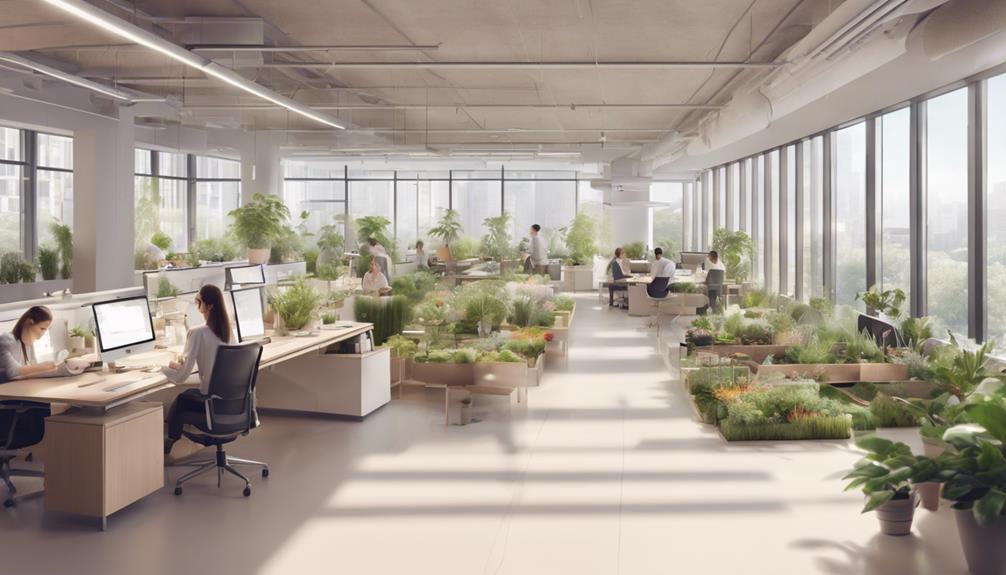
You're likely to encounter more integrated green spaces, not just for aesthetic appeal but as critical elements that enhance air quality and provide natural stress relief. Offices will incorporate advanced biophilic designs, where elements of nature are intertwined with the work environment, going beyond mere houseplants to include living walls, water features, and ample daylight.

Moreover, technology will play a crucial role. You'll interact with smarter, more intuitive systems. From AI-driven air purifying systems to responsive acoustic panels that adjust based on noise levels, the office of the future is designed to be as responsive as it's functional.

Sustainability won't just be an option; it'll be the standard. Offices will use materials and technologies that minimize environmental impact, supporting a greener planet. You'll work in spaces that not only look good but also do good, fostering a deeper connection to the environment.

Conclusion

As you consider revamping your office, embracing biophilic design isn't just a trend; it's architect-endorsed and beneficial. Integrating natural elements can transform your workspace, boosting productivity and well-being. While challenges exist, successful case studies provide a clear roadmap. Employees' positive feedback underscores its value. Looking ahead, expect biophilic principles to become increasingly central in office design. So, why not start planning your office's connection to nature today? It's a step towards a healthier, more vibrant workplace.

Related articles: Authentic Biophilic Design Trends in Workspaces

biophilic design trends workplaces

7 Best Biophilic Design Trends for Workspaces

To elevate your workspace, consider these top seven biophilic design trends: incorporate living green walls for a fresh, airy feel; maximize natural light exposure to boost mood and productivity; add soothing water features; opt for natural, sustainable materials; embrace nature-inspired colors and textures; utilize dynamic and diffuse lighting for a calm environment; and foster indoor-outdoor spaces to blend the best of both worlds. These elements not only enhance aesthetics but also promote wellbeing. Curious about how these features can transform your work environment? Discover the profound impact each element can have on your daily work life.

Incorporating Living Green Walls

Living green walls are increasingly becoming a staple in modern workspaces. You'll find these vibrant installations transforming dull office environments into lively, inspiring settings. By integrating dense foliage vertically, they not only enhance the aesthetic appeal but also contribute significantly to the psychological and physical well-being of everyone in the office.

You might wonder how a wall filled with plants could impact your day-to-day work life. Well, studies show that being surrounded by greenery reduces stress and increases worker productivity. These walls act as natural air filters, pulling contaminants out of the air and releasing oxygen, making your office a fresher, healthier place to work.

Additionally, if you're concerned about acoustics, these green walls can help. They naturally absorb sound, reducing noise levels in open-plan offices. This means you're less likely to be distracted by the conversations of your colleagues and more able to concentrate on your tasks.

Incorporating a living green wall isn't just a design trend; it's a smart, sustainable choice that supports a healthier, more productive workplace. Consider convincing your management to invest in this green infrastructure. It's not just good for the environment; it's great for your work experience too.

Maximizing Natural Light Exposure

While living green walls offer a unique approach to bringing nature indoors, maximizing natural light exposure is equally crucial for creating an engaging and productive workspace. You'll find that natural light not only enhances the aesthetic appeal of your office but also boosts your mood and energy levels, essential for maintaining productivity throughout the day.

To start, consider the placement of your workspace's windows. You'll want to position desks and seating areas where they can benefit from the maximum amount of daylight without being hindered by harsh glares. Adjustable window treatments, like blinds or sheer curtains, can help you manage the light intensity and distribute it evenly across the room.

Next, think about using reflective surfaces to enhance light distribution. Mirrors strategically placed opposite windows can double the natural light in a room, making the space feel larger and more open.

Similarly, choosing furniture and flooring with lighter colors can help reflect light, brightening up the area effectively.

Lastly, if you're planning a renovation or new build, incorporating larger windows or even skylights can dramatically increase your natural light exposure, tying the whole biophilic design together. Remember, the goal is to create a space that feels both invigorating and connected to the natural world outside.

Integrating Water Features

Transitioning from enhancing natural light, integrating water features into your workspace can significantly boost the calming ambiance. Imagine the soothing sound of water flowing gently beside your desk, creating a peaceful environment that encourages focus and reduces stress. You're not just adding an aesthetic element; you're enhancing your mental well-being and productivity.

Incorporating small tabletop fountains or wall-mounted waterfalls doesn't require massive renovations. These features can be compact, self-contained, and easy to maintain. They add a dynamic visual element while the sound of water masks distracting noises, such as background chatter or traffic.

Consider the placement of these water features carefully. Positioning a small fountain near the entrance or in common areas where you and your colleagues often gather for breaks can maximize its benefits.

The visual and auditory experience of the water feature can become a central relaxing point in the workspace.

Moreover, think about the type of water feature that best suits your office's overall design. Whether it's a minimalist modern piece or something that mimics nature with rocks and plants, it should align with the aesthetic of your workspace to enhance the overall biophilic effect. This integration not only boosts morale but also brings a slice of nature right to your doorstep.

Choosing Natural, Sustainable Materials

After exploring how water features can transform your workspace, let's focus on another key aspect of biophilic design: choosing natural, sustainable materials. You're not just creating a space that looks good; you're building an environment that sustains both health and the planet.

Firstly, consider the basics: wood, bamboo, and cork. These materials aren't just aesthetically pleasing; they're also renewable and carry minimal environmental footprints when sourced responsibly. You'll want to look for certifications like FSC (Forest Stewardship Council) to ensure the wood is harvested sustainably.

Next, think about the stone. Whether it's a marble coffee table or granite countertops, natural stone offers durability and a unique connection to the earth without the need for synthetic materials. Plus, its longevity means you won't be replacing items frequently, reducing waste.

Don't forget about lesser-known materials like hemp and jute. These can be fantastic for items like rugs or window treatments. They aren't only sustainable but also add a raw, natural texture to your space.

Utilizing Nature-Inspired Colors and Textures

Incorporating nature-inspired colors and textures into your workspace not only enhances aesthetic appeal but also fosters a deeper connection to the natural world. You'll find that using soft greens, earthy browns, and muted blues can transform the feel of your environment, making it more calming and inviting. These colors mimic the outdoors and can significantly reduce stress and increase creativity.

Don't stop at just colors; integrating natural textures amplifies this effect. Consider materials like bamboo, reclaimed wood, or stone. These elements bring an authentic touch of nature into your space, making it feel more organic and less manufactured.

Textures that replicate the outdoors, such as rough wood grains or smooth pebbles, add depth and interest, engaging your senses on a deeper level.

Incorporate these elements through furniture choices, wall finishes, or decorative accents. For example, a bamboo desk, stone coasters, or woolen throws not only serve their functional purposes but also contribute to a biophilic environment.

Designing With Dynamic and Diffuse Light

As you explore the benefits of biophilic design, consider the impact of dynamic and diffuse light in your workspace. Dynamic lighting mimics the natural variability you'd experience outdoors, enhancing your connection to the natural world even while indoors. It adjusts in intensity and color temperature throughout the day, aligning with your body's circadian rhythms, thus boosting your mood and productivity.

Diffuse light, on the other hand, is soft and gentle, reducing glare and the harsh contrasts that often lead to eye strain. You can achieve this by using materials like frosted glass or light-diffusing window treatments. These not only soften the light but also help distribute it more evenly throughout the space, creating a calm, inviting atmosphere.

Incorporating these lighting techniques isn't just about placing a few well-designed lamps or installing new windows. It's about creating a lighting scheme that shifts and changes, reflecting the time of day and seasonal changes, much like the natural environment does.

This approach can reduce your reliance on artificial lighting, which not only cuts down on energy costs but also enhances your overall well-being. Remember, good lighting is key to a truly biophilic environment.

Fostering Indoor-Outdoor Workspaces

You can enhance your workspace by creating seamless transitions between indoor and outdoor environments. Imagine sliding doors that open to a courtyard or large windows that blur the lines between inside and outside. By incorporating elements like retractable walls or elevated decks, you're not just adding aesthetic value but also promoting a healthier, more dynamic workspace.

Consider integrating natural materials such as wood, stone, and bamboo in both areas. These materials can harmonize indoor furnishings with outdoor greenery, creating a cohesive look that soothes the mind and boosts creativity. Adding planters or green walls inside that mimic the plants outside can further strengthen this connection.

Don't forget about the practical aspects. Ensure that outdoor seating is comfortable and functional, suitable for both relaxed and formal work settings. Weatherproofing is crucial to protect against the elements, ensuring that the outdoor space is as usable as the indoor.

Lastly, think about the sensory experiences. The sound of water features, the scent of blooming flowers, and the tactile nature of outdoor materials can all enhance the biophilic benefits, making your workspace a place where people thrive. By fostering these indoor-outdoor workspaces, you're not just designing; you're transforming how work feels.

Conclusion

You've explored the top biophilic design trends that can transform your workspace into a vibrant, nature-inspired haven. By integrating living green walls, maximizing natural light, incorporating water features, using sustainable materials, and embracing nature-inspired aesthetics, you're setting the stage for a healthier, more productive environment. Remember, it's not just about aesthetics; it's about fostering a space where you can thrive. Embrace these trends and watch your workspace come alive!

Related articles: Is Biophilic Design Really Architect-Approved for Offices?

biophilic design office tips

Top 3 Tips for Biophilic Design in Offices

To elevate your office space, start by maximizing natural light; position desks near windows to enhance mood and productivity and use reflective surfaces to distribute light evenly. Next, incorporate living green walls to improve air quality, reduce stress, and buffer noise, which collectively ramp up energy levels and focus. Lastly, select nature-inspired materials like natural wood for furniture and earth tones for decor to create a calming, stress-reducing environment. These strategies not only boost well-being but also productivity. There's much more to uncover about biophilic design that can benefit your workplace even further.

Maximize Natural Light

Integrating abundant natural light into your office design not only enhances the aesthetic appeal but also boosts productivity and well-being. By positioning desks and workstations near windows, you're not just giving yourself a view; you're tapping into a natural source that regulates your internal clock and improves mood. It's crucial, however, to manage the amount of direct sunlight to avoid glare, which can lead to eye strain and discomfort. Using adjustable blinds or shades can help you control light levels without sacrificing the benefits.

Consider the orientation of your office space. North-facing windows provide consistent, natural light with minimal direct sunlight, reducing the risk of glare.

South-facing windows, on the other hand, offer more daylight hours, which can be beneficial during the winter months but may require more shading solutions in the summer.

To further enhance natural light, use reflective surfaces and a light color palette. Mirrors strategically placed opposite windows can double the light entering a room, and light-colored walls, ceilings, and floors will help distribute it evenly. This approach not only makes your office feel more spacious and open but also reduces the need for artificial lighting, saving energy and costs.

Incorporate Living Green Walls

Building on the theme of natural elements, consider adding living green walls to your office space. These aren't just stunning visually, but they also breathe life into your work environment, literally enhancing the air quality. Living walls, or vertical gardens, are panels of plants grown vertically using hydroponics. They can be attached to exterior or interior walls.

Incorporating these into your office doesn't just mean you're going green aesthetically; you're also contributing to a healthier workplace. Plants naturally filter pollutants and increase oxygen levels. Imagine the boost in energy and decrease in stress among your team when they're surrounded by a touch of nature.

You'll also find that sound absorption is an added benefit. Office spaces can often echo, which isn't ideal for productivity. Living green walls help reduce noise levels, making your office a quieter, more peaceful place to work.

Maintenance is simpler than you might think, too. Many green walls come with integrated watering systems, so you don't have to worry about watering each plant individually. Choose varieties of plants that thrive indoors and require minimal care, and you'll see that a living green wall can be both beautiful and practical.

Select Nature-Inspired Materials

Continuing with the theme of natural integration, selecting materials inspired by nature is another effective way to enhance your office design. You'll want to focus on elements that not only mimic the outdoors but also promote a sense of calm and wellness among your employees.

Start by choosing natural wood for furniture and flooring. Wood's varied textures and colors bring warmth to any space, and studies show its presence can reduce stress and boost productivity.

Incorporate stone elements, such as slate or marble, in your countertops or reception areas. These materials aren't only durable but also connect your space visually to the natural world.

Don't overlook textiles. Opt for natural fibers like wool, cotton, or linen for your upholstery and window treatments. These materials are sustainable and add an element of tactile comfort that synthetic fibers can't match.

Lastly, consider the color palette. Earth tones such as greens, browns, and beiges are soothing and can make your office feel more inviting. By selecting these nature-inspired materials, you're not just designing a workspace; you're crafting an environment that enhances wellbeing and encourages productivity.

Conclusion

Embrace the transformative power of biophilic design in your office to boost productivity and well-being. Let natural light flood your workspace, invigorating your day-to-day activities. Invest in a living green wall to purify the air and bring a slice of nature indoors. Choose materials that echo the outdoors to strengthen your connection to the natural world. By integrating these elements, you'll create a workspace that not only looks great but also nurtures your creativity and health.

Related articles: 7 Best Biophilic Design Trends for Workspaces

enhancing work environments naturally

Why Incorporate Biophilic Design in Workspaces?

Incorporating biophilic design in your workspace can significantly boost your mental and physical well-being. This approach integrates natural elements like plants, natural light, and organic materials, creating an environment that reduces stress, enhances creativity, and improves air quality. You'll experience an increase in productivity and focus, thanks to spaces that not only look good but also make you feel good. By fostering a deeper connection to nature, biophilic design makes your office more inviting and effective. If you've ever felt drained by a sterile, artificial work setting, you'll appreciate the wearable changes this design philosophy offers, and there's even more to explore on how it can transform your daily work experience.

Defining Biophilic Design

Biophilic design integrates elements of nature into architectural and interior design, fostering a deeper connection between you and the natural environment. This approach isn't just about adding plants to your workspace; it involves a deeper integration of natural light, materials, views, and vegetation into your daily surroundings. You're surrounded by textures and patterns that mimic the outdoors, making you feel more grounded and serene in your office setting.

Incorporating natural elements can be as simple as using wood, stone, or bamboo in the construction and decoration, or as intricate as installing living walls filled with native plants. The idea is to create an environment that reminds you of nature even when you're indoors.

Imagine having a meeting in a room with a panoramic view of a lush garden, or working at a desk where natural sunlight is your main source of light.

Biophilic design also extends to the spatial configurations in workplaces. It promotes spaces that aren't only functional but also inspire calmness and creativity. By using natural shapes and forms, you create an office that doesn't just look good but feels right. This isn't about a superficial aesthetic; it's about creating spaces that fundamentally change how you interact with your work environment.

Benefits to Employee Well-being

When workplaces integrate biophilic design, employees often experience a significant boost in their well-being. You'll find that natural elements like plants, water features, and ample sunlight don't just beautify the space; they actively promote a healthier, more vibrant work environment.

Imagine stepping into an office that's alive with greenery and natural light. It isn't just pleasing to the eye; it reduces stress and enhances your mental health.

You're not just sitting in a building; you're connected to nature, which fundamentally makes you feel more relaxed and at peace. Studies show that elements like indoor plants can improve air quality, which in turn, helps reduce symptoms related to poor indoor environments, such as headaches and eye strain.

Moreover, incorporating natural materials like wood and stone can also influence your mood and stress levels positively. It's about creating a space that doesn't just look good, but feels good.

The sounds of water or the sight of a beautifully landscaped garden can transport you, momentarily, away from the pressures of deadlines and deliver a calming effect.

Think of it this way: a workspace that embraces nature isn't just a place to work; it's a place that works for you, enhancing your day-to-day experiences and overall health.

Impact on Productivity Levels

How does incorporating biophilic design affect your productivity? When you're surrounded by natural elements in your workspace, it's not just your mood that gets a boost—your productivity does too. Studies show that when plants, natural light, and other elements of nature are incorporated into your work environment, they significantly reduce stress and enhance mental stamina. This means you can focus better and stay on task longer without feeling as fatigued.

Think about the last time you worked in a sterile, windowless room compared to a space bathed in natural light with a view of greenery. Where did you feel more energized? Biophilic design taps into your innate connection to nature, helping you feel more refreshed and alert.

This isn't just about feeling good; it translates directly into higher quality work and greater output.

Moreover, natural settings can boost your creative thinking. With enhanced creativity, you're not just working harder; you're working smarter. Solving problems becomes easier, and coming up with innovative ideas happens more naturally.

Enhancing Aesthetic Appeal

Bringing nature into your workspace does more than enhance productivity; it also significantly improves the aesthetic appeal of your environment. Integrating elements like indoor plants, natural light, and organic materials can transform a sterile office into a welcoming, visually pleasing space.

Imagine walking into a room bathed in sunlight, with lush greenery in every corner and exposed wooden beams overhead. It's not just beautiful; it feels right.

You'll find that using natural textures and colors can influence your mood and creativity. Soft earth tones paired with vibrant plant life create a serene backdrop for your daily tasks. It's about adding visual interest and warmth, making your workspace not just functional but also enjoyable.

Moreover, biophilic design isn't just about piling plants around the room. It's about creating a cohesive look that feels intentional.

When you choose furniture, consider materials that echo the outdoors—perhaps a reclaimed wood desk or stone countertops. These elements bring a piece of nature indoors and make your workspace uniquely appealing.

Sustainability and Environmental Impact

Why should you consider the sustainability and environmental impact of biophilic design in your workspace? Integrating nature into your office isn't just about boosting aesthetics or productivity; it's also about making a positive, sustainable choice for the environment. By incorporating natural elements, you're reducing the reliance on synthetic materials and chemicals that are often harmful to the planet. This shift can significantly lower your workspace's carbon footprint.

Consider the materials you're bringing in. Opting for sustainably sourced wood, bamboo, or recycled materials minimizes destructive environmental impacts.

Furthermore, plants aren't just decor; they play a crucial role in purifying the air. They absorb CO2 and other pollutants, releasing clean oxygen back into your office environment. This natural air filtration system can reduce the need for mechanical ventilation, which often consumes a great deal of energy.

Biophilic design also harnesses the power of natural light, which can decrease the dependency on artificial lighting. This not only conserves energy but also reduces your utility bills. Remember, every small step towards a more sustainable and environmentally friendly office is a step towards a healthier planet. So, by adopting biophilic design, you're not just creating a better workplace but also contributing to broader environmental well-being.

Financial Advantages for Businesses

Exploring biophilic design in your business isn't just an aesthetic choice—it's a financially savvy one too. By incorporating natural elements into your workspace, you're not only enhancing the visual appeal but also investing in your employees' well-being. This strategic move can lead to lower healthcare costs, as exposure to nature has been linked to reduced stress levels and improved mental health.

Think about the potential savings in employee turnover and recruitment costs. A workspace that prioritizes comfort and connection to nature can boost employee satisfaction and retention. Happy employees are less likely to leave, reducing the frequency and cost of hiring and training new staff.

Moreover, these inviting work environments can attract top talent, further enhancing your company's performance and profitability.

Additionally, integrating natural light and plants can lead to energy savings. Natural light reduces the need for artificial lighting, cutting down on energy costs. Plants, meanwhile, contribute to air quality and can help regulate indoor temperature, minimizing reliance on heating and cooling systems.

Case Studies of Successful Implementations

Building on the financial advantages of biophilic design, let's examine real-world applications that highlight its effectiveness.

Take the case of a large tech company in Silicon Valley that incorporated extensive green walls and indoor water features into its headquarters. This move not only reduced their energy costs by 15% but also saw a 20% increase in employee productivity. The presence of natural elements allowed staff to feel more relaxed and rejuvenated, leading to increased creativity and focus.

Another example is a marketing firm in Chicago that redesigned its office to include large, open windows and rooftop gardens accessible to all employees. Post-renovation, the firm reported a 25% decrease in staff turnover and a significant improvement in job satisfaction. Employees expressed feeling more connected to their workplace, which fostered a strong sense of loyalty and improved overall morale.

Lastly, consider a Scandinavian school that introduced biophilic design into its classrooms by integrating natural lighting, indoor plants, and organic materials. Following these changes, the school observed improved student engagement and higher academic performance, demonstrating that biophilic design isn't just beneficial for businesses but educational institutions as well.

Future Trends in Workspace Design

As we look ahead, expect biophilic design principles to become more integrated and innovative in modern workspaces. You'll see more office environments where natural elements aren't just accessories but core components of the design. Imagine working in a space where live green walls are as standard as whiteboards, and ceiling installations mimic natural light patterns, enhancing your productivity and mood.

You'll also notice a shift towards more dynamic, adaptive workspaces. Desks and meeting areas will likely incorporate organic shapes and materials that not only look good but also subconsciously connect you to nature. This isn't just about aesthetics; it's about fostering a healthier, more creative workplace where you can thrive.

Furthermore, technology will play a key role in future biophilic designs. Think advanced systems that regulate air quality, humidity, and light to mimic the natural environment, making your office feel like a breath of fresh air. These innovations aim to boost your well-being significantly, reducing stress and enhancing cognitive function.

Conclusion

Embracing biophilic design in your workspace isn't just a trend; it's a strategic move. By integrating natural elements, you boost employee well-being and productivity, while also enhancing the aesthetic appeal of your office. This approach not only supports sustainability but can also lead to significant financial benefits through increased efficiency and lower absenteeism. As you look to the future, consider how biophilic design can transform your workspace into a more vibrant, healthy, and productive environment.

Related articles: Top 3 Tips for Biophilic Design in Offices

rise of modern workplaces

Why Traditional Office Designs Are Becoming Obsolete

Traditional office designs are becoming obsolete because your work environment now demands flexibility, sustainability, and well-being. With the rise of remote work, you no longer need a fixed desk in a static location; instead, you thrive in adaptable spaces that facilitate both focus and collaboration. You also expect your office to prioritize eco-friendly practices and support your health, incorporating natural lighting and biophilic design elements to reduce stress. Furthermore, as you embrace technology, high-functioning collaborative tools integrated into office furniture become essential. If you're intrigued, there's a wealth of insights and trends just waiting to be explored further.

Shift Towards Remote Work

The COVID-19 pandemic accelerated the shift towards remote work, transforming it from a niche option to a widespread norm. You've likely noticed how this change has reshaped the landscape of work. Gone are the days when being physically present in the office from nine to five was a must. Now, you can connect to your team from virtually anywhere.

This transition isn't just about location flexibility. It's also about how you manage your time and balance your tasks. You're no longer bound by the confines of an office space, which means you can tailor your work environment to suit your productivity peaks. Whether you're a night owl or an early riser, remote work allows you to work at your own pace and at times that you're most efficient.

Moreover, the necessity for large, centralized office spaces is dwindling. Companies are now investing in technology that supports remote collaboration rather than expansive physical offices.

You've probably adapted to using various digital tools that help in managing projects, maintaining communication, and fostering teamwork, all without stepping foot into a traditional office setting. This shift not only reflects a change in where work is done but also how it's done.

Emphasis on Employee Well-being

In light of shifting work dynamics, there's a growing focus on employee well-being. Companies are realizing that your health and mental comfort play pivotal roles in your productivity and overall job satisfaction. This isn't just about physical health; it's equally about psychological safety and comfort in your workspace.

Gone are the days when you'd be expected to thrive in a stark, fluorescent-lit box. Now, employers are integrating biophilic design elements that bring nature into the office. Imagine working surrounded by plants, natural light, and perhaps even soothing water features. These aren't just aesthetically pleasing choices—they reduce stress and enhance your creative thinking.

Moreover, the traditional one-size-fits-all approach to ergonomics is on its way out. Now, you're likely to find workspaces that prioritize adjustable desks and chairs that fit your individual physical needs, reducing the risk of strain and injury. This personalized attention shows a commitment not just to the work you do, but also to your personal health and long-term well-being.

Employers are also stepping up by offering more in-office wellness programs. From mindfulness workshops to on-site fitness classes, these initiatives are designed to keep you healthy and engaged. It's clear: your well-being is now central to office design philosophy.

Demand for Flexible Spaces

Building on the importance of employee well-being, flexible office spaces have become a key feature in modern workplace design. You've likely noticed how rigid layouts with cubicles and fixed seating arrangements are being replaced by environments that adapt to the needs of their users. These spaces aren't just about aesthetics; they're about function and the freedom to choose how and where you work best.

Imagine you've got a project that requires deep concentration. In a flexible workspace, you can move to a quiet zone specially designed for focus.

Conversely, if collaboration is the key to solving a problem, you can join your team in a dynamic, open area equipped with movable furniture that can be easily reconfigured to suit group activities.

This shift isn't merely a trend; it's a response to the diverse and evolving needs of today's workforce. You're not just looking for a place to work; you're seeking a space that supports your work-life balance, creativity, and productivity. Flexible workspaces offer you the ability to personalize your work environment daily, which can lead to increased satisfaction and effectiveness at work. So, it's clear why traditional office designs are on their way out—they simply can't keep up.

Integration of Technology

Seamlessly blending into the fabric of modern office design, technology elevates the functionality of workspaces to new heights. You now experience a world where your desk, your chair, even your surrounding environment, responds to your needs. Imagine walking into your office and the lights, temperature, and electronic devices adjust automatically to your preset preferences.

You're not just working; you're interacting with a space designed to enhance your productivity and comfort. Collaborative tools and communication platforms are integrated directly into furniture and architecture. This isn't the future; it's your current reality. Tables double as touchscreens, walls serve as digital projectors, and virtual reality setups allow you to engage with colleagues across the globe as if they're right there with you.

Gone are the days of static, one-dimensional work environments. Now, you're part of a dynamic, adaptive office landscape. This shift isn't just about convenience; it's about maximizing your potential. Every piece of technology is a building block towards a more efficient, more intuitive workplace. You'll find yourself less bogged down by mundane tasks, free to focus on innovation and creativity.

Welcome to your new office, where technology doesn't just support your work—it transforms it.

Environmental Sustainability Concerns

As we embrace the advanced technology defining our workspaces, it's vital to address the environmental impacts of these innovations.

You've seen how sleek, modern offices boast cutting-edge tech, but have you considered their ecological footprint? The production and disposal of high-tech equipment contribute significantly to environmental degradation. You're not just dealing with increased energy consumption; there are also issues like electronic waste that can harm ecosystems if not properly managed.

Moreover, as you opt for more digital solutions, the demand for cloud storage and data centers skyrockets, leading to further energy use and increased carbon emissions.

It's not all doom and gloom, though. You have the power to make a difference. By choosing sustainable materials and energy-efficient technologies, you can reduce your office's environmental impact. Opt for suppliers who prioritize eco-friendly practices, and consider the longevity and recyclability of the products you use.

Changing Workforce Demographics

While considering the adoption of modern technologies and sustainable practices in office designs, it's crucial to also focus on the changing workforce demographics. You're now dealing with a multi-generational workforce that brings diverse needs and expectations to the table. Baby boomers might still appreciate the familiarity of traditional cubicles and private offices, but millennials and Gen Z workers often seek open, flexible workspaces that foster collaboration and creativity.

You've got to understand that these younger generations are digital natives. They've grown up with technology at their fingertips, and this shapes how they interact with their work environment. They're looking for spaces that seamlessly integrate technology, not only for efficiency but also to support a work-life balance. This includes providing options for remote working, which has become a significant preference, especially after recent global shifts towards more home-based work.

Moreover, the increase in workforce diversity necessitates inclusive design that accommodates different cultures, genders, and physical abilities. It's about creating spaces that everyone feels comfortable in, which traditional office designs often fail to address.

Cost Efficiency in Modern Designs

When considering modern office designs, you'll find that they often lead to significant cost savings over time. These designs typically use space more efficiently, reducing the square footage you need. By optimizing the layout, you're not just saving on rent; you're also cutting down on the energy costs associated with heating, cooling, and lighting a larger area.

Moreover, modern designs frequently incorporate sustainable materials and technologies. Things like LED lighting, energy-efficient appliances, and smart thermostats don't just reduce your carbon footprint; they also lower your utility bills significantly. Over time, these savings can add up to a substantial amount, offsetting the initial investment in green technologies.

You'll also notice that modern office designs often include modular furniture and adaptable spaces. This flexibility means you can reconfigure your setup as your needs change without major renovations. Instead of spending money on constructing new walls or installing fixed structures, you're investing in assets that can adapt and evolve with your business. This not only saves you money but also reduces waste, contributing to both cost efficiency and environmental sustainability.

Collaborative Workspace Needs

Modern office environments increasingly require spaces that foster collaboration and creativity among teams. You've likely seen the shift; where once cubicles dominated, now open floor plans and multifunctional areas are taking over. It's not just about pulling down partitions; it's about designing spaces that encourage people to come together and share ideas freely.

You need places where you can brainstorm as a group without feeling boxed in by traditional setups. Think about the last time you tried to solve a problem in a cramped meeting room; it's not just uncomfortable, it stifles creativity.

Modern workspaces are adapting with features like writable walls, communal tables, and areas that can be easily reconfigured according to the task at hand.

Moreover, technology integration is crucial. You aren't just working with people in the same room anymore. You're connecting with teams around the globe, and your space needs to support that. This means having the tech and infrastructure to facilitate easy communication and information sharing, not just within the walls of your office but extending outward.

Embracing these changes doesn't just make your office look cutting-edge; it makes you part of a dynamic, interconnected team that's well-equipped to tackle today's challenges.

Aesthetic and Functional Innovation

In today's office designs, aesthetic appeal pairs with functional innovation to create environments that not only look good but also work effectively. You'll find that gone are the days of drab, one-size-fits-all cubicles that prioritize mere function over form. Instead, modern workspaces embrace vibrant colors, dynamic layouts, and modular furniture that can be easily reconfigured to meet changing needs. These elements aren't just pleasing to the eye; they boost your mood and productivity.

You're also seeing a blend of natural elements with high-tech features. Imagine working in a space that incorporates live plants, natural lighting, and exposed wood alongside smart desks that adjust their height with the touch of a button and zones controlled by AI for optimal lighting and temperature. This isn't just about looking modern—it's about creating a space that adapts to your work style and wellness.

Moreover, these innovations reflect a broader trend: offices are no longer just places to work; they're designed to inspire and energize you. By integrating technology and design, you're equipped with a workplace that not only meets today's demands but is also future-proof. This shift isn't just a trend; it's the new standard in office design.

Conclusion

As you navigate the evolving workplace, remember that traditional office designs are fading away. You're seeing a shift towards remote work and a stronger emphasis on your well-being. Spaces are becoming more flexible, integrated with technology, and environmentally sustainable. Your diverse needs and collaborative efforts demand modern, cost-efficient designs. Embrace these changes; they're not just trends but necessary adaptations to keep pace with a dynamic workforce and innovative aesthetic and functional demands.

Related articles: Why Incorporate Biophilic Design in Workspaces?

innovative office design trends

Cutting-Edge Office Building Design Trends

As you explore modern office design, you'll encounter buildings where sustainability blends seamlessly with technology. Features like recycled steel, thermally modified timber, and dynamic glass optimize both eco-friendliness and aesthetic appeal. Smart technologies aren't just about automatization; they're reshaping how security and environmental controls enhance workplace efficiency. Flexible layouts with movable walls and modular furniture cater to various work styles, fostering innovation and productivity. Also, the integration of biophilic elements, like natural light and living walls, boosts well-being and creativity. With advances in energy-efficient lighting and health-centric designs, you're not just stepping into a workspace but a revitalized environment. There's much more to uncover as you look further into these trends.

Sustainable Materials and Techniques

Embracing sustainable materials and techniques, modern office buildings aren't only reducing their environmental footprint but also enhancing their aesthetic appeal. You'll notice more use of recycled steel, which supports structural integrity without relying on freshly mined resources.

You're also seeing a rise in thermally modified timber, a process that uses heat rather than chemicals to treat the wood, making it more durable and resistant to decay.

Green roofs are another element you might spot. These aren't just for show; they play a critical role in insulation and rainwater absorption, drastically lowering heating and cooling costs.

Moreover, living walls, filled with vibrant plants, are becoming a staple in lobbies and communal spaces, improving air quality and providing a serene environment for you and your colleagues.

You're part of a larger shift when you work in these buildings. Each element, from bamboo flooring to low-VOC paints, contributes to a healthier workspace while pushing the envelope on what sustainable design can achieve.

As you walk through these spaces, filled with natural light and open air, remember that each choice was made not just for aesthetics but for a profound commitment to sustainability.

Smart Building Technology Integration

As you step into a modern office environment, you'll quickly notice the integration of smart building technology that streamlines operations and enhances user experiences. From automated climate control systems to advanced security protocols, these innovations aren't just about convenience—they're transforming how workplaces function.

Imagine walking into an office that recognizes you the moment you arrive. Facial recognition technology can ensure seamless access while maintaining high-security standards. Inside, IoT sensors monitor everything from air quality to room occupancy, adjusting lighting and temperature to optimize comfort and energy use. You're not just working in a space; you're interacting with an environment that responds to your needs.

But it's not all about comfort. Smart technology also supports critical safety features. In emergencies, connected systems can guide you to the nearest exit with illuminated pathways or even shut down hazardous equipment remotely. This integration of technology doesn't just make office life easier; it makes it safer.

Furthermore, this shift towards smart buildings isn't a distant future—it's happening now. As you move through your day, each interaction with the building's tech-enhanced features reinforces the benefits of living and working in a digitally interconnected world. It's clear that smart buildings are setting new standards for the modern workplace.

Flexible Workspace Layouts

Shifting away from traditional rigid office structures, flexible workspace layouts are increasingly becoming the norm in contemporary office design. You'll find that these spaces cater to a variety of working styles and team sizes, adapting seamlessly to the needs of the day or hour. It's all about creating environments that foster collaboration, innovation, and productivity.

Imagine you can choose where you work based on your tasks. In the morning, a quiet pod for deep focus; after lunch, a communal table for team collaboration. This isn't just convenient; it's transformative. Movable walls, adjustable lighting, and modular furniture allow you to reshape your environment instantly. You're no longer confined to one spot. You're empowered to discover your most productive self by altering your surroundings as needed.

Moreover, these layouts promote a sense of ownership and comfort among employees. You're encouraged to interact and share ideas, yet you can also retreat to private nooks for confidential conversations or solo tasks.

The dynamic nature of such spaces can significantly enhance job satisfaction and retention by addressing diverse preferences and work habits, ensuring everyone finds their perfect spot to thrive.

Biophilic Design Elements

Integrating natural elements into office design, biophilic elements enhance both aesthetic appeal and mental well-being. When you step into a workspace adorned with living green walls, natural wood accents, or water features, you're not just entering a building; you're immersing yourself in an environment that's alive. This connection to nature doesn't just look good; it makes you feel better, reducing stress and increasing creativity and focus.

Imagine you're sitting at a desk surrounded by lush plant life and exposed stone. These textures and colors reduce fatigue and boost your mood. It's not just about decoration; it's about creating a space that fundamentally changes how you interact with your work environment.

Moreover, the use of natural materials isn't only for beauty. They often come with inherent qualities that improve air quality and acoustics. Wood, for example, not only brings warmth and comfort to a space but also has properties that can dampen noise, making it easier for you to concentrate and communicate.

Incorporating these elements into office design isn't just a trend; it's a transformation in how we think about productive and healthy workspaces. You're not just working; you're thriving in a space designed for well-being.

Energy-Efficient Lighting Systems

Beyond aesthetic enhancements, modern office designs are increasingly adopting energy-efficient lighting systems to reduce environmental impact and operational costs. You'll find that integrating such technologies not only supports sustainability but also fosters a more productive working environment.

Consider LED lighting, which uses at least 75% less energy and lasts 25 times longer than traditional incandescent lighting. You're not just cutting down on energy consumption; you're also reducing the frequency of replacements. This means less maintenance and more savings.

Smart lighting systems take this a step further. Imagine lights that adjust based on the amount of natural daylight or occupancy in the room. You're not only using less power, but you're also ensuring that energy isn't wasted lighting empty spaces or over-illuminating areas already well-lit by natural sources. It's all about optimizing your office's lighting needs without excess.

Moreover, the implementation of advanced lighting controls can be seamlessly integrated with other building management systems. You can monitor and control the lighting from a central dashboard, making adjustments as needed to maximize efficiency.

Investing in these systems might seem hefty upfront, but the long-term savings and environmental benefits are well worth it. You're not just designing a space; you're setting a standard for future office environments.

Collaborative Spaces Innovation

Cutting-Edge Office Building Design Trends

Collaborative Spaces Innovation

How do innovative collaborative spaces boost productivity in your office? Today's design trends focus on creating environments that not only encourage interaction but also enhance it. You'll find that these spaces aren't just about putting desks together; they're about creating zones that inspire teamwork and creativity.

Imagine an office where modular furniture can be easily moved and reconfigured to suit the task at hand. You're no longer bound by the traditional setup of rows of desks. Instead, you can create a circle for a team meeting or a cozy nook for brainstorming. This flexibility allows you to adapt your space to the dynamics of your workday, keeping everyone engaged and responsive.

Moreover, integrating technology seamlessly into these areas is key. Smartboards, wireless charging stations, and soundproof pods for video calls are just a few examples that help streamline collaboration. You don't have to leave your space to find the tools you need; everything is at your fingertips.

These innovations in collaborative spaces aren't just about aesthetics; they're about functionality. By breaking down physical barriers and integrating technology, you're setting the stage for spontaneous interaction and enhanced productivity.

Facade Engineering Advances

Shaping the face of modern office buildings, facade engineering advances play a crucial role in both aesthetics and functionality. You've likely noticed newer buildings sporting sleek, almost futuristic facades. These aren't just for show. Today's materials and designs are pushing boundaries; they're smarter, more energy-efficient, and incredibly versatile.

Consider the role of dynamic glass technologies that adjust their opacity based on sunlight exposure. You're not just controlling glare and UV penetration; you're significantly reducing energy costs by minimizing the need for artificial cooling. It's a game-changer for office environments, where comfort and cost-effectiveness are paramount.

Moving on, think about the integration of photovoltaic panels in facades. These aren't the bulky solar panels you're used to seeing on rooftops. These are streamlined, aesthetically pleasing, and double as a power source for the building. It's about making the building's skin a functional asset, not just an envelope.

Lastly, the use of recycled materials in facades is on the rise. You're seeing more buildings with facades made from repurposed glass and metal, reducing the environmental footprint and promoting sustainability. This isn't just a trend; it's the future of building design, blending beauty with responsibility.

Health-Centric Building Features

As office buildings evolve to include advanced facades, attention is also turning towards the health and well-being of the people inside. It's not just about aesthetics anymore; it's about creating environments that actively promote physical and mental health. You'll find that modern office designs are incorporating more natural light, better air quality, and spaces that encourage physical activity.

Imagine working in a space that's flooded with natural light and features air that's not only fresh but also filtered to reduce pollutants and allergens. That's becoming the norm. Large, openable windows, air purification systems, and green walls are just some features you might encounter. These aren't just nice-to-haves; they're about keeping you healthier.

And then there's the movement aspect. Instead of static desks, think of adjustable setups that encourage you to switch between sitting and standing. Some offices now include walking tracks or design layouts that encourage stair use over elevators.

To cap it all, many workplaces are integrating biophilic design principles, bringing elements of the outdoors inside. This could range from indoor water features to extensive plant installations, all geared to boost your mood and productivity. You'll not only work in these spaces; you'll thrive.

Conclusion

You've seen how cutting-edge trends like sustainable materials and smart technology can transform office buildings into more than just workplaces. By integrating flexible layouts, biophilic elements, and energy-efficient lighting, your office can become a beacon of modernity and efficiency. Embrace these innovations to foster collaboration, enhance well-being, and stay ahead in facade engineering. Remember, adopting these trends isn't just about aesthetics—it's about creating healthier, more dynamic spaces for everyone to thrive.

Related articles: Why Traditional Office Designs Are Becoming Obsolete