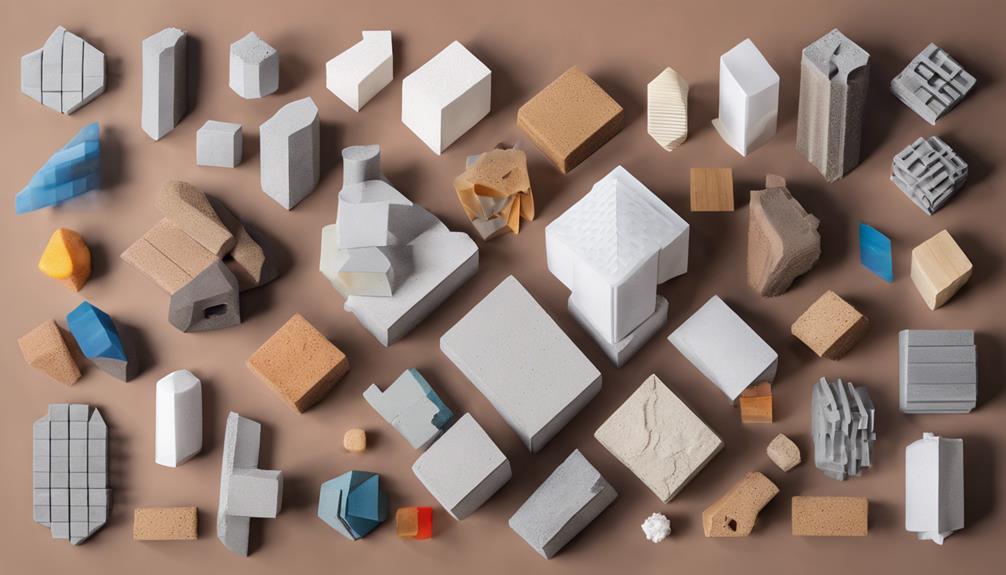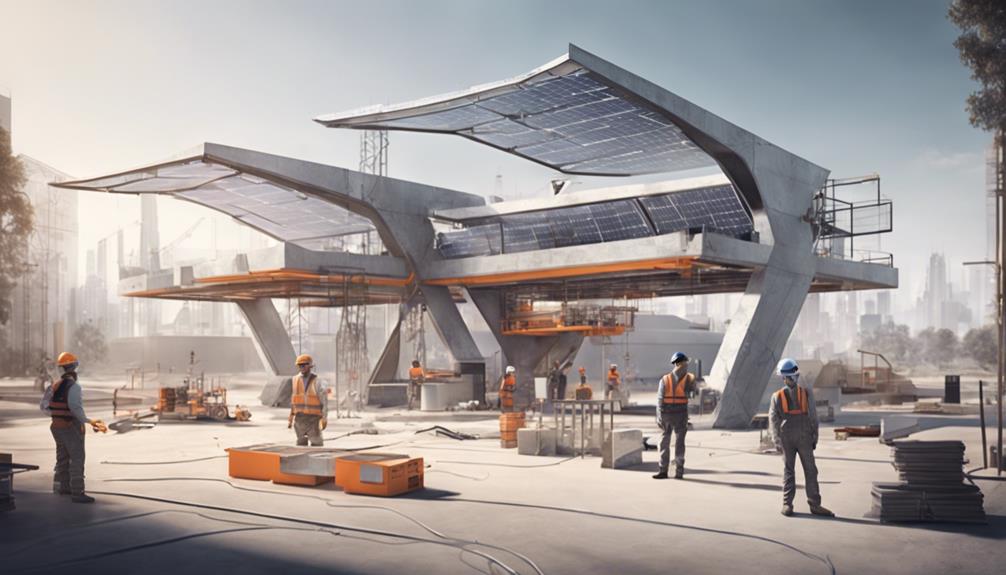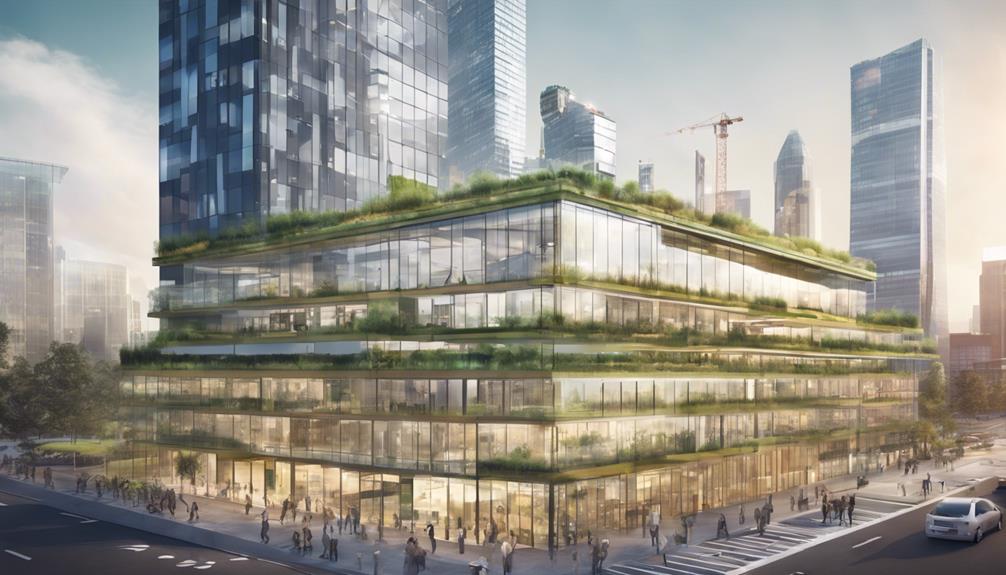
In commercial construction, you'll find that traditional materials like wood, stone, and brick have been trusted for centuries, offering durability and aesthetic quality, yet they often require more maintenance and can be less resistant to environmental threats. On the other hand, modern materials such as steel and concrete provide superior strength, adaptability, and lower long-term costs, with added benefits of sustainability through recycled materials. However, they might lack the timeless appeal of natural materials and raise environmental concerns during production. Exploring these options will guide you in balancing cost, durability, and sustainability for your project's needs. This choice could significantly influence the future implications of your building project.
History of Building Materials
The history of building materials has evolved significantly over the centuries, adapting to the needs and technologies of each era. Initially, you'd find structures built primarily from natural resources directly available in the environment. Think about mud, stone, and wood, each chosen for its local availability and fundamental structural qualities.
As you move through time, the introduction of brick made a significant mark during the Industrial Revolution. This era leaned heavily on mass production, making bricks and mortar widespread, signaling a shift towards more uniform construction practices.
Concrete came into the picture next, revolutionizing the possibilities in building with its durability and ability to be molded.
Steel then began to challenge traditional materials in the 19th century, offering unprecedented strength and the ability to create skyscrapers and expansive bridges that were once deemed impossible. Each of these materials brought a new layer of possibilities to construction, moving from purely functional and locally sourced to innovative and globally influenced.
You can see this progression not just as a shift in resources, but as a broader reflection of societal changes, where each phase in material evolution aligns closely with technological advancements and cultural shifts in human history.
Benefits of Traditional Materials
Why consider traditional materials for your next construction project? One compelling reason is their proven durability. Structures built centuries ago with materials like stone, wood, and brick have withstood the test of time, showcasing not just longevity but also minimal maintenance needs over decades. You're investing in materials that are renowned for their strength and resistance to wear and tear.
Moreover, traditional materials blend naturally with the environment, often enhancing the aesthetic quality of your project. They offer a timeless appeal that can significantly increase the property's value and attractiveness. This can be crucial, especially if your building is in a historically significant area or you aim to maintain a certain cultural heritage.
Traditional materials also tend to be more sustainable. Many such materials are natural, and their processing is less energy-intensive compared to modern alternatives. By choosing traditional options, you're often supporting local industries and reducing environmental impact, thanks to the lower transportation and manufacturing emissions. This aspect not only benefits the planet but can also resonate with clients and stakeholders who prioritize eco-friendly practices.
Challenges With Traditional Materials
Despite their many benefits, traditional materials come with distinct drawbacks that you should consider before choosing them for your construction project.
For starters, materials like wood, stone, and brick, while aesthetically appealing, can be more susceptible to environmental damage. Wood, for instance, is prone to rot, termite infestation, and fire. Similarly, stone and brick, though durable, suffer from weathering and require regular maintenance to preserve their integrity and appearance.
Additionally, the sustainability of traditional materials can be a significant concern. The extraction processes for stone and certain woods can be environmentally damaging, leading to deforestation and landscape degradation. These materials are often less energy-efficient, meaning your building's thermal performance could be compromised, potentially increasing heating and cooling costs.
Another challenge is the variability in quality. Natural materials can vary widely in strength, size, and quality. This inconsistency can pose challenges during construction, requiring additional time and resources to ensure structural integrity.
Lastly, traditional materials often come with higher long-term costs due to maintenance, repair, and replacement needs. While they offer a classic look and substantial initial structural strength, you might find yourself dealing with more upkeep than you bargained for.
Rise of Modern Materials
Often, architects and developers are turning to modern materials like steel, concrete, and advanced polymers to meet the demands of contemporary construction. You'll notice that these materials are now prevalent in projects ranging from towering skyscrapers to expansive shopping centers. This shift isn't just about aesthetics or trends; it's a response to the evolving needs of the modern world.
As you explore the landscape of new buildings, it becomes clear that traditional materials like wood and stone, while still in use, can't always accommodate the ambitious designs and functionalities desired today. Modern materials, by contrast, offer specific properties that make them highly suitable for innovative construction techniques.
For instance, the adaptability of steel allows for dynamic, cantilevered structures, which would be challenging with traditional materials.
Moreover, the integration of technology with these materials is pushing boundaries further. Smart polymers and composites are being developed to react to environmental changes, adding a layer of functionality that traditional materials can't provide.
As you're looking into construction options, you'll find that these modern materials are shaping the way buildings are designed, constructed, and even operated.
Advantages of Modern Materials
As you consider the rise of modern materials in construction, it's clear that their advantages are substantial. They offer enhanced durability and strength, ensuring your structures can withstand harsh conditions and last longer. Modern materials like high-performance concrete and composites aren't just tough; they're smart. They can resist environmental stresses better than traditional materials, reducing maintenance costs significantly.
You'll also find that modern materials are incredibly versatile. Whether you're aiming for aesthetic appeal with translucent concrete or need lightweight materials like structural insulated panels for easy installation, these innovations meet diverse architectural needs. This versatility allows for more creative designs and solutions, making your projects stand out.
Moreover, many modern materials are designed with sustainability in mind. Products like recycled steel and low-VOC paints help reduce your carbon footprint. By choosing these materials, you're not only building for today but are also investing in a greener future.
Disadvantages of Modern Materials
While modern materials bring many benefits to construction, they also come with several disadvantages. You might find that some of these materials can impact the environment negatively. For instance, the production processes for materials like plastics and composite materials often involve toxic chemicals and emit significant amounts of greenhouse gases. You're also looking at potential health risks for individuals working with or residing in buildings made from these materials, due to the off-gassing of volatile organic compounds.
Furthermore, while you might be drawn to modern materials for their initial aesthetic appeal, they can sometimes lack the timeless quality found in traditional materials like wood or stone. This can make your building look dated as design trends shift. You'll also face challenges with recycling some modern materials at the end of their life cycle.
Unlike traditional materials, which are often easily repurposed or naturally degrade, certain modern composites aren't biodegradable and are more difficult to recycle, potentially leading to increased landfill waste.
As you weigh your options, consider how these factors mightn't only affect your immediate construction needs but also the long-term sustainability and environmental impact of your project.
Comparing Durability and Cost
After considering the environmental and health impacts of modern versus traditional materials, you should also evaluate their durability and cost effectiveness.
Modern materials, such as steel and reinforced concrete, often boast greater durability against the elements. For instance, steel's resistance to pests and mold contrasts sharply with traditional wood, which can suffer from these issues.
However, traditional materials like wood and stone aren't without their merits. They've stood the test of time in countless structures around the world and can be incredibly durable if maintained properly. Stone buildings, for example, can last centuries, outperforming many modern materials in longevity.
Cost-wise, the initial investment in modern materials can be higher than traditional options. Yet, you'll find that modern materials may lead to lower maintenance costs over time, offsetting the upfront expense.
In contrast, traditional materials, while initially cheaper, could require more frequent repairs and maintenance, increasing their lifetime cost.
It's crucial to balance these factors based on your project's specific needs. Think about the building's intended lifespan, usage, and the climate it will face. This approach will help you make a well-informed decision that aligns with both your budget and durability requirements.
Future Trends in Construction Materials
Nearly every sector of the commercial construction industry will experience significant changes in the coming years, driven by advancements in material technology. You'll see an increased adoption of smart materials designed to react dynamically to environmental conditions. Imagine windows that adjust their opacity based on sunlight intensity or walls that breathe to regulate indoor temperatures naturally.
Biodegradable materials are set to revolutionize the industry too. You'll be choosing from construction options that not only reduce the environmental footprint but also offer superior performance and lower long-term costs. These materials decompose naturally, eliminating a massive chunk of construction waste and reducing landfill usage.
Moreover, the integration of nanotechnology promises enhancements in the durability and strength of building materials while maintaining lightweight properties. You'll benefit from structures that are stronger, more resilient, and require less maintenance. This could fundamentally change how tall or wide buildings can be constructed without compromising safety.
Lastly, 3D printing technology will likely streamline the construction process, reducing material waste and labor costs. You'll see more complex architectural forms becoming feasible and affordable, opening up new possibilities in commercial construction design and aesthetics.
Keep an eye out, as these innovations could be coming to a site near you, transforming how you think about building materials and construction techniques.
Conclusion
As you've seen, traditional and modern materials each have their unique strengths and weaknesses. While traditional materials bring durability and aesthetic value, modern materials offer versatility and efficiency. You'll need to weigh these factors based on your project's requirements. Moving forward, the blend of sustainability and technological advancement will likely dictate trends in construction materials. Keep an eye on innovations that marry the best of both worlds, optimizing both functionality and environmental responsibility in your future projects.
Related articles: 3 Best AI Innovations Transforming Construction Industry · How AI Transforms Commercial Construction: Top 7 Innovations · How AI Transforms Commercial Construction Industry