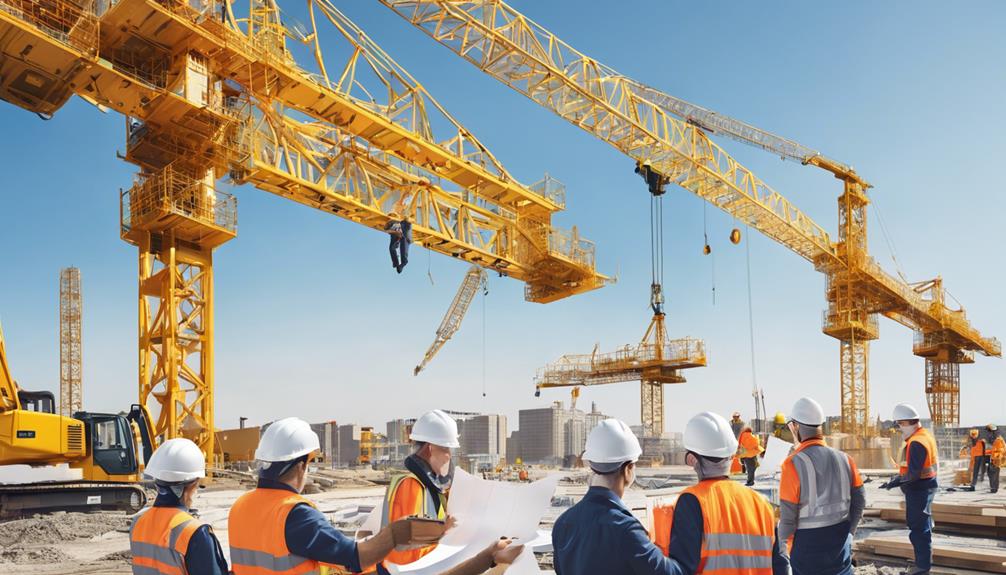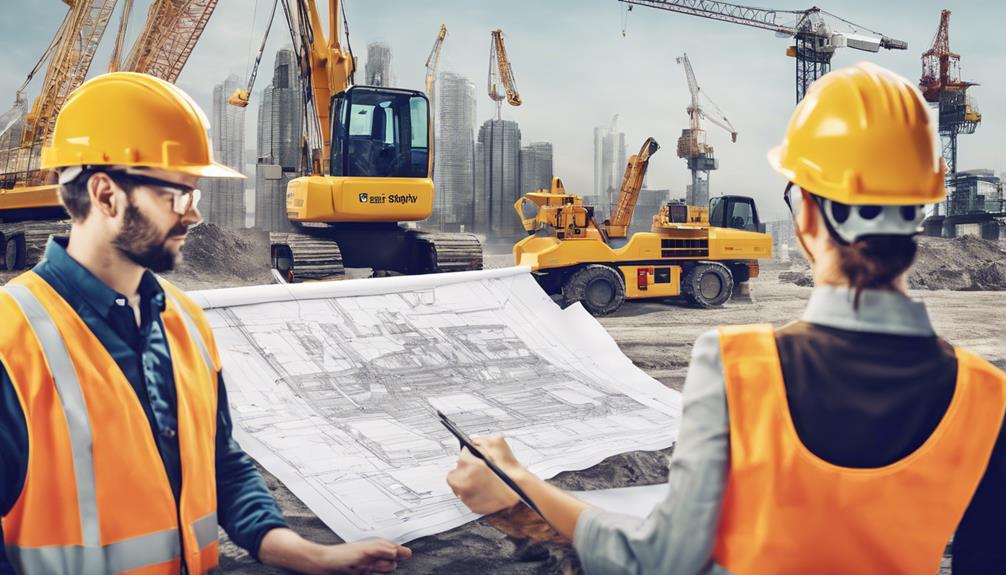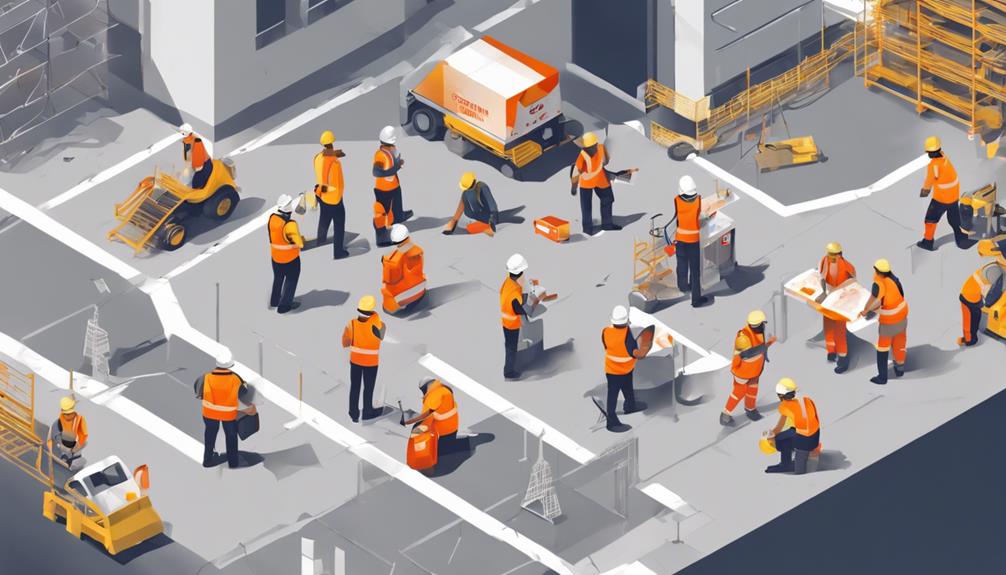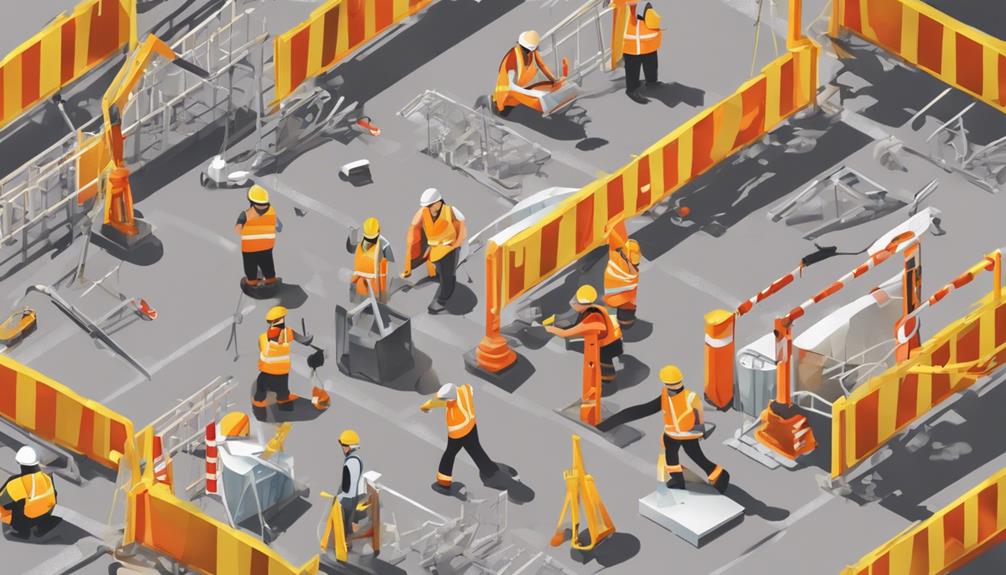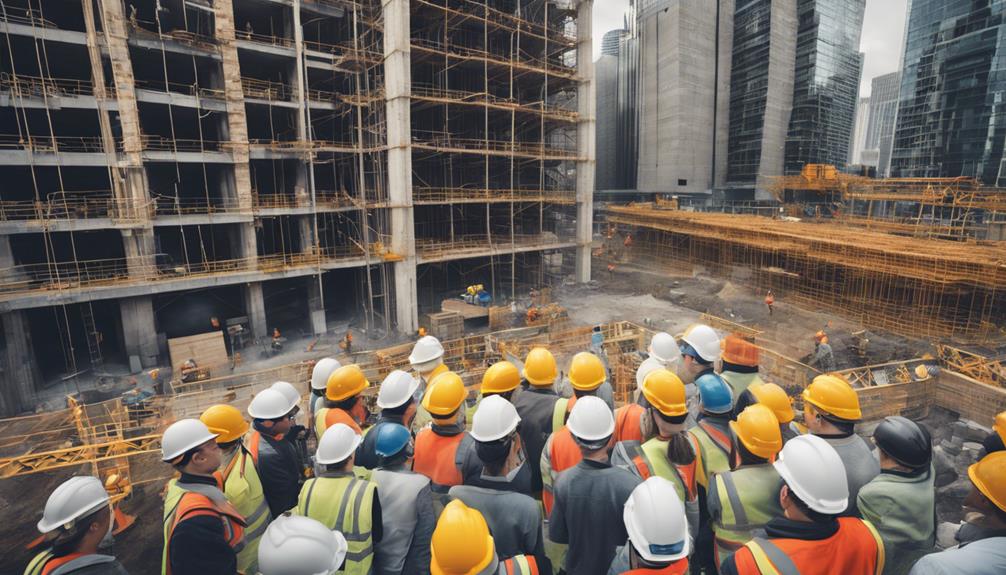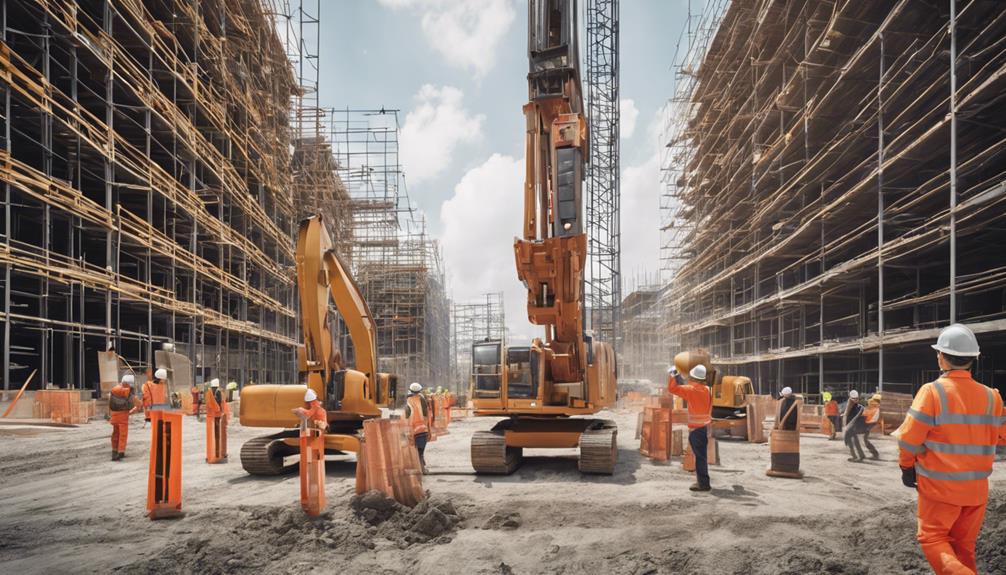
As you adapt to new safety rules in construction, you'll face enhanced PPE requirements, mandatory training, and more frequent site inspections, increasing both complexity and costs. You must now invest in sophisticated compliance tools and ensure that all personnel, suppliers, and subcontractors verify adherence to stringent standards. Additionally, leveraging technology like wearables and drones improves onsite safety and risk management efficiency. These shifts in protocols impact your project timelines and budget, necessitating innovative management strategies to mitigate delays and maintain profitability. Exploring how these regulations influence legal practices and worker safety could further enhance your strategic planning.
Overview of Recent Safety Regulations
In recent years, several key safety regulations have emerged that significantly alter how construction projects are managed. You've probably noticed the shift towards more stringent safety protocols, which not only aim to protect workers but also affect the overall project timelines and budget.
One such regulation is the enhanced requirement for personal protective equipment (PPE). You're now required to ensure that all workers on site are equipped with updated gear that meets the latest safety standards. This includes helmets, eye protection, high-visibility clothing, and proper footwear, which must all be compliant with new safety certifications.
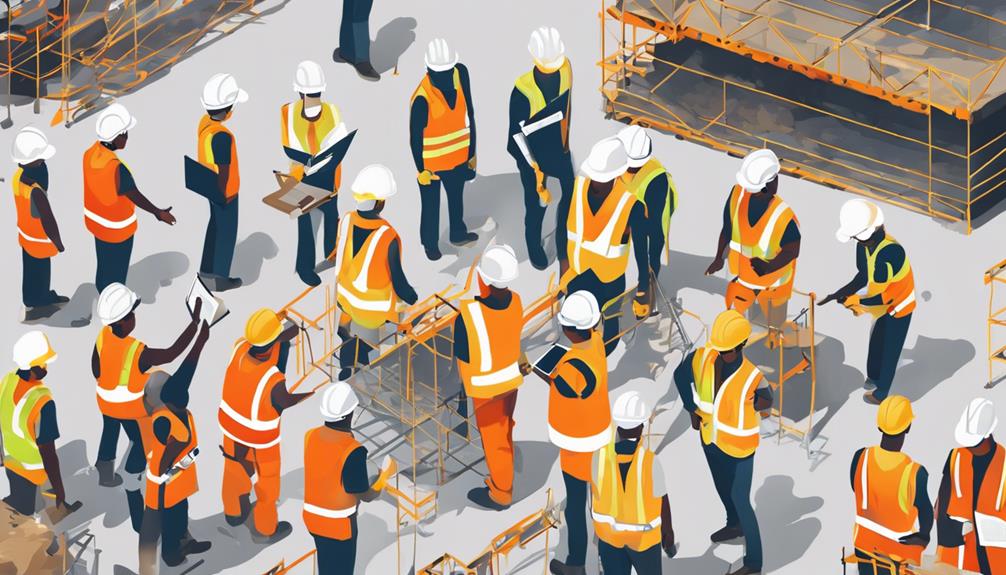
Another significant change is the mandatory safety training for all personnel. You must now provide comprehensive training sessions that are updated annually, covering new safety techniques and the latest operational protocols. These sessions also need to include emergency response training, which has become more rigorous.
Furthermore, the introduction of more frequent site inspections has made compliance a continuous concern. You need to be prepared for unexpected audits, ensuring that every aspect of your site adheres to the strictest safety standards at all times. This proactive approach helps in mitigating potential hazards, keeping your site safer for everyone involved.
Analyzing Risk Management Changes
You've seen how recent safety regulations have shifted the landscape of construction project management. Now, let's dive deeper into how these changes are reshaping risk management strategies. You're not just updating safety protocols; you're overhauling your approach to risk altogether.
Firstly, consider the greater emphasis on proactive risk assessments. You're now tasked with identifying potential hazards before they manifest, a shift from the reactive models of the past. This means you've got to integrate risk assessment into every phase of your projects, from planning through to execution. It's about anticipating rather than reacting.
Moreover, technology plays a bigger role in risk management now. You're likely integrating software solutions that help track compliance and monitor risks in real time. This tech isn't just a tool; it's a part of your team, enabling smarter, faster decision-making.
And don't forget the impact on your team's dynamics. Training needs are skyrocketing because everyone on site needs to understand and mitigate risks effectively. It's not just about following rules; it's about building a culture of safety and awareness.
Each of these elements requires investment, yes, but the payoff in reduced downtime and safer sites can far outweigh the costs. You're not just building projects; you're building safer futures.
Compliance Requirements for Builders
How do new compliance requirements affect your responsibilities as a builder? With the latest regulations, you're now tasked with maintaining stricter adherence to updated safety codes and environmental standards. You've got to ensure that all your projects align meticulously with these new mandates, which means more paperwork and more frequent inspections.
You'll need to invest in sophisticated tracking tools to keep up with the compliance demands. This isn't just about avoiding penalties; it's also about safeguarding your reputation in a competitive market. Every project must be documented from start to finish, showing clear compliance at every stage. You're not just building structures anymore; you're building a paper trail that proves your commitment to these standards.
Moreover, your relationships with suppliers and subcontractors must be tighter than ever. You've got to verify that they also comply with the new rules, as any oversight on their part becomes your liability. This means more detailed contracts and perhaps a shift towards suppliers who can demonstrate their own adherence to these stringent requirements.
Training Protocols and Worker Safety
Every builder must now implement rigorous training protocols to enhance worker safety effectively. You're required to educate your workforce thoroughly on the latest safety regulations and equipment handling techniques. This isn't just about ticking boxes; it's about fostering a culture where safety is ingrained in every task.
Your role involves not only scheduling regular training sessions but also ensuring that these sessions are tailored to the specific needs of your projects and workers.
You'll find that hands-on simulations and real-world scenario training can significantly boost understanding and retention. Think beyond the classroom—utilize your actual work sites for practical safety demonstrations and drills.
Moreover, it's crucial you keep track of all training activities. This documentation will prove invaluable during inspections and in the unfortunate event of workplace incidents.
You're also tasked with updating training programs as new technologies and methods emerge, ensuring your team isn't just safe, but ahead of the curve.
Impact on Project Planning and Costs
Implementing stringent safety protocols often increases both the complexity and costs of project planning. As you delve into these new rules, you'll find that your initial timelines and budget forecasts need revising. It's not just about the direct costs of purchasing safety equipment or training your crew; it's also about the indirect expenses.
More detailed planning is necessary to comply with these protocols, which can extend the project duration and, subsequently, increase labor and operational costs.
You'll need to account for the potential delays in securing permits or passing inspections that these new regulations might introduce. This means building in additional buffer times into your schedules, which can tie up resources and escalate overheads.
Moreover, the complexity of integrating these safety measures requires expertise, possibly leading you to hire specialized consultants or additional staff to manage compliance effectively.
To mitigate these impacts, you should consider innovative project management strategies, like using software that predicts and adjusts for potential delays, or investing in training for your existing team to handle these requirements in-house. By anticipating these changes and planning accordingly, you can keep your project on track and within budget, despite the added challenges.
Legal Implications of New Rules
Why should you be aware of the legal implications of new safety rules in construction? Understanding these changes can save you from hefty fines and legal battles that could tarnish your firm's reputation and drain your resources. The new regulations aren't just guidelines; they're enforceable standards that, if violated, could result in severe consequences including legal liabilities and penalties.
For instance, failure to comply with updated safety protocols can lead to lawsuits for negligence. If an accident occurs on your site under conditions that violate the new rules, you're not just facing fines; you're potentially looking at compensation claims that could escalate to millions depending on the severity of the incident. It's crucial that you train your team on these regulations. Ignorance isn't a viable defense in a court of law.
Moreover, non-compliance could affect your ability to secure future projects. Many clients now demand strict adherence to the latest safety standards before awarding contracts. They're likely to opt for competitors who prioritize legal compliance and safety.
Technology Integration in Safety Practices
Integrating technology into safety practices enhances your ability to monitor compliance and prevent accidents on construction sites. By adopting advanced tools like wearables and drones, you're not just keeping up with regulations; you're staying ahead of potential hazards.
Wearables can monitor workers' vital signs and alert you to signs of fatigue or heat stress, while drones provide a bird's-eye view of the entire site, identifying risks that aren't visible at ground level.
You'll also find that software solutions streamline the management of safety data, making it easier to track incidents and trends. With real-time data analytics, you're equipped to make informed decisions quickly, reducing downtime and enhancing worker safety. This proactive approach not only keeps your team safer but also bolsters your reputation as a leader in safety management.
Furthermore, training programs incorporating virtual reality (VR) prepare your workers for high-risk scenarios without the actual risks. This immersive technology is crucial for effective learning and retaining critical information.
Conclusion
You've now seen how the latest safety regulations shift the landscape of construction risk management. By adapting to these changes, you'll ensure compliance and enhance worker safety through effective training and technology integration. Remember, staying abreast of legal requirements not only protects your projects from costly delays but also safeguards your team. Embrace these new rules as part of your strategic planning to mitigate risks and manage costs effectively. Stay informed, stay safe, and keep building smartly!
Related articles: Navigating Risk in Commercial Construction Projects · Top Construction Safety Training Tips for Projects · Top 7 Tips for Commercial Construction Safety Training