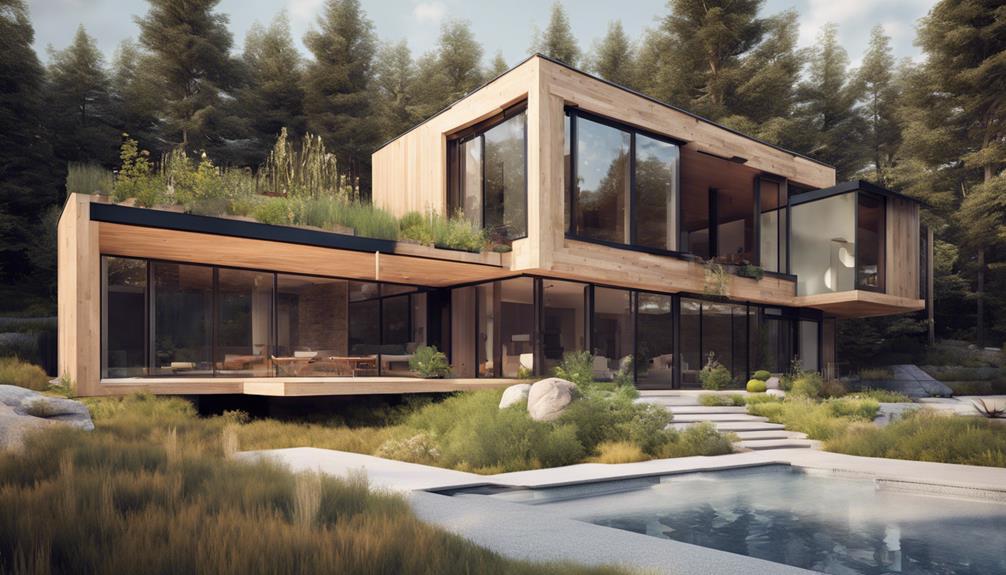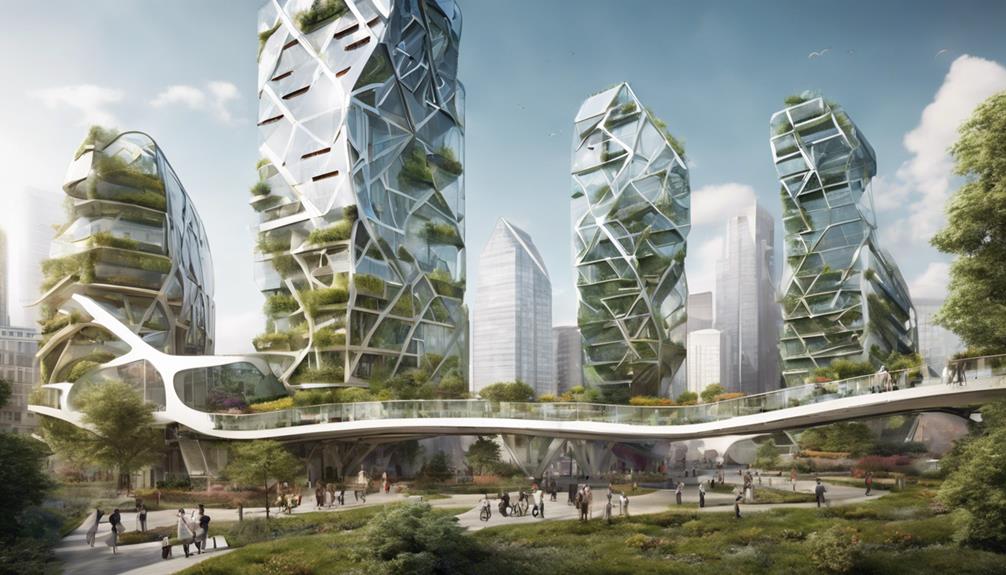
You're seeing groundbreaking innovations in 2023's architectural designs because they beautifully blend sustainability, smart technology, and historical appreciation. By prioritizing eco-friendly materials like bamboo and recycled steel, integrating cutting-edge smart technologies for increased convenience, and transforming aging structures into useful spaces with modern functionalities, architects are reshaping how you interact with your surroundings. They also emphasize biophilic design to enhance your well-being by connecting you more closely with nature. These approaches don't just cater to aesthetic values but are also practical, energy-efficient, and forward-thinking. Explore further and you might just find how these trends can directly benefit your life.
Embracing Sustainable Materials
As architects increasingly prioritize sustainability, many are turning to eco-friendly materials that minimize environmental impact. You'll find that the use of recycled steel not only diminishes the need for new raw resources but also significantly reduces energy consumption and carbon emissions during production. It's a robust material that doesn't compromise on durability or aesthetic appeal.
Bamboo is another star in sustainable architecture. It's not just about its rapid growth rate; bamboo's strength-to-weight ratio is comparable to timber and even steel in some applications. It's versatile, renewable, and brings a warm, natural element to your space that few materials can match.
You've also got to consider reclaimed wood. It tells a story, doesn't it? Each piece has a history, adding unique character and charm to buildings. Beyond its visual appeal, reclaimed wood reduces deforestation and landfill waste, making it a win-win for both you and the planet.
Lastly, don't overlook hempcrete. This lightweight, biodegradable material provides excellent insulation and moisture control, making your building naturally energy-efficient. By choosing hempcrete, you're opting for a non-toxic, fire-resistant building material that significantly lowers your ecological footprint.
Integration of Smart Technology
Smart technology seamlessly integrates into modern architecture, revolutionizing how you interact with your living spaces. Picture yourself walking into a home where lights adjust to your mood, temperatures adapt to your comfort levels, and security systems are activated by your presence. This isn't futuristic fantasy; it's the reality of 2023's architectural innovations.
You've got control at your fingertips. Whether it's through your smartphone or voice commands, managing your environment has never been more intuitive. Imagine adjusting settings in your house while you're still in your office, or having your oven pre-heat at just the right time for dinner. It's all about making your daily routines simpler.
Energy efficiency is also front and center in these smart designs. Automated systems ensure that you're using energy only when and where it's needed, significantly reducing waste and saving costs. Windows and blinds can automatically adjust to the angle of the sun, maximizing natural light while minimizing heat gain, ensuring your space isn't just smart, but also sustainably efficient.
These technological integrations don't just add convenience; they enhance the quality of your life. By personalizing your living environment, 2023's architectural designs ensure that your home isn't just a place you live, but a space that lives with you.
Adaptive Reuse Practices
Many old buildings find new life in 2023 as adaptive reuse practices turn historical structures into vibrant, functional spaces. You'll notice that these aren't just renovations; they're complete transformations that respect the past while boldly stepping into the future.
You're seeing factories turned into lofty apartments and old barns reborn as boutique hotels. These projects aren't just about preserving a facade; they involve rethinking the entire utility of a space. Architects are keeping the character of these old buildings, integrating original materials like exposed brick and wooden beams into modern designs. This approach isn't just aesthetically pleasing, but it's also environmentally responsible, significantly reducing the demand for new materials and decreasing construction waste.
Adaptive reuse isn't limited to commercial or residential spaces either. Old schools and churches are finding new roles that differ vastly from their original purposes. This trend is particularly clever in how it addresses space shortages in urban areas without expanding city footprints, which is crucial as land becomes scarcer and more valuable.
As you walk through these transformed spaces, you'll feel a connection to history meshed with contemporary life, a balance that only the most skillful architects achieve. This blend of old and new defines the architectural innovations of 2023.
Focus on Community Spaces
Community spaces in 2023 are transforming to meet the needs of modern urban dwellers. You're seeing a shift where these areas aren't just afterthoughts but central to architectural design. Planners are prioritizing versatility and accessibility, making sure these spaces serve a multitude of functions—from pop-up markets to outdoor concerts.
You'll notice that community centers and public squares are no longer isolated. They're integrated into residential and commercial areas, making it easier for you to engage and connect. This integration fosters a sense of belonging and encourages more frequent use, turning these spaces into vibrant hubs of activity.
Architects are also focusing on inclusivity in design. You'll find features that cater to all ages and abilities, ensuring everyone can enjoy the space. From smooth pathways for wheelchairs to interactive installations for children, these designs aim to welcome a diverse crowd.
Moreover, the emphasis on sustainable materials and energy-efficient constructions is evident. You're not just seeing spaces that bring people together but also environments that respect the planet. This approach reflects a broader commitment to sustainability, without sacrificing style or functionality. So, as you step into these new community spaces, you're experiencing the future of urban living—thoughtful, inclusive, and sustainable.
Biophilic Design Elements
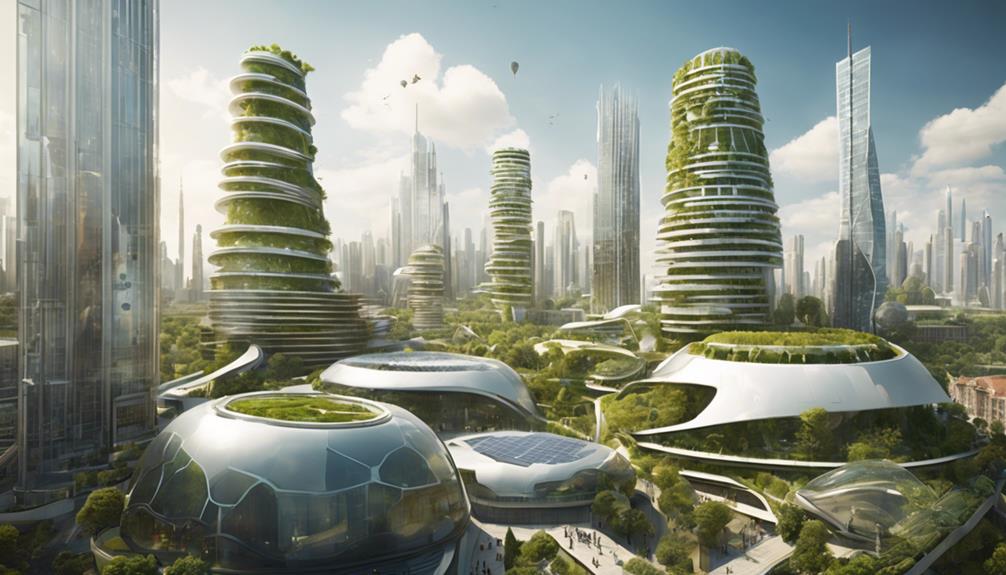
In 2023, architects are increasingly incorporating biophilic design elements into buildings to connect you more closely with nature. These elements aren't just aesthetic; they're transformative, designed to immerse you in the feel, texture, and breath of the natural world, even within urban settings.
Imagine working in an office where cascading green walls, natural light, and water features are core to the environment. You're not just working; you're enveloped in a living, breathing space.
Biophilic design goes beyond placing a few plants around buildings. It involves integrating nature into the very fabric of architecture, making it a fundamental aspect of the structure. Architects are using materials that mimic natural forms and patterns, maximizing natural light, and improving air quality through plant life which not only boosts your mood but also your productivity and well-being.
This approach is a response to the growing body of research indicating that spaces that reflect the natural environment significantly reduce stress and enhance creativity and clarity of thought.
Conclusion
As you explore the 2023 architectural trends, you'll see innovation at every turn. By embracing sustainable materials and integrating smart technology, architects are reshaping how buildings interact with the environment and its inhabitants. The focus on adaptive reuse and community spaces not only revitalizes neighborhoods but also fosters a sense of belonging. Plus, the incorporation of biophilic designs brings nature closer, enhancing your well-being. These trends aren't just about aesthetics—they're about creating sustainable, connected, and healthier living spaces for you.
Related articles: Top 3 Modern Architectural Design Trends 2023 · Innovative Materials for Sustainable Architecture · What Are the Top Sustainable Materials in Commercial Architecture?