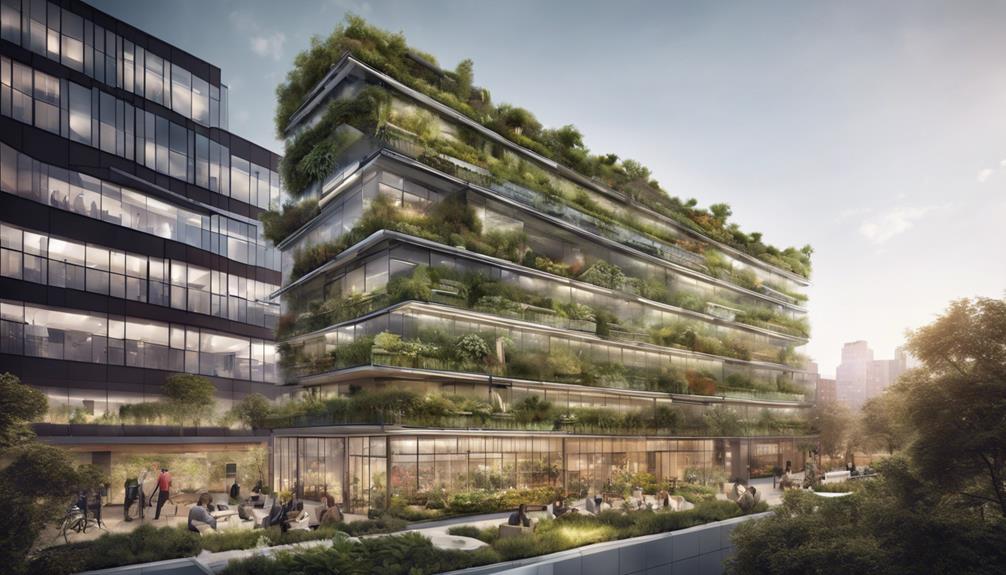
cutting edge office design

Fresh Office Building Design Trends for 2023

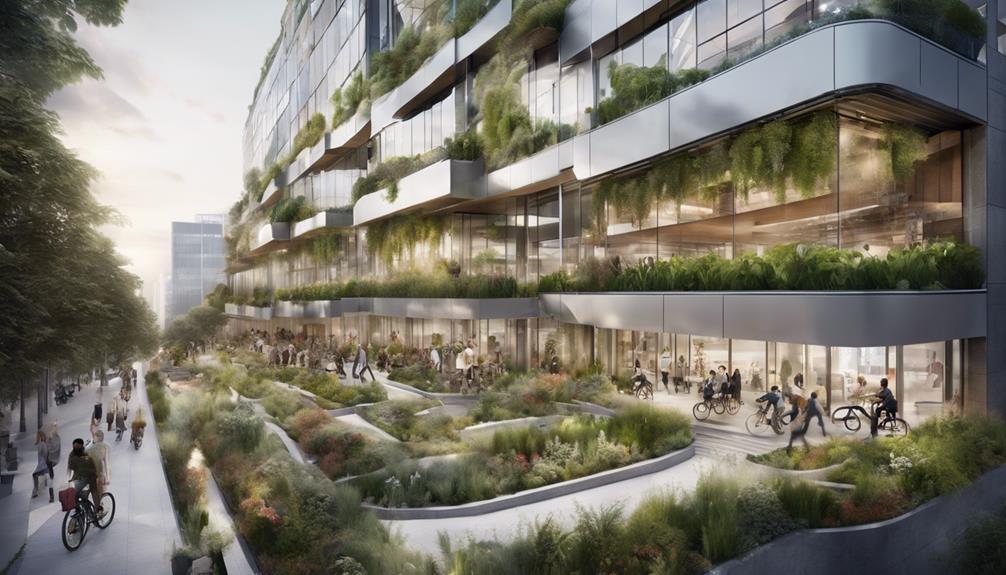
In 2023, you'll see office designs that emphasize biophilic elements, ensuring your workspace integrates seamlessly with nature, utilizing wood, stone, and abundant plant life to enhance well-being. Your office will likely feature dynamic, flexible layouts that adapt to various needs, from collaborative spaces to private retreats, all furnished for comfort and efficiency. Additionally, expect smart building technologies that personalize your environmental controls and streamline operations within your workplace. Embracing sustainability, modern offices are incorporating energy-efficient systems and renewable materials, significantly cutting operational costs and carbon footprints. Finally, these buildings are designed to align aesthetically with their urban surroundings, fostering a deeper connection to the community. Discover more about how these elements combine to revolutionize office spaces.

Biophilic Design Elements

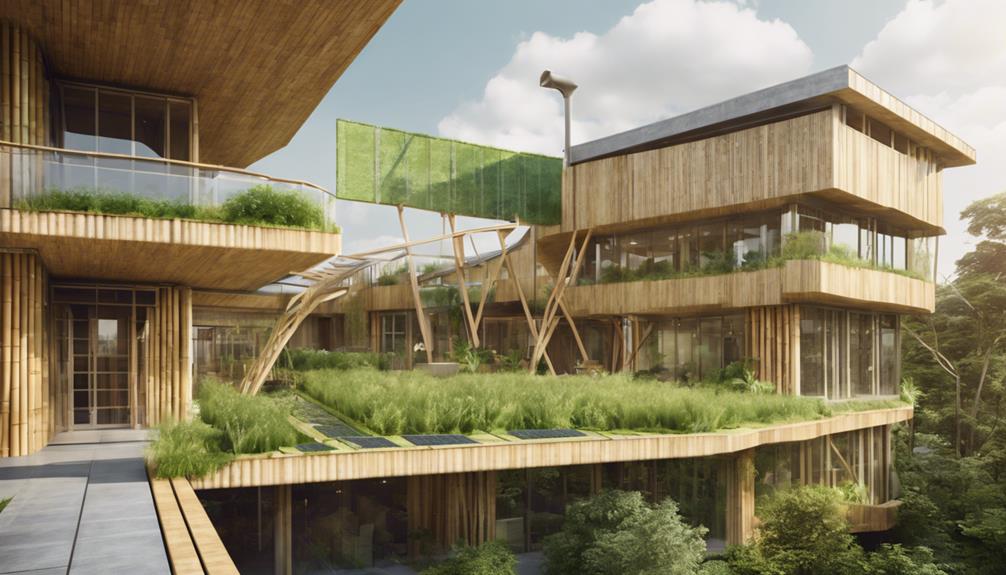
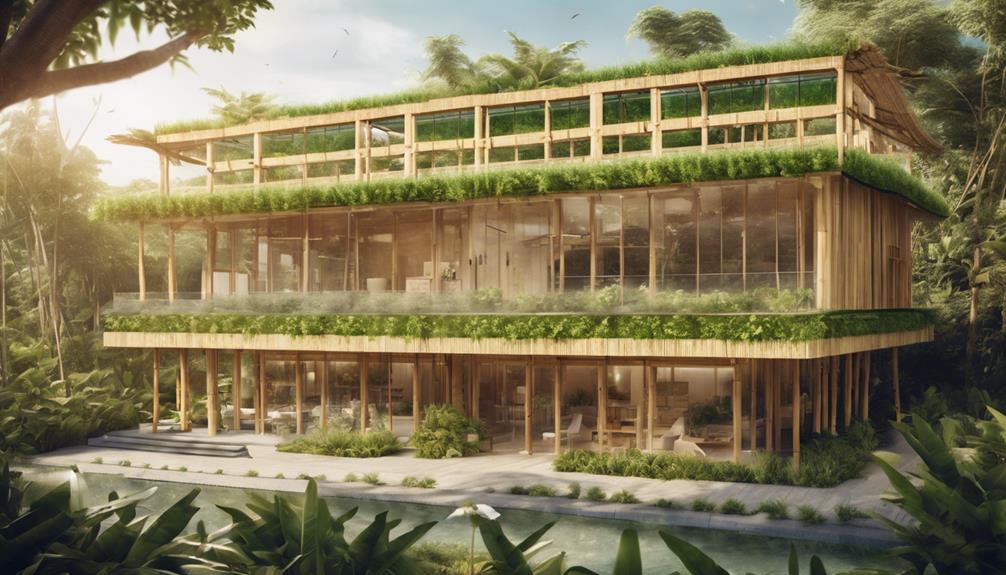
Incorporating biophilic design elements into office spaces isn't just a trend; it's a transformative approach that reconnects you with nature. By integrating natural light, plant life, and materials like wood and stone, these designs don't just enhance aesthetics—they boost your well-being and productivity. Imagine stepping into an office that breathes life, where lush greenery greets you and natural sunlight bathes the workspace. It's not just pleasant; it's scientifically proven to reduce stress and enhance creativity.

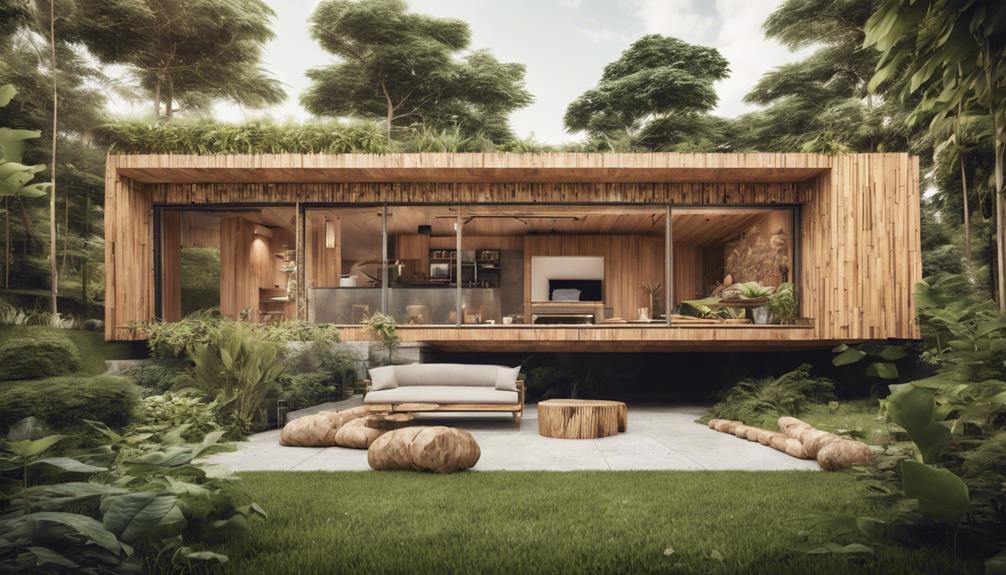
You'll notice that wood-panelled walls, stone accents, and water features aren't just decorative. They mimic the outdoors and create a sense of calm and clarity. This connection to nature can dramatically shift how you feel and function throughout the workday.

The sound of water flowing or the sight of a well-maintained garden can be the difference between a stifling day at the office and a rejuvenating work experience.

Moreover, biophilic design isn't limited to the inclusion of plants or natural light. It's about creating a holistic environment that supports health and well-being. Whether it's choosing materials that reflect the earth or designing spaces that encourage movement and interaction with natural elements, these strategies are integral to modern office architecture.

This isn't just about bringing the outdoors in—it's about making it a fundamental part of your work environment.

Flexible Workspaces Evolution

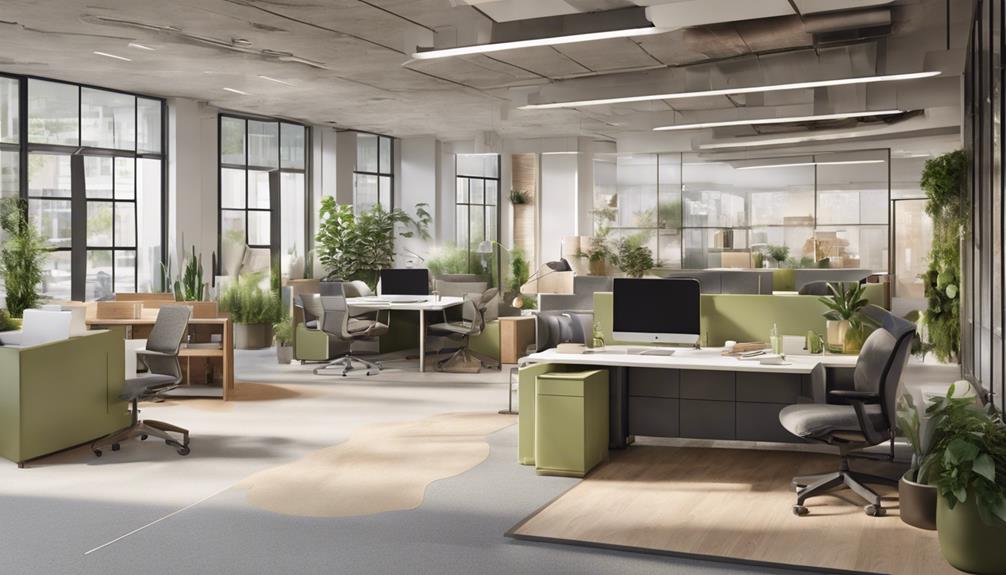
Building on the foundation of biophilic design, flexible workspaces further enhance office environments by adapting to the diverse needs and working styles of today's workforce. You'll find these spaces are no longer bound by rigid layouts or traditional office elements. Instead, they're dynamic, shifting seamlessly from collaborative areas to private nooks based on your daily demands.

Imagine you're moving from a morning brainstorming session in a sunlit room decked with plants and natural materials, directly into a soundproof pod for a distraction-free client call.

Later, you might join your team at a configurable table that accommodates everyone comfortably for a project wrap-up. This adaptability isn't just about physical space; it's about creating an atmosphere where you can thrive, switching contexts and tasks with minimal friction.

The concept extends to furniture as well. Desks and chairs are no longer one-size-fits-all but are adjustable and ergonomic, catering to your personal comfort. Storage solutions are clever and mobile, ensuring everything you need is at your fingertips yet out of the way when not in use.

This evolution of flexible workspaces is a response to a changing world, where the lines between work, life, and play blur, helping you stay productive and engaged no matter where you're in the office.

Smart Building Technologies

As workplaces evolve, smart building technologies are stepping up to transform how you interact with your office environment. Imagine walking into your office and the building already knows your preferred workspace. It's not science fiction; it's the new normal. Smart sensors and IoT devices seamlessly adjust lighting, temperature, and even monitor air quality based on real-time data and personal settings. This isn't just about comfort; it's about creating an environment that adapts to your work patterns.

You're no longer wasting time adjusting your space. Instead, your office is a dynamic participant in your day. Automated systems can alert you to quieter areas for concentration or suggest available meeting rooms, enhancing your productivity.

Moreover, these technologies streamline maintenance operations. Faults in systems like HVAC or elevators can be predicted and addressed before they disrupt your day.

Security is also smarter. Access controls are sophisticated yet unobtrusive, using biometrics or advanced ID systems that ensure only authorized personnel can enter sensitive areas. You'll feel safer, without the hassle of outdated security badges or sign-in procedures.

Embracing these smart solutions means your office isn't just a place you go to work; it's a space that works for you.

Sustainability and Energy Efficiency

Office designs are now prioritizing sustainability and energy efficiency, reflecting a growing commitment to environmental responsibility. As you dive into the planning and construction of your new workspace, it's crucial to consider how these elements can be integrated from the get-go. By focusing on renewable materials and energy-efficient systems, you're not just cutting down on operational costs; you're also contributing to a greener planet.

Incorporating advanced insulation techniques, high-efficiency HVAC systems, and LED lighting isn't just trendy; it's practically a must. You'll find that these choices significantly reduce your building's carbon footprint and energy consumption.

Moreover, think about installing solar panels or green roofs. These aren't just aesthetically pleasing; they provide excellent insulation and help manage stormwater runoff, reducing your building's impact on local infrastructure.

Don't overlook the importance of choosing sustainable materials. Recycled, reclaimed, or sustainably sourced woods, metals, and plastics can all be part of your building's structure and interior without compromising on strength or style. By making these eco-friendly choices, you're not only ensuring compliance with increasing regulatory demands but also appealing to a growing base of environmentally conscious tenants.

Aesthetic Coherence With Urban Context

When designing your office building, it's crucial to blend seamlessly into the existing urban landscape. You're not just constructing a space for work; you're crafting a part of the city's fabric. This means paying close attention to the architectural styles, materials, and scales that define the surrounding area.

Imagine your building as a piece in a larger puzzle. It should echo the textures and tones of its neighbors yet maintain its unique appeal. Use local materials where possible, and consider the historical context of the site. Is the area known for its brickwork, steel structures, or glass facades? Your design choices should reflect these elements, ensuring your building feels at home in its environment.

Additionally, think about the street-level experience. Your office shouldn't turn its back on the public space; rather, it should engage with it.

Large windows, accessible entrances, and public-facing amenities can help forge a connection between your building and the community.

Conclusion

As you explore the latest office building design trends for 2023, remember to integrate biophilic elements that connect you to nature. Embrace flexible workspaces that adapt to your evolving needs. Invest in smart technologies that enhance building efficiency and occupant comfort. Prioritize sustainability to minimize environmental impact and align your design aesthetically with the urban context to ensure it resonates with its surroundings. These trends aren't just about aesthetics; they're about creating healthier, more adaptive, and future-proof work environments.

Related articles: Cutting-Edge Office Building Design Trends

modern office design trends

What Are the Latest Office Design Trends?

You'll find that today's top office design trends are all about creating spaces that are flexible, sustainable, and wellness-oriented. Employers are integrating biophilic elements to connect you to nature, enhancing both your well-being and productivity. Spaces are more adaptable, featuring movable partitions and multi-functional furniture to suit your dynamic work needs. Smart technologies automate your environment for optimal comfort, while minimalist layouts help clear your mind and reduce clutter. Sustainability is key, with eco-friendly materials and energy sources cutting down on costs and environmental impact. Exploring these trends further could significantly transform your workspace experience.

Biophilic Design Elements

Incorporating biophilic design elements into your office can significantly enhance the workspace ambiance and boost productivity. By bringing nature into your environment, you're not just adding aesthetic value; you're also contributing to a healthier, more vibrant place to work.

Imagine stepping into an office where lush green plants greet you, natural light bathes your workspace, and perhaps a small waterfall hums softly in the background. It's not just pleasing to the eye; it's scientifically proven to reduce stress and enhance creativity.

You might think it's a complex overhaul, but it's simpler than you'd expect. Start with something as straightforward as introducing a variety of indoor plants. Research shows that just having a view of greenery can increase work engagement by helping you recover faster from stress and mental fatigue.

Incorporating materials that mimic natural elements, like wood and stone, can also elevate the sense of being connected to the natural world.

Moreover, consider maximizing natural light by rearranging workstations so that as many as possible can benefit from daylight. Not only does this help with your team's circadian rhythms, but it also cuts down on artificial lighting, saving energy and costs.

Flexible Workspaces

Flexible workspaces are transforming how you interact with your office environment, adapting to the diverse needs of today's dynamic workforce. These spaces aren't just about shared desks or open layouts; they're about creating environments that flex and adapt to the task at hand.

You might find yourself working at a standing desk in the morning and moving to a quiet pod for deep focus in the afternoon, all within the same office.

The beauty of these setups lies in their variety and versatility. You can collaborate with your team in a tech-equipped huddle space, or choose a soft-seating area for a more relaxed brainstorming session. This shift in design philosophy means you're no longer tied to one desk or one way of working, which can significantly boost your creativity and productivity.

Moreover, flexible workspaces often include movable partitions and modular furniture, allowing you to customize the space as needed. This adaptability makes it easier to accommodate fluctuating team sizes and projects with varying space requirements. It's a smart solution that not only supports your work style but also promotes a more dynamic and responsive office culture.

Smart Building Technology

As you embrace the versatility of flexible workspaces, integrating smart building technology can further enhance your office environment. Imagine walking into an office that adjusts to your personal preferences without a hitch. Smart thermostats automatically modify the temperature, and intelligent lighting systems adapt to optimize your comfort and productivity. This isn't just about comfort; it's about creating an environment that responds to your needs in real-time.

You'll find that smart technology does more than adjust environmental controls. Advanced systems allow for seamless communication and interaction with your workspace. With the swipe of an app, you can book meeting rooms, manage access controls, or even alter room layouts. It's all at your fingertips, making your office life as fluid as your work demands.

Moreover, consider the efficiency of IoT-enabled devices that collect data on office usage. You can analyze this data to make informed decisions about space utilization, ultimately reducing wasted resources and enhancing operational efficiency.

These technologies aren't just tools; they're partners in optimizing your work environment, ensuring every element of your office is working just as hard as you are.

Sustainability Practices

While smart technology streamlines your office space, adopting sustainability practices can significantly reduce your environmental footprint. You're not just saving on costs; you're contributing to a healthier planet. Integrating green materials is a straightforward step you can take. Opt for recycled or sustainably sourced furniture and building materials. These choices aren't just good for the Earth; they often come with a sleek, modern aesthetic that can elevate your office design.

Consider the energy you're using. Switching to LED lighting reduces power consumption and increases the lifespan of your bulbs, cutting both your electricity bill and waste.

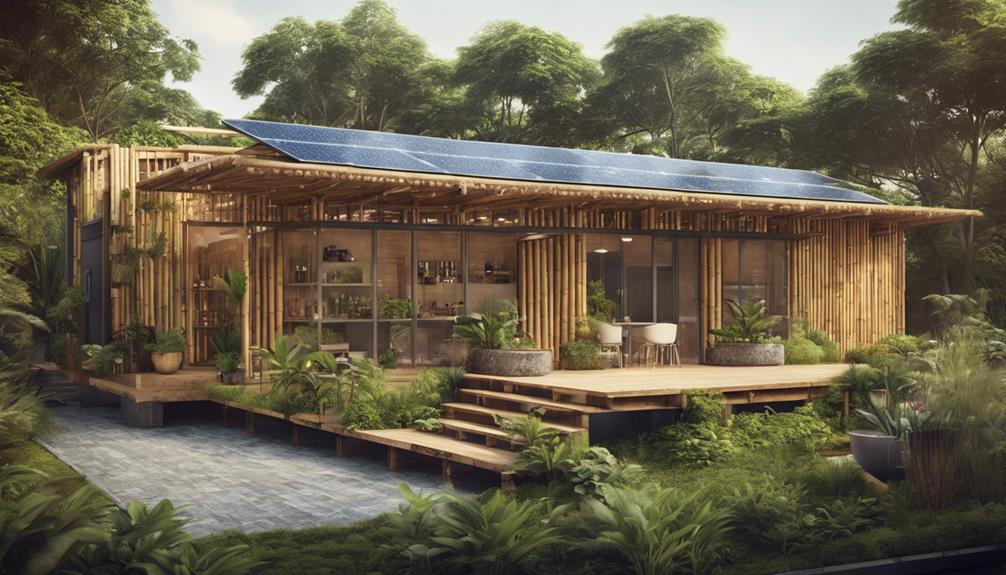
You can also tap into renewable energy sources like solar panels, which might be an initial investment but pay off in the long run in terms of both costs and carbon footprint.

Don't overlook your office's air quality and natural light access. Installing large, energy-efficient windows can boost employee morale and productivity by bringing in more natural light and reducing the need for artificial lighting during the day. Moreover, incorporating plants not only adds a touch of nature but also improves air quality, making your office a healthier environment for everyone. By adopting these practices, you're setting a standard for sustainability in the workspace.

Minimalist Layouts

In today's fast-paced world, minimalist layouts in office design are becoming increasingly popular. You might find that less is indeed more when it comes to creating an efficient and aesthetically pleasing workspace. By stripping down to the essentials, you're not just clearing physical space but also mental clutter, enabling a sharper focus and increased productivity.

This design philosophy uses simple forms, open spaces, and uncluttered surfaces. You'll see a preference for sleek, functional furniture and a neutral color palette that emphasizes light and space. The reduction of visual distractions helps you concentrate better on your tasks. Moreover, this approach isn't just about aesthetics; it's also practical.

Easy-to-maintain and clean spaces mean less time spent on upkeep and more on the work at hand. As you adopt minimalist design, you'll find that every piece of furniture and decor serves a purpose. There's no room for anything superfluous.

This might involve choosing desks with built-in storage to hide away paperwork, using subtle, built-in lighting, and selecting ergonomic chairs that blend into the environment while providing comfort.

Collaborative Spaces

Transitioning from minimalist layouts, consider the growing importance of collaborative spaces in modern office designs. As you navigate the evolving landscape of workplace functionality, you'll notice that fostering teamwork has become a central theme. These areas aren't just about open floor plans; they're specifically crafted to encourage interaction and exchange of ideas.

Imagine spaces equipped with modular furniture that you can easily move around to suit the task at hand. You've got writable walls for spontaneous brainstorming, tech hubs for digital collaboration, and even lounge areas that blend comfort with connectivity. These environments are designed to adapt to the dynamic needs of teams, facilitating both planned meetings and impromptu discussions.

Moreover, you'll find that these collaborative zones help break down the traditional silos that often hinder communication and innovation.

Health-Centric Features

Beyond fostering collaboration, today's office designs are increasingly prioritizing your health. Modern workplaces are being equipped with air quality monitors and advanced HVAC systems to ensure the air you're breathing is clean and safe. Ergonomically designed furniture is also becoming a staple, aiming to reduce back pain and improve your posture throughout your workday.

Biophilic design elements are on the rise, integrating natural light, live plants, and even water features to reduce stress and enhance your overall well-being. These features also improve concentration and productivity, making you feel more energized and less confined.

Lighting, too, has been given a significant overhaul. Instead of harsh fluorescents, offices are now utilizing adjustable LED lighting that mimics natural light patterns, helping to regulate your circadian rhythm and boost your mood.

Furthermore, some offices are incorporating fitness centers and meditation areas. These spaces encourage you to take necessary breaks and engage in physical or mental wellness activities. This not only boosts your health but also reinvigorates your mind for better performance at work.

These health-centric features are transforming the traditional office into a space that cares as much about your well-being as it does about productivity.

Conclusion

You've seen how modern office design trends like biophilic elements and flexible workspaces can transform your work environment. By integrating smart technology and sustainability practices, you're not just enhancing productivity but also promoting well-being. Embrace minimalist layouts to declutter your space and mind, while collaborative areas spark creativity and teamwork. Don't forget health-centric features that keep everyone's well-being at the forefront. It's time to reinvent your office into a space that's as dynamic and innovative as your team.

Related articles: Fresh Office Building Design Trends for 2023

embracing innovative office design

Why Embrace Cutting-Edge Office Building Designs?

Embracing cutting-edge office building designs boosts your productivity and sparks creativity by fostering better collaboration and communication. You'll enjoy the advantages of flexible workspaces and ergonomic furniture that support your health and focus. These innovative designs incorporate sustainable materials and technologies, which reduce energy costs and enhance air quality, lightening the environmental footprint of your office. Furthermore, integrating advanced technologies ensures efficient use of space and maintenance, ultimately lowering operating costs. With happier, healthier employees, you'll also see a dip in turnover rates. There's a wealth of benefits waiting for you, simply by adopting these progressive changes in your workspace environment.

Benefits of Modern Workspace Layouts

Modern workspace layouts can significantly boost your productivity and creativity. By embracing open floor plans, you'll find yourself in a dynamic, flexible environment that encourages collaboration and communication. Instead of being boxed into a traditional cubicle, you've got the freedom to move around, find your own comfortable spot, and engage more naturally with your colleagues. This openness can break down barriers, making it easier to bounce ideas off each other or ask for feedback without the intimidation of knocking on office doors.

Adjustable desks and ergonomic chairs are essential, too. They allow you to change your posture throughout the day, which can lead to better health and increased focus. You aren't stuck in one position; you can stand or sit based on what your body needs at the moment.

Moreover, modern designs often include dedicated quiet zones. These are crucial for when you need to buckle down and focus without distractions. They provide a sanctuary where you can retreat to handle deep work or make those important calls.

All these elements come together to create a workspace that's not only more enjoyable but also more conducive to your professional growth. So, don't underestimate the power of a well-designed office—it might just be what you need to spark your next big idea.

Sustainability in Design

While considering the benefits of modern workspace layouts, it's equally important to address how these environments are built with sustainability in mind. You need to recognize that sustainable design isn't just an ethical choice; it's a practical one that impacts both the planet and your bottom line. By choosing materials that are both recycled and recyclable, you're not only reducing waste but also promoting a circular economy.

Think about the energy your office consumes daily. Opting for natural light, where possible, alongside LED lighting, can drastically cut down your energy use and costs.

Moreover, integrating green spaces not only enhances aesthetic appeal but also improves air quality, providing you and your employees with a healthier working environment.

Additionally, consider the water efficiency of your building. Low-flow fixtures and rainwater harvesting systems can significantly reduce your water footprint.

It's also worth thinking about the building's overall energy efficiency. Proper insulation, high-quality windows, and energy-efficient HVAC systems keep your office comfortable without excessive energy consumption.

Technology Integration Trends

Shifting our focus to technology integration trends, you'll find that smart technologies are revolutionizing how office spaces function. Imagine stepping into an office where the lights, temperature, and even the window shades adjust automatically based on your preferences and the time of day. This isn't just convenient; it boosts productivity by creating an optimal work environment tailored specifically to your needs.

You're probably familiar with the basics like Wi-Fi and USB ports, but today's office buildings push beyond these essentials.

Advanced building management systems (BMS) integrate heating, ventilation, air conditioning (HVAC), lighting, and security into a single, user-friendly interface. This allows for smarter energy management and can significantly reduce a building's carbon footprint.

Moreover, the rise of IoT devices enables real-time data collection on space utilization and environmental conditions, which in turn informs maintenance decisions and upgrades. This connectivity isn't just about control but also about adapting to the ever-changing dynamics of workplace needs.

Incorporating AI, offices can now use predictive analytics to anticipate technical malfunctions before they occur, minimizing downtime and maintenance costs. As you look towards the future, consider how these integrations not only make office spaces more efficient but also more responsive to the people who use them every day.

Health and Wellbeing Focus

Building on the integration of cutting-edge technology, office design now also prioritizes your health and wellbeing. Imagine stepping into a workspace that not only boosts your productivity but also cares deeply for your physical and mental health.

Today's office buildings are being designed with features that enhance air quality, natural lighting, and ergonomic comfort, all of which significantly contribute to your overall health and job satisfaction.

You'll find that modern offices are equipped with advanced air filtration systems that remove pollutants and provide you with cleaner breathing air, reducing the risk of airborne diseases. Large windows and skylights are more common, ensuring that you work under natural light, which helps maintain your circadian rhythm and reduces eye strain and fatigue.

Moreover, the furniture and workspaces are now designed to support your posture and reduce the risk of musculoskeletal disorders. Adjustable desks and chairs allow you to work in a position that's best for your body, minimizing discomfort throughout the day.

Additionally, these offices often include spaces for physical activities, like yoga rooms and walking paths, encouraging you to take breaks and stay active. All these elements are thoughtfully integrated to keep you healthy and motivated, proving that your workspace can indeed be a place of wellness.

Economic Advantages of Innovation

Innovative office designs aren't just good for your health; they also offer substantial economic benefits. By investing in modern layouts and eco-friendly materials, you're not only future-proofing your workspace but also enhancing its overall value. These contemporary designs often attract higher-paying tenants who value aesthetics and sustainability, leading to increased rental yields.

Furthermore, innovative features like dynamic spaces that adapt to different work styles can reduce long-term operating costs. You'll spend less on restructuring as your company evolves because your building can easily accommodate changes. Energy-efficient systems and smart technologies also cut down on utility bills significantly.

Adopting cutting-edge design isn't just about keeping up with trends; it's about making smart financial decisions that pay off. Enhanced worker satisfaction and productivity, driven by better environments, directly impact your bottom line. Happy employees aren't only more creative and efficient but are also less likely to leave, reducing turnover and recruitment costs.

Case Studies of Iconic Designs

As we explore the economic benefits of innovative office designs, let's now examine some real-world examples that illustrate these advantages.

Take the Edge in Amsterdam, often hailed as the world's greenest building. Its design isn't just about aesthetics; it's a beacon for sustainability and efficiency. The Edge uses 70% less electricity than typical office buildings. This isn't just good for the planet; it slashes operational costs dramatically, enhancing the building's financial appeal to tenants and investors alike.

Then there's the Salesforce Tower in San Francisco. Its air filtration system recycles indoor air and optimizes it for temperature and humidity, ensuring a healthier workspace. This system, combined with the building's striking design, not only attracts top-tier companies but also promotes higher productivity among the workforce. The financial upside? Higher lease rates and lower vacancy rates.

These buildings show you how cutting-edge design translates into real economic value. By investing in innovative architecture, companies aren't just saving on utilities; they're creating environments that people are drawn to, resulting in a competitive edge in the real estate market.

Conclusion

You've seen how cutting-edge office designs can revolutionize the way you work. By embracing modern layouts, sustainable practices, and the latest technology, you're not just investing in a building; you're investing in your future. These innovative spaces boost well-being, increase productivity, and make economic sense. Remember the iconic designs we discussed? They're more than just structures; they're a testament to the power of forward-thinking. It's time to rethink your workspace and step into the future.

Related articles: What Are the Latest Office Design Trends?

sustainable architecture materials quiz

Quiz: Test Your Knowledge on Sustainable Architecture Materials

Think you've got a firm grasp on sustainable architecture materials? Test your knowledge with this quiz! You'll discover if you truly know why bamboo is so versatile or the benefits of using cork and recycled steel. Are you aware of how mycelium can enhance building safety or the cost-effectiveness of harnessing rainwater? Whether it's the insulating powers of hempcrete or the energy savings from strategic building orientation, this quiz covers it all. Give it a shot and see if your understanding of eco-friendly materials is as solid as the foundations they support, and uncover even more intriguing facts along the way.

Understanding Green Building Materials

In the realm of sustainable architecture, green building materials are fundamental to minimizing environmental impact. As you dive into the world of environmentally friendly construction, it's crucial to understand the variety of materials that can be used to ensure your project is as green as possible.

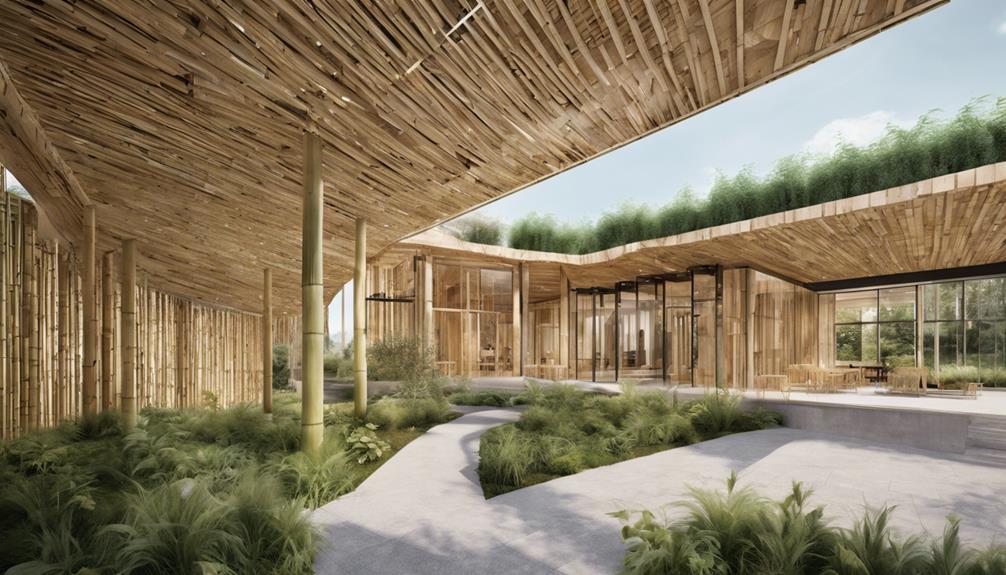
Bamboo stands out due to its rapid growth rate and versatility, making it a top choice for sustainable building. It's not only strong and lightweight but also regenerates quickly without needing replanting, drastically reducing deforestation concerns.

Another essential material is cork, renowned for its sustainability and natural ability to regenerate. Harvesting cork doesn't harm the tree, and its insulating properties can significantly enhance energy efficiency in buildings.

You'll also find that new innovations such as hempcrete are transforming the industry. Made from hemp fibers mixed with lime, this material provides excellent thermal mass and insulation, while being carbon-negative over its lifecycle. It's a game changer for those looking to reduce their carbon footprint.

Choosing the right green materials not only supports the environment but also can lead to long-term savings and improved health benefits by reducing toxins in your living spaces. So, it's worth getting to know these options well.

The Role of Recycled Materials

Exploring the use of recycled materials opens up another significant avenue for sustainable construction. You're not just building structures; you're also stewarding environmental resources responsibly. Recycled materials, from glass and steel to reclaimed wood, reduce the demand on raw resources and cut down on the energy consumed during manufacturing processes.

You might be wondering how effective these materials are in real-world applications. Well, they're often just as durable and reliable as their non-recycled counterparts.

For instance, recycled steel has been a game-changer in reducing the construction industry's carbon footprint. It offers the same structural integrity and versatility as new steel but with a significantly lower environmental impact.

When you opt for recycled materials, you're also supporting the market for recycling industries, which in turn helps reduce waste and pollution. It's a cyclical benefit that promotes a healthier planet.

Moreover, using these materials can often save you money in the long run due to lower raw material costs and potential tax incentives.

Innovations in Biodegradable Resources

Several breakthroughs in biodegradable resources are transforming how we approach environmentally friendly construction. You're seeing a shift towards materials that not only reduce waste but also offer end-of-life solutions that align with nature's cycle. Imagine buildings that can decompose or be fully reintegrated into the environment without leaving harmful residues.

Take mycelium, for example. This material, derived from fungal fibers, grows rapidly and is being molded into insulation panels and structural blocks. It's not only fire-resistant but also provides excellent insulation, making it a game-changer in sustainable building.

You'll also find bioplastics making a splash. Made from natural materials like corn starch, these plastics are used in everything from construction barriers to interior finishes, and they break down much faster than traditional plastics once discarded.

Hempcrete is another star in this lineup. Composed of hemp fibers mixed with lime, it forms a lightweight, insulating material that's also carbon-negative. By using it, you're actively pulling carbon dioxide from the atmosphere, turning your construction project into a carbon sink.

These innovations are just the tip of the iceberg. As you delve deeper into sustainable architecture, you'll discover even more materials that help reduce your footprint while maintaining functionality and aesthetic appeal.

Energy Efficiency Through Design

By focusing on energy-efficient design, you can significantly reduce your building's environmental impact. Imagine aligning your architectural vision with sustainability goals to create spaces that aren't just beautiful but also functionally intelligent and kind to the planet. It's about more than just saving on energy bills; it's about crafting environments that sustain themselves and enhance the quality of life.

Firstly, consider the orientation of your building. Positioning to take full advantage of natural light can decrease the need for artificial lighting. You'll want to think about how the sun moves across your property and utilize strategies like larger south-facing windows to capture maximum light and warmth during cooler months.

Next, insulation plays a crucial role. High-quality, sustainable materials can keep your building warm in the winter and cool in the summer, slashing energy use dramatically. Green roofs and walls not only add aesthetic value but also act as natural insulators.

Moreover, incorporating smart technology like automated energy systems helps in monitoring and adjusting energy consumption efficiently. These systems can control heating, cooling, and lighting based on occupancy, reducing wastage.

Water Conservation Techniques

Moving on to water conservation techniques, it's crucial to realize that every drop counts in building sustainable environments. You're faced with numerous methods to conserve water, which not only help reduce your utility bills but also support a sustainable planet.

Firstly, consider rainwater harvesting systems. These systems collect rainwater from roofs, which can then be used for gardening or flushing toilets. It's a simple way to reduce dependence on municipal water supplies and manage stormwater runoff effectively.

Next, think about installing low-flow fixtures in your home or office. Low-flow showerheads, faucets, and toilets drastically cut down the amount of water used in daily activities. They're easy to install and can save thousands of gallons of water each year.

You should also explore the use of native plants in your landscaping. Native plants require far less water and maintenance than non-native species, making them an ideal choice for eco-friendly landscaping.

Assessing Lifecycle Impacts

When assessing the lifecycle impacts of materials used in sustainable architecture, you need to consider the entire journey from production to disposal. This includes the extraction of raw materials, the energy used during manufacturing, transportation to the building site, and how it's handled at the end of its life. It's not just about the durability or cost; it's about understanding the full environmental footprint.

You'll find that some materials have a surprisingly high impact initially but prove to be more sustainable over time due to their durability and efficiency. For example, the production of concrete is energy-intensive and emits significant CO2. However, its longevity and thermal mass can offset these initial impacts, especially if sourced locally and used efficiently.

Moreover, consider materials that can be recycled or repurposed. This reduces waste and the demand for virgin resources. Materials like bamboo, reclaimed wood, or recycled steel are excellent choices here. They not only lessen the need for new materials but also decrease the energy consumption and waste associated with new production.

Conclusion

You've explored the essentials of sustainable architecture materials, from green building blocks to groundbreaking biodegradable resources. You've seen how smart design enhances energy efficiency and how innovative techniques can conserve water. Remember, assessing the lifecycle impacts of materials is crucial to truly understanding their sustainability. Keep these insights in mind as you push towards more eco-friendly building practices. Your role in shaping a sustainable future in architecture is more significant than you might think!

Related articles: Why Embrace Cutting-Edge Office Building Designs?

sustainable revolutionizing materials architecture

Top Sustainable Materials Revolutionizing Commercial Architecture

You're witnessing a revolution in commercial architecture with materials designed to lessen your environmental footprint. Bamboo offers a sustainable alternative with a strength comparable to steel, making it ideal for everything from beams to flooring. Recycled steel and cross-laminated timber not only reduce production energy but also contribute to sturdy, energy-efficient buildings. Innovations like low-E glass and hempcrete enhance thermal performance and indoor air quality, slashing your energy bills. Materials such as green roofs and reclaimed wood add ecological benefits and aesthetic appeal, paving the way towards more responsible construction practices. As you explore further, you'll discover how these materials are setting new standards in the industry.

Bamboo: The Green Steel

Bamboo, often hailed as the "green steel," is revolutionizing sustainable building practices. You've probably noticed its increasing use in modern construction. This versatile material isn't just aesthetically pleasing; it's tough, flexible, and grows rapidly, making it a superstar in sustainability circles.

Imagine a material that can mature in just three to five years, compared to decades for traditional hardwoods. That's bamboo for you!

You'll find bamboo making waves not only because it's environmentally friendly but also for its ability to meet the rigorous demands of construction. It has a tensile strength that rivals steel and can withstand considerable stress, making it ideal for structures requiring high durability. What's more, it's naturally resistant to pests and diseases, which reduces the need for harmful chemical treatments.

As you explore its applications, you'll see bamboo used in everything from flooring and wall paneling to structural beams and roofing. Its lightweight nature also cuts down on transport emissions, enhancing its green credentials. By choosing bamboo for your projects, you're not just opting for a material that's good for the planet; you're investing in one that delivers performance and sustainability hand in hand.

Recycled Steel Applications

Switching gears from the organic prowess of bamboo, let's delve into the world of recycled steel and its vital role in sustainable architecture. You're already familiar with steel's strength and durability, but did you know that recycled steel offers the same benefits while minimizing environmental impact? It's a prime choice for reducing carbon footprints in building projects.

Recycled steel comes from numerous sources, including old cars, appliances, and even demolished buildings. This means that instead of depleting raw materials, you're giving new life to what would otherwise be waste.

In fact, using recycled steel reduces the energy needed for steel production by about 75%, a significant saving that you can pass on to your clients in terms of both cost and environmental conservation.

Moreover, integrating recycled steel into your projects isn't just about being eco-friendly; it also supports a circular economy. Every ton of recycled steel conserves 2,500 pounds of iron ore, 1,400 pounds of coal, and 120 pounds of limestone.

Cross-Laminated Timber Features

Moving from the robust world of recycled steel, let's explore another sustainable building marvel: cross-laminated timber (CLT).

You'll find that CLT isn't just good for the planet; it's also transforming the way buildings are constructed. Made from layers of kiln-dried lumber stacked in alternating directions, bonded with structural adhesives, and pressed to form sturdy panels, CLT provides exceptional strength and stability.

You might wonder about its benefits beyond the environmental impact. Well, CLT significantly reduces construction time. Its panels are prefabricated and can be installed quickly, cutting down on-site building time.

Moreover, due to its layered structure, CLT boasts excellent thermal insulation, making your building energy-efficient and helping reduce heating and cooling costs.

Don't overlook its aesthetic flexibility either. CLT can be left exposed, showcasing its natural wood beauty and adding warmth to any design. It's a versatile material, compatible with a range of architectural styles, from modern to rustic.

Moreover, CLT's ability to absorb and sequester carbon dioxide during its growth cycle makes it a champion of carbon footprint reduction. By choosing CLT, you're not just building; you're contributing to a greener future.

Low-E Glass Innovations

From the natural charm of cross-laminated timber, we now turn our attention to another groundbreaking material: Low-E (low-emissivity) glass. You've likely come across this innovation, but you may not have realized its full potential in sustainable building. Low-E glass features a microscopically thin coating that reflects heat while allowing light to pass through. This isn't just any window; it's a smart way to reduce energy consumption.

Imagine you're designing an office space. By incorporating Low-E glass, you're not only ensuring that natural light brightens the workspace but also keeping heating and cooling costs down. This glass selectively filters the sun's energy, reflecting the unwanted infrared portions while embracing the visible light that brightens and warms.

This means during the winter, the warmth stays inside, and in the summer, it stays out, balancing the building's climate without overworking the HVAC systems.

Moreover, the benefits extend beyond just energy efficiency. Low-E glass also protects interiors from UV light, which can fade fabrics, artwork, and furnishings. You get the durability of traditional glass with added layers of comfort and efficiency. By choosing Low-E glass, you're stepping into a realm of smart, sustainable design that aligns with modern environmental standards and aesthetic demands.

Hempcrete for Insulation

Often overlooked, hempcrete is a sustainable building material that excels in providing exceptional insulation. You might find yourself wondering why it isn't more commonly used. Well, it's derived from the woody core of the hemp plant mixed with a lime-based binder, creating a lightweight, breathable composite. This unique combination not only regulates temperature effectively but also maintains air quality, reducing your reliance on mechanical ventilation.

You'll appreciate that hempcrete is carbon-negative over its lifecycle. As the hemp grows, it absorbs carbon dioxide from the atmosphere, encapsulating carbon within your building walls. This process significantly reduces the carbon footprint of your construction projects.

Moreover, hempcrete's moisture-handling properties are noteworthy. It's capable of absorbing and releasing moisture naturally, preventing mold and mildew buildup, which is crucial for maintaining a healthy indoor environment.

It also boasts excellent thermal properties, keeping interiors cool in summer and warm in winter, which can lower your energy bills considerably.

Consider hempcrete not just for its sustainability, but for its economic benefits too. Although initial costs may be higher than traditional materials, the long-term savings in energy and maintenance make it a wise choice for your next project.

Green Roofs and Their Benefits

While hempcrete offers a sustainable option for insulation, another innovative approach to eco-friendly construction involves the installation of green roofs. As you explore options to reduce your building's environmental impact, consider how green roofs can be a transformative choice.

Green roofs aren't just visually appealing; they serve crucial environmental roles. They act as natural insulators, reducing the need for heating in winter and cooling in summer. You'll notice a decrease in your energy consumption, which translates to lower utility bills.

Moreover, they absorb rainwater, reducing runoff and decreasing the burden on urban sewage systems during heavy downpours.

The benefits extend to enhancing biodiversity by providing habitats for various wildlife species, particularly in urban areas where green space is limited. This can help you meet local biodiversity targets and contribute positively to your community's ecological balance.

Additionally, green roofs can increase the lifespan of roofing materials by protecting them from harsh weather conditions. You'll find that the initial investment pays off as you save on maintenance and replacement costs over time.

Incorporating green roofs into your projects isn't just a nod to sustainability; it's a smart, long-term investment that boosts property value, appeals to eco-conscious tenants, and aligns with global trends towards greener building practices.

Straw Bale as a Building Material

Many architects and builders are now turning to straw bale as a primary building material due to its exceptional insulation properties and sustainability credentials. If you're considering environmentally conscious materials for your next project, you should explore the benefits of straw bale construction. This material isn't just for small, rustic homes; it's making waves in commercial buildings as well.

Straw bales provide superb natural insulation, keeping interiors cool in the summer and warm in the winter. This can drastically reduce your energy costs, a significant advantage you'll appreciate. Moreover, straw is a rapidly renewable resource, which means you're making a choice that supports agricultural sustainability and reduces waste.

You'll find that building with straw bales also offers excellent soundproofing qualities. This makes it ideal for environments where noise reduction is crucial, such as schools or office buildings. Additionally, the thickness of the walls contributes to a distinctive aesthetic that can set your project apart.

Construction with straw bale isn't only eco-friendly but also cost-effective, especially in rural areas where the material is readily available. By choosing straw bale, you're not just building structures; you're building a legacy of sustainability.

Reclaimed Wood Usage

As you explore sustainable materials for your architectural project, consider reclaimed wood not only for its aesthetic appeal but also for its environmental benefits. It's sourced from old buildings, structures, and unused timber, giving it a second life and reducing waste in landfills. This practice also limits the need for new timber harvesting, preserving forests and reducing carbon emissions associated with logging and transportation.

Reclaimed wood brings a unique character to your projects, with its rich history and distinctive imperfections adding depth and texture. It's versatile, ideal for flooring, paneling, and furniture, enhancing any design with its rustic charm. Moreover, it's incredibly durable, having been tested by time and elements, ensuring your structures aren't only beautiful but also sturdy.

Incorporating reclaimed wood can also earn your project points under sustainability certifications like LEED, contributing to higher building ratings and potential tax benefits. It's a choice that reflects a commitment to environmental stewardship and social responsibility.

Conclusion

You've just explored some of the top sustainable materials changing the face of commercial architecture. From the robust versatility of bamboo and recycled steel to innovative uses of cross-laminated timber and low-E glass, these materials aren't just eco-friendly, they're revolutionizing how buildings are designed and constructed. Whether it's using hempcrete for better insulation or incorporating green roofs, each choice you make pushes the envelope towards sustainability. Embrace these groundbreaking materials and be part of the movement shaping a greener future.

Related articles: Quiz: Test Your Knowledge on Sustainable Architecture Materials

sustainability in modern architecture

5 Best Sustainable Materials for Modern Architecture

In modern architecture, you may consider using bamboo, recycled steel, cork, rammed earth, and cross-laminated timber, as these materials not only support sustainable practices but also enhance the efficiency and aesthetics of buildings. Bamboo grows incredibly fast, providing immense strength, while recycled steel offers durability without the environmental toll of fresh processing. Cork adds exceptional insulation and a unique visual appeal, and rammed earth creates sturdy, low-impact structures. Cross-laminated timber, meanwhile, combines carbon storage and flexible design. Exploring these materials further will unveil how they're paving the way towards a greener, more innovative architectural future.

Bamboo: The Green Strength

In the realm of sustainable materials, bamboo stands out for its remarkable strength and versatility. You've likely seen it used in everything from flooring to furniture, but its applications extend far beyond that. Bamboo's rapid growth rate makes it a superstar in sustainability circles. It can grow up to three feet in just 24 hours, meaning it reaches maturity in about three to five years—far quicker than hardwoods.

You'll find that bamboo isn't just fast-growing; it's also incredibly strong. Its tensile strength can rival that of steel, making it a robust choice for construction. This isn't just about physical strength; bamboo's flexibility allows it to bend without breaking, providing resilience in earthquake-prone areas.

Moreover, bamboo plays a crucial role in carbon sequestration. It absorbs carbon dioxide at a higher rate than many trees, converting it more efficiently into oxygen. This isn't just good for the atmosphere; it enhances the quality of the air you breathe.

Opting for bamboo can significantly reduce your carbon footprint. It's a choice that supports not only environmental sustainability but also promotes a healthier lifestyle through greener living spaces.

Recycled Steel: Eco-Friendly Durability

Recycled steel stands as a pillar of sustainability in modern architecture, offering remarkable durability and a significantly reduced environmental impact. You'll find that using recycled steel not only supports eco-friendly practices but also provides an exceptionally strong material that meets the demands of modern construction without sacrificing quality or aesthetics.

By choosing recycled steel, you're partaking in a circular economy. This process reduces waste and the need for new raw materials, which in turn, decreases the carbon footprint associated with mining and processing virgin steel. It's an efficient use of resources, as steel can be recycled repeatedly without degradation in quality. You're not just building, you're contributing to a sustainable future.

Moreover, the energy required to produce recycled steel is considerably less than that needed for producing new steel from ore. This reduction in energy consumption translates to lower greenhouse gas emissions, making your projects more environmentally friendly.

Recycled steel is versatile and can be used in a wide range of architectural applications—from structural frameworks to interior finishes. It adapts well to both traditional and innovative designs, ensuring that you don't have to compromise on your creative vision to achieve sustainability goals.

Cork: Natural and Renewable

Cork stands out as a superb choice for your sustainable building needs, renowned for its renewability and natural origins. Harvested from the bark of cork oak trees, primarily found in Mediterranean regions, it's an eco-friendly resource that doesn't harm the tree. This material regenerates every nine years, making it a stellar example of sustainability in action.

You'll find that cork isn't only renewable but also incredibly versatile. It offers excellent insulation properties, both thermal and acoustic, making it ideal for flooring, wall coverings, and even roofing materials in your eco-conscious projects. Its natural texture provides a unique aesthetic that can enhance the warmth and comfort of any space.

Furthermore, cork is naturally resistant to mold, mildew, and termites, which contributes to its longevity and durability. This reduces the need for frequent replacements or chemical treatments, lowering the environmental impact over the lifespan of your building.

Incorporating cork into your designs means you're choosing a material that supports forest biodiversity and the economy of rural communities dependent on cork harvesting. It's a choice that benefits not just your building, but the planet and people too.

Rammed Earth: Timeless and Efficient

Rammed earth construction harnesses the enduring beauty and natural strength of earth materials, creating structures that are both energy-efficient and aesthetically appealing. Imagine your home with walls that breathe naturally, regulating humidity and temperature, reducing your reliance on artificial heating and cooling. This isn't just a dream; it's what rammed earth offers.

You'll appreciate its low environmental impact. The primary material, soil, is abundantly available and often sourced directly from or near the construction site, minimizing transportation emissions. This method also significantly reduces the need for processed construction materials, which further decreases the carbon footprint.

Moreover, you're investing in durability. Rammed earth walls are known for their incredible longevity, standing firm for centuries if properly maintained. They resist fire, pests, and mold, making them a safe choice for your family. The thick walls also provide excellent sound insulation, creating a quiet, peaceful environment inside.

Choosing rammed earth isn't just about building a house; it's about creating a legacy. You're constructing a home that blends seamlessly with its natural surroundings and will endure through generations. It's a choice that reflects a commitment to sustainability, without sacrificing style or comfort.

Cross-Laminated Timber: Innovative and Sustainable

Cross-laminated timber (CLT) is revolutionizing the construction industry with its remarkable sustainability and versatility. Imagine constructing buildings that aren't only eco-friendly but also strong and aesthetically pleasing. That's where CLT comes into play. It's a multi-layered panel made from gluing layers of solid-sawn lumber at perpendicular angles.

The result? A material that can handle loads just as well as concrete or steel.

You'll find that CLT's ability to store carbon dioxide significantly lowers the carbon footprint of your projects. It's a breath of fresh air in efforts to combat climate change. Moreover, the production process of CLT uses less energy compared to traditional building materials, enhancing its green credentials.

CLT isn't just about the environment. It offers design flexibility that can ignite your creativity. Whether you're aiming for large, open spaces or intricate designs, CLT adapts to your vision without compromising on strength.

The speed of construction is another bonus. CLT panels are prefabricated, meaning they're quick to assemble on-site, reducing overall build times and labor costs.

Incorporating CLT into your projects positions you at the forefront of sustainable architecture. You're not just building structures; you're building a better future.

Conclusion

You've explored the top sustainable materials that not only promise durability and efficiency but also care for our planet. From the rapid renewability of bamboo and cork to the robustness of recycled steel, the age-old wisdom of rammed earth, and the innovative approach of cross-laminated timber, each material offers unique benefits. Incorporate these into your next project to not only lead in design but also in sustainability. Make a choice that future generations will thank you for.

Related articles: Top Sustainable Materials Revolutionizing Commercial Architecture

sustainable materials in architecture

What Are the Top Sustainable Materials in Commercial Architecture?

In commercial architecture, you'll find that bamboo, recycled steel, rammed earth, cork, and sustainable concrete options are leading the charge toward eco-friendlier building practices. Bamboo offers rapid growth and carbon absorption, making it an attractive, durable choice. Recycled steel cuts down on waste and energy consumption, while rammed earth provides exceptional durability and energy efficiency with minimal environmental impact. Cork, used as insulation, combines sustainability with functionality, and sustainable concrete incorporates waste byproducts to lower CO2 emissions. Each material not only supports the environment but also maintains modern aesthetic standards. Exploring these options might just transform your next project.

Bamboo: Eco-Friendly Versatility

Bamboo stands out as a leading choice in sustainable building materials due to its remarkable growth rate and versatility. You'll find that it's not only strong and durable but also regenerates rapidly without needing replanting or extensive irrigation. This makes it a standout option for eco-conscious projects like yours.

What's more, bamboo has a unique aesthetic that can transform any space. Its natural texture and warm color add a touch of organic elegance, seamlessly blending functionality with design. You're looking at a material that's adaptable to various architectural styles, from modern to traditional. It's ideal for flooring, paneling, and structural elements, offering you a broad range of applications.

You'll appreciate that bamboo is also inherently sustainable. It absorbs carbon dioxide at a higher rate than many trees, contributing positively to environmental efforts by reducing carbon footprints. This aspect alone can help meet your project's sustainability goals.

Moreover, the local communities involved in bamboo cultivation often benefit from its trade, promoting social sustainability by providing jobs and supporting local economies. By choosing bamboo, you're not just making a decision for the environment, but also for the betterment of people's lives.

Recycled Steel Benefits

Turning to recycled steel offers significant advantages for environmentally conscious building projects. You're not only utilizing a material that's strong and durable, but you're also contributing to a significant reduction in environmental impact. Recycled steel requires far less energy to produce compared to new steel, which involves the mining and processing of iron ore. By opting for recycled steel, you're cutting down on energy consumption by about 75%.

Moreover, steel is 100% recyclable—it can be reused endlessly without losing its quality or strength. This means you're part of a loop that keeps valuable materials out of landfills and reduces the need for new raw materials. It's a choice that supports the industry's move towards more sustainable practices.

You'll find that using recycled steel doesn't mean compromising on aesthetics or functionality. It can be used in a myriad of architectural applications from structural supports to exterior cladding. This versatility allows you to maintain a modern, sleek look for your building while being eco-friendly.

Rammed Earth Construction

Rammed earth construction, often overlooked, is making a strong comeback in modern architecture due to its remarkable sustainability features. You'll find that this technique, which involves compacting a mixture of natural materials like soil, clay, and gravel, isn't just eco-friendly; it's also aesthetically pleasing. Its thermal mass helps regulate indoor temperatures, keeping buildings cool in the summer and warm in the winter.

When you choose rammed earth, you're opting for materials that are abundantly available and often sourced from local sites, which significantly reduces the carbon footprint associated with transportation. Additionally, the walls are incredibly durable, capable of lasting centuries with minimal maintenance. This longevity means fewer resources are needed for repairs and rebuilding over time.

You might also appreciate how rammed earth construction can seamlessly integrate with other sustainable practices. For instance, incorporating passive solar design principles enhances energy efficiency further. The walls absorb heat from the sun during the day and release it slowly, providing natural heating.

Cork as Insulating Material

Cork stands out as an exceptional insulating material for both commercial and residential buildings. You'll find that its unique properties make it not only sustainable but also remarkably effective in reducing energy costs. Harvested from the bark of cork oak trees without harming the tree itself, cork is a renewable resource that you can feel good about using.

This material's cellular structure contains millions of tiny air pockets, which dramatically reduce the transfer of heat and sound. This means that by integrating cork into your building's design, you're enhancing thermal insulation and creating a quieter environment.

Plus, it's naturally resistant to mold, mildew, and termites, which adds to its durability and reduces the need for chemical treatments.

Cork's versatility allows you to use it in many forms, from expanded cork insulation panels to acoustic wall coverings. It's easy to install and works seamlessly with other construction materials, ensuring that you don't have to compromise on aesthetics for the sake of functionality.

Sustainable Concrete Options

While cork has proven its worth in eco-friendly insulation, another groundbreaking player in the realm of sustainable building materials is concrete. You might think of concrete as a standard, inflexible option, but sustainable concrete breaks that mold. It incorporates materials like fly ash, slag, and silica fume, which are byproducts from other industries, to reduce the cement content. This not only helps in recycling waste but also significantly cuts down on CO2 emissions associated with traditional concrete production.

You'll find that using sustainable concrete doesn't mean compromising on quality or durability. In fact, these eco-friendly alternatives often provide enhanced performance benefits such as improved strength and better resistance to weather and chemical attacks. They're also more thermally efficient, helping to regulate indoor temperatures and reduce energy costs in commercial buildings.

Moreover, the innovation doesn't stop at material composition. Methods like carbon capture and storage are being integrated during the concrete production process to further reduce its carbon footprint. These advancements make sustainable concrete a smart choice for your projects, aligning with global efforts to curb environmental impacts while maintaining the robust, versatile qualities you rely on in construction materials.

Conclusion

You've got a range of sustainable materials at your fingertips now. From the versatility of bamboo and the strength of recycled steel to the natural beauty of rammed earth and the insulation properties of cork, these choices not only reduce environmental impact but also add unique aesthetic value. Don't forget about sustainable concrete options which can significantly lower your project's carbon footprint. Embrace these materials to make your next commercial architecture project not just innovative but also eco-conscious.

Related articles: 5 Best Sustainable Materials for Modern Architecture

eco friendly materials for buildings

Innovative Materials for Sustainable Architecture

In your quest for sustainable architecture, you can embrace materials like bamboo, which is not only rapidly renewable but also strong and light, making it ideal for construction. You'll find recycled steel advantageous as it supports a closed-loop system and is robust enough for heavy-duty use without degrading over recycling processes. Cork can be your go-to for thermal and acoustic insulation; harvested every nine years, it's incredibly sustainable. If you're leaning towards using innovative construction techniques, consider rammed earth for its excellent temperature regulation and local material use. Each option offers unique benefits and exploring further might reveal which best suits your project's needs.

Bamboo: Versatile and Fast-Growing

While bamboo might seem unassuming, it's actually one of the most versatile and rapidly renewable materials used in sustainable architecture today. You'll find that its growth rate is astonishing, able to mature fully in just three to five years. This starkly contrasts with hardwoods, which can take decades to reach maturity.

You're likely familiar with bamboo's traditional uses in furniture and decor, but its applications in modern building practices are expansive. Its inherent strength and flexibility allow it to withstand high stress and strain, making it an excellent choice for structural elements like beams and scaffolding.

Furthermore, bamboo's natural lightness eases transportation and handling during construction processes.

In addition to its physical benefits, bamboo plays a significant role in environmental sustainability. Its cultivation requires no fertilizer or pesticides and absorbs carbon dioxide at a higher rate than many trees, actively combatting climate change.

As you consider eco-friendly materials for your next project, bamboo stands out as a prime candidate. Its rapid renewability and minimal impact on the environment make it a smart choice for anyone looking to build responsibly.

Recycled Steel: Strength and Sustainability

Recycled steel emerges as another robust choice for sustainable architecture, combining strength with environmental stewardship. You'll find that using recycled steel not only supports the environment by reducing waste but also maintains the material's inherent durability and resilience. It's a win-win; you're making a green choice without compromising on quality or safety.

When you choose recycled steel for your projects, you're participating in a closed-loop system. Steel can be recycled indefinitely without degradation of its properties, offering you a material that's both sturdy and sustainable. This feature ensures that steel production demands less energy and resources compared to using virgin materials, significantly lowering carbon emissions.

Moreover, the process of recycling steel involves re-melting scrap steel, using less energy than the production of fresh steel. By integrating recycled steel in your buildings, you're reducing the industry's carbon footprint and promoting energy efficiency.

Additionally, this practice supports the conservation of iron ore, coal, and limestone, crucial resources that are otherwise heavily consumed in steel production.

Cork: Natural and Renewable

Shifting focus to cork, you'll discover its unique position as both a natural and renewable resource ideal for sustainable architecture. Harvested from the bark of cork oak trees, primarily found in Mediterranean regions, it's a material that doesn't compromise the tree's health or longevity. In fact, cork oaks can live up to 200 years, with the bark regrowing and ready for harvesting every nine years. This makes cork an excellent example of sustainable yield in practice.

You'll be surprised by cork's benefits in construction. It's not just for wine bottles! Its natural properties make it an exceptional insulator, both thermally and acoustically. This means you can reduce energy costs significantly while also buffering against unwanted noise – a win-win for any building project.

Moreover, cork is naturally fire retardant, resistant to mold, and hypoallergenic, ensuring a safer and healthier indoor environment.

Think about the versatility of cork. It can be used in flooring, wall coverings, and even as an external facade. Its lightweight nature also means easier handling and lower transportation emissions. By choosing cork, you're not just building efficiently; you're investing in a material that aligns with the ethos of sustainability.

Rammed Earth: Ancient Techniques Revisited

Stepping back in time, rammed earth construction, an ancient technique, is gaining modern appeal for its sustainability and aesthetic qualities. You're exploring a method that's been used for thousands of years, yet it fits seamlessly into today's eco-friendly building practices.

Rammed earth involves compacting a mixture of natural materials such as soil, clay, sand, and a stabilizer like lime or cement, to form walls. The result isn't just structurally sound but also naturally beautiful, showcasing layered earth tones that blend into natural landscapes.

You'll appreciate that rammed earth isn't only durable but also provides excellent thermal mass, helping to regulate indoor temperatures. This means you can stay cooler in the summer and warmer in the winter, reducing your reliance on heating and cooling systems. Moreover, the materials are typically sourced locally, minimizing transportation emissions and supporting local economies.

As you delve deeper, you'll discover that rammed earth construction is a labor-intensive process, yet it's incredibly rewarding. Each layer of earth is manually tamped down to ensure solidity and stability, creating a sense of connection to the earth and history. It's a sustainable choice that doesn't just build homes but also preserves ancient craftsmanship in a modern world.

Hempcrete: Lightweight and Insulating

While rammed earth reconnects you with ancient building techniques, hempcrete brings a modern twist, using industrial hemp as a core component. This sustainable material consists of hemp shiv mixed with a lime-based binder, creating a lightweight, insulating product that's perfect for construction. You'll find it not only eco-friendly but also remarkably efficient in regulating indoor temperatures.

Hempcrete's breathability offers unique moisture-handling properties, reducing the risk of mold and maintaining air quality inside your home. It's a non-toxic choice, ensuring you're surrounded by materials that keep your living environment healthy. Moreover, its lightweight nature means easier handling and lower transportation costs compared to traditional building materials.

Its installation is straightforward, and you don't need to be a seasoned builder to work with it. Hempcrete fills forms around structural frames, setting into a stone-like material that provides excellent insulation and robustness without the bulk of concrete. Over time, the material petrifies, enhancing its durability and strength.

You'll appreciate that hempcrete isn't only a step towards sustainable living but also a cost-effective solution in the long run. Its insulating properties can significantly reduce your energy bills, making it a smart choice for eco-conscious builders and homeowners alike.

Structural Insulated Panels: Energy Efficiency

In the realm of modern construction, Structural Insulated Panels (SIPs) stand out for their remarkable energy efficiency. You'll find that SIPs are high-performance building panels used in floors, walls, and roofs for residential and light commercial buildings. They're made from an insulating foam core sandwiched between two structural facings, typically oriented strand board (OSB).

What sets SIPs apart is their incredible ability to maintain interior climates. This means you can keep your home warmer in the winter and cooler in the summer without relying heavily on heating and cooling systems. Consequently, you're not only reducing energy consumption but also cutting down on utility bills significantly.

Choosing SIPs also speeds up your construction process since they come prefabricated. You'll spend less time on site, reducing labor costs and minimizing construction waste. This streamlined approach not only makes your project more efficient but also contributes to a lower carbon footprint.

Moreover, the airtight nature of SIPs greatly reduces air leaks compared to traditional framing. This feature further enhances their energy efficiency, ensuring minimal heat loss and better overall thermal performance.

Green Roofs: Urban Biodiversity Enhancement

As cities expand, green roofs have emerged as essential tools in enhancing urban biodiversity. You've likely seen these verdant terraces atop buildings, not just beautifying the skyline but also hosting a variety of plants and wildlife. They're more than just eye candy; green roofs play a pivotal role in creating habitats for pollinators and local fauna, which are often struggling to survive in urban environments.

You can think of these green roofs as mini ecosystems. They don't just support plant species; they also provide food and shelter for insects, birds, and even small mammals. This reintroduction of nature not only helps maintain ecological balance but also bridges the gap between urban and natural environments.

Moreover, you're not just helping the local wildlife. Green roofs can improve air quality and reduce the urban heat island effect, making your city a cooler place to live.

Conclusion

You've explored a range of innovative materials that not only promise sustainable building solutions but also respect our planet. From the rapid renewability of bamboo and cork to the recyclability of steel, these materials offer you the tools to design greener. Embrace ancient methods like rammed earth, or modern technologies like structural insulated panels and hempcrete, to enhance energy efficiency. Don't forget, integrating green roofs can further increase urban biodiversity, making your architectural projects part of the solution to environmental challenges.

Related articles: What Are the Top Sustainable Materials in Commercial Architecture?

cutting edge architecture trends

Top 3 Modern Architectural Design Trends 2023

In 2023, you'll find yourself surrounded by three pivotal architectural design trends. First, sustainable materials are topping the list, with architects utilizing bamboo, certified wood, and innovative recycled composites to minimize environmental impact. Next, smart technology integration is transforming living spaces; buildings now automatically adjust lighting, temperature, and even security systems to enhance your comfort and efficiency. Lastly, there's a revival of biophilic design, which integrates natural elements directly into your environment, significantly boosting mental and physical health. These trends aren't just shaping buildings; they're crafting future lifestyles. Let's explore how these innovations are setting new standards in architecture.

Embracing Sustainable Materials

As architects, you're increasingly turning to sustainable materials to reduce environmental impact and meet global sustainability goals. You're embracing renewable resources like bamboo, which regrows quickly and has a high strength-to-weight ratio. It's not just about the materials themselves, but how they're sourced and their lifecycle impacts.

You're choosing certified wood from responsibly managed forests and utilizing recycled materials whenever possible, which helps to limit waste and reduce the consumption of virgin resources.

You're also exploring new composite materials that combine natural and recycled components for enhanced durability and environmental performance. These innovations allow you to design buildings that aren't only energy-efficient but also healthy and safe for occupants. The push towards sustainability is transforming how you think about architecture, prioritizing long-term impact over short-term gains.

Moreover, the aesthetic of these materials has evolved. You're not sacrificing style for sustainability; rather, you're integrating organic textures and colors that complement modern design elements. This approach not only appeals to environmental consciousness but also enhances the visual and tactile experience of your structures, making sustainability a core element of your architectural expression.

Integration of Smart Technology

In the realm of modern architecture, integrating smart technology is revolutionizing how buildings function and interact with their occupants. You're now stepping into spaces that not only shelter but also intelligently respond to your needs.

Imagine living or working in a building that adjusts lighting, temperature, and even music based on your mood and preferences, all without lifting a finger. This isn't science fiction. It's the reality of smart architecture where your environment adapts to you.

Smart windows, for instance, automatically tint based on the intensity of sunlight, conserving energy and enhancing comfort. Meanwhile, security systems have become more sophisticated yet user-friendly, employing facial recognition and motion sensors that ensure safety without intrusiveness.

Moreover, architects are embedding technology that optimizes energy use, drastically cutting costs and reducing environmental footprints. Smart thermostats and AI-driven energy management systems learn from your habits to maximize efficiency. You'll notice the seamless integration of these technologies not only makes life easier but also supports sustainable living practices.

Revival of Biophilic Designs

While smart technology streamlines your interaction with modern spaces, biophilic design reconnects you with nature, enhancing both your physical and mental well-being. This year, the revival of biophilic design is more than just a trend; it's a transformative approach that integrates natural elements into urban environments. You're seeing more architects incorporate aspects such as natural lighting, ventilation, plant life, and water features into buildings, making these spaces feel more organic and less manufactured.

Imagine walking into an office where the air feels fresh, natural light bathes your workspace, and green walls bring a sense of calm to your busy day. This isn't just aesthetically pleasing; it's scientifically proven to reduce stress, enhance creativity, and improve air quality.

Biophilic design doesn't stop at visual elements. It extends to tactile materials like wood and stone, which can further enhance your connection to the natural world.

This trend is reshaping how you live, work, and interact with your environment, promoting sustainability and well-being through design. It's not just about bringing the outdoors in but creating a harmonious blend that benefits both you and the environment. As you embrace this trend, you'll find that nature isn't just a backdrop for life—it's a vital part of living well.

Conclusion

As you explore the top architectural trends of 2023, remember to embrace sustainable materials, integrate smart technology, and revive biophilic designs. These trends aren't just about aesthetics; they're about building smarter, living better, and connecting more deeply with the natural world. So, whether you're renovating your home or starting from scratch, let these cutting-edge ideas inspire your next project. Make a statement with your space that's both innovative and in tune with the environment.

Related articles: Innovative Materials for Sustainable Architecture

cutting edge architectural designs

Why Are 2023 Architectural Designs So Innovative?

You're seeing groundbreaking innovations in 2023's architectural designs because they beautifully blend sustainability, smart technology, and historical appreciation. By prioritizing eco-friendly materials like bamboo and recycled steel, integrating cutting-edge smart technologies for increased convenience, and transforming aging structures into useful spaces with modern functionalities, architects are reshaping how you interact with your surroundings. They also emphasize biophilic design to enhance your well-being by connecting you more closely with nature. These approaches don't just cater to aesthetic values but are also practical, energy-efficient, and forward-thinking. Explore further and you might just find how these trends can directly benefit your life.

Embracing Sustainable Materials

As architects increasingly prioritize sustainability, many are turning to eco-friendly materials that minimize environmental impact. You'll find that the use of recycled steel not only diminishes the need for new raw resources but also significantly reduces energy consumption and carbon emissions during production. It's a robust material that doesn't compromise on durability or aesthetic appeal.

Bamboo is another star in sustainable architecture. It's not just about its rapid growth rate; bamboo's strength-to-weight ratio is comparable to timber and even steel in some applications. It's versatile, renewable, and brings a warm, natural element to your space that few materials can match.

You've also got to consider reclaimed wood. It tells a story, doesn't it? Each piece has a history, adding unique character and charm to buildings. Beyond its visual appeal, reclaimed wood reduces deforestation and landfill waste, making it a win-win for both you and the planet.

Lastly, don't overlook hempcrete. This lightweight, biodegradable material provides excellent insulation and moisture control, making your building naturally energy-efficient. By choosing hempcrete, you're opting for a non-toxic, fire-resistant building material that significantly lowers your ecological footprint.

Integration of Smart Technology

Smart technology seamlessly integrates into modern architecture, revolutionizing how you interact with your living spaces. Picture yourself walking into a home where lights adjust to your mood, temperatures adapt to your comfort levels, and security systems are activated by your presence. This isn't futuristic fantasy; it's the reality of 2023's architectural innovations.

You've got control at your fingertips. Whether it's through your smartphone or voice commands, managing your environment has never been more intuitive. Imagine adjusting settings in your house while you're still in your office, or having your oven pre-heat at just the right time for dinner. It's all about making your daily routines simpler.

Energy efficiency is also front and center in these smart designs. Automated systems ensure that you're using energy only when and where it's needed, significantly reducing waste and saving costs. Windows and blinds can automatically adjust to the angle of the sun, maximizing natural light while minimizing heat gain, ensuring your space isn't just smart, but also sustainably efficient.

These technological integrations don't just add convenience; they enhance the quality of your life. By personalizing your living environment, 2023's architectural designs ensure that your home isn't just a place you live, but a space that lives with you.

Adaptive Reuse Practices

Many old buildings find new life in 2023 as adaptive reuse practices turn historical structures into vibrant, functional spaces. You'll notice that these aren't just renovations; they're complete transformations that respect the past while boldly stepping into the future.

You're seeing factories turned into lofty apartments and old barns reborn as boutique hotels. These projects aren't just about preserving a facade; they involve rethinking the entire utility of a space. Architects are keeping the character of these old buildings, integrating original materials like exposed brick and wooden beams into modern designs. This approach isn't just aesthetically pleasing, but it's also environmentally responsible, significantly reducing the demand for new materials and decreasing construction waste.

Adaptive reuse isn't limited to commercial or residential spaces either. Old schools and churches are finding new roles that differ vastly from their original purposes. This trend is particularly clever in how it addresses space shortages in urban areas without expanding city footprints, which is crucial as land becomes scarcer and more valuable.

As you walk through these transformed spaces, you'll feel a connection to history meshed with contemporary life, a balance that only the most skillful architects achieve. This blend of old and new defines the architectural innovations of 2023.

Focus on Community Spaces

Community spaces in 2023 are transforming to meet the needs of modern urban dwellers. You're seeing a shift where these areas aren't just afterthoughts but central to architectural design. Planners are prioritizing versatility and accessibility, making sure these spaces serve a multitude of functions—from pop-up markets to outdoor concerts.

You'll notice that community centers and public squares are no longer isolated. They're integrated into residential and commercial areas, making it easier for you to engage and connect. This integration fosters a sense of belonging and encourages more frequent use, turning these spaces into vibrant hubs of activity.

Architects are also focusing on inclusivity in design. You'll find features that cater to all ages and abilities, ensuring everyone can enjoy the space. From smooth pathways for wheelchairs to interactive installations for children, these designs aim to welcome a diverse crowd.

Moreover, the emphasis on sustainable materials and energy-efficient constructions is evident. You're not just seeing spaces that bring people together but also environments that respect the planet. This approach reflects a broader commitment to sustainability, without sacrificing style or functionality. So, as you step into these new community spaces, you're experiencing the future of urban living—thoughtful, inclusive, and sustainable.

Biophilic Design Elements

In 2023, architects are increasingly incorporating biophilic design elements into buildings to connect you more closely with nature. These elements aren't just aesthetic; they're transformative, designed to immerse you in the feel, texture, and breath of the natural world, even within urban settings.

Imagine working in an office where cascading green walls, natural light, and water features are core to the environment. You're not just working; you're enveloped in a living, breathing space.

Biophilic design goes beyond placing a few plants around buildings. It involves integrating nature into the very fabric of architecture, making it a fundamental aspect of the structure. Architects are using materials that mimic natural forms and patterns, maximizing natural light, and improving air quality through plant life which not only boosts your mood but also your productivity and well-being.

This approach is a response to the growing body of research indicating that spaces that reflect the natural environment significantly reduce stress and enhance creativity and clarity of thought.

Conclusion

As you explore the 2023 architectural trends, you'll see innovation at every turn. By embracing sustainable materials and integrating smart technology, architects are reshaping how buildings interact with the environment and its inhabitants. The focus on adaptive reuse and community spaces not only revitalizes neighborhoods but also fosters a sense of belonging. Plus, the incorporation of biophilic designs brings nature closer, enhancing your well-being. These trends aren't just about aesthetics—they're about creating sustainable, connected, and healthier living spaces for you.

Related articles: Top 3 Modern Architectural Design Trends 2023