
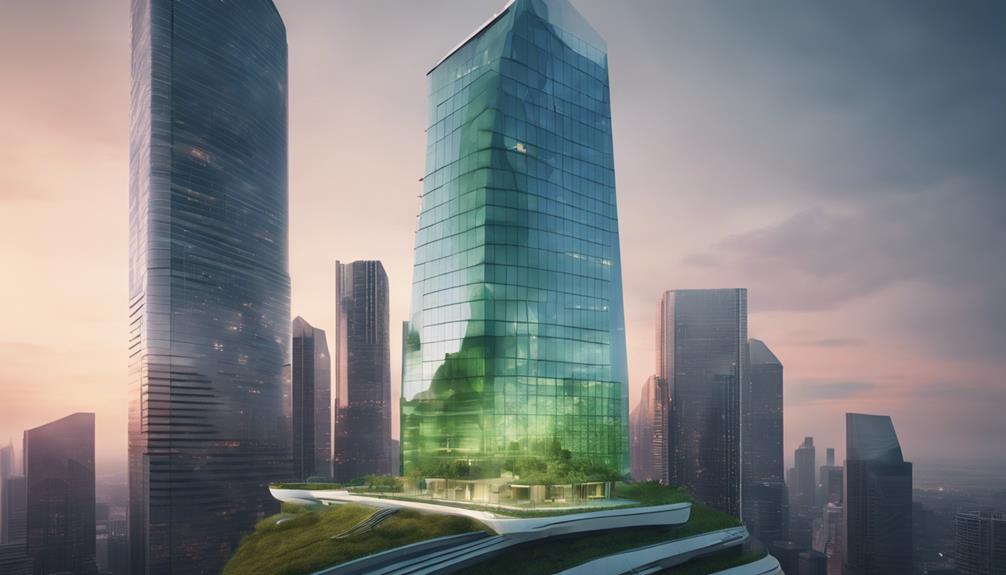
In 2023, you'll find yourself surrounded by three pivotal architectural design trends. First, sustainable materials are topping the list, with architects utilizing bamboo, certified wood, and innovative recycled composites to minimize environmental impact. Next, smart technology integration is transforming living spaces; buildings now automatically adjust lighting, temperature, and even security systems to enhance your comfort and efficiency. Lastly, there's a revival of biophilic design, which integrates natural elements directly into your environment, significantly boosting mental and physical health. These trends aren't just shaping buildings; they're crafting future lifestyles. Let's explore how these innovations are setting new standards in architecture.
Embracing Sustainable Materials
As architects, you're increasingly turning to sustainable materials to reduce environmental impact and meet global sustainability goals. You're embracing renewable resources like bamboo, which regrows quickly and has a high strength-to-weight ratio. It's not just about the materials themselves, but how they're sourced and their lifecycle impacts.
You're choosing certified wood from responsibly managed forests and utilizing recycled materials whenever possible, which helps to limit waste and reduce the consumption of virgin resources.
You're also exploring new composite materials that combine natural and recycled components for enhanced durability and environmental performance. These innovations allow you to design buildings that aren't only energy-efficient but also healthy and safe for occupants. The push towards sustainability is transforming how you think about architecture, prioritizing long-term impact over short-term gains.
Moreover, the aesthetic of these materials has evolved. You're not sacrificing style for sustainability; rather, you're integrating organic textures and colors that complement modern design elements. This approach not only appeals to environmental consciousness but also enhances the visual and tactile experience of your structures, making sustainability a core element of your architectural expression.
Integration of Smart Technology
In the realm of modern architecture, integrating smart technology is revolutionizing how buildings function and interact with their occupants. You're now stepping into spaces that not only shelter but also intelligently respond to your needs.
Imagine living or working in a building that adjusts lighting, temperature, and even music based on your mood and preferences, all without lifting a finger. This isn't science fiction. It's the reality of smart architecture where your environment adapts to you.
Smart windows, for instance, automatically tint based on the intensity of sunlight, conserving energy and enhancing comfort. Meanwhile, security systems have become more sophisticated yet user-friendly, employing facial recognition and motion sensors that ensure safety without intrusiveness.
Moreover, architects are embedding technology that optimizes energy use, drastically cutting costs and reducing environmental footprints. Smart thermostats and AI-driven energy management systems learn from your habits to maximize efficiency. You'll notice the seamless integration of these technologies not only makes life easier but also supports sustainable living practices.
Revival of Biophilic Designs
While smart technology streamlines your interaction with modern spaces, biophilic design reconnects you with nature, enhancing both your physical and mental well-being. This year, the revival of biophilic design is more than just a trend; it's a transformative approach that integrates natural elements into urban environments. You're seeing more architects incorporate aspects such as natural lighting, ventilation, plant life, and water features into buildings, making these spaces feel more organic and less manufactured.
Imagine walking into an office where the air feels fresh, natural light bathes your workspace, and green walls bring a sense of calm to your busy day. This isn't just aesthetically pleasing; it's scientifically proven to reduce stress, enhance creativity, and improve air quality.
Biophilic design doesn't stop at visual elements. It extends to tactile materials like wood and stone, which can further enhance your connection to the natural world.
This trend is reshaping how you live, work, and interact with your environment, promoting sustainability and well-being through design. It's not just about bringing the outdoors in but creating a harmonious blend that benefits both you and the environment. As you embrace this trend, you'll find that nature isn't just a backdrop for life—it's a vital part of living well.
Conclusion
As you explore the top architectural trends of 2023, remember to embrace sustainable materials, integrate smart technology, and revive biophilic designs. These trends aren't just about aesthetics; they're about building smarter, living better, and connecting more deeply with the natural world. So, whether you're renovating your home or starting from scratch, let these cutting-edge ideas inspire your next project. Make a statement with your space that's both innovative and in tune with the environment.
Related articles: Innovative Materials for Sustainable Architecture · What Are the Top Sustainable Materials in Commercial Architecture? · 5 Best Sustainable Materials for Modern Architecture