sustainability in commercial construction

Why Pursue Green Certifications for Commercial Buildings?

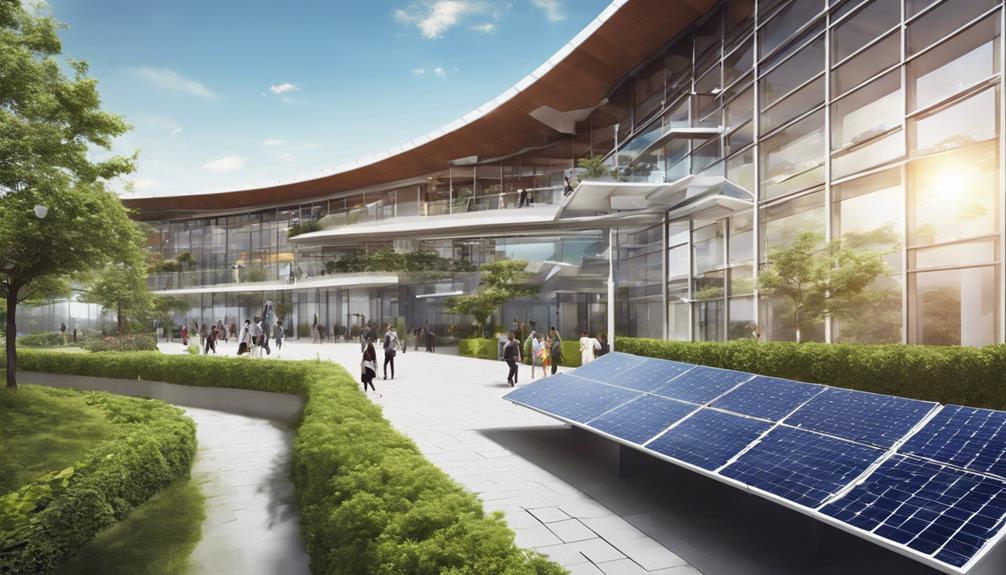
You'll find that pursuing green certifications for your commercial buildings not only boosts their market value but also reduces operational costs significantly. These eco-friendly credentials attract tenants who prioritize sustainability, aligning with the values of modern businesses. Additionally, you'll benefit from tax incentives and rebates for implementing energy-efficient technologies. This adherence to sustainability also means you're in compliance with evolving environmental regulations, reducing liability risks. Beyond financial gains, green certifications enhance building performance, provide a healthier work environment, and significantly lower your carbon footprint. Exploring further can uncover even more ways how these certifications can benefit your operations.

Benefits of Energy Efficiency

Energy efficiency often leads to significant cost savings for commercial buildings. When you invest in energy-efficient upgrades, you're not just reducing your utility bills; you're also minimizing the need for maintenance. Efficient systems typically experience less wear and tear, which means you'll save on repair costs over time.

Moreover, implementing energy-efficient technologies can make you eligible for various tax incentives and rebates. These financial perks can significantly offset the initial investment costs. You'll find that upgrading to energy-efficient appliances, lighting, and HVAC systems not only reduces your energy consumption but also lowers your operational expenses in the long run.

Additionally, energy efficiency can lead to a more comfortable working environment. Improved insulation and efficient heating and cooling systems maintain a consistent indoor temperature, reducing the strain on your HVAC system and providing a more comfortable atmosphere for everyone in the building.

Enhancing Property Value

Boosting your commercial building's energy efficiency not only cuts costs but also significantly enhances its market value. When you invest in green certifications like LEED or BREEAM, you're signaling to potential buyers and investors that your property upholds high environmental standards, which often translates into higher resale values.

Consider that eco-friendly buildings tend to have lower operating costs due to more efficient use of resources. This reduction in expenses can be a key selling point, making your property more attractive compared to non-certified buildings.

Furthermore, as regulations on sustainability tighten, a certified building ensures compliance, avoiding potential fines or costly upgrades down the line.

Moreover, green buildings typically employ cutting-edge technologies and practices that extend the lifespan of structural components and systems. This means less frequent need for major repairs or overhauls, preserving the building's value over time.

Attracting Eco-Conscious Tenants

Securing green certifications for your commercial building not only enhances its value but also makes it a magnet for eco-conscious tenants. You'll find that today's market is increasingly driven by a desire for sustainability. Businesses are under pressure from consumers, investors, and their own corporate governance to reduce environmental footprints. By offering a space that aligns with these values, you're positioning your property as the prime choice for these forward-thinking companies.

These tenants often look for buildings that promote energy efficiency, reduced carbon outputs, and healthier working environments. Your certified building directly addresses these needs, making it highly attractive to companies committed to ecological responsibility. Moreover, these tenants are typically stable, driven by long-term commitments to their environmental goals and corporate social responsibilities.

By marketing your building's green credentials, you tap into a niche market of tenants who value sustainability as much as location and cost. They're likely to pay a premium for a workspace that supports their green initiatives. This not only ensures you attract quality tenants but also retains them longer, reducing turnover and vacancy rates.

Invest in green certifications; it's not just good for the planet, it's smart business.

Qualifying for Tax Incentives

While attracting eco-conscious tenants enhances your building's appeal and profitability, obtaining green certifications can also open doors to significant tax incentives. You'll find that these benefits can substantially offset the initial costs of certification and upgrades.

For instance, federal, state, and sometimes local governments offer tax credits and deductions for buildings that achieve specific energy standards.

To tap into these financial perks, you need to meet certain sustainability benchmarks. These often include energy efficiency levels that surpass the standard building codes.

For example, installing solar panels or upgrading to energy-efficient HVAC systems might qualify you for these incentives. It's not just about what you install, but also how your building performs. Certifications like LEED or ENERGY STAR are key markers that governments look for.

Start by consulting with a sustainability expert who can guide you through the certification process. They'll help you understand the specific requirements and documentation needed to qualify for tax incentives. Also, keep an eye on changes in legislation, as new incentives can arise, enhancing your benefits.

Reducing Operational Costs

Beyond attracting eco-friendly tenants and securing tax breaks, achieving green certifications significantly reduces operational costs in commercial buildings. You'll find that investing in sustainable technologies and practices slashes utility bills and maintenance costs.

For instance, energy-efficient systems use less power and water, leading to noticeably lower monthly expenses.

When your building meets specific green criteria, it also might qualify for incentives like rebates from utility companies or subsidies from government programs. These can offset the initial costs of upgrades and installations, making them more financially feasible.

Moreover, as you're implementing these energy-saving measures, you're also prolonging the lifespan of your building's systems. Efficient HVAC systems and LED lighting don't just save on energy; they typically require less upkeep and last longer than their conventional counterparts.

Additionally, green buildings often see a reduction in waste management costs. Proper recycling systems and the reduction of materials used not only adhere to sustainable principles but also cut down on waste disposal fees.

Promoting Healthier Work Environments

Achieving green certifications not only reduces operational costs but also supports the creation of healthier work environments. When you're in a building that's designed with the environment in mind, you're also in a space that prioritizes your health. Certified buildings often include improved ventilation systems that enhance indoor air quality, reducing pollutants and circulating fresh air more effectively.

Incorporating natural light is another key feature. It can boost your mood and productivity, not to mention reduce the reliance on artificial lighting which can be harsh and less energy efficient. You'll find that with more exposure to daylight, your eyes aren't as strained, and your sleep patterns can improve.

Moreover, materials used in green-certified buildings are typically safer and healthier. They're often free from harmful chemicals and irritants found in traditional building materials, which means you're less likely to experience headaches, allergies, or respiratory issues that can come from those substances.

Contributing to Environmental Sustainability

Now, let's consider how green certifications contribute to environmental sustainability. By adhering to standards that minimize ecological footprints, your building can directly reduce the amount of waste and pollution it produces. These certifications encourage the use of renewable materials and energy-efficient systems which, in turn, cut down on resource depletion and greenhouse gas emissions.

You're not just investing in a label; you're participating in a global movement toward sustainability. Green-certified buildings often incorporate innovative technologies that recycle water, reduce energy consumption, and promote cleaner air. These aren't just beneficial for the planet; they also save you money in the long run through reduced utility costs.

Moreover, achieving a green certification means your building will likely adhere to stricter construction and operational guidelines. This ensures that every aspect, from the materials used to the building's overall energy management, supports a healthier environment.

It's about making a commitment that extends beyond mere compliance to actively improving the ecological health of your community.

Conclusion

You've seen how green certifications for your commercial building can significantly benefit you and the environment. By boosting energy efficiency and property value, attracting eco-conscious tenants, and tapping into tax incentives, you're setting up for substantial savings. Moreover, you're reducing operational costs and fostering a healthier workplace. Most importantly, you're contributing to environmental sustainability, making a positive impact on the planet. Embrace these certifications; they're not just good for the earth—they're great for your business too.

Related articles: Top 10 Green Certifications for Sustainable Buildings

eco friendly building certifications listed

Top 7 Green Certifications for Buildings

If you're aiming to boost your building's eco-friendliness and efficiency, here are the top seven green certifications you might consider. LEED Certification scores your building's design and sustainability across several criteria. BREEAM Certification evaluates energy use among other factors, focusing on long-term sustainability impacts. For a flexible approach, check out the Green Globes Rating System or the WELL Building Standard, which prioritizes occupant health. If energy efficiency is your priority, explore Passive House Standards or ENERGY STAR for Buildings. Lastly, the Living Building Challenge pushes the envelope with its regenerative design requirements. Each certification offers unique benefits that can transform your property and its surroundings.

LEED Certification Overview

LEED (Leadership in Energy and Environmental Design) certification is a globally recognized mark of achievement in green building. When you're exploring sustainable construction, LEED stands out as a rigorous and prestigious framework that evaluates the environmental impact and performance of buildings. It's not just about energy efficiency; it also encompasses water usage, indoor environmental quality, and material selection.

As you delve deeper, you'll find that LEED certification is tiered. Starting from Certified, then Silver, followed by Gold, and peaking at Platinum, each level reflects greater sustainability achievements. You're encouraged to aim high, but even the basic Certified level can significantly elevate a building's sustainability profile.

Obtaining LEED certification involves accumulating points across various sustainability categories. The more points you earn, the higher the certification level you achieve. It's a transparent process that provides clear benchmarks for improvement.

Consider this: LEED-certified buildings often benefit from lower operating costs, increased asset value, and a healthier environment for occupants. They also make a powerful statement about your commitment to environmental stewardship and social responsibility.

BREEAM Assessment Criteria

Shifting focus to BREEAM (Building Research Establishment Environmental Assessment Method), you'll discover it's another leading green certification globally. Originating in the UK in 1990, BREEAM sets the standard for best practices in sustainable building design, construction, and operation. It's recognized for its comprehensive range of performance metrics that cover environmental, social, and economic sustainability issues.

You'll find that BREEAM assessment criteria are divided into several categories, including energy use, health and wellbeing, pollution, transport, materials, waste, water, land use, and ecology. Each category is meticulously scored to ensure a building's performance meets stringent environmental and sustainability standards.

For instance, the energy section evaluates the efficiency of the building's HVAC systems and the incorporation of renewable energy sources.

The process involves rigorous documentation and on-site inspections by certified assessors who ensure compliance with BREEAM's high standards. Achieving a BREEAM certification isn't just about constructing a building that's good for the environment; it's also about creating a space that promotes a better quality of life for its occupants. This dual focus makes BREEAM a holistic assessment tool that aligns closely with the global push towards more sustainable development practices.

Green Globes Rating System

As you explore various certification systems, you'll encounter the Green Globes Rating System, an adaptable and user-friendly framework used primarily in the United States and Canada to assess environmental sustainability in buildings. With its flexible approach, it allows you to tailor the assessment to your specific project, making it less rigid than other certifications.

Green Globes sets itself apart by emphasizing a practical, project-specific application. You'll appreciate that it involves a streamlined process, including an online assessment followed by an onsite visit from a third-party assessor. This dual-layer evaluation ensures thoroughness without becoming overly cumbersome.

You'll also find that Green Globes covers a wide range of sustainability topics, from energy efficiency to the use of eco-friendly materials. Its scoring system is intuitive, awarding up to 1,000 points across various categories, with certifications granted based on the percentage of points achieved. This method provides clear milestones and goals, helping guide your project toward higher environmental standards.

If you're aiming for a certification that balances comprehensive criteria with practical implementation, Green Globes offers a compelling option. It's particularly beneficial if you seek a customizable framework that adapts to your project's unique needs and aspirations.

WELL Building Standard Features

While Green Globes focuses on flexible sustainability assessments, the WELL Building Standard prioritizes enhancing human health and well-being through the built environment. If you're considering which certification to pursue for your next building project, WELL might be the right choice if health is your top priority.

WELL's framework operates on seven core concepts: air, water, nourishment, light, fitness, comfort, and mind. Each of these areas focuses on the best practices and design strategies to promote the health and productivity of the occupants.

For example, the air quality feature mandates rigorous standards for ventilation and filtration to reduce airborne contaminants and ensure a clean breathing environment.

You'll also find that WELL emphasizes the importance of natural lighting and minimizing the disruption of the body's circadian rhythms. This means the design of the building maximizes daylight exposure while minimizing glare and excessive heat gain.

Moreover, WELL encourages active lifestyles with built-in features like staircases that are appealing and accessible, promoting their use over elevators. The comfort concept also ensures that thermal and acoustic environments are optimized to reduce stress and enhance overall well-being.

Passive House Standards

Passive House standards set rigorous benchmarks for energy efficiency in building design, drastically reducing your structure's ecological footprint. When you adopt these standards, you're committing to some of the strictest criteria in the construction industry, focused on achieving ultra-low energy buildings.

This certification primarily revolves around creating a building envelope that's nearly airtight, superbly insulated, and paired with high-performance windows and doors. This isn't just about saving energy, but about maximizing comfort and indoor air quality. You'll rely heavily on passive solar gains and internal heat sources, so your heating and cooling demands will significantly drop.

Moreover, Passive House standards require meticulous attention to detail during design and construction phases. You'll need to consider thermal bridging, airtightness, and proper ventilation strategies. These factors are critical in preventing heat loss and ensuring efficient energy use throughout your building.

Implementing these standards can be more costly up front, but the long-term savings are substantial. Not to mention, you're creating a healthier, more sustainable environment.

ENERGY STAR for Buildings

ENERGY STAR for Buildings is a widely recognized certification that marks your property as energy efficient. As you consider this program, you'll discover it's not just about saving money on your energy bills—it's also about contributing to a larger environmental goal. This certification is overseen by the U.S. Environmental Protection Agency (EPA) and the U.S. Department of Energy, ensuring it maintains high credibility.

To qualify, your building must score at least 75 on the EPA's 1-100 energy performance scale, indicating it performs better than at least 75% of similar buildings nationwide. This score is derived from actual, measured energy usage, adjusted for factors such as location, size, and usage.

Once you apply, an energy rater assesses your building using the ENERGY STAR Portfolio Manager tool, a comprehensive online tool that helps you track and manage your energy and water consumption.

After successful certification, you'll not only enhance your building's marketability but also contribute to reducing greenhouse gas emissions significantly.

Living Building Challenge Insights

Diving into the Living Building Challenge, you'll find it's one of the most rigorous sustainability certifications available. This program pushes you beyond mere sustainability to achieve a net-positive impact. You're not just reducing harm; you're required to demonstrate how your building positively enhances its environment.

To meet the Challenge, your project must fulfill seven performance areas or "Petals": Place, Water, Energy, Health & Happiness, Materials, Equity, and Beauty. Each Petal is divided into specific Imperatives, totaling 20 in all, which are mandatory for certification.

For instance, the Energy Petal demands net-zero energy, meaning your building must generate as much energy as it uses over the course of a year through renewable sources.

What sets the Living Building Challenge apart is its holistic approach. It's not just about the technical aspects of building performance but also how the structure contributes to its community. You're encouraged to think about the site's ecosystem, the sourcing of materials, and the well-being of occupants.

Embarking on this certification journey, you'll be at the forefront of ecological design, setting a high bar for sustainable development. It's a bold commitment, but achieving this certification means being part of a pioneering movement towards truly regenerative building practices.

Conclusion

You've got a range of options when it comes to greening your building! Whether you're going for the rigorous LEED, the holistic WELL Standard, or aiming for the transformative Living Building Challenge, each certification pushes you towards sustainability. Don't forget about ENERGY STAR for cost-effective efficiency, or BREEAM and Green Globes for flexible assessments. Consider what aligns best with your goals and resources, and take that step towards a more sustainable, energy-efficient future for your building.

Related articles: Why Pursue Green Certifications for Commercial Buildings?

eco friendly certifications for buildings

Top Green Certifications for Commercial Buildings

If you're looking to increase your commercial building's sustainability and market value, consider obtaining a green certification. LEED and BREEAM are among the top choices, focusing on everything from energy efficiency to indoor air quality. ENERGY STAR for Buildings could also be a great fit, especially if you're aiming to use at least 35% less energy than typical buildings. Additionally, the Green Globes Rating System and the Living Building Challenge provide flexible and comprehensive approaches to more sustainable business practices. Exploring these options might open up even more opportunities for enhancing your building's environmental and economic performance.

LEED Certification Overview

LEED, or Leadership in Energy and Environmental Design, is a widely recognized green building certification system. Developed by the U.S. Green Building Council (USGBC), it offers a framework for healthy, efficient, and cost-saving green buildings. You might be curious about how LEED could benefit your building projects.

Well, it's all about promoting sustainability across several dimensions including energy savings, water efficiency, CO2 emissions reduction, improved indoor environmental quality, and stewardship of resources.

When you decide to go for LEED certification, you'll start by choosing from various rating systems that best suit your project, such as Building Design and Construction, Interior Design and Construction, or Building Operations and Maintenance. Each category addresses the unique needs of different project types and phases.

Earning LEED certification involves accumulating points based on implemented sustainable strategies. The more points you gather, the higher the certification level you can achieve—Certified, Silver, Gold, or Platinum. You're not just improving your building's performance; you're also setting a benchmark in the industry and potentially increasing your property's value.

BREEAM Certification Explained

Exploring BREEAM, or the Building Research Establishment Environmental Assessment Method, unveils another leading green certification that significantly enhances the sustainability of buildings. As you delve deeper, you'll find that BREEAM is one of the oldest and most widely used methods to assess environmental performance. It offers a multifaceted approach, evaluating categories such as energy, water use, health and wellbeing, pollution, transport, materials, waste, ecology, and management processes.

You might wonder how BREEAM impacts your building projects. It sets the standard for best practices in sustainable building design, construction, and operation. By aiming for a high BREEAM rating, you're not just improving your environmental footprint; you're also boosting the building's overall performance and marketability. This is crucial in today's eco-conscious market.

What's particularly compelling about BREEAM is its adaptability. Whether you're refurbishing an old office or constructing a new retail space, BREEAM provides guidelines that are tailored to fit a wide range of building types and purposes. It's a rigorous process, but achieving certification can significantly elevate your property's value and appeal, ensuring you meet and exceed regulatory requirements while promoting environmental and occupant wellbeing.

ENERGY STAR for Buildings

Shifting focus to ENERGY STAR for Buildings, you'll find it's a widely recognized certification that marks energy efficiency in commercial properties. Administered by the U.S. Environmental Protection Agency, this program helps you identify how your building performs in terms of energy usage compared to similar properties nationwide. By earning this certification, your building isn't just labeled efficient; it actually uses, on average, 35% less energy than typical buildings, which also translates into significant cost savings.

To get certified, you'll first need to track your building's energy consumption using ENERGY STAR's Portfolio Manager tool. This online resource lets you measure and monitor energy and water consumption, as well as greenhouse gas emissions. Inputting your data, you'll see how your property stacks up on a scale of 1 to 100. Buildings scoring above 75 are eligible for ENERGY STAR certification, indicating top performance in energy efficiency.

Achieving this certification not only boosts your property's market value and appeal but also aligns with broader environmental goals by reducing greenhouse gas emissions. Plus, it's a visible commitment to sustainability that can enhance your building's reputation, encouraging a positive public and tenant perception.

Green Globes Rating System

The Green Globes Rating System offers a flexible and comprehensive approach to assessing the sustainability and environmental performance of commercial buildings. You'll find it's particularly appealing if you're seeking an alternative to more rigid frameworks.

With Green Globes, you can expect a streamlined certification process that adapts to your project's specific needs. This system evaluates a wide range of areas including energy efficiency, water conservation, resource management, emissions reduction, and indoor environment quality.

What sets Green Globes apart is its user-friendly interface and personalized feedback throughout the assessment process. You're not just checking boxes; you're engaged in a dynamic evaluation that encourages continuous improvement and innovation.

Additionally, Green Globes provides guidance from certified assessors who help tailor the certification to your building's particular characteristics. This one-on-one interaction ensures that every aspect of your building's environmental impact is carefully considered and optimized.

Whether you're retrofitting an old structure or constructing a new one, Green Globes' adaptable methodology makes it accessible for any project. It's an ideal choice if you're committed to environmental stewardship but need a certification that molds to your unique challenges and goals.

Living Building Challenge

While Green Globes offers a flexible certification approach, the Living Building Challenge takes sustainability standards to the next level by promoting the creation of spaces that function in harmony with their environment. As you delve into this rigorous certification, you'll find it's not just about reducing harm, but about benefiting the environment actively.

You must meet a series of ambitious performance requirements over a minimum of 12 months of continuous occupancy. The standards are categorized into seven areas, known as Petals: Place, Water, Energy, Health & Happiness, Materials, Equity, and Beauty. These Petals are further divided into 20 Imperatives, each of which you must achieve to receive certification.

For instance, under the Energy Petal, your building must achieve net-positive energy, meaning it generates more energy than it uses, solely through renewable sources. This pushes you to think innovatively about energy use and sourcing.

Moreover, the Materials Petal insists on using non-toxic, ecologically restorative materials, which can significantly challenge how you source and choose building materials.

Embracing the Living Building Challenge not only sets you apart as a leader in sustainability but also demonstrates a commitment to the highest ecological and social ideals in building design.

WELL Building Standard

Transitioning from the Living Building Challenge, you'll find the WELL Building Standard focuses more on human health and well-being within the built environment. Developed by the International WELL Building Institute, the WELL Standard is a powerful tool, emphasizing the impacts of buildings on human health and psychological well-being. Unlike other certifications primarily concerned with environmental sustainability, WELL targets the ways your building can enhance occupants' health, mood, and productivity.

You'll delve into features that scrutinize air, water, nourishment, light, fitness, comfort, and mind. Each of these elements is rigorously tested and optimized to ensure that the environments you create or renovate contribute positively to the physical and mental states of occupants. This approach isn't just about compliance; it's about setting a new standard in building health-centric spaces.

Passive House Certification

Shifting focus from the WELL Building Standard, Passive House Certification brings an equally significant, albeit different, approach to sustainable architecture. You'll find it centers on creating buildings that are ultra-low energy, ensuring that your commercial space isn't just sustainable but also cost-effective in the long run.

This certification primarily focuses on dramatically reducing the energy needed for heating and cooling, which can be a game-changer for your utility bills and carbon footprint.

With Passive House standards, you're looking at super-insulated walls, highly efficient windows, and airtight construction. These features work together to maintain a comfortable indoor climate without relying heavily on external heating or cooling systems. It's about harnessing passive energy sources like the sun, internal heat from appliances and occupants, and even recovering heat from exhaust air.

To achieve this certification, your building must meet rigorous criteria for energy performance and airtightness, tested by a blower-door test among other assessments. You'll also need to consider the building's total energy consumption and ensure it falls below a specified threshold, which is meticulously calculated.

Embracing Passive House Certification isn't just a step towards sustainability; it's a leap towards drastically reducing operational costs and enhancing occupant comfort.

Zero Carbon Building Standard

Every commercial building project aiming for major sustainability milestones should consider the Zero Carbon Building Standard. This standard isn't just a badge; it's your commitment to a sustainable future. It ensures your building operates with net-zero carbon emissions, dramatically reducing your environmental impact.

You'll start by assessing your current carbon footprint, setting a clear, measurable goal that aligns with global carbon reduction targets. The process involves optimizing energy efficiency through innovative design and technology. Think high-performance ventilation systems and smart energy management systems that not only reduce emissions but also cut down on operational costs.

Implementing renewable energy solutions is next. Whether it's solar panels, wind turbines, or geothermal energy, you'll integrate systems that generate clean, renewable energy directly on-site. This isn't just good for the planet; it's also wise economically as it significantly lowers energy expenses in the long run.

Moreover, achieving the Zero Carbon Building Standard requires rigorous documentation and verification to ensure all your carbon emissions are accurately measured and offset. Getting certified might challenge you, but it's a bold step towards environmental responsibility that sets you apart in the commercial building sector. Embrace this path, and you're not just building for today, but leading for a sustainable tomorrow.

Conclusion

You've explored the top green certifications for commercial buildings, each with its unique focus and benefits. From LEED's comprehensive approach to BREEAM's adaptability, ENERGY STAR's efficiency metrics, Green Globes' practicality, the Living Building Challenge's ambitious goals, the WELL Standard's human-centric design, Passive House's rigorous energy criteria, to the Zero Carbon Building Standard's forward-thinking strategy. It's crucial you choose the right certification that aligns with your sustainability goals and enhances your building's environmental, economic, and social impacts.

Related articles: Top 7 Green Certifications for Buildings

efficient construction energy techniques

7 Best Energy-Efficient Construction Techniques

To boost your home's energy efficiency, consider these top techniques: Passive Solar Building Design utilizes the sun for natural heating and cooling, optimizing comfort while reducing costs. High-Performance Insulation keeps heat flow resistance high, lessening the need for continuous climate control. Upgrade to Advanced Window Technologies with Low-E coatings that minimize energy loss. Install Green Roofing Systems to enhance insulation and manage stormwater. Opt for Energy-Efficient HVAC Systems with high SEER and AFUE ratings. Switch to LED Lighting, cutting down significantly on your electricity consumption. Finally, embrace On-Site Renewable Energy like solar panels or small wind turbines. Each method not only cuts costs but also increases your property's value, setting the stage for further exploration into sustainable living.

Passive Solar Building Design

Harnessing the sun's energy, passive solar building design optimizes your home's natural heating and cooling abilities. You're not just saving on your energy bills; you're also enhancing comfort and reducing your carbon footprint. By strategically placing windows and selecting the right materials, your home can capture heat during the winter and keep cooler during the summer months.

The key is in the orientation of your home. Your main windows should face south to collect solar energy during the winter when the sun is low in the sky. In summer, when the sun is high, properly designed roof overhangs or other shading devices prevent overheating by blocking the high sun. This natural regulation of temperature means you'll rely less on artificial heating and cooling.

You also need to think about thermal mass – materials like concrete, stone, or tile that absorb and store heat. These materials capture warmth during sunny days and release it slowly when temperatures drop, maintaining a comfortable atmosphere inside.

Consideration of these elements from the start of your design process can drastically reduce the need for additional heating and cooling, leading to a home that's not only comfortable but also environmentally responsible and cost-effective.

High-Performance Insulation

Switching gears to high-performance insulation, you'll find it's a critical component in constructing energy-efficient buildings. This type of insulation goes beyond standard options by providing superior resistance to heat flow. This means your home stays warmer in the winter and cooler in the summer, reducing the need for constant heating and cooling.

You'll want to consider materials like spray foam, rigid foam boards, and reflective insulation. Spray foam, in particular, expands to fill gaps and cracks, creating an airtight seal. It's an ideal solution if you're looking to significantly cut down on energy loss.

Rigid foam boards add robust layers of insulation and can be used in walls, roofs, and floors. They're particularly effective in minimizing thermal bridging, where heat bypasses more insulated parts of a wall.

Reflective insulation, which reflects heat away from your home, is another smart choice, especially in hot climates. It's typically installed in attics to reduce cooling costs by reflecting heat away from the roof.

Advanced Window Technologies

While high-performance insulation significantly enhances a building's energy efficiency, advanced window technologies further amplify these benefits. You've probably felt how traditional windows can let in cold drafts or radiate heat. Today's advanced windows, however, use technologies like low-emissivity (low-E) coatings and inert gas fills to drastically reduce heat transfer.

These windows have a microscopic metallic layer applied to the glass surface, reflecting heat back into the room during winter and out during summer, stabilizing your indoor climate.

You'll also see options like triple-glazing, which adds an additional layer of glass and airspace to improve insulation. This isn't just about keeping your home at a comfortable temperature; it also means your HVAC system won't have to work as hard, reducing your energy bills significantly.

Moreover, modern advancements include frames made from materials like fiberglass, which offer superior thermal performance compared to traditional aluminum. Fiberglass frames expand and contract very little with temperature changes, ensuring a tight seal over the years.

Choosing the right windows can transform the energy profile of your home. Look for the Energy Star label to ensure you're getting a product that meets strict efficiency guidelines. By investing in these technologies, you're not just saving money; you're also contributing to a more sustainable future.

Green Roofing Systems

Green roofing systems offer you a sustainable way to enhance your building's environmental efficiency. These innovative roofs aren't only a visual delight but also a practical addition to modern construction. They're designed with layers of vegetation that provide substantial insulation, reducing the need for artificial heating and cooling.

This natural insulation keeps your building warmer in winter and cooler in summer, leading to significant energy savings.

Installing a green roof also contributes to stormwater management. The plants and soil absorb rainwater, reducing runoff and decreasing the burden on urban drainage systems. You'll find that this not only helps prevent flooding but also purifies the water naturally, which can be beneficial in maintaining local waterways.

Moreover, green roofs can extend the lifespan of your roofing materials. The vegetation shields the underlying roofing components from UV rays and extreme temperatures, which can degrade conventional roofing materials over time.

This means you'll face fewer repairs and replacements, saving you money in the long run.

Lastly, these roofs can improve air quality and provide a habitat for wildlife, contributing to biodiversity. By choosing a green roofing system, you're not just investing in energy efficiency; you're also supporting environmental sustainability on a broader scale.

Energy-Efficient HVAC Solutions

Most modern buildings could benefit significantly from energy-efficient HVAC solutions. As you consider upgrading your heating, ventilation, and air conditioning systems, there are several cutting-edge technologies and strategies you should know about that can drastically reduce your energy consumption and lower your bills.

First, consider installing a high-efficiency HVAC system. These systems are designed to use less energy while maintaining optimal indoor comfort. Look for units with a high SEER (Seasonal Energy Efficiency Ratio) rating for cooling and a high AFUE (Annual Fuel Utilization Efficiency) rating for heating. These ratings ensure you're getting one of the most energy-efficient systems on the market.

Additionally, incorporating smart thermostats into your HVAC system can lead to significant energy savings. Smart thermostats adjust the temperature based on real-time usage and environmental conditions, ensuring that you're not heating or cooling an empty space unnecessarily. They learn your schedule and preferences over time, optimizing energy use while maintaining comfort.

Lastly, don't underestimate the importance of regular maintenance. Ensuring that your HVAC system is regularly checked and properly maintained can prevent inefficient operation and potential failures, keeping it running at peak efficiency. This simple step not only saves energy but also extends the life of your system.

LED Lighting Installations

Shifting focus to LED lighting installations, you'll find they offer an impressive array of benefits for energy conservation. By opting for LED lights, you're choosing fixtures that use at least 75% less energy than traditional incandescent bulbs. This significant reduction in energy consumption not only lowers your electricity bills but also extends the lifespan of these bulbs, which can last up to 25 times longer.

You'll also appreciate how LEDs emit very little heat compared to incandescent and CFL lighting, which means less energy is wasted. Plus, the cooler operation reduces the strain on air conditioning systems during hot months, further increasing your energy savings.

LEDs offer superior flexibility in design and functionality. You can integrate them into a wide range of settings, from recessed lighting in ceilings to under-cabinet lighting in kitchens. They provide excellent color rendering, which enhances the visual appeal of your space without sacrificing efficiency.

Moreover, LED technology has advanced to include smart lighting options. You can control these lights via smartphone apps or voice-activated devices, allowing for adjustments in brightness and color based on your needs or time of day, optimizing energy usage throughout your home.

On-Site Renewable Energy Generation

As you explore the latest in energy-efficient construction, consider the potential of on-site renewable energy generation. Integrating solar panels, wind turbines, or even geothermal systems into your projects can drastically reduce reliance on traditional power sources, cutting down both costs and carbon footprints. It's not just about sticking panels on roofs anymore; innovative technologies allow for seamless integration into building designs, enhancing aesthetics as well as functionality.

You'll find that solar panels are more versatile than ever. They can be installed on roofs, integrated into building facades, or even designed as part of landscaping elements like solar walkways. For properties with more space, small-scale wind turbines can provide additional power, particularly effective in rural or open environments where wind flow is consistent.

Moreover, geothermal heat pumps, which utilize the stable temperatures underground, can be a game-changer for both heating and cooling efficiency. By tapping into this consistent energy source, you're looking at significant reductions in energy usage.

These systems not only trim down utility bills but also increase the market value of properties. They represent a commitment to sustainability that's increasingly valued by buyers and tenants alike. Plus, many regions offer incentives like tax breaks or rebates, making the initial investment more manageable.

Conclusion

You've just explored the top seven energy-efficient construction techniques that can transform how you build and live. By incorporating methods like passive solar design, superior insulation, and cutting-edge windows, along with green roofs, efficient HVAC systems, LED lighting, and renewable energy solutions, you're not only saving on costs but also contributing to a healthier planet. Embrace these innovations and make your next building project a beacon of sustainability and efficiency.

Related articles: Top Green Certifications for Commercial Buildings

efficient energy use guide

Top Energy-Efficient Techniques for Commercial Buildings

To boost energy efficiency in your commercial building, start with high-performance building envelopes that use enhanced insulation and triple-pane windows to minimize energy loss. Upgrade your HVAC systems with modern, adaptive technologies including smart thermostats and variable speed drives that optimize energy use. Implement smart lighting solutions utilizing LED lights coupled with sensors and timers to cut down on unnecessary electricity consumption. Consider integrating renewable energy sources like solar panels or wind turbines to decrease reliance on fossil fuels. Also, adopt water conservation strategies, including low-flow fixtures and water-efficient landscaping. These initiatives not only reduce costs but also increase your building's market value. Exploring these strategies further could unveil more benefits and cost-saving opportunities.

High-Performance Building Envelopes

To significantly cut energy costs in commercial buildings, consider upgrading to high-performance building envelopes. These advanced barriers are key in minimizing unwanted heat loss or gain. By focusing on the envelope — which includes walls, roofs, windows, and doors — you're essentially wrapping your building in a thermal blanket that efficiently manages energy consumption.

What does this mean for you? Initially, you might face some upfront costs, but the long-term savings are substantial. Enhanced insulation, triple-pane windows, and high-quality seals make these envelopes capable of maintaining interior temperatures with far less reliance on heating and cooling systems. This isn't just about reducing bills; it's also about enhancing occupant comfort and contributing to a healthier environment.

Consider the choice of materials and the design. Innovative solutions like reflective roofing or green roofs, and walls with integrated photovoltaic panels, not only reduce energy costs but also add to the aesthetic and functional value of your property. You're not only saving money but potentially increasing your building's market value.

Advanced HVAC Systems

Switching to advanced HVAC systems can significantly enhance your building's energy efficiency. These modern systems operate more effectively, adapting to changes in external and internal temperatures, and maintaining optimal indoor air quality with less energy.

You'll find that newer HVAC models use technologies like variable speed drives and energy recovery ventilators. These components adjust the airflow based on real-time needs, which means you're not wasting energy cooling or heating unoccupied spaces. It's not just about the immediate savings on your utility bills; it's also about reducing your carbon footprint.

Consider also the integration of smart thermostats into these systems. They learn your building's usage patterns and make automatic adjustments. This isn't just convenient; it ensures that you're using energy only when and where it's needed most.

Moreover, regular maintenance and upgrades of your HVAC system are crucial. Don't overlook the importance of ensuring that all components are functioning efficiently. Preventive maintenance can catch issues before they become costly problems and extend the life of your system.

Smart Lighting Solutions

Implementing smart lighting solutions can significantly reduce your building's energy consumption. By upgrading to LED lights, which use up to 75% less energy than traditional bulbs, you'll see immediate savings on your electricity bill. But don't stop there; integrating sensors and intelligent lighting controls can maximize these benefits.

Motion sensors ensure lights are only on when needed, avoiding unnecessary energy use. Similarly, daylight harvesting sensors adjust indoor lighting based on the amount of natural light available, which further diminishes electricity usage during peak daylight hours.

You can also tailor your lighting system with timers and dimmers to optimize energy use throughout the day. For instance, setting lower light levels during off-peak hours can significantly decrease your overall energy expenditure.

Plus, smart lighting systems can be managed remotely through a central management system, allowing you to monitor and adjust settings on-the-go or from a centralized location. This not only enhances your control over energy consumption but also simplifies maintenance and troubleshooting, leading to additional savings.

Renewable Energy Integration

While smart lighting solutions play a significant role in reducing energy costs, integrating renewable energy sources such as solar panels and wind turbines further enhances your building's sustainability. You're not just cutting down on greenhouse gas emissions; you're also tapping into a long-term strategy for reducing operational costs.

Solar panels, for instance, can be installed on rooftops or unused land around your building. They provide a clean and consistent source of power, especially in sunny climates. By harnessing the sun's energy, you're reducing reliance on fossil fuels and stabilizing energy costs against market fluctuations.

Wind turbines, while needing more initial investment and space, generate power efficiently and can significantly lower your energy bills if your site is wind-appropriate.

Moreover, consider biomass systems, which use organic materials to generate heat and electricity. These systems can be particularly cost-effective if you have access to local, renewable sources of biomass.

Lastly, geothermal energy offers a reliable and constant energy supply. Installing a geothermal heat pump system can heat and cool your building more efficiently than traditional systems.

Water Conservation Strategies

Water conservation is crucial for maintaining your building's operational efficiency and supporting environmental sustainability. By adopting smart water management practices, you're not just cutting costs; you're also contributing to a healthier planet. Let's dive into effective strategies that can make a significant difference.

Firstly, consider installing low-flow fixtures in restrooms, kitchens, and any other applicable areas. These devices, including faucets, toilets, and showerheads, use significantly less water than standard models. You'll see a reduction in water usage and your utility bills will reflect the savings.

Next, think about upgrading to water-efficient landscaping. Opt for native plants that require less water, and integrate drip irrigation systems that target root zones directly, minimizing waste.

Monitoring your water usage can also lead to substantial savings. Install sub-metering to track water use in different parts of your building. This will help you identify leaks and inefficiencies quickly, allowing for prompt repairs.

Conclusion

You've seen how top energy-efficient techniques can transform your commercial building. By embracing high-performance envelopes, advanced HVAC systems, smart lighting, renewable energy, and water-saving strategies, you're not just cutting costs—you're investing in the future. These innovations not only reduce your ecological footprint but also enhance the comfort and productivity of your space. So, take the leap, make those changes, and watch as your building becomes a beacon of sustainability and efficiency.

Related articles: 7 Best Energy-Efficient Construction Techniques

building for environmental sustainability

What Are Energy-Efficient Building Techniques?

To boost your home's energy efficiency, you might consider a mix of high-performance insulation, like spray foam or rigid foam boards, and strategic window placement to maximize natural light while minimizing energy loss. Incorporating passive solar design principles, such as orienting your building to benefit from the sun's heat and light, is another effective technique. Choose sustainable materials like bamboo or recycled steel, and install a high-efficiency HVAC system to further cut down on energy costs. With these strategies, you can significantly reduce your energy bills and your home's environmental impact. Exploring these options could open up even more possibilities for energy optimization.

Passive Solar Design Principles

Passive solar design principles harness the sun's energy to heat and light homes naturally, reducing reliance on artificial heating and lighting. You can leverage these principles by orienting your home properly, incorporating materials with thermal mass, and using windows strategically. Imagine your house as a sun sponge, soaking up free energy and using it efficiently.

Start by considering the orientation of your home. A south-facing orientation maximizes sunlight exposure, crucial during colder months. In summer, you can prevent overheating with overhangs or deciduous trees that shed leaves, allowing winter light and blocking summer heat.

Next, think about thermal mass—materials like brick, concrete, or stone that absorb and store heat from the sun. They slowly release this heat during cooler periods, maintaining a comfortable indoor temperature without active heating systems. Place these materials where they'll catch sunlight during the day.

Windows also play a key role. Large, south-facing windows capture sunlight. However, ensure they're well-sealed and consider glazing options to minimize heat loss.

North-facing windows should be minimized or eliminated to reduce energy leakage.

High-Performance Insulation Options

To significantly boost your home's energy efficiency, explore high-performance insulation options. These materials not only reduce heating and cooling costs but also enhance indoor comfort year-round. High-performance insulation typically includes options like spray foam, rigid foam boards, and advanced batts that are denser than traditional materials.

Spray foam insulation is a standout due to its ability to create a tight seal in wall cavities, attics, and basements. It expands upon application, filling gaps and reducing air leaks more effectively than standard materials. This can dramatically lower your energy bills by keeping the warm or cool air inside your home.

Rigid foam boards add exceptional thermal resistance to exterior walls and roofs. They can be tailored to fit various spaces, making them ideal for retrofitting older homes where traditional insulation mightn't reach. Plus, they're moisture-resistant, which helps prevent mold growth and ensures a healthier living environment.

Lastly, consider enhanced fiberglass or mineral wool batts for areas needing extra thermal protection. These products are denser and thicker, providing superior soundproofing and energy conservation without taking up too much space.

Advanced Window Placement Strategies

After considering high-performance insulation materials for energy efficiency, another effective approach involves strategically placing your windows. You'll find that the position and size of your windows can significantly influence your home's energy consumption. By optimizing window placement, you harness natural light and reduce reliance on artificial lighting during the day, which saves energy and lowers your bills.

Firstly, consider the orientation of your windows. North-facing windows capture consistent, indirect sunlight, ensuring bright interiors without excessive heat. South-facing windows are ideal for cooler climates as they receive more direct sunlight, naturally warming your house. However, if you're in a warmer region, you might want to minimize east and west-facing windows, which can become sources of unwanted heat during summer mornings and afternoons.

You should also think about incorporating overhangs or using shading devices like awnings and blinds. These additions help control the amount of sunlight entering through the windows, particularly during hot months, without obstructing views or natural light completely.

Energy-Efficient HVAC Systems

Shifting focus to heating, ventilation, and air conditioning (HVAC) systems, consider the significant role they play in achieving energy efficiency in your home. You're not just looking for comfort; you want to ensure that every watt of energy is used effectively. One of the best ways to achieve this is through the installation of a high-efficiency HVAC system. These systems are designed to use less energy while maintaining optimal indoor air quality and comfort.

One of the best ways to achieve this is through the installation of a high-efficiency HVAC system. These systems are designed to use less energy while maintaining optimal indoor air quality and comfort.

You should consider models that have a high Seasonal Energy Efficiency Ratio (SEER) and Energy Efficiency Ratio (EER). The higher these ratings, the better the unit's energy performance. Also, look for features like programmable thermostats, which let you control the temperature based on your schedule, reducing unnecessary heating and cooling.

Moreover, regular maintenance is crucial. Ensuring that your system is regularly checked and filters are replaced can prevent energy wastage and extend the unit's lifespan. Also, think about the size of the HVAC system. An oversized or undersized unit can lead to inefficient operation and energy losses.

Incorporating these energy-efficient practices isn't just good for your wallet; it's also a step towards reducing your home's environmental footprint. Choose wisely, and ensure your HVAC system contributes to a greener, more sustainable home.

Sustainable Building Materials

Exploring sustainable building materials is key to enhancing the eco-friendliness of your home. These materials not only reduce your environmental footprint but also can save you money in the long run. Let's dive into some options you might consider.

Bamboo stands out as a superb choice. It's not only sturdy and attractive but also grows rapidly, making it a highly renewable resource.

You're also looking at cork, which isn't just for wine bottles! It provides excellent insulation, is naturally mold-resistant, and is harvested from the bark of the cork oak tree without harming it, allowing the tree to continue growing.

Recycled materials are another avenue worth exploring. Recycled steel, glass, and plastic reduce landfill waste and decrease the energy used in manufacturing new materials. Incorporating these into your build could make a significant environmental impact.

For insulation, consider sheep's wool. It's sustainable, biodegradable, and has fantastic thermal properties. Plus, it helps control humidity levels in your home.

Choosing any of these materials contributes to a greener planet. You're not just building a house; you're setting a standard for sustainability in your community. So, think green when planning your next home project!

Smart Lighting and Electrical Technologies

As you consider updating your home, integrating smart lighting and electrical technologies can significantly enhance both energy efficiency and convenience. These systems allow you to control lighting, appliances, and even thermostats remotely or via automated settings. Imagine adjusting lights and temperature from your smartphone or having them adapt automatically based on natural light and occupancy. This isn't just handy; it slashes your energy bills and reduces your carbon footprint.

Smart lighting systems utilize LED bulbs, which use at least 75% less energy and last 25 times longer than traditional incandescent bulbs. You can set them to dim or turn off when not needed, and personalize settings for different times of the day or activities, maximizing your energy savings.

Moreover, smart electrical systems often include energy monitoring features. You'll know exactly where and how you're using electricity, identifying any inefficiencies. This insight lets you make targeted changes that further reduce consumption.

Conclusion

You've explored a range of techniques to make your building more energy-efficient. From harnessing the sun's power through passive solar design and investing in high-performance insulation, to strategically placing windows and selecting advanced HVAC systems. You've also considered sustainable materials and smart lighting solutions. Together, these strategies not only reduce your energy bills but also decrease your environmental footprint. Now, you're equipped to make informed decisions that align with both your economic and ecological goals.

Related articles: Top Energy-Efficient Techniques for Commercial Buildings

efficient strategies for commercial construction

Top Techniques for Energy-Efficient Commercial Construction

To boost the energy efficiency of your commercial construction, start by optimizing the building's orientation to take full advantage of natural light and minimize heat gain. Consider high-performance building envelopes with materials that provide excellent thermal resistance and focus on airtight designs. Upgrade to energy-efficient HVAC systems with high SEER ratings and smart thermostats to cut back on energy use. Implement advanced window technologies, such as triple-pane, low-E coated windows for better insulation. Also, integrating solar power and employing LED lighting solutions significantly reduce energy consumption. With these strategies in place, you'll find a noticeable improvement in your building's energy performance and cost-effectiveness.

Site Orientation and Planning

Site orientation and planning play a crucial role in maximizing energy efficiency in commercial construction. You've got to consider how your building interacts with its environment right from the start. By carefully positioning the building on the site, you can take full advantage of natural light, thereby reducing the need for artificial lighting and cutting down on energy costs.

It's not just about where you place the building, but also how you align it. The direction it faces matters immensely.

Think about the sun's path. In cooler climates, you'd want to maximize southern exposure to increase solar gain, while in hotter areas, minimizing this can reduce cooling loads. It's all about finding that sweet spot.

You also need to consider wind patterns for natural ventilation. Properly harnessing breezes can improve indoor air quality and decrease the need for mechanical cooling systems.

Don't forget the landscaping. Strategic placement of trees and shrubs can provide shade and act as windbreaks, which further optimizes your energy savings. You're not just building on a site; you're integrating into an ecosystem. By understanding and respecting this connection, you ensure your commercial project isn't just built but is sustainably established.

High-Performance Building Envelopes

While site orientation optimizes natural resources, high-performance building envelopes are crucial for maintaining energy efficiency throughout the structure's lifetime. You need to consider how every component, from walls and roofs to windows and doors, contributes to an energy-efficient envelope. Start by selecting materials with high thermal resistance. Insulating materials like spray foam, rigid insulation boards, and double-glazed windows can significantly reduce heat transfer.

You'll also want to focus on airtightness. Preventing unwanted airflow through cracks and crevices is key. Employ techniques such as air barriers and sealants, and ensure that all joints and intersections are well-sealed. This step alone can drastically cut energy costs by minimizing the load on heating and cooling systems.

Moreover, the envelope's design should promote natural light while minimizing heat gain and loss. Using daylighting strategies, such as strategically placed windows and skylights, reduces the need for artificial lighting and helps maintain constant indoor temperatures. Reflective materials or coatings on exterior surfaces can also deflect unwanted solar heat, particularly in warmer climates.

Energy-Efficient HVAC Systems

Transitioning from high-performance building envelopes, consider the role of energy-efficient HVAC systems in reducing your building's energy consumption. These systems are crucial for maintaining not only comfort but also operational efficiency and cost-effectiveness.

When you choose an HVAC system, focus on options that feature high Seasonal Energy Efficiency Ratios (SEER), Energy Efficiency Ratios (EER), and Heating Seasonal Performance Factors (HSPF). These ratings indicate the energy efficiency of air conditioners, heat pumps, and heaters. The higher the number, the less electricity they use.

You should also consider systems that use variable speed drives for fans and compressors. These components adjust their speed based on the actual need, which significantly reduces energy use and wear and tear.

Additionally, modern HVAC systems often include smart thermostats and zoning capabilities. These features allow you to control temperatures in different areas of your building independently and according to occupancy, which can lead to substantial energy savings.

Moreover, regular maintenance can't be overlooked. Ensuring that your HVAC system is properly serviced means it operates at peak efficiency. This includes routine checks and replacing filters, which prevent overworking and excessive energy use. By prioritizing these aspects, you'll optimize your energy usage and contribute to a more sustainable future.

Advanced Window Technologies

Moving beyond HVAC systems, advanced window technologies offer another significant opportunity to enhance your building's energy efficiency. Implementing cutting-edge window solutions can drastically reduce heating and cooling costs. You'll find that these technologies not only improve thermal performance but also contribute to overall building sustainability.

Consider smart windows, which adjust their tint based on sunlight intensity, keeping interiors comfortable without excessive air conditioner use. You'll save energy, as these windows can significantly cut down on heat gain during summer and heat loss in winter.

Additionally, by implementing triple-pane windows filled with argon or krypton gas, you'll enhance insulation, further stabilizing indoor temperatures.

Low-emissivity (low-E) coatings are another game-changer. Applied to window glass, these microscopic metal or metallic oxide layers reflect infrared radiation, keeping heat inside during winter and outside in summer. You'll notice less need for heating and cooling, leading to lower energy bills.

Think also about frame materials. Fiberglass frames offer superb thermal insulation compared to traditional aluminum, minimizing thermal bridging where heat could transfer. By choosing energy-efficient window technologies tailored to your specific climate and building orientation, you'll maximize benefits and ensure a comfortable, cost-effective environment for all occupants.

Solar Power Integration

Solar power integration offers a transformative approach to reducing your building's carbon footprint and operational costs. By harnessing the sun's energy, you're not only cutting down on electricity bills but also contributing to a greener planet. It's crucial to consider the orientation of your building and the local climate to maximize solar gain. Panels should ideally be placed where they can receive direct sunlight for the majority of the day.

Incorporating solar technology doesn't just stop at photovoltaic panels. You might also explore solar water heating systems, which can further decrease your reliance on traditional energy sources. These systems are particularly effective in industries that require large amounts of hot water, such as hospitality or manufacturing.

Moreover, with advances in solar storage, you don't have to worry about losing power after the sun sets. Modern solar batteries store excess energy produced during the day, ensuring a continuous power supply, and even offer the possibility of selling surplus energy back to the grid.

Sustainable Insulation Options

In addition to solar technology, choosing the right insulation is crucial for energy-efficient commercial construction. You'll want to consider sustainable options that not only reduce energy consumption but also minimize environmental impact. Wool, cotton, and cellulose are among the top choices. They're sourced from renewable materials, making them incredibly eco-friendly.

Wool insulation, for instance, is made from sheep's wool and can be reused or recycled at the end of its life. It's naturally fire-resistant and effective at regulating humidity, which keeps your building cooler in the summer and warmer in the winter.

Cotton insulation, often made from recycled denim, is another stellar option. It's free from chemical irritants and offers excellent thermal and acoustic properties.

Cellulose, primarily made from recycled paper, has a low thermal conductivity, making it ideal for preventing heat transfer. It's treated to be fire and pest-resistant, adding an extra layer of protection for your building.

Choosing any of these materials means you're reducing reliance on synthetic, non-biodegradable insulation options like fiberglass and foam. Not only are you enhancing the building's energy efficiency, but you're also contributing to a sustainable future. So, weigh your options carefully and consider how your choices today impact tomorrow.

LED Lighting Solutions

While selecting sustainable insulation enhances building efficiency, integrating LED lighting solutions further reduces your energy use and costs. LED lights are known for their longevity and energy efficiency. They use up to 75% less energy compared to traditional incandescent bulbs and last 25 times longer. This means you'll save on both maintenance and energy bills.

Switching to LED lighting also improves the quality of light in your space, offering a range of colors and brightness levels that can be tailored to fit any environment. You can manipulate this versatility to create ambiance that not only elevates the aesthetic of your commercial space but also enhances productivity and comfort for occupants.

Moreover, LED lights operate at a lower temperature, reducing the workload on your cooling systems during warmer months. This interaction between your lighting and HVAC systems is crucial for minimizing energy consumption.

To maximize your savings, consider installing smart LED systems that adjust brightness based on the time of day and occupancy levels. This adaptive technology ensures you're not wasting energy lighting unoccupied spaces.

Water Conservation Strategies

Transitioning to water-saving technologies is essential for any energy-efficient commercial construction project. As you plan your building's infrastructure, consider the substantial benefits of incorporating high-efficiency plumbing fixtures. You'll not only reduce water usage but also lower the overall operational costs.

Start by installing low-flow toilets and urinals, which use significantly less water per flush compared to standard models. Also, opt for faucet aerators and high-efficiency showerheads in restrooms to cut down on water wastage without compromising performance. These simple swaps can lead to substantial savings in both water and money.

Next, think about rainwater harvesting systems. These systems collect rainwater from rooftops, which can then be used for landscaping and flushing toilets. It's a smart way to utilize a natural resource that would otherwise go to waste.

Additionally, implementing drought-resistant landscaping can further reduce your water usage outdoors. Choose native plants that require minimal irrigation and maintenance, ensuring your green spaces are both beautiful and sustainable.

Smart Building Automation

Moving beyond water conservation, smart building automation is your next step toward creating an energy-efficient commercial space. You'll find that integrating advanced technology systems can drastically reduce energy consumption and operational costs.

By installing smart sensors and controls, you can automatically adjust lighting, heating, cooling, and ventilation based on occupancy and ambient conditions. This ensures that you're not wasting resources on unoccupied spaces or during times when natural conditions are favorable.

For example, during cooler periods, HVAC systems can dial back, leveraging natural air without compromising comfort.

Moreover, smart meters and energy management systems provide real-time data on power usage. You'll gain insights into which areas of your building consume the most energy, allowing you to make informed decisions to optimize performance.

By analyzing this data, you can also predict future energy needs and plan accordingly, reducing surprises and ensuring your operations run smoothly.

Don't overlook the benefits of integrating renewable energy sources with your building automation systems. Solar panels or small wind turbines can be controlled to maximize energy production based on weather conditions, further enhancing your building's efficiency and sustainability.

This smart integration not only supports your environmental goals but also improves your bottom line.

Green Roofing Systems

Green roofing systems offer a transformative solution for your commercial building's sustainability efforts. By installing a green roof, you're not only enhancing the aesthetic value of your property but also contributing significantly to environmental sustainability.

These roofs are covered with vegetation, which helps reduce heat absorption, leading to lower cooling costs and energy consumption.

You'll find that green roofs can dramatically extend roof life. The vegetation layer protects the roofing materials from UV rays and extreme temperatures, both of which can cause significant wear over time. Additionally, they manage stormwater effectively.

Instead of overwhelming city drainage systems during heavy rains, green roofs absorb and retain a substantial amount of rainfall, reducing runoff and promoting water conservation.

Moreover, they improve air quality. The plants on green roofs filter pollutants and carbon dioxide out of the air, which makes the air cleaner around your building. This can be particularly beneficial in urban areas where air quality may be a concern.

Conclusion

You've explored the top techniques for energy-efficient commercial construction, from smart site planning to integrating solar power. By implementing these strategies, you'll not only cut down on energy costs but also contribute to a sustainable future. Remember, every choice counts, from the windows you select to the type of roofing and HVAC systems you install. Embrace these innovations to make your building as efficient as possible. It's about being cost-effective while being environmentally responsible.

Related articles: What Are Energy-Efficient Building Techniques?

energy efficient building methods showcased

Innovative Energy-Saving Building Techniques

Incorporating innovative energy-saving techniques in your building design can dramatically cut down your utility costs and boost your environmental stewardship. Start by optimizing the orientation of your home with passive solar design to maximize natural light and heat, reducing the need for artificial heating and lighting. Upgrade to high-performance insulation and energy-efficient HVAC systems to ensure that your indoor climate control is both effective and economical. Don't overlook advanced window technologies and smart lighting systems, which further enhance energy savings. As you consider these options, the benefits of such advancements in maintaining both comfort and sustainability will become apparent.

Passive Solar Design Principles

Passive solar design principles harness the sun's energy to heat and light homes efficiently, reducing reliance on artificial heating and lighting. When you incorporate these principles into your home, you're leveraging the natural movements and angles of the sun throughout the seasons to maintain comfort without heavy energy costs.

You'll want to begin by considering the orientation of your home. A south-facing orientation maximizes your exposure to the sun during the winter months when the sun is lower in the sky. This allows for optimal solar gain, naturally warming your living spaces.

In contrast, during the summer, when the sun is higher, properly placed eaves or overhangs ensure that the high angle rays are blocked, keeping your home cooler.

Next, think about your windows. Large, south-facing windows catch the winter sun, but you must choose materials that minimize heat loss. Window glazing or treatments can help. Also, using thermal mass, like concrete floors or walls, can absorb and store solar heat during the day and release it slowly when temperatures drop at night.

High-Performance Insulation Options

Switching gears from passive solar design, let's delve into high-performance insulation options that can significantly enhance your home's energy efficiency. When you're upgrading or building, choosing the right insulation is crucial.

You've got options like spray foam, rigid foam boards, and reflective insulation, each serving unique benefits depending on your needs.

Spray foam, for instance, expands to fill gaps, providing an excellent air barrier. It can reduce the infiltration of air and moisture, helping you cut down on heating and cooling costs.

Rigid foam boards, on the other hand, are great for insulating exterior walls and basement walls. They're easy to install and provide a high R-value per inch, making them ideal for areas with space limitations.

Reflective insulation, which includes materials like foil-faced kraft paper, is perfect for reducing cooling costs in hot climates. It reflects heat away from your house, keeping it cooler in the summer.

Don't forget, proper installation is key. Even the best insulation won't perform well if it's installed incorrectly. You might want to consult a professional to ensure it's done right. This step isn't just about saving energy; it's about creating a comfortable living space that's efficient and durable.

Energy-Efficient HVAC Systems

After exploring high-performance insulation options, let's focus on another key component of your home's energy efficiency: HVAC systems. You're probably aware that heating, ventilation, and air conditioning can account for nearly half of your home's energy use. By choosing energy-efficient HVAC systems, you can significantly reduce your energy bills and enhance indoor comfort.

Firstly, consider systems with a high Seasonal Energy Efficiency Ratio (SEER) and Energy Efficiency Ratio (EER). The higher these numbers, the more efficient the unit. Nowadays, you'll find systems with SEER ratings of up to 25, which are incredibly efficient compared to older models with SEER ratings as low as 6 or 8.

Next, don't overlook the importance of proper installation. Even the most advanced system won't perform optimally if it's not installed correctly. Ensure you hire a certified professional who can install the system according to the manufacturer's specifications.

Regular maintenance is also crucial. You should check filters monthly and replace them at least every three months. An annual professional check-up helps catch issues early, ensuring your system runs efficiently year-round.

Lastly, consider smart thermostats. These devices automatically adjust your heating and cooling based on your habits and preferences, optimizing energy use and saving money without sacrificing comfort.

Green Roofing Solutions

Exploring green roofing solutions can significantly enhance your home's energy efficiency and reduce its environmental footprint. Imagine your roof not just as a shelter but as an active environmental player.

Green roofs, or living roofs, are covered with vegetation and soil, transforming your roof into a mini ecosystem.

You'll find that green roofs provide incredible insulation during the winter and act as a natural coolant in the summer, slashing your heating and cooling costs. They also absorb rainwater, reducing the risk of flooding and alleviating pressure on urban sewage systems during heavy downpours.

But it's not just about cost savings or practical benefits. Installing a green roof can extend its life expectancy by protecting the underlying materials from extreme weather conditions. Plus, you're contributing to urban biodiversity, offering habitats for various wildlife.

Think about the aesthetic value as well. A lush, green rooftop provides a visual break in urban environments dominated by concrete and can improve your mental well-being and air quality.

As you consider this option, remember that structural assessments are crucial; not every roof can support the additional weight. Consulting with a structural engineer and a professional roofer who specializes in green installations is essential. This investment not only boosts your property's value but also its sustainability.

Advanced Window Technologies

While green roofs revolutionize the top of your home, advanced window technologies offer another layer of energy efficiency and comfort. If you're looking to significantly cut down on your energy bills and improve your living space, consider the latest in window innovations. High-performance windows not only retain indoor heat during winter but also keep your home cool during hot summers.

You've probably heard of double-glazing, but the newer triple-glazed windows provide even better insulation. They feature three layers of glass and are filled with gases like argon, which drastically reduce heat transfer. This means you'll rely less on heating and cooling systems, saving energy and money.

Moreover, you can opt for windows with low-emissivity (low-E) coatings. These microscopic, transparent layers are incredible—they reflect infrared light, keeping heat inside during the winter and outside during the summer. Plus, they protect your furniture from fading by blocking harmful UV rays.

For optimal energy savings, consider windows with automated shading systems. These adjust dynamically to external conditions, maximizing natural light while minimizing heat gain and loss. With these smart technologies, you're not just upgrading your windows; you're enhancing the overall efficiency and comfort of your home.

Smart Lighting Innovations

Turning to another key component of energy-efficient homes, smart lighting innovations bring significant energy savings and enhanced convenience into your daily life. Imagine adjusting the ambiance of any room with just a tap on your smartphone or a simple voice command. That's the reality with smart lighting systems. They not only allow you to control the intensity and color of your lights remotely but also enable the lights to adapt automatically based on the time of day or the natural light available.

With smart lighting, you're not just installing light bulbs; you're integrating a system that learns your habits. Lights can turn off automatically when a room is unoccupied, saving you money without any effort on your part.

They can even sync with your security system to simulate presence at home while you're away, adding an extra layer of security.

Moreover, the installation and management of smart lighting are straightforward. Most systems are compatible with existing home setups, meaning you won't need any major rewiring. Energy savings, coupled with the potential increase in your property value, make smart lighting a bright choice for eco-conscious and tech-savvy homeowners alike.

Conclusion

You've explored the cutting-edge in energy-saving building techniques, from harnessing the sun's power through passive solar design to installing high-performance insulation and efficient HVAC systems. Don't forget the benefits of green roofing and advanced window technologies that further conserve energy. With smart lighting innovations, you're set to make significant reductions in energy consumption. Embrace these technologies, and you'll not only cut costs but also contribute to a more sustainable future. It's all in your hands now—build wisely!

Related articles: Top Techniques for Energy-Efficient Commercial Construction

eco friendly options for building

Top Sustainable Materials for Commercial Construction

You'll find that top sustainable materials like bamboo, recycled steel, and cork can significantly boost your commercial construction project's environmental credentials. Bamboo grows quickly, making it a readily renewable resource. Recycled steel reduces carbon emissions and saves energy compared to producing new steel. Cork, harvested from the bark of cork oak trees without damaging them, offers excellent insulation, helping you cut down on energy costs. These materials not only help preserve the environment but also enhance the aesthetic and functional qualities of your buildings. By incorporating these innovative solutions, you'll set the stage for healthier, more sustainable living spaces.

Bamboo: The Renewable Wonder

While many materials are touted as eco-friendly, bamboo stands out for its exceptional sustainability. You'll find that bamboo isn't only abundant but also incredibly fast-growing. It can mature in about three to five years, compared to hardwoods like oak, which might need up to forty years. This rapid growth cycle means bamboo can be harvested frequently without causing environmental damage.

Bamboo's benefits don't stop at its growth rate. You'll appreciate that it doesn't require fertilizers or pesticides to thrive. This natural resistance to pests reduces the need for chemicals that harm the environment.

Moreover, bamboo produces more oxygen and absorbs more carbon dioxide compared to many other plants, actively improving air quality.

Its versatility in design and application makes it an ideal choice for commercial construction. You can use it for everything from flooring and wall paneling to structural elements.

Additionally, bamboo's natural aesthetic adds a warm, organic feel to any space, enhancing the overall design.

When you choose bamboo for your construction projects, you're not just opting for a durable and attractive material. You're making a decision that supports sustainable practices and contributes to a healthier planet.

Recycled Steel Attributes

Recycled steel stands as a pillar of sustainability in commercial construction. You'll find that using this material not only supports environmental conservation but also enhances the efficiency and overall sustainability of your projects.

When you choose recycled steel, you're opting for a material that requires significantly less energy to produce compared to new steel. This substantial energy reduction translates to lower carbon emissions, making it a critical choice for eco-conscious builders like you.

Moreover, the robust recycling infrastructure for steel means that it can be recycled repeatedly without loss of quality. You're not just using a product; you're contributing to a cycle of reuse that extends the material's lifespan and reduces waste.

This aspect is particularly beneficial in commercial construction where large quantities of materials are used and the environmental impact is significant.

Additionally, integrating recycled steel into your projects can boost their green credentials, an appealing factor for clients and investors increasingly drawn to sustainable building practices. This choice not only furthers your commitment to environmental stewardship but also positions you as a forward-thinking builder, ready to meet the demands of a rapidly evolving construction landscape.

Cork: Eco-Friendly and Versatile

Cork stands out as another stellar choice for sustainable commercial construction. You'll find that its remarkable properties extend far beyond the familiar role as wine stoppers.

Harvested from the bark of the cork oak tree, primarily found in Mediterranean regions, cork is a renewable resource that doesn't require the tree to be cut down. This means you can enjoy its benefits without compromising forest health.

As you consider cork for your building projects, you'll appreciate its natural resilience and durability. It's naturally fire resistant and can serve as a form of insulation, helping to regulate the temperature and acoustics of a building. This can significantly cut down your energy costs, making it an economically appealing option as well.

Moreover, cork is highly versatile. It can be used in flooring, wall coverings, and even as a roofing material. Each application offers a unique aesthetic that can elevate the design of any commercial space.

You're not just choosing a material that's good for the planet; you're also opting for one that's stylish and functional.

Reclaimed Wood Benefits

Reclaimed wood, with its rich history and unique character, offers significant advantages for sustainable commercial construction. As you explore eco-friendly materials, you'll find that reclaimed wood not only reduces the demand on forests but also decreases landfill waste. This material has already stood the test of time, proving its durability and strength, which means it's built to last in your upcoming projects.

Moreover, each piece of reclaimed wood carries a distinctive look, with weathered textures and varied patinas that can't be replicated artificially. This uniqueness allows you to create eye-catching designs that stand out. It's perfect for flooring, paneling, or even structural elements, providing a touch of authenticity and warmth that's highly sought after in modern architecture.

Using reclaimed wood also helps you gain points under sustainability certifications like LEED. It's treated as a recycled content, enhancing your building's environmental credentials. You're not just building; you're preserving history and making an impactful statement about resource conservation.

Insulated Concrete Forms Efficiency

Insulated concrete forms (ICFs) offer an innovative solution for your construction needs, dramatically enhancing energy efficiency and reducing utility costs. These forms consist of hollow foam blocks or panels that are stacked to shape the exterior walls of a building, then filled with reinforced concrete. This not only boosts structural strength but also significantly improves insulation.

You'll find that ICFs can cut down on the heating and cooling demands of your building. Due to their high thermal resistance, ICF walls drastically lessen the amount of energy lost compared to traditional wood or metal framing. This means you're not just saving money, but also contributing to a reduction in the building's carbon footprint.

Moreover, the airtight nature of ICF construction minimizes air leaks, which further aids in maintaining consistent indoor temperatures. This can be a game changer in climates that experience extreme weather, ensuring comfortable interiors regardless of the season.

Additionally, ICFs offer excellent sound insulation, making them ideal for areas where noise pollution is a concern. They're also known for their resistance to fire, pests, and mold, enhancing the durability and safety of your structure. By choosing ICFs, you're opting for a smarter, more sustainable way to build.

Rammed Earth Construction

Building on the theme of sustainable construction, rammed earth offers another fascinating approach that prioritizes environmental stewardship while delivering robust structural benefits. You'll find that this technique involves compacting a mixture of natural materials such as soil, clay, and gravel. These are layered and mechanically compressed to form walls that aren't only aesthetically pleasing but also incredibly durable.

Rammed earth is a testament to both timelessness and innovation. It's been used for thousands of years, yet it fits seamlessly into modern architecture. You'll appreciate how it naturally regulates temperature, keeping interiors cool in the summer and warm in the winter. This passive energy efficiency reduces the need for mechanical heating and cooling, slashing energy costs and your building's carbon footprint.

Moreover, the materials required for rammed earth construction are often sourced locally. This reduces transportation emissions and supports local economies. You're not just building structures; you're nurturing the community and preserving local landscapes.

Embrace rammed earth for its low environmental impact, resilience, and unique aesthetic qualities. It's not just about building for today but creating a legacy of sustainability for future generations to admire and inhabit.

Green Roofing Options

Transitioning from traditional roofing, consider the benefits of green roofing options for your next project. These innovative systems not only enhance the aesthetic appeal of your building but also contribute significantly to environmental sustainability.

You're looking at a setup that can reduce your building's heat absorption, thanks to the layer of vegetation that acts as an insulation layer on the roof. This means lower cooling costs and a significant reduction in your energy consumption.

Moreover, green roofs are excellent for managing stormwater. They absorb rainfall, which reduces runoff and decreases the stress on urban sewage systems.

You'll appreciate how this system naturally filters rainwater, potentially even repurposing it for building use. It's an effective way to mitigate the "heat island" effect common in urban areas, where buildings and pavements absorb and re-emit the sun's heat more than natural landscapes.

Beyond the practical benefits, installing a green roof can elevate your property value and attract tenants who are environmentally conscious. It's a forward-thinking choice that signifies your commitment to sustainable building practices.

Imagine your building not just housing businesses, but also a thriving ecosystem that supports local wildlife and provides a serene spot for occupants to enjoy.

Low-E Glass Technology

Shifting focus to window technology, consider the advantages of Low-E (low-emissivity) glass for your next construction project. This innovative glass isn't just your typical window pane; it's designed to minimize the amount of infrared and ultraviolet light that comes through your windows without compromising on light transmission. This means you'll enjoy natural light without the associated heat and UV damage to interiors.

Low-E glass works by reflecting heat back to its source, thanks to a thin metallic coating. During winter, the heat inside your building is reflected back inside, keeping spaces warmer without cranking up the thermostat.

In the summer, it does the opposite by reflecting exterior heat, reducing your need for air conditioning. This dual action makes Low-E glass a year-round ally against energy waste.

You'll also appreciate that Low-E glass can significantly reduce your energy bills. By maintaining a more consistent interior temperature, your heating and cooling systems won't have to work overtime. Additionally, this glass type protects against fading of fabrics and paint caused by UV exposure, which means your interior furnishings and walls stay looking fresh and vibrant longer.

Opting for Low-E glass is a smart, energy-efficient choice that aligns perfectly with sustainable building practices.

Straw Bale Insulation Properties

While Low-E glass optimizes your building's interaction with sunlight, another sustainable material focuses on harnessing natural resources for superior insulation. Straw bale, a byproduct of grain farming, offers exceptional insulating properties that could significantly reduce your energy costs. You're not just choosing an eco-friendly option; you're investing in long-term sustainability.

Straw bale's high R-values, typically ranging from R-30 to R-35, mean it outperforms many conventional insulation materials. This robust insulation helps maintain a consistent indoor temperature, whether it's shielding you from the blistering summer heat or the biting cold of winter.

Moreover, it's not just about thermal performance; straw bale also provides excellent soundproofing qualities. You'll find that noise pollution is markedly reduced, creating a quieter, more peaceful environment.

Installing straw bale is straightforward. You can stack the bales within a timber frame, which speeds up the construction process and reduces labor costs. It's crucial, however, to ensure proper sealing and moisture control to prevent decay.

With the right installation, straw bale walls can last as long as other conventional materials, all while keeping your building's carbon footprint to a minimum. Isn't it time you considered straw bale for your next project?

Conclusion

You've just explored some of the top sustainable materials for commercial construction. From the rapid renewability of bamboo to the energy efficiency of low-E glass, each option offers unique benefits. Whether you're considering the thermal insulation of straw bale or the durability of recycled steel, integrating these materials can significantly reduce your project's environmental impact. Embrace these eco-friendly choices to not only conserve resources but also to potentially lower long-term operating costs for your construction projects.

Related articles: Innovative Energy-Saving Building Techniques

eco friendly materials for projects

Top Sustainable Materials for Large-Scale Projects

When tackling large-scale projects, you'll find a variety of top sustainable materials that offer environmental and practical benefits. Consider bamboo, known for its strength and flexibility, or cork, sustainably harvested from cork oak trees. Recycled steel and reclaimed wood not only save resources but also add character to your structures, while innovations in glass recycling significantly reduce landfill waste. Alternatively, explore innovative materials like cross-laminated timber from sustainably managed forests, precast concrete for efficient construction, or rammed earth to minimize your carbon footprint. Each material brings unique advantages to the table, paving the way for more discoveries as you explore further.

Bamboo: Nature's Steel

Bamboo, often hailed as "Nature's Steel," offers remarkable strength and flexibility, making it an excellent choice for sustainable construction. You'll find that its rapid growth rate and ability to regenerate without replanting make it an eco-friendly resource, reducing deforestation and carbon emissions. Unlike traditional hardwoods, bamboo can mature and be ready for use in just three to five years.

You might appreciate bamboo's versatility in design and architecture. It's not just for quaint garden structures or decorative elements. Today, you can use it for structural frames, flooring, and even wall paneling in modern buildings. Its natural lightness coupled with robustness provides resilience against earthquakes, a vital feature you'd want in your construction materials.

Moreover, working with bamboo isn't just about picking a sustainable option; it's also about embracing a material that improves soil stability and prevents erosion. It consumes high amounts of nitrogen, which can purify wastewater, making it beneficial for environmental management.

Choosing bamboo means you're not only focusing on the immediate impact of your construction project but also contributing to a broader positive effect on the environment. This choice supports biodiversity and sustains supply without leading to resource depletion.

Recycled Steel Advantages

Over the years, recycled steel has emerged as a cornerstone of sustainable construction. You might wonder why it's become so popular. Well, it's largely because it offers significant environmental benefits while maintaining the strength and durability you need in large-scale projects. Recycled steel reduces the need for virgin materials, which in turn decreases mining activities known to harm the ecosystem.

You're not just choosing a greener material; you're also opting for cost efficiency. Recycling steel uses less energy compared to producing new steel from raw ore. In fact, it saves about 75% of the energy, which translates to lower production costs and a reduced carbon footprint. This is a win-win for you and the planet.

Additionally, steel can be recycled repeatedly without losing its quality and strength. This unique property allows you to use it in various forms and applications, from beams and girders to roofing and siding. By incorporating recycled steel in your projects, you're contributing to a circular economy, promoting resource efficiency, and leading by example in the push toward sustainable practices.

Cork: A Renewable Wonder

Cork stands out as an exceptionally renewable resource, ideal for eco-conscious large-scale projects. Harvested from the bark of cork oak trees without damaging the tree itself, cork can be repeatedly collected every nine years, making it a superstar in sustainability. You'll find this material not only fascinating but also incredibly versatile.

In your large-scale projects, you can utilize cork in numerous ways. It's perfect for flooring due to its natural resilience and comfort. The insulation properties of cork are outstanding, helping to reduce energy costs in big buildings. Plus, it's naturally fire retardant and mold resistant, which boosts safety and durability.

Imagine using a material that also improves the health of ecosystems. Cork oak landscapes are biodiversity hotspots, supporting various wildlife species. By choosing cork, you're directly contributing to the preservation of these habitats.

Additionally, cork's lightweight nature reduces transportation emissions, and its ease of installation keeps labor costs down. It's not just about choosing a sustainable material; it's about opting for a solution that offers multiple benefits while keeping your project's carbon footprint low.

Straw Bale Insulation Benefits

Straw bale insulation offers significant energy savings for your projects, with its exceptional thermal resistance effectively trapping heat in winter and keeping interiors cool in summer. This sustainable material isn't just about thermal efficiency; it also significantly reduces your carbon footprint. Straw, as a byproduct of grain production, is abundantly available and often underutilized. By incorporating it into your building projects, you're repurposing what might otherwise go to waste.

Moreover, straw bale construction can be remarkably cost-effective. The materials are typically less expensive than traditional insulation options, and because they're lightweight, you'll save on transport costs. This makes straw an ideal choice for large-scale projects where budget constraints are a consideration.

Besides economic and environmental benefits, straw bale insulation also enhances indoor air quality. It naturally regulates humidity levels, reducing the risk of mold and creating a healthier environment for occupants.

You'll find that buildings insulated with straw bales offer a unique aesthetic appeal, providing a rustic yet modern look that can set your projects apart.

Cross-Laminated Timber Features

While exploring sustainable materials, another innovative option is cross-laminated timber (CLT), which offers distinct advantages for large-scale construction projects.

You'll find that CLT isn't just sustainable but also incredibly sturdy and versatile. Made by gluing layers of solid-sawn lumber together, each layer is stacked perpendicular to the previous, enhancing its strength and structural integrity. This method allows CLT to achieve impressive load-bearing capabilities, making it suitable for floors, walls, and roofs.

You'll appreciate CLT for its environmental benefits. It's primarily made from softwood, sourced from sustainably managed forests, helping reduce the carbon footprint associated with your project. Furthermore, CLT acts as a carbon sink, storing carbon dioxide absorbed by the trees during their growth period. This can significantly lower the overall carbon emissions of your construction processes.

Another key feature you'll find beneficial is CLT's prefabrication. Panels are cut and shaped in the factory, which not only speeds up the construction time but also minimizes waste on-site. This streamlined approach can lead to a more efficient building schedule and reduced labor costs.

Hempcrete Use in Construction

Turning now to hempcrete, you'll discover it's an exceptionally sustainable building material ideal for eco-conscious construction projects. This innovative material is made from the woody inner fibers of the hemp plant, mixed with lime and water. It's not just eco-friendly; it's also incredibly effective for insulation.

Hempcrete is a carbon-negative product. You might wonder how? Well, during its growth, the hemp plant absorbs carbon dioxide from the atmosphere, more than offsetting the emissions from its production. When you opt for hempcrete, you're actively reducing your project's carbon footprint.

What's more, hempcrete boasts excellent thermal and acoustic properties. You'll find it keeps buildings cooler in summer and warmer in winter, slashing energy costs significantly. This helps you meet stringent energy efficiency requirements with ease.

Moreover, it's lightweight and easy to work with. You can shape it into blocks or apply it as a spray. This versatility makes it perfect for a variety of construction needs, from walls to insulation layers.

Lastly, hempcrete is biodegradable and recyclable. At the end of its life, it can be returned to the earth or reused, reducing waste. This makes hempcrete a top choice for sustainable construction, aligning with modern green building standards.

Reclaimed Wood Opportunities

After exploring the benefits of hempcrete, let's consider another sustainable material: reclaimed wood. You've probably seen its rustic charm featured in everything from trendy cafes to boutique hotels. But it's not just about aesthetics; reclaimed wood is an environmentally sound choice for your large-scale projects.

Firstly, you're giving new life to old materials. By reusing wood from demolished buildings, you're reducing the demand for new timber, which helps combat deforestation. This not only preserves natural habitats but also decreases carbon emissions associated with logging and transportation.

Moreover, reclaimed wood is remarkably durable. It often comes from old-growth trees, which have a tighter grain than new wood, making it more stable and less prone to warping. This makes it ideal for flooring, beams, and even exterior siding.

You'll also find that reclaimed wood adds a unique historical character to your projects. Each piece tells a story, potentially increasing the market appeal and value of your development.

Precast Concrete Efficiency

Shifting focus to precast concrete, you'll discover it's a game-changer for rapid construction. Unlike traditional poured concrete, precast panels are molded off-site and delivered ready to install. This not only speeds up the building process but also reduces on-site labor costs and minimizes construction waste.

What's more, the controlled factory environment enhances the quality of each panel. You're looking at uniformity in mix and curing, which translates to greater durability and a longer lifespan for your structures. This consistency ensures that the precast concrete can handle specified loads and stresses, offering you a reliable solution for high-demand projects.

Moreover, the thermal properties of precast concrete are a standout feature. Its ability to store and slowly release heat improves energy efficiency in buildings. This can significantly lower heating and cooling costs, making it an attractive option for large-scale projects aiming for sustainability without compromising on structural integrity.

Lastly, consider the versatility of precast concrete. It can be engineered to mimic different textures and colors, blending aesthetics with functionality. Whether it's a commercial complex or a residential high-rise, precast concrete provides a smart, efficient building material that meets modern demands.

Rammed Earth Sustainability

While precast concrete offers streamlined construction benefits, rammed earth brings its own sustainable advantages to the table. You'll find that using rammed earth for your projects not only reduces the carbon footprint but also taps into ancient techniques modernized for contemporary efficiency.

This material consists mostly of local soil, minimizing transportation emissions and supporting local economies.

Rammed earth's thermal mass helps maintain interior temperatures, reducing reliance on heating and cooling systems. This can significantly cut your energy bills and enhance comfort for occupants. Moreover, the walls you construct will be non-toxic, free from volatile organic compounds (VOCs) often associated with manufactured building materials. This creates a healthier living environment.

The durability of rammed earth is remarkable—structures can last thousands of years with minimal maintenance. This longevity reduces the need for frequent renovations or rebuilds, further conserving resources and reducing waste. Plus, its resistance to fire and pests adds an extra layer of security and sustainability.

You're also looking at a material that blends seamlessly with natural landscapes, providing aesthetic value that's hard to match. Integrating ramed earth into your projects not only makes environmental sense but also adds a unique, earthy character that sets them apart.

Glass Recycling Innovations

Glass recycling innovations are transforming the way we handle waste, making it easier and more efficient to reuse materials. As you explore the latest advancements, you'll notice that technology has significantly refined the process of turning old glass into new products.

One notable innovation is the use of advanced sorting machines that can better detect and separate glass by color and composition at high speeds. This leap in sorting technology not only boosts the efficiency of recycling programs but also enhances the quality of the recycled glass, making it more suitable for high-grade applications.

Moreover, researchers have developed a chemical process that strengthens recycled glass, allowing it to compete with virgin materials in durability and clarity. This breakthrough means you can now use recycled glass in more demanding construction projects without compromising on aesthetics or strength.

But the innovations don't stop there. New uses for recycled glass are emerging, such as in foam glass insulation and aggregate for construction materials, paving the way for its inclusion in eco-friendly building practices. This shift not only helps reduce landfill waste but also cuts down on the energy consumed in the production of new glass, showing a promising path towards sustainable development.

Conclusion

You've explored some of the top sustainable materials for your large-scale projects, from the sturdy bamboo and recycled steel to innovative glass recycling. Each material not only offers unique environmental benefits but also practical advantages in construction. Whether you're considering the thermal insulation of straw bale, the efficiency of precast concrete, or the aesthetic appeal of reclaimed wood, integrating these sustainable options can significantly enhance your project's sustainability footprint. Choose wisely and make a lasting impact!

Related articles: Top Sustainable Materials for Commercial Construction