benefits of sustainable materials

Why Choose Sustainable Materials for Commercial Projects?

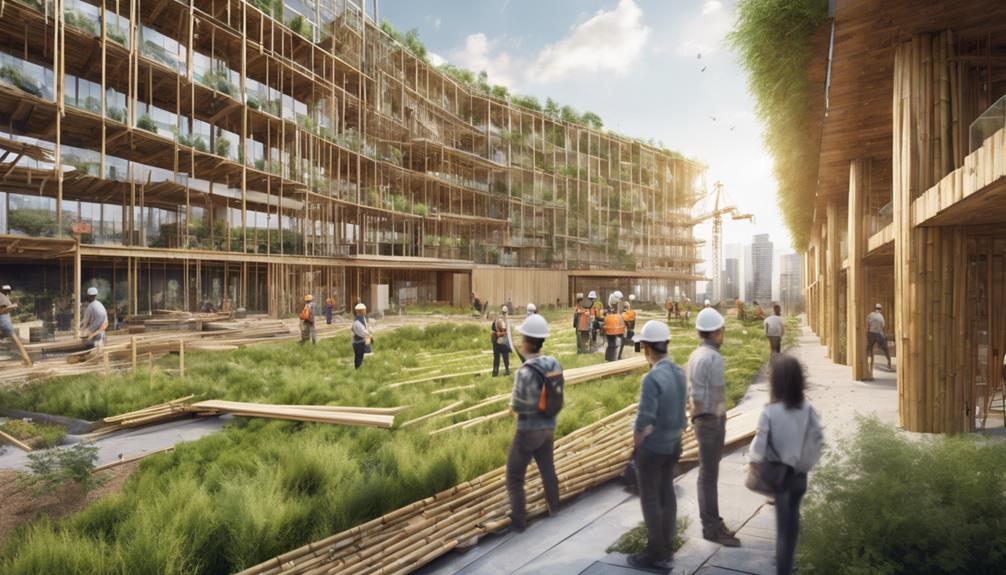
Choosing sustainable materials for your commercial projects isn't just good for the environment; it's smart for your business too. You'll see cost savings over time, thanks to materials like bamboo and recycled steel, which are not only durable but also reduce energy and maintenance expenses. Plus, these eco-friendly options can boost your workspace's health and productivity by improving air quality and increasing natural light. Complying with environmental regulations can also bring financial incentives like tax breaks. Opting for sustainability enhances your brand's image and aligns with global environmental goals. There's more to uncover on how this smart choice can integrate with your project goals.

Benefits of Eco-Friendly Materials

As companies increasingly prioritize sustainability, the benefits of using eco-friendly materials in commercial projects become ever more apparent. You'll find that integrating sustainable materials not only aligns with environmental goals but also enhances your company's brand image. Consumers are turning towards businesses that commit to sustainability, and by using eco-friendly materials, you're showcasing your dedication to the planet. This can significantly boost your market appeal and customer loyalty.

Moreover, sustainable materials often provide superior durability and lower maintenance requirements compared to traditional options.

For instance, bamboo flooring isn't only renewable but also offers greater hardness than conventional wood floors. Similarly, recycled glass in countertops resists stains and scratches better than many virgin materials.

Using these materials can also improve indoor air quality, a critical factor in workspaces where health and well-being are priorities. Many eco-friendly products are low in volatile organic compounds (VOCs), which means they don't off-gas harmful chemicals as some conventional materials do.

Cost Savings Over Time

Investing in sustainable materials can significantly reduce your long-term operational costs. By choosing eco-friendly options, you're not just making a positive impact on the environment; you're also setting yourself up for substantial financial savings. Initially, the investment in sustainable materials might seem higher, but the durability and efficiency they offer translate into lower maintenance and replacement costs over time.

For instance, materials like bamboo or recycled steel, which are renowned for their longevity and resistance to wear and tear, mean you won't be replacing things as often. This reduces the frequency and cost of renovations.

Moreover, sustainable materials often come with the added benefit of energy efficiency. Materials such as high-quality insulation or smart glass can drastically cut down your energy bills by maintaining temperature more effectively, thereby reducing the strain on heating and cooling systems.

Additionally, using resources like rainwater harvesting systems can decrease your water utility expenses. Over the years, these savings can add up, proving that the initial higher cost is a worthwhile investment. Remember, every dollar you save on operations boosts your bottom line. Investing in sustainability isn't just good for the planet; it's a savvy business move that pays off financially in the long run.

Impact on Health and Productivity

Choosing sustainable materials for your commercial projects also significantly boosts workplace health and productivity. When you opt for non-toxic, eco-friendly materials, you're not just curating a space that looks good; you're actively improving the air quality. This means fewer health risks linked to volatile organic compounds (VOCs), which are commonly found in traditional building materials. Fewer VOCs translate to reduced headaches, allergies, and respiratory issues among your team members.

Moreover, natural light is an integral part of sustainable design, often facilitated by the use of materials like glass and certain types of transparent or translucent plastics. Increased exposure to natural light can enhance mood and energy levels, leading directly to higher productivity and better overall mental health. Workers in well-lit environments typically report less fatigue and are more alert throughout the day.

Lastly, comfortable, natural environments foster a sense of well-being. Materials like natural wood and stone not only reduce noise pollution but also add an aesthetic warmth that can make your workplace more inviting and calming. Happier environments encourage creativity and can significantly boost morale. So, by integrating sustainable materials, you're investing in a healthier, more productive workforce.

Regulatory Compliance and Incentives

Navigating the landscape of regulatory compliance is crucial when incorporating sustainable materials in your commercial projects. You'll find that adhering to these regulations not only boosts your project's environmental credentials but can also bring financial benefits through incentives.

Many regions offer tax breaks, rebates, and grants for projects that meet high sustainable standards. These can significantly offset your initial investment costs. For instance, utilizing recycled materials or renewable resources might qualify your project for these financial perks. It's essential to understand the specific requirements and deadlines to take full advantage of these opportunities.

Moreover, staying compliant with local and international sustainability regulations, such as LEED (Leadership in Energy and Environmental Design) or BREEAM (Building Research Establishment Environmental Assessment Method), can enhance your reputation. It demonstrates your commitment to environmental stewardship and social responsibility, appealing to clients and investors who prioritize these values.

Don't overlook the potential penalties for non-compliance. These can range from fines to more severe restrictions on your project. Always ensure you're up to date with the latest regulations and ready to adapt to new standards, which can change as environmental priorities evolve. This proactive approach will help you avoid setbacks and position your project for success.

Case Studies of Successful Projects

By examining successful commercial projects that incorporated sustainable materials, you can gain practical insights into the benefits and challenges they encountered. Let's delve into a couple of standout examples.

First, consider the Edge in Amsterdam, often hailed as one of the greenest buildings globally. The office space utilized photovoltaic cells and ethically sourced timber, drastically reducing its carbon footprint. What you'll find intriguing is how these choices not only enhanced the building's sustainability but also attracted eco-conscious tenants, boosting its occupancy rates.

Then, there's the Bullitt Center in Seattle, which pushed the boundaries of sustainable construction. It features a rainwater harvesting system and composting toilets, integral to its claim of being a zero-waste facility. You might appreciate how these systems, despite their upfront costs, resulted in significant long-term savings and a remarkable reduction in water usage.

Both projects show that while the initial investment in sustainable materials can be high, the environmental impact and operational savings are substantial. They prove that you're not just investing in materials but in a future-proof business model that appeals to a growing demographic concerned with sustainability.

Conclusion

You're making a smart choice by opting for sustainable materials in your commercial projects. Not only will you save money in the long run, but you'll also boost the health and productivity of everyone using the space. Plus, you'll stay ahead of regulations and possibly benefit from incentives. By following the lead of successful projects, you're ensuring a healthier planet and a stronger bottom line. Make the switch—your business, your people, and the environment will thank you.

Related articles: Top Sustainable Materials for Large-Scale Projects

eco friendly building materials list

3 Best Sustainable Building Materials for Projects

For your next building project, you should consider using bamboo, recycled steel, and cork, all of which are top sustainable materials. Bamboo grows incredibly fast and boasts a higher strength-to-weight ratio than traditional woods, making it perfect for various architectural styles. Recycled steel is a win for the environment as it reduces landfill waste and conserves energy, ideal for structural components like beams and roofing. Cork offers great benefits too; it's biodegradable and provides excellent insulation, which can help cut down your energy bills. These materials not only meet building needs but also significantly lessen environmental footprints. Learn why switching to these materials could be a game-changer.

Benefits of Bamboo in Construction

Bamboo is revolutionizing construction as a sustainable and versatile material. You might've noticed it popping up in modern building projects, and for good reason. This remarkable plant grows incredibly fast, making it a superb renewable resource. In fact, some species of bamboo can grow up to three feet in just 24 hours!

When you choose bamboo for your construction projects, you're opting for strength and durability. It has a higher strength-to-weight ratio than many traditional woods and even some forms of concrete. Its natural flexibility allows it to withstand high winds and earthquakes better than more rigid materials.

Moreover, bamboo's growth habits make it an eco-friendly champion. It releases more oxygen into the atmosphere and absorbs more carbon dioxide compared to equivalent tree mass. This means you're actively contributing to reducing carbon footprints when you incorporate bamboo into your building designs.

Working with bamboo also offers you versatility in aesthetics. Whether you're aiming for a modern or a traditional look, bamboo can be adapted to suit various architectural styles. It can be used for everything from structural beams to decorative elements, ensuring your project isn't just sustainable but also visually striking.

Exploring Recycled Steel Uses

While bamboo offers remarkable benefits for eco-conscious construction, recycled steel stands out as another powerhouse in sustainable building materials. You might already be familiar with its strength and durability, but let's dive into how it's becoming a cornerstone of green building.

Recycled steel isn't just salvaged from old cars and appliances; it comes from excess materials used in manufacturing processes or steel that's been reclaimed from demolished structures. When you choose recycled steel for your projects, you're reducing the need for new raw materials, conserving energy and reducing landfill waste.

Imagine using this versatile material in your next project. You could incorporate it into structural beams, roofing, and even façade elements. It's particularly ideal for frames in construction due to its robustness.

Moreover, because it can be endlessly recycled without degradation in quality, your use of recycled steel supports a closed-loop system, enhancing your sustainability credentials.

Advantages of Cork Flooring

Cork flooring offers numerous advantages that make it an excellent choice for both residential and commercial spaces. You'll find it's not only environmentally friendly but also provides a range of benefits that enhance comfort and functionality.

Firstly, cork is remarkably sustainable. Harvested from the bark of the cork oak tree, which regenerates every nine years, it doesn't harm the tree at all. This makes it a renewable resource that you can feel good about using. Additionally, cork is biodegradable and recyclable, further minimizing its environmental impact.

Comfort is another significant advantage. Cork's natural elasticity creates a soft, cushioned feel underfoot, reducing fatigue and discomfort even when you're standing for long periods. This makes it ideal for kitchens, studios, or any area where you spend a lot of time on your feet.

Moreover, cork is naturally insulating both temperature and sound. It helps keep your space warmer in the winter and cooler in the summer, potentially lowering your heating and cooling costs. The sound-dampening properties also make it perfect for high-traffic areas, helping to maintain a quieter environment.

Lastly, cork is hypoallergenic and resists mold, mildew, and dust mites, making it a great choice for allergy sufferers. Its ease of maintenance, resisting stains and requiring only regular sweeping or vacuuming, ensures it remains durable and visually appealing over time.

Conclusion

You've discovered that bamboo, recycled steel, and cork flooring aren't just eco-friendly options; they're game-changers for your projects. Bamboo offers remarkable durability and growth speed, while recycled steel helps you cut down on waste. And let's not overlook cork flooring — it's not only sustainable but also provides comfort and noise reduction. By choosing these materials, you're making a powerful statement about sustainability and innovation in construction. Embrace these options to truly make a difference in your next building endeavor.

Related articles: Why Choose Sustainable Materials for Commercial Projects?

eco friendly options in construction

Top Sustainable Materials for Commercial Construction

When you're exploring the top sustainable materials for commercial construction, consider options like bamboo, known for its rapid growth and strength, and recycled steel, which saves energy and cuts carbon emissions. Cork is another great choice, offering lightweight and antimicrobial properties. Don't overlook straw bale insulation for excellent thermal resistance or reclaimed wood, which adds unique character while conserving resources. Rammed earth provides superb natural climate control, and recycled plastic boasts durability against moisture. Additionally, green roofs are perfect for reducing urban heat and enhancing biodiversity. Each option not only promises sustainability but also introduces potential efficiencies and aesthetic value to your projects.

Bamboo: The Versatile Choice

Although bamboo is often overlooked, it's a highly sustainable choice for commercial construction. You mightn't realize it, but bamboo is one of the fastest-growing plants on Earth, making it incredibly renewable. It can be harvested every three to five years, unlike hardwoods, which often require decades to mature. This rapid growth cycle helps prevent deforestation and promotes a healthy ecosystem.

Bamboo's strength is remarkable; it has a higher tensile strength than many alloys of steel and greater compressive strength than many mixtures of concrete. This makes it ideal for sturdy, reliable construction without the environmental degradation associated with mining and concrete production. Additionally, its natural flexibility allows it to perform well in earthquake-prone areas, providing you with a resilient building material that also cares for the planet.

You'll also find that bamboo is surprisingly versatile. It can be used in everything from flooring and walls to furniture and accents, maintaining a modern aesthetic while ensuring sustainability.

Moreover, it's inherently water-resistant and possesses anti-bacterial properties, making it a practical choice for commercial spaces where durability and hygiene are paramount. Opting for bamboo isn't just good for the environment; it's a smart, forward-thinking choice for your construction needs.

Recycled Steel Benefits

While bamboo offers exceptional environmental benefits, recycled steel stands out as another top choice for sustainable commercial construction. You might wonder how steel, often associated with industrial bulk, turns into a green option. It's all about recycling. Recycled steel reduces the need for virgin materials, saving significant energy and cutting carbon emissions.

When you choose recycled steel for your projects, you're not just opting for strength and durability; you're also supporting a market that uses up to 60% less energy than producing new steel from raw ore. Plus, steel can be recycled indefinitely without losing its properties, making it a truly sustainable material. This means that the steel beams, panels, and reinforcements you're using could have had past lives in other structures, possibly even historic ones!

Using recycled steel also helps reduce landfill waste. Each year, the steel industry recycles millions of tons of its material, which would otherwise take up vast landfill space. This recycling process is efficient, with steel being separated magnetically from waste streams, making it easier and cheaper to collect and reuse.

Cork: Natural and Renewable

Cork stands out as an eco-friendly choice in the realm of sustainable construction materials. Harvested from the bark of cork oak trees, primarily in Mediterranean regions, it's a material that doesn't harm the tree when collected. This renewable process can occur every nine years throughout the tree's long lifespan, often exceeding 200 years, ensuring minimal environmental impact.

You'll find cork incredibly versatile. It's not just for wine stoppers; in your projects, it can function as insulation panels, flooring, and even as an acoustic wall covering. Its natural properties include being lightweight, impermeable, and resistant to rot, mold, and fire when properly treated. These characteristics make it a practical choice for a variety of construction needs.

Moreover, cork's thermal insulation capabilities ensure energy efficiency, reducing heating and cooling costs in buildings. Its elasticity also absorbs vibrations, contributing to a quieter and more comfortable indoor environment.

Straw Bale Insulation

Straw bale insulation offers a compelling choice for eco-friendly construction, harnessing the natural benefits of agricultural byproducts. You'll find that this material not only provides exceptional insulation properties but also contributes to a healthier environment.

Straw bales are typically made from waste straw, a byproduct of grain production, which farmers would otherwise burn or discard. Therefore, by choosing straw bale insulation, you're directly reducing agricultural waste.

When you use straw bale, you're opting for a material with high thermal resistance, which means it's incredibly effective at keeping buildings warm in the winter and cool in the summer. This can lead to significant energy savings over time, reducing the building's carbon footprint. Moreover, straw bale has excellent soundproofing qualities, making it ideal for locations that require noise reduction.

Installation is straightforward, though you'll need to ensure the bales are properly sealed to prevent moisture penetration, which could lead to mold or decay. However, once installed and sealed, straw bale walls are remarkably durable and can last as long as traditional building materials, provided they're maintained correctly.

In your next project, consider straw bale insulation for its sustainability, efficiency, and practical benefits. It's an investment that pays off environmentally and economically.

Reclaimed Wood Applications

Building on the theme of sustainable materials, consider reclaimed wood for its unique aesthetic and environmental benefits. Reclaimed wood isn't just a stylish choice, it's a step towards reducing waste and conserving resources.

By reusing timber, you're giving a second life to existing materials, thereby reducing the demand for new lumber and the environmental toll associated with logging and transportation.

You'll find that reclaimed wood imbues spaces with a distinct character and warmth that's hard to replicate with new materials. Each piece tells a story, whether it's salvaged from old barns, warehouses, or decommissioned ships, adding a historical depth to your project that resonates with clients and visitors alike.

Moreover, reclaimed wood is incredibly versatile. It can be used for everything from structural beams to decorative accents like paneling or furniture. This versatility allows you to maintain a coherent design aesthetic throughout your project while committing to sustainable building practices.

Embrace reclaimed wood in your next project, and you're not just choosing a material that looks good. You're making a responsible choice that benefits the planet and enhances your design with unmatched authenticity and appeal.

Rammed Earth Construction

Transitioning from reclaimed wood, consider the robust and eco-friendly benefits of rammed earth construction for your next project. This age-old technique involves compacting layers of earth mixed with water and sometimes a stabilizer like lime or cement. It's not just sustainable; it's incredibly durable and cost-effective, making it a prime choice for your green building initiatives.

You'll find that ramed earth naturally regulates indoor temperatures due to its high thermal mass. This means it can keep your building cooler in the summer and warmer in the winter, slashing energy costs significantly. Additionally, the materials required are often sourced directly from the construction site or nearby, reducing the need for transportation and minimizing the carbon footprint.

The aesthetic appeal of rammed earth shouldn't be underestimated either. Its rich, textured finish adds a unique visual element that can't be replicated with conventional materials. Plus, since each layer is distinct, your project will have a one-of-a-kind look that stands out.

Rammed earth also offers excellent acoustic insulation, creating a quiet and serene indoor environment. It's fire and pest resistant too, enhancing the safety and longevity of your structure. So, if you're aiming for sustainability and functionality, rammed earth is a material you can't overlook.

Recycled Plastic Uses

Moving from the natural elegance of rammed earth, let's explore another innovative material: recycled plastic. You mightn't think of old water bottles or shopping bags as prime building materials, but recycled plastic is transforming commercial construction. It's not just about making use of waste; this adaptable material brings robustness and resistance to moisture and decay that many traditional materials can't match.

Consider the possibilities for decking, fencing, and even structural elements made from recycled plastic. You're looking at products that resist corrosion, require minimal upkeep, and can withstand harsh weather conditions. Plus, they're surprisingly affordable. By opting for this material, you're slashing maintenance costs and extending the lifespan of your structures.

Recycled plastic also offers incredible design versatility. It can be molded into a variety of shapes and sizes, colored to suit aesthetic demands, and even textured to mimic other materials.

This flexibility allows you to push the boundaries of design while adhering to sustainability principles.

Green Roof Advantages

Switching gears to another sustainable material, consider the many benefits of green roofs. When you install a green roof on your building, you're not just adding aesthetic value; you're actively contributing to environmental sustainability.

Green roofs help reduce the heat island effect in urban areas, making your building cooler during hot months. You'll find that this not only decreases air conditioning costs but also extends the lifespan of your roofing system by protecting it from harsh weather conditions.

Moreover, green roofs can significantly improve stormwater management. They absorb rainwater, which reduces runoff and lowers the risk of flooding. This feature is particularly valuable in cities where heavy rains can overwhelm sewage systems and lead to water pollution.

By installing a green roof, you're essentially adding a layer of protection that benefits both your property and the environment.

Additionally, these roofs provide a habitat for wildlife, promoting biodiversity in urban settings. You'll also notice an improvement in air quality, as the plants on your roof can filter out pollutants and release oxygen.

Conclusion

You've seen how sustainable materials like bamboo, recycled steel, and cork can revolutionize commercial construction. By choosing straw bale for insulation, reclaimed wood, or rammed earth, you're not just building; you're investing in our planet's future. Opting for recycled plastic and installing green roofs can further reduce your carbon footprint. Embrace these eco-friendly options to ensure your next project is as sustainable as it is impressive. Remember, every green choice you make contributes to a healthier environment.

Related articles: 3 Best Sustainable Building Materials for Projects

improving construction project management

Enhancing Project Management in Construction

To enhance your project management in construction, start by defining clear, measurable goals and integrating advanced software solutions that streamline your operations. Utilize big data and analytics to make informed decisions and optimize resources efficiently. You'll also want to improve communication by establishing regular check-ins and using centralized digital platforms that foster open dialogue. Prioritize scheduling and resource optimization through advanced tools that allow real-time adjustments. Don't forget to manage risks by conducting thorough assessments and implementing mitigation strategies. Exploring these areas further can significantly increase your project's success and efficiency.

Defining Project Management Goals

Setting clear project management goals is essential for the success of any construction project. You need to establish what you're aiming to achieve from the outset. This clarity will guide your team and ensure everyone's on the same page.

Start by defining specific, measurable objectives. Are you looking to complete the project within a certain timeframe? Is staying within budget a priority? Identifying these targets early on helps prevent scope creep and keeps the project on track.

Next, consider the quality standards required for the project. What level of detail and finish are your clients expecting? Setting high standards from the beginning can save you from costly reworks and delays later on.

It's also crucial to outline the resources available, including manpower, materials, and equipment. Knowing what you have and what you need prevents last-minute scrambles and ensures smoother project execution.

Integrating Advanced Software Solutions

Integrating advanced software solutions into your project management approach can dramatically enhance efficiency and accuracy. By adopting these tools, you're not just keeping up with the times; you're actively streamlining every phase of your construction projects. From initial planning to final delivery, every step can be optimized.

These software solutions enable you to manage tasks with greater precision. You can track project progress in real time, ensuring that every detail aligns with your schedule and budget. It's about having the right tools to foresee potential delays and react proactively rather than reactively.

You'll find that effective communication is easier to achieve. Software platforms often come with integrated communication tools that keep everyone from subcontractors to stakeholders updated on project developments.

Moreover, the risk of human error significantly drops. Automated calculations and digital record-keeping provide a level of accuracy that manual processes can't match. You're not just doing things faster; you're doing them right. This reduction in errors not only saves time but also potentially saves money that would otherwise be spent correcting mistakes.

Embrace these technologies, and you'll see not just incremental, but transformative changes in how your projects are managed.

Utilizing Big Data and Analytics

As you adopt advanced software solutions for your construction projects, harnessing the power of big data and analytics can further enhance your decision-making processes. You'll find that big data isn't just a buzzword but a transformative tool that lets you predict trends, optimize resources, and reduce costs effectively.

By collecting and analyzing vast amounts of data from your construction sites, you're empowered to make predictive analyses that foresee potential delays or material shortages before they become critical issues. Imagine being able to adjust your project timelines or resource allocation in real-time, based on data-driven insights rather than mere guesswork.

Moreover, big data helps you identify patterns that could lead to cost overruns or schedule slippages. With this knowledge, you can implement preventative measures rather than merely reacting to problems as they occur. This proactive approach not only saves money but also improves overall project efficiency.

Utilizing analytics also allows for a deeper understanding of worker productivity and machinery usage. You can optimize operations by pinpointing exact areas of inefficiency or overuse, ensuring that every aspect of your project is as productive as possible.

Embracing big data and analytics transforms how you manage construction projects, making your processes smarter and more responsive to the ever-changing dynamics of the field.

Improving Communication Channels

Effective communication is essential in ensuring that your construction project stays on track. To improve your communication channels, start by implementing a centralized digital platform where all stakeholders can access real-time updates, documents, and feedback. This eliminates the confusion that often arises from using multiple communication tools and ensures everyone's on the same page.

You'll also want to establish regular check-ins. Weekly meetings or brief daily huddles can significantly enhance the flow of information among team members. During these sessions, encourage open dialogue by asking specific questions and soliciting input from various team members. This approach not only promotes inclusivity but also helps in quickly identifying any misunderstandings or gaps in information.

Don't overlook the importance of clear, concise communication. Train your team to communicate their points succinctly, focusing on key information without unnecessary details. This is particularly crucial when dealing with complex project elements or when communicating under tight deadlines.

Lastly, consider the feedback loop. Regularly solicit feedback on the effectiveness of your communication strategies and be prepared to make adjustments. This continuous improvement will ensure your communication channels evolve with the project's needs, keeping everyone aligned and informed as the project progresses.

Scheduling and Resource Optimization

Nearly every successful construction project hinges on meticulous scheduling and optimal resource allocation. You're at the helm, and it's your responsibility to ensure everything is perfectly timed and resources are utilized to the max. This isn't just about keeping your project on track; it's about maximizing efficiency and cutting costs wherever possible.

First off, dive into the world of advanced scheduling software. Tools like Gantt charts and Critical Path Method (CPM) can transform your approach. You'll see your project's timeline spread out before you, identifying which tasks are critical and which can flex.

This visibility allows you to adjust resources dynamically – shifting manpower and materials to where they're needed most without a hitch.

Next, consider the integration of real-time data feeds. By keeping your schedule updated with the latest on-the-ground info, you can preempt bottlenecks before they throw a wrench in your gears. It's all about being proactive rather than reactive.

Lastly, don't overlook the power of regular schedule reviews. These aren't just check-ins; they're strategic sessions to reassess priorities and resource allocations based on current project status and upcoming needs. Staying agile in your scheduling can make or break your project's success.

Monitoring and Managing Risks

While scheduling and resource optimization lay a solid foundation, monitoring and managing risks are crucial to safeguard your construction project from unforeseen setbacks. You need a proactive strategy to identify potential hazards before they escalate into costly issues.

Start by conducting a thorough risk assessment during the initial phases of your project. You'll want to involve all stakeholders in this process to ensure every possible risk is covered, from financial uncertainties to environmental challenges.

Once you've identified the risks, prioritize them based on their potential impact and likelihood of occurrence. This prioritization helps you allocate resources more effectively to address the most critical risks first.

Implement risk mitigation strategies, such as securing insurance, training your staff on safety protocols, and establishing strong communication channels to keep everyone informed and responsive.

Regularly review and update your risk management plan. The construction landscape is dynamic, and new risks can emerge as the project progresses. By keeping your risk assessments current, you can adapt quickly and keep your project on track.

Conclusion

You've set clear goals and now, by integrating cutting-edge software and big data analytics, you're transforming how you manage construction projects. Improved communication channels and optimized scheduling ensure resources are used efficiently. Always stay vigilant about potential risks, adapting your strategies as needed. With these tools and techniques, you're not just keeping up; you're setting new standards in project management, leading to more successful and predictable construction outcomes. Keep pushing the boundaries, and you'll continue to excel.

Related articles: Top Sustainable Materials for Commercial Construction

innovative tools for construction

5 Ways Technology Enhances Commercial Construction Management

Technology significantly enhances your commercial construction management through various advanced tools. Real-time communication apps streamline workflow, keeping everyone from architects to site managers updated instantly. Tools like Building Information Modeling (BIM) improve budget accuracy by predicting detailed costs early on. Safety is heightened with wearable tech that monitors worker fatigue and sends alerts about potential hazards. Scheduling efficiency is increased by software that anticipates delays and adjusts timelines proactively. Plus, remote monitoring technologies allow you to oversee site activities from anywhere, ensuring adherence to standards and schedules. Discover how embracing these technologies can transform your construction projects.

Streamlining Project Communication

In today's fast-paced construction industry, clear and timely communication is crucial. You're often juggling multiple tasks, from coordinating with subcontractors to updating stakeholders. Miscommunications can delay projects and inflate costs. Thankfully, technology's on your side, offering tools that streamline communication across your projects.

Imagine harnessing the power of real-time messaging apps tailored for construction settings. You're no longer tied to your desk or reliant on sporadic emails. Instead, updates, documents, and decisions flow seamlessly among team members, whether they're on-site or miles away. This immediacy not only keeps everyone informed but also fosters a collaborative work environment.

Moreover, cloud-based platforms integrate all communications related to your project. You've got access to an organized, searchable database of every conversation, email, and document. No more digging through piles of paperwork or multiple email threads to find that one crucial piece of information. Everything's at your fingertips, accessible with just a few clicks.

This digital transformation in communication doesn't just save you time; it enhances the quality of the interactions and decisions made. As you leverage these technological tools, you'll find your projects running smoother, with fewer misunderstandings and delays.

Enhancing Scheduling Efficiency

Effective scheduling is key to keeping your construction projects on track. With the latest tech tools, you can boost your scheduling efficiency significantly. Imagine having real-time updates at your fingertips. That's what modern scheduling software offers. It integrates all timelines, dependencies, and resources into one dynamic platform. You're no longer sifting through piles of paperwork to check if you're on schedule.

These tools aren't just about keeping a calendar. They predict potential delays by analyzing data trends from your ongoing and past projects. You'll know in advance if weather conditions might slow you down next week, or if a supplier consistently misses delivery windows. This allows you to proactively adjust timelines and notify your team and stakeholders, ensuring everyone's always in the loop.

Moreover, mobile compatibility means you can access and adjust your schedule from anywhere. Whether you're on-site or at another meeting, you can make decisions that keep your project moving forward. You won't just be reacting to issues; you'll anticipate them, which keeps your project timeline intact and your stress levels down.

Leverage these technological advancements, and you'll find that maintaining an efficient, streamlined schedule isn't just possible—it's a given.

Improving Budget Accuracy

Almost every commercial construction project faces financial scrutiny, making precise budget management crucial. You're likely grappling with the challenges of keeping your project within financial boundaries. Here's where modern technology comes into play, transforming budget management from a daunting task to a streamlined process.

First, consider the implementation of cost management software. This tool can integrate real-time data from various sources, ensuring you've got the most accurate financial reports at your fingertips. You'll be able to track expenditures against the budgeted amounts and adjust forecasts instantly, reducing the risk of overspending.

Next, technology such as Building Information Modeling (BIM) offers detailed digital representations of your project, enabling you to predict costs more accurately. By visualizing materials, labor, and other expenses before breaking ground, you'll avoid the common pitfall of underestimating resources.

Lastly, automated financial systems facilitate quicker decision-making. With algorithms that highlight discrepancies and predict future spending, you're equipped to make informed choices swiftly, keeping your project on track and within budget.

Advancing Site Safety Measures

While technology has significantly improved budget management in commercial construction, it also plays a pivotal role in enhancing site safety. You'll find that innovations such as wearable technology and advanced sensors are transforming how safety is managed on your job sites.

Wearables, like smart helmets and vests, can monitor your workers' vital signs and fatigue levels, alerting you to potential health issues before they become serious hazards. These tools help you keep a closer watch on the well-being of your team, ensuring they're fit to work each day.

Moreover, motion sensors placed around the construction site can detect unauthorized access or identify areas where there might be a risk of accidents. These systems send real-time alerts to your phone or dashboard, allowing you to respond swiftly to any potential dangers, thus preventing accidents and injuries.

These technological tools not only safeguard your workforce but also contribute to a culture of safety that permeates throughout the project. By integrating these advancements, you're not just complying with safety regulations; you're setting a higher standard of care. This proactive approach to safety can significantly reduce downtime due to accidents and enhance overall productivity on your projects.

Facilitating Remote Monitoring

How does technology empower you to oversee your construction projects remotely? With the latest advancements, you're no longer bound to the physical confines of the job site. Real-time video feeds, drone surveillance, and mobile platforms allow you to keep a watchful eye from anywhere in the world. You can monitor daily progress, ensure adherence to safety standards, and manage resources without setting foot on site.

Imagine you're on a business trip. Instead of relying solely on reports or calls, you log into a secure platform and access live footage or aerial drone videos. You see exactly what's happening, as if you were there. This isn't just convenient; it's transformative. It reduces travel costs, saves time, and enhances your decision-making capabilities by providing immediate visual insights.

Furthermore, this technology integrates with project management tools that alert you to potential issues before they become costly problems. You receive updates on material deliveries, manpower fluctuations, and weather conditions, enabling proactive project management.

In essence, remote monitoring tools don't just keep you informed; they keep you in control, ensuring your projects stay on track and under budget, even from a distance.

Conclusion

You've seen how technology can revolutionize your approach to commercial construction management. By streamlining communication, enhancing scheduling, improving budget accuracy, advancing site safety, and facilitating remote monitoring, you're equipped to tackle projects more efficiently and safely. Embrace these tech tools to not only keep up with the competition but to stay ahead. It's time to leverage these innovations and transform the way you manage your construction projects. Get ready to see substantial improvements in your workflow and outcomes.

Related articles: Enhancing Project Management in Construction

construction project management tools

7 Best Tools for Construction Project Management

You'll find managing your construction projects a breeze with top tools like Procore, which seamlessly centralizes your project information, and Autodesk BIM 360, enhancing decision-making through real-time collaboration. Consider CoConstruct for superior client communication, while PlanGrid ensures on-site management efficiency with its intuitive interface. Buildertrend integrates essential management features, and JobNimbus adapts to various workflows, enhancing project tracking and communication. Don't overlook STACK for quick, accurate estimating that could improve bid competitiveness. Each tool offers unique benefits that could transform how you manage projects, which you'll discover as you explore their capabilities further.

Overview of Procore Software

Procore Software, designed specifically for the construction industry, streamlines project management through its comprehensive suite of tools. As you dive into its capabilities, you'll discover that Procore is built to handle the complexities of construction projects from start to finish.

This platform allows you to manage your project information and resources with unprecedented ease. You're able to track every detail, from the initial design phase to the final handover. With Procore, all your project documents are centralized—whether it's blueprints, emails, or contracts—ensuring that everyone's on the same page.

You won't have to juggle multiple apps or worry about outdated information; Procore keeps everything current and accessible, no matter where you are.

Moreover, communication across various teams becomes streamlined with Procore. The tool's real-time updates and collaborative features mean that you can coordinate effectively with architects, contractors, and other stakeholders.

Decision-making is faster when you've got the most relevant, up-to-date information at your fingertips. You're not only managing a project; you're leading a well-oiled machine, capable of tackling any challenges that come your way, thanks to the robust, intuitive nature of Procore.

Benefits of Autodesk BIM 360

Shifting focus to Autodesk BIM 360, you'll find that this tool offers significant advantages for managing construction projects. Primarily, its real-time collaboration capabilities ensure that everyone on your team stays on the same page. Imagine having instant access to project data and documents from any device, anywhere. This not only speeds up communication but also reduces the risk of costly errors and reworks.

Moreover, BIM 360 enhances your decision-making process. With tools designed to track project progress and analyze trends, you're equipped to make informed decisions quickly. This proactive approach can significantly minimize project delays and budget overruns, a common pain point in construction management.

Let's not overlook the integrated data management system. It centralizes all project information, making it easier for you to access, manage, and share critical data. This integration reduces the time you spend searching for information and increases your team's efficiency.

Lastly, its predictive analytics feature is a game changer. By identifying potential problems before they occur, BIM 360 allows you to address issues proactively, ensuring smoother project execution and higher quality outcomes. This not only saves time but also enhances overall project profitability.

Exploring CoConstruct Features

As we explore the features of CoConstruct, you'll notice how it streamlines the management of custom builder and remodeler projects. One standout feature is its ability to manage all aspects of a project from bidding to completion. You can create and compare bids easily, ensuring you're always choosing the best options for your budget and timeline.

CoConstruct also excels in client communication. The platform allows you to keep clients updated with real-time data, sharing progress photos and timeline changes effortlessly. This transparency builds trust and keeps everyone on the same page, reducing the number of calls and emails you need to manage daily.

Scheduling is another area where CoConstruct shines. The system's calendar integrates with your job tasks, automatically updating as things change. This means you're always aware of the next steps, and so is your team, making coordination simple.

Lastly, financial tracking through CoConstruct helps you monitor budgets in real time. You can see exactly where every dollar is going, which helps prevent overruns and keeps your project financially healthy.

Advantages of PlanGrid Technology

While CoConstruct equips you with robust tools for client interaction and financial control, PlanGrid presents unique advantages in on-site project management.

You'll find that PlanGrid's intuitive interface and mobile accessibility streamline the way you handle daily reports, blueprints, and project updates right from the field. With real-time data syncing, any changes you make are immediately available to all team members, whether they're on-site or back at the office.

PlanGrid also excels in its ability to manage and store large quantities of project drawings. You can effortlessly upload multiple blueprints, and PlanGrid will automatically version control them, ensuring everyone is working from the most current set without confusion. This feature minimizes errors and avoids the costly delays typically associated with outdated plans.

Moreover, its integrated photo documentation tools allow you to capture site conditions instantly, attaching photos directly to specific blueprints or tasks. This visual context supports better communication and helps quickly resolve any discrepancies that arise.

Utilizing Buildertrend for Projects

Buildertrend brings exceptional coordination and efficiency to your construction projects, seamlessly integrating scheduling, project management, and customer management into one platform. As you dive deeper, you'll find its real-time communication tools are pivotal. You can update teams, send emails, and share documents without switching between apps. It's all there, making sure everyone's on the same page, cutting down miscommunication and costly delays.

Moreover, Buildertrend's mobile app shines by keeping you connected, even on-site. You can track changes, access project details, and manage tasks from your smartphone. This on-the-go access means you're always in the loop, ensuring projects remain on track and within budget, regardless of where you are.

Budgeting features in Buildertrend also stand out. They give you a clear view of project finances, helping you make informed decisions quickly. You'll see where every dollar is going, which is crucial in staying within financial limits.

Plus, the platform's ability to integrate with popular accounting software simplifies the financial management process even more.

Features of JobNimbus Software

Shifting focus to another powerful tool, JobNimbus Software offers a robust suite of features designed to enhance your construction project management. You'll find this platform incredibly adaptable, supporting a variety of workflows whether you're a subcontractor or a general contractor. Its user-friendly interface ensures you won't waste time on a steep learning curve.

JobNimbus facilitates efficient tracking of every project detail. From initial contact to final invoicing, all your project information is accessible in one place. You can effortlessly manage tasks, schedules, and deadlines, ensuring nothing falls through the cracks. This integration saves you from the hassle of juggling multiple apps, which can disrupt your focus and workflow.

Moreover, JobNimbus excels in communication tools. You can update your team and clients with real-time notifications, keeping everyone in the loop. This transparency builds trust and keeps projects moving smoothly.

Additionally, it includes customizable reporting features, giving you insights into project performance, budgeting, and timelines at a glance.

Leveraging JobNimbus also means improved document control. You can store, share, and sign documents electronically, streamlining the paperwork process and reducing the risk of errors. This capability not only secures your documents but also enhances compliance and audit-readiness.

Reviewing STACK Estimating Tools

Many construction professionals have discovered that STACK Estimating tools significantly enhance the accuracy and speed of their project bids. You'll find that this software not only speeds up the estimating process but also reduces errors, which can be costly in the competitive bidding environment. STACK allows you to quickly measure digital plans, perform takeoffs, and estimate materials and labor needed for all types of construction projects.

What sets STACK apart is its user-friendly interface. You don't need to be a tech expert to navigate through its features. It's designed to help you create detailed, customizable estimates that align closely with your project needs. Plus, its cloud-based nature means you can access your projects from anywhere, at any time, which is perfect for when you're on the move or out on site.

Moreover, STACK integrates with other tools you might already be using, such as JobNimbus and QuickBooks. This integration streamlines your workflow, making it easier to manage budgets and schedules without having to switch between multiple platforms.

In essence, if you're looking to sharpen your bidding accuracy and save time, STACK Estimating tools are worth considering. They're built to make your life easier and your bids more competitive.

Conclusion

You've got a great lineup of tools at your fingertips to streamline your construction projects. Whether it's Procore's comprehensive software, Autodesk BIM 360's detailed planning capabilities, CoConstruct's user-friendly features, PlanGrid's cutting-edge technology, Buildertrend's project management solutions, JobNimbus's efficient software, or STACK's precise estimating tools, each offers unique advantages to enhance your project outcomes. Choose the right one that fits your project's needs and watch your efficiency and accuracy soar!

Related articles: 5 Ways Technology Enhances Commercial Construction Management

advancing construction with technology

Technology’s Impact on Commercial Construction Management

As you manage commercial construction projects, technology significantly enhances your efficiency and accuracy. From advanced scheduling software visualizing timelines to real-time progress tracking with GPS and drones, you're equipped better than ever to stay on schedule and within budget. Seamless communication systems ensure you're updated instantaneously, while predictive analytics help foresee delays, keeping your projects prompt and cost-effective. Safety isn't left behind, with wearable tech and augmented reality boosting on-site protocols. Every aspect, from budget management to safety compliance, integrates tech to streamline operations and mitigate risks, unveiling a new era in construction management where continued exploration offers even deeper insights.

Project Planning and Scheduling Enhancements

In today's fast-paced construction industry, enhancing project planning and scheduling is crucial for staying competitive. You've likely noticed how tight deadlines and complex projects demand more efficient management techniques. Embracing advanced scheduling software is your first step toward streamlining these processes. This technology allows you to visualize project timelines and adjust them in real-time, ensuring you're always on track.

You'll also benefit from integrating collaborative tools that enable seamless communication between architects, contractors, and suppliers. Imagine having the ability to instantly share updates and changes with everyone involved. This reduces the risk of miscommunication and delays, keeping your project moving smoothly.

Furthermore, predictive analytics can be a game-changer for you. By analyzing past project data, these tools help forecast potential delays and suggest feasible solutions before issues arise. You're not just reacting to problems; you're anticipating them, which puts you a step ahead.

Lastly, don't overlook the power of mobile technology. With apps designed for construction management, you can oversee your project from anywhere. Whether you're on-site or miles away, you have access to all the information you need at your fingertips, empowering you to make informed decisions quickly.

Enhanced Budget Management Tools

As you master project planning and scheduling with advanced tools, don't forget that managing your budget with equal sophistication is equally important. Enhanced budget management tools have transformed how you can oversee finances, often being a game-changer in commercial construction management.

With these tools, you're equipped to predict costs more accurately, track expenses in real-time, and make financial decisions with a solid base of data. This isn't just about keeping your project within budget; it's about maximizing efficiency where every dollar goes.

These platforms integrate seamlessly with other project management software, giving you a holistic view of your project's financial health at any moment.

You'll appreciate how these tools minimize the risk of overspending through automated alerts when expenditures are nearing the budget limit. Plus, they help in creating more accurate forecasts for future projects based on historical data, thereby refining your budgeting strategy over time.

Improvement in Communication Systems

Effective communication systems are crucial in commercial construction management, ensuring that all stakeholders stay informed and aligned. Today's tech advancements have transformed how you communicate on-site and off, making it easier than ever to keep everyone on the same page.

You've likely noticed the shift from traditional methods to more sophisticated digital solutions. Tools like project management software enable you to send real-time updates and critical information with just a few clicks. Gone are the days of delayed messages and miscommunications that could derail a project. Now, you can expect seamless integration of data across various platforms, allowing for swift decision-making and continuous progress monitoring.

Moreover, mobile technology has revolutionized your access to information. You can now receive instant notifications about supply deliveries, manpower changes, or schedule adjustments directly on your smartphone or tablet. This immediacy not only boosts efficiency but also enhances your ability to react proactively to any arising issues.

Imagine coordinating multiple projects simultaneously without losing a beat. The latest communication tools equip you with the capability to oversee each aspect meticulously, ensuring that project goals are met promptly and within the set budget. This is the power of modern communication in construction management.

Safety Protocols and Technology Integration

Building on the improved communication systems in commercial construction management, integrating advanced safety protocols and technology is equally vital for on-site efficiency and worker safety. As you navigate the complexities of construction projects, consider how wearable technology can play a pivotal role in enhancing safety measures. Devices like smart helmets and vests equipped with sensors not only track the health statuses of your team but also alert you to potential hazardous conditions in real time.

Moreover, implementing augmented reality (AR) can significantly reduce risks by providing your workers with visual insights into potential danger zones within their immediate environment. This tech enables you to conduct virtual training sessions, simulating safety scenarios without exposing your team to actual risks. It's a proactive approach that prepares them for various on-site situations, reinforcing safety protocols before stepping onto the actual field.

Don't overlook the importance of mobile applications designed to streamline safety compliance. These apps facilitate quick access to safety documentation, checklists, and incident reporting tools, ensuring that safety standards aren't just met, but exceeded. With these integrated technologies, you're not just improving safety; you're actively transforming it into a dynamic element of your construction management strategy.

Real-Time Progress Tracking Mechanisms

To stay ahead in the fast-paced world of commercial construction, you need real-time progress tracking mechanisms that offer precise updates on every phase of your project. These tools aren't just about keeping tabs; they're essential for making informed decisions quickly.

You've probably experienced the frustration of delays and budget overruns that stem from outdated or inaccurate data. That's where modern technology comes in.

Imagine having GPS and RFID tags on materials and equipment. You'll know exactly where everything is, reducing theft and loss while optimizing logistics. Drones can fly over the site, providing aerial views to monitor work and update maps instantly. These aren't futuristic dreams; they're real solutions being implemented by leading firms to stay competitive.

Software platforms integrate these data streams, giving you a dashboard view of your project's health. You can see real-time labor productivity and compare it to your project timeline. Alerts notify you if a task falls behind, allowing you to pivot resources and address issues before they escalate.

Conclusion

You've seen how technology revolutionizes commercial construction management. From smarter project planning to real-time progress tracking, your job's becoming more efficient and accurate. Enhanced budget tools keep your finances tight, while improved communications ensure everyone's on the same page. Most importantly, integrated safety technologies are making your sites safer than ever. Embrace these innovations— they're not just changing the way you work; they're making every project you manage smarter, safer, and more successful.

Related articles: 7 Best Tools for Construction Project Management

streamlining construction projects digitally

Leveraging Technology for Efficient Construction Project Management

You can significantly improve your construction project management by harnessing cutting-edge technology. Building Information Modeling (BIM) software lets you create detailed 3D models to test various scenarios before actual construction begins, reducing errors and miscommunications. Real-time communication tools keep your team connected and up-to-date, reducing the need for physical meetings. On-site mobile tech gives you access to instant updates and critical data directly from the field. Moreover, proactive budget and risk management technologies help you stay within financial limits and anticipate potential issues early. Explore how these tools can further streamline your processes and enhance project outcomes.

Technology in Project Planning

In today's fast-paced construction industry, leveraging technology in project planning is crucial. You're dealing with complex schedules, multiple stakeholders, and tight budgets. Using advanced software solutions isn't just a luxury; it's a necessity to keep your projects on track and within budget.

Imagine you have access to Building Information Modeling (BIM) software. With BIM, you can create detailed 3D models of your project. These aren't just static drawings; they're dynamic simulations that allow you to test various scenarios and identify potential issues before they become costly. This kind of foresight can save you time, money, and a lot of headaches.

Project management software is another game-changer. It lets you automate scheduling and resource allocation, ensuring that every aspect of your project is meticulously planned and resources are optimally utilized.

You can track progress in real-time and make adjustments on the fly, ensuring that you're always making the best use of your time and materials.

Real-Time Communication Tools

Switching gears to real-time communication tools, you'll find they're essential for maintaining the flow of information across your project. These tools enable you to instantly connect with team members, regardless of their physical location.

Imagine you're managing a project where your architects, engineers, and construction workers are spread across different sites. With real-time communication apps, you can quickly disseminate updates, gather feedback, and make critical decisions without delay.

Consider features like group chats, video calls, and shared workspaces. These features allow you to create a centralized hub where all project-related communications are easily accessible. This reduces the risk of miscommunication and ensures that everyone's on the same page.

Moreover, you can track all interactions, which can be helpful for auditing communication trails and resolving any potential disputes.

Using these tools also means you can cut down on physical meetings, saving time and resources. You're able to keep your project timeline on track and adapt more swiftly to any changes or unexpected issues that arise. It's about making your management process as efficient and responsive as possible, leveraging technology to keep your team connected and informed every step of the way.

Budget Management Software

Moving beyond communication, managing your project's finances effectively is crucial, and budget management software is the tool for the job. This type of software simplifies tracking your expenses, ensuring you stay within budget from start to finish. It's all about having real-time visibility into your financial health, allowing you to make informed decisions quickly.

With budget management software, you're not just observing numbers; you're actively engaging with them. You can set up alerts for when spending approaches budget limits, and it's easy to adjust allocations on the fly. This proactive approach prevents overspending and helps identify potential savings, making it easier to manage financial risks.

Moreover, integrating this software with other project management tools offers a comprehensive overview. You can see how spending impacts your overall project timeline and resources.

It's not just about knowing where the money goes—it's about understanding how those financial decisions affect every aspect of your project.

In essence, budget management software gives you a financial command center at your fingertips. It's an indispensable tool that supports strategic planning and ensures that every dollar contributes to the successful completion of your project.

Mobile Technology on Site

Mobile technology revolutionizes how teams interact and manage tasks directly from the construction site. With smartphones and tablets, you can access real-time data, communicate instantly, and ensure that project management isn't tethered to an office. You're not just making calls or sending texts; you're sharing complex documents, blueprints, and schedules seamlessly across devices.

Imagine you're on site and spot a potential issue. Instead of noting it down for later, you capture it with your device, attach a photo, and share it with the project team. Instant alerts mean quicker responses, and that can be the difference between a minor adjustment and a costly delay.

You're also able to track material deliveries, monitor progress against timelines, and manage workforce assignments without ever leaving the site.

This mobility enhances safety, too. You can conduct safety audits and immediately report hazards. Training becomes more straightforward as well, with instructional videos and manuals readily available on demand.

Adopting mobile technology on your site isn't just about keeping up with the digital age; it's about transforming the way construction operates, making it safer, more efficient, and incredibly responsive. You'll wonder how you ever managed without it.

Building Information Modeling (BIM)

Building Information Modeling (BIM) transforms every phase of your construction project by creating and managing digital representations of physical and functional characteristics. You'll find it indispensable for visualizing and simulating your project's complexities before breaking ground. BIM enables you to integrate data from different teams, enhancing collaboration and reducing the likelihood of costly miscommunications and errors.

As you delve deeper into BIM, you'll appreciate its power in fostering coordination among various stakeholders. Architects, engineers, and contractors can work concurrently, accessing the same updated model. This synchronization ensures that everyone's on the same page, literally and figuratively, which streamlines decision-making and can significantly hasten project timelines.

Moreover, BIM isn't just about building; it's about building efficiently. You can analyze potential impacts of your choices on cost, scheduling, and building lifecycle, helping you make informed decisions that optimize resources and minimize waste. By simulating different scenarios, you can foresee issues and rectify them before they become expensive problems.

Embracing BIM thus not only enhances your ability to manage the construction process but also improves the overall quality and sustainability of your project. It's a step towards more sophisticated, precise, and cost-effective construction project management.

Automated Reporting Systems

As you implement Building Information Modeling (BIM) in your projects, another tool that complements its capabilities is Automated Reporting Systems. These systems streamline the data collection and reporting process, saving you significant time and reducing human error. You'll find that automated reports can instantly generate critical data on project progress, resource allocation, and budget usage, offering you real-time insights that are pivotal for making informed decisions quickly.

What's more, these systems allow for customization to suit your specific project needs. You can set parameters and filters that highlight information most relevant to your role or project phase. This means you're not sifting through irrelevant data, enhancing your focus on what truly matters.

Integration with BIM enhances the power of Automated Reporting Systems. As BIM provides a rich, detailed model of the construction project, the reporting system can extract precise data points from these models. This synergy ensures that your reports aren't only timely but also deeply informative, reflecting the complexities of modern construction projects.

In essence, embracing Automated Reporting Systems in conjunction with BIM tools propels your project management to new heights of efficiency and accuracy. You're not just staying on top of your projects; you're mastering them.

Risk Management Technologies

Navigating the complexities of construction project management requires robust risk management technologies. You've got to predict, evaluate, and mitigate risks that could threaten your project's success. With the right tech tools, you can significantly lower the chances of unforeseen issues derailing your projects.

Risk management software helps you identify potential risks early. These platforms use data analytics to predict possible delays, cost overruns, and resource shortages based on historical data and ongoing project metrics. You'll find features like risk assessment matrices and scenario analysis particularly handy when you're planning out your strategies.

Moreover, integrating IoT devices provides real-time monitoring of construction sites. Sensors can detect structural changes and environmental conditions that may pose risks, sending alerts directly to your mobile device or dashboard. This immediate feedback allows you to respond quickly before small issues become larger problems.

Don't overlook the power of AI and machine learning either. These technologies can sift through massive amounts of data to highlight risk patterns you might miss. By incorporating these tools, you're not just reacting to risks; you're anticipating them, giving you a proactive stance in managing your construction projects effectively.

Conclusion

You've seen how technology can transform construction project management. By integrating tools like BIM, real-time communication apps, and budget management software, you're set to enhance efficiency and accuracy on every project. Mobile tech keeps you connected on-site, while automated reporting streamlines your updates. Embrace these innovations to stay ahead, reduce risks, and deliver projects successfully. Remember, investing in the right technology isn't just a choice—it's your pathway to smarter, faster, and more cost-effective construction management.

Related articles: Technology’s Impact on Commercial Construction Management

advance career in construction

Why Pursue Commercial Construction Project Management Certification?

Pursuing a certification in commercial construction project management can significantly boost your career trajectory. You'll gain the expertise needed to handle complex projects, increase your efficiency, and open doors to higher positions with better salaries. This certification not only enhances your ability to contribute significantly to projects but also expands your professional network, connecting you with peers who provide support and open up new opportunities. It's an investment in your future that pays dividends, positioning you as a valuable asset in the industry. Exploring further will reveal even more benefits and opportunities that come with this certification.

Certification Benefits for Career Progression

Gaining a certification in commercial construction project management can significantly boost your career trajectory. It's not just a piece of paper; it's a testament to your expertise and commitment to the field. You're equipping yourself with the tools needed to handle complex projects and stand out in a competitive job market. This certification can open doors to higher positions and, often, a better salary. It's an investment in your future that pays dividends by putting you ahead of peers who may not have the same qualifications.

When you're certified, you're more likely to be entrusted with larger, more challenging projects. This isn't just good for your resume—it's a chance to truly hone your skills and prove your mettle.

You'll learn to navigate the intricacies of project management, from budgeting and scheduling to team leadership and conflict resolution. These are invaluable in the construction industry where timelines and budgets are tight, and effective leadership can make or break a project.

Employers often prefer certified managers because they've demonstrated their ability to successfully lead projects and teams. So, by obtaining this certification, you're not only boosting your career prospects but also enhancing your ability to contribute significantly to any construction project.

Understanding Industry Standards

Understanding industry standards is crucial for anyone in the field of commercial construction project management. These standards, which include codes, regulations, and best practices, serve as the backbone for delivering projects that are safe, efficient, and compliant with legal requirements. As you delve into this field, you'll find that knowledge of these standards isn't just necessary; it's what sets you apart in the competitive landscape.

Knowing these standards helps you communicate more effectively with architects, engineers, and contractors. You'll speak the same language, which is paramount when discussing project specifications or navigating complex compliance issues. It ensures that all stakeholders are on the same page, reducing misunderstandings and potential conflicts.

Moreover, a deep understanding of industry standards allows you to anticipate potential challenges and manage risks more proactively. This isn't just about following rules; it's about integrating these guidelines into every phase of your project management process, from planning to execution.

Enhanced Project Efficiency

Building on your foundation in industry standards significantly boosts your project's efficiency. With a commercial construction project management certification, you're not just learning the ropes; you're mastering the art of streamlining operations. This proficiency translates directly into faster, more cost-effective project completions.

You'll find that with the right training, you can better anticipate potential snags and navigate through them with greater agility. This isn't just about avoiding delays; it's about preempting them. Every decision you make is more informed, every resource allocation is more precise, and every team member is more strategically utilized.

Moreover, the certification arms you with advanced project monitoring tools. These aren't just fancy gadgets but practical instruments that help you keep a closer eye on every aspect of the build. From real-time progress tracking to resource management, you're equipped to make on-the-fly adjustments that keep the project humming along at optimal speed.

Don't underestimate the power of efficient project management. It's the difference between a project that spirals out of control and one that sets the benchmark in the construction industry. As you step up your game, your projects reflect your expertise, running smoother and finishing stronger.

Expanded Professional Network

Earning a commercial construction project management certification not only enhances your skills but also significantly expands your professional network. When you dive into this certification process, you're not just gaining new knowledge; you're also stepping into a community of like-minded professionals. This network isn't limited to your immediate classmates or instructors. Instead, it spans across various sectors within the industry, including suppliers, contractors, and potential employers.

As you participate in courses and related activities, you'll find yourself interacting with individuals who share your drive and dedication to construction project management. These connections are invaluable. They're your direct links to new opportunities, insights into industry trends, and potential partnerships.

You'll often find that the relationships you form during your certification journey can lead to collaborative projects or job offers that weren't accessible before.

Moreover, the network you build can provide support when you face challenges in your career. These peers understand the industry-specific hurdles and can offer practical advice or solutions based on their experiences. They become not just contacts in your phone but crucial resources and allies as you navigate your career in commercial construction project management.

Eligibility for Higher Salaries

Gaining a commercial construction project management certification not only bolsters your industry know-how but also positions you for higher salary brackets. Once you're certified, you've demonstrated a certain level of expertise and commitment that employers value highly. This isn't just about knowing the ropes; it's about showing you can handle increased responsibilities, which naturally leads to better pay.

You'll find that with this certification, you're not just stuck in one role. It opens doors to senior management positions where the stakes, and consequently the salaries, are higher. Companies often reserve these top-tier opportunities for individuals who can prove they've a robust understanding of project management principles, which your certification provides.

Moreover, this isn't just about the immediate financial benefits. Long-term, your career trajectory looks much steeper with a certification in hand. You're more likely to be considered for promotions and leadership roles, which further enhances your earning potential. It's a clear signal to your current and future employers that you're invested in your career and capable of contributing to complex projects at a higher level.

Case Studies and Success Stories

Real-world examples vividly illustrate the benefits of obtaining a commercial construction project management certification. Imagine you're like Sarah, who, after earning her certification, successfully led a multi-million-dollar project to completion three weeks ahead of schedule. Her certification equipped her with the advanced skills in risk management and cost control that were critical to her project's success. Sarah's achievement not only secured her a substantial bonus but also positioned her as a leading candidate for upcoming prestigious projects.

Then, there's Carlos, who was struggling to move up in his career despite years of experience. After he became certified, he reported a significant improvement in his ability to manage complex projects and lead diverse teams. This change didn't just boost his confidence; it caught the attention of upper management. Within six months, Carlos was promoted to a senior project manager position, overseeing larger and more challenging projects than ever before.

These stories aren't unique. They're among the many you'll find when you dig into the impacts of certification. You'll see that this isn't just about adding a line to your resume—it's about fundamentally enhancing your capabilities and opening doors to new opportunities in your career.

Conclusion

So, why not take the leap? By pursuing a certification in commercial construction project management, you're setting yourself up for a brighter future. You'll understand industry standards better, run projects more efficiently, and expand your professional circle. Plus, you're likely to see your earnings increase. Remember the success stories; they could be yours. Invest in your career growth today—it's a decision that promises to pay off in more ways than one.

Related articles: Leveraging Technology for Efficient Construction Project Management

construction project management certifications

Top Certification Programs for Construction Project Management

If you're looking to advance your career in construction project management, consider obtaining a certification like the Certified Construction Manager (CCM), Project Management Professional (PMP), or Associate Constructor (AC), each catering to different levels of expertise and career stages. The CCM enhances practical skills and job opportunities, the PMP focuses on comprehensive project execution and mandates continuing education, and the AC is ideal for those starting out, boosting credibility. Additionally, certifications such as Lean Construction and Agile Project Management introduce specialized methodologies that could revolutionize your approach to managing projects. Exploring these options further can greatly impact your professional path.

Certified Construction Manager (CCM)

In the world of construction project management, becoming a Certified Construction Manager (CCM) marks a significant milestone in your career. This certification, administered by the Construction Management Association of America (CMAA), sets you apart as a leader in the field and signifies your ability to manage, coordinate, and oversee construction projects from conception to completion.

You'll need to meet several prerequisites before you can sit for the CCM exam. These include a degree in a construction-related field and at least 48 months of general construction management experience. If you don't have a degree, you must have eight additional years of experience.

The exam itself covers a broad range of topics essential to construction management, such as safety, cost management, project control, and contract administration. Preparing for the CCM not only enhances your knowledge but also sharpens your practical skills, making you a more competent manager.

Once certified, you're recognized as having met the standards of professionalism established by CMAA. It opens up more advanced career opportunities and potentially higher earnings. Moreover, maintaining your certification requires continuing education, ensuring you stay current with industry practices and technologies.

Project Management Professional (PMP)

While the Certified Construction Manager (CCM) certification focuses on the construction sector specifically, the Project Management Professional (PMP) credential spans a broader range of industries. If you're looking to diversify your skills beyond construction and into areas like IT, healthcare, or manufacturing, the PMP could be the golden ticket. Administered by the Project Management Institute (PMI), this certification demands a solid mix of education and experience.

You'll need either a four-year degree and three years of project management experience, or a high school diploma with five years of experience before you can even sit for the exam.

The exam itself is rigorous. It covers five critical domains: initiating, planning, executing, monitoring and controlling, and closing projects. This holistic approach ensures you're well-equipped to manage projects from start to finish, regardless of the industry.

Getting your PMP isn't just about passing the exam. It's a commitment to continuous improvement and professional growth. You're required to earn 60 professional development units (PDUs) every three years to maintain your certification status. This ongoing education keeps you current on project management trends and best practices, making you a valuable asset in any industry.

Associate Constructor (AC)

For those starting their careers in construction management, the Associate Constructor (AC) certification offers a foundational step. Administered by the American Institute of Constructors, it's designed to set a standard for skills and knowledge in construction management. You'll find it particularly beneficial if you're fresh from college or have limited field experience.

The AC certification covers a broad range of topics essential for construction management, such as project administration, safety protocols, and legal issues. This ensures that you're not just familiar with the practical aspects of construction but also the ethical and regulatory frameworks that affect the industry.

To earn your AC certification, you'll need to pass a comprehensive exam that tests your understanding of these concepts. Preparation typically involves a blend of academic learning and on-the-job experiences. Hence, it's a good idea to engage in internships or cooperative education programs while you study.

Holding an AC certification not only boosts your resume but also enhances your credibility in the field. It signals to employers that you've got a firm grasp of the basics of construction management, making you a competitive candidate for entry-level positions. This certification is your stepping stone into the world of construction project management, laying the groundwork for further professional development and certifications.

Certified Professional Constructor (CPC)

After mastering the basics with the Associate Constructor certification, you might consider advancing to the Certified Professional Constructor (CPC) level to further elevate your career in construction management. This prestigious certification, offered by the American Institute of Constructors, is designed for seasoned professionals who are ready to step up their game in the complex world of construction project management.

To qualify for the CPC exam, you'll need proven experience and a deeper understanding of the construction industry. You're required to have four years of experience if you have a bachelor's degree, or eight years without one. This ensures that you're not just knowledgeable in theory but also seasoned in practical, real-world construction management scenarios.

The exam itself covers a broad range of topics, from project management to safety and risk management, ensuring you're well-equipped to handle senior management roles. Preparing for the CPC can be rigorous. You'll likely dive into advanced subjects that challenge your understanding of both the technical and managerial aspects of construction projects.

Achieving CPC certification not only boosts your credibility but also significantly enhances your career prospects. It's a clear testament to your commitment, expertise, and professionalism, setting you apart in the competitive field of construction management.

Lean Construction Certification

If you're aiming to enhance efficiency in construction projects, consider pursuing a Lean Construction Certification. This specialized program focuses on teaching you the principles of lean management, specifically tailored for the construction industry. It's all about maximizing value by minimizing waste, ensuring that every step in a construction project is as efficient as possible.

With this certification, you'll learn how to apply lean methodologies directly to your construction projects, improving timelines, reducing costs, and boosting overall quality. The coursework covers crucial topics such as lean project delivery systems and tools like the Last Planner System, which enhances planning efficiency and team collaboration.

You'll also dive into the intricacies of value stream mapping, a technique that helps identify wasteful processes in a project's lifecycle.

By adopting these lean principles, you'll not only streamline operations but also enhance client satisfaction. It positions you as a forward-thinking professional who can handle complex projects with a strategic perspective.

Moreover, networking opportunities with other lean construction professionals will open up, expanding your professional circle and potential job opportunities. So, if you're ready to step up your game in the construction field, this certification could be your next big move.

Construction Project Management Certificate

Earning a Construction Project Management Certificate equips you with the essential skills and knowledge to effectively oversee and lead construction projects from inception to completion. This certification is designed to introduce you to the core principles of construction project management, including project planning, cost management, time management, quality management, contract administration, and safety management.

You'll learn how to coordinate and manage a project team, handle project documentation, and use project management tools and software effectively. The coursework typically covers topics such as risk management, which teaches you how to identify, analyze, and respond to potential risks in construction projects.

You'll also gain insights into sustainable construction practices and how to apply them in real-world scenarios.

Furthermore, this certificate is an excellent stepping stone for career advancement in the construction industry. It not only enhances your resume but also provides you with the credibility to negotiate higher positions and salaries.

Whether you're aiming to become a project manager, a construction manager, or a site superintendent, this certification provides a solid foundation to launch or advance your career in construction project management.

Advanced Construction Management Certification

Building on foundational skills, the Advanced Construction Management Certification takes your expertise to the next level, focusing on complex project oversight and strategic leadership in the construction field. As you dive deeper, you'll explore advanced risk management techniques, essential for navigating the unpredictable nature of large-scale projects.

This certification also emphasizes the financial aspects of construction management, equipping you with the skills to optimize project costs and enhance profitability.

You'll learn about the latest tools and technologies that streamline construction processes, from innovative software applications to cutting-edge building materials. These insights will enable you to lead projects more efficiently, ensuring they meet the stringent standards expected in today's construction industry.

Additionally, the program covers legal and regulatory compliance, preparing you to handle contractual obligations and navigate the complexities of construction law with confidence.

Agile Project Management in Construction

Agile project management revolutionizes the way you oversee construction projects, adapting swiftly to changes without sacrificing your project's timeline or budget. Unlike traditional methods that often follow a linear, rigid process, Agile allows you to be more responsive and flexible. This approach centers on iterative work cycles known as sprints, which let you address issues and incorporate feedback in real-time.

You'll find that Agile emphasizes collaboration among team members and stakeholders, ensuring everyone is aligned with the project goals and changes. Communication channels are kept open and active, facilitating a smoother flow of information and quicker decision-making. This is particularly useful in dynamic construction environments where external factors such as weather, supply issues, or regulatory changes can impact the project.

Agile also promotes transparency and accountability. Each sprint concludes with a review session where progress is evaluated, and upcoming tasks are planned. This continual reassessment helps to keep the project on track and within budget, while also allowing room for adjustments based on actual project conditions and outcomes.

Masters in Construction Management Programs

If you're aiming to elevate your career in the construction industry, a Master's in Construction Management can be a pivotal step. This advanced degree equips you with the skills to manage complex construction projects, oversee dynamic teams, and ensure project success from inception to completion.

You'll dive deep into subjects like project control, risk management, and sustainable design, gaining the expertise needed to tackle today's construction challenges.

Most programs offer a blend of theoretical knowledge and practical application, ensuring you're not just learning, but also applying key concepts in real-world scenarios. Whether it's through case studies, simulations, or internships, you'll get hands-on experience that enhances your understanding and boosts your confidence.

Moreover, pursuing this degree can significantly expand your professional network. You'll connect with peers, professors, and industry experts, all of which can provide valuable insights and open doors to new opportunities.

It's not just about getting a degree; it's about building a foundation for future leadership roles in the construction sector.

Conclusion

You've explored the top certification programs for construction project management, each offering unique benefits. Whether you opt for the CCM, PMP, or delve into specialized areas like Lean Construction or Agile methodologies, these certifications can significantly boost your expertise and career prospects. Consider your goals and choose the program that aligns best with your aspirations. Remember, the right certification not only enhances your skills but also sets you apart in the competitive field of construction management.

Related articles: Why Pursue Commercial Construction Project Management Certification?