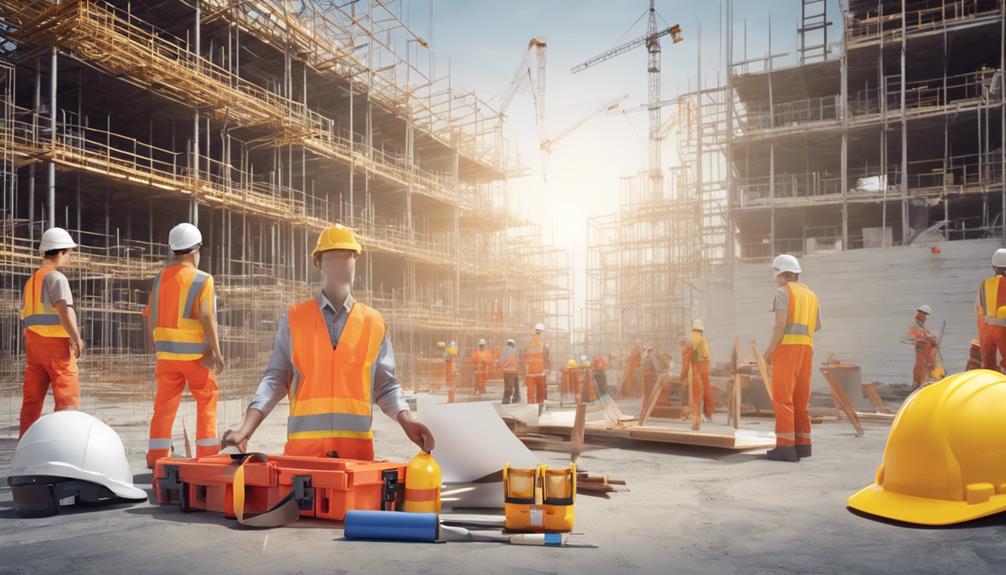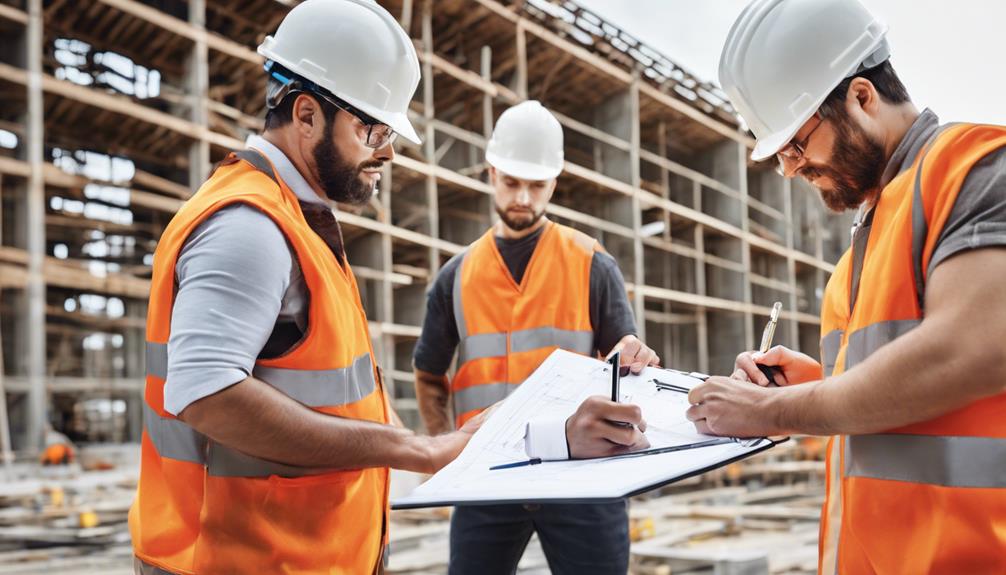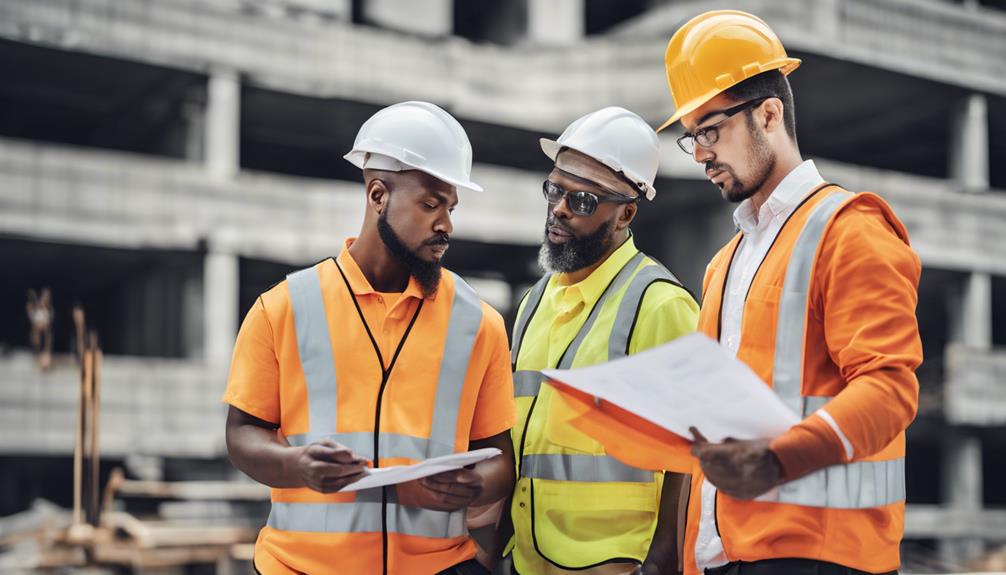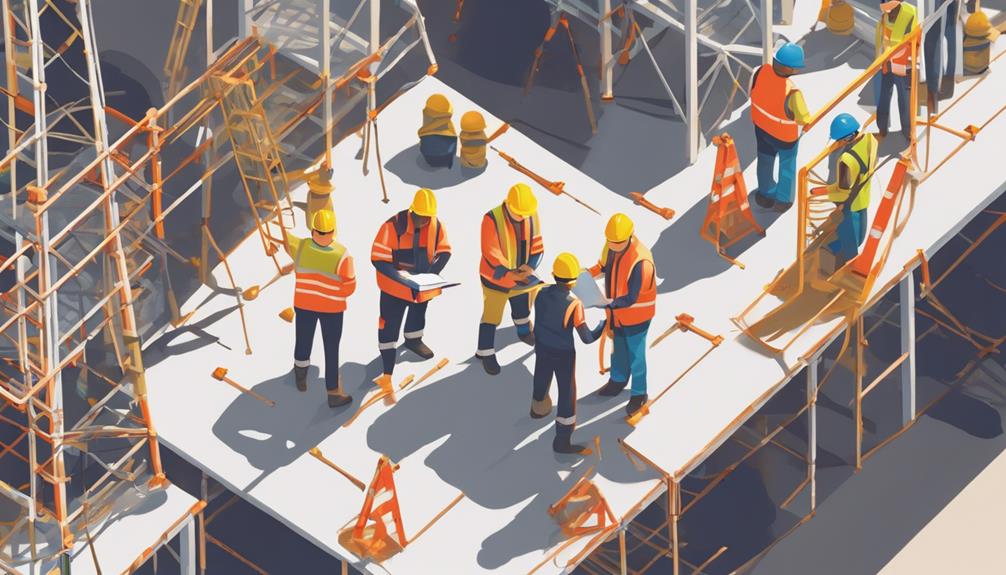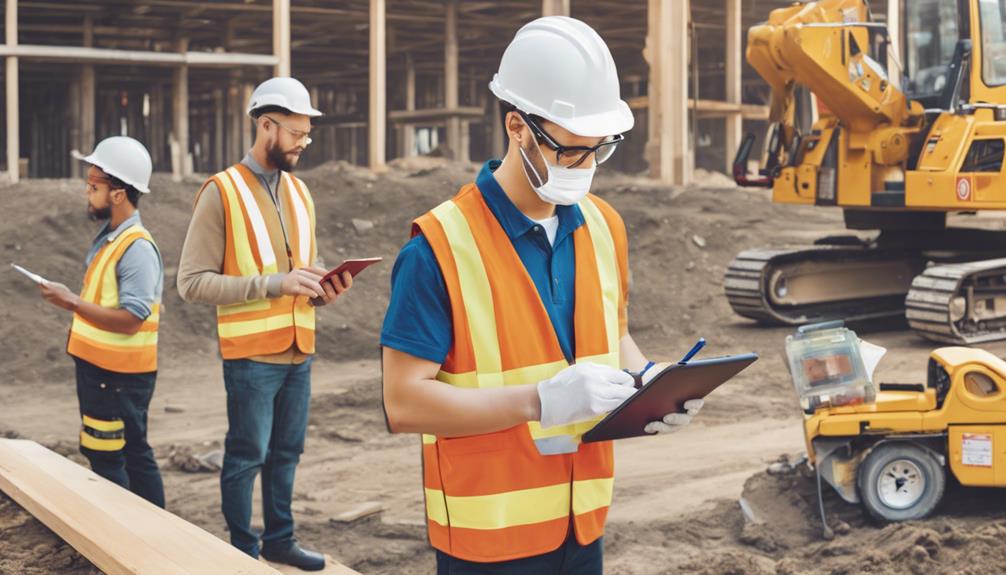
To ensure you're meeting OSHA compliance in construction, first, familiarize yourself with key standards such as fall protection, hazard communication, and scaffolding. You'll need to conduct regular tailored safety training and frequent site inspections to monitor and maintain adherence to these protocols. Implement robust fall protection measures, ensure all equipment is suitable and maintained, and always use the correct personal protective equipment. It's crucial to document all training sessions, incidents, and compliance measures promptly and accurately. Lastly, maintain an ongoing dialogue about safety to cultivate a culture focused on continuous improvement. Exploring these strategies further will enhance your understanding and application of safety measures.
Understanding Key OSHA Standards
Navigating the key OSHA standards is crucial for ensuring safety and compliance in the construction industry. As you dive into the myriad regulations, you'll find that understanding the specific standards that apply to your projects isn't just about following rules—it's about protecting lives.
Firstly, you need to familiarize yourself with the Fall Protection standard (29 CFR 1926.501), which is paramount in preventing fall-related injuries and fatalities. It mandates that fall protection must be provided at elevations of six feet in the construction industry. You'll need to ensure that every site has the proper guardrail systems, safety nets, or personal fall arrest systems in place.
Next, consider the Hazard Communication standard (29 CFR 1910.1200), which ensures that information about the chemical hazards in the workplace and associated protective measures is available and understandable to workers. You must maintain a written hazard communication program and ensure that all containers are labeled, safety data sheets are accessible, and workers are adequately trained.
Lastly, don't overlook the Scaffolding standard (29 CFR 1926.451), which requires scaffolds to be soundly built and secure, with regular inspections to maintain their safety. Compliance with these standards isn't just regulatory; it's a direct investment in the health and safety of your team.
Regular Safety Training Sessions
Regular safety training sessions are essential in reinforcing OSHA standards and ensuring your team's compliance and safety on the construction site. You've got to keep everyone up to speed with the latest safety protocols and provide continuous education on risk management and hazard recognition. Here's how you can make your training sessions impactful and engaging.
Firstly, make sure your training is relevant and specific to the tasks your team is handling. General information is fine, but the real value comes from training tailored to the specific risks and equipment involved in your current projects. This approach makes the training directly applicable and much more likely to be remembered and used.
You'll also want to mix up the formats of your training sessions. Don't just stick to lectures. Include hands-on demonstrations, interactive digital training, and group discussions. This variety not only keeps the content fresh but also caters to different learning styles, helping ensure that all your team members grasp the important points.
Lastly, foster an environment where safety training is seen not just as a requirement, but as a valuable part of your team's professional development. Encourage questions, feedback, and discussion about safety issues. This open dialogue keeps everyone engaged and informed, and it helps you spot potential areas for improvement in your safety practices.
Conducting Frequent Site Inspections
Conducting frequent site inspections is crucial in maintaining compliance with OSHA regulations and ensuring the safety of your construction team. You'll want to walk through the site regularly, checking for any potential hazards such as misplaced tools, unstable structures, or exposed wiring. It's your eyes on the ground that can spot small issues before they turn into serious problems.
You should also keep an eye on your team's adherence to safety protocols. Are they wearing the correct protective gear? Are workers keeping their work areas clean and organized? These inspections aren't just about following rules; they're about fostering a culture of safety that everyone buys into.
Make sure you're documenting everything. Each inspection should be recorded with details of what was checked, findings, and any corrective actions taken.
This documentation will be invaluable if OSHA ever conducts an audit and can also help you track progress on safety improvements.
Implementing Fall Protection Measures
To ensure worker safety on heights, implementing fall protection measures is essential. You've got to understand the risks involved and take the right steps to mitigate them.
Firstly, assess the site to identify areas where falls could occur. Are there unprotected edges, holes, or overhangs? Recognizing these hazards is the first step toward prevention.
Next, you need to set up the appropriate systems. Guardrails are your first line of defense. Ensure they're sturdy and meet OSHA's height and strength requirements. For some tasks, though, guardrails mightn't be feasible. In these cases, consider safety nets or personal fall arrest systems (PFAS). Remember, each system has its specific setup and usage guidelines which you must follow meticulously.
Training is another critical component. You and your team need thorough training on the equipment and the dangers of working at height. This isn't a one-time event. Regular refresher courses are vital to maintain safety standards and keep everyone's knowledge up to date.
Lastly, always have a rescue plan in place. If a fall occurs, knowing how to efficiently execute a rescue can make the difference between life and death. Don't overlook this crucial element of fall protection.
Ensuring Proper Equipment Use
After ensuring that fall protection measures are in place, it's equally important to focus on the proper use of equipment. You've got to ensure that every piece of machinery and tool you use is suitable for the task at hand and in good working condition. Don't just grab the nearest tool; make sure it's designed for the job you're about to tackle.
You should also be trained on every piece of equipment you handle. This isn't just about knowing what buttons to push; you need to understand the safety features, the limits of the equipment, and what could go wrong if it's misused. It's not enough to be shown once; regular refresher training is crucial to keep you sharp and aware.
Proper maintenance is your next big priority. Check and double-check equipment before and after use. Look for signs of wear and tear, and report any faults immediately. Don't be tempted to "make do" with faulty equipment – it's not worth the risk.
Lastly, always wear the right personal protective equipment. Each task might require different gear, so check what's needed. Remember, the right tools, properly used, not only keep you safe but also make your job easier.
Reporting and Addressing Hazards Promptly
Recognizing a hazard is just the first step; you must report it immediately to prevent accidents. Once you've identified a potential risk, don't hesitate or assume someone else will handle it. You're a crucial part of the safety chain, and your prompt response can make a big difference.
After spotting a hazard, inform your supervisor or safety officer right away. If it's an imminent danger, don't wait—take immediate steps to safeguard yourself and your coworkers. This might mean cordoning off the area or turning off equipment until help arrives. You aren't just protecting your team; you're potentially saving lives.
Remember, it's not just about spotting dangers; it's also about actively participating in the solution. Engage in safety meetings and trainings. Speak up if you feel procedures could be improved. Your insight as someone on the front lines is invaluable.
Lastly, follow up. After reporting, check to see that the hazard was addressed. This closure isn't just for your peace of mind—it ensures that the issue was taken seriously and remedied. You play a key role in this process, reinforcing a culture of safety that benefits everyone on site.
Maintaining Accurate Records and Documentation
Maintaining accurate records and documentation in construction is essential for ensuring compliance with OSHA regulations. You've got to keep detailed logs of everything from employee training sessions to accident reports and safety meetings. This isn't just busywork; it's your proof that you're following the rules and keeping your worksite safe.
First, make sure you're documenting all required training. OSHA needs to see that your team knows how to handle the equipment and risks they face every day. Keep these records organized and up-to-date. If OSHA comes knocking, you'll need to show these documents promptly.
Next, accident reports are critical. If an incident occurs, document it immediately. Include who was involved, what happened, why it happened, and what steps you're taking to prevent future occurrences. This isn't just for compliance; it's about learning from mistakes and improving safety measures.
Finally, don't forget about regular safety audits and meetings. Document each one, noting what safety topics were covered and any decisions or actions taken as a result. Maintaining this documentation helps you track progress and ensures continuous improvement in your safety practices.
Staying on top of these records shows OSHA that you're committed to maintaining a safe and compliant worksite.
Conclusion
Now that you've got the basics, remember, staying OSHA compliant isn't just about dodging fines; it's about keeping everyone safe. Make sure you're consistently applying these tips: understand the rules, train regularly, inspect sites, implement fall protections, use equipment correctly, report hazards quickly, and keep detailed records. By making these practices routine, you'll not only meet regulations but also foster a safer, more efficient work environment. Safety isn't a one-time check; it's an ongoing commitment.
Related articles: What Are Key Safety Protocols in Commercial Construction?