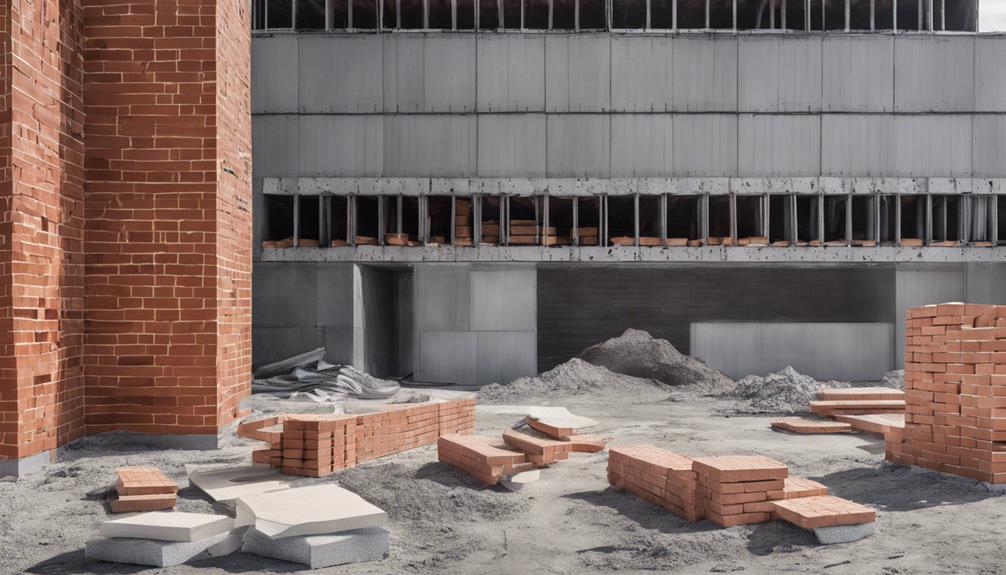
fire safety in buildings

What Are Fire-Resistant Materials for Commercial Buildings?

In your commercial building, you can boost safety by using fire-resistant materials like gypsum boards, which release water as steam to manage flames and temperatures. Also, fire-resistant glass remains intact under extreme heat, offering visibility during a fire. Deeper layers of protection can be achieved with insulating materials treated with fire-retardant chemicals, while steel structures might be covered in intumescent paint or encased in concrete for enhanced durability. Brick and specially treated wood also provide reliable fire resistance. Each material carries specific fire ratings, guiding you towards making informed choices on their effectiveness. Exploring further will unveil more on how these materials can fortify your setup against fires.

Understanding Fire-Resistant Materials

Fire-resistant materials are essential components that significantly enhance the safety of commercial buildings by reducing the spread and impact of fires. When you're selecting materials for construction, it's crucial to consider how they'll perform in a fire. Materials like gypsum boards, glass, and certain types of insulation are designed to withstand high temperatures and slow down fire propagation.

Gypsum boards, for example, are made from a mineral that contains water in its crystal structure. During a fire, this water is released as steam, which helps to control the temperature and limit the spread of flames.

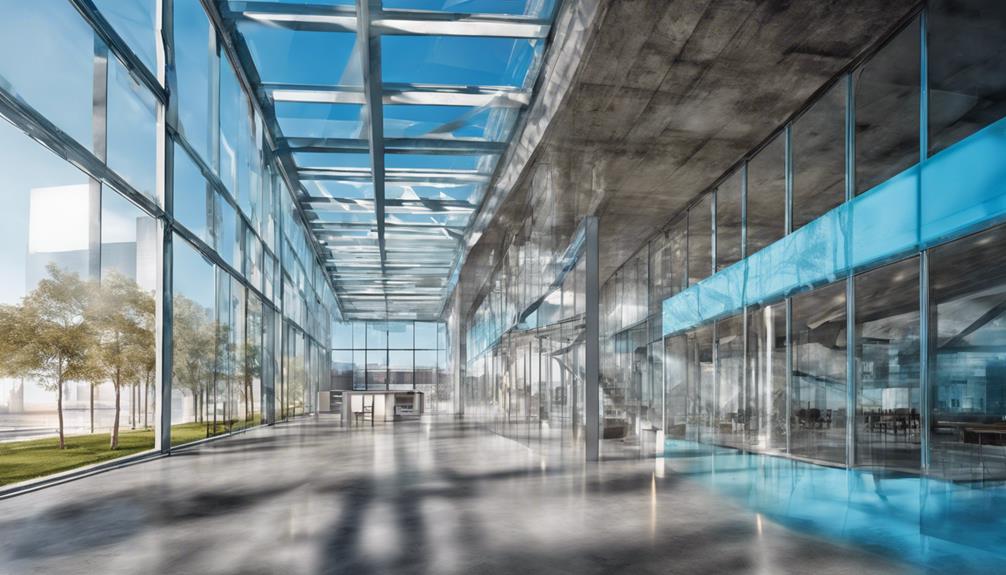
Meanwhile, fire-resistant glass can endure extreme heat without shattering, providing a barrier against flames while maintaining visibility and light transmission.

Insulation materials injected with fire-retardant chemicals can also play a critical role. These substances enhance the material's ability to resist ignition and slow down the fire's growth, giving you and emergency responders more time to act.

You should also consider the layout and installation of these materials. Proper installation can significantly impact their effectiveness in a fire. Always work with certified professionals who understand the nuances of fire-resistant technologies and building codes. This expertise ensures that safety isn't just an option; it's integrated into the very fabric of your building.

Concrete and Its Durability

Transitioning from specific fire-resistant materials, let's turn our focus to concrete, a staple in the construction of commercial buildings. You've likely seen concrete everywhere, but you may not know just how invaluable it's in fire safety. Concrete's durability and fire resistance make it an ideal choice for the structure of high-rise offices, shopping centers, and other commercial spaces.

Concrete's ability to resist fire comes from its composition. Made of cement, water, and aggregates like sand and gravel, it undergoes a chemical reaction that not only hardens it but also significantly reduces its susceptibility to fire. In the event of a fire, concrete can withstand high temperatures for extended periods without losing its structural integrity. This property minimizes the risk of collapse, providing more time for evacuation and firefighting efforts.

Moreover, concrete doesn't emit toxic fumes when exposed to flame, which is a crucial safety feature. It also doesn't burn, spread flames, or contribute fuel to an existing fire, enhancing its status as a fire-resistant material.

For you, as someone involved in commercial construction, choosing concrete means investing in both durability and safety, ensuring a longer lifespan for your buildings while protecting lives.

Gypsum Board Properties

After exploring the robust fire-resistant qualities of concrete, let's consider gypsum board, another vital material in constructing commercial buildings.

You'll find that gypsum board, commonly known as drywall, offers impressive fire-resistance that makes it indispensable in commercial construction.

Gypsum board consists mainly of gypsum, a mineral known for its fire-resistant properties. When exposed to fire, the water molecules trapped within the gypsum are slowly released as steam, effectively impeding the transmission of heat. This natural fire resistance doesn't just slow down the spread of flames; it also reduces the overall temperature, providing crucial extra minutes for evacuation and response.

You'll appreciate that gypsum board isn't only fire-resistant but also versatile and cost-effective. It's easily installed and finished, which can significantly cut down construction times and costs. Moreover, its smooth surface is ideal for painting or wallpapering, allowing for aesthetic flexibility in design.

It's also worth noting that while gypsum board is inherently fire-resistant, its performance can be enhanced. Manufacturers often offer Type X gypsum board, which includes glass fibers to increase its resistance to heat and fire. This makes it an even safer choice for areas where fire safety is paramount.

Fire-Resistant Glass Types

You'll find that as we explore further into the realm of fire-resistant materials, special types of glass play a crucial role in maintaining safety in commercial buildings. Fire-resistant glass isn't just ordinary glass. It's specifically designed to withstand extreme heat from fires, preventing flames and smoke from spreading and buying crucial time for evacuation and emergency response.

There are mainly two types of fire-resistant glass: wired and ceramic. Wired glass, recognizable by its embedded wire mesh, holds the glass in place even when shattered. It's generally effective for up to 45 minutes of fire resistance.

On the other hand, ceramic glass offers superior protection. Made to withstand temperature extremes, it can resist heat for up to 3 hours, significantly more than wired glass. It remains clear, unlike wired glass, which can obscure visibility with its wire mesh.

You might also encounter intumescent glass, a newer technology where a layer between the glass panes expands when exposed to fire, forming a thick, insulating barrier against heat and flames. It's an excellent option for areas needing clear visibility alongside high safety standards.

Choosing the right fire-resistant glass depends on specific building requirements and safety codes. Always consult with an expert to ensure compliance and maximum protection.

Steel Structures and Fire Resistance

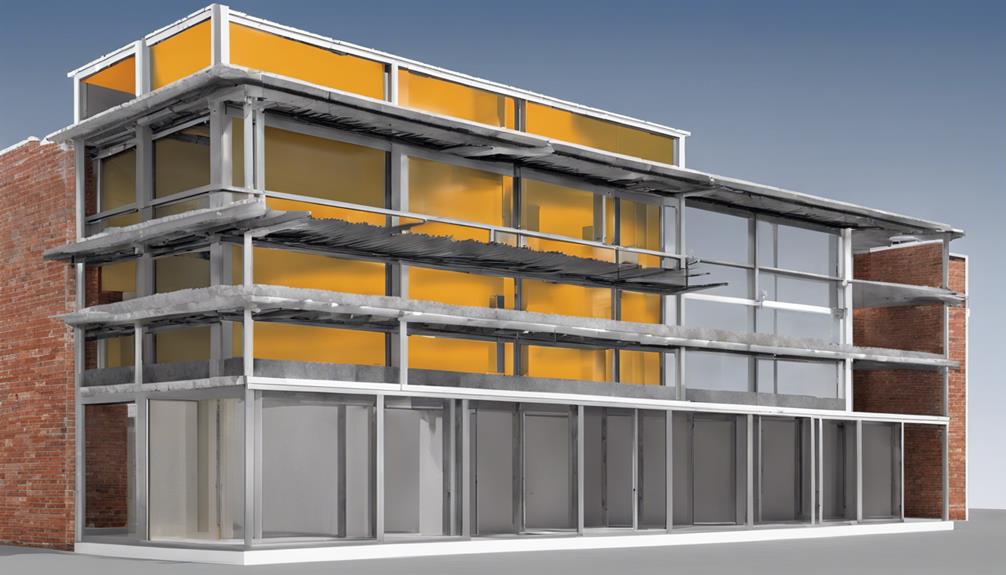
Steel structures, while inherently robust, require specific enhancements to boost their fire resistance. You'll find that unprotected steel can lose its strength and stability at high temperatures, making it crucial to implement protection methods in commercial buildings.

One effective method you can consider is applying intumescent paint. This special coating expands when exposed to extreme heat, forming an insulating barrier that protects the steel beneath. It's not only efficient but also maintains the aesthetic appeal of the structure, as it can be applied in various finishes.

Another strategy involves using fire-resistant boards or wraps. These materials encase the steel, shielding it from high temperatures and prolonging the structural integrity during a fire. It's a reliable choice for areas where aesthetics are less critical but safety is paramount.

You might also explore the option of concrete encasement. By encasing steel columns or beams in concrete, you significantly enhance their fire resistance. Concrete has excellent heat-resistant properties and adds additional strength to the structure, though this method can increase construction costs and time.

Brick and Fire Safety

Brick construction offers notable fire safety benefits, positioning it as a top choice for commercial buildings where fire resistance is crucial. When you choose brick for your building's exterior, you're leveraging one of the most durable and fire-resistant materials available. Brick doesn't ignite, nor does it aid the spread of flames, ensuring additional time for evacuation and fire control.

Moreover, brick walls can withstand high temperatures without collapsing. This property significantly enhances the structural integrity of a building during a fire, reducing the risk of catastrophic damage.

You'll appreciate that brick's excellent thermal mass also helps in stabilizing interior temperatures, which can be critical in preventing fires from escalating.

Incorporating brick in your construction isn't just about safety; it's also about cost-effectiveness in the long run. Although the initial investment might be higher compared to less sturdy materials, the longevity and minimal maintenance requirements of brick can lead to substantial savings over time. Additionally, insurance costs may be lower for brick buildings due to their proven fire-resistance capabilities.

Choosing brick means you're not only ensuring a safer environment but also investing in a solution that stands the test of time and elements, including fire.

Fire-Retardant Wood Options

While traditional wood is highly flammable, manufacturers have developed fire-retardant wood options that significantly enhance safety in commercial buildings. You'll find these materials crucial in areas where aesthetics and wood's natural beauty are desired alongside stringent safety standards.

Fire-retardant wood is treated with chemicals that reduce its flammability. This treatment involves impregnating the wood fibers with fire-resistant chemicals, which inhibit the wood's tendency to ignite. These chemicals also reduce the rate at which the wood burns, allowing more time for evacuation and firefighting efforts.

When you're choosing wood for your project, you might come across terms like FR (fire-retardant) treated wood or fire-rated wood. These products aren't just soaked in chemicals; rather, they undergo a pressure-treatment process that ensures the fire-retardant chemicals deeply penetrate the wood, providing lasting protection.

It's essential you verify the wood's fire rating. Look for Class A rated fire-retardant wood, which offers the highest level of resistance to fire exposure. Always ensure that the wood meets local building code requirements, which dictate specific standards for fire safety.

Opting for fire-retardant wood not only helps protect your property but also significantly enhances the safety of occupants. This choice is a smart move in blending safety with functionality and aesthetics in your building's design.

Protective Coatings and Paints

Transitioning from fire-retardant wood, another vital option for enhancing fire resistance in commercial buildings involves the use of protective coatings and paints. You'll find these products crucial when you're aiming to bolster the fire safety of your structure. They're not just regular paints; they're specially formulated to resist high temperatures and slow the spread of flames.

These coatings and paints contain fire-retardant chemicals which react under heat, forming a protective char layer that insulates the material underneath. This action helps to maintain the structural integrity of the building components for a longer period during a fire, potentially saving lives by allowing more time for evacuation.

You can apply these coatings on a variety of surfaces, including walls, ceilings, floors, and even on steel structures that are typically vulnerable to high heat. It's essential, however, to ensure that the application is done correctly. Inadequate or improper application might reduce the effectiveness of these fire-resistant treatments.

Moreover, when you're selecting these products, it's important to check their fire rating. The higher the rating, the better the protection they offer. Always opt for products that comply with local fire safety regulations to ensure maximum safety and effectiveness.

Insulating Materials and Fire Barriers

After exploring the role of protective coatings and paints in enhancing fire safety, let's consider another key aspect: insulating materials and fire barriers. You need to know how these elements can safeguard your building during a fire.

Insulating materials in buildings primarily help in managing temperatures and reducing energy costs. However, when it comes to fire resistance, not all insulating materials are created equal. Materials like fiberglass, mineral wool, and certain foam insulations resist fire better and don't contribute to flame spread. These materials can withstand high temperatures while maintaining structural integrity and limiting the heat transfer that can lead to fires in other parts of the building.

Fire barriers play a critical role too. They compartmentalize a fire, keeping flames and smoke from spreading rapidly. This containment is crucial for allowing safe evacuation and giving firefighters more time to respond.

Common fire barriers include:

  • Fire-resistant walls
  • Floors
  • Doors

These are made from reinforced gypsum or concrete, which can stand up to intense heat.

Choosing the right combination of insulating materials and fire barriers isn't just a building code compliance issue; it's a vital part of your fire safety strategy. These elements work together to protect lives and minimize property damage during a fire.

Evaluating Material Fire Ratings

Understanding material fire ratings is crucial as you select the best fire-resistant materials for your commercial building. Fire ratings, measured in hours, indicate how long a material can withstand fire before it fails structurally or allows significant heat transfer. These ratings help you determine the level of fire resistance necessary for different areas of your building, ensuring safety and compliance with local fire codes.

Start by checking the fire ratings of materials, typically listed in product specifications or technical datasheets. You'll find common ratings like 1-hour, 2-hour, or 4-hour fire resistance. These numbers aren't arbitrary; they're based on rigorous testing by standards organizations such as ASTM International or UL LLC.

Materials undergo tests like the ASTM E119, which exposes them to controlled fire conditions to assess their performance under heat and stress.

You should also consider the fire rating requirements specific to your building's design and location. Different building codes and jurisdictions may demand varying levels of fire resistance, especially in critical areas like stairwells, elevator shafts, or mechanical rooms.

Consulting with a fire safety engineer can provide insights into the optimal materials for your project, balancing cost, functionality, and compliance.

Conclusion

You've explored a range of fire-resistant materials crucial for enhancing safety in commercial buildings. From the robustness of concrete and steel to the protective qualities of gypsum board and fire-resistant glass. Don't overlook fire-retardant wood and specialized coatings that boost resilience. Remember, the right insulating materials can further shield against fire. Always check the fire ratings to ensure the materials you choose meet the necessary safety standards for your building's security and compliance.

Related articles: Top Fire-Resistant Materials for Your Building

fire resistant building materials list

Top 5 Fire-Resistant Materials for Buildings

When building or renovating, you should consider fire-resistant materials to enhance safety and resilience. Concrete, for instance, significantly slows down the spread of flames and improves fire containment due to its low thermal conductivity. Gypsum board is another great choice; it releases water vapor under high heat, helping to control fires. You can also opt for fire-retardant wood, which resists ignition and can be used similarly to regular wood. For windows, laminated or ceramic glass can resist high temperatures, and steel framing offers exceptional strength and fire resistance. These materials not only secure your structure but also ensure long-term sustainability. Discover more benefits these materials can bring to your project.

Concrete: A Robust Barrier

Concrete serves as a formidable barrier against fire, enhancing the safety of buildings. When you're considering materials for construction, it's crucial to note how effectively concrete withstands high temperatures. Its ability to resist fire isn't merely about withstanding heat; it also significantly slows the spread of flames, providing crucial time for evacuation and response.

You'll find that unlike many other materials, concrete doesn't emit toxic fumes when exposed to fire. This characteristic is vital for maintaining safer environments during a fire event.

Moreover, concrete's composition — primarily cement, water, and aggregates — inherently possesses low thermal conductivity. This means it doesn't transfer heat quickly, helping to contain any fire to one area and preventing it from spreading rapidly throughout a structure.

As you plan your next construction project, remember that using concrete can also potentially lower insurance premiums due to its high fire resistance. It's a smart choice not only for safety but also for long-term savings. Consider how integrating concrete into your building design not only enhances structural integrity but also adds a crucial layer of fire protection. It's a robust, reliable choice that offers peace of mind.

Gypsum Board Installations

Shifting focus to gypsum board, you'll find it's an incredibly versatile material used primarily for interior walls and ceilings. This product not only offers a smooth finish but also provides significant fire resistance, thanks to its core composed of calcium sulfate dihydrate. When exposed to high heat, gypsum board releases water vapor, which helps control the spread of fire and lowers the temperature in the affected area.

You can choose from various types of gypsum boards depending on your specific needs. Type X gypsum board is especially popular for its enhanced fire-resistance qualities. It contains glass fibers that reinforce the board, allowing it to withstand fire for longer periods. Typically, you'll see this type used in areas requiring additional safety measures, like between apartments or in commercial kitchens.

Installing gypsum board is straightforward. You'll fasten the boards directly to the structure's framework using screws or nails. For improved fire protection, ensure all joints and seams are properly sealed with joint compound and tape. This not only enhances the fire-resistant properties but also ensures a uniform, polished appearance. Remember, correct installation is key to maximizing gypsum board's efficiency in fire protection.

Fire-Retardant Wood Applications

While gypsum board is a standout choice for fire-resistant wall and ceiling finishes, fire-retardant wood products bring similar safety features to a range of other construction elements. You'll find these specially treated woods ideal for framing, siding, and even roofing, where traditional wood might pose a fire hazard.

Here's the scoop: fire-retardant wood isn't your typical lumber. It's treated with chemicals that significantly slow down the combustion process. This means that in the event of a fire, it'll resist ignition longer than untreated wood, giving you more time to react and potentially reducing the damage to your property.

You're probably wondering about appearance and usability. Well, good news! Fire-retardant wood can be painted or stained just like regular wood, so it blends seamlessly with other materials in your building. Plus, it machines and works just like traditional lumber, making it a versatile choice for various architectural styles.

Glass Reinforcement Techniques

In modern architecture, glass plays a crucial role, but its fragility can be a concern. To boost its resilience and fire resistance, you'll want to consider various glass reinforcement techniques.

Laminated glass, one of the most effective options, involves bonding two or more glass sheets with a layer of resin or polyvinyl butyral (PVB) in between. This interlayer keeps the glass intact even when shattered, preventing it from breaking into dangerous shards during a fire.

Another robust technique is the use of tempered glass. It's heated to a high temperature and then rapidly cooled, strengthening it significantly compared to normal glass. This process makes it harder and more resistant to high temperatures, reducing the likelihood of breakage under fire conditions.

Ceramic glass, also essential, offers remarkable heat resistance. It withstands extreme temperatures without melting, making it ideal for high-risk fire zones in buildings. You might consider it for areas like fire doors or windows close to potential fire sources.

Incorporating these glass reinforcement techniques not only enhances safety but also maintains the aesthetic appeal of your building. Opt for these solutions to ensure durability and fire resistance without compromising on design.

Steel Framing Advantages

Beyond its aesthetic appeal, steel framing offers significant structural advantages for building construction. You'll find that it provides superior strength and durability, crucial in areas prone to severe weather or seismic activity. Steel's impressive strength-to-weight ratio means your building can withstand higher stresses while using less material than traditional wood framing, which not only saves you money but also speeds up the construction process.

Steel framing isn't just tough; it's also remarkably fire-resistant. It can withstand temperatures far higher than those that would cause wood frames to collapse. This feature alone makes steel an invaluable material in designing buildings where safety is a top priority. Additionally, steel doesn't contribute fuel to a fire, helping to limit the spread and intensity should one occur.

You'll also appreciate steel's adaptability. It can be molded into nearly any shape, allowing for innovative designs and architectural freedom. This flexibility ensures that your building can meet specific aesthetic and functional requirements without compromise.

Moreover, steel framing is environmentally friendly. It's fully recyclable, reducing waste and often incorporating recycled materials in its production. Choosing steel helps you contribute to a more sustainable construction model, aligning with modern eco-friendly building practices.

Conclusion

You've explored the top fire-resistant materials that can safeguard your building against fire hazards. Concrete offers robust protection, while gypsum board provides essential barriers. Fire-retardant wood and reinforced glass enhance safety without compromising aesthetics. Steel framing rounds out your options, combining strength and resistance. Choosing any of these materials will significantly boost your building's resilience to fire, ensuring peace of mind and safety for everyone inside. Make an informed decision and prioritize fire resistance in your construction plans.

Related articles: What Are Fire-Resistant Materials for Commercial Buildings?

fire safety in construction

Why Choose Fire-Resistant Materials for Commercial Buildings?

Choosing fire-resistant materials for your commercial building enhances safety by limiting the spread of flames and smoke, which aids in evacuation and maintains structural integrity during a fire. You'll comply with building regulations more effectively and may benefit from lower insurance premiums due to the reduced risk. These materials are not only durable but also cost-effective over time, as they decrease the likelihood of extensive fire damage and minimize business disruptions. Plus, incorporating such materials might position you for future savings and added security. Exploring this approach further could reveal significant safety and economic advantages for your business.

Benefits of Fire-Resistant Materials

Integrating fire-resistant materials into commercial building design significantly enhances safety and protection. When you choose these materials, you're not just complying with building codes; you're actively investing in your property's future. Fire-resistant materials like gypsum boards, reinforced concrete, and fire-retardant-treated wood limit the spread of flames and smoke, giving occupants more time to evacuate and reducing structural damage.

These materials are engineered to withstand high temperatures, ensuring that the integrity of your building's structure is maintained longer during a fire. This is crucial because it minimizes the risk of collapse, potentially saving lives and lowering repair costs.

Fire-resistant materials also contribute to a more predictable building performance under fire conditions, facilitating more effective firefighting and rescue operations.

Moreover, using these materials may lead to lower insurance premiums due to the reduced risk they present. Insurers often recognize the added safety features and adjust coverage costs accordingly. By incorporating fire-resistant materials, you're not only safeguarding the building's occupants and assets but also managing your operational costs more effectively. This makes them a wise choice for any commercial building project, blending safety with economic benefits seamlessly.

Enhancing Safety in Commercial Spaces

Beyond choosing fire-resistant materials, enhancing safety in your commercial spaces involves implementing comprehensive fire safety measures. You'll need to consider everything from the layout of your building to the emergency protocols you have in place. It's not just about minimizing the risk of fire but also ensuring that if a fire occurs, everyone in the building can exit safely and quickly.

Firstly, ensure your space has clear and accessible escape routes. You should regularly check these paths to ensure they're free of obstructions and clearly marked. It's crucial that your employees know these routes and participate in regular fire drills.

Secondly, install and maintain high-quality smoke detectors and fire alarms. These systems are your first line of defense, alerting occupants to danger before it's too late. Make sure they're tested regularly and kept in good working order.

Additionally, consider the benefits of sprinkler systems. While they represent an upfront investment, they can dramatically reduce the severity of fires, giving people more time to evacuate and potentially saving lives.

Cost-Effectiveness Over Time

While investing in fire-resistant materials and safety systems might seem costly initially, these measures prove cost-effective over time. You'll find that the longevity and durability of fire-resistant materials reduce the need for frequent replacements and repairs. This means you're not only saving on material costs but also on the labor needed for maintenance.

Moreover, consider the potential losses from fire damage. By incorporating fire-resistant materials, you're significantly lowering the risk of extensive damage, which can lead to costly repairs and even rebuilding. In the unfortunate event of a fire, these materials help contain the damage, ensuring that the structure of your building remains mostly intact. This containment also means less disruption to your business operations, helping you get back on track much faster than you'd otherwise.

Additionally, fire-resistant materials often come with lower insurance premiums. Insurers recognize the reduced risk these materials pose, reflected in the lower costs of insurance for your business. Over the years, these savings can add up, offsetting the initial higher investment.

In essence, while the upfront cost might pinch, the long-term savings and added security make these materials a wise financial decision for your commercial property.

Compliance With Building Regulations

Adhering to building regulations isn't just a legal necessity; it's a strategic advantage when you incorporate fire-resistant materials into your commercial property. You're not only ensuring compliance but also positioning your building for future-proofing against stricter codes and potential legal challenges. By choosing materials that meet or exceed current standards, you're significantly reducing the risk of costly penalties and interruptions during construction and operation phases.

You know the drill—each jurisdiction has its own set of codes and regulations that dictate the required fire safety measures for commercial buildings. Fire-resistant materials can help you meet these varying requirements more seamlessly. Whether it's insulation, wall panels, or flooring, opting for certified products that are recognized for their resistance to fire can streamline the approval process of your building plans.

Moreover, you're setting yourself up for lower insurance premiums. Insurers often favor buildings that demonstrate higher safety standards, which can translate into savings for you. This isn't just about following the rules; it's about making smart choices that keep your operations running smoothly and your finances intact.

Don't overlook the importance of compliance—it's your pathway to a safer, more sustainable future in commercial real estate.

Case Studies and Real-World Applications

You've seen how adhering to regulations with fire-resistant materials can benefit your commercial property; let's now look at how businesses like yours have applied these materials in practice.

Consider the case of a high-rise office complex in downtown Chicago. The developers used fire-resistant glass and cladding to exceed safety standards. This not only provided peace of mind but also reduced insurance premiums, making it an economically wise choice.

Another example is a tech warehouse in San Francisco that incorporated fire-resistant panels in its design. During a minor fire, these panels prevented the blaze from spreading, which allowed the building's sprinkler system to extinguish the fire quickly and efficiently. This quick action saved millions in potential damages and avoided a major disruption in operations.

Lastly, there's the renovation of an old hotel in New York City. The architects chose to retrofit with fire-resistant materials throughout the building. When a kitchen fire broke out, the materials contained it until firefighters arrived, thereby safeguarding not only the structure but also the lives of guests and staff.

These cases illustrate that investing in fire-resistant materials isn't just about compliance; it's about foresight, safety, and sustainability.

Conclusion

You've seen how fire-resistant materials not only enhance safety but also prove cost-effective and regulatory compliant. By integrating these materials into your commercial building, you're not just following codes; you're actively protecting lives and investments. Consider the real-world successes from the case studies; they highlight the undeniable value of choosing fire-resistance. Don't overlook this smart choice. It's about making your space safer, more durable, and ready to face any challenge. Make the right decision—prioritize safety with fire-resistant materials.

Related articles: Top 5 Fire-Resistant Materials for Buildings

cost effective equipment for skyscraper

Top Affordable Supplies for High-Rise Construction

When planning your high-rise construction project, you can cut costs without sacrificing quality by choosing supplies like light gauge and recycled steel, which not only reduce shipping costs but are also environmentally friendly. Consider using high-strength steel for thinner frames, and integrate high-volume fly ash or slag cement to keep concrete expenses low while enhancing durability. Additionally, opt for acrylic or polycarbonate sheets instead of traditional glass, and don't overlook economical insulation options like fiberglass or foam board. You'll find that vinyl and laminate offer cost-effective flooring solutions that are both attractive and durable. This information scratches the surface; there's plenty more to uncover about optimizing your construction costs.

Cost-Effective Steel Options

In today's market, numerous cost-effective steel options are available for high-rise construction projects. You'll find that advancements in technology and manufacturing processes have made steel an even more attractive choice. This is especially true when you're aiming to balance durability with affordability.

One of the key players in this realm is light gauge steel. It's not only lighter than traditional steel, but it's also just as strong. This reduces both shipping costs and the load on foundation requirements, which can dramatically cut down your project expenses. Moreover, due to its precision in manufacturing, light gauge steel minimizes waste during construction.

You might also consider recycled steel, which has become a favorite for environmentally conscious builders. It's cheaper than new steel and just as effective, offering significant savings without compromising structural integrity. Plus, you're helping reduce the industry's carbon footprint.

High-strength steel is another option you shouldn't overlook. It allows for thinner frames and slimmer designs, which means less material used and ultimately lower costs. This type of steel can withstand higher stresses, making it ideal for the towering structures of high-rise buildings.

Budget-Friendly Concrete Choices

While exploring materials for high-rise construction, don't overlook budget-friendly concrete options that can significantly reduce your project's overall expenses. You've likely considered traditional concrete, but have you looked into high-volume fly ash concrete? This alternative uses waste byproducts from coal combustion, making it cheaper and reducing your carbon footprint. It's not only good for your budget but also for the planet.

Next, consider slag cement, another eco-friendly choice that utilizes byproducts from iron production. It's known for its impressive durability and resistance to chemical degradation, which is crucial in high-rise buildings exposed to varied environmental conditions. This option can help you save money not only on the material cost but also on maintenance and repair down the line.

Lastly, don't forget about recycled aggregate concrete. By using crushed recycled concrete, glass, and other salvaged materials as aggregate, you're opting for a resource-efficient and cost-effective solution. This type of concrete not only lowers material costs but also offers a sustainable edge to your construction project, potentially increasing its market value and appeal.

Affordable Glass Alternatives

Shifting focus to windows and facade materials, consider using affordable glass alternatives that can slash your budget without compromising on aesthetics or performance. Acrylic and polycarbonate sheets are your go-to options here. They're not only cheaper than traditional glass but also lighter and more durable, which can reduce your overall construction costs.

Acrylic sheets, for instance, offer excellent clarity and resistance to UV rays, making them a smart choice for large windows and transparent facade elements. They're easy to install and maintain, which means you'll save on labor costs too.

Polycarbonate is even tougher, resisting impacts up to 250 times greater than glass. It's ideal for areas prone to harsh weather or where safety could be a concern.

You might also explore high-tech glass alternatives like smart glass, which, although initially more expensive, can significantly cut down on heating and cooling expenses by adjusting its transparency based on the sunlight. This feature allows for better control of thermal gain, leading to lower energy bills.

Each of these options has its place depending on your project's specific needs. By considering these alternatives, you're not just saving money upfront but potentially reducing future operational costs as well.

Low-Cost Flooring Solutions

As you consider the various aspects of high-rise construction, don't overlook the importance of selecting the right flooring materials that balance cost and quality.

You'll find that laminates and vinyl are top choices for budget-friendly, durable options. Laminates mimic the look of real wood and resist wear and tear, which is great for high traffic areas in a building. They're also easy to install, which can cut down on labor costs.

Vinyl flooring offers versatility and a lower cost alternative with a variety of designs that can elevate the aesthetics of any room. It's water-resistant, making it ideal for areas like kitchens and bathrooms in high-rise apartments. Both materials are low maintenance, which will save you money over time on cleaning and repairs.

When you're purchasing these materials, consider buying in bulk from wholesalers to get the best deal. Negotiate directly with manufacturers to secure prices that aren't available to the general public. By focusing on these cost-effective materials, you can ensure that your high-rise construction project stays within budget without compromising on the overall quality and appeal of the finished building.

Economical Insulation Materials

Often, the choice of insulation material can significantly impact both the thermal efficiency and cost-effectiveness of your high-rise construction project. When you're aiming to keep costs down without sacrificing performance, consider fiberglass, cellulose, and foam board as your go-to options.

Fiberglass, made from finely spun glass fibers, offers excellent thermal resistance at a lower price point than many alternatives. It's lightweight, easy to install, and provides effective sound dampening. You'll find that it fits seamlessly into the framework of your building, making it especially suitable for large-scale projects where cost and efficiency are paramount.

Cellulose, another affordable choice, is composed of recycled paper fibers and comes with the added benefit of being environmentally friendly. It's treated with fire retardants to enhance safety, making it a prudent option for high-rise buildings. The material's density helps it perform well in both thermal and acoustic insulation.

Foam board stands out for its high insulative value per inch of thickness. This rigid panel, often made from polystyrene or polyurethane, can be used in a variety of applications, including exterior wall sheathing and foundation insulation. Its lightweight nature allows for quick installation, which can help speed up your construction timeline.

Cheap Electrical Wiring Supplies

Why spend more on electrical wiring when affordable options can meet your high-rise construction needs just as effectively? You're tasked with not only managing costs but also ensuring safety and reliability. Opting for cheaper electrical wiring supplies doesn't mean you have to compromise on quality. Many manufacturers offer competitively priced, certified products that are suitable for high-rise installations.

Start by selecting copper or aluminum wires, which are common and less expensive. Copper is highly conductive and durable, while aluminum is lighter and costs less. Ensure that whichever type you choose, it complies with the National Electrical Code (NEC) to avoid any safety hazards.

Additionally, consider bulk purchasing. Suppliers often provide discounts for large orders, which can significantly reduce your overall costs.

It's also worth looking into surplus or overstocked electrical materials. These can be bought at a fraction of the cost and are often just as good as their full-priced counterparts.

Lastly, don't skimp on connectors and conduits; these are crucial for the safe operation of your electrical systems. Affordable doesn't have to mean cheaply made. With the right supplier and a bit of savvy shopping, you can find high-quality, cost-effective wiring supplies that will keep your project on budget and up to code.

Inexpensive Plumbing Fixtures

Choosing the right plumbing fixtures doesn't mean you have to spend a fortune. You can still achieve quality and durability without breaking the bank. When you're sourcing for high-rise construction, it's crucial to look for fixtures that offer both affordability and reliability.

Start by exploring brands that specialize in cost-effective solutions. Many manufacturers provide ranges that cater specifically to budget-conscious projects, ensuring you don't compromise on performance. Opt for simple designs as they tend to be less expensive and are often easier to install, which can save you additional labor costs.

Consider materials like high-impact plastic or chrome-plated fixtures. These aren't only cheaper than premium materials like brass or stainless steel but also provide reasonable durability and resistance to wear. Plus, they're typically lighter, which can reduce shipping costs.

Bulk buying is another smart strategy. Purchasing large quantities often leads to significant discounts. Coordinate your needs across projects to maximize savings. Also, keep an eye out for wholesalers and distributors who offer competitive pricing specifically for large-scale construction projects.

Budget Building Fasteners

Securing your high-rise construction with budget-friendly building fasteners doesn't mean compromising on quality. You've got a variety of options that ensure safety and durability without breaking the bank. Let's dive into some smart choices that keep costs low while meeting high standards.

First up, consider generic brands that offer performance comparable to top-tier names. They often use the same materials but save you money on branding. Check out steel screws and bolts, which are less expensive than other metals but equally effective. Make sure they're galvanized or coated to prevent rust and increase longevity.

Next, think about buying in bulk. Purchasing large quantities often leads to significant discounts. This approach not only cuts down on immediate costs but also reduces the need for frequent reordering, saving you both time and shipping fees.

Don't overlook recycled or reclaimed fasteners either. These aren't only cheaper but also environmentally friendly. Many suppliers refurbish used fasteners to a like-new condition, which means you're getting reliable quality at a fraction of the cost.

Affordable Safety Gear

Nearly every high-rise construction project requires safety gear, but that doesn't mean you have to spend a fortune. You can find high-quality helmets, goggles, and harnesses at competitive prices if you know where to look.

Start by checking out bulk purchase options. Many suppliers offer significant discounts when you buy in bulk, which can be ideal if you're gearing up a large crew.

Don't overlook the power of comparison shopping online. Websites like SafetyGearPro and BulkSafetyEquipment offer a wide range of gear at prices that won't break the bank. Make sure to read customer reviews to ensure the equipment meets safety standards and holds up in tough conditions.

Consider last year's models too. Just like tech gadgets, safety gear models get updates. Last year's gear can often be purchased at a discount, and it's usually just as effective in protecting you on the job.

Lastly, look for closeout sales or end-of-season clearances. Retailers need to clear out inventory periodically, and this is a great time to snatch up high-quality gear at a fraction of the cost. Remember, protecting yourself doesn't have to empty your wallet. Smart shopping can lead to both safety and savings.

Conclusion

As you plan your high-rise construction, remember that affordable options don't have to compromise quality. Opt for cost-effective steel and budget-friendly concrete to ensure structural integrity. Choose affordable glass alternatives and low-cost flooring solutions that offer both style and durability. Don't overlook economical insulation, cheap electrical wiring, and inexpensive plumbing fixtures to keep costs down. Secure everything with budget building fasteners and protect your crew with affordable safety gear. Smart choices will keep your project within budget without sacrificing safety or aesthetics.

Related articles: Why Choose Fire-Resistant Materials for Commercial Buildings?

affordable materials for skyscrapers

Unbelievably Cheap Supplies for High-Rise Builds

To cut costs on your high-rise build, it's wise to partner with local steel and concrete suppliers who offer bulk pricing and may match competitors' lower prices. You'll find significant savings by negotiating deals on overstocked glass and aluminum, and considering eco-friendly materials like recycled aluminum and engineered wood. Durable yet budget-friendly materials like bamboo provide both sustainability and cost efficiency. Developing strong relationships with these suppliers can lead to even better financial terms over time. As you explore these options, you might uncover additional ways to keep your project affordable and high-quality.

Cost-Effective Steel Suppliers

When it comes to building high-rises, finding cost-effective steel suppliers can significantly reduce your overall expenses. You've got to dig deep into the market, looking beyond the big names to uncover suppliers who offer competitive rates without compromising on quality. Consider local manufacturers who might save you a bundle on shipping costs.

Don't just settle for the first quote you receive. You should ask for price breakdowns from multiple suppliers and compare them carefully. It's not just about the lowest number; check what's included. Are there hidden costs? What about the delivery schedules? You need steel delivered on time to avoid costly delays.

Also, think about long-term partnerships. Suppliers often lower prices for loyal customers, so if you're planning multiple projects, mention this. They might offer you a deal that could benefit your current project and future ones.

Lastly, keep an eye on steel market trends. Prices can fluctuate based on demand, supply disruptions, or changes in raw material costs. By staying informed, you can anticipate changes and lock in prices with suppliers at the right time, potentially saving you thousands. Remember, smart negotiating and strategic planning are your best tools in this game.

Affordable Concrete Options

After securing your steel at a competitive price, it's time to consider your options for affordable concrete, another major expense in high-rise construction. You'll want to focus on both cost and quality to ensure your project stays within budget without compromising structural integrity.

First, look into local suppliers who offer bulk pricing. Buying in large quantities often leads to significant discounts, and purchasing locally can reduce transportation costs dramatically. Don't hesitate to negotiate prices or ask for price-match guarantees to push costs down further.

Next, consider the mix design. Opt for standard mixes for non-critical elements of your construction to save money. However, ensure that the concrete's strength and durability meet the necessary standards for your building's specifications. Sometimes, a slightly higher initial cost can prevent expensive repairs or modifications later on.

Additionally, explore the possibility of using recycled concrete. This option isn't only environmentally friendly but can also be cost-effective. Many suppliers now offer high-quality recycled concrete that's suitable for various construction stages, including foundations and load-bearing walls.

Budget-Friendly Glass Providers

Moving on to the windows of your high-rise, finding budget-friendly glass providers is crucial to maintaining your project's affordability. You'll need to ensure the glass not only fits your budget but also meets the safety and aesthetic standards required for such a structure. Here's how you can source cost-effective glass without compromising on quality.

First, consider regional manufacturers. Often, local companies will offer competitive pricing to gain loyalty within their community. They might also provide better terms for bulk purchases, which could be ideal for your large-scale project. Don't forget to check for any local subsidies or tax incentives for using regional businesses, which can further reduce costs.

Another strategy is to look for overstock deals. Providers sometimes hold excess stock that they're willing to dispose of at a discount. This can be a goldmine for budget-conscious projects like yours. Make sure to verify the specifications and quality standards of the overstock glass to ensure they meet your needs.

Lastly, forge strong relationships with suppliers. Suppliers are more likely to negotiate prices and offer favorable terms to repeat customers. Show them your project's scope and potential for future business, and you might just secure that deal that keeps your costs down and quality high.

Discounted Aluminum Sources

Just as finding the right glass is key to keeping costs low, so is sourcing affordable aluminum for the structural components of your high-rise. You're in luck because there are numerous ways to find discounted aluminum that don't compromise on quality.

First, consider suppliers who offer overstock deals. Manufacturers often have excess material that they're willing to sell at reduced prices to clear space.

Next, look into recycling companies. Recycled aluminum isn't only cheaper but also environmentally friendly. It provides the same structural integrity as new metal but at a significantly lower cost. Check for local recyclers who specialize in construction-grade aluminum.

Don't overlook the power of bulk buying. If you're working on a large project, purchasing in bulk can lead to substantial discounts. Negotiate with suppliers to see how much you could save by ordering larger quantities.

Economical Wood Alternatives

If you're searching for cost-effective materials beyond traditional wood for your high-rise construction, consider exploring economical wood alternatives. One standout option is engineered wood products like cross-laminated timber (CLT). It's not only cheaper but also offers superior strength and flexibility, making it ideal for building upwards.

Another cost-effective choice is bamboo. It's remarkably sustainable due to its fast growth rate, and its tensile strength is comparable to steel, which is why it's gaining popularity in modern constructions. You'll save money and contribute to environmental sustainability.

Don't overlook recycled plastic lumber. It's resistant to decay and pests, requires minimal maintenance, and is perfect for areas exposed to harsh weather conditions. While its initial cost might be higher, the long-term savings in maintenance are worth considering.

Finally, consider using modular wooden panels. These pre-fabricated panels reduce onsite construction time significantly, which can slash overall project costs. They're designed for easy assembly, which means you can speed up the construction process without compromising on safety or quality.

Choosing the right materials can dramatically reduce costs while ensuring your project remains sustainable and durable. Dive into these alternatives and you might find the perfect fit for your needs.

Wholesale Electrical Components

After exploring cost-effective building materials, it's equally important to consider the electrical components required for high-rise construction. As you move forward with your project, don't forget that wholesale electrical components can drastically reduce your costs without compromising on quality.

When you're buying in bulk, you'll find that prices are often significantly lower than retail. It's crucial to partner with reputable suppliers who offer competitive rates and reliable products. Look for vendors that provide warranties and have positive reviews, ensuring that you're not just saving money, but also investing in the safety and durability of your building.

You'll need to consider a range of components, from wiring and cables to switches and circuit breakers. Opting for energy-efficient options can also lead to long-term savings on utility costs, which is a huge plus for any high-rise. LED lighting, automated energy management systems, and high-quality insulators should be on your list.

Additionally, understanding the specific electrical needs of a high-rise is vital. This includes adequate load calculations and ensuring that the electrical infrastructure can handle the demands of such a large building. By focusing on these aspects, you'll ensure that your high-rise isn't only well-equipped but also operationally efficient and safe.

Cheap Plumbing Materials

While focusing on electrical components is crucial, you should also consider the plumbing materials for your high-rise. Opting for cost-effective plumbing options doesn't mean you have to compromise on quality. It's all about knowing where to look and what to choose.

Start by selecting PVC pipes instead of copper. PVC isn't only significantly cheaper but also lightweight, resistant to corrosion, and easy to install. You'll save on labor and material costs.

For fixtures, consider composite or thermoplastic options which offer durability at a fraction of the cost of traditional materials.

Next, look into bulk purchasing. Many suppliers offer substantial discounts for large orders, which is ideal when you're dealing with the scale of a high-rise project. Don't forget to negotiate; suppliers often have wiggle room in their pricing, especially if you're a repeat customer or you're buying multiple products.

Lastly, consider the longevity and maintenance costs. Cheaper materials might need more frequent replacements or repairs. Balance your initial savings against potential future expenses. Opt for materials that offer a good compromise between cost and lifespan. This approach will ensure that you're truly saving money in the long run, not just upfront.

Inexpensive Flooring Solutions

When choosing flooring for your high-rise project, consider laminate and vinyl options as they provide both affordability and durability. Laminate flooring, especially, offers a cost-effective solution with a variety of designs that mimic more expensive materials like hardwood or stone. It's not only easy on your budget but also on installation time, which can be a crucial factor in keeping construction schedules on track.

Vinyl flooring is another stellar choice for high rises. It's resistant to moisture and wear, making it ideal for areas with high foot traffic. You'll find that cleaning is a breeze, and maintenance costs are minimal, keeping your long-term expenses down. Additionally, modern vinyl comes in an array of styles and textures, allowing you to achieve a high-end look without breaking the bank.

Don't overlook the opportunity to mix and match these materials across different areas of your building. Using vinyl in bathrooms and kitchens for its resistance to water, and laminate in living areas and bedrooms for comfort and aesthetic appeal, can optimize both cost and functionality.

With these options, you're well-equipped to make choices that align with both your architectural vision and budgetary constraints.

Low-Cost Insulation Choices

Consider choosing fiberglass or cellulose as affordable insulation options for your high-rise building. Both materials aren't only cost-effective but also perform well in minimizing heat transfer and improving energy efficiency. Fiberglass, made from fine glass fibers, is popular due to its versatility and ease of installation. It's available in batts and rolls which fit snugly between wall studs and ceiling joists, reducing both heat loss and sound transmission.

Cellulose, on the other hand, is crafted from recycled paper products and is treated with fire retardants. It's an eco-friendly option that provides excellent thermal performance and is typically less expensive than fiberglass. You can install it using a loose-fill technique, which allows it to conform to odd-shaped spaces and around obstructions, ensuring a tight seal.

When you're budgeting for insulation, remember that the initial cost is just part of the picture. Consider the long-term savings in heating and cooling costs. Both fiberglass and cellulose have competitive R-values, which measure the material's ability to resist heat flow. The higher the R-value, the greater the insulation power. So, investing in quality insulation can lead to significant energy savings over time, making it a smart choice for your high-rise project.

Budget HVAC Systems

Many budget-friendly HVAC systems are available that can significantly reduce your high-rise's operational costs without sacrificing performance. You'll find that modern advancements have led to more efficient systems that don't break the bank. Opting for these can slash your energy bills and still keep tenants comfortable.

When exploring options, look for units with high Seasonal Energy Efficiency Ratios (SEER). A higher SEER rating means better efficiency, and although the upfront cost might be a tad higher, the long-term savings are substantial.

You might also consider HVAC systems that incorporate smart technology. These systems adjust heating and cooling automatically based on occupancy and weather conditions, ensuring optimal performance without constant manual adjustments.

Additionally, don't overlook the importance of proper installation. A well-installed system maximizes efficiency and extends the lifespan of the unit. Hiring reputable professionals might seem expensive initially, but it prevents costly repairs and replacements down the line.

Lastly, check for rebates and incentives offered by energy companies or local governments. These can reduce your investment cost significantly, making budget HVAC systems even more attractive. By smartly investing in the right HVAC system, you're setting up your high-rise for reduced operational costs and increased tenant satisfaction.

Conclusion

You've seen how to slash your high-rise building costs without sacrificing quality. From cost-effective steel suppliers to budget HVAC systems, there's no need to overspend. Embrace these affordable concrete options and economical wood alternatives. Don't forget the discounted aluminum and cheap plumbing materials. With these inexpensive flooring solutions and low-cost insulation choices, your project stays under budget. Make the smart choice; opt for these resources and watch your savings grow while your building reaches new heights.

Related articles: Top Affordable Supplies for High-Rise Construction

cost effective high rise construction materials

Why Choose Affordable High-Rise Building Supplies?

Choosing affordable high-rise building supplies helps you manage your budget while ensuring quality and sustainability. You'll benefit from cost-efficient materials like recycled steel and high-performance concrete, which not only lower initial expenses but also reduce maintenance costs over time. Utilizing modern construction techniques such as prefabrication can further save money and speed up project completion. Moreover, embracing eco-friendly options not only minimizes environmental impact but also enhances building durability— a crucial factor in attracting eco-conscious tenants. With wise negotiation and strategic purchasing, every dollar you save can enhance other project aspects or boost your savings. There's more to learn about how these strategies enhance your project's overall success.

Cost Efficiency in Construction

In today's construction industry, cost efficiency is paramount. You're likely feeling the pressure to deliver projects that not only meet high standards but also come in at or under budget. Achieving this balance starts with selecting the right materials and technology that offer value without compromising quality.

You need to consider materials that provide durability and are cost-effective over the long run. Innovative materials such as high-performance concrete or recycled steel feature prominently here. Such options not only reduce initial costs but also decrease maintenance expenses down the line, boosting overall cost efficiency.

Moreover, employing modern construction techniques can significantly cut down on waste. Techniques like prefabrication and modular construction, where components are built offsite and then assembled onsite, can save you a great deal of time and money.

These methods not only speed up the construction process but also reduce labor costs and minimize onsite errors.

Meeting Budget Constraints

You've already seen how selecting the right materials and construction techniques can elevate cost efficiency. Now, let's focus on how you can meet budget constraints without compromising the quality of your high-rise project. It's all about making smart choices and understanding where you can cut costs effectively.

Firstly, you'll want to leverage bulk purchasing. By ordering materials in large quantities, you typically secure them at a lower price. This approach not only reduces the unit cost but also minimizes the frequency of delivery charges. It's a straightforward strategy that can save you a significant amount of money.

Secondly, consider the timing of your purchases. Prices for building materials can fluctuate based on market demand and supply issues. If you plan your procurement strategically, purchasing materials during off-peak times, you can take advantage of lower prices.

Lastly, don't overlook the importance of negotiating with suppliers. Building strong relationships with them can lead to better deals, more favorable payment terms, and even discounts on large orders. Remember, every dollar you save on materials is a dollar that can be allocated elsewhere in the project or kept as savings.

Sustainability and Eco-Friendly Options

Adopting sustainable and eco-friendly materials isn't just good for the environment; it also enhances the long-term value of your high-rise. When you choose materials like recycled steel, bamboo, or low-VOC paints, you're not only reducing your carbon footprint but also investing in the longevity and safety of your building. These options often come with better durability and less maintenance over time, saving you money in the long run.

You might wonder if going green will limit your design options. On the contrary, the variety of sustainable materials available today allows for a broad range of architectural creativity. From recycled glass facades that shimmer in the sunlight to reclaimed wood that adds warmth and character, eco-friendly doesn't mean aesthetic compromise.

Moreover, tenants are increasingly drawn to buildings that emphasize sustainability. By marketing your high-rise as environmentally conscious, you're likely to attract a forward-thinking demographic that values eco-responsibility. This can lead to higher occupancy rates and potentially higher rental incomes.

Availability and Accessibility

Exploring the availability and accessibility of sustainable building materials is crucial for project planners and developers. You need to know where and how you can get these materials, and at what cost. As you delve into the planning stages, it's essential to consider that the supply chains for eco-friendly materials can be less predictable than traditional ones.

You'll find that while some materials are widely available, others might need to be sourced from specific regions, potentially impacting your project timeline and budget.

Moreover, the rise of green building initiatives has spurred increased production and distribution networks for sustainable materials. This means you're more likely than ever to find suppliers who can meet your needs. However, you must check their stock levels regularly and maintain good relationships with multiple suppliers to ensure a steady supply.

Accessibility also involves the ease of integration of these materials into your existing processes. It's not just about purchasing; it's about ensuring that the materials can be easily adapted to your project needs without requiring significant changes to your construction methods or designs.

Keep this in mind as you select materials, ensuring they align with your project's specific requirements and capabilities.

Durability and Quality Considerations

In assessing affordable high-rise building supplies, consider the durability and quality of the materials you choose. You're investing in the future of a structure that needs to withstand the tests of time and weather. Cheaper materials might save you money upfront, but if they degrade quickly, you'll face frequent repairs and higher costs down the line.

Think about the long-term impact of your choices. High-quality materials may cost more initially, but their longevity means you won't be replacing them anytime soon. This is particularly vital in high-rise construction, where the safety and comfort of hundreds, perhaps thousands, hinge on material integrity.

You'll want to look for supplies that promise both strength and endurance. Products that come with guarantees or certifications from trusted industry bodies can often provide you with peace of mind, assuring you that they meet a certain standard of quality.

Compliance With Building Regulations

While considering the quality and durability of materials, you must also ensure they meet local and international building codes. This isn't just a legal necessity; it's crucial for the safety and compliance of your high-rise project.

Remember, every region has its own set of regulations that govern the construction of buildings, including the types of materials that can be used.

You'll find that investing in supplies that are code-compliant can drastically reduce the risk of legal complications which might arise from non-compliance. These regulations are in place to protect both you and the future occupants of the building. They cover everything from fire safety to structural integrity and environmental impact.

It's your responsibility to stay informed about these codes, which can often be complex and frequently updated.

To navigate this, you might consider consulting with a specialist or investing in training for your team. Ensuring compliance from the start of your project not only streamlines the construction process but also avoids costly penalties or redesigns later on.

Plus, using compliant materials can often speed up the approval process, helping you keep your project on schedule and within budget.

Long-Term Investment Benefits

Shifting focus to long-term investment benefits, you'll find that choosing high-quality, compliant building supplies can significantly increase the value of your high-rise project. When you opt for superior materials, you're not just meeting the bare minimum standards; you're investing in the future resale value of the building.

Durable, well-chosen supplies ensure fewer repairs and replacements over time, which translates to lower maintenance costs and higher tenant satisfaction.

You're also looking at an increased appeal to eco-conscious investors and tenants. Modern building materials that feature energy efficiency contribute to reduced operational costs, a vital selling point in today's market. This can lead to higher occupancy rates and, consequently, a more robust revenue stream.

Moreover, investing in quality supplies from the start can protect you against future regulatory changes that could require costly upgrades. Anticipating these changes by choosing adaptable and forward-thinking materials places you ahead of the curve, making your building more attractive to potential buyers or investors who are keen on properties that don't need immediate upgrades.

Conclusion

You've seen how choosing affordable high-rise building supplies doesn't mean compromising on quality or sustainability. By focusing on cost-efficient, eco-friendly options that meet building regulations, you ensure your project stays within budget and is built to last. These choices not only make your build more accessible but also turn it into a wise long-term investment. So, go ahead and select the right materials that offer durability and value—your future self will thank you.

Related articles: Unbelievably Cheap Supplies for High-Rise Builds

affordable high rise construction supplies

7 Tips for Affordable High-Rise Construction Supplies

To cut costs on high-rise construction supplies, you should consider buying in bulk and negotiating better deals with suppliers. Opting for local sourcing not only minimizes transportation expenses but also supports your community's economy. Embrace technology to streamline operations; tools like Building Information Modeling can help reduce waste by ensuring accuracy. Considering alternative, eco-friendly materials could also lower your project's environmental impact and attract green-minded clients. Efficient inventory management and opting for refurbished equipment can offer further financial relief without sacrificing quality. As you explore these strategies, you'll find additional ways to optimize your spending and improve project outcomes.

Explore Bulk Purchase Discounts

When planning your high-rise construction project, exploring bulk purchase discounts can significantly reduce your overall supply costs. You'll find that suppliers are often more than willing to negotiate prices when you commit to large quantities. This approach isn't just about slashing costs; it's a strategic move to streamline your supply chain and ensure you have the required materials on hand when needed.

To maximize your savings, you should start by consolidating your supply needs. Look across your project plans and identify materials you can order in bulk—like steel, concrete, and glass. Once you've pinpointed these, reach out to multiple suppliers for quotes. Don't hesitate to leverage competitive offers, as this can drive down prices even further.

It's crucial, however, to assess the quality of materials. Cheaper isn't always better, especially in construction. Poor quality can lead to increased maintenance costs or safety hazards down the line. Therefore, always verify the standards and certification of the materials you're purchasing.

Lastly, consider the timing of your purchases. Buying off-season can yield better discounts. For instance, ordering materials late in the year might tap into suppliers' goals to clear out inventory, potentially snagging you a better deal.

Choose Local Material Sources

Choosing local material sources can significantly streamline your construction process. You'll find that using suppliers close to your project site reduces transportation costs and delivery times, allowing you to keep your project on schedule and within budget. Additionally, local sourcing supports the community's economy and can create goodwill, which might smooth over potential regulatory or community-related hurdles.

When you source materials locally, you also benefit from more predictable supply chains. You're less likely to experience delays due to long-distance shipping issues or international trade complications. This can be crucial when you're working with tight deadlines and need materials delivered reliably and swiftly.

Moreover, engaging with local suppliers usually means you can have more frequent, direct communication. This accessibility allows for better negotiation of prices and terms. You can visit suppliers in person, inspect materials firsthand, and build relationships that can lead to further discounts or preferential treatment.

Opt for Alternative Materials

While traditional building materials are widely used, exploring alternative materials can offer cost benefits and environmental advantages. By considering options like recycled plastics, bamboo, or engineered wood products, you're not only cutting costs but also reducing your project's ecological footprint. These materials often require less energy to produce and can be sourced from waste products, making them both eco-friendly and economical.

You'll find that alternative materials can be surprisingly durable and versatile. For instance, bamboo isn't only sustainable but also has a strength-to-weight ratio that rivals steel, making it ideal for high-rise constructions where weight and durability are paramount.

Similarly, recycled plastic composites can resist corrosion and pests, increasing the longevity of your building without breaking the bank.

Moreover, using unconventional materials can set your project apart, potentially attracting more clients interested in green building. This approach not only saves you money on initial material costs but can also enhance the marketability of your constructions.

Leverage Technology for Efficiency

After exploring alternative materials to enhance sustainability and reduce costs, it's equally important to harness the power of modern technology to streamline your construction processes. By integrating advanced software solutions, you can significantly boost productivity and cut down on delays. Project management tools allow you to track progress in real time, ensuring that every aspect of your high-rise project is on schedule and within budget.

Investing in Building Information Modeling (BIM) technology can revolutionize how you plan, design, and manage construction projects. BIM enables you to create highly accurate virtual models of your building, which facilitates better decision-making and can prevent costly errors and rework. Additionally, these models integrate seamlessly with automated machinery, further increasing your efficiency by speeding up tasks like prefabrication of building components directly from the digital designs.

Don't overlook the benefits of mobile technology. Using apps that enable communication and data sharing in real-time among your team can eliminate misunderstandings and ensure that everyone's on the same page, regardless of their location. This connectivity also allows for immediate adjustments and updates, which keeps your project moving forward without unnecessary interruptions.

Embracing these technological tools isn't just a choice; it's a necessity to stay competitive and cost-effective in today's fast-paced construction industry.

Negotiate With Suppliers

To secure the best deals on high-rise construction supplies, start by negotiating directly with suppliers. You're in a powerful position to discuss terms that benefit both sides. Don't hesitate to ask for discounts, especially when ordering in bulk.

Remember, suppliers are often willing to lower prices to secure a large or long-term contract.

It's crucial to do your homework before meetings. Understand the market prices, and know your budget inside and out. This knowledge makes you a formidable negotiator.

If you're aware of competitors' pricing, you can leverage this when discussing rates with your suppliers. They'll realize you've got options and might offer more competitive terms to win your business.

Build strong relationships with suppliers. When they see you as a reliable, repeat customer, they're more likely to offer you better deals.

Regular communication and prompt payments enhance trust and mutual respect, setting the stage for favorable negotiations.

Implement Just-in-Time Inventory

Having established strong partnerships through effective negotiation, you can now focus on optimizing your supply chain with Just-in-Time (JIT) inventory practices. JIT helps you streamline operations by reducing the storage of surplus materials. You'll order supplies only as needed, which minimizes holding costs and reduces waste due to overstocking or material spoilage.

To effectively implement JIT, you need a clear understanding of your project timelines and precise communication with your suppliers. Ensure they're aware of your schedules and can meet the tight turnaround times required. This approach requires a bit of risk management—any delay in the supply chain can halt your construction progress. Therefore, maintaining a backup plan and having reliable suppliers is crucial.

You'll also benefit from integrating technology that enhances supply chain visibility. Invest in project management software that tracks material usage rates and forecasts future needs based on real-time data. This tech investment not only supports JIT implementation but also improves overall efficiency.

Buy Refurbished Equipment

Investing in refurbished equipment can significantly cut costs without compromising quality in your high-rise construction projects. When you opt for refurbished, you're not just saving money; you're also tapping into a market where products often undergo rigorous testing to meet original factory specifications. This means you'll get machinery that's as good as new but at a fraction of the cost.

Look for reputable suppliers known for their quality refurbishments. These vendors often provide warranties, which can give you peace of mind. Don't hesitate to ask for the refurbishment history and any replacement parts used in the equipment. Transparency from your supplier is key to ensuring you're making a wise investment.

Using refurbished equipment also aligns with eco-friendly practices by reducing waste and the demand for new resources. You're not only saving money but also contributing to sustainability in the construction industry.

Conclusion

You've learned how to cut costs without cutting corners. Remember, bulk purchases and local sourcing can significantly reduce expenses. Don't shy away from alternative materials and refurbished equipment—they're both economical and effective. Use technology to streamline your processes and negotiate diligently with suppliers. Implementing just-in-time inventory will further optimize your spending. By following these strategies, you'll manage to keep your high-rise construction project affordable while maintaining quality. Now, go make those smart choices!

Related articles: Why Choose Affordable High-Rise Building Supplies?

cost effective high rise building materials

What Are the Best Affordable High-Rise Construction Supplies?

When you're looking for the best affordable high-rise construction supplies, start with high-strength steel for its cost-efficiency and durability. Integrating recycled concrete aggregates can significantly reduce your material costs without sacrificing quality. Budget-friendly options like laminated glass and aluminum frames not only offer longevity, but they also come with added benefits such as energy efficiency and ease of installation. Don't forget to consider insulation choices like fiberglass and mineral wool, which are both economical and effective. Exploring these options offers a strong foundation for your project, ensuring you meet both financial and performance targets. Curious about specific products or suppliers? There's more to uncover that can further optimize your budget.

Cost-Effective Steel Options

When it comes to constructing high-rise buildings, choosing the right steel is crucial for both safety and budget. You need materials that not only meet the strength requirements to support the structure but also fit within your financial framework. Opting for cost-effective steel options doesn't mean you compromise on quality; rather, it's about finding value-driven solutions that deliver performance and affordability.

Firstly, consider steel grades that are designed for construction efficiency. High-strength steel, for instance, allows you to use less material for the same performance due to its load-bearing capabilities. This reduction in quantity can significantly cut down costs.

Additionally, sourcing steel from suppliers with efficient production technologies can also lead to lower prices. These manufacturers utilize advanced processes that minimize waste and improve yield, passing the savings onto you.

Moreover, look into the availability of recycled steel. It's generally cheaper than new steel and just as reliable for building applications. By choosing recycled materials, you're not only saving money but also contributing to environmental sustainability—a crucial aspect in today's construction industry.

Affordable Concrete Mixtures

Shifting focus to concrete, you'll find that affordable mixtures can significantly reduce your construction costs without compromising the integrity of your high-rise project. Opting for locally sourced materials is a great strategy. By utilizing aggregates and cement produced near your construction site, you'll not only save on transportation costs but also support the local economy.

You should also consider using recycled concrete aggregates (RCA). RCA can be cheaper than traditional aggregates and are an environmentally friendly choice, as they reduce landfill waste and the demand for virgin materials. Many suppliers now offer concrete mixtures with varied percentages of RCA, allowing you to make choices that balance cost and quality.

Additionally, explore the use of fly ash or slag cement as partial replacements for Portland cement. These materials, byproducts from industries like coal power and steel, respectively, aren't only more cost-effective but also enhance the durability and strength of concrete. This adjustment can significantly lower the overall price of the concrete while maintaining its performance characteristics.

Durable Glass and Glazing

In your quest for cost-effective yet robust materials for high-rise construction, consider the advantages of durable glass and glazing options. These materials not only elevate the aesthetic value of your building but also provide essential functionality that's critical in skyscraper environments. Durable glass can withstand extreme weather conditions, reducing the risk of breakage and ensuring longevity. It's also adept at offering sound insulation, a crucial feature in bustling urban settings.

When selecting glass, you'll find that tempered and laminated options are among the most resilient.

Tempered glass, treated by controlled thermal processes, is much tougher than standard glass and shatters into blunt pieces for added safety.

Laminated glass, which features a layer of vinyl between two sheets of glass, offers a safety net by holding the glass in place if shattered. This type is ideal for high-rise buildings due to its enhanced security features and UV protection, cutting down on solar heat gain which can save on cooling costs.

Moreover, energy-efficient glazing can significantly reduce your building's carbon footprint and energy expenses.

Low-emissivity (low-E) glass coatings can help maintain indoor temperatures, making your building more comfortable year-round and reducing heating and cooling costs.

Budget-Friendly Aluminum Frames

Alongside durable glass, consider budget-friendly aluminum frames for your high-rise construction needs. You'll find that aluminum offers a superb balance between cost, performance, and aesthetics. These frames aren't just affordable; they're also lightweight and easy to install, which can significantly reduce your labor costs.

Aluminum frames are renowned for their durability and resistance to corrosion, which makes them an ideal choice for the structural environments of high-rises. They can withstand harsh weather conditions without warping, cracking, or bending. Moreover, their maintenance requirements are minimal, so you'll save on long-term upkeep expenses.

You might also appreciate aluminum's versatility in design. It can be easily shaped and customized to fit the specific dimensions and contours of your building project. Whether you're aiming for sleek, modern lines or something more traditional, aluminum frames can meet these aesthetic demands without breaking your budget.

Economic Insulation Materials

Considering economic insulation materials is crucial for cost-effective high-rise construction. You're not just building up; you're also ensuring energy efficiency, which cuts costs in the long run. Let's dive into some of the most budget-friendly options out there.

Fiberglass is a go-to because it's affordable and effective. It's easy to install, which reduces labor costs, and its thermal properties keep heating and cooling expenses down. You'll find it available in batts and rolls that fit snugly between wall studs and floor joists, making it ideal for those tight construction budgets.

Another smart choice is cellulose. Made from recycled paper, it's not only light on the wallet but also eco-friendly. It's treated with fire retardants, enhancing safety in your high-rise. Blown-in options allow for coverage in awkward or hard-to-reach spaces, maximizing insulation coverage and energy savings.

Don't overlook mineral wool. While slightly pricier than fiberglass, its fire resistance and soundproofing capabilities add incredible value. It's particularly useful in noisy urban environments or areas where fire safety is paramount.

Low-Cost Flooring Solutions

As you transition from walls to floors in high-rise construction, choosing the right low-cost flooring solutions is essential for staying within budget while maintaining quality. You've got a variety of options that balance cost and durability.

Consider laminate flooring. It's not just affordable; it's also easy to install, which can save you on labor costs. Laminate resists wear and tear, making it ideal for high-traffic areas in your building. Plus, it comes in various designs that mimic more expensive materials like hardwood or stone.

Vinyl flooring is another great option. It's waterproof and stands up well to daily use, which is perfect for residential or commercial high-rises. Installation is a breeze, and it requires minimal maintenance over its lifespan. You can choose from sheets, tiles, or planks, each available in countless styles and colors.

Lastly, think about ceramic tile. Though slightly pricier than laminate or vinyl, it offers a superb balance of cost-effectiveness and aesthetic appeal. It's incredibly durable and offers better moisture resistance than many alternatives. Available in a diverse range of textures and designs, ceramic tile can elevate the look of any space without breaking the bank.

Reliable Fireproofing Products

When selecting materials for high-rise construction, don't overlook the importance of reliable fireproofing products. These are essential in enhancing the safety of your building by significantly increasing its resistance to fire. You'll want materials that can withstand high temperatures and prevent the spread of flames, thus giving occupants more time to evacuate in case of an emergency.

Intumescent paint is a cost-effective choice you should consider. It expands when exposed to extreme heat, forming a protective layer that insulates structural elements from fire. It's easy to apply, dries quickly, and doesn't interfere with the aesthetic appeal of your building.

Another great option is fireproofing spray foam. It adheres well to a variety of surfaces and offers excellent thermal resistance. This foam not only protects the structural integrity but also significantly reduces the heat transfer, which can be vital during a fire.

Also, don't skip on fire-resistant panels. These panels are made from materials like gypsum and cement bonded particleboard, which are known for their high fire-resistance ratings. They're not only effective but also affordable, making them a smart choice for both safety and budget.

Budget Electrical Components

After ensuring your high-rise is safeguarded against fire with cost-effective fireproofing materials, it's equally important to focus on the electrical components that fit your budget without compromising safety and efficiency. You'll need to select wiring, switches, and circuit breakers that are both affordable and reliable. Looking for UL-certified products is a smart move, as they meet strict safety standards necessary for high-rise buildings.

When choosing wiring, opt for copper instead of aluminum if your budget allows. Copper is more conductive and less prone to overheating, making it safer and more durable.

For switches and outlets, don't skimp on quality. Inexpensive options might save you money upfront, but they're often less durable and might need frequent replacements, increasing your long-term costs.

Circuit breakers are crucial for preventing electrical overloads and fires. Investing in good-quality breakers ensures that your electrical system is safe and can handle the demands of a high-rise. Look for breakers that offer features like arc fault circuit interrupters (AFCIs), which provide enhanced protection.

Affordable Plumbing Supplies

Switching gears to plumbing, it's crucial to find supplies that ensure both cost-effectiveness and reliability. You don't want to skimp on quality, as frequent repairs can balloon costs over time.

Focus on materials like PVC or cross-linked polyethylene (PEX) for piping. These aren't only cheaper than copper but also easier to install, which cuts down on labor costs.

PEX, in particular, is flexible and resistant to scale and chlorine, making it a durable option for your plumbing needs. It's also highly energy-efficient, as it doesn't lose heat as quickly as copper pipes.

For fixtures, consider looking for eco-friendly options that reduce water usage. Low-flow toilets and showerheads are affordable and can save on water bills.

Additionally, check out local suppliers or overstock warehouses for deals. Sometimes, you can find high-quality supplies at significantly reduced prices. Don't forget to review customer feedback and warranty offers before making a purchase. This will help you ensure that you're not trading off too much quality for cost.

Cost-Efficient Roofing Materials

Durability meets affordability in the quest for cost-efficient roofing materials. When you're building high-rises, choosing the right roofing supplies can significantly cut down your costs without sacrificing quality. Metal roofing, for instance, stands out as a top choice. It's not only lightweight and durable but also offers excellent resistance to extreme weather conditions. You'll find that its initial cost is offset by its longevity and minimal maintenance needs.

Another smart option is recycled rubber roofing. Made from old tires, it's an eco-friendly choice that's gaining traction. It's incredibly tough and can mimic the look of slate or tile without the hefty price tag. Plus, its insulative properties can help reduce heating and cooling costs, making it ideal for high-rise buildings.

Don't overlook the benefits of asphalt shingles, though. They're one of the most economical materials available and come in a variety of colors and styles. While they mightn't last as long as metal or rubber, their ease of installation and low cost make them a viable option for projects with tighter budgets.

Selecting the right roofing material involves balancing cost, durability, and aesthetic appeal. Consider these options to ensure you make a choice that fits your project's needs and budget.

Conclusion

You've explored a range of affordable high-rise construction supplies that don't compromise on quality. From cost-effective steel and concrete mixtures to budget-friendly aluminum frames and economic insulation materials, your choices are vast. Remember, investing in reliable fireproofing products, budget electrical components, and affordable plumbing supplies will ensure safety and durability. Opting for cost-efficient roofing materials will cap off your project perfectly. Choose wisely to build safely and economically without stretching your budget.

Related articles: 7 Tips for Affordable High-Rise Construction Supplies

eco friendly materials for buildings

Choosing Sustainable Materials for Commercial Construction

When selecting sustainable materials for your commercial construction project, you're making a smart move towards enhanced energy efficiency and durability. Consider using recycled steel to reduce environmental impact and meet LEED certification standards, or opt for bamboo, which offers rapid renewability and aesthetic flexibility for various applications. Energy-efficient glass can significantly lower heating and cooling costs while improving indoor comfort. Additionally, exploring low-impact concrete alternatives and eco-friendly roofing solutions can further minimize your project's carbon footprint. As you explore these options, you'll discover how each choice contributes to a healthier environment and potentially lower project costs. More insights await as you uncover the full benefits and applications of these materials.

Benefits of Sustainable Materials

Sustainable materials offer significant benefits that can transform your commercial construction projects. By choosing these eco-friendly options, you reduce your environmental impact while potentially enhancing the efficiency and longevity of your building.

One major advantage is energy efficiency. Materials like high-performance glass or bamboo flooring provide excellent insulation and natural temperature regulation, which can significantly lower heating and cooling costs. You're not just saving money; you're also reducing your carbon footprint.

Durability is another key benefit. Many sustainable materials, such as cork or reclaimed wood, aren't only stylish but also incredibly resilient. These materials often withstand wear and tear better than traditional options, meaning less maintenance and replacement over the lifespan of your building.

Furthermore, using non-toxic and natural materials improves indoor air quality, creating a healthier environment for occupants. This can boost productivity and well-being, contributing to a more positive workspace.

Recycled Steel Uses

Recycled steel is a game-changer in commercial construction, offering both strength and sustainability. When you choose recycled steel for your building projects, you're not just making a cost-effective decision; you're also reducing the environmental impact. Unlike new steel, recycled steel doesn't require the extraction of raw materials, which significantly cuts down on energy consumption and carbon emissions.

You'll find recycled steel in various forms, from structural beams to roofing materials. It's particularly popular for reinforcing bars in concrete, providing the same level of strength and durability as its newly manufactured counterparts. This versatility makes it an ideal choice for everything from skyscrapers to small commercial buildings.

Moreover, using recycled steel helps you meet green building standards, such as LEED certification, which can enhance your project's marketability and potential tax benefits. It's a smart move that supports the circular economy, where materials are kept in use for as long as possible.

Bamboo as a Building Material

Bamboo is making waves as an innovative and highly sustainable choice for commercial construction. You'll find that it's not only strong and durable, but also grows at an astonishing rate compared to traditional timber. This rapid growth cycle means you can harvest bamboo without causing severe environmental impacts, making it a superb renewable resource.

What's more, bamboo sequesters carbon at higher rates than many trees, actively reducing greenhouse gases. This property makes it a standout in fighting climate change, something you can proudly point out in your project's sustainability reports.

And let's talk about versatility. Whether you're looking at framing, paneling, or flooring, bamboo's natural properties, including its tensile strength, rival or exceed those of many conventional building materials.

You'll also appreciate bamboo's aesthetic flexibility. It offers a unique visual appeal with its warm tones and distinctive grain patterns, which can elevate the design of any building. Plus, its adaptability means it blends well with other materials, maintaining both function and form.

Energy-Efficient Glass Options

Switching focus to the windows of your building, consider the advantages of energy-efficient glass options. These innovative materials not only reduce your carbon footprint but also slash your energy bills. By choosing the right type of glass, you're investing in both the planet's future and your own financial savings.

Energy-efficient glass, such as low-emissivity (low-E) windows, uses a microscopic layer of metal oxides that minimize the amount of infrared and ultraviolet light coming through your glass without compromising the amount of visible light transmitted. This means during the summer, your buildings stay cooler and during the winter, the warmth stays inside, reducing your heating and cooling needs.

Additionally, consider the potential of double or triple-pane glass filled with gases like argon or krypton. These gases are much better insulators than air, enhancing thermal performance and further cutting down on energy costs. The extra layers of glass also provide superior sound insulation, making your building quieter and more peaceful.

You'll find that energy-efficient glass options might come with a higher upfront cost, but the reductions in utility expenses can offset these initial investments over time. It's a smart choice, ensuring you reap benefits both immediately in comfort and long-term in savings and sustainability.

Low-Impact Concrete Alternatives

Moving beyond traditional materials, it's time to explore low-impact concrete alternatives that significantly reduce environmental footprints. As you consider your next construction project, dive into options like fly ash, slag, and silica fume. These materials, byproducts of industrial processes, can replace a portion of cement in concrete, slashing CO2 emissions and enhancing durability.

You'll find fly ash, a residue from coal combustion, especially compelling. It not only saves landfill space but also improves the strength and workability of concrete.

Similarly, slag, produced from iron and steel manufacturing, offers increased longevity and a lower carbon footprint.

Silica fume, another industrial byproduct, significantly enhances concrete's mechanical properties and resistance to harsh environments.

Moreover, consider adopting recycled aggregate concrete, which uses crushed recycled concrete, glass, or slag as an aggregate. This not only reduces waste but also cuts down on resource extraction.

These alternatives aren't just environmentally friendly; they're also cost-effective in the long run due to their enhanced durability and reduced maintenance costs. As you plan, weigh these options carefully. They represent a smart choice for both your budget and the planet.

Sustainable Wood Sources

Why not consider timber from responsibly managed forests for your next project? Using sustainable wood sources isn't just good for the planet; it can also enhance your project's credibility and marketability. When you choose certified wood, you're ensuring that the material comes from forests where environmental impacts are minimized, and biodiversity is maintained. This means the forests are managed to provide continuous yields while protecting ecosystems.

Look for certifications like FSC (Forest Stewardship Council) or PEFC (Programme for the Endorsement of Forest Certification). These labels guarantee that the wood was harvested in a way that preserves natural habitats and benefits the local communities economically and socially. Plus, using certified wood can help you meet green building standards, such as LEED, which can significantly boost your project's environmental profile.

Furthermore, consider reclaimed wood. This option not only reduces the demand on forests but also offers a unique aesthetic that can be a selling point for your project. Reclaimed wood comes from various sources, including old buildings or unused structures, and reusing it prevents waste and reduces landfill impacts.

Green Insulation Choices

Exploring green insulation options is crucial for enhancing your building's energy efficiency and reducing its carbon footprint. You'll find a range of sustainable materials that not only keep your spaces warm in winter and cool in summer but also support environmental stewardship.

One of the top choices is cellulose insulation, made from recycled paper, primarily newsprint, treated for fire resistance. It's a fantastic option because it uses up waste paper and provides excellent thermal properties. You're essentially turning a waste product into something incredibly useful.

Another great option is sheep's wool. It's natural, renewable, and has the ability to manage moisture while providing high insulation values. Wool fibers are crimped, creating millions of tiny air pockets that trap air, enhancing its insulative properties. It's more than just warm sweaters; it's a smart choice for keeping your building energy-efficient.

For a more rigid option, consider cork panels. Cork is harvested from the bark of the cork oak tree, which regrows, making it a sustainable choice. It's not only a good insulator but also provides excellent acoustic properties.

Choosing any of these materials helps you build greener and smarter, aligning your project with modern sustainability standards.

Eco-Friendly Roofing Solutions

Have you considered the impact of your choice in roofing materials on the environment? Selecting the right eco-friendly roofing solution can significantly reduce your building's carbon footprint. Let's explore some sustainable options available today.

First up, solar roofing tiles. These aren't just traditional roof tiles; they're integrated with photovoltaic cells that generate electricity. You'll not only shield your building from the elements but also power it sustainably. Plus, they blend seamlessly with traditional roofing materials, maintaining aesthetic values while being environmentally conscious.

Green roofs are another excellent choice. By covering your roof with vegetation, you're adding insulation, reducing runoff, and combating urban heat islands. This setup requires a robust waterproofing system to prevent leaks, but the benefits, including improved air quality and reduced energy consumption, are well worth it.

Lastly, consider recycled roofing materials. Products like rubber shingles made from old tires or recycled waste plastics offer durability and longevity, alongside a reduced environmental impact. They come in various styles and colors, ensuring you don't have to compromise on design for sustainability.

Natural Fiber Applications

Continuing our discussion on sustainable building materials, let's consider natural fiber applications, an area gaining traction for its environmental benefits and functional versatility. You've likely heard of materials like wool, hemp, and flax being used in textiles, but their potential in construction is equally impressive. These fibers can be integrated into composites used for interior applications such as wall coverings, insulation, and flooring.

Natural fibers aren't only renewable but they also help in reducing the carbon footprint of buildings. For instance, when you choose hemp insulation, you're opting for a material that isn't only highly effective but also captures carbon during its growth. This dual benefit makes it an attractive choice for green building projects.

Moreover, these materials offer superior indoor air quality compared to synthetic alternatives. They're less prone to emitting volatile organic compounds (VOCs), ensuring that you're creating a healthier environment for occupants.

Consider also the aesthetic and tactile qualities natural fibers bring. They can create a sense of warmth and organic beauty that's often lacking in synthetic materials.

As you plan your next project, think about how these sustainable options could enhance both the function and form of your building.

Lifecycle Assessment Methods

To fully grasp the environmental impact of your building project, it's crucial to utilize lifecycle assessment methods. These methods provide a comprehensive analysis of the environmental aspects and potential impacts throughout a product's life—from raw material extraction through materials processing, manufacture, distribution, use, repair and maintenance, and disposal or recycling.

When you're selecting materials, you'll want to consider the whole lifecycle. This includes how much energy is consumed and what kind of emissions are produced at each stage. For instance, the production of some materials might require less energy but could involve harmful chemicals that pose greater long-term risks to the environment.

You should also think about the end of a material's life. Can it be recycled or does it end up in a landfill? Choosing materials that can be easily recycled or reused reduces the overall environmental footprint of your building.

Lifecycle assessments aren't just good for the planet; they're also smart economically. By understanding the full costs associated with different materials over their entire lifespan, you can make more informed decisions that might save money in the long run. So, don't overlook this powerful tool—it's essential for building sustainably.

Conclusion

You've explored a range of sustainable materials that not only benefit the environment but also enhance the efficiency and sustainability of your commercial construction projects. From recycled steel to bamboo, and energy-efficient glass to green insulation, each choice contributes to a healthier planet. Remember, selecting eco-friendly materials like low-impact concrete and natural fibers isn't just a good decision—it's an investment in our future. Make sure to apply lifecycle assessment methods to maximize your project's sustainability.

Related articles: What Are the Best Affordable High-Rise Construction Supplies?

environmentally conscious building materials

Eco-Friendly Innovations in Building Materials

You can revolutionize how you build by choosing eco-friendly materials like recycled steel, which slashes energy consumption and carbon emissions while maintaining strength. Consider low-emission concrete that incorporates materials like fly ash and calcined clays, reducing CO2 significantly. Bamboo could be your go-to for durability and carbon sequestration, offering a high strength-to-weight ratio desirable in many architectural styles. Don't forget about sustainable insulation options such as sheep's wool and recycled denim, which enhance energy efficiency naturally. Leveraging green roofing could additionally minimize your energy use and urban runoff. These choices promise more than just immediate benefits. There's a wealth of insights waiting that can transform your approach further.

Recycled Steel Utilization

Harnessing the potential of recycled steel marks a significant stride in sustainable construction. You're not just building structures; you're part of a larger movement towards environmental responsibility. Recycled steel offers a compelling alternative to new steel, primarily because it reduces the demand for virgin materials, which, in turn, slashes energy consumption and carbon emissions associated with mining and processing.

When you choose recycled steel, you're tapping into a cycle of reuse that's both efficient and sustainable. This material maintains its strength and durability across multiple lifecycles, making it ideal for everything from structural beams to roofing. Moreover, steel recycling facilities are increasingly adopting more energy-efficient technologies, enhancing the sustainability profile of this already green choice.

You'll also find that using recycled steel can lead to significant cost savings. It's generally less expensive than new steel because it bypasses the energy-intensive production stages of iron extraction and smelting. The availability of recycled steel is growing as more industries recognize its benefits and contribute to the recycling stream.

Low-Emission Concrete Options

In the realm of sustainable building, exploring low-emission concrete options offers a direct path to reducing your project's carbon footprint. Traditional concrete production is notoriously carbon-intensive, but recent advancements have paved the way for greener alternatives that you can use without compromising structural integrity.

One innovative solution is the use of fly ash, a byproduct of coal combustion, as a partial replacement for Portland cement. This not only utilizes waste material but also significantly cuts down CO2 emissions associated with manufacturing. You'll find that incorporating fly ash can reduce concrete's carbon footprint by about 15%.

Another promising approach is the development of concrete made with alternative, low-carbon cements. These varieties often use materials like calcined clays and limestone, which require less energy in processing and result in lower overall emissions. They're gaining traction, especially in regions abundant with these natural resources.

You might also consider adopting concrete mixes that incorporate carbon capture technology. These innovative mixes chemically bind CO2 during the curing process, effectively sequestering carbon within the structure itself. It's a forward-thinking choice that not only minimizes environmental impact but can also enhance the durability of your constructions.

Bamboo as a Building Material

Bamboo offers a sustainable alternative to traditional hardwoods in construction. You'll find it's not only incredibly fast-growing but also remarkably sturdy, making it an ideal choice for eco-conscious building projects.

Unlike slow-growing hardwoods, bamboo can be harvested every three to five years, significantly reducing the impact on forests. Its natural properties, such as flexibility and tensile strength, rival those of many traditional construction materials.

You might be surprised to learn that bamboo has a higher strength-to-weight ratio than many types of wood and even some steel grades. This makes it exceptionally useful for structures requiring high strength with minimal bulk.

Moreover, bamboo's natural versatility allows it to adapt to various architectural styles, from modern to traditional.

Additionally, the use of bamboo in your projects can considerably lower carbon footprints. It absorbs carbon dioxide at a higher rate than many trees, contributing to reduced greenhouse gas emissions.

Plus, bamboo's capacity for regeneration without replanting helps preserve soil integrity and prevent erosion.

Sustainable Insulation Choices

While exploring alternative materials like bamboo significantly boosts sustainability in construction, choosing the right insulation is equally important for energy efficiency. You'll find that traditional fiberglass isn't always the greenest choice.

Instead, consider materials like sheep's wool, recycled denim, or cork. Each of these options not only provides excellent thermal performance but also supports a healthier environment inside and out.

Sheep's wool, for instance, is a superb natural insulator. It's renewable, biodegradable, and can regulate humidity, making your home more comfortable while reducing the reliance on heating and cooling systems.

Recycled denim, repurposing scrap from the textile industry, offers a toxin-free alternative that's easy on the lungs during installation.

Cork, harvested from the bark of cork oak trees without harming the tree, boasts a unique cellular structure that traps air, providing exceptional thermal and acoustic insulation.

You're not just insulating your home; you're aligning with sustainable practices that contribute to a larger global effort. These materials, often requiring less energy to produce, leave a smaller carbon footprint. By choosing them, you're stepping towards a more sustainable lifestyle while enhancing your living space's efficiency and comfort.

Innovations in Green Roofing

Green roofing technology has transformed how we think about sustainable building. When you choose to install a green roof, you're not just topping your building with plants; you're significantly reducing your carbon footprint. These roofs act as natural insulators, meaning you'll use less energy to heat or cool your building. This can lead to substantial savings on your utility bills and a noticeable reduction in your building's overall environmental impact.

Additionally, green roofs absorb rainwater, reducing runoff and decreasing the burden on urban sewage systems. This helps mitigate the risk of flooding, a growing concern in many cities. By incorporating layers of vegetation, soil, and drainage systems, green roofs can retain up to 90% of the rainwater they absorb, slowly releasing it back into the atmosphere through evaporation and transpiration.

You'll also find that green roofs can improve air quality. The plants filter pollutants and carbon dioxide out of the air, which is a boon for urban areas where air quality may be a concern.

Furthermore, they provide critical habitats for wildlife, promoting biodiversity in environments that are often devoid of natural spaces.

Embracing green roofing isn't just a trend; it's a smart, sustainable choice that benefits both you and the planet.

Conclusion

You've explored the frontier of eco-friendly building materials, from recycled steel to bamboo and green roofing. By choosing these sustainable options, you're not just constructing a building; you're building a better future. Remember, every choice counts. Opting for low-emission concrete and sustainable insulation improves not only your carbon footprint but also the health of the planet. Embrace these innovations, and let's build a world that thrives on both creativity and sustainability.

Related articles: Choosing Sustainable Materials for Commercial Construction