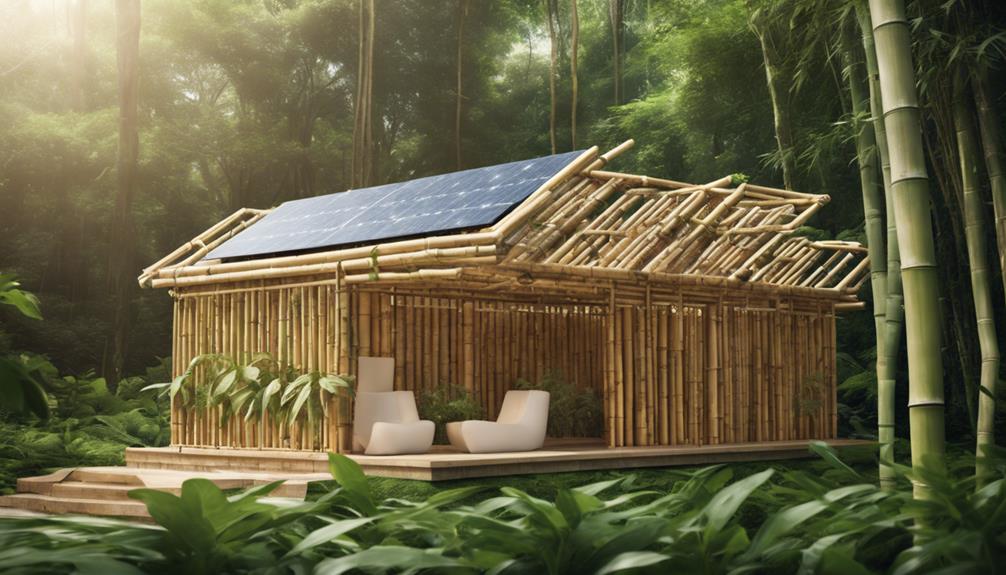
eco friendly materials for construction

3 Best Sustainable Building Materials for Construction

When you're selecting sustainable building materials for your construction project, consider recycled steel, bamboo, and reclaimed wood. Recycled steel saves on energy and drastically cuts carbon emissions compared to new steel production. Bamboo is not only robust and versatile but grows back quickly without needing replantation, making it highly renewable. Reclaimed wood adds unique character and history to your space while reducing waste and minimizing landfill use. These choices aren't just eco-friendly; they're durable and aesthetically pleasing too. Exploring these materials further might give you insights into how you can integrate them creatively into your construction projects.

Benefits of Recycled Steel

Recycled steel offers several compelling benefits that can significantly contribute to sustainable building practices. When you choose recycled steel, you're not just opting for a robust material; you're also embracing an eco-friendly solution. This choice dramatically reduces the need for new raw materials, thereby conserving the energy and resources required for steel production from virgin sources.

The process of recycling steel uses considerably less energy compared to manufacturing new steel. This reduction is crucial as it leads to lower carbon emissions. By incorporating recycled steel in your projects, you're directly contributing to a decrease in global greenhouse gas emissions. It's a pivotal step towards combating climate change.

Moreover, steel is endlessly recyclable without loss of quality. This means that the steel beams used in one building can be repurposed for another project decades later, without compromising structural integrity. You're not just building for today; you're investing in a cycle of reuse that benefits future generations.

Choosing recycled steel also supports the recycling industry, which is vital for sustainable development. By prioritizing recycled materials, you're helping to ensure that the steel recycling sector remains robust and innovative, continually improving its processes and increasing its efficiency.

Advantages of Bamboo

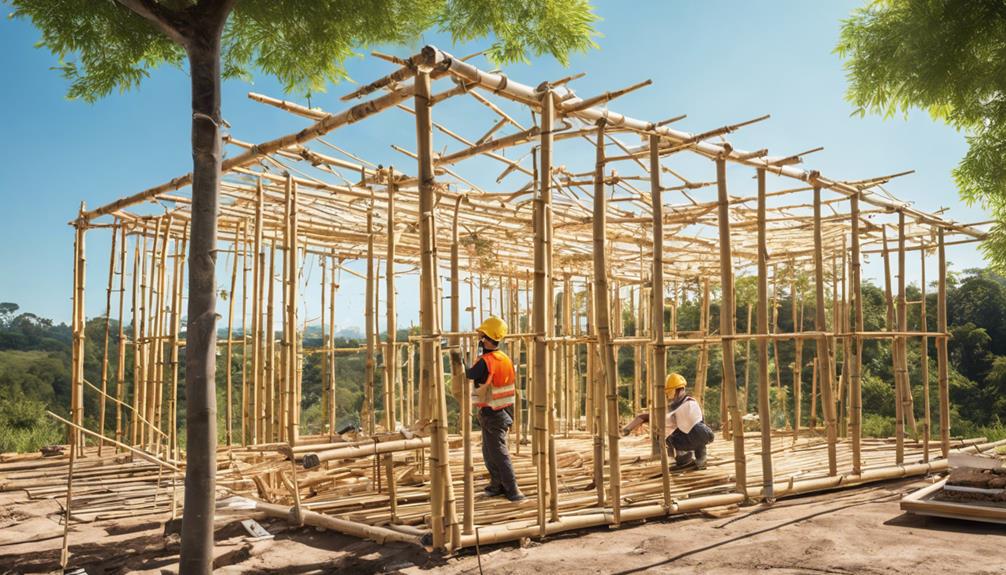
While recycled steel serves as a cornerstone for sustainable construction, bamboo emerges as another remarkable material, bringing its own set of unique advantages. You'll find that bamboo isn't only sustainable but also incredibly strong and flexible. This natural versatility makes it an excellent choice for a variety of building applications.

One of bamboo's most compelling features is its rapid growth rate. Unlike hardwoods, which can take decades to mature, bamboo can be harvested every three to five years. This makes it a highly renewable resource that you can rely on for ongoing projects without the guilt of environmental degradation.

Additionally, bamboo has a natural resistance to pests and diseases, which reduces the need for harmful pesticides that can degrade the environment. It's also capable of regenerating without needing to be replanted, minimizing soil disruption and erosion. You'll appreciate how this decreases the need for ongoing agricultural interventions.

Moreover, the lightweight nature of bamboo makes it easy to transport and work with, potentially lowering construction costs and energy use. It's also remarkably strong, sometimes compared to steel in terms of tensile strength. This combination of lightweight and strength means you can use bamboo to create structures that are both durable and elegant.

Uses of Reclaimed Wood

As you explore sustainable building materials, consider the versatile applications of reclaimed wood. This material isn't just an environmentally friendly option; it's also steeped in character and history, which can add unique charm to any project.

You'll find that reclaimed wood is perfect for flooring, where its aged look provides a warm, rustic feel that newer materials can't match. It's not just about aesthetics, either. Reclaimed wood floors are durable and can handle the wear and tear of daily life.

You can also use reclaimed wood in structural elements like beams and posts. Its proven resilience over years—or even centuries—means it's up to the task of supporting your building.

For a more creative touch, consider using reclaimed wood for furniture or decorative accents. From tables and chairs to wall panels and frames, this material brings a story to every item.

Moreover, by incorporating reclaimed wood into your construction or remodeling projects, you're not only opting for a high-quality material but also contributing to waste reduction. Every plank you use is one less piece of debris in our landfills, making your project part of the solution in a world rife with waste.

Conclusion

You now know the top sustainable materials to consider for your next construction project. Recycled steel lessens your environmental impact, while bamboo offers incredible durability with rapid renewal. Don't overlook reclaimed wood; it adds unique character and history to any build. By choosing these materials, you're not just constructing buildings; you're building a better, more sustainable future. Start planning your eco-friendly project today and lead the way in green construction.

Related articles: Eco-Friendly Innovations in Building Materials

sustainable construction with eco friendly materials

Eco-Friendly Materials for Sustainable Construction

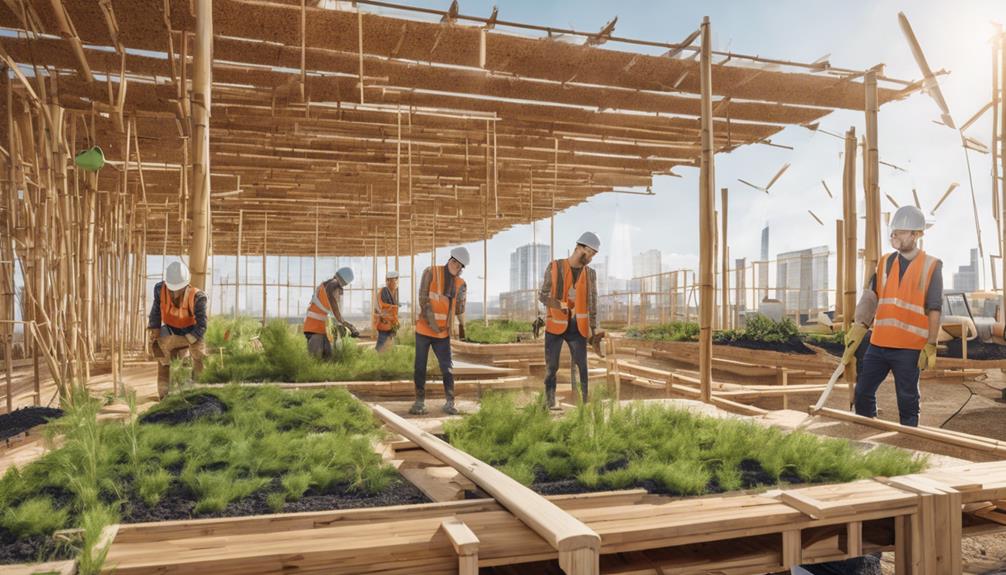
When considering sustainable construction, you've got several eco-friendly materials at your disposal. Bamboo is notable for its rapid growth and high strength, making it perfect for earthquake zones. Hempcrete, another excellent choice, offers great insulation and durability while capturing carbon dioxide. If you're into recycling, consider recycled steel and glass, which are not only robust and pleasing but also lower your environmental impact significantly. For insulation, sheep's wool and cork provide natural, biodegradable options that enhance energy efficiency in buildings. Exploring these sustainable choices further could greatly benefit your future projects.

Bamboo as a Building Material

Bamboo has emerged as a top choice for eco-conscious builders. You might wonder why this material has gained popularity. It's not only sustainable but also incredibly strong and versatile.

Bamboo grows rapidly, reaching maturity in just three to five years, unlike hardwoods, which can take decades. This fast regeneration makes bamboo a standout renewable resource.

It's also remarkably durable and has a tensile strength comparable to steel, which is why you'll find it increasingly used in various construction projects, from residential homes to larger architectural endeavors. Bamboo can withstand considerable stress and strain, making it ideal for areas prone to earthquakes.

Moreover, bamboo's lightweight nature ensures that you can transport and handle it easily, reducing energy consumption and costs related to logistics. It's adaptive too; whether you're looking for flooring, wall paneling, or structural beams, bamboo can be processed to fit the bill.

What's more, using bamboo actively contributes to carbon sequestration. It absorbs carbon dioxide at a higher rate than many trees, which helps mitigate climate change. So, when you opt for bamboo, you're not just building; you're doing your part for the planet.

Recycled Steel Uses

Turning to recycled steel, you'll find it's not just an alternative, but a prime choice for modern construction. Its robustness and durability rival fresh steel, yet it offers a markedly lower environmental impact. By reusing steel from demolished buildings or leftover scraps, you cut down on the quarrying and processing of raw materials, which significantly reduces greenhouse gas emissions.

When you choose recycled steel for your projects, you're not limited in application. It's versatile enough for structural frameworks, roofing, and even external claddings. This material adapts seamlessly into various architectural styles, from industrial chic to minimalist modern.

Moreover, it's incredibly cost-effective. Processing recycled steel uses less energy compared to producing new steel from iron ore, translating into lower production costs and economic savings that can be passed onto you.

Consider the lifecycle of your building materials. Recycled steel isn't only about initial cost and environmental savings; it's also about long-term sustainability. It can be recycled repeatedly without loss of quality, ensuring that your use of this material contributes to a cycle of reuse that supports sustainable construction practices far into the future.

Insulating With Sheep's Wool

After exploring the benefits of recycled steel, let's consider another sustainable material: sheep's wool insulation. You mightn't immediately think of sheep's wool as a building material, but it's actually an excellent choice for eco-friendly insulation. It's renewable, biodegradable, and readily available, making it a superb sustainable option for your green building needs.

Sheep's wool is naturally adept at regulating temperature. In your home, this means it keeps you warm during the winter and cool in the summer. The crimped nature of the fibers creates millions of tiny air pockets, which enhance its insulating properties. This can significantly reduce your reliance on mechanical heating and cooling, lowering your energy bills and carbon footprint.

Moreover, wool is safe to handle and install. Unlike some synthetic insulators, it doesn't require protective clothing or masks during installation because it doesn't give off harmful fumes or irritants. Plus, its ability to absorb harmful substances like formaldehyde from the air improves indoor air quality.

Benefits of Cork Flooring

Cork flooring, a remarkable option for modern sustainable construction, offers numerous benefits that extend beyond its environmental appeal. You'll find that it's not only derived from a renewable resource but also recyclable, adding a layer of eco-consciousness to your home's design.

Harvested from the bark of cork oak trees without harming the tree itself, it promotes a sustainable cycle as the bark regenerates.

What's more, you'll appreciate cork flooring for its durability and comfort. It's naturally resistant to mold, mildew, and termites, which ensures a long-lasting and healthy living environment.

The unique cellular structure of cork provides a natural cushion underfoot, making it gentle on your joints and quiet to walk on. This can be a game-changer if you're standing for long periods or if noise reduction is a priority in your space.

Moreover, cork's thermal insulation properties can help you save on heating and cooling costs, keeping your home more temperate throughout the year. It's also fire resistant, offering additional safety.

With a variety of textures and colors available, cork can fit seamlessly into any decor style, proving that sustainability doesn't have to compromise aesthetic appeal.

Hempcrete for Walls

While cork flooring offers a blend of comfort and sustainability, another remarkable material, hempcrete, is transforming how we think about constructing walls. You've probably heard of hemp's various uses, but in the construction world, it's making waves due to its sustainability credentials and exceptional properties.

Hempcrete is a bio-composite made from the woody inner fibers of the hemp plant mixed with lime-based binder. This combination creates a lightweight, insulating material that's not only durable but also environmentally friendly.

You'll find that hempcrete regulates indoor temperature and humidity, making your home not only comfortable but also more energy-efficient.

One of the most striking features of hempcrete is its carbon sequestration ability. As it cures, hempcrete captures carbon dioxide, significantly reducing the carbon footprint of your building. Moreover, hemp is a rapidly renewable resource, growing to maturity in just about four months, and doesn't require harmful pesticides or fertilizers.

Incorporating hempcrete into your walls means you're opting for a non-toxic, mold-resistant building material. It's also pest-resistant, which can save on long-term maintenance and repair costs. By choosing hempcrete, you're not just building walls—you're investing in a sustainable future for your home.

Reclaimed Wood Opportunities

Reclaimed wood offers an appealing alternative for those looking to blend aesthetic charm with environmental responsibility in their building projects. You'll find that using reclaimed wood not only provides a unique, rustic look but also significantly reduces the environmental footprint of your construction. Each piece of repurposed wood saves trees and decreases landfill waste, making it a double win for you and the planet.

Consider the historical richness that reclaimed wood brings to a project. You're not just installing a floor or a beam; you're preserving a slice of history. This wood often comes from old barns, warehouses, and dismantled houses, each with its own story. By incorporating these elements, you're adding a narrative depth to your space that new materials simply can't match.

Moreover, reclaimed wood is surprisingly versatile. It can be used for everything from structural beams to decorative accents or stunning focal points in rooms.

You'll also find that it's durable—having stood the test of time, these materials are often more seasoned and hardened than fresh lumber.

Eco-Friendly Concrete Alternatives

As the construction industry seeks more sustainable practices, eco-friendly concrete alternatives are gaining traction. You might be familiar with traditional concrete, but its environmental impact is significant. Now, it's time to explore greener options that don't compromise on durability or cost-effectiveness.

One innovative solution is hempcrete, made from hemp fibers mixed with lime. It's not only lightweight and breathable but also provides excellent insulation. This reduces the need for additional heating and cooling, slashing energy usage over time.

Another option you should consider is recycled aggregate concrete. It incorporates crushed recycled glass or old building materials, which helps reduce landfill waste. Plus, it maintains the strength and longevity you'd expect from traditional concrete.

If you're looking for a truly cutting-edge alternative, consider geopolymer concrete. This type forms by activating natural minerals with alkaline solutions, dramatically cutting down the carbon emissions associated with cement production.

Advantages of Straw Bales

Straw bales offer significant environmental benefits, making them a compelling choice for sustainable construction. You'll find they're not just affordable; they're also remarkable for their insulation properties. Imagine reducing your energy bills dramatically because straw bale walls naturally maintain a comfortable indoor temperature, winter or summer.

But that's not all. Straw, as a rapidly renewable resource, contributes less to environmental degradation than many traditional building materials. When you choose straw bales, you're effectively reducing waste and supporting agricultural industries without depleting scarce resources. This choice helps keep the carbon footprint of your building project impressively low.

Moreover, straw bales are incredibly versatile in design applications. Whether you're aiming for a rustic look or something more modern, straw can be adapted to meet diverse aesthetic desires and structural requirements. The bales can be plastered with natural lime, creating not only robust walls but also providing additional fire resistance. You'll find this material doesn't just hold up well against the elements; it also enhances the fire safety of your home.

Considering these advantages, it's clear why straw bales are gaining popularity in eco-conscious architectural circles. You're not just building a home; you're investing in a sustainable future.

Glass Recycling in Construction

Turning to glass recycling in construction, you'll discover a resource-efficient way to reduce waste and lower the environmental impact of building projects. By integrating recycled glass into materials like bricks, tiles, and even countertops, you're not just opting for an eco-friendly solution but also promoting sustainability in the most practical sense.

When you use recycled glass in construction, you're tapping into a surplus of non-biodegradable materials that would otherwise end up in landfills. This not only helps in managing waste but also conserves natural resources by reducing the demand for raw materials. Recycled glass products are often just as durable and aesthetically pleasing as their non-recycled counterparts. Plus, they can contribute to building insulation, reducing energy costs in the long run.

You might wonder about the quality and finish of such materials. The good news is that technological advancements have significantly improved the processing of recycled glass, ensuring that products meet high standards of safety and appearance.

Moreover, using recycled glass can earn buildings points under sustainability certifications like LEED, making it a smart choice for green building credentials.

Green Roofing Options

Building on the theme of sustainable construction materials, green roofing options present another innovative way to enhance environmental benefits. As you explore ways to make your construction projects more eco-friendly, consider the impact of installing a green roof. Not only does it reduce energy consumption by providing natural insulation, but it also manages stormwater efficiently, reducing the risk of flooding.

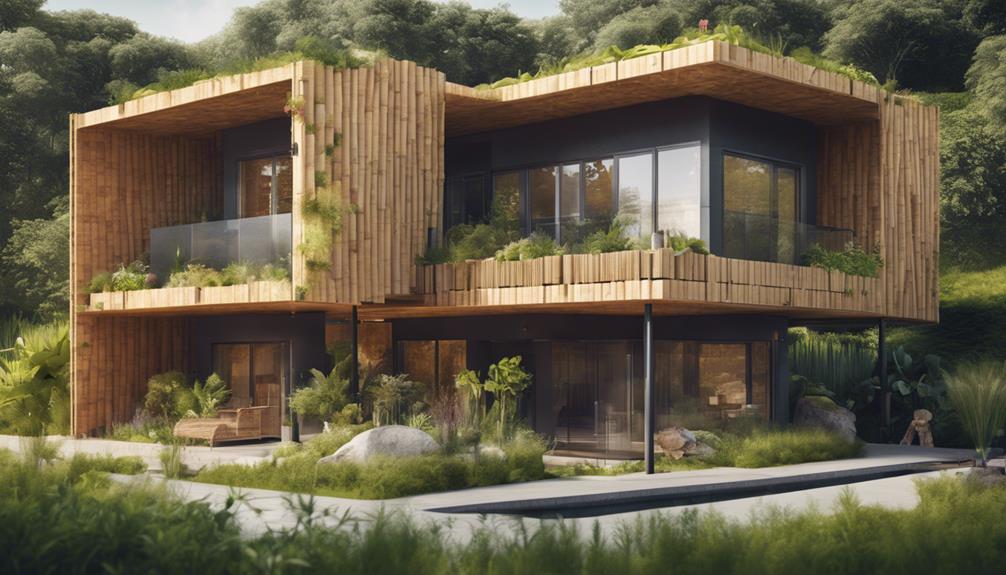
A green roof involves a layer of vegetation planted over a waterproofing system installed on top of a flat or slightly sloped roof. You'll find that green roofs can extend the lifespan of your roofing materials by protecting them from the harsh elements. This means you're not just saving on energy costs, but also on maintenance and replacement expenses over time.

You have options like extensive, intensive, and semi-intensive green roofs, each requiring different levels of maintenance and suitable for various building types.

  • Extensive green roofs are lightweight, low-maintenance, and ideal for large areas where accessibility is limited.
  • Intensive roofs, on the other hand, can support a wider variety of plants but require more structural support and maintenance.

Conclusion

You now have a toolbox of sustainable materials to consider for your next construction project. From bamboo's versatility to the insulating power of sheep's wool and the innovative use of recycled steel, these green options not only reduce environmental impact but also offer unique benefits. Opting for eco-friendly alternatives like hempcrete, cork, and recycled glass can make your build not just innovative but also a testament to sustainability. Make a positive impact; choose these sustainable materials for your construction needs.

Related articles: 3 Best Sustainable Building Materials for Construction

eco friendly materials for construction

What Are the Best Sustainable Building Materials?

When you're considering sustainable building materials, bamboo, recycled steel, cork flooring, reclaimed wood, and rammed earth are some of the best options out there. Bamboo grows rapidly and is incredibly durable, while recycled steel helps conserve raw materials and reduce CO2 emissions. Cork flooring offers excellent insulation and is naturally fire-resistant. Reclaimed wood prevents deforestation and adds unique character to any space. Rammed earth, enhanced with stabilizers, excels in energy efficiency and sound insulation. Each of these materials not only supports environmental sustainability but also brings distinctive qualities to building projects. Exploring these options further could open up even more possibilities for their use.

Benefits of Bamboo in Construction

Bamboo steps up as a remarkably sustainable choice for construction, offering unique environmental and practical advantages. Unlike traditional timber, bamboo reaches maturity in just three to five years, making it a rapidly renewable resource. You'll find it absorbs carbon dioxide at a higher rate than many trees, which significantly reduces environmental impact.

Moreover, bamboo's natural versatility is hard to match. It boasts a strength-to-weight ratio comparable to steel, and its inherent flexibility makes it resistant to earthquakes. This resilience is paired with ease of use in construction. You can shape, split, and join bamboo with basic tools, adapting it to various architectural styles.

It's not just strong and adaptable; it also provides excellent thermal properties, keeping your space cooler in summer and warmer in winter.

Incorporating bamboo into your building projects means you're not only opting for an eco-friendly material but also embracing a cost-effective solution. Its rapid growth and local availability in many regions reduce transportation costs and promote local economies. By choosing bamboo, you're supporting sustainable forestry practices, which contribute to the preservation of global biodiversity.

Exploring Recycled Steel Uses

Recycled steel emerges as a powerhouse in sustainable construction, offering both environmental and economic benefits. As you explore options for your next building project, consider how recycled steel isn't just a choice, but a statement about your commitment to reducing environmental impact.

Here's why you should take a closer look: when you opt for recycled steel, you're not only conserving raw materials but also minimizing energy consumption and greenhouse gas emissions compared to producing new steel. This process saves substantial amounts of coal and iron ore and reduces CO2 emissions significantly.

You might wonder about its applications. Recycled steel is incredibly versatile and can be used for structural components like beams and columns in your buildings. It's also perfect for roofing and external cladding, providing durability against weather elements. Interior designers love it for furniture and decorative features, which add a modern touch to any space.

Moreover, recycled steel maintains its strength and integrity, making it ideal for high-strength requirements in construction. It supports innovative designs without compromising on safety or quality.

Advantages of Cork Flooring

Exploring the advantages of cork flooring, you'll quickly discover its remarkable sustainability and comfort. Harvested from the bark of cork oak trees, which regenerate their bark every nine years, cork is a prime example of a renewable resource. This process doesn't harm the tree, allowing it to continue absorbing CO2, making your choice in cork flooring both eco-friendly and impactful in the fight against climate change.

You'll appreciate cork's natural insulation properties, keeping your space warmer in the winter and cooler in the summer, potentially reducing your heating and cooling costs. It's also inherently fire resistant and emits zero toxins, even when burned, ensuring your home remains a safe haven.

Comfort isn't sacrificed for durability with cork. Its unique cellular structure gives it a cushioned feel underfoot, a boon if you spend a lot of time standing. This same structure reduces sound transmission, creating a quieter, more serene home environment.

And don't worry about heavy furniture leaving permanent marks; cork bounces back from compressions.

Lastly, for those with allergies, cork resists mildew and mold and repels dust mites, keeping your indoor air quality pristine. Opting for cork flooring means you're stepping towards sustainability without stepping away from quality and comfort.

Utilizing Reclaimed Wood

While cork flooring harnesses nature's resilience, utilizing reclaimed wood merges historical charm with contemporary sustainability. You're not just building or renovating your home; you're preserving a piece of history and making an environmentally sound choice.

Reclaimed wood comes from old buildings, barns, and other structures, and using it prevents the need for new timber harvesting. This reduces deforestation and the associated environmental impacts.

You'll find that reclaimed wood adds a unique aesthetic to any space. Each piece has its own story, with weathered textures and aged patinas that you can't replicate in new wood. This adds an element of rustic beauty that's both timeless and robust. Plus, it's versatile—perfect for flooring, beams, furniture, and even accent walls.

Choosing reclaimed wood also means you're opting for durability. These woods were often originally harvested from old-growth forests, making them more stable and resistant to rot and pests compared to newer woods. It's a smart choice that marries aesthetics with functionality.

Innovations in Rammed Earth

Rammed earth construction isn't just an ancient technique; it's rapidly evolving with modern technology to offer more sustainable building solutions. As you explore your options for eco-friendly building, you'll find that modern rammed earth buildings aren't what they used to be. They now incorporate durable, recycled materials and are often enhanced with stabilizers like lime or cement to increase their strength and resistance to weathering.

You'll be impressed by how these innovations not only boost the material's structural integrity but also extend the lifespan of buildings. The addition of thermal mass properties means that rammed earth can naturally regulate indoor temperatures, keeping your space cooler in the summer and warmer in the winter, slashing energy costs significantly.

Moreover, the aesthetic possibilities have expanded. Today, pigments and finishes allow for a range of textures and colors, so your building can look cutting-edge, yet effortlessly blend with its natural surroundings.

Also, due to its dense composition, rammed earth offers excellent sound insulation, creating a quieter and more serene indoor environment.

In embracing rammed earth, you're not just building walls; you're investing in a sustainable future, reducing your carbon footprint, and supporting a time-tested technique refined by modern innovation.

Implementing Straw Bales

If you're considering eco-friendly building materials, implementing straw bales might be an excellent choice for your next project. Straw bale construction uses natural, renewable materials that significantly reduce your carbon footprint. Not only do these bales provide exceptional insulation, which can lower your energy costs, but they also offer a unique aesthetic that can't be matched by more conventional materials.

When you opt for straw bales, you're leveraging a resource that's often considered agricultural waste. This repurposing can help reduce environmental damage associated with disposal methods like burning. As you plan, you'll find straw bale construction is surprisingly versatile, suitable for walls in both load-bearing and non-load-bearing applications.

It's crucial, however, to ensure that the bales are kept dry during storage and construction to prevent mold and decay.

To get started, engage with a contractor experienced in straw bale construction. They'll help navigate any regulatory concerns and ensure your building meets local codes and standards. Remember, proper design and construction techniques are key to maximizing the durability and effectiveness of straw bale insulation.

With thoughtful implementation, straw bale construction can provide a sustainable, efficient, and visually appealing solution for your building needs.

Conclusion

You've seen how sustainable materials like bamboo, recycled steel, and cork can revolutionize construction, reducing environmental impact while maintaining quality. Embrace reclaimed wood for its unique aesthetic and history. Consider rammed earth and straw bales for their natural insulation properties. By choosing these materials, you're not just building structures; you're supporting a more sustainable planet. Make the switch and become part of the solution in addressing environmental challenges through innovative, eco-friendly construction practices.

Related articles: Eco-Friendly Materials for Sustainable Construction

sustainable building practices benefits

Top Benefits of Sustainable Building Practices in 2024

In 2024, adopting sustainable building practices offers you tremendous benefits, from enhancing energy efficiency to reducing your operating costs. You'll enjoy lower energy bills through features like solar panels and advanced insulation, and also cut maintenance expenses with materials designed for longevity. Moreover, sustainable designs foster better employee well-being, offering natural light and improved air quality, which can boost productivity and job satisfaction. Plus, your property value could rise, as green-certified buildings attract more buyers and potentially command higher prices. These eco-friendly approaches not only save you money but also minimize your environmental footprint. For further insights, there's more intriguing information available on this subject.

Enhanced Energy Efficiency

Implementing sustainable building practices significantly boosts energy efficiency in your home or office. By integrating features such as improved insulation, energy-efficient windows, and advanced HVAC systems, you're not just cutting down on energy consumption; you're also enhancing the comfort of your living or workspace. These technologies work together to maintain optimal temperature and air quality, which means your heating and cooling systems don't have to work as hard.

Moreover, adopting renewable energy sources like solar panels or small wind turbines can lead to even greater energy autonomy. These systems harness natural resources to provide electricity, reducing reliance on non-renewable energy sources. You'll notice that your home or office becomes less impacted by external temperature fluctuations, maintaining a more consistent internal environment.

Smart home technologies further streamline this efficiency. With automated systems to control lighting, heating, and cooling based on occupancy and time of day, you're ensuring that energy isn't wasted. These innovations not only make your space smarter but also significantly more energy-efficient.

Reduced Operating Costs

Adopting sustainable building practices leads directly to lower operational costs for your property. By integrating technologies like solar panels and energy-efficient HVAC systems, you'll see a significant decrease in energy bills. These improvements not only reduce your reliance on non-renewable energy sources but also capitalize on natural resources, which often incur lower costs.

Incorporating sustainable materials also plays a crucial role. Materials like recycled insulation or sustainably sourced wood might've a higher upfront cost, but they last longer and require less maintenance. This means you'll be spending less on repairs and replacements over time.

Water usage is another area where sustainable practices cut costs. Installing low-flow fixtures and rainwater harvesting systems reduces the amount of water you use and lowers your utility bills. These systems are especially beneficial in areas with high water rates or limited water supply.

Moreover, by using energy management systems, you can monitor and control the consumption of resources in real-time, allowing for immediate adjustments that prevent wastage. Over time, the savings from these systems can be substantial.

Improved Employee Well-being

Beyond reducing costs, sustainable building practices significantly enhance employee well-being. When you work in a building that prioritizes sustainability, you're not just occupying space; you're immersed in an environment that actively promotes your health and productivity.

Natural light floods your workspace, thanks to thoughtful window placements and design strategies that maximize daylight. This isn't just about aesthetics; exposure to natural light has been linked to better sleep and mood, which can boost your overall job satisfaction and efficiency.

You'll also breathe easier, literally. Sustainable buildings often incorporate better ventilation systems and use materials that are low in volatile organic compounds (VOCs). This means the air you breathe is cleaner, reducing the risk of respiratory problems and enhancing cognitive functions. It's not just about feeling good; it's about performing at your best.

Moreover, green spaces and living walls are common features in sustainable buildings. These elements aren't merely decorative. They bring a slice of nature indoors, which studies have shown can lower stress levels and enhance mental health.

You'll find that your workplace becomes a retreat where you can recharge, fostering a sense of well-being that transcends the typical office environment.

Increased Property Value

In addition to enhancing well-being, sustainable building practices significantly increase property values. When you invest in green buildings, you're not just doing good for the environment; you're also setting up a financial advantage. Sustainable features like solar panels, energy-efficient appliances, and superior insulation often attract buyers willing to pay a premium. This is because they know they'll save on energy costs and maintenance in the long run.

Moreover, as awareness of sustainability grows, the demand for green properties is skyrocketing. Buyers and renters are increasingly seeking homes that align with their values, translating to higher prices and faster sales for eco-friendly properties. You'll find that properties with green certifications, such as LEED or BREEAM, can command higher prices in the real estate market.

Furthermore, local governments are starting to offer tax incentives and rebates for sustainable properties, enhancing their investment appeal. This not only boosts the initial value but also contributes to long-term appreciation.

Investing in sustainable building isn't just a moral decision; it's a savvy financial strategy. By focusing on sustainability, you're ensuring your property remains desirable and valuable in a market that's increasingly eco-conscious.

Environmental Impact Reduction

Reducing your environmental impact through sustainable building practices not only preserves natural resources but also minimizes waste. By choosing eco-friendly materials, you reduce the demand for non-renewable resources and decrease your carbon footprint. When you opt for sustainable wood, bamboo, or recycled materials, you're supporting industries that are less harmful to the environment.

You'll also find that sustainable buildings use less energy. By incorporating solar panels, efficient insulation, and energy-efficient appliances, you're cutting down on electricity usage and reliance on fossil fuels. This, in turn, reduces greenhouse gas emissions, which are crucial for combating climate change.

Water conservation is another significant benefit. Sustainable buildings often feature systems that reuse and recycle water. Rainwater harvesting and greywater systems can dramatically decrease your water usage and lower your utility bills. You're not just saving money; you're contributing to a more sustainable management of water resources.

Lastly, sustainable construction methods can lead to better waste management. By optimizing resource usage and recycling construction debris, you're helping to reduce landfill waste. Every step you take towards sustainable building doesn't just contribute to a healthier planet—it ensures a healthier living environment for everyone.

Conclusion

You've seen how sustainable building practices can transform your space and the world around you. By boosting energy efficiency and reducing operating costs, you're not just saving money; you're also enhancing the well-being of everyone who steps into your building. The increase in property value and the significant reductions in environmental impact are just icing on the cake. Embrace these sustainable strategies, and watch as your investment pays dividends in more ways than one.

Related articles: What Are the Best Sustainable Building Materials?

eco friendly construction practices explained

Commercial Construction: Sustainable Building Benefits Tutorial

In commercial construction, adopting sustainable building strategies not only helps you cut long-term costs but also enhances the market appeal of your buildings. You'll use energy-efficient technologies like solar panels and advanced insulations, boosting energy performance and reducing utility bills. Using non-toxic, recycled materials improves indoor air quality, making your buildings healthier, and you'll attract more eco-conscious tenants. These practices not only save on maintenance but also future-proof your property investment. Opting for such methods brings significant operational savings and potential tax benefits. Let's explore how these practices can be implemented to maximize your benefits and operational efficiencies.

Defining Sustainable Building Practices

Sustainable building practices, often referred to as green building, focus on creating structures that are environmentally responsible and resource-efficient throughout their lifecycle—from planning to design, construction, operation, maintenance, renovation, and demolition. As you dive into the world of sustainable construction, you'll find that these practices don't just benefit the planet; they also foster healthier living environments.

By using non-toxic, recycled, and sustainable materials, you're not only reducing the depletion of finite resources but also minimizing indoor pollutants. This can significantly improve the air quality of the buildings you occupy, making them safer and more comfortable for everyone.

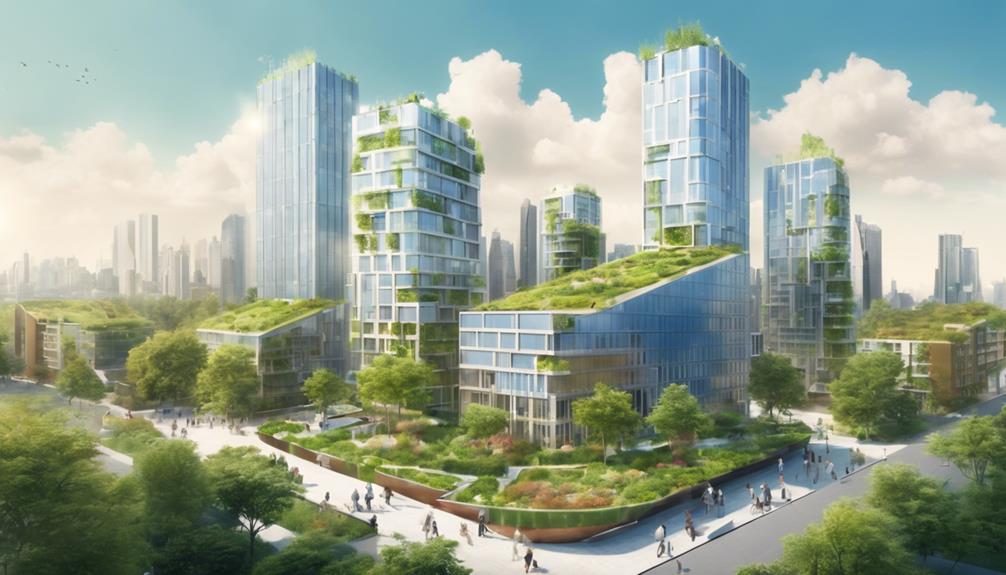
Moreover, sustainable buildings typically incorporate energy-efficient systems such as solar panels, green roofs, and smart lighting. These features use less energy and water, which not only preserves precious resources but also enhances the building's overall operational efficiency.

You'll also see that these practices often involve a holistic approach to site development. This means protecting native flora and fauna, maximizing green space, and implementing stormwater management systems that naturally integrate with the local ecosystem. Engaging with sustainable building isn't just about structures—it's about creating a harmonious balance with the environment.

Cost Reduction Benefits

Adopting sustainable building practices can significantly cut costs over the lifetime of a structure. When you choose materials that are both sustainable and durable, you're not just helping the environment; you're setting yourself up for fewer maintenance and replacement expenses. Sustainable materials often require less frequent upkeep due to their natural resilience and longevity. This means you'll save money that would otherwise be spent on repairs and renovations.

Moreover, sustainable construction techniques can lead to lower construction costs. By utilizing local and recycled materials, you reduce transportation expenses and the costs associated with buying new, possibly more expensive, resources.

You're also likely to benefit from various government incentives aimed at promoting green building practices. These can include tax benefits, rebates, and grants, which can substantially decrease your initial investment.

Enhancing Energy Efficiency

One can significantly boost a building's energy performance by integrating sustainable technologies and design principles. You'll find that the initial costs of such technologies are quickly offset by the drastic reductions in energy bills.

Consider, for instance, installing high-performance insulation and triple-glazed windows. These aren't just upgrades; they're long-term investments in energy conservation, keeping heat in during winter and out during summer, reducing the need for heating and air conditioning.

You should also think about incorporating renewable energy sources like solar panels or small wind turbines. Harnessing the power of the sun and wind isn't only for isolated farmhouses. Urban commercial buildings worldwide are adopting these systems, significantly cutting their reliance on non-renewable energy sources and decreasing their carbon footprints.

Moreover, upgrading to energy-efficient HVAC systems and LED lighting can make a considerable difference. These systems use less power and have longer lifespans than their traditional counterparts. By choosing LEDs, you're not just saving on your utility bills; you're also reducing the frequency of replacement due to their durability.

Incorporating smart building technologies further enhances efficiency. Smart thermostats and energy management systems allow you to monitor and adjust energy use in real-time, ensuring you're not wasting a watt. Adopt these strategies, and you'll see your energy costs plummet while supporting a sustainable future.

Improving Indoor Air Quality

Improving indoor air quality in your building can significantly enhance the health and comfort of its occupants. You mightn't realize it, but the air inside can often be more polluted than the air outside. This can come from a variety of sources like building materials, furnishings, and even cleaning products.

To tackle this, consider using low-emitting materials. These are designed to release fewer airborne pollutants, which can help maintain cleaner indoor air.

You'll also want to focus on adequate ventilation. This doesn't just mean opening windows, but incorporating a well-designed HVAC system that efficiently exchanges indoor and outdoor air. Proper ventilation reduces the buildup of pollutants, moisture, and odors.

Don't overlook the role of routine maintenance. Regularly changing air filters and servicing your HVAC system ensures it functions effectively, filtering out potential contaminants from the air.

Additionally, integrating indoor plants can be a natural way to purify the air. They absorb toxins and produce oxygen, boosting air quality naturally.

Utilizing Renewable Resources

Shifting toward renewable resources can dramatically reduce your building's environmental footprint. By integrating materials like bamboo, recycled steel, or reclaimed wood, you're not only opting for durability but also promoting a cycle of sustainability that lessens waste and energy consumption during production. These choices contribute significantly to the conservation of non-renewable resources, ensuring that environmental impacts are minimized.

You'll find that renewable resources often come with an added advantage of energy efficiency. For instance, using solar panels converts sunlight directly into electricity, cutting down on fossil fuel use and reducing greenhouse gas emissions. Similarly, incorporating biodegradable materials helps decrease landfill waste, further reducing your project's environmental impact.

It's crucial to consider the lifecycle of the materials you choose. Opt for those that offer both longevity and the possibility for recycling at the end of their use. By making these mindful selections, you're not just building for today but are also paving the way for a more sustainable future.

Boosting Property Value

By incorporating sustainable features into your building, you can significantly enhance its market value. Prospective buyers and tenants are increasingly drawn to properties that promise lower utility costs and healthier living environments. Features like solar panels, energy-efficient windows, and green roofs don't just cut down on energy consumption; they also attract a premium on property prices.

Moreover, you'll find that sustainable buildings maintain their value over time. As energy prices fluctuate and environmental awareness rises, the demand for eco-friendly properties increases. This trend ensures that your investment remains robust and lucrative in the long run. It's not just about the immediate perks; it's a strategic move that positions your property as a desirable asset in a competitive market.

Additionally, by choosing sustainable materials and design, you're not just adding to the building's aesthetics; you're also enhancing its durability. These materials often require less maintenance and are more resilient, which can significantly reduce long-term repair and upkeep costs.

This reduction in ongoing expenses makes your property even more attractive to potential investors and buyers, further driving up its value.

Compliance With Environmental Regulations

As regulations tighten, ensuring your building meets environmental standards isn't just about compliance; it's a proactive step toward future-proofing your investment. You're not only adhering to current laws but also preparing for stricter future regulations that could affect your property's viability and cost efficiency.

When you prioritize compliance, you're minimizing the risk of fines and legal issues. Environmental regulations are designed to protect natural resources and ensure public health, so non-compliance can lead to severe penalties that might include hefty fines or operational restrictions. By staying ahead, you're safeguarding your project from potential disruptions and financial liabilities.

Moreover, integrating sustainable practices from the start can streamline the construction process. You'll find that sourcing eco-friendly materials and employing green technologies become simpler when these objectives are ingrained in your project's blueprint. This approach not only expedites regulatory approvals but also reduces the likelihood of encountering roadblocks that could delay construction and inflate costs.

Lastly, consider the long-term operational savings. Buildings that are constructed to high environmental standards typically consume less energy and water, leading to significantly lower utility bills. You're not just building for today, but you're setting up cost-effective operations for years to come.

Attracting Eco-Conscious Tenants

Attracting eco-conscious tenants offers a competitive edge in today's market. As you focus on sustainable building practices, you're not just complying with regulations; you're also appealing directly to a fast-growing demographic that values environmental responsibility.

Imagine you're a tenant looking for a new commercial space. You'd likely prefer buildings that reflect your commitment to sustainability. Features like energy-efficient systems, green roofs, and materials with low environmental impact can be major selling points. By investing in these features, you're not only future-proofing your property but also making it more attractive to prospective tenants who are willing to pay a premium for such innovations.

Moreover, showcasing your building's green credentials can significantly enhance its marketability. You can achieve this through certifications like LEED or BREEAM, which are recognized globally. These aren't just badges; they're proof of your commitment to sustainable practices.

Conclusion

You've now explored the vast benefits of sustainable building in commercial construction. By implementing these practices, you're not only cutting costs and boosting energy efficiency but also enhancing indoor air quality and utilizing renewable resources. This forward-thinking approach increases your property's value, ensures compliance with environmental regulations, and attracts eco-conscious tenants. Embrace sustainable building—it's a smart investment in the future, ensuring your projects are as beneficial to the planet as they are to your bottom line.

Related articles: Top Benefits of Sustainable Building Practices in 2024

eco friendly practices in construction

Advantages of Sustainable Commercial Building Practices

By embracing sustainable commercial building practices, you'll unlock a range of benefits. You'll save on costs over time thanks to durable materials and energy-efficient upgrades, such as LED lighting and smart thermostats, which slash energy use and operational expenses. The health and productivity of your employees will improve due to better air quality and natural lighting. Additionally, green buildings can increase property values and enhance marketability—qualities that attract quality tenants and command higher rents. These eco-friendly practices not only reduce environmental impact but also bolster your company's reputation. Explore how these advantages ensure a robust return on your investment.

Cost Savings Over Time

Adopting sustainable building practices can lead to significant cost savings over time. When you invest in materials that are durable and sustainably sourced, you're not just helping the environment, you're also reducing long-term maintenance and replacement costs.

Think about it: materials like high-quality steel or reclaimed wood aren't just trendy; they last longer and require less upkeep compared to traditional options.

Additionally, sustainable buildings often incorporate design elements that utilize natural light and landscaping that reduces the need for artificial cooling and heating. This isn't just about energy efficiency, but also about minimizing the strain on your building systems, leading to fewer breakdowns and repairs.

Furthermore, by choosing sustainable practices, you're positioning your property as a forward-thinking, eco-friendly option. This can boost your building's marketability, allowing you to command higher rents and attract quality tenants who value sustainability. This demand can significantly increase your return on investment.

Enhanced Energy Efficiency

Enhancing energy efficiency in your commercial building isn't just a good practice; it's a smart investment. By upgrading to energy-efficient systems, you're not only reducing operational costs but also increasing the market value of your property. Implementing technologies like LED lighting, high-efficiency HVAC systems, and smart thermostats can drastically cut down your energy consumption.

Consider, for instance, the installation of automated energy management systems. These systems adjust lighting and temperature based on occupancy and time of day, ensuring that energy isn't wasted. You'll see a significant reduction in your utility bills, which can free up capital for other business investments.

Additionally, opting for energy-efficient appliances and fixtures can qualify your building for tax incentives and rebates, further enhancing your savings.

Moreover, by prioritizing energy efficiency, you're also contributing to a larger global effort to reduce carbon emissions. This not only helps mitigate environmental impact but also strengthens your company's reputation as a responsible community member. Clients and investors are increasingly drawn to businesses that demonstrate a commitment to sustainability, potentially leading to increased business opportunities.

Improved Employee Wellbeing

While focusing on energy efficiency, don't overlook the profound impact that sustainable building practices can have on employee wellbeing. As you integrate natural light, improved air quality, and green spaces into your building's design, you're not just cutting costs—you're creating a healthier, more inviting workspace.

Studies show that natural light alone can boost mood and enhance productivity among employees. Imagine your team working with a view of lush greenery or enjoying breaks in a garden-like setting; it's a simple change that can make a big difference in day-to-day job satisfaction and stress reduction.

Moreover, better air quality from non-toxic materials and advanced ventilation systems means fewer health risks and sick days for your staff. You'll notice fewer complaints about headaches or respiratory issues, which are often linked to poor indoor environments.

Investing in these aspects of building design shows your commitment to your employees' health, potentially leading to higher retention rates.

Ultimately, by prioritizing these elements, you're not just building a workplace. You're fostering a productive, happy community. Remember, a healthy employee is a productive employee, and when they feel good, they perform better. Isn't that what you want for your business?

Increased Property Value

Sustainable building practices not only boost workplace morale but also significantly enhance your property's market value. When you invest in eco-friendly materials and energy-efficient systems, you're not just ticking boxes for environmental stewardship; you're also positioning your property as a premium asset in the commercial market. Potential buyers and tenants are increasingly drawn to buildings that promise lower utility costs and modern, sustainable designs.

Consider the financial incentives: properties with green certifications like LEED, BREEAM, or WELL often fetch higher prices and attract quicker sales than their conventional counterparts. This is because these certifications are recognized markers of quality and sustainability, making your building more attractive to discerning investors who understand the long-term cost savings and benefits.

Moreover, sustainable buildings tend to have higher occupancy rates. Tenants value the improved air quality, natural light, and overall better living conditions that come with green buildings. This increased demand can drive up rental rates, ensuring you a steady return on your investment.

In the long run, the upfront costs associated with implementing sustainable practices are outweighed by the substantial increases in property value and marketability. So, investing in sustainable building isn't just good for the planet—it's a savvy business move as well.

Reduced Environmental Impact

Beyond the financial benefits, adopting sustainable commercial building practices significantly reduces your environmental footprint. When you choose materials that are recycled or sustainably sourced, you're not only conserving natural resources but also minimizing waste.

Think about the reduction in emissions: sustainable buildings typically have energy-efficient systems that cut down the use of fossil fuels, leading to fewer greenhouse gases released into the atmosphere.

Additionally, by incorporating green roofs and better insulation, you can drastically lower energy consumption. This isn't just good for the planet; it's great for your utility bills too.

Water efficiency is another critical aspect. Installing low-flow fixtures and rainwater harvesting systems reduces your water demand, conserving this precious resource and decreasing your building's operational costs.

Let's not forget the local environment. Sustainable construction methods often involve less invasive site development and the preservation of existing landscapes, which helps maintain local biodiversity. By prioritizing these practices, you contribute to healthier ecosystems, which is essential for the well-being of all species, including humans.

Conclusion

You've seen how sustainable commercial building practices can revolutionize your business. By embracing these methods, you'll notice significant cost savings over time due to enhanced energy efficiency. Not only does this increase your property value, but it also boosts employee wellbeing and reduces your environmental footprint. Making the shift isn't just a wise financial decision; it's a step towards a healthier planet and a happier workplace. Isn't it time you considered the bigger picture for your business?

Related articles: Commercial Construction: Sustainable Building Benefits Tutorial

sustainable building practices guide

7 Tips for Sustainable Commercial Building Practices

To ensure your commercial building is eco-friendly, start by optimizing energy efficiency with LED lighting and high-efficiency HVAC systems. You should also incorporate renewable energy sources, such as solar panels and wind turbines. Don't forget water conservation; install low-flow fixtures and consider rainwater harvesting systems. Use sustainable materials like bamboo and recycled steel to reduce environmental impact. Enhance indoor environmental quality with natural light and low-emission materials. Implement waste reduction strategies, including recycling programs and reusable containers. Lastly, maintain a long-term focus on sustainability by continuously monitoring and refining your practices. There's more to discover that will transform your approach and results.

Optimize Energy Efficiency

To optimize energy efficiency in commercial buildings, you should start by upgrading to LED lighting and installing high-efficiency HVAC systems. LEDs use at least 75% less energy and last 25 times longer than incandescent lighting, which means you're not only reducing energy consumption but also cutting down on maintenance costs and replacement frequency.

On the other hand, high-efficiency HVAC systems are crucial as they account for a significant portion of energy use. These modern systems adjust more accurately to temperature changes and occupancy levels, ensuring that energy isn't wasted.

Next, consider enhancing your building's insulation and sealing any leaks. Proper insulation helps maintain the desired indoor temperature, reducing the workload on your heating and cooling systems. Pay special attention to windows, doors, and other areas prone to air leaks. Sealing these can prevent unwanted heat exchange and further drive down your energy bills.

You should also upgrade to energy-efficient appliances and equipment throughout your building. Look for products with the ENERGY STAR label to ensure they meet energy efficiency guidelines set by the U.S. Environmental Protection Agency. This step not only contributes to energy savings but also supports your business's sustainability goals. By implementing these strategies, you'll see a marked improvement in your building's energy performance.

Use Renewable Energy Sources

In addition to optimizing energy efficiency, integrating renewable energy sources into your commercial building's energy strategy can significantly reduce reliance on fossil fuels. Solar panels, wind turbines, and geothermal systems aren't only eco-friendly but also cost-effective in the long run. They'll help you cut down on energy bills and minimize your carbon footprint.

You can start small by installing solar-powered lighting for outdoor areas like parking lots and pathways. This is a low-risk way to dip your toes into renewable energy without committing to a full-scale overhaul. As you see the benefits, you might consider larger installations like rooftop solar panels or even a building-integrated photovoltaic system.

Don't overlook the potential of wind energy, especially if your building is located in a windy area. Small-scale wind turbines can supplement your energy needs and further decrease your dependence on traditional power sources.

Geothermal heat pumps are another excellent option. They use the stable underground temperature to heat and cool your building more efficiently than conventional systems.

Enhance Water Conservation

Adopting water-saving technologies and practices can dramatically reduce your building's water footprint. You'll find that integrating low-flow fixtures in restrooms, such as toilets, faucets, and showers, significantly curtails water usage without sacrificing performance.

Consider employing water-efficient landscaping that requires minimal irrigation. Opting for native plants and drought-resistant varieties not only conserves water but also reduces maintenance costs.

Implementing a rainwater harvesting system can be another game-changer for you. This system collects rainwater from roofs, storing it for later use in irrigation or even plumbing systems, depending on local regulations and the system's design. It's a sustainable solution that diminishes your reliance on municipal water supplies and lowers your utility bills.

Don't overlook the potential of upgrading to water-smart appliances. Energy Star certified dishwashers and washing machines use less water and energy, boosting both water conservation and energy savings.

Regular maintenance of your water systems also plays a crucial role. Fixing leaks and insulating pipes ensure that water and energy aren't wasted, further optimizing your building's operational efficiency. By taking these steps, you're not just saving water; you're building a foundation for sustainability in your commercial property.

Select Sustainable Materials

Selecting sustainable materials not only reduces your building's environmental impact but also enhances its long-term viability. As you choose materials, opt for those sourced responsibly. Look for certifications like FSC for wood or Green Seal for other building materials, ensuring they're sustainably harvested or produced.

Consider the life cycle of the materials you're using. Materials that are durable and require less maintenance reduce the need for frequent replacements and the waste associated with it.

For instance, recycled metal or reclaimed wood not only offers unique aesthetic appeal but also decreases demand on virgin resources.

You'll also want to think about the energy used in the production of your materials. Locally sourced materials can significantly cut down on transportation emissions, supporting not just the environment but also the local economy.

Additionally, using materials like bamboo, which grows quickly and absorbs carbon dioxide at a high rate, can further boost your building's green credentials.

Improve Indoor Environmental Quality

While selecting sustainable materials lays the foundation for a green building, improving the indoor environmental quality significantly enhances occupant health and productivity. You'll find that better air quality not only reduces health risks but also boosts cognitive functions.

Start by optimizing your HVAC system for efficient air filtration and ventilation. This includes regular maintenance and choosing filters that trap smaller particles, thus ensuring clean air circulation.

You should also introduce indoor plants, which naturally absorb pollutants and emit oxygen, enriching the workspace. Implementing low-emission materials for furniture, paints, and carpets can significantly cut down on volatile organic compounds (VOCs) that deteriorate air quality. Opt for products certified by recognized environmental standards to ensure they meet safety thresholds.

Don't overlook the importance of natural light. Maximizing daylight not only saves energy but improves mood and energy levels. Consider installing larger windows or skylights, and use reflective surfaces to enhance light distribution without the glare. Additionally, ensure that artificial lighting systems are designed to complement natural light, using energy-efficient bulbs and fixtures that minimize eye strain and energy use.

Implement Waste Reduction Strategies

As you transition from enhancing indoor air quality to focusing on waste management, it's crucial to implement effective waste reduction strategies in your commercial building. Start by conducting a waste audit to identify the main sources of waste. This understanding allows you to target the biggest problems first.

You can significantly cut down on waste by setting up a comprehensive recycling program. Place clearly labeled recycling bins in accessible areas to encourage use. Educate your staff about what can be recycled and why it matters. Partner with local recycling facilities to ensure your waste doesn't end up in a landfill.

Consider going paperless where possible. Digital documents not only reduce paper waste but also streamline operations and improve accessibility. If printing is necessary, opt for double-sided printing to use less paper.

Encourage the use of reusable containers and utensils in the cafeteria. Provide incentives for employees who adopt these practices, such as discounts or recognition programs.

Invest in durable, repairable furniture and fixtures that won't need to be replaced often. Choosing long-lasting materials reduces waste and saves money in the long run.

Focus on Long-Term Sustainability

To truly future-proof your commercial building, it's essential to focus on long-term sustainability. This means thinking beyond immediate gains and considering how your choices affect the future. You're not just constructing a building; you're creating a legacy that should stand the test of time and adapt to changing environmental standards.

Start with energy-efficient designs that go beyond current regulations. Invest in renewable energy sources like solar panels or wind turbines, which can drastically reduce your building's carbon footprint.

It's also smart to install advanced building management systems that optimize energy and water usage, ensuring your building remains efficient for decades.

Materials matter too. Choose sustainably sourced or recycled materials that are durable and require less maintenance. This approach not only conserves resources but also reduces the need for future renovations.

Think about the building's surroundings. Integrating green spaces or living roofs can improve air quality and provide natural insulation. Plus, these features make your building more attractive to tenants who value sustainability.

Conclusion

You've got all the tools to transform your commercial building into a beacon of sustainability. Start by optimizing energy use and tapping into renewable sources. Make water conservation a priority and choose materials that won't harm the planet. Improve the air your team breathes and cut down on waste. Remember, every small change contributes to a more sustainable future. Keep your focus on long-term impacts, and you'll not only save money but also make a significant environmental difference.

Related articles: Advantages of Sustainable Commercial Building Practices

benefits of sustainable construction

What Are the Advantages of Eco-Friendly Commercial Buildings?

Eco-friendly commercial buildings offer you significant advantages, including lower operational costs due to energy-efficient technologies like solar panels and LED lighting. You'll enjoy enhanced marketability; properties with green certifications are more attractive to tenants and buyers. Plus, these buildings promote better occupant health and increased productivity by improving air quality and leveraging natural light. Not only do you contribute to reducing environmental impact, but you also align with sustainability, boosting your public image and employee morale. By embracing eco-friendly practices, you position yourself ahead in a market that increasingly values responsible business operations. Discover more on how going green can elevate your business and environment.

Lower Energy Costs

By embracing eco-friendly designs, commercial buildings can significantly reduce their energy consumption. You'll find that integrating technologies like solar panels, energy-efficient windows, and advanced HVAC systems not only slashes your utility bills but also decreases your dependency on non-renewable energy sources. This move towards sustainability isn't just good for the planet—it's smart economics.

Think about the impact of LED lighting compared to traditional incandescent bulbs. LEDs use at least 75% less energy and last 25 times longer. Imagine the savings you'll accumulate over time. It's not just about lighting, though.

High-efficiency boilers and smart thermostats can adjust to the exact needs of your building, ensuring that you're not wasting a watt.

Moreover, consider the installation of green roofs and better insulation. These aren't just trendy architectural features. They play crucial roles in maintaining temperature and reducing the need for heating and cooling. This translates to lower energy use and substantial cost savings.

You're not only cutting costs but also future-proofing your investment against rising energy prices. With energy expenses on the rise, the more you can do now to reduce consumption, the greater your savings will be down the line.

Enhanced Building Marketability

Eco-friendly commercial buildings not only save you money on energy costs, but they also enhance your property's marketability. When you invest in green construction or retrofit existing structures with sustainable technologies, you're not just ticking a box for environmental stewardship; you're also making your property a more attractive buy or lease option in today's market.

Potential tenants and buyers are increasingly aware of the benefits of eco-friendly spaces, including lower operational costs and a commitment to sustainability that aligns with their own values.

Moreover, buildings with green certifications such as LEED (Leadership in Energy and Environmental Design) or BREEAM (Building Research Establishment Environmental Assessment Method) attract a premium. These certifications are recognized globally and can significantly raise your building's profile. They serve as a testament to the quality and sustainability of your property, making it stand out in the crowded real estate market.

Improved Occupant Health

In addition to environmental benefits, eco-friendly commercial buildings significantly enhance occupant health. You'll find that these structures prioritize air quality, often incorporating advanced ventilation systems that reduce pollutants and circulate fresh air more effectively. They're typically built with materials that emit lower levels of volatile organic compounds (VOCs), which means you're breathing cleaner air while indoors.

Natural light is another cornerstone of eco-friendly design, reducing your exposure to harsh artificial lighting, which can strain your eyes and disrupt natural circadian rhythms. By maximizing daylight, these buildings help maintain your natural sleep-wake cycle, a crucial aspect of overall health.

Moreover, eco-friendly buildings often incorporate green spaces, like indoor gardens or access to roof gardens, which not only improve air quality but also provide a sanctuary from the stress of office life. Being around greenery and nature has been shown to lower stress levels and enhance mental health.

You also won't be exposed to traditional building materials that often contain harmful chemicals. Instead, eco-friendly construction focuses on sustainable, non-toxic materials to ensure that you're working in a safer, healthier environment. This thoughtful approach extends to the very air you breathe, the light you work under, and the surroundings you interact with daily.

Increased Productivity Levels

Building on the health benefits of eco-friendly commercial spaces, you'll also notice a significant boost in productivity levels. When you work in an environment that's well-ventilated, naturally lit, and contains indoor plants, it's not just your lungs that benefit. These features can enhance your focus and energy.

Consider the impact of natural light: it regulates your circadian rhythms, helping you stay awake and alert. In contrast, poor lighting often leads to eye strain and fatigue, which can drag down your productivity.

Moreover, eco-friendly buildings typically use materials that emit lower levels of volatile organic compounds (VOCs). This means the air you're breathing is cleaner, reducing the occurrences of headaches, dizziness, and other symptoms that can distract you from your work.

Additionally, spaces that incorporate biophilic design elements, such as green walls or water features, aren't just aesthetically pleasing. They've been shown to reduce stress and enhance creativity, making it easier for you to tackle complex tasks.

All these factors combined mean you're likely to get more done and feel better while doing it. Investing in eco-friendly spaces isn't just good for the planet—it's good for your productivity too.

Reduced Environmental Impact

While you're enjoying increased productivity in eco-friendly commercial buildings, you're also contributing less to environmental degradation. These structures are designed to minimize waste, use resources more efficiently, and reduce the harmful emissions that contribute to climate change. You're part of a movement that values sustainability not just in business practices but in the very foundations of where you work.

Eco-friendly buildings often use materials that are sustainably sourced or recycled, reducing the demand on natural resources. The construction process itself focuses on reducing carbon footprints, incorporating technologies that lower energy consumption during and after construction. You're not just in a building; you're in a statement of future-forward thinking.

Moreover, these buildings are typically equipped with systems that conserve water and energy. Think solar panels, energy-efficient lighting, and advanced HVAC systems that adapt to current weather conditions to optimize energy use. You're saving costs while protecting the planet.

Landscaping around these buildings also plays a crucial role. It often involves native planting which requires less water and maintenance, further reducing the ecological strain. By choosing to work in such an environment, you're actively participating in a larger global effort to curb environmental impact, making a difference one day at a time.

Government Incentives

You can also benefit from various government incentives when you invest in eco-friendly commercial buildings. Governments worldwide are offering tax breaks, grants, or rebates to promote sustainable construction practices. For instance, you might qualify for reduced property taxes or get direct financial incentives for incorporating energy-efficient systems into your building design.

Moreover, some regions provide expedited permitting processes for green construction projects. This means you could start your construction sooner and complete it faster than traditional projects, saving time and money. Qualifying for these incentives often requires meeting specific environmental standards or certifications such as LEED or BREEAM, which demonstrate your commitment to sustainability.

Additionally, investing in eco-friendly buildings can lead to eligibility for competitive government contracts. Public sector projects increasingly mandate environmental sustainability, and having a green building can enhance your chances of winning these contracts. This not only boosts your business profile but also contributes significantly to your financial bottom line.

Sustainable Resource Usage

Eco-friendly commercial buildings' emphasis on sustainable resource usage not only conserves natural materials but also significantly reduces waste. By integrating recycled materials in construction, you're contributing to a lower demand for raw, virgin resources, which often require energy-intensive processes to extract and prepare. Consider how using recycled steel or reclaimed wood not only preserves forests and mineral resources but also decreases the energy spent in manufacturing.

You're also likely familiar with the installation of energy-efficient systems like HVAC and lighting. These systems harness technologies that minimize energy consumption and reduce reliance on non-renewable power sources. It's not just about using less energy; it's about making the most out of what you use.

Furthermore, water conservation is a critical component. By implementing low-flow fixtures and rainwater harvesting systems, you reduce your building's operational demands on municipal supply and mitigate the impact on local water ecosystems.

Think of it this way: every sustainable practice you adopt in your building contributes to a larger global effort to protect and preserve our environment. You're not just cutting down on operational costs—you're also part of a vital movement towards sustainability that echoes beyond your immediate surroundings.

Long-term Cost Efficiency

Implementing sustainable practices in your commercial building significantly reduces ongoing operational costs. You'll find that investments in energy-efficient systems, like LED lighting or advanced HVAC technology, pay off by lowering energy bills. These upgrades, though initially costly, typically break even within a few years, thanks to reduced utility expenses.

Moreover, eco-friendly materials often have longer lifespans and require less maintenance than traditional alternatives. For example, using high-quality insulation improves thermal efficiency, which means your heating and cooling systems don't have to work as hard. This not only saves energy but also extends the life of the equipment.

Installing solar panels is another smart move. While the upfront cost can be substantial, the long-term savings are undeniable. You're not just cutting down on electricity costs; in some cases, you might generate enough power to sell back to the grid, creating an additional income stream.

Don't overlook water conservation methods such as rainwater harvesting systems and low-flow fixtures. These reduce your water bills and lessen the strain on local water resources, which can be particularly critical in areas facing water scarcity.

Adopting these sustainable practices doesn't just save money; it also prepares your business for a future where efficiency and sustainability are expected standards.

Positive Public Perception

Adopting green building practices not only benefits the environment but also enhances your company's image among consumers. When you invest in eco-friendly technologies and sustainable building methods, you're not just cutting down on operational costs; you're also projecting a progressive and responsible brand image. This can significantly sway public opinion in your favor.

In today's market, consumers are increasingly drawn to businesses that prioritize sustainability. They're more likely to support and promote companies that take active steps to reduce their environmental impact. By showcasing your commitment to eco-friendly initiatives, you're tapping into this growing demographic. This isn't just about appearing trendy; it's about aligning your business with the values of your customers, which can lead to increased loyalty and trust.

Moreover, your stance on sustainability can open doors to new markets and partnerships. Other businesses, particularly those that are environmentally conscious, will likely see your efforts as a basis for collaboration, which can lead to expanded opportunities and ventures.

Essentially, by going green, you're not just doing good; you're also making sure that the public sees you as a leader in sustainable practice, enhancing your brand's appeal and competitive edge.

Boost in Employee Morale

In addition to environmental benefits, eco-friendly commercial buildings significantly boost employee morale. When you're working in a space that prioritizes sustainability, it naturally enhances your sense of well-being.

Imagine stepping into a building every day that's bathed in natural light, filled with indoor plants, and uses materials that are non-toxic. You'd feel better, wouldn't you?

These buildings often feature improved air quality and better temperature control, elements that directly contribute to a more comfortable working environment. You're less likely to feel the mid-afternoon slump in a room that's well-ventilated and sits at an ideal temperature.

Moreover, companies that invest in green buildings tend to value their employees' health and comfort, reinforcing a positive workplace culture.

There's also a sense of pride that comes with working for a company that cares about its environmental impact. You're more likely to be engaged and committed if you feel your values are aligned with those of your employer.

This alignment isn't just good for you—it's beneficial for your company too, as higher morale often leads to increased productivity and reduced turnover rates. So, working in an eco-friendly building isn't just good for the planet; it's great for you and your career.

Conclusion

You'll find that embracing eco-friendly commercial buildings isn't just good for the planet; it's great for your bottom line too. By lowering energy costs and using sustainable resources, you're setting yourself up for long-term savings. Plus, the healthier environment and boosted employee morale will skyrocket productivity. With enhanced marketability and a positive public image, your building stands out in the competitive market. Going green isn't just a choice—it's a smart business strategy that pays off in multiple ways.

Related articles: 7 Tips for Sustainable Commercial Building Practices

eco friendly approach to construction

Maximizing Savings With Sustainable Commercial Construction

Maximizing savings with sustainable commercial construction means you'll reduce your operational and maintenance costs while boosting property values. By installing renewable energy sources like solar panels, you can slash utility bills and even profit from selling excess energy back to the grid. You'll also benefit from substantial tax breaks and grants designed specifically for green buildings. Water conservation efforts and energy-efficient materials further decrease recurring expenses, ensuring a long-term return on your investment. Opt for durable, modular designs to adapt and expand with minimal additional cost. There's much more to uncover about how these strategies can benefit your business financially and ethically.

Benefits of Energy-Efficient Materials

Integrating energy-efficient materials into commercial construction not only reduces energy consumption but also significantly cuts operational costs. By choosing materials like advanced insulation, low-emissivity windows, and reflective roofing, you're stepping towards a more sustainable future. These materials help maintain consistent indoor temperatures, lessening the load on heating and cooling systems, which in turn lowers your energy bills.

But it's not just about saving money. Using energy-efficient materials also enhances the overall comfort and air quality inside your building. Advanced insulation, for instance, does a stellar job at noise reduction, creating a quieter, more peaceful environment.

Low-emissivity windows reduce UV exposure, which protects interiors from sun damage and provides a better light quality that can boost the mood and productivity of occupants.

Moreover, opting for these sustainable materials can increase your property value. Today's market increasingly favors eco-friendly buildings, making your property more attractive to potential buyers or renters who are conscious of their environmental impact. They know they'll benefit from lower utility costs and a smaller carbon footprint, making your building a preferred choice. So, by investing in energy-efficient materials, you're not just saving now—you're setting up your property for future success.

Long-Term Cost Reduction Strategies

Shifting your focus to long-term cost reduction strategies can significantly enhance your building's profitability and sustainability. Consider implementing advanced building automation systems. These systems optimize energy use and reduce waste by automatically adjusting lighting, heating, and cooling based on occupancy and ambient conditions. You'll see a drop in utility bills and an increase in operational efficiency.

Next, focus on high-quality, durable materials for construction. Initially, these may have a higher upfront cost, but they drastically reduce the need for frequent repairs and replacements. Opt for materials that have longer lifespans and require less maintenance. This approach not only saves money over time but also minimizes the environmental impact of your operations.

Additionally, design your building with modularity in mind. Structures that can adapt to different uses can extend their usability and desirability, potentially increasing their rental or resale value. Modular designs allow for easier and cost-effective renovations or expansions as your needs change, without extensive downtime or new construction costs.

ROI From Renewable Energy Installations

Over the past decade, the return on investment (ROI) from renewable energy installations has become increasingly attractive for commercial construction projects. You've likely noticed a surge in businesses adopting solar panels, wind turbines, and biomass systems. This isn't just about being eco-friendly; it's smart economics.

Investing in renewable energy can significantly reduce your utility bills. Solar panels, for instance, might've a high upfront cost, but the long-term savings are substantial. They're designed to last 25 years or more, ensuring you save on electricity for decades.

Similarly, wind energy, while dependent on location, can offer immense savings and even profit opportunities through selling back excess power to the grid.

Beyond direct savings, there are financial incentives like tax breaks and grants specifically designed to lower the initial financial barrier. These incentives make the math work out favorably when you're crunching the numbers on potential investments.

Moreover, adopting renewable technologies enhances your brand's image, appealing to a growing demographic of environmentally conscious consumers and businesses. This can lead to increased customer loyalty and potentially higher sales, indirectly boosting your ROI.

Water Conservation Techniques and Savings

While renewable energy solutions like solar and wind power significantly lower utility costs, implementing water conservation strategies in commercial construction also offers substantial economic benefits. You'll find that integrating technologies like low-flow fixtures and water-efficient landscaping not only reduces your water bill but also minimizes your environmental impact.

Start by installing smart irrigation systems that use weather forecasts and soil moisture sensors to water only when necessary. This can cut your outdoor water use by up to 50%. Inside, opt for water-saving fixtures in sinks, toilets, and showers. These reduce flow rates significantly, which means you're using less water with every flush and rinse.

Also, consider harvesting rainwater for non-potable uses like flushing toilets and watering landscapes. By collecting what nature provides, you're easing the demand on municipal systems and lowering your utility costs even further. It's a practical step that aligns with a broader commitment to sustainability.

Lastly, don't overlook the power of educating your building users about water conservation. Simple practices such as reporting leaks and turning off taps can lead to substantial savings over time. When you combine these practical steps, the cost savings can be as impactful as your reduced water footprint.

Tax Incentives for Green Buildings

In addition to environmental benefits, green buildings often qualify for various tax incentives that make sustainable construction financially appealing. These incentives are designed to encourage you, as a developer or business owner, to invest in eco-friendly practices. They can significantly offset the initial costs of green construction.

You'll find that numerous federal, state, and local governments offer these tax breaks.

For instance, the federal government provides a tax deduction for energy-efficient commercial buildings that achieve a specific percentage of energy cost savings in comparison to a baseline building. This deduction can be as much as $1.80 per square foot, depending on the energy savings achieved.

Moreover, some states offer additional incentives like tax credits, rebates, or grants for incorporating renewable energy sources, such as solar or wind power, into your building. These can reduce your upfront costs even further and enhance the long-term savings on energy bills.

To maximize these benefits, it's crucial to stay informed about the specific requirements and deadlines associated with each incentive. Consulting with a tax professional who specializes in green building incentives can ensure you're capturing all the available benefits, making your sustainable investment even more worthwhile.

Maintenance Costs of Sustainable Structures

Sustainable buildings not only reduce environmental impact but also generally incur lower maintenance costs over time. When you opt for materials that are durable and eco-friendly, you're not just thinking about the environment; you're setting yourself up for fewer repair needs and replacements. For instance, materials like composite decking or high-quality metal roofing can last decades longer than traditional alternatives.

Moreover, the design of sustainable structures often includes features that inherently reduce upkeep. Green roofs, for example, protect the underlying roofing material from weather damage while improving building insulation. This dual functionality means you're saving on heating and cooling costs and on potential roof repairs.

You'll also find that many sustainable technologies require less maintenance than their conventional counterparts. Solar panels, once installed, need minimal upkeep apart from occasional cleaning to keep them efficient.

Similarly, water reclamation systems used in sustainable buildings are designed with simplicity and durability in mind, ensuring they last longer without needing frequent fixes.

Impact of Sustainable Design on Valuation

Adopting sustainable design significantly enhances a property's market value. When you integrate eco-friendly features into your commercial property, you're not just ticking boxes for environmental compliance; you're actively boosting its appeal to potential buyers and tenants who value sustainability. This increased demand can drive up your property's valuation.

Consider the savings on operational costs brought by sustainable technologies. Features like energy-efficient lighting, solar panels, and improved insulation reduce the day-to-day running expenses. These aren't just attractive perks; they're compelling financial benefits for future occupants. Lower utility bills mean tenants are willing to pay a premium on rent, directly affecting your property's income potential and thus its value.

Moreover, as environmental regulations become stricter, properties already meeting these standards avoid potential retrofitting costs. This foresight in design places your property ahead in the market, appealing to a broader base of eco-conscious investors and maintaining its competitiveness.

Incorporating green spaces and better air quality standards also enhances worker productivity and wellbeing, another selling point for your property. By focusing on sustainable design, you're not only investing in the environment but also in a lucrative aspect of real estate that's increasingly recognized by the market.

Case Studies: Profitable Green Construction

Why consider real-life examples of profitable green construction? Seeing success stories where sustainability is both practical and profitable can inspire you and offer a blueprint for your projects. Let's explore a few notable cases.

First, consider the Edge in Amsterdam, often cited as one of the greenest office buildings in the world. Utilizing an energy-efficient design and state-of-the-art technology, it consumes 70% less electricity than typical office buildings. This efficiency didn't just reduce its carbon footprint; it also significantly lowered operating costs, enhancing its investment appeal.

Across the pond in New York, the Bank of America Tower stands as a beacon of green construction. Built with recycled and sustainable materials, it features a greywater system and an ice storage facility for cooling. These innovations haven't only earned it a LEED Platinum certification but have also attracted premium tenants willing to pay higher rents for a greener workspace, boosting its profitability.

These examples show that investing in sustainable construction isn't just good for the planet; it's a savvy business strategy. You can achieve similar success by prioritizing green practices that align with economic benefits. This approach not only helps the environment but also enhances your competitive edge in the real estate market.

Conclusion

You'll see significant benefits when you invest in sustainable commercial construction. Not only do energy-efficient materials and renewable energy installations cut down long-term costs, but they also qualify you for tax incentives. Plus, incorporating water conservation techniques boosts your savings even further. Sustainable buildings typically have lower maintenance costs and a higher valuation on the market. By examining case studies, you'll find that green construction isn't just good for the planet—it's profitable for your business too.

Related articles: What Are the Advantages of Eco-Friendly Commercial Buildings?

sustainable savings through construction

Unlock Hidden Savings With Sustainable Construction

By investing in sustainable construction, you'll tap into significant savings while boosting your home's efficiency and market value. Opting for energy-efficient materials like low-E windows and advanced insulation can slash your energy consumption and utility bills. You'll also enjoy lower maintenance costs and prolong the lifespan of your HVAC system. Don't forget the financial perks from tax credits and rebates for installing eco-friendly technologies such as solar panels. As durability and longevity of materials increase, so does your property's value, attracting eco-conscious buyers. More hidden savings await as you explore the advantages of sustainable construction further.

Benefits of Energy-Efficient Materials

Many energy-efficient materials drastically reduce your home's energy consumption, leading to significant savings on utility bills. By incorporating items like insulated siding, low-E windows, and advanced roofing materials, you're not just cutting costs; you're enhancing your living environment. These materials work tirelessly to maintain indoor temperatures, meaning you'll rely less on heating and cooling systems. This not only preserves the longevity of your HVAC system but also contributes to a more stable indoor climate.

Imagine winter without the chill creeping through the edges of your windows or summer without the sweltering heat penetrating your walls. Energy-efficient materials block out external weather, making your home more comfortable year-round. You'll notice fewer drafts, reduced noise from outside, and better humidity control—all contributing to a home that feels just right, whatever the weather outside.

Moreover, these materials often come with added benefits like increased fire resistance and improved air quality, due to their superior manufacturing processes. By choosing energy-efficient options, you're not only investing in your immediate comfort but also your health and safety. These advancements make your home a sanctuary, not just from the elements, but from everyday environmental concerns as well.

Long-Term Utility Cost Reduction

Building on the immediate benefits of energy-efficient materials, you'll also see a significant reduction in your long-term utility costs. By integrating features like advanced insulation, high-efficiency HVAC systems, and LED lighting, you're not just cutting down on energy usage; you're investing in a future of lower bills. These technologies, while possibly more costly upfront, pay themselves off through your significantly reduced monthly expenses.

Think about heating and cooling, which can account for nearly half of a home's energy consumption. With proper insulation and energy-efficient windows, you'll retain more heat during winter and keep cooler air inside during summer. This means your HVAC system won't have to work as hard, which not only lowers your energy bills but also extends the life of your equipment.

Moreover, consider the impact of solar panels. By harnessing the power of the sun, you can generate your own electricity. Over time, the savings from reduced dependency on grid power can be substantial. Each of these elements contributes to a home that not only costs less to operate but also adds to its market value, making it a wise investment both economically and environmentally.

Tax Incentives and Rebates

In addition to the long-term savings from sustainable construction, you can also benefit from various tax incentives and rebates designed to make eco-friendly upgrades more affordable. Governments often offer these financial perks to encourage building practices that are kinder to the environment.

For instance, you might find tax credits available for installing solar panels or upgrading to energy-efficient windows and insulation materials. These incentives directly reduce the amount you owe in taxes, rather than merely reducing taxable income.

Moreover, many local governments and utility companies provide rebates when you invest in sustainable materials or appliances. These rebates often come as cash-back offers after purchase, effectively lowering the initial cost of your green upgrades. It's a win-win: you'll save money both upfront and over the long haul through reduced utility bills.

To maximize these benefits, it's crucial to stay informed about the latest programs in your area. Websites for local government or utility providers, and even dedicated sustainability sites, can be invaluable resources. They usually list details about what qualifies for rebates or tax credits, how to apply, and when these incentives might expire.

Enhanced Durability and Longevity

Sustainable construction materials significantly boost the durability and longevity of buildings, ensuring they stand the test of time with less need for repairs. By choosing options like recycled steel, bamboo, and high-performance concrete, you're investing in materials that resist wear and tear far better than traditional alternatives. This means your structure not only lasts longer but also maintains its value and functionality over time.

You'll find that these materials often come with advanced properties such as improved strength and resistance to environmental impacts like moisture, heat, and cold. This isn't just about saving money down the line; it's about creating a legacy of sustainability that withstands the elements. Plus, the resilience of these materials can significantly reduce maintenance costs. No more frequent touch-ups or overhaul needed as these materials are built to last.

Opting for sustainable construction isn't just a practical choice; it's a smart investment. When you think about the future, consider how the upfront cost compares to the long-term savings. You're not just building a structure; you're crafting a durable, sustainable environment that offers peace of mind and economic benefits.

Water Conservation Techniques

As you explore sustainable construction methods, consider how water conservation techniques can significantly reduce your project's environmental impact. Integrating rainwater harvesting systems allows you to collect and reuse rainwater for site activities and landscape irrigation, slashing your reliance on municipal water supplies and lowering utility bills.

You're also poised to benefit from installing water-efficient fixtures. Low-flow faucets, toilets, and showerheads minimize water use without sacrificing performance. These fixtures can cut down water consumption by about 20%, giving you a dual advantage of cost savings and resource conservation.

Think about using native plants in your landscaping. These species are adapted to local climate conditions and typically require less water, reducing the need for constant irrigation. By choosing the right plants, you'll maintain a green space that's both beautiful and sustainable.

Lastly, implementing greywater systems can be a game-changer. These systems recycle water from sinks, showers, and laundry, using it for toilet flushing and irrigation. It's a smart move that not only conserves water but also reduces the load on sewage treatment plants.

Adopting these water conservation strategies not only helps in managing resources wisely but also contributes to a sustainable future. You'll find that these practices can significantly cut costs while promoting environmental stewardship.

Waste Reduction Strategies

Building on water conservation, another key aspect of sustainable construction focuses on minimizing waste. You can implement several strategies to tackle this issue effectively and ensure your project is as eco-friendly as possible.

Firstly, source materials that are both recycled and recyclable. By choosing these materials, you're not only reducing the demand for virgin resources but also ensuring that the materials can be reused in the future, thereby minimizing landfill contributions.

Secondly, plan your purchases accurately. Overbuying leads to surplus that often ends up as waste. Accurate planning helps you buy just what you need, reducing excess.

You should also consider modular construction. This method allows components to be precisely built in a factory setting, drastically cutting down on site waste. Furthermore, modular units can be disassembled and reused, enhancing their lifecycle.

Lastly, don't overlook the importance of proper waste sorting on-site. Implementing dedicated bins for different types of waste—like wood, metal, and plastic—makes recycling easier and more effective. Educating your workforce about these practices is crucial; it ensures everyone plays a part in the waste reduction strategy.

Increased Property Value

Investing in sustainable construction not only benefits the environment but also boosts your property's market value. When you choose eco-friendly materials and technologies, you're not just ticking the box for green living; you're also making your property more attractive to a growing demographic of environmentally conscious buyers. This can lead to a higher resale value in an increasingly competitive market.

Consider the appeal of energy-efficient features like solar panels, high-quality insulation, or smart home systems. These aren't just perks; they're investments that pay off by slashing utility bills and attracting premium offers when you decide to sell.

Moreover, sustainable homes often qualify for tax incentives and lower insurance rates, adding more to your savings and increasing the overall value of your investment.

You're also likely to see a faster sale. Today's buyers are informed and preference-driven, and many prioritize sustainability. They're looking for homes that align with their values, ensuring that properties like yours move off the market swiftly.

Conclusion

You've seen how sustainable construction not only benefits the environment but also your wallet. By choosing energy-efficient materials and embracing water conservation techniques, you're slashing long-term utility costs. Don't overlook the tax incentives and rebates that reward your green choices. Plus, the increased durability of these materials means fewer repairs, saving you even more money down the line. It's clear, investing in sustainable construction boosts your property's value while paving the way for a healthier planet.

Related articles: Maximizing Savings With Sustainable Commercial Construction