
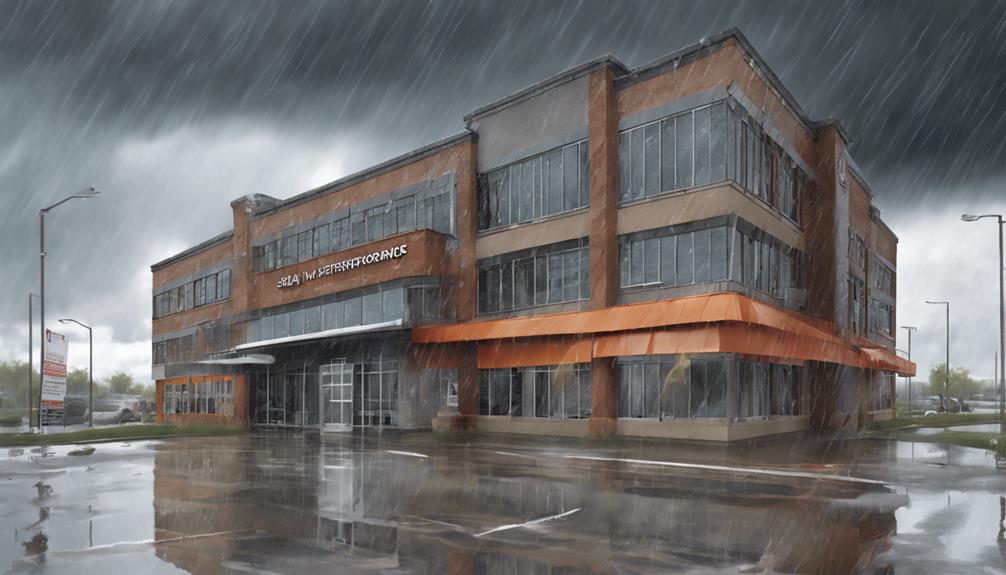
Choosing weatherproofing products for your commercial construction project will safeguard your investment and enhance building performance. You'll decrease ongoing maintenance costs and protect your structure from severe weather conditions. These products also prevent moisture intrusion, which is crucial for avoiding costly repairs and potential mold issues. Additionally, you'll improve energy efficiency and ensure the comfort of your building's occupants, all while meeting regulatory compliance for safety and environmental standards. Weatherproofing not only extends your building's lifespan but also boosts its aesthetic appeal and market value. Discover the full extent of benefits this choice can offer.
Benefits of Enhanced Durability
Enhanced durability in weatherproofing products not only increases a building's lifespan but also significantly reduces maintenance costs. When you invest in high-quality weatherproofing, you're ensuring that your commercial construction can withstand the rigors of extreme weather, from scorching heat to freezing cold. This resilience translates to less frequent need for repairs and replacements, which can disrupt business operations and rack up unforeseen expenses.
Moreover, these robust materials protect against moisture intrusion, a common culprit behind structural damage. By keeping water out, you minimize the risk of mold growth and wood rot, both of which can compromise the integrity of a building. This proactive approach not only preserves the structure but also maintains a healthier indoor environment for occupants.
You'll find that advanced weatherproofing technologies have evolved to offer superior protection without compromising aesthetic appeal. Modern materials are designed to blend seamlessly with your building's exterior, maintaining its original look while fortifying it against the elements. This dual benefit ensures that your property remains attractive while being functionally sound, making it more appealing to potential tenants and clients who value both form and function in commercial spaces.
Cost Savings Over Time
Investing in high-quality weatherproofing often leads to significant cost savings over time. When you choose top-notch materials and solutions, you're not just paying for immediate benefits; you're investing in the future of your building.
Over the years, the resilience of superior weatherproofing repels the relentless onslaught of natural elements, such as rain, snow, and wind. This robust defense significantly reduces the need for frequent maintenance and repairs, which are both costly and disruptive.
Consider the long-term impact on your maintenance budget. With lower-grade options, you might find yourself addressing leaks, moisture damage, and other weather-related issues every few years. However, with better-quality weatherproofing, these problems are greatly minimized.
You'll spend less on patch-up jobs and more on actual improvements and upgrades, which enhance your property's value and appeal.
Moreover, by preventing structural damages that can lead to more severe issues, high-quality weatherproofing protects your investment. It's not just about avoiding costs; it's about preserving the integrity and longevity of your commercial property.
You'll find that the initial higher expenditure on proper weatherproofing pays off, making it a wise choice that benefits your financial planning and property management strategy.
Improved Energy Efficiency
By choosing top-notch weatherproofing products, you'll also ramp up your building's energy efficiency. When you seal up cracks and gaps with advanced caulks and sealants, you're preventing air leaks. This means your heating and cooling systems won't have to work overtime to maintain comfortable temperatures. You'll notice a significant drop in energy usage, which directly translates to lower utility bills.
Additionally, modern weatherproofing materials like insulation panels help maintain indoor temperatures with greater efficiency. These panels reduce the amount of energy needed for heating and cooling by minimizing thermal bridging, where heat is lost through building materials.
With effective insulation, your HVAC system can operate more efficiently because it isn't compensating for heat loss or gain through walls and roofs.
Investing in energy-efficient doors and windows as part of your weatherproofing strategy is another smart move. These fixtures often come with special coatings and double or triple-pane glass that keep heat inside during winter and outside during summer. This not only improves comfort but also boosts the overall energy performance of your building.
Protection Against Environmental Elements
Weatherproofing your commercial construction not only boosts energy efficiency but also shields it from harsh environmental elements. Imagine the beating your building takes from wind, rain, snow, and even the relentless sun. Over time, these elements can degrade materials, leading to costly repairs and maintenance. But with the right weatherproofing products, you're setting up a robust barrier that significantly reduces these risks.
Think about the last time you saw a building after a severe weather event. Those without adequate protection might've experienced leaks, wind damage, or worse. By choosing top-notch sealants, waterproof coatings, and moisture barriers, you're not just protecting the building; you're also safeguarding everything inside it.
This includes not only the structure and aesthetics but also the equipment and inventory that are critical for your business operations.
Moreover, weatherproofing extends the lifespan of your building. You'll find that materials like roofing membranes and exterior paints designed for weather resistance can prevent the premature aging of your structure. These investments keep your building looking newer for longer, ensuring it remains as functional and appealing as the day you first opened its doors.
Compliance With Building Regulations
Why should you consider building regulations when weatherproofing your commercial property? Compliance isn't just about following the law; it's about ensuring that your property meets safety standards that protect both your investment and the people who use the building.
Each region has specific codes that dictate the standards for weatherproofing materials and their application. You've got to ensure these standards are met to avoid legal pitfalls and hefty fines.
Moreover, adhering to these regulations means your building will be more sustainable and energy-efficient. This can significantly reduce your operational costs over time. Weatherproofing materials that comply with the latest building codes often incorporate advanced technology that enhances their effectiveness. This means you're not just meeting minimum legal requirements; you're installing solutions that offer superior protection against weather-related damage.
It's also about future-proofing your property. Regulations change, and staying ahead means you won't have to retrofit your building to comply with new standards later. Think of it as an investment in the building's longevity and relevance in a rapidly evolving commercial real estate market. Compliance ensures you're not cutting corners, giving you peace of mind and potentially increasing the property's market value.
Case Studies and Success Stories
Several companies have successfully implemented advanced weatherproofing technologies, showcasing substantial benefits. For instance, a major retail chain upgraded their stores nationwide with high-tech sealants and moisture barriers. They've seen a drastic reduction in maintenance costs and energy expenses, thanks to better insulation and reduced air leakage. You'd be surprised at how quickly these savings add up, making the initial investment quite worthwhile.
Another example is a high-rise office building in a coastal city that incorporated advanced weatherproofing materials during construction. Post-completion, they faced a severe hurricane, yet experienced minimal damage compared to older structures nearby. Their proactive measures not only protected the building's integrity but also ensured business continuity, preventing losses from potential downtimes.
Lastly, consider a public school district that adopted green weatherproofing products across its facilities. They've reported enhanced indoor air quality and a noticeable decrease in heating and cooling costs. This not only supports a healthier environment for students and staff but also aligns with sustainability goals.
These stories aren't just about avoiding the adverse effects of weather; they're about making smart choices that pay off in multiple ways. You'll find that investing in quality weatherproofing isn't just prudent; it's transformative.
Conclusion
You've seen how weatherproofing products not only extend the lifespan of commercial buildings but also cut down on costs and boost energy efficiency. Protecting your investment from harsh elements and ensuring compliance with building regulations is essential. Remember the success stories; they demonstrate the tangible benefits of choosing the right weatherproofing solutions. Don't overlook the importance of these products—make the smart choice for your construction projects to ensure durability, efficiency, and compliance.
Related articles: Top 3 Weatherproofing Tips for Construction · 7 Best Weatherproofing Products for Commercial Construction · The Evolution of Weatherproofing in Construction