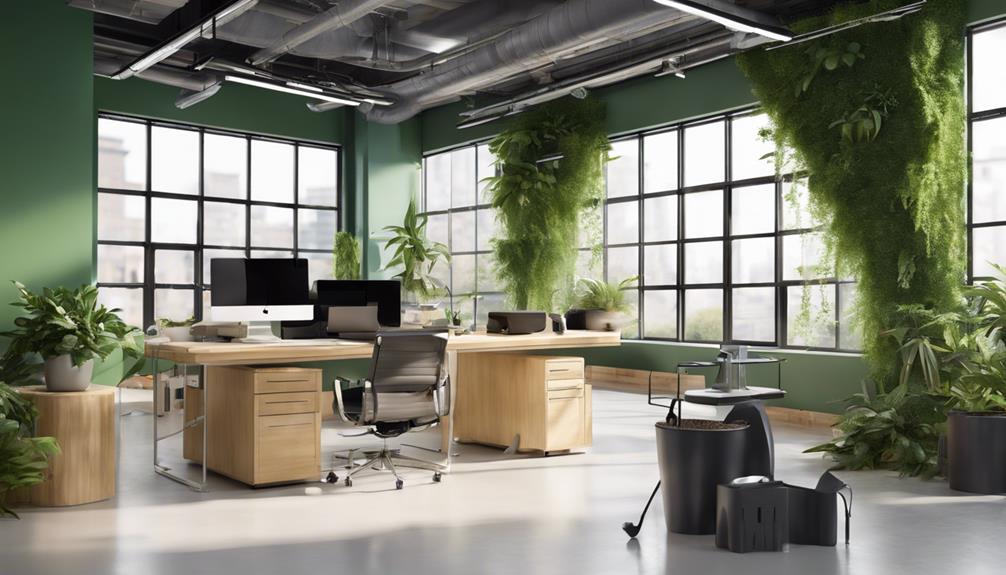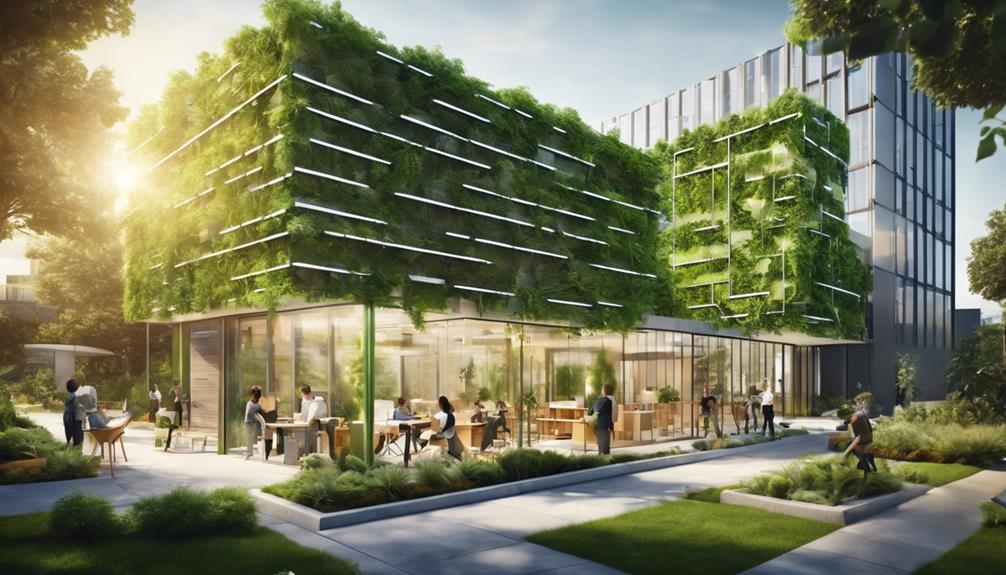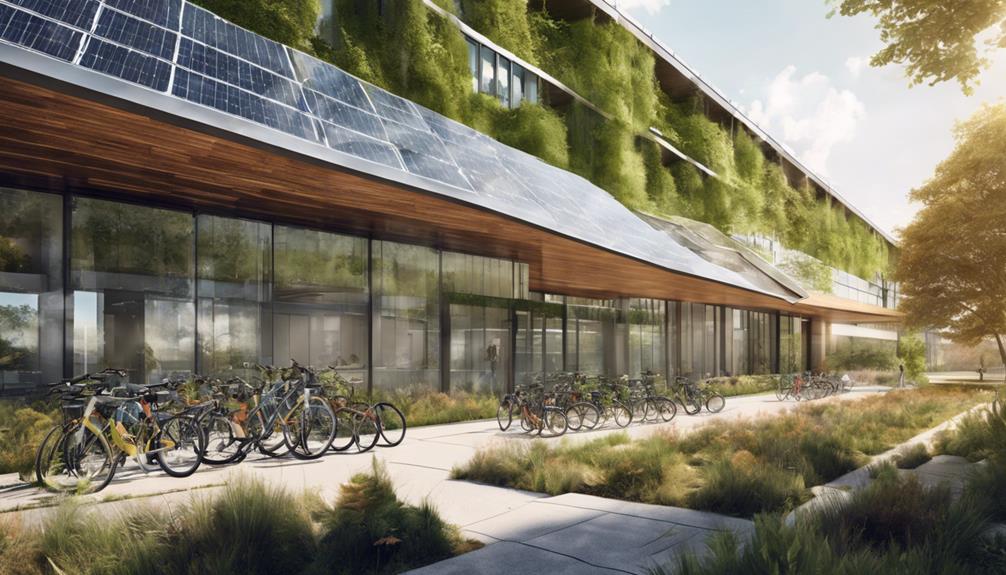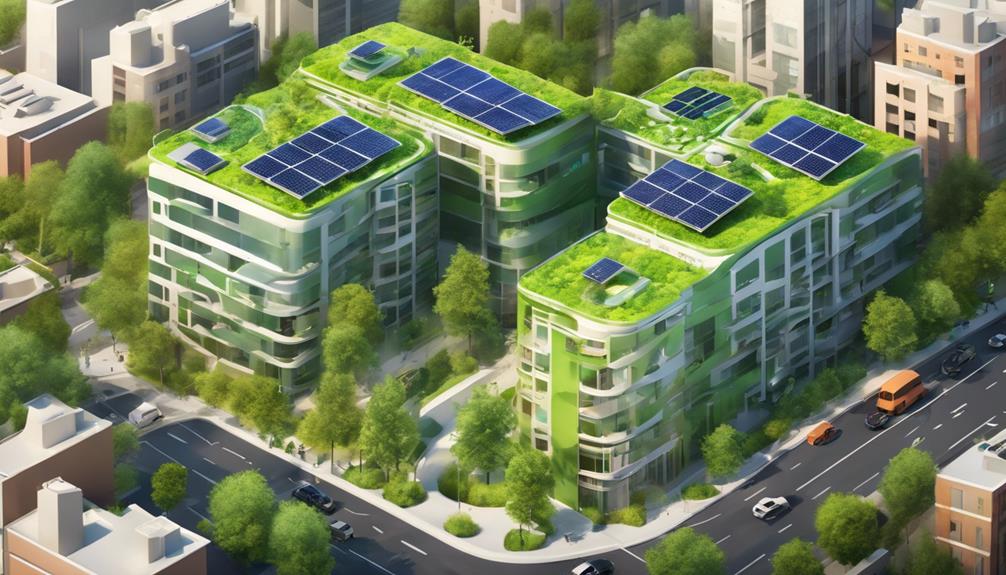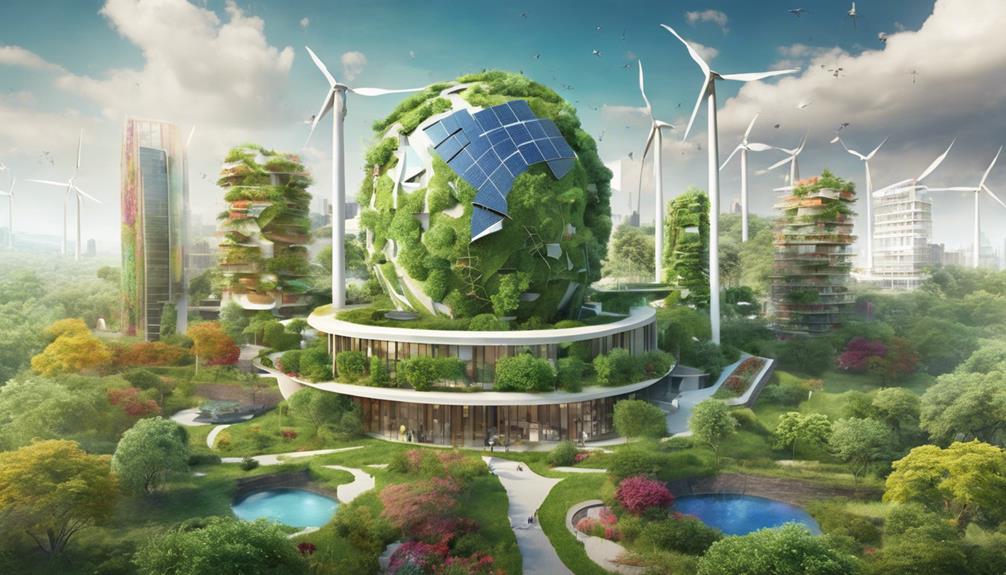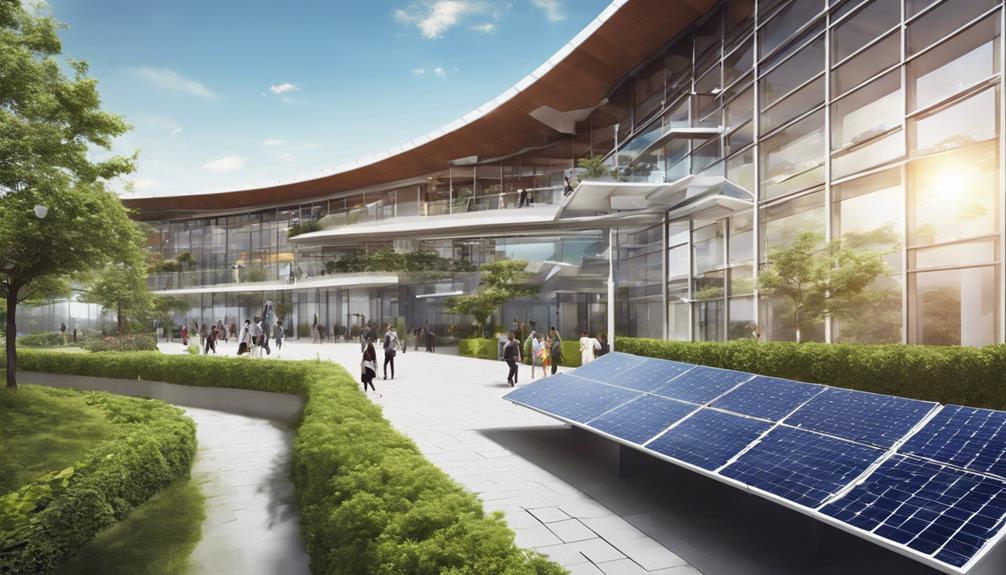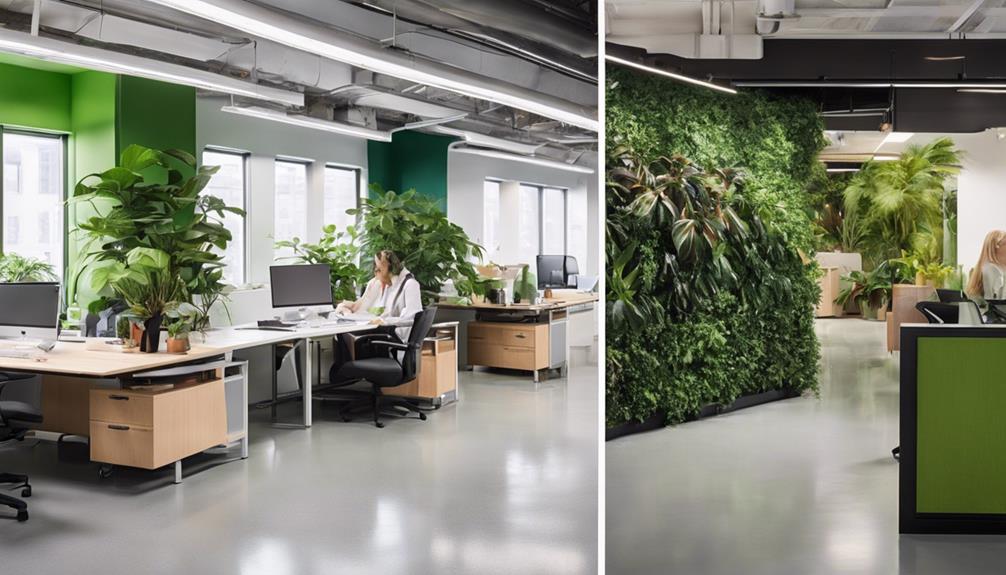
You might wonder whether to stick with traditional office designs or switch to green alternatives. Green office design significantly enhances employee well-being, boosts productivity, and reduces utility costs, while also playing a crucial part in environmental sustainability. Unlike conventional methods, green offices utilize renewable energy sources like solar panels, feature high-quality insulation, and often incorporate elements that promote biodiversity, such as green roofs. Although initially more costly, the long-term savings and potential tax rebates make it a financially sound choice. Understanding these differing approaches could open up new possibilities for your workspace's design and efficiency.
Benefits of Green Office Design
Green office design significantly boosts both employee well-being and environmental sustainability. When you work in a space that prioritizes natural light, clean air, and live plants, you're not just in a building; you're in a rejuvenating environment. These elements have been shown to enhance mood and increase productivity, which means you're likely to feel more satisfied and engaged with your work.
Moreover, operating in a green office doesn't just make you feel better; it actively contributes to a healthier planet. Energy-efficient systems reduce carbon footprints dramatically, ensuring that you're part of the solution, not the problem.
You'll also notice a significant decrease in utility costs, which can be a game-changer for businesses looking to cut expenses without sacrificing quality or employee satisfaction.
Key Elements of Sustainable Architecture
In sustainable architecture, careful planning and innovative design are crucial to creating environmentally friendly buildings. You'll find that choosing the right materials plays a significant role. Opt for locally sourced, renewable, or recycled materials whenever possible. This reduces the carbon footprint associated with transportation and supports local economies.
You should also pay attention to water conservation. Implementing systems like rainwater harvesting and gray water recycling can drastically reduce water usage. These systems not only save water but also decrease the strain on municipal supplies, making your building more self-sufficient and less impactful on local resources.
Biodiversity is another key element. Incorporating green roofs, living walls, and landscaped spaces not only enhances the aesthetic value of your office but also promotes local flora and fauna. These features can improve air quality and provide a natural habitat for wildlife, contributing to biodiversity conservation.
Energy Efficiency in Modern Workspaces
While sustainable architecture focuses on materials and water conservation, achieving energy efficiency in modern workspaces is equally crucial. You'll find that integrating smart technology and innovative design can dramatically reduce your office's energy consumption.
Think about the role of natural lighting; it's not just about installing more windows but placing them strategically to maximize daylight while minimizing glare and heat gain. This reduces your reliance on artificial lighting during the day, cutting down electricity usage significantly.
Consider also the heating, ventilation, and air conditioning (HVAC) systems. Modern, energy-efficient systems are designed to adjust according to real-time occupancy and weather conditions. This means you're only using energy when and where you need it, ensuring that no watt goes to waste.
You should also explore the benefits of renewable energy sources like solar panels. Today's market offers aesthetically pleasing options that can be seamlessly integrated into your building design, contributing to both energy savings and your building's overall sustainability profile.
Lastly, don't overlook the materials you choose. High-quality insulation and energy-efficient windows can have a profound impact on maintaining indoor temperatures and reducing the load on heating and cooling systems. By focusing on these aspects, you're not just cutting costs; you're also creating a more comfortable, sustainable environment for everyone.
Cost Comparison: Green Vs. Traditional
When comparing the costs of green office design to traditional methods, it's crucial to look beyond the initial expenses. You might find that eco-friendly materials and technologies often come with higher price tags upfront. However, consider the long-term savings you're likely to see. Energy-efficient systems and sustainable materials typically lead to reduced utility bills and maintenance costs over time.
Think about the potential for tax incentives and rebates for implementing green technologies. Many governments and local authorities offer financial benefits to encourage eco-friendly building practices, which can offset your initial investment. You're not just spending money; you're investing in a cost-effective future.
Additionally, green buildings tend to have higher property values. The market is increasingly favoring sustainable designs, with more tenants and buyers looking for environmentally friendly properties. This trend means that you could benefit from higher resale values and occupancy rates, compared to traditional designs.
Case Studies of Eco-Friendly Offices
To understand the practical application of green office designs, let's examine a few successful case studies.
You'll find the Pixel Building in Australia fascinating. It's renowned for its zero-carbon status, achieved through integrated solar panels and a unique facade that maximizes natural light while minimizing heat gain. The building utilizes a rainwater collection system that reduces water usage significantly.
In the US, the Bullitt Center in Seattle stands as a prime example of sustainable construction. Its design surpasses the traditional setup by using a solar roof capable of generating 60% more energy than it consumes annually. They've also installed a composting toilet system, drastically reducing water waste.
Across the Atlantic in London, the Edge is often touted as the "smartest building in the world." It's equipped with an Ethernet-powered LED lighting system, which cuts energy costs and carbon footprint. Additionally, the building's extensive use of glass maximizes natural light, reducing the need for artificial lighting during the day.
These examples highlight how innovative practices in green design not only save on operational costs but also create healthier, more sustainable work environments. You can see how these ideas might influence your approach to office design.
Future Trends in Office Construction
Building on these innovative examples of eco-friendly office designs, the future of office construction appears poised for significant evolution. You'll find that sustainability is set to become not just an option, but a standard. As you move forward, expect to see materials that not only reduce environmental impact but enhance building functionality.
Technologies like self-healing concrete and pollution-absorbing bricks are likely to become commonplace.
You're also going to witness a rise in smart buildings that leverage IoT technology to optimize energy use and improve indoor environmental quality. Imagine walking into an office that adjusts lighting, temperature, and even humidity based on real-time occupancy and weather conditions. This isn't just about comfort; it's a strategy aimed at drastically cutting down energy consumption.
Moreover, the integration of green spaces within office layouts is expected to surge. This isn't merely for aesthetics. Research shows that natural elements in work environments significantly boost productivity and well-being. So, you're not just working in an office; you're part of a living ecosystem.
Prepare yourself. The future of office construction isn't just changing; it's transforming in ways that prioritize the planet and its people. This shift will redefine what it means to go to work.
Conclusion
You've seen how green office design not only benefits the environment but also enhances your workspace. By embracing sustainable architecture and energy-efficient practices, you're not just cutting costs; you're investing in the future. The case studies highlight the tangible benefits and potential of eco-friendly offices. As trends evolve, consider how you can incorporate these elements into your own office. The shift towards greener buildings is not just a trend—it's a smart business strategy.
Related articles: 7 Best Ways to Save on Sustainable Construction · Why Choose Sustainable Commercial Construction for Savings? · Maximizing Cost Savings in Sustainable Commercial Construction