To boost your home's energy efficiency, consider these top techniques: Passive Solar Building Design utilizes the sun for natural heating and cooling, optimizing comfort while reducing costs. High-Performance Insulation keeps heat flow resistance high, lessening the need for continuous climate control. Upgrade to Advanced Window Technologies with Low-E coatings that minimize energy loss. Install Green Roofing Systems to enhance insulation and manage stormwater. Opt for Energy-Efficient HVAC Systems with high SEER and AFUE ratings. Switch to LED Lighting, cutting down significantly on your electricity consumption. Finally, embrace On-Site Renewable Energy like solar panels or small wind turbines. Each method not only cuts costs but also increases your property's value, setting the stage for further exploration into sustainable living.
Passive Solar Building Design
Harnessing the sun's energy, passive solar building design optimizes your home's natural heating and cooling abilities. You're not just saving on your energy bills; you're also enhancing comfort and reducing your carbon footprint. By strategically placing windows and selecting the right materials, your home can capture heat during the winter and keep cooler during the summer months.
The key is in the orientation of your home. Your main windows should face south to collect solar energy during the winter when the sun is low in the sky. In summer, when the sun is high, properly designed roof overhangs or other shading devices prevent overheating by blocking the high sun. This natural regulation of temperature means you'll rely less on artificial heating and cooling.
You also need to think about thermal mass – materials like concrete, stone, or tile that absorb and store heat. These materials capture warmth during sunny days and release it slowly when temperatures drop, maintaining a comfortable atmosphere inside.
Consideration of these elements from the start of your design process can drastically reduce the need for additional heating and cooling, leading to a home that's not only comfortable but also environmentally responsible and cost-effective.
High-Performance Insulation
Switching gears to high-performance insulation, you'll find it's a critical component in constructing energy-efficient buildings. This type of insulation goes beyond standard options by providing superior resistance to heat flow. This means your home stays warmer in the winter and cooler in the summer, reducing the need for constant heating and cooling.
You'll want to consider materials like spray foam, rigid foam boards, and reflective insulation. Spray foam, in particular, expands to fill gaps and cracks, creating an airtight seal. It's an ideal solution if you're looking to significantly cut down on energy loss.
Rigid foam boards add robust layers of insulation and can be used in walls, roofs, and floors. They're particularly effective in minimizing thermal bridging, where heat bypasses more insulated parts of a wall.
Reflective insulation, which reflects heat away from your home, is another smart choice, especially in hot climates. It's typically installed in attics to reduce cooling costs by reflecting heat away from the roof.
Advanced Window Technologies
While high-performance insulation significantly enhances a building's energy efficiency, advanced window technologies further amplify these benefits. You've probably felt how traditional windows can let in cold drafts or radiate heat. Today's advanced windows, however, use technologies like low-emissivity (low-E) coatings and inert gas fills to drastically reduce heat transfer.
These windows have a microscopic metallic layer applied to the glass surface, reflecting heat back into the room during winter and out during summer, stabilizing your indoor climate.
You'll also see options like triple-glazing, which adds an additional layer of glass and airspace to improve insulation. This isn't just about keeping your home at a comfortable temperature; it also means your HVAC system won't have to work as hard, reducing your energy bills significantly.
Moreover, modern advancements include frames made from materials like fiberglass, which offer superior thermal performance compared to traditional aluminum. Fiberglass frames expand and contract very little with temperature changes, ensuring a tight seal over the years.
Choosing the right windows can transform the energy profile of your home. Look for the Energy Star label to ensure you're getting a product that meets strict efficiency guidelines. By investing in these technologies, you're not just saving money; you're also contributing to a more sustainable future.
Green Roofing Systems
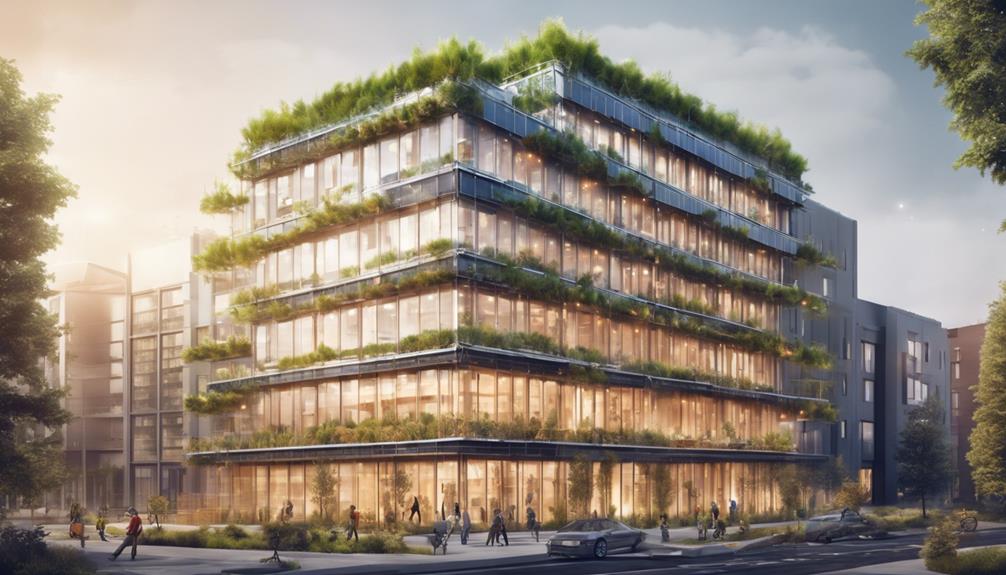
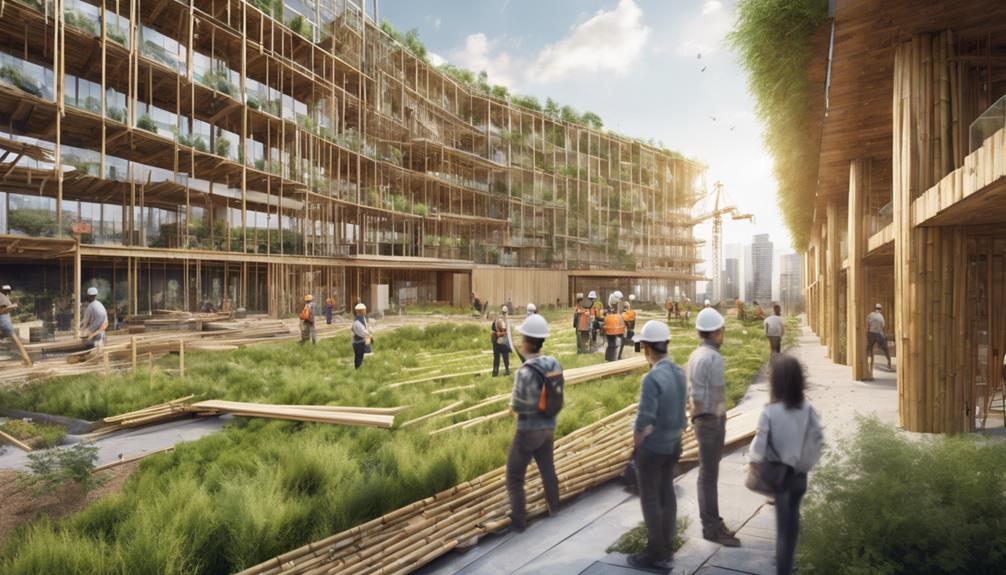
Green roofing systems offer you a sustainable way to enhance your building's environmental efficiency. These innovative roofs aren't only a visual delight but also a practical addition to modern construction. They're designed with layers of vegetation that provide substantial insulation, reducing the need for artificial heating and cooling.
This natural insulation keeps your building warmer in winter and cooler in summer, leading to significant energy savings.
Installing a green roof also contributes to stormwater management. The plants and soil absorb rainwater, reducing runoff and decreasing the burden on urban drainage systems. You'll find that this not only helps prevent flooding but also purifies the water naturally, which can be beneficial in maintaining local waterways.
Moreover, green roofs can extend the lifespan of your roofing materials. The vegetation shields the underlying roofing components from UV rays and extreme temperatures, which can degrade conventional roofing materials over time.
This means you'll face fewer repairs and replacements, saving you money in the long run.
Lastly, these roofs can improve air quality and provide a habitat for wildlife, contributing to biodiversity. By choosing a green roofing system, you're not just investing in energy efficiency; you're also supporting environmental sustainability on a broader scale.
Energy-Efficient HVAC Solutions
Most modern buildings could benefit significantly from energy-efficient HVAC solutions. As you consider upgrading your heating, ventilation, and air conditioning systems, there are several cutting-edge technologies and strategies you should know about that can drastically reduce your energy consumption and lower your bills.
First, consider installing a high-efficiency HVAC system. These systems are designed to use less energy while maintaining optimal indoor comfort. Look for units with a high SEER (Seasonal Energy Efficiency Ratio) rating for cooling and a high AFUE (Annual Fuel Utilization Efficiency) rating for heating. These ratings ensure you're getting one of the most energy-efficient systems on the market.
Additionally, incorporating smart thermostats into your HVAC system can lead to significant energy savings. Smart thermostats adjust the temperature based on real-time usage and environmental conditions, ensuring that you're not heating or cooling an empty space unnecessarily. They learn your schedule and preferences over time, optimizing energy use while maintaining comfort.
Lastly, don't underestimate the importance of regular maintenance. Ensuring that your HVAC system is regularly checked and properly maintained can prevent inefficient operation and potential failures, keeping it running at peak efficiency. This simple step not only saves energy but also extends the life of your system.
LED Lighting Installations
Shifting focus to LED lighting installations, you'll find they offer an impressive array of benefits for energy conservation. By opting for LED lights, you're choosing fixtures that use at least 75% less energy than traditional incandescent bulbs. This significant reduction in energy consumption not only lowers your electricity bills but also extends the lifespan of these bulbs, which can last up to 25 times longer.
You'll also appreciate how LEDs emit very little heat compared to incandescent and CFL lighting, which means less energy is wasted. Plus, the cooler operation reduces the strain on air conditioning systems during hot months, further increasing your energy savings.
LEDs offer superior flexibility in design and functionality. You can integrate them into a wide range of settings, from recessed lighting in ceilings to under-cabinet lighting in kitchens. They provide excellent color rendering, which enhances the visual appeal of your space without sacrificing efficiency.
Moreover, LED technology has advanced to include smart lighting options. You can control these lights via smartphone apps or voice-activated devices, allowing for adjustments in brightness and color based on your needs or time of day, optimizing energy usage throughout your home.
On-Site Renewable Energy Generation
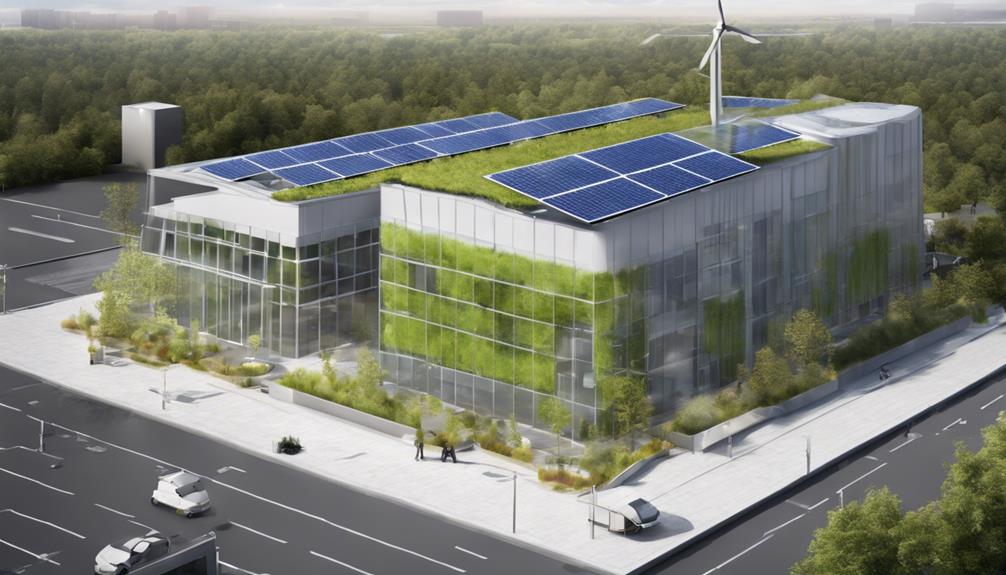
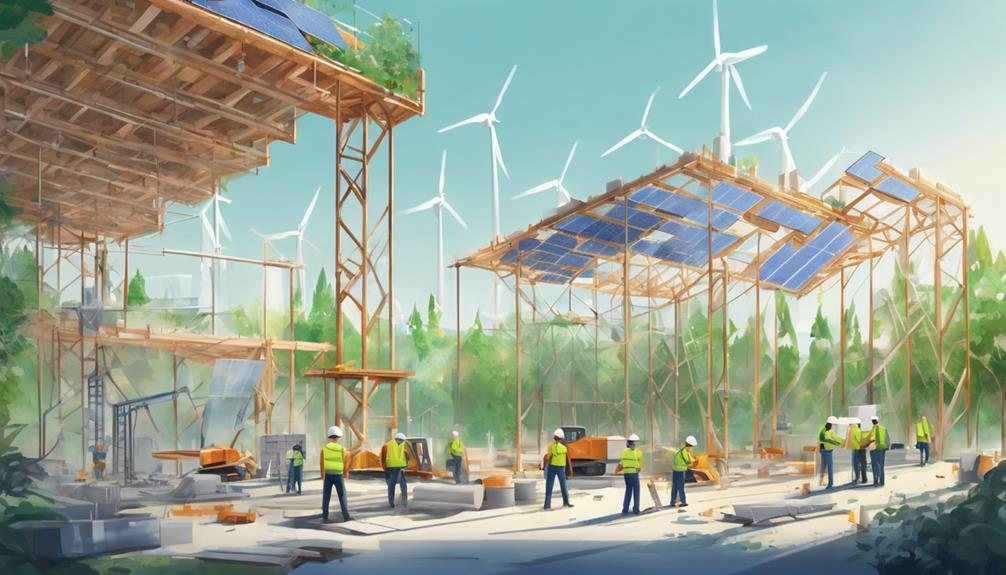
As you explore the latest in energy-efficient construction, consider the potential of on-site renewable energy generation. Integrating solar panels, wind turbines, or even geothermal systems into your projects can drastically reduce reliance on traditional power sources, cutting down both costs and carbon footprints. It's not just about sticking panels on roofs anymore; innovative technologies allow for seamless integration into building designs, enhancing aesthetics as well as functionality.
You'll find that solar panels are more versatile than ever. They can be installed on roofs, integrated into building facades, or even designed as part of landscaping elements like solar walkways. For properties with more space, small-scale wind turbines can provide additional power, particularly effective in rural or open environments where wind flow is consistent.
Moreover, geothermal heat pumps, which utilize the stable temperatures underground, can be a game-changer for both heating and cooling efficiency. By tapping into this consistent energy source, you're looking at significant reductions in energy usage.
These systems not only trim down utility bills but also increase the market value of properties. They represent a commitment to sustainability that's increasingly valued by buyers and tenants alike. Plus, many regions offer incentives like tax breaks or rebates, making the initial investment more manageable.
Conclusion
You've just explored the top seven energy-efficient construction techniques that can transform how you build and live. By incorporating methods like passive solar design, superior insulation, and cutting-edge windows, along with green roofs, efficient HVAC systems, LED lighting, and renewable energy solutions, you're not only saving on costs but also contributing to a healthier planet. Embrace these innovations and make your next building project a beacon of sustainability and efficiency.
Related articles: Top Green Certifications for Commercial Buildings