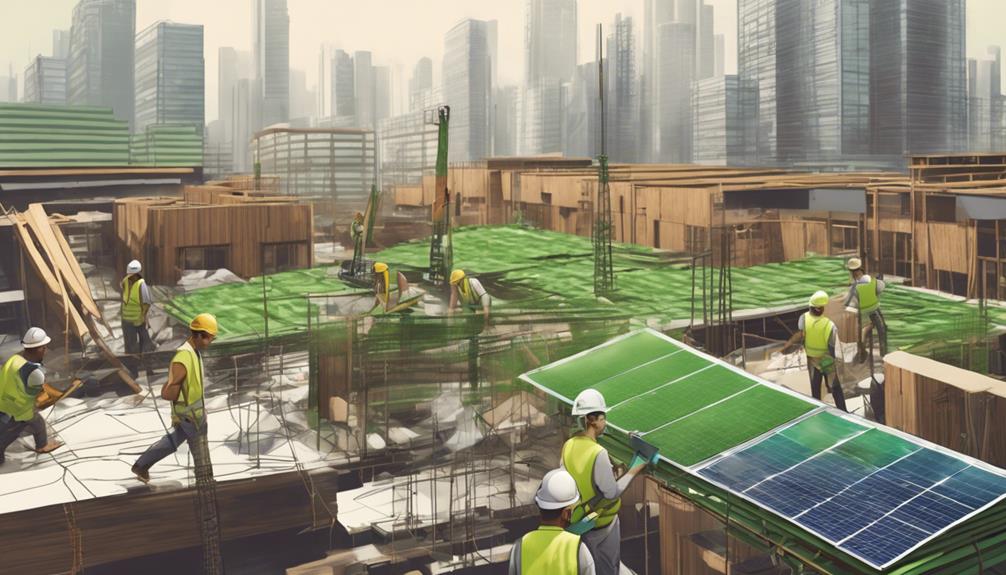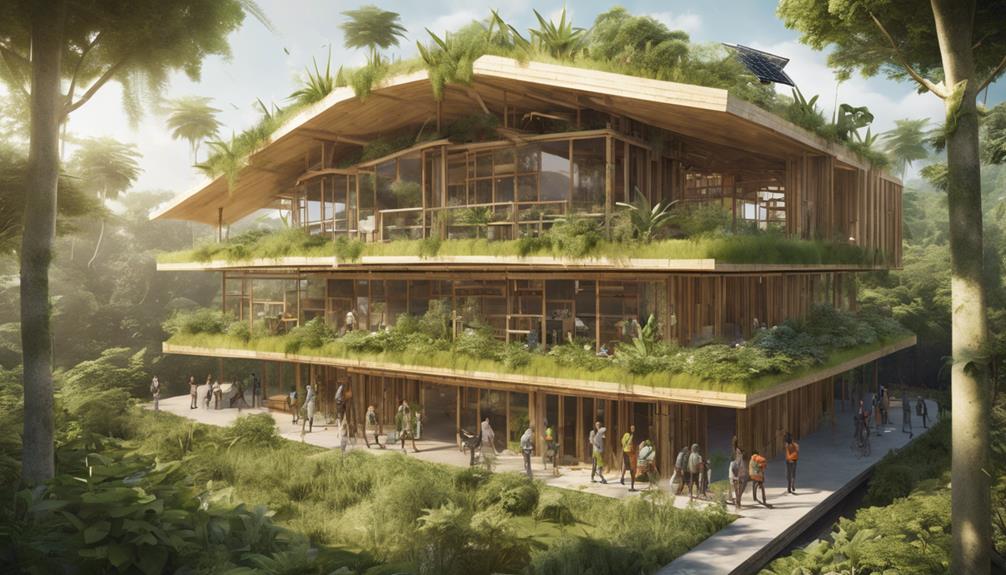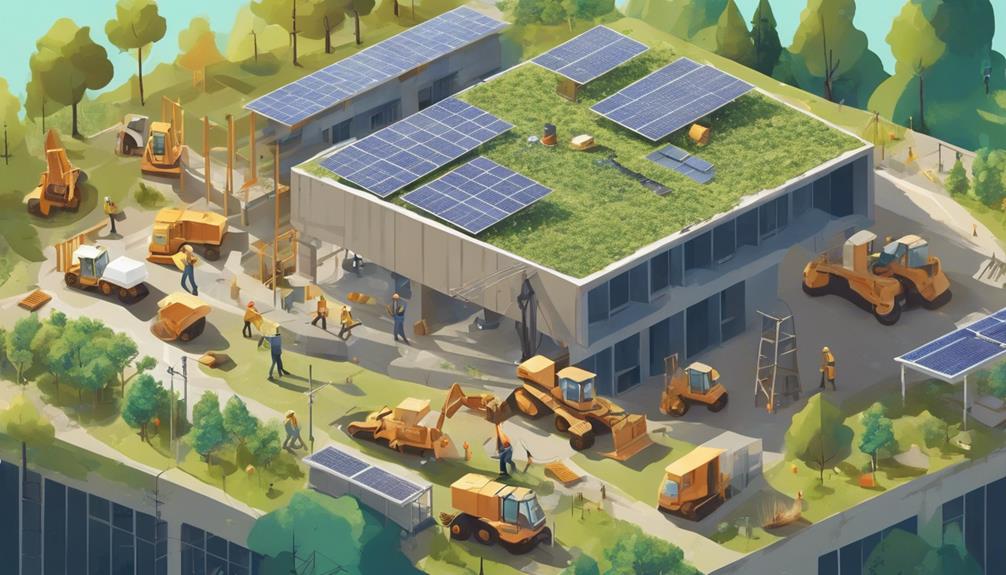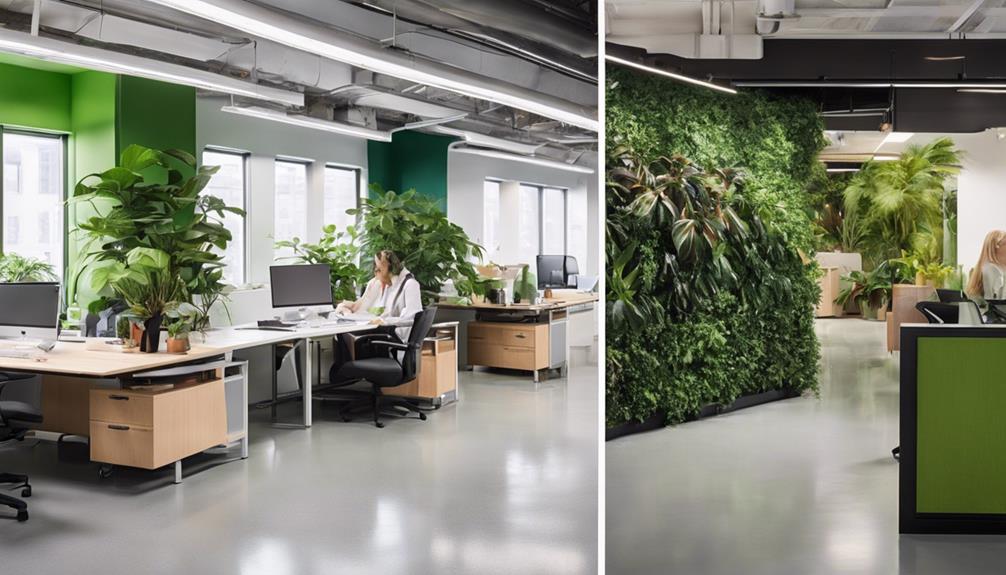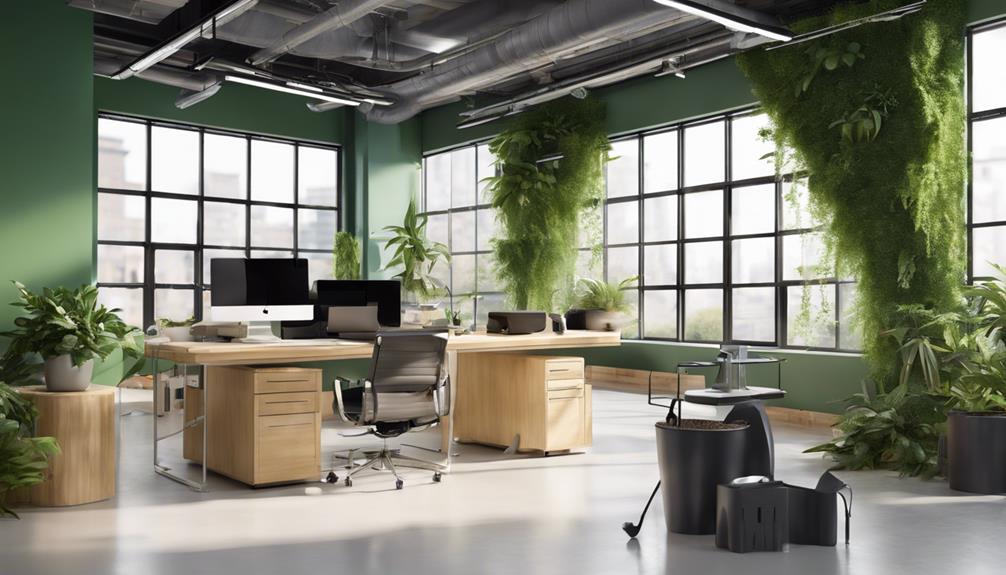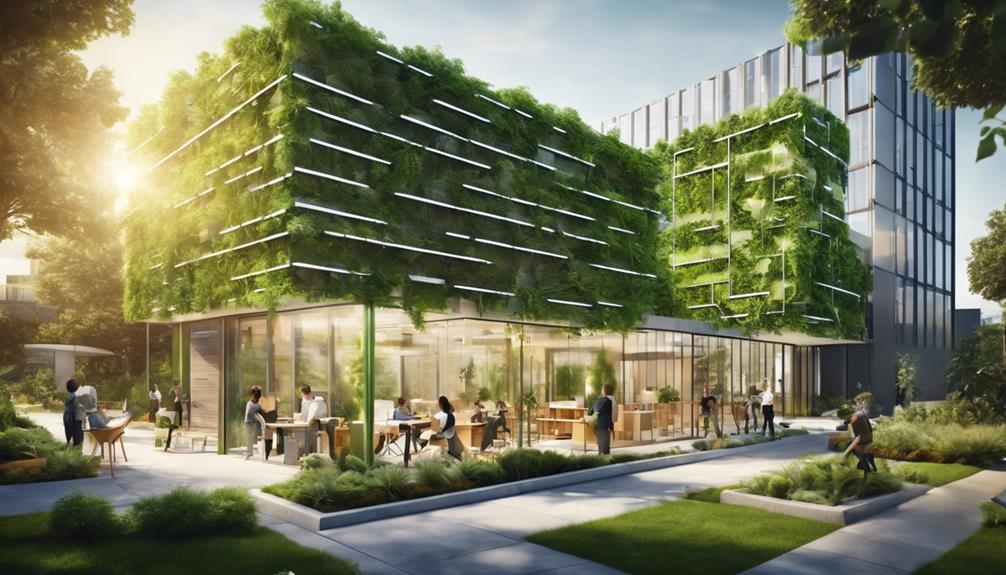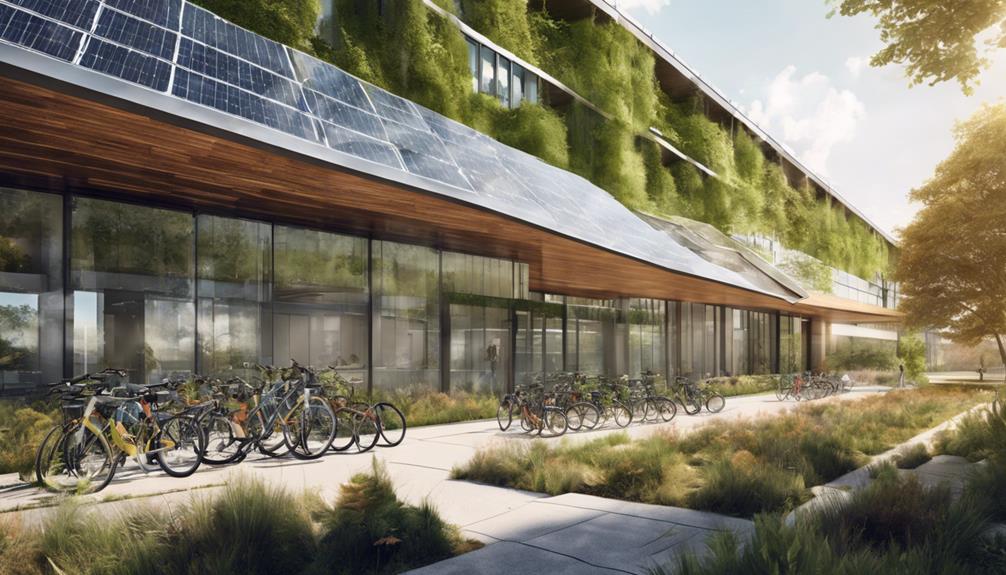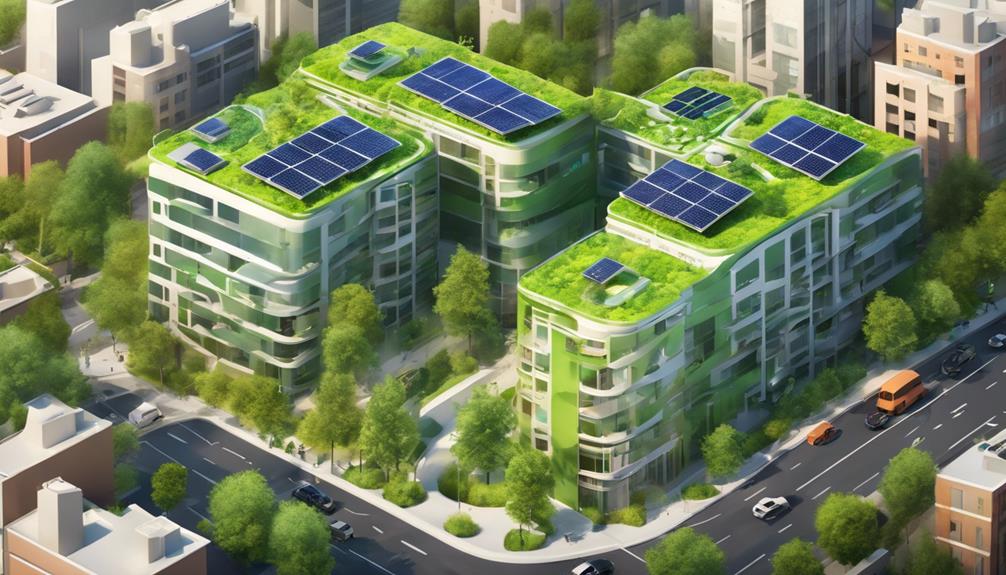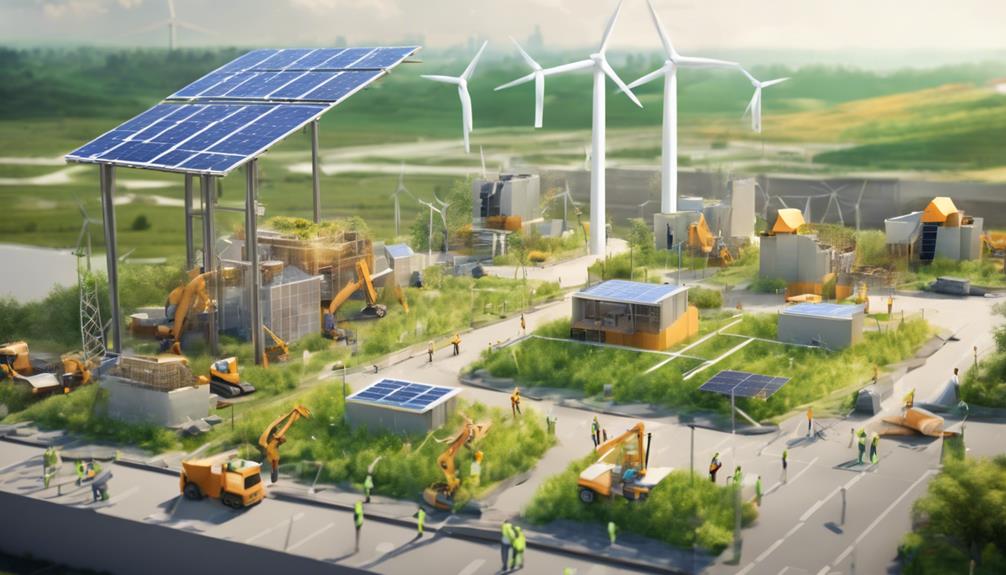
By investing in sustainable construction, you'll tap into significant savings while boosting your home's efficiency and market value. Opting for energy-efficient materials like low-E windows and advanced insulation can slash your energy consumption and utility bills. You'll also enjoy lower maintenance costs and prolong the lifespan of your HVAC system. Don't forget the financial perks from tax credits and rebates for installing eco-friendly technologies such as solar panels. As durability and longevity of materials increase, so does your property's value, attracting eco-conscious buyers. More hidden savings await as you explore the advantages of sustainable construction further.
Benefits of Energy-Efficient Materials
Many energy-efficient materials drastically reduce your home's energy consumption, leading to significant savings on utility bills. By incorporating items like insulated siding, low-E windows, and advanced roofing materials, you're not just cutting costs; you're enhancing your living environment. These materials work tirelessly to maintain indoor temperatures, meaning you'll rely less on heating and cooling systems. This not only preserves the longevity of your HVAC system but also contributes to a more stable indoor climate.
Imagine winter without the chill creeping through the edges of your windows or summer without the sweltering heat penetrating your walls. Energy-efficient materials block out external weather, making your home more comfortable year-round. You'll notice fewer drafts, reduced noise from outside, and better humidity control—all contributing to a home that feels just right, whatever the weather outside.
Moreover, these materials often come with added benefits like increased fire resistance and improved air quality, due to their superior manufacturing processes. By choosing energy-efficient options, you're not only investing in your immediate comfort but also your health and safety. These advancements make your home a sanctuary, not just from the elements, but from everyday environmental concerns as well.
Long-Term Utility Cost Reduction
Building on the immediate benefits of energy-efficient materials, you'll also see a significant reduction in your long-term utility costs. By integrating features like advanced insulation, high-efficiency HVAC systems, and LED lighting, you're not just cutting down on energy usage; you're investing in a future of lower bills. These technologies, while possibly more costly upfront, pay themselves off through your significantly reduced monthly expenses.
Think about heating and cooling, which can account for nearly half of a home's energy consumption. With proper insulation and energy-efficient windows, you'll retain more heat during winter and keep cooler air inside during summer. This means your HVAC system won't have to work as hard, which not only lowers your energy bills but also extends the life of your equipment.
Moreover, consider the impact of solar panels. By harnessing the power of the sun, you can generate your own electricity. Over time, the savings from reduced dependency on grid power can be substantial. Each of these elements contributes to a home that not only costs less to operate but also adds to its market value, making it a wise investment both economically and environmentally.
Tax Incentives and Rebates
In addition to the long-term savings from sustainable construction, you can also benefit from various tax incentives and rebates designed to make eco-friendly upgrades more affordable. Governments often offer these financial perks to encourage building practices that are kinder to the environment.
For instance, you might find tax credits available for installing solar panels or upgrading to energy-efficient windows and insulation materials. These incentives directly reduce the amount you owe in taxes, rather than merely reducing taxable income.
Moreover, many local governments and utility companies provide rebates when you invest in sustainable materials or appliances. These rebates often come as cash-back offers after purchase, effectively lowering the initial cost of your green upgrades. It's a win-win: you'll save money both upfront and over the long haul through reduced utility bills.
To maximize these benefits, it's crucial to stay informed about the latest programs in your area. Websites for local government or utility providers, and even dedicated sustainability sites, can be invaluable resources. They usually list details about what qualifies for rebates or tax credits, how to apply, and when these incentives might expire.
Enhanced Durability and Longevity
Sustainable construction materials significantly boost the durability and longevity of buildings, ensuring they stand the test of time with less need for repairs. By choosing options like recycled steel, bamboo, and high-performance concrete, you're investing in materials that resist wear and tear far better than traditional alternatives. This means your structure not only lasts longer but also maintains its value and functionality over time.
You'll find that these materials often come with advanced properties such as improved strength and resistance to environmental impacts like moisture, heat, and cold. This isn't just about saving money down the line; it's about creating a legacy of sustainability that withstands the elements. Plus, the resilience of these materials can significantly reduce maintenance costs. No more frequent touch-ups or overhaul needed as these materials are built to last.
Opting for sustainable construction isn't just a practical choice; it's a smart investment. When you think about the future, consider how the upfront cost compares to the long-term savings. You're not just building a structure; you're crafting a durable, sustainable environment that offers peace of mind and economic benefits.
Water Conservation Techniques
As you explore sustainable construction methods, consider how water conservation techniques can significantly reduce your project's environmental impact. Integrating rainwater harvesting systems allows you to collect and reuse rainwater for site activities and landscape irrigation, slashing your reliance on municipal water supplies and lowering utility bills.
You're also poised to benefit from installing water-efficient fixtures. Low-flow faucets, toilets, and showerheads minimize water use without sacrificing performance. These fixtures can cut down water consumption by about 20%, giving you a dual advantage of cost savings and resource conservation.
Think about using native plants in your landscaping. These species are adapted to local climate conditions and typically require less water, reducing the need for constant irrigation. By choosing the right plants, you'll maintain a green space that's both beautiful and sustainable.
Lastly, implementing greywater systems can be a game-changer. These systems recycle water from sinks, showers, and laundry, using it for toilet flushing and irrigation. It's a smart move that not only conserves water but also reduces the load on sewage treatment plants.
Adopting these water conservation strategies not only helps in managing resources wisely but also contributes to a sustainable future. You'll find that these practices can significantly cut costs while promoting environmental stewardship.
Waste Reduction Strategies
Building on water conservation, another key aspect of sustainable construction focuses on minimizing waste. You can implement several strategies to tackle this issue effectively and ensure your project is as eco-friendly as possible.
Firstly, source materials that are both recycled and recyclable. By choosing these materials, you're not only reducing the demand for virgin resources but also ensuring that the materials can be reused in the future, thereby minimizing landfill contributions.
Secondly, plan your purchases accurately. Overbuying leads to surplus that often ends up as waste. Accurate planning helps you buy just what you need, reducing excess.
You should also consider modular construction. This method allows components to be precisely built in a factory setting, drastically cutting down on site waste. Furthermore, modular units can be disassembled and reused, enhancing their lifecycle.
Lastly, don't overlook the importance of proper waste sorting on-site. Implementing dedicated bins for different types of waste—like wood, metal, and plastic—makes recycling easier and more effective. Educating your workforce about these practices is crucial; it ensures everyone plays a part in the waste reduction strategy.
Increased Property Value
Investing in sustainable construction not only benefits the environment but also boosts your property's market value. When you choose eco-friendly materials and technologies, you're not just ticking the box for green living; you're also making your property more attractive to a growing demographic of environmentally conscious buyers. This can lead to a higher resale value in an increasingly competitive market.
Consider the appeal of energy-efficient features like solar panels, high-quality insulation, or smart home systems. These aren't just perks; they're investments that pay off by slashing utility bills and attracting premium offers when you decide to sell.
Moreover, sustainable homes often qualify for tax incentives and lower insurance rates, adding more to your savings and increasing the overall value of your investment.
You're also likely to see a faster sale. Today's buyers are informed and preference-driven, and many prioritize sustainability. They're looking for homes that align with their values, ensuring that properties like yours move off the market swiftly.
Conclusion
You've seen how sustainable construction not only benefits the environment but also your wallet. By choosing energy-efficient materials and embracing water conservation techniques, you're slashing long-term utility costs. Don't overlook the tax incentives and rebates that reward your green choices. Plus, the increased durability of these materials means fewer repairs, saving you even more money down the line. It's clear, investing in sustainable construction boosts your property's value while paving the way for a healthier planet.
Related articles: Maximizing Savings With Sustainable Commercial Construction · What Are the Advantages of Eco-Friendly Commercial Buildings? · 7 Tips for Sustainable Commercial Building Practices