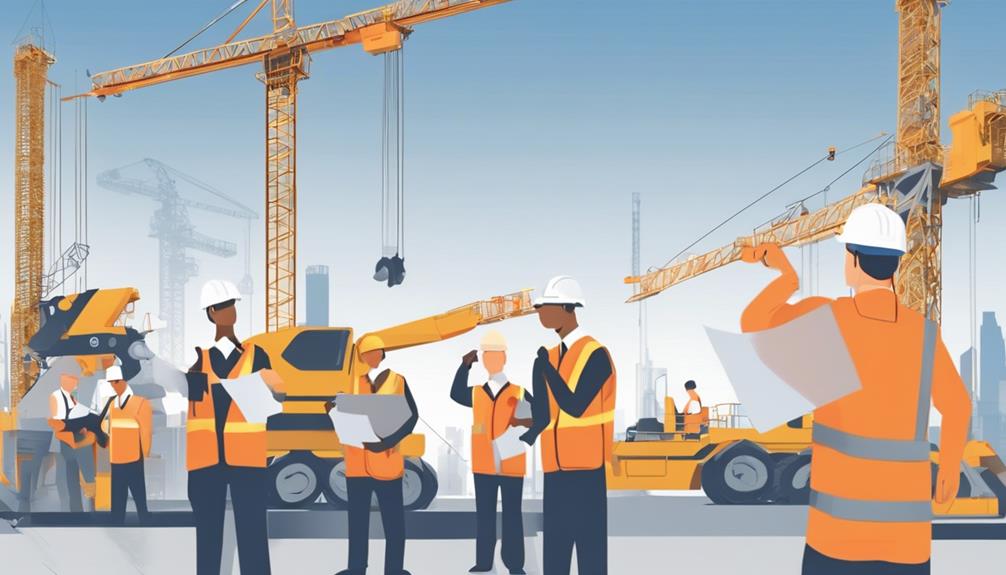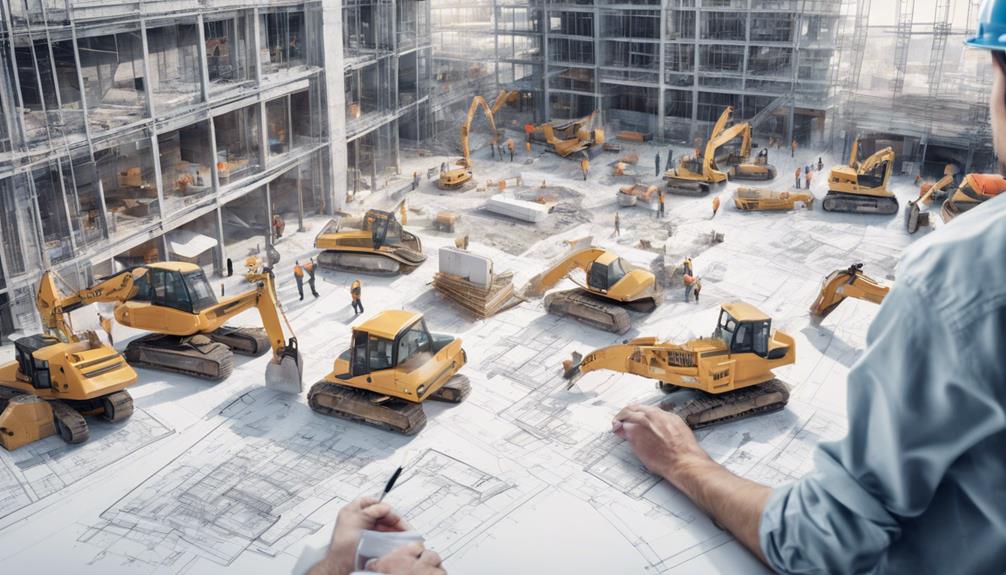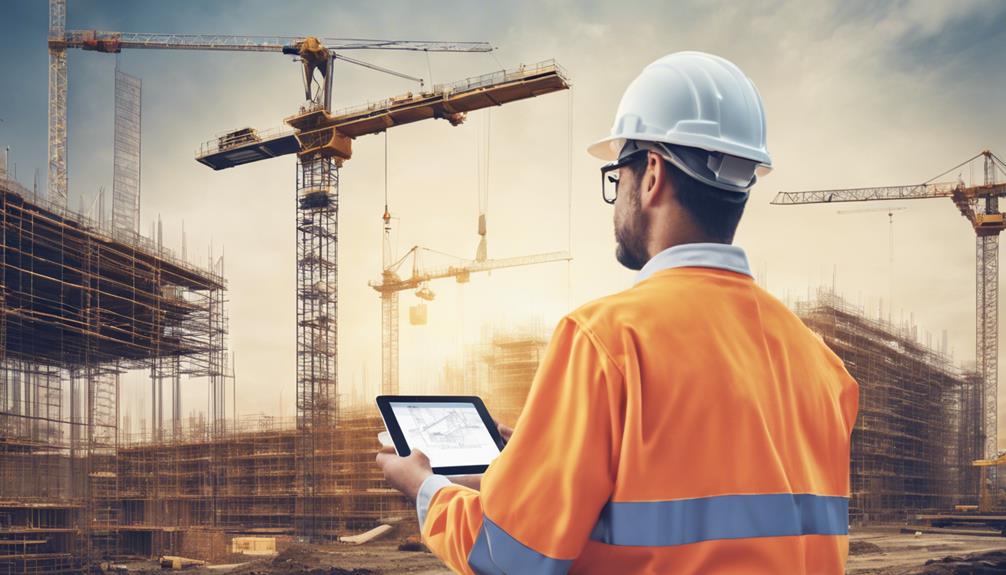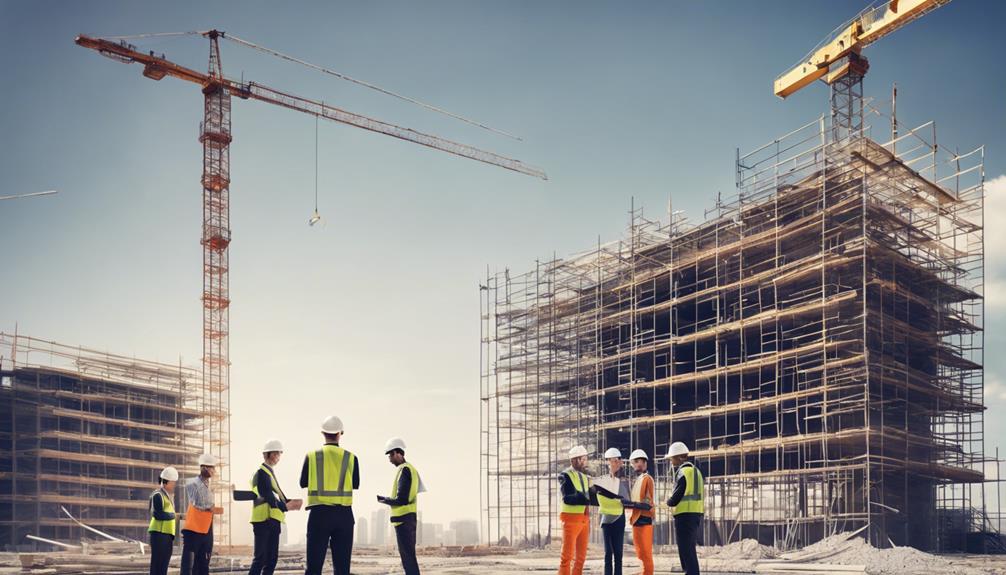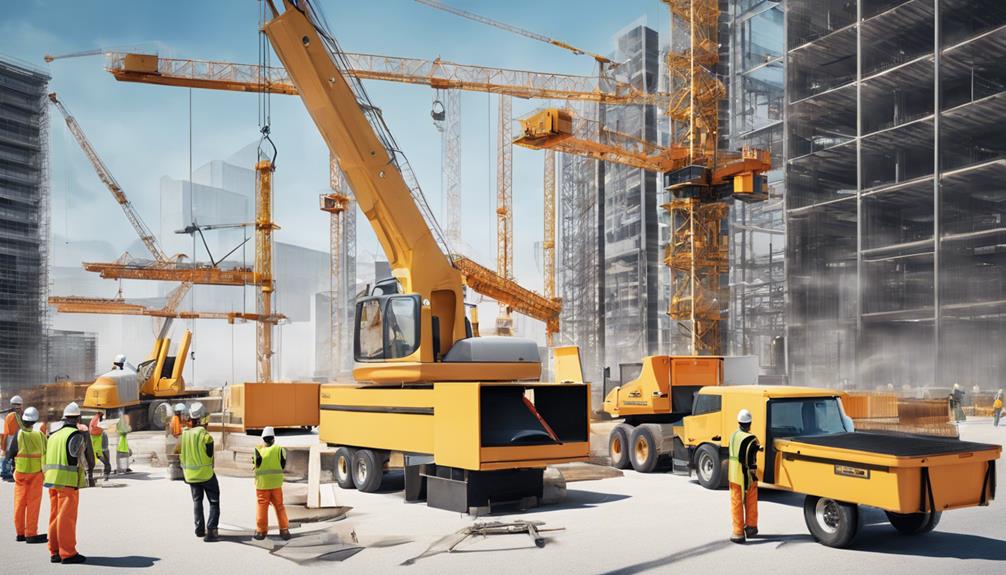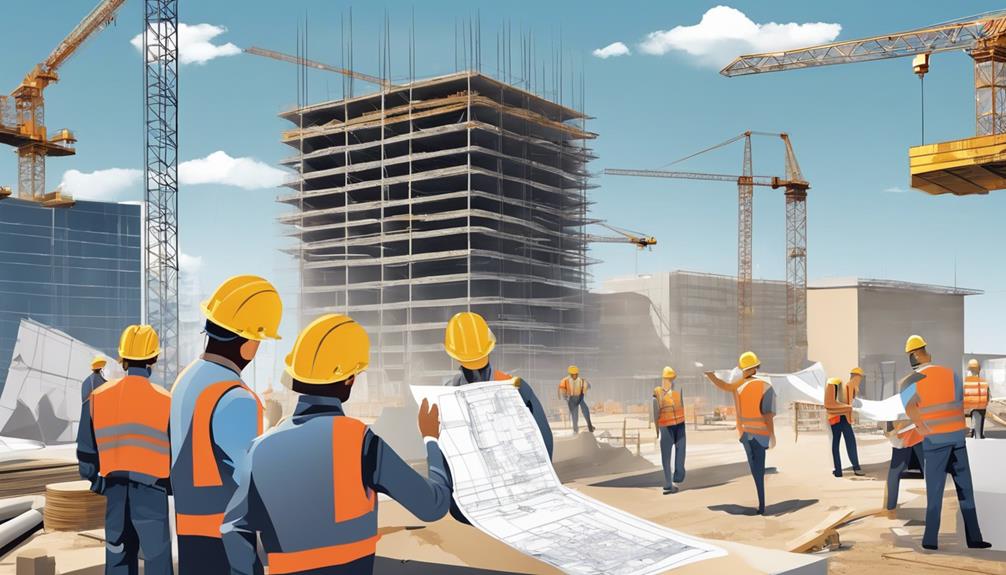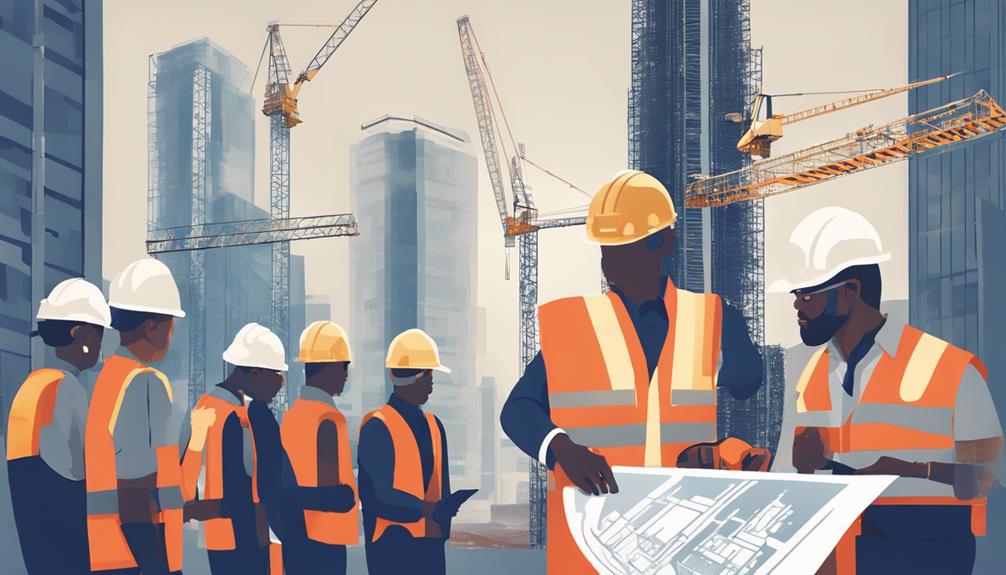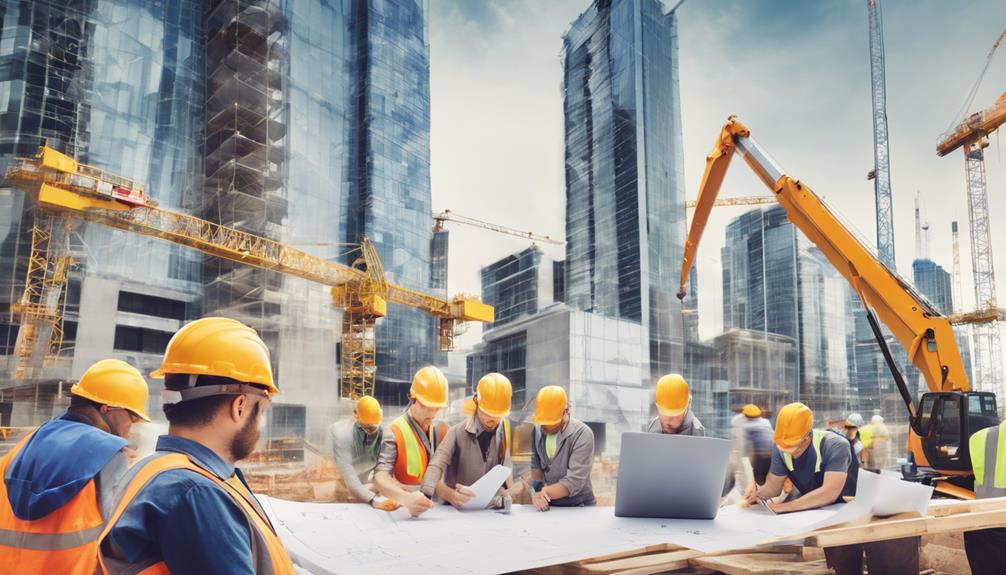
In managing your commercial construction project, start by clearly defining your objectives and communicating them effectively to your team. Break the project into manageable phases and keep a meticulous track of your budget, including a contingency fund for unexpected expenses. It's crucial to establish a central communication hub to maintain transparency with all stakeholders. Additionally, early identification and mitigation of potential risks can save you from future hurdles. Technology plays a key role, so consider integrating advanced tools like BIM and drones to enhance efficiency. Don't forget to continuously motivate your team and foster a learning environment. There's much more you can discover to streamline your project further.
Understanding Project Scope
Grasping the full scope of your commercial construction project is crucial. You need to understand every element—from initial design through to completion. This means diving into the details, ensuring you're not just aware of what's being built, but how it's being built, and the resources needed to achieve your goals.
Start by defining clear project objectives. What does success look like for you? Is it meeting a specific deadline, staying within certain design parameters, or perhaps achieving a level of sustainability? Once you've set these goals, communicate them clearly to every member of your team. This ensures everyone's on the same page and working towards the same outcomes.
Next, break down your project into manageable phases. Each phase should have its own set of tasks, milestones, and deliverables. This not only makes the project easier to manage but also allows you to monitor progress more effectively.
You'll be able to spot potential issues early and adjust plans before they become bigger problems.
Effective Budget Management
After establishing a clear project scope, it's vital to focus on managing your budget effectively. You'll need to take a proactive approach to avoid cost overruns that can derail your project.
Start by developing a detailed budget that accounts for all potential expenses, from materials to labor to permits. Make sure you've also included a contingency fund for unexpected costs; typically, this should be around 5-10% of your total budget.
Next, you'll want to track your expenses meticulously. Use budget management software to keep a real-time tab on where your money's going. This way, you can quickly identify when you're deviating from your plan and adjust accordingly.
Don't just set your budget and forget it; review it regularly and compare your actual spend against your projections.
Negotiating with suppliers and subcontractors is another key strategy. Don't settle for the first price; always look for the best deal that doesn't compromise quality. Bulk purchases can also lead to significant savings, so consider this if you need large quantities of materials.
Streamlining Communication Channels
Effective communication is crucial in keeping a commercial construction project on track. As a project manager, you're tasked with ensuring that everyone from subcontractors to suppliers is on the same page. Here's how you can streamline communication channels to boost efficiency and prevent misunderstandings.
First, establish a central communication hub — think of it as your project's command center. This could be a digital platform where all stakeholders access real-time updates, documents, and schedules. It's essential you choose a tool that's accessible and user-friendly for everyone involved.
Next, set communication protocols. Decide how often you'll hold meetings, whether daily, weekly, or bi-weekly, and stick to these intervals. Regular check-ins keep everyone informed and accountable.
Also, define which mode of communication to use for different types of information. For instance, use instant messaging for urgent queries and email for detailed reports.
Lastly, encourage open feedback. Make it clear that you're approachable and open to suggestions or concerns. This openness not only improves relationships but also allows for quicker resolution of potential issues.
Risk Assessment Techniques
While streamlining communication bolsters project efficiency, equally important is implementing robust risk assessment techniques to anticipate and mitigate potential setbacks. As a project manager, you're in the driver's seat, navigating through uncertainties that could throw your project off course. Here's how you can sharpen your risk assessment approach to keep your project on track.
Firstly, identify all potential risks early in your project. This includes everything from safety hazards to supply chain disruptions. Don't just skim the surface; delve deep into each phase of your construction project to uncover hidden risks that mightn't be immediately obvious.
Once you've identified the risks, it's crucial to assess their impact and likelihood. Use tools like risk matrices to prioritize these risks based on their potential to disrupt your project. This prioritization helps you allocate resources more effectively to where they're needed most.
Next, develop risk mitigation strategies. These are your action plans for when things go south. Whether it's having backup suppliers on call or implementing stricter safety protocols, being prepared with a plan can save you not just time but also money.
Scheduling and Timeline Planning
Transitioning from risk assessment to the next critical aspect of project management, it's crucial to focus on scheduling and timeline planning. As you dive into this phase, you'll find that developing a clear, detailed schedule is pivotal. It not only sets the framework for what needs to be accomplished and when but also helps in managing resources effectively.
To start, you'll want to break down your project into manageable tasks. Define each phase with specific milestones and deadlines. This breakdown not only makes the project more digestible but also allows for closer monitoring of progress and easier adjustments when needed.
You're also going to need to prioritize tasks. Understand the sequence of operations and dependencies between tasks. This way, you can avoid bottlenecks and ensure a smoother workflow. Utilize tools like Gantt charts or modern project management software to visualize and keep everyone on the same page.
Legal Compliance and Safety
After establishing your project's schedule and timeline, it's important to shift focus to legal compliance and safety. You're now at a critical juncture where understanding and adhering to legal standards can make or break your project.
First, ensure you're up to date with local, state, and federal construction regulations. It's not just about following the law; it's about protecting your team and avoiding costly penalties.
Start by reviewing the Occupational Safety and Health Administration (OSHA) guidelines, which are designed to prevent workplace injuries and deaths. You'll need to conduct regular safety audits and provide training sessions to keep everyone on your site informed and safe. Don't overlook the importance of proper documentation. Maintaining records of your compliance efforts can be invaluable, especially if you face an inspection or legal challenge.
Next, consider environmental regulations. Are you handling hazardous materials? Are your construction practices environmentally sound? Staying compliant not only protects the environment but also enhances your reputation in the industry.
Lastly, always have a legal expert review your compliance strategies. Their insights can help you navigate the complex legal landscape, ensuring that your project proceeds without any legal hitches.
Technology Integration in Projects
Nearly every aspect of commercial construction can be enhanced with the right technological tools. From project inception to completion, integrating advanced software and applications can keep you ahead. You're likely familiar with project management software, but have you leveraged Building Information Modeling (BIM)? BIM allows you to create and manage digital representations of physical and functional characteristics of places. This isn't just drafting; it's a way to maintain consistency, reduce errors, and save real bucks.
Don't stop there. Mobile technology on the job site enables real-time data entry and communication. You can track progress, update plans, and manage schedules from anywhere. Imagine catching a potential issue by comparing real-time data against your project timeline while you're off-site. That's the power you hold in your hands.
And let's talk about drones. These aren't just for stunning aerial shots. Drones can be used for surveying, monitoring job sites, and ensuring that large-scale measurements are accurate. They reduce the need for manual labor in dangerous or hard-to-reach areas, boosting safety and efficiency.
Investing in these technologies isn't just about keeping up with the times; it's about setting the pace in a competitive field.
Team Leadership and Motivation
Effective team leadership and motivation are crucial in steering your construction project to success. As a project manager, it's your job to inspire and guide your team. You've got to understand the unique drivers of each team member and use this knowledge to motivate them effectively.
Firstly, establish clear, achievable goals. When your team knows what they're working toward and why it matters, they're more likely to stay engaged and push through challenges. Make sure you're setting milestones that aren't only clear but also rewarding.
Recognition goes a long way in boosting morale. Don't just wait until the end of the project to celebrate; acknowledge individual and team achievements throughout the process.
Communication is your best tool. Keep the lines open and ensure everyone feels heard. Regular meetings and updates can help everyone stay aligned and can foster a sense of community and collaboration.
If someone's struggling or seems disengaged, don't ignore it. Address issues head-on, offering support and solutions.
Lastly, lead by example. Your team will mirror your energy and commitment. If you're passionate, dedicated, and resilient, they're more likely to adopt these attitudes too. Remember, your role isn't just to manage, but to lead and inspire.
Conclusion
You've got the basics down, now it's time to put them into action. Always keep your project scope clear and your budget tight. Streamline communication and integrate the latest technology to stay ahead. Don't forget, assessing risks and planning precise timelines are crucial. Ensure everything complies with legal standards, especially safety. Lead your team with enthusiasm and motivate them to achieve their best. With these tips, you're set to manage your commercial construction project successfully. Go make it happen!
Related articles: Why Do Commercial Construction Projects Face Challenges? · Top Challenges in Commercial Construction Project Management · 3 Best Solutions to Construction Project Challenges