
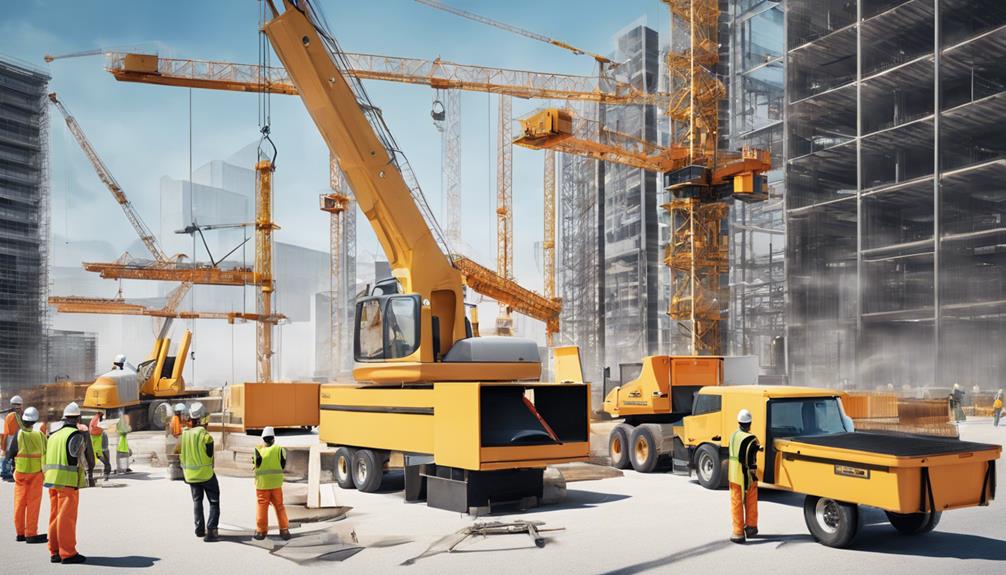
When managing commercial construction projects, you'll need to define your project's scope and goals early on. It's essential to select the right contractors, create a precise budget, and develop a realistic timeline to keep everything on track. Don't overlook handling legal and permit issues; make sure you have the right insurance coverage too. Prioritizing risk management and ensuring continuous safety measures are crucial for smoothly running operations. Above all, maintaining effective communication with your team will keep misunderstandings at bay and foster a collaborative environment. Each step comes with its own set of challenges and insights to uncover further.
Defining Project Scope and Goals
Why should you clearly define the scope and goals of your commercial construction project? Well, it sets the stage for everything that follows. Without a clearly defined scope and specific goals, you're essentially navigating without a map. This can lead to unexpected costs, delays, and conflicts that could derail your project.
Defining the scope means outlining what the project will entail, including its size, the types of activities involved, and the boundaries of the work. It's your blueprint; it lets you identify all the essential elements before any actual work begins. You'll know exactly what's to be constructed, renovated, or expanded. This clarity helps in managing expectations and aligning them with feasible outcomes.
Setting specific goals is equally crucial. These goals should be measurable and achievable, providing a clear vision of the project's end result. They guide your project decisions and keep the team focused on delivering results that align with your vision.
Together, a well-defined scope and clear goals help you monitor progress effectively. You'll be able to spot deviations from the plan early on and make necessary adjustments. This proactive approach not only keeps your project on track but also helps in managing resources efficiently, ensuring a smoother path to a successful completion.
Selecting the Right Contractors
Choosing the right contractors is critical to the success of your commercial construction project. You'll want to focus on their reputation, experience, and ability to meet your specific needs. Start by asking for recommendations from colleagues who've completed similar projects. There's nothing like firsthand feedback to help you make an informed decision.
Next, check each contractor's credentials. Are they licensed and insured? Do they've a history of safety compliance? These are non-negotiable factors that safeguard your project and workers.
Also, review their portfolio to assess their capability in handling projects of your scale and complexity. This step gives you a tangible sense of what they can deliver.
Don't forget to interview potential contractors. This face-to-face interaction is your chance to gauge their professionalism and dedication. How they respond to your queries and whether they seem genuinely interested in your project can tell you a lot.
Also, discuss their previous projects and ask for references.
Budgeting for Your Project
How can you ensure your commercial construction project stays within budget? The answer lies in meticulous planning and ongoing cost management. Initially, you'll need to establish a clear and detailed budget that includes all potential expenses. Don't just think about the obvious costs like materials and labor; consider also the less obvious ones such as permits and contingency funds.
Start by gathering quotes from multiple suppliers and subcontractors to ensure competitive pricing.
It's also wise to involve your project manager early in the budgeting process. They can provide insights into potential financial pitfalls that you mightn't have considered.
Once your project kicks off, maintain a rigorous approach to tracking expenses. Implement a reliable financial management system to monitor expenditures in real-time. This way, you'll catch budget overruns quickly and can adjust before they escalate.
Regularly review your budget against actual expenses. If you're consistently overspending in certain areas, investigate why and adjust accordingly. Be proactive about seeking cost-saving alternatives throughout the project's progression.
Scheduling and Timeline Management
Effective scheduling and timeline management are crucial for the success of your commercial construction project. You'll need to coordinate numerous tasks, ensuring they're completed in the right sequence and within the designated time.
Begin by creating a comprehensive project timeline. This document should outline every phase of construction, from initial groundworks to the final touches. Use tools like Gantt charts to provide a visual representation of the project schedule, making it easier to track progress.
It's essential you're realistic about durations. Underestimating the time for tasks can lead to rushed work and potential quality issues. Similarly, factor in some buffer time for unforeseen delays, which are common in construction projects.
Regularly update your timeline. Construction is dynamic, and changes might be necessary due to resource availability, weather conditions, or other external factors. Communicating these updates promptly to all stakeholders, including your team, suppliers, and clients, ensures everyone is aligned and can adjust their plans accordingly.
Lastly, don't overlook the importance of periodic reviews. These help you assess project status against the timeline, allowing you to make informed decisions about resource allocation and prioritization. With diligent scheduling and timeline management, you'll keep your project on track and within budget.
Handling Legal and Permit Issues
Navigating legal and permit issues is essential for the smooth operation of your commercial construction project. As you dive into this, you'll grapple with various regulations that are critical to legally commence and continue your work. It's vital you understand local zoning laws, which determine what you can build and where. Ignoring these can lead to costly delays or legal challenges.
Next, you'll need to secure the right permits. This isn't just about filling out paperwork; it's about ensuring your project meets all legal requirements set by city, state, and federal agencies. Start this process early, as obtaining all necessary permits can be time-consuming. Engage with local authorities and perhaps consider hiring a specialist who knows the ins and outs of the permitting process. This proactive approach can save you headaches later on.
Don't forget, each phase of your construction might require different permits. Whether it's demolition, building, electrical, or plumbing, staying ahead of these requirements prevents interruptions.
Keep a detailed checklist and regularly confirm you're in compliance as your project progresses. This diligence ensures that you won't face stop-work orders or fines, keeping your project on track and within budget.
Ensuring Quality and Compliance
Ensuring your commercial construction project meets all quality standards and complies with relevant regulations is crucial. You'll need a robust system to manage both these aspects effectively.
Start with a clear understanding of the local, state, and federal regulations that apply to your project. This isn't just about avoiding fines—it's about ensuring that your building is safe, accessible, and capable of passing future inspections.
You should also establish a quality control process. This involves regular check-ins at various stages of the construction. It's not enough to assume that things will be done correctly. You need to verify, through audits and inspections, that every element of your project aligns with the agreed-upon standards and specifications.
Consider hiring an independent quality inspector to provide an unbiased view of the construction quality.
Documentation is your ally. Keep detailed records of every compliance check and quality inspection. These documents can be vital if any legal issues arise post-construction. They're also useful for future maintenance and renovations.
Managing Risks and Safety
While navigating your commercial construction project, it's essential to prioritize risk management and safety to protect your assets and personnel. Understanding the specific risks associated with commercial construction can help you mitigate them effectively. Start by conducting a thorough risk assessment to identify potential hazards, from on-site accidents to delays caused by supply chain issues.
Once you've pinpointed these risks, develop a comprehensive safety plan. This should include strict adherence to safety protocols, regular training sessions for your team, and ensuring that all equipment is up to standard and properly maintained. Don't underestimate the importance of having a well-equipped first aid kit and trained personnel who can respond to emergencies swiftly.
Insurance is another critical component. Ensure you have adequate coverage that includes liability, property damage, and worker's compensation. This shields your business financially in case of accidents or damages during the construction process.
Lastly, continuously monitor and review your safety measures. As the project evolves, so too might the potential risks. Regularly updating your risk management strategies and safety protocols ensures that you stay ahead of any issues, keeping your project on track and your team safe.
Effective Communication Strategies
Effective communication is crucial for the success of any commercial construction project. You must ensure that information flows seamlessly between all stakeholders, including contractors, clients, and your project team. It's not just about sharing updates; it's about fostering an environment where everyone's on the same page.
To achieve this, you'll want to implement regular meetings and use project management tools that everyone can access. These platforms allow you to share documents, project milestones, and updates in real time, reducing misunderstandings and delays. Make sure you're clear and concise in your communications. Avoid jargon when possible, especially when dealing with clients who may not be familiar with construction terminology.
Another key strategy is to encourage feedback from all team members. This not only helps in identifying potential problems early but also promotes a sense of involvement and responsibility. You can set up an open-door policy or have regular check-ins to facilitate this.
Lastly, don't underestimate the power of face-to-face communication. While digital tools are essential, personal interactions can build trust and clarify complex issues more effectively. Schedule onsite visits and walk-throughs regularly to keep everyone engaged and informed.
Conclusion
You've now got the tools to manage your commercial construction project effectively. Remember, defining your project's scope and selecting the right contractors are crucial first steps. Always keep a tight grip on your budget and timelines. Don't overlook the importance of handling legal matters and ensuring compliance. Prioritize safety and risk management, and maintain clear, constant communication. With these strategies in hand, you're well-prepared to steer your project to success. It's your turn to build something great!
Related articles: Mastering Commercial Construction Project Management · Commercial Construction Project Management Tips and Strategies · Mastering Project Management for Construction Jobs