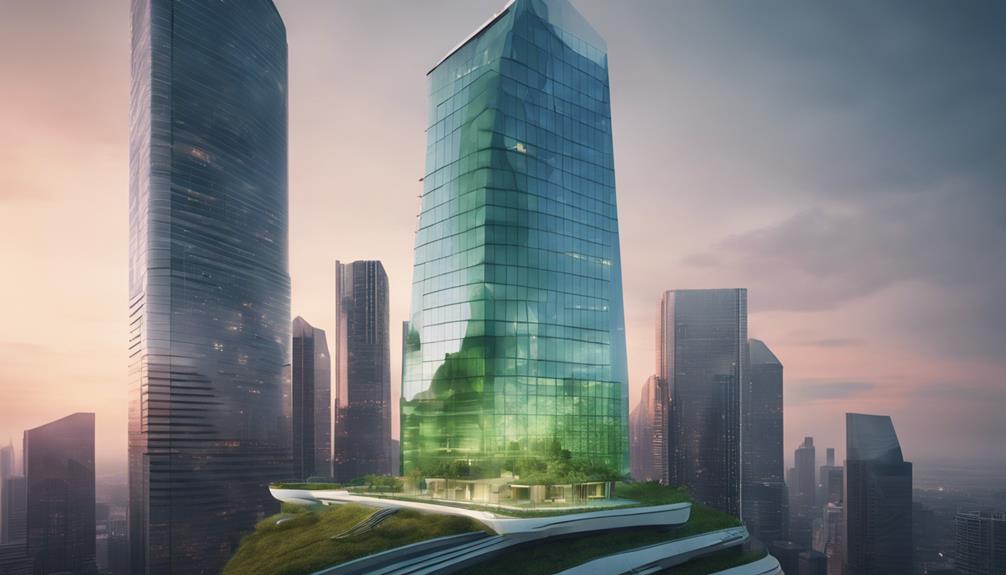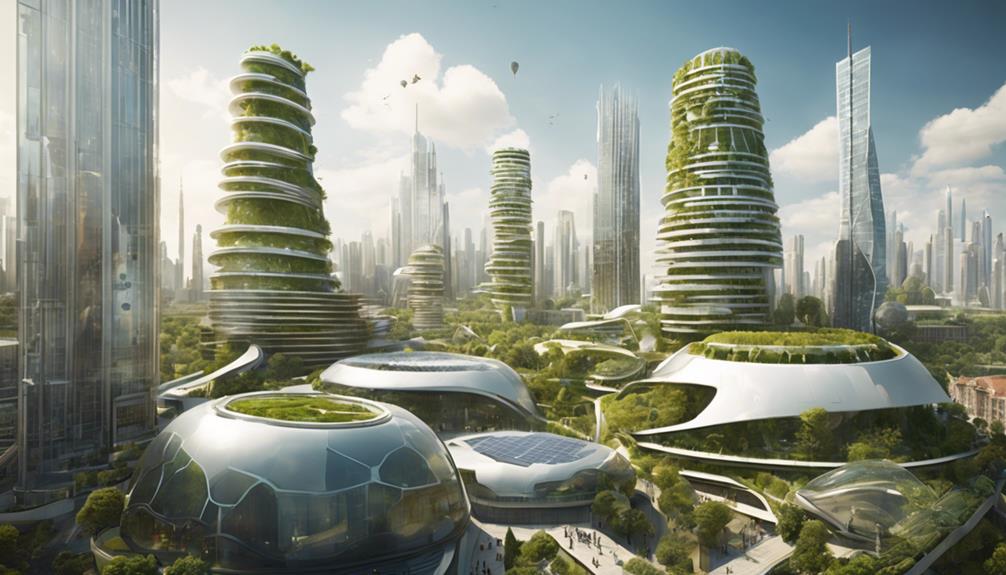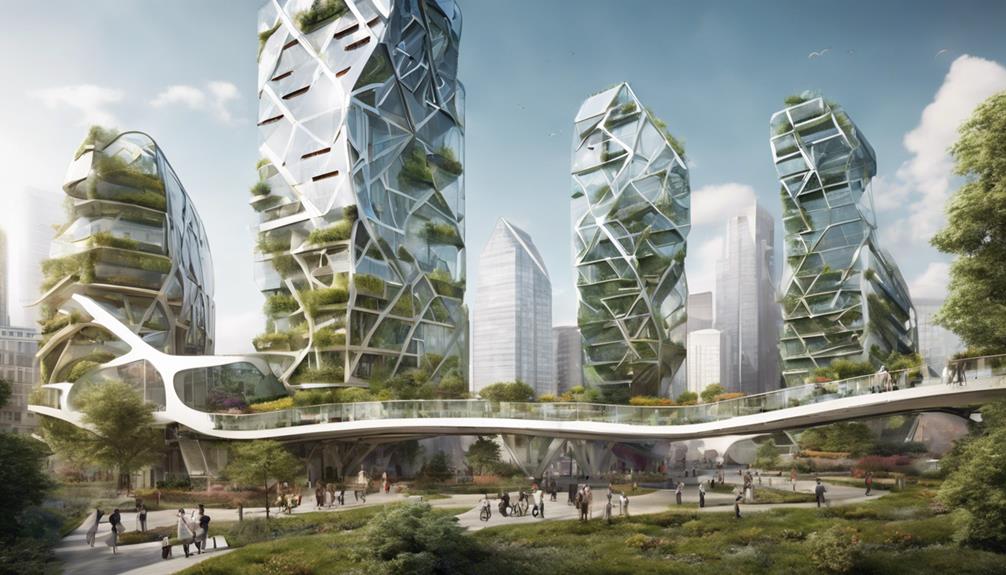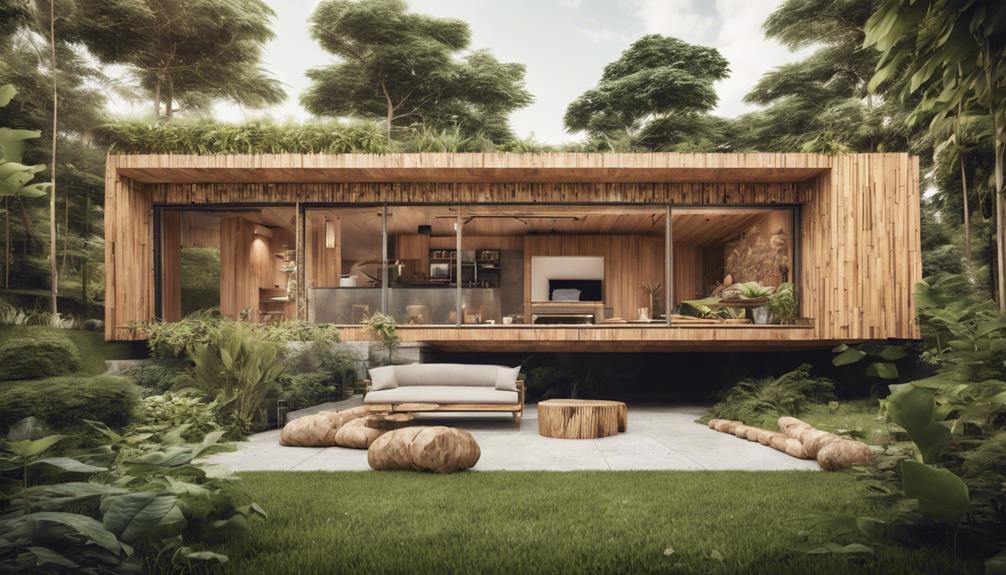
Think you've got a firm grasp on sustainable architecture materials? Test your knowledge with this quiz! You'll discover if you truly know why bamboo is so versatile or the benefits of using cork and recycled steel. Are you aware of how mycelium can enhance building safety or the cost-effectiveness of harnessing rainwater? Whether it's the insulating powers of hempcrete or the energy savings from strategic building orientation, this quiz covers it all. Give it a shot and see if your understanding of eco-friendly materials is as solid as the foundations they support, and uncover even more intriguing facts along the way.
Understanding Green Building Materials
In the realm of sustainable architecture, green building materials are fundamental to minimizing environmental impact. As you dive into the world of environmentally friendly construction, it's crucial to understand the variety of materials that can be used to ensure your project is as green as possible.
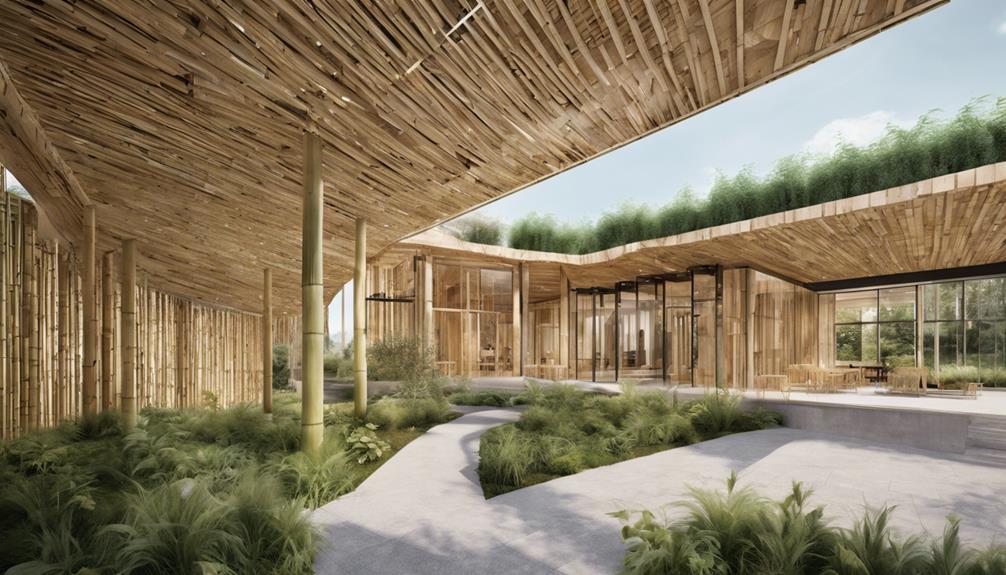
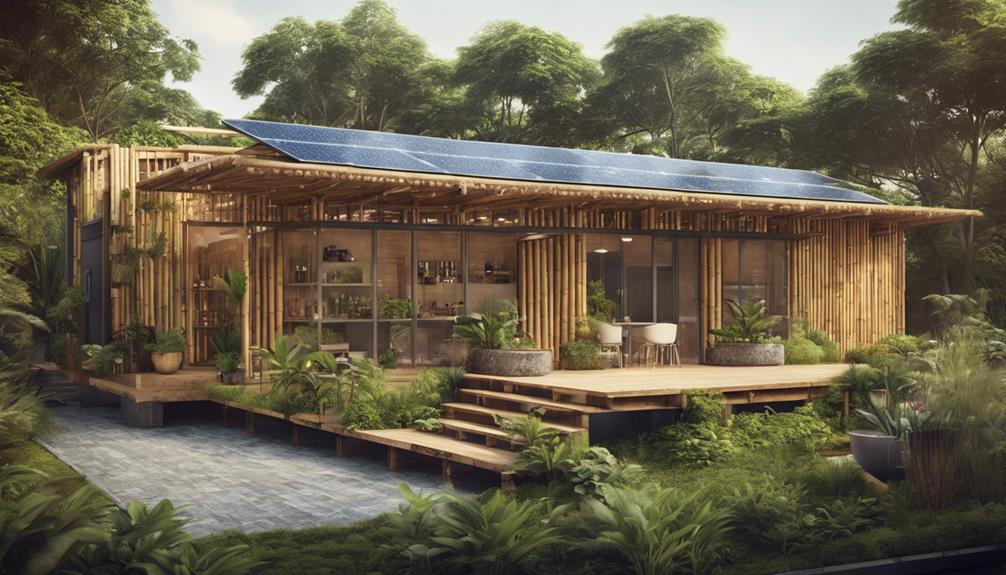
Bamboo stands out due to its rapid growth rate and versatility, making it a top choice for sustainable building. It's not only strong and lightweight but also regenerates quickly without needing replanting, drastically reducing deforestation concerns.
Another essential material is cork, renowned for its sustainability and natural ability to regenerate. Harvesting cork doesn't harm the tree, and its insulating properties can significantly enhance energy efficiency in buildings.
You'll also find that new innovations such as hempcrete are transforming the industry. Made from hemp fibers mixed with lime, this material provides excellent thermal mass and insulation, while being carbon-negative over its lifecycle. It's a game changer for those looking to reduce their carbon footprint.
Choosing the right green materials not only supports the environment but also can lead to long-term savings and improved health benefits by reducing toxins in your living spaces. So, it's worth getting to know these options well.
The Role of Recycled Materials
Exploring the use of recycled materials opens up another significant avenue for sustainable construction. You're not just building structures; you're also stewarding environmental resources responsibly. Recycled materials, from glass and steel to reclaimed wood, reduce the demand on raw resources and cut down on the energy consumed during manufacturing processes.
You might be wondering how effective these materials are in real-world applications. Well, they're often just as durable and reliable as their non-recycled counterparts.
For instance, recycled steel has been a game-changer in reducing the construction industry's carbon footprint. It offers the same structural integrity and versatility as new steel but with a significantly lower environmental impact.
When you opt for recycled materials, you're also supporting the market for recycling industries, which in turn helps reduce waste and pollution. It's a cyclical benefit that promotes a healthier planet.
Moreover, using these materials can often save you money in the long run due to lower raw material costs and potential tax incentives.
Innovations in Biodegradable Resources
Several breakthroughs in biodegradable resources are transforming how we approach environmentally friendly construction. You're seeing a shift towards materials that not only reduce waste but also offer end-of-life solutions that align with nature's cycle. Imagine buildings that can decompose or be fully reintegrated into the environment without leaving harmful residues.
Take mycelium, for example. This material, derived from fungal fibers, grows rapidly and is being molded into insulation panels and structural blocks. It's not only fire-resistant but also provides excellent insulation, making it a game-changer in sustainable building.
You'll also find bioplastics making a splash. Made from natural materials like corn starch, these plastics are used in everything from construction barriers to interior finishes, and they break down much faster than traditional plastics once discarded.
Hempcrete is another star in this lineup. Composed of hemp fibers mixed with lime, it forms a lightweight, insulating material that's also carbon-negative. By using it, you're actively pulling carbon dioxide from the atmosphere, turning your construction project into a carbon sink.
These innovations are just the tip of the iceberg. As you delve deeper into sustainable architecture, you'll discover even more materials that help reduce your footprint while maintaining functionality and aesthetic appeal.
Energy Efficiency Through Design
By focusing on energy-efficient design, you can significantly reduce your building's environmental impact. Imagine aligning your architectural vision with sustainability goals to create spaces that aren't just beautiful but also functionally intelligent and kind to the planet. It's about more than just saving on energy bills; it's about crafting environments that sustain themselves and enhance the quality of life.
Firstly, consider the orientation of your building. Positioning to take full advantage of natural light can decrease the need for artificial lighting. You'll want to think about how the sun moves across your property and utilize strategies like larger south-facing windows to capture maximum light and warmth during cooler months.
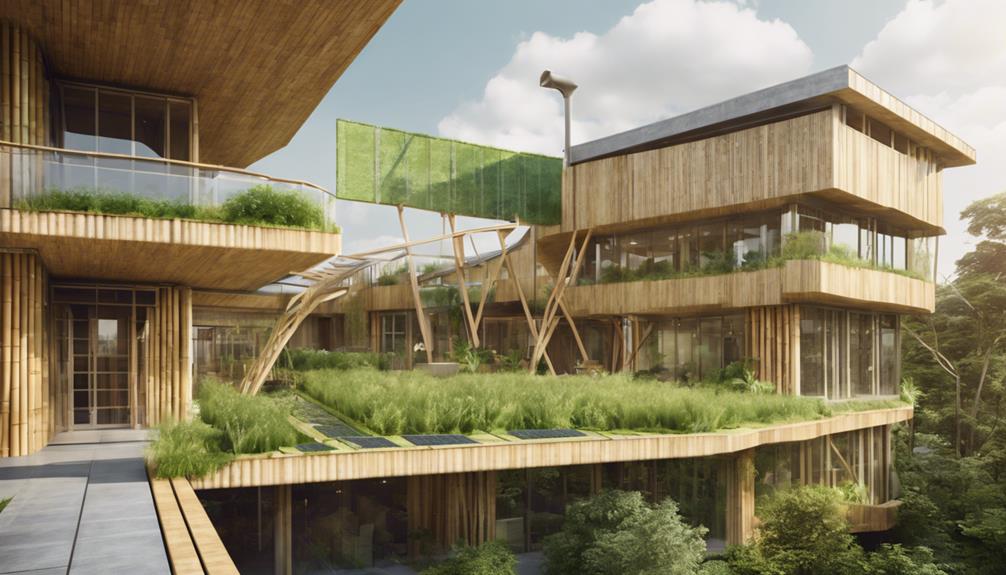
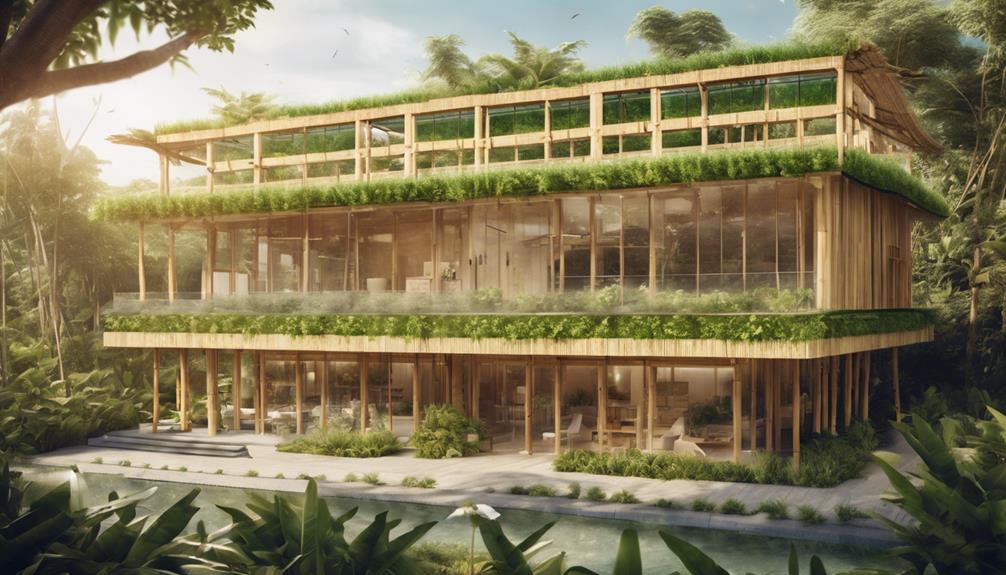
Next, insulation plays a crucial role. High-quality, sustainable materials can keep your building warm in the winter and cool in the summer, slashing energy use dramatically. Green roofs and walls not only add aesthetic value but also act as natural insulators.
Moreover, incorporating smart technology like automated energy systems helps in monitoring and adjusting energy consumption efficiently. These systems can control heating, cooling, and lighting based on occupancy, reducing wastage.
Water Conservation Techniques
Moving on to water conservation techniques, it's crucial to realize that every drop counts in building sustainable environments. You're faced with numerous methods to conserve water, which not only help reduce your utility bills but also support a sustainable planet.
Firstly, consider rainwater harvesting systems. These systems collect rainwater from roofs, which can then be used for gardening or flushing toilets. It's a simple way to reduce dependence on municipal water supplies and manage stormwater runoff effectively.
Next, think about installing low-flow fixtures in your home or office. Low-flow showerheads, faucets, and toilets drastically cut down the amount of water used in daily activities. They're easy to install and can save thousands of gallons of water each year.
You should also explore the use of native plants in your landscaping. Native plants require far less water and maintenance than non-native species, making them an ideal choice for eco-friendly landscaping.
Assessing Lifecycle Impacts
When assessing the lifecycle impacts of materials used in sustainable architecture, you need to consider the entire journey from production to disposal. This includes the extraction of raw materials, the energy used during manufacturing, transportation to the building site, and how it's handled at the end of its life. It's not just about the durability or cost; it's about understanding the full environmental footprint.
You'll find that some materials have a surprisingly high impact initially but prove to be more sustainable over time due to their durability and efficiency. For example, the production of concrete is energy-intensive and emits significant CO2. However, its longevity and thermal mass can offset these initial impacts, especially if sourced locally and used efficiently.
Moreover, consider materials that can be recycled or repurposed. This reduces waste and the demand for virgin resources. Materials like bamboo, reclaimed wood, or recycled steel are excellent choices here. They not only lessen the need for new materials but also decrease the energy consumption and waste associated with new production.
Conclusion
You've explored the essentials of sustainable architecture materials, from green building blocks to groundbreaking biodegradable resources. You've seen how smart design enhances energy efficiency and how innovative techniques can conserve water. Remember, assessing the lifecycle impacts of materials is crucial to truly understanding their sustainability. Keep these insights in mind as you push towards more eco-friendly building practices. Your role in shaping a sustainable future in architecture is more significant than you might think!
Related articles: Why Embrace Cutting-Edge Office Building Designs? · What Are the Latest Office Design Trends? · Fresh Office Building Design Trends for 2023