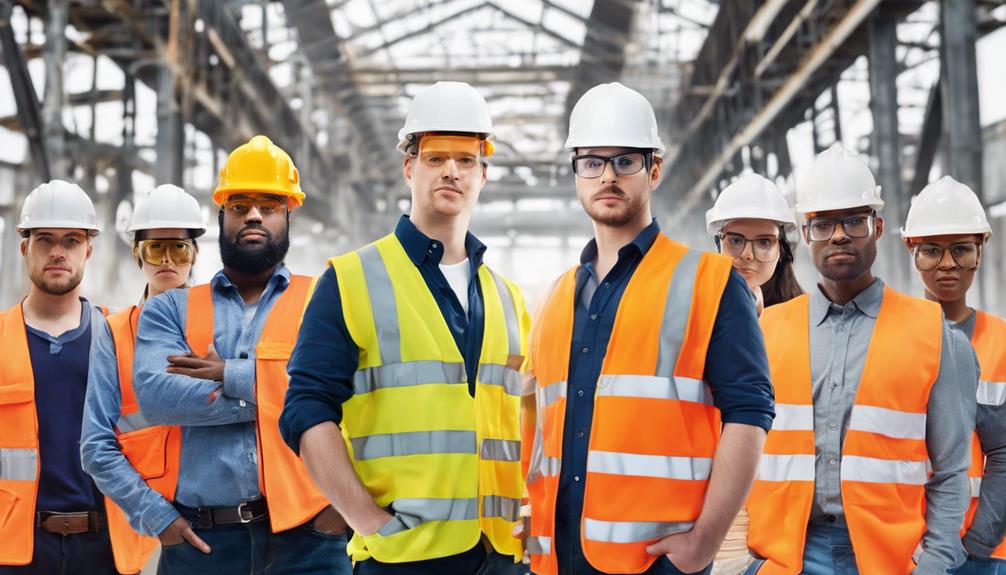
To stay safe on the job, you must become familiar with OSHA standards specific to your role and always use the proper safety gear. Make sure you've got a well-fitting hard hat, safety glasses, and appropriate gloves, and always wear boots that are both slip-resistant and puncture-proof. Don't forget to assess risks for potential falls and set up necessary guards like guardrails or safety nets. Regularly inspect and maintain all equipment and machinery, and manage hazardous materials with care — store them correctly and have a spill containment plan ready. Each step you take enhances your safety, but there's much more you can learn to protect yourself even better.
Understanding OSHA Standards
To ensure your workplace meets safety regulations, it's crucial to understand OSHA standards. These guidelines are designed to protect you from potential hazards on the job.
First, familiarize yourself with the general duty clause. This fundamental aspect of OSHA mandates that your employer must provide a workplace free from recognized hazards that could cause serious harm or death.
You'll also need to know about specific standards relevant to your job. For instance, if you work in construction, there are detailed requirements for fall protection, scaffold safety, and ladder use. Each sector has tailored standards, so identifying the ones applicable to your field is key.
Don't overlook the importance of OSHA's posting requirements. Your employer should display the official OSHA poster in a prominent place, explaining your rights and responsibilities. This includes access to safety records and the ability to request an OSHA inspection if you believe there are violations.
Lastly, take advantage of training sessions. OSHA often requires that employees undergo periodic safety training to remain aware of potential risks and the latest safety practices. Staying informed and proactive about these regulations isn't just a legal obligation; it's a fundamental aspect of ensuring your own safety at work.
Wearing Proper Safety Gear
Understanding OSHA standards sets a solid foundation for workplace safety, and equally important is wearing the proper safety gear. You've got to make sure you're kitted out with the right equipment before stepping onto any job site. This isn't just about following rules; it's about protecting yourself from potential hazards that could cause serious injury or worse.
First off, don't skimp on quality when it comes to your hard hat. It's your first line of defense against falling objects or unexpected impacts. Make sure it fits snugly and isn't cracked or damaged.
You'll also need safety glasses or goggles. Whether you're dealing with flying debris or hazardous liquids, your eyes are vulnerable and need protection.
Don't forget your hearing protection, especially if you're working in areas with constant loud noise. Prolonged exposure without earplugs or earmuffs can lead to permanent hearing loss.
And when it comes to your hands, gloves are a must. Choose a pair that offers the right balance of protection and dexterity, based on the materials you'll be handling.
Lastly, wear the right boots. Slip-resistant and puncture-proof footwear ensures you're stable and safe on varied terrains. Remember, taking these precautions isn't optional; it's essential.
Implementing Fall Protection Measures
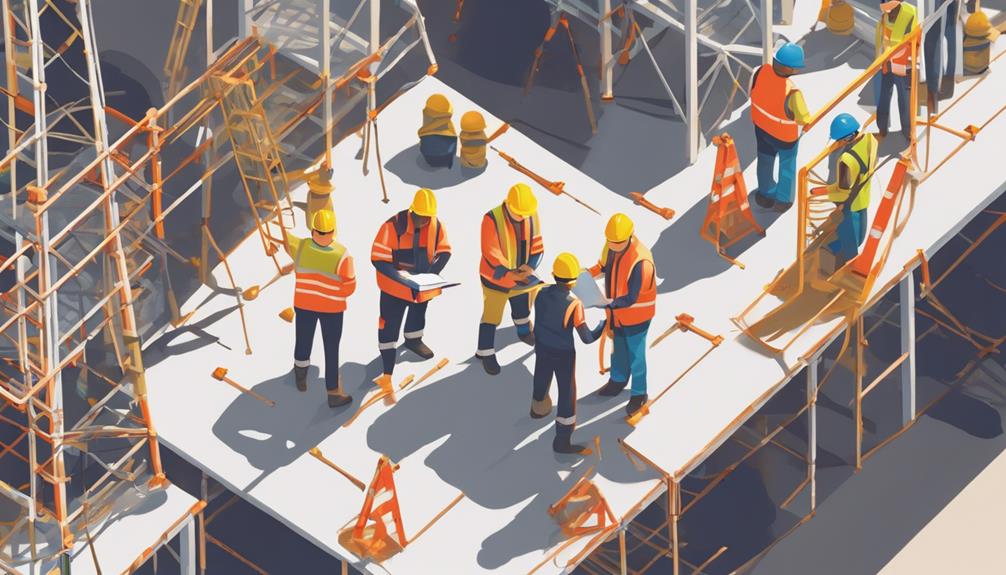
Safety isn't just a priority; it's a necessity, especially when it comes to preventing falls on the job site. Implementing effective fall protection measures is crucial for keeping you and your coworkers safe.
First off, you need to assess the risks. Identify areas where falls could occur and evaluate the hazards present. Are you working on scaffolding, a roof, or near open pits?
Once you've pinpointed these risks, it's time to set up the right systems. Start by installing guardrails and safety nets where feasible. These barriers can significantly reduce the risk of a fall.
But sometimes, barriers aren't enough, or they're impractical. That's when personal fall arrest systems come into play. Make sure you're using full-body harnesses that fit well and are in good condition. Connect them to a robust anchorage point that can support your weight and more.
You've got to train regularly on these systems, too. Don't just put on a harness and think you're set. Learn how to inspect it, wear it, and maintain it properly. Ensure you and your team practice deploying these systems in controlled environments before facing real danger.
Handling Equipment and Machinery
Most job sites require the use of various equipment and machinery, making proper handling essential for maintaining safety. As you operate or work around these powerful tools, it's critical to prioritize your safety and that of your coworkers.
Always start by thoroughly reading the user manuals. Even if you've used similar machinery before, specific models might've unique features or safety precautions.
You should also ensure you're wearing the right protective gear. Don't just grab whatever's handy; the correct gloves, helmets, and eye protection can be the difference between a normal day and a trip to the emergency room.
Remember to inspect your equipment before use. Look for signs of wear or damage that could compromise safety. If something seems off, don't hesitate to report it. It's better to delay a task than to risk an accident.
Lastly, stay aware of your surroundings. This means keeping an eye out for coworkers, staying clear of operating machinery you're not working on, and never bypassing safety barriers. They're there for a reason. By following these guidelines, you'll help ensure that everyone on the site can go home safe at the end of the day.
Managing Hazardous Materials
After tackling equipment and machinery, it's crucial to turn your attention to managing hazardous materials on site. Firstly, you've got to understand what you're dealing with. Always check the Material Safety Data Sheets (MSDS) for each substance. These sheets provide critical information about the chemical properties, hazards, handling, and emergency procedures.
Next, make sure you're storing these materials correctly. Flammable materials need a cool, dry area away from direct sunlight. Corrosive substances should be in non-reactive containers, clearly labeled and separated from each other to prevent accidental mixing. It's not just about safety; it's about preventing costly spills and chemical reactions.
You'll also need the right personal protective equipment (PPE). Depending on the material, this could range from gloves and goggles to more specialized gear like respirators or hazmat suits. Don't skimp on this; your health could depend on it.
Lastly, have a spill containment plan in place. Know where your spill kits are and how to use them. Regularly inspect your storage areas for any signs of leaks or degradation. Stay vigilant and always report any irregularities immediately. Managing these materials isn't just following protocol—it's actively protecting yourself and your coworkers.
Conducting Regular Safety Trainings
To maintain a high level of safety awareness, conducting regular safety trainings is essential. You need to ensure everyone on site not only knows the safety protocols but also understands how to apply them in various situations. Think about it: the more familiar you're with the procedures, the better prepared you'll be when facing actual risks.
Start by scheduling periodic training sessions. Don't just have them annually; consider bi-annual or even quarterly trainings to keep safety fresh in everyone's minds.
You'll want to cover everything from the use of personal protective equipment to the correct way to operate machinery. Each session should also include hands-on practice where possible, because there's no substitute for real-world experience.
It's also crucial to customize your training to fit the specific needs of your site. Not all sites are the same, and the risks can vary greatly. By tailoring your trainings, you're ensuring that they're as relevant and effective as possible.
Lastly, keep track of everyone's training progress and provide updates or refresher courses as needed. This not only helps in maintaining compliance with safety regulations, but it also reinforces the importance of safety on the site. Remember, a well-trained team is a safe team.
Creating Emergency Response Plans
Creating an effective emergency response plan is crucial for ensuring everyone's safety on site. You'll need to identify potential emergencies and develop procedures to tackle them efficiently. Start by assessing risks such as fires, chemical spills, or natural disasters. Once you've pinpointed these risks, you can tailor your plan to address each scenario.
Your plan should include clear escape routes and meeting points, easily accessible to all workers. Make sure these paths are well-marked and unobstructed.
You also need to establish a communication strategy. Who calls for help? How will you alert others on the site? Decide on these roles beforehand and ensure everyone knows their responsibilities.
Include a list of emergency contacts and medical facilities. This list should be accessible to all employees and updated regularly.
Training is another critical component. Regular drills will help everyone remember what to do in an emergency. This practice can make a significant difference in response times and overall safety.
Conclusion
You've got the tools to keep yourself safe at work now. Always stick to OSHA standards and don't skimp on your safety gear. Make sure you're using fall protection and handle equipment with care. Be smart about hazardous materials and keep up with regular safety trainings. Most importantly, have a solid emergency plan in place. Stay alert, stay informed, and you'll not only protect yourself but also set a standard for safety at your workplace.
Related articles: Essential Commercial Construction Safety Guidelines FAQ · What Are OSHA Regulations for Construction? · Understanding OSHA Rules for Commercial Construction