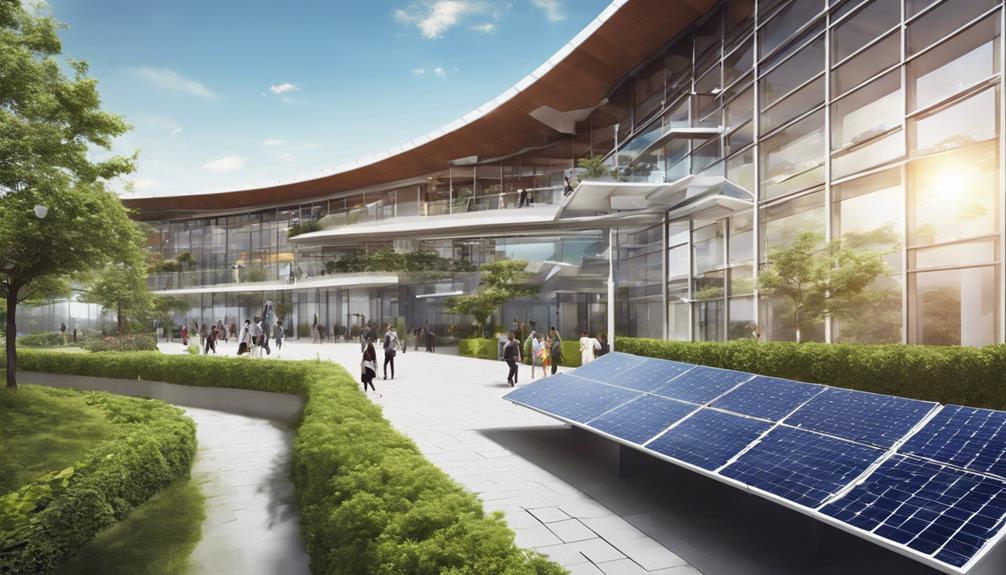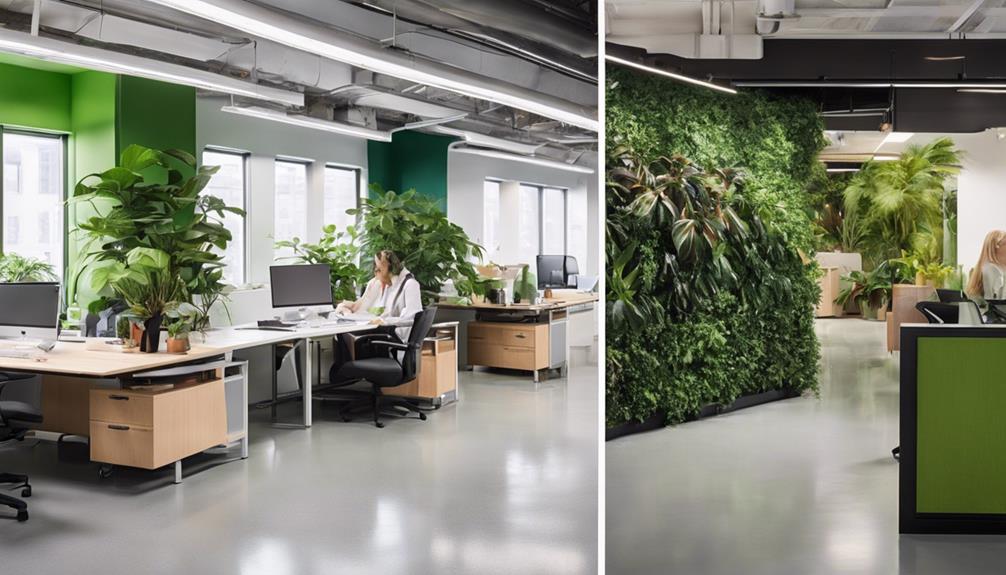
eco friendly office design comparison

Green Office Design Vs Traditional Methods

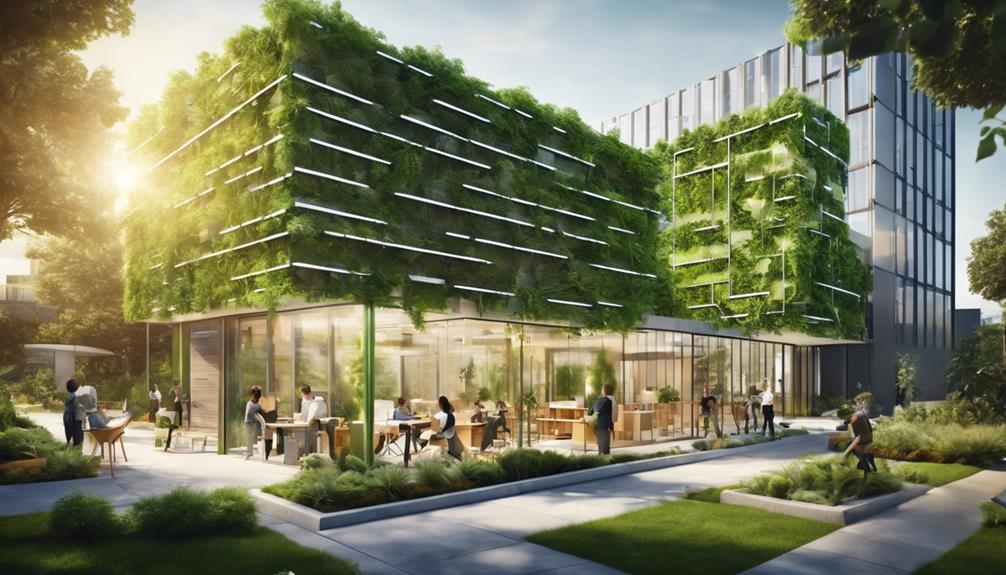
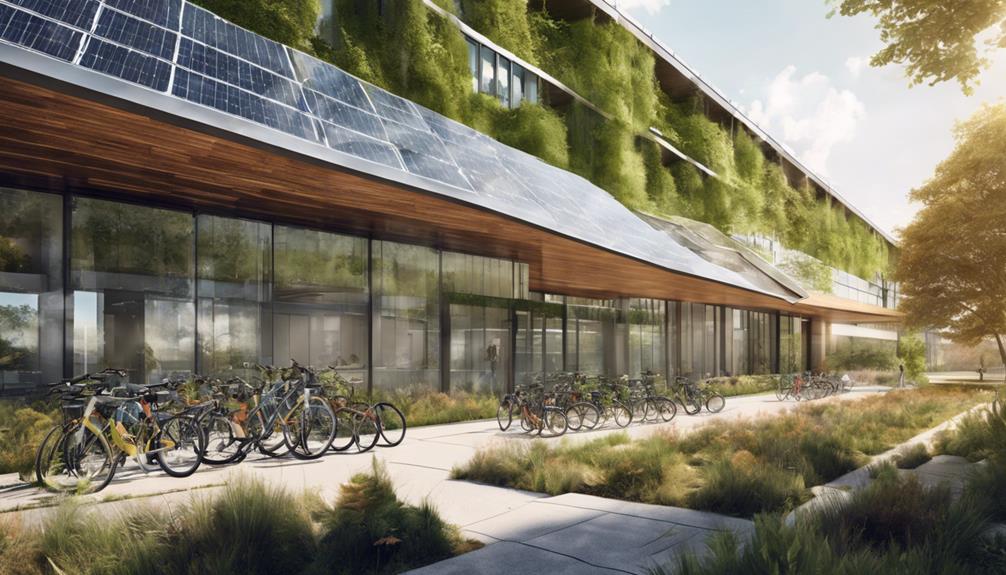
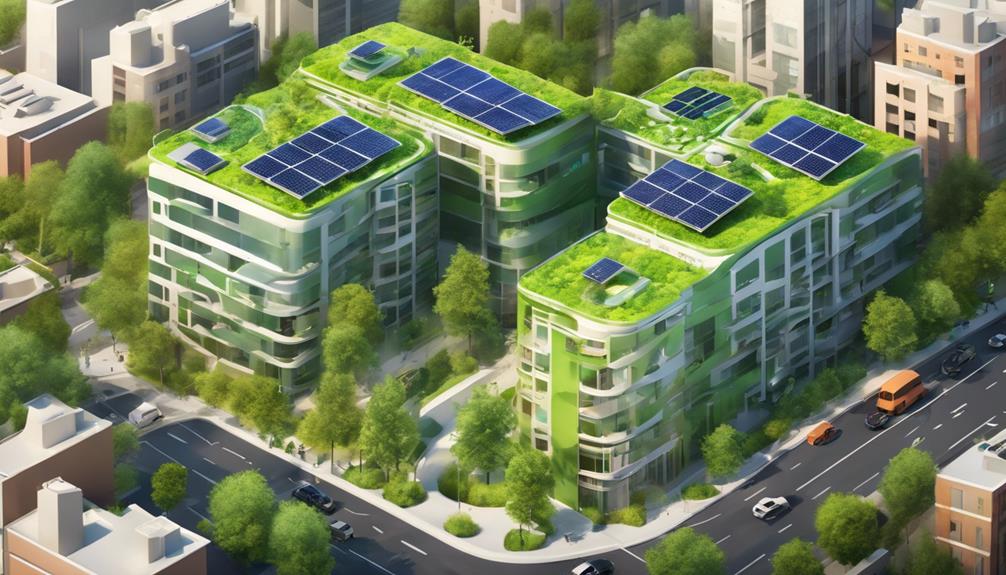
You might wonder whether to stick with traditional office designs or switch to green alternatives. Green office design significantly enhances employee well-being, boosts productivity, and reduces utility costs, while also playing a crucial part in environmental sustainability. Unlike conventional methods, green offices utilize renewable energy sources like solar panels, feature high-quality insulation, and often incorporate elements that promote biodiversity, such as green roofs. Although initially more costly, the long-term savings and potential tax rebates make it a financially sound choice. Understanding these differing approaches could open up new possibilities for your workspace's design and efficiency.

Benefits of Green Office Design

Green office design significantly boosts both employee well-being and environmental sustainability. When you work in a space that prioritizes natural light, clean air, and live plants, you're not just in a building; you're in a rejuvenating environment. These elements have been shown to enhance mood and increase productivity, which means you're likely to feel more satisfied and engaged with your work.

Moreover, operating in a green office doesn't just make you feel better; it actively contributes to a healthier planet. Energy-efficient systems reduce carbon footprints dramatically, ensuring that you're part of the solution, not the problem.

You'll also notice a significant decrease in utility costs, which can be a game-changer for businesses looking to cut expenses without sacrificing quality or employee satisfaction.

Key Elements of Sustainable Architecture

In sustainable architecture, careful planning and innovative design are crucial to creating environmentally friendly buildings. You'll find that choosing the right materials plays a significant role. Opt for locally sourced, renewable, or recycled materials whenever possible. This reduces the carbon footprint associated with transportation and supports local economies.

You should also pay attention to water conservation. Implementing systems like rainwater harvesting and gray water recycling can drastically reduce water usage. These systems not only save water but also decrease the strain on municipal supplies, making your building more self-sufficient and less impactful on local resources.

Biodiversity is another key element. Incorporating green roofs, living walls, and landscaped spaces not only enhances the aesthetic value of your office but also promotes local flora and fauna. These features can improve air quality and provide a natural habitat for wildlife, contributing to biodiversity conservation.

Energy Efficiency in Modern Workspaces

While sustainable architecture focuses on materials and water conservation, achieving energy efficiency in modern workspaces is equally crucial. You'll find that integrating smart technology and innovative design can dramatically reduce your office's energy consumption.

Think about the role of natural lighting; it's not just about installing more windows but placing them strategically to maximize daylight while minimizing glare and heat gain. This reduces your reliance on artificial lighting during the day, cutting down electricity usage significantly.

Consider also the heating, ventilation, and air conditioning (HVAC) systems. Modern, energy-efficient systems are designed to adjust according to real-time occupancy and weather conditions. This means you're only using energy when and where you need it, ensuring that no watt goes to waste.

You should also explore the benefits of renewable energy sources like solar panels. Today's market offers aesthetically pleasing options that can be seamlessly integrated into your building design, contributing to both energy savings and your building's overall sustainability profile.

Lastly, don't overlook the materials you choose. High-quality insulation and energy-efficient windows can have a profound impact on maintaining indoor temperatures and reducing the load on heating and cooling systems. By focusing on these aspects, you're not just cutting costs; you're also creating a more comfortable, sustainable environment for everyone.

Cost Comparison: Green Vs. Traditional

When comparing the costs of green office design to traditional methods, it's crucial to look beyond the initial expenses. You might find that eco-friendly materials and technologies often come with higher price tags upfront. However, consider the long-term savings you're likely to see. Energy-efficient systems and sustainable materials typically lead to reduced utility bills and maintenance costs over time.

Think about the potential for tax incentives and rebates for implementing green technologies. Many governments and local authorities offer financial benefits to encourage eco-friendly building practices, which can offset your initial investment. You're not just spending money; you're investing in a cost-effective future.

Additionally, green buildings tend to have higher property values. The market is increasingly favoring sustainable designs, with more tenants and buyers looking for environmentally friendly properties. This trend means that you could benefit from higher resale values and occupancy rates, compared to traditional designs.

Case Studies of Eco-Friendly Offices

To understand the practical application of green office designs, let's examine a few successful case studies.

You'll find the Pixel Building in Australia fascinating. It's renowned for its zero-carbon status, achieved through integrated solar panels and a unique facade that maximizes natural light while minimizing heat gain. The building utilizes a rainwater collection system that reduces water usage significantly.

In the US, the Bullitt Center in Seattle stands as a prime example of sustainable construction. Its design surpasses the traditional setup by using a solar roof capable of generating 60% more energy than it consumes annually. They've also installed a composting toilet system, drastically reducing water waste.

Across the Atlantic in London, the Edge is often touted as the "smartest building in the world." It's equipped with an Ethernet-powered LED lighting system, which cuts energy costs and carbon footprint. Additionally, the building's extensive use of glass maximizes natural light, reducing the need for artificial lighting during the day.

These examples highlight how innovative practices in green design not only save on operational costs but also create healthier, more sustainable work environments. You can see how these ideas might influence your approach to office design.

Future Trends in Office Construction

Building on these innovative examples of eco-friendly office designs, the future of office construction appears poised for significant evolution. You'll find that sustainability is set to become not just an option, but a standard. As you move forward, expect to see materials that not only reduce environmental impact but enhance building functionality.

Technologies like self-healing concrete and pollution-absorbing bricks are likely to become commonplace.

You're also going to witness a rise in smart buildings that leverage IoT technology to optimize energy use and improve indoor environmental quality. Imagine walking into an office that adjusts lighting, temperature, and even humidity based on real-time occupancy and weather conditions. This isn't just about comfort; it's a strategy aimed at drastically cutting down energy consumption.

Moreover, the integration of green spaces within office layouts is expected to surge. This isn't merely for aesthetics. Research shows that natural elements in work environments significantly boost productivity and well-being. So, you're not just working in an office; you're part of a living ecosystem.

Prepare yourself. The future of office construction isn't just changing; it's transforming in ways that prioritize the planet and its people. This shift will redefine what it means to go to work.

Conclusion

You've seen how green office design not only benefits the environment but also enhances your workspace. By embracing sustainable architecture and energy-efficient practices, you're not just cutting costs; you're investing in the future. The case studies highlight the tangible benefits and potential of eco-friendly offices. As trends evolve, consider how you can incorporate these elements into your own office. The shift towards greener buildings is not just a trend—it's a smart business strategy.

Related articles: 7 Best Ways to Save on Sustainable Construction
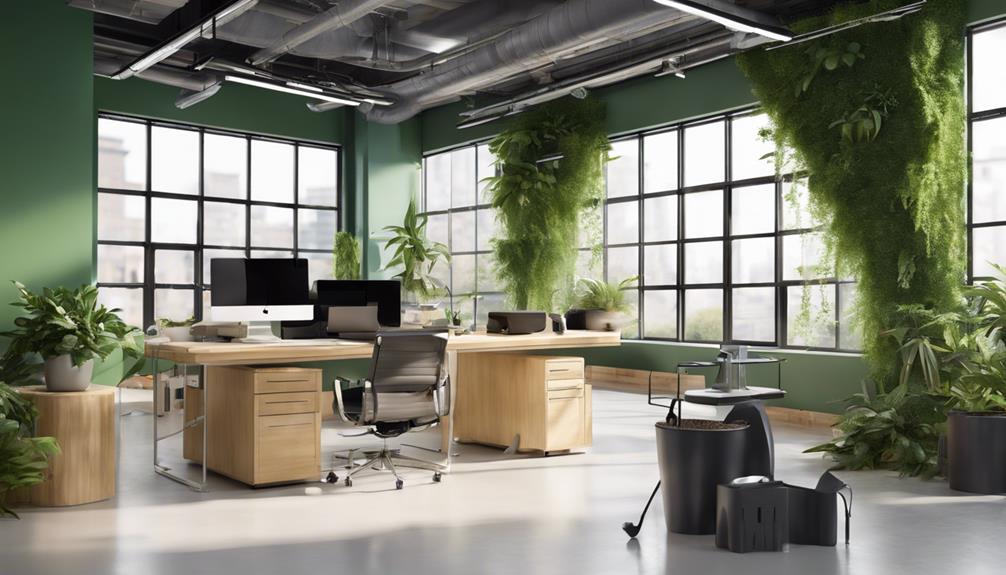
eco friendly office design tips

What Are Expert Tips for Eco-Friendly Office Design?

To create an eco-friendly office, start by maximizing natural light and opting for energy-efficient HVAC systems to cut down on your energy use. You'll want to use sustainable materials and consider a green roof, which not only lowers heating costs but also benefits the environment. Implementing smart building technology can further enhance energy management, and improving indoor air quality boosts overall well-being. Don't forget to adopt water conservation measures like low-flow fixtures and integrate elements of biophilic design to reduce stress. Also, pushing for recycling initiatives and reducing paper usage are great ways to minimize waste. Each step not only contributes to a healthier planet but also promotes a more productive workplace environment.

Utilizing Natural Light

Why not harness the power of the sun to brighten your office space? Integrating natural light into your office design isn't just about cutting down on electric bills—it's about enhancing your work environment and boosting productivity. When you let sunlight flood your workspace, you're tapping into a free resource that naturally elevates mood and energy levels among your team.

Start by assessing how much natural light enters your office. You might find that current window placements or treatments aren't doing you any favors. Consider larger windows or skylights to maximize sunlight exposure.

But don't worry if structural changes aren't an option; simple adjustments to your layout can make a big difference. Position workstations near windows and use transparent or semi-transparent window treatments to allow more light without sacrificing privacy.

Reflective surfaces can also play a key role. Installing light-colored flooring, walls, and ceilings helps bounce sunlight deeper into your office space. Mirrors strategically placed near light sources amplify the effect.

It's not just about saving energy; it's about creating a workspace that feels open, airy, and welcoming. So, take advantage of natural light and watch as it transforms your office into a more productive and pleasant environment.

Energy-Efficient HVAC Systems

Shifting focus to the core of your building's energy consumption, consider upgrading to an energy-efficient HVAC system. These systems are pivotal in reducing energy usage while maintaining comfort. You'll find that modern HVAC systems are designed to optimize airflow and temperature, ensuring that every kilowatt is used effectively.

Start by assessing your current system's efficiency. If it's outdated, you're likely using more energy than necessary. Look for models with a high Seasonal Energy Efficiency Ratio (SEER) and Energy Star certifications. These units operate at higher efficiencies, which can significantly lower your power bills.

Moreover, think about installing programmable thermostats. They allow you to control the temperature based on occupancy schedules, reducing energy waste during off-hours. You can also integrate these with smart office systems for even better energy management.

Don't overlook maintenance. Regular checks and servicing can prevent efficiency losses over time. Ensure filters are changed, and ducts are inspected to keep everything running smoothly.

Sustainable Building Materials

After considering your HVAC system's efficiency, another impactful step in eco-friendly office design involves selecting sustainable building materials. You'll want to focus on resources that reduce environmental impact without compromising quality.

Start by choosing materials with high recycled content. Products like recycled steel, glass, and reclaimed wood not only decrease the demand on natural resources but also reduce the waste heading to landfills. You're not just building an office; you're part of a larger movement towards sustainability.

Consider the sourcing of your materials. Local is the way to go! It reduces transportation emissions and supports your local economy.

Materials like bamboo and cork aren't only sustainable but also durable and aesthetically pleasing. They provide a fresh, modern look while keeping your office's carbon footprint low.

Don't overlook the importance of low-VOC (Volatile Organic Compounds) products. These materials minimize the release of harmful chemicals into the air, ensuring better air quality for your workspace. This is crucial not only for the planet but for your health and the health of your employees.

Green Roofing Options

Many businesses are now embracing green roofing options as a smart and sustainable choice for their buildings. You'll find that integrating vegetation atop your office not only reduces heating and cooling costs but also extends the roof's lifespan. Opt for a green roof system, which involves layers of vegetation, soil, drainage, and waterproofing. This setup acts as natural insulation, keeping your office cooler in summer and warmer in winter.

You might consider two main types of green roofs: extensive and intensive. Extensive roofs are lightweight, require minimal maintenance, and are perfect for large areas not frequently accessed. They're typically home to mosses, sedums, and grasses.

On the other hand, intensive roofs are heavier, can support a wider variety of plants, and are designed to be accessible gardens. They need more structural support and maintenance but are ideal if you're aiming to create a recreational space for employees.

Furthermore, green roofs can significantly reduce stormwater runoff, decreasing the burden on urban sewage systems. They also filter pollutants and carbon dioxide out of the air, contributing to a cleaner environment around your building. By choosing a green roof, you're not only investing in your company's sustainability but also enhancing the local ecosystem.

Smart Building Technology

Nearly all modern offices can benefit significantly from the integration of smart building technology. By adopting systems that automate and optimize energy use, you're not only reducing your carbon footprint but also cutting down on operational costs.

For instance, smart sensors can adjust lighting and heating based on occupancy and ambient light levels, ensuring that energy isn't wasted.

You'll find that smart thermostats are crucial in managing the office's heating and cooling systems efficiently. These devices learn your office's usage patterns and make adjustments to the environment accordingly, which means you're using energy only when and where it's needed.

Moreover, integrating smart meters provides you with real-time data about your energy consumption. This visibility allows you to identify peak usage times and areas of excessive use. Armed with this information, you can implement targeted measures to further enhance energy efficiency.

Investing in smart building technology not only aligns with eco-friendly practices but also fosters a more adaptable and responsive office environment. As you move forward, consider how each smart device will contribute to your overall sustainability goals, ensuring they're aligned with the needs of your business and the well-being of our planet.

Indoor Air Quality Improvement

Beyond optimizing energy efficiency through smart building technology, improving indoor air quality is another vital step towards creating a sustainable, healthy office environment. You'll find that boosting air quality not only enhances employee well-being but also increases productivity.

Start by considering the materials you bring into your office. Opt for low-VOC (volatile organic compounds) products, from paints to furniture, to minimize off-gassing harmful chemicals. You'd be surprised how much these changes can freshen your air.

Don't underestimate the power of live plants. They naturally filter toxins and boost oxygen levels. Placing a few well-chosen green friends around your workspace can make a significant difference. However, ensure they're suited for indoor environments to avoid mold growth.

Good ventilation is crucial. If possible, integrate a system that allows for regular influx of fresh outdoor air and efficient expulsion of stale indoor air. Advanced HVAC systems with HEPA filters can trap airborne contaminants, providing a cleaner breathing space.

Lastly, maintain regular cleaning schedules using eco-friendly products. Dust and debris can accumulate, worsening air quality if not addressed. A clean office is a healthier, more inviting space. Stick to these practices, and you'll notice a marked improvement in your office's air environment.

Water Conservation Strategies

In light of the need for sustainable practices, adopting water conservation strategies in your office can lead to significant environmental and economic benefits. You'll not only reduce your utility bills but also minimize your ecological footprint.

Start by installing low-flow faucets and toilets in your restrooms. These fixtures use significantly less water than standard models, making them a smart choice for both new and renovated office spaces.

Consider upgrading to water-efficient appliances like dishwashers and coffee makers. Look for products labeled with the EPA's WaterSense label, ensuring they meet efficiency and performance criteria.

It's also wise to check for leaks regularly. A small drip from a leaking faucet can waste a surprising amount of water over time, so fixing leaks promptly can save a lot of water.

Encourage your staff to adopt water-saving habits, such as turning off the tap while washing hands or only running the dishwasher when it's full. You can also implement a system to collect rainwater for landscaping needs, reducing your reliance on municipal water systems.

Incorporating Biophilic Design

Transitioning to the topic of incorporating biophilic design, you'll find that integrating nature into your office layout not only enhances aesthetics but also boosts employee well-being and productivity. This approach connects your workspace to the natural world, a vital move for mental health and creative drive.

Start by adding plants. They're not just pretty; they improve air quality and reduce stress. Position them around seating areas and desks, or use larger plants as natural room dividers.

Natural light is another key element. Maximize windows to illuminate your space with daylight, reducing the need for artificial lighting and helping regulate circadian rhythms.

You can also incorporate materials that evoke nature. Think wooden desks, stone countertops, or wicker baskets. These textures create a calming, earthy feel and can remind you of the outdoors.

Don't overlook the power of color. Greens, blues, and browns can mirror the natural environment, enhancing the biophilic effect.

Waste Reduction Practices

Shifting focus to waste reduction practices, you'll significantly lower your office's environmental impact. Start by implementing a robust recycling program. Educate your team on what can be recycled and provide clearly labeled bins throughout the office. This simple step cuts down on waste and promotes a culture of sustainability.

Next, minimize single-use items. Encourage employees to use reusable cups, plates, and utensils. Invest in a water filtration system to reduce bottled water usage. These changes might seem small, but they add up over time, creating substantial environmental benefits.

Consider digital alternatives to reduce paper use. Transition to digital filing systems and encourage double-sided printing to halve paper consumption when printing is necessary. Also, opt for email receipts and digital invoices to further cut down on paper waste.

Conclusion

You've explored transforming your office into a green sanctuary, so why not take the final step? Embrace natural light, invest in energy-efficient systems, and choose sustainable materials. Consider a green roof and smart technology to enhance efficiency. Don't overlook the air you breathe; improve it. Save water and integrate nature through biophilic design. Lastly, minimize waste. By adopting these practices, you're not just designing an office; you're crafting a sustainable future. Make your office a model for eco-friendly innovation.

Related articles: Green Office Design Vs Traditional Methods

sustainable office design benefits

Why Choose Eco-Friendly Office Building Designs?

Choosing eco-friendly office building designs significantly reduces your carbon footprint and saves you money in the long run. You'll use durable materials like reclaimed wood and bamboo, which require less maintenance, while improving indoor air quality through better natural lighting and air flow. Energy efficiency gets a boost from LED lighting and optimized HVAC systems, and water conservation is enhanced with low-flow fixtures and smart landscaping. Additionally, integrating solar power can lower electricity costs and even generate revenue by selling excess energy back to the grid. These sustainable practices ultimately enhance your building's market value and reputation. Curious about the specifics? There's plenty more to uncover about the advantages and implementation of green building standards.

Benefits of Sustainable Materials

Sustainable materials not only reduce your carbon footprint but also save you money in the long run. When you're designing your office building, opting for resources like reclaimed wood, recycled steel, or bamboo can make a significant difference. These materials aren't only eco-friendly but are often more durable and require less maintenance than traditional options. That means you'll spend less on upkeep as the years go by.

Consider the impact on your workplace environment too. Materials like natural linoleum or low-VOC paints improve indoor air quality, making your office a healthier space for everyone. This can lead to fewer sick days and higher productivity, which directly benefits your bottom line.

Moreover, using sustainable materials can boost your brand's image. Today's consumers are increasingly drawn to companies with strong environmental credentials. By showcasing your commitment to sustainability right in the fabric of your building, you're likely to attract like-minded clients and employees, enhancing your business's reputation.

Energy Efficiency Strategies

Turning your focus towards energy efficiency strategies can dramatically reduce your office's operational costs. You'll not only save money but also enhance your brand's reputation as a leader in sustainability.

Start by upgrading to LED lighting, which uses significantly less energy than traditional bulbs and lasts longer. Consider motion sensors or timers for lights in less frequented areas to cut down on wasted electricity.

Next, optimize your heating, ventilation, and air conditioning (HVAC) systems. Investing in a smart thermostat allows you to control temperatures more accurately and ensure you're not heating or cooling empty spaces unnecessarily. Regular maintenance of your HVAC system also prevents inefficiencies and prolongs its lifespan.

You should also think about your office's insulation and windows. Proper insulation keeps heat from escaping during the winter and keeps cool air in during the summer, reducing the need for constant HVAC use. Upgrading to double-pane windows can help achieve the same effect.

Lastly, encourage your employees to power down their equipment when not in use. Computers, printers, and other devices can consume a lot of power even in standby mode. Implementing these strategies won't just cut costs; they'll make your office a beacon of energy efficiency.

Water Conservation Techniques

Moving beyond energy, it's crucial to focus on water conservation techniques in your office. You can start by installing low-flow fixtures in your restrooms and kitchens. These fixtures reduce water use without compromising functionality, allowing you to save significant amounts of water every day.

Consider also implementing a greywater system, which reuses water from sinks and showers for toilet flushing and landscape irrigation. This system doesn't just cut down your water consumption but also reduces the load on municipal water treatment facilities.

You'll also want to address leaks promptly. A small drip mightn't seem like much, but over time, it can waste gallons of water. Regular maintenance checks can help you catch and repair leaks before they escalate.

Moreover, investing in water-efficient landscaping is another effective strategy. Opt for native plants that require less water, and consider drip irrigation systems that deliver water directly to the roots, minimizing waste.

Lastly, educate your employees about the importance of water conservation. Encourage practices such as turning off taps when not in use and reporting leaks. Your team's awareness and proactive behavior are key in making your office more sustainable.

Indoor Environmental Quality

Beyond water and energy conservation, improving indoor environmental quality (IEQ) is essential for a healthier, more productive workplace. You'll notice that eco-friendly offices prioritize elements like natural lighting and improved air quality, both of which significantly enhance your day-to-day office experience.

By incorporating large windows and skylights, you're not just saving on lighting costs but also boosting your vitamin D levels and maintaining your natural circadian rhythms, leading to better overall health and alertness.

Ventilation systems in green buildings are specifically designed to increase the flow of fresh air and reduce pollutants. These systems use filters and materials that minimize the presence of VOCs (Volatile Organic Compounds) and other harmful chemicals commonly found in traditional building materials.

By breathing cleaner air, you're less likely to suffer from headaches, allergies, and respiratory issues, which often plague office environments.

Furthermore, eco-friendly building designs often incorporate materials that are low in toxins and sustainable, contributing not only to the planet's health but also to yours. When you work in an environment that cares about the air you breathe and the light you receive, you're set up for greater personal productivity and well-being.

This proactive approach to design fosters a workspace where you can thrive.

Green Roofing Solutions

While improving indoor environmental quality is crucial, adopting green roofing solutions can significantly enhance your building's sustainability. If you're exploring eco-friendly options, consider the myriad benefits green roofs offer. They're not just aesthetically pleasing; they provide substantial environmental and economic advantages.

Green roofs, consisting of vegetation and a growing medium planted over a waterproofing membrane, reduce heat absorption. This natural insulation means you'll rely less on air conditioning, cutting down your energy costs dramatically.

Moreover, they absorb and filter rainwater, reducing runoff and decreasing the burden on urban sewage systems during heavy downpours.

But it's not all about cost savings and temperature control. Green roofs also extend the lifespan of roofing materials by protecting them from UV radiation and extreme temperature fluctuations. Typically, a conventional roof might last 20 years, but a green roof can double that lifespan, ensuring you don't have to replace roofing materials as frequently.

Additionally, these roofs can improve air quality and offer a habitat for wildlife, promoting biodiversity in urban areas. By choosing green roofing, you're not only investing in your building's future but also contributing to a healthier urban environment. Consider this option to make a long-term, sustainable impact.

Solar Power Integration

Integrating solar power into your office building design isn't just a step towards sustainability; it's a smart financial move. By harnessing the sun's energy, you're not only reducing your carbon footprint but also cutting down on electricity costs. Solar panels now offer high efficiency and longer lifespans, making them a viable option even in less sunny climates.

Imagine your building generating its own power during peak daylight hours. Excess energy can often be sold back to the grid, turning your office into a mini power station. Over time, the initial investment in solar technology pays off, and the savings can be substantial. You're looking at reduced operational costs which can free up budget for other initiatives or improvements within your organization.

Moreover, solar installations can significantly boost your building's market value. Prospective tenants are increasingly drawn to environmentally responsible properties, and solar power is a tangible demonstration of your commitment to green practices.

Waste Reduction Practices

Shifting focus to waste reduction practices is essential for your eco-friendly office building design. By minimizing waste, you're not only helping the environment but also enhancing the sustainability of your workplace. Start by implementing comprehensive recycling programs. Ensure you have clearly marked bins throughout the building—this makes it easy for everyone to separate paper, plastics, and metals.

You should also consider composting if your office generates organic waste. Setting up a compost bin can dramatically reduce the amount of waste heading to landfills and provide excellent material for local gardening projects or green spaces around your office.

It's crucial to rethink your purchasing decisions too. Opt for products with minimal packaging, or better yet, choose bulk items. Encouraging suppliers to take back packaging for reuse can significantly cut down waste.

Lastly, digitalize documents to reduce paper usage. Cloud-based tools not only decrease paper waste but also improve efficiency and accessibility. Remember, reducing waste isn't just about disposal—it's about making smart choices at every step of your office operations. By adopting these practices, you'll create a cleaner, more sustainable environment that aligns with your eco-friendly ethos.

Financial Incentives and ROI

Now, let's explore the financial incentives and potential return on investment (ROI) from implementing eco-friendly designs in your office building. You'll find that investing in sustainable practices not only boosts your reputation but also significantly reduces your operational costs.

For starters, energy-efficient systems such as LED lighting and smart thermostats can slash your energy bills considerably. Moreover, many governments offer tax credits, rebates, and grants for buildings incorporating green technologies, which can offset initial setup costs.

You'll also discover that eco-friendly buildings tend to have higher occupancy rates and can command premium rents. Tenants are increasingly drawn to environmentally responsible spaces, viewing them as healthier and more cost-effective in the long run. This preference boosts your building's marketability, ensuring it remains competitive.

Additionally, properties with green certifications like LEED often experience an increase in value, making them more attractive to potential buyers and investors.

Conclusion

You've seen how eco-friendly office building designs can revolutionize your workspace. By embracing sustainable materials, energy-efficient strategies, and water conservation techniques, you're not just helping the planet—you're setting up for significant savings. Think about the enhanced indoor quality and innovative solutions like green roofing and solar power. Don't forget, the financial incentives and attractive ROI make it a smart choice. It's time to take action, reduce waste, and make your office environmentally responsible!

Related articles: What Are Expert Tips for Eco-Friendly Office Design?

green office building ideas

5 Eco-Friendly Tips for Office Building Design

To make your office building environmentally friendly, start by using large windows and light-colored interiors to maximize natural light, reducing your need for artificial lighting and cutting down on energy costs. Opt for a green roof system; it not only absorbs rainwater but also reduces heat absorption, helping to stabilize indoor temperatures. Choose energy-efficient HVAC systems with high SEER ratings and incorporate renewable energy sources to further decrease energy use. Use sustainable materials like recycled steel or bamboo and install water-conserving fixtures like low-flow toilets. These smart choices aren't just good for the planet; they'll also lower your operating costs. There's much more you'll discover about optimizing each aspect effectively.

Utilizing Natural Light

Maximizing natural light in your office design not only reduces energy consumption but also boosts employee well-being. By incorporating large, strategically placed windows, you're inviting the sun's natural warmth and illumination into your workspace, which cuts down on artificial lighting needs during the day. This not only lowers your utility bills but also helps in reducing your carbon footprint.

You should consider the orientation of your building. South-facing windows can capture the maximum amount of sunlight during the winter months, reducing the need for heating. But, remember to incorporate adjustable shading solutions to manage glare and heat gain, especially in the summer.

Using light-colored interiors, including walls, ceilings, and floors, can help reflect and diffuse the natural light, brightening up spaces more effectively and evenly.

Moreover, integrating skylights or light tubes can enhance light penetration, particularly in central areas of larger offices where exterior windows can't reach. This ensures that natural light permeates throughout the space, potentially improving mood and productivity.

Green Roofing Solutions

Green roofing solutions offer a sustainable way to enhance your office building's environmental footprint. By installing a green roof, you're not just adding a layer of insulation; you're creating a mini ecosystem that can absorb rainwater, reduce heat absorption, and lower urban air temperatures. Plus, they're visually appealing and can provide a tranquil space for employees to enjoy, boosting morale and productivity.

You might wonder how you can implement this in your existing or new office structure. It starts with choosing the right type of green roof—extensive, intensive, or semi-intensive. Extensive roofs are lightweight, require minimal maintenance, and are best for large areas where accessibility is limited.

Intensive roofs, on the other hand, can support a wider variety of plants but require more maintenance and a stronger structure due to their heavier weight.

To get started, you'll need a waterproof membrane and a root barrier to protect your building. Over that, a drainage layer is essential to prevent water accumulation that could cause structural damage. Finally, the growing medium and vegetation layer are applied. Don't forget to consult with a structural engineer to ensure your roof can support the extra load.

Incorporating green roofs isn't just a trend; it's a smart, long-term investment for your business's sustainability goals.

Energy-Efficient HVAC Systems

Nearly every office building relies on heating, ventilation, and air conditioning (HVAC) systems to maintain a comfortable working environment. To ensure you're maximizing efficiency while minimizing environmental impact, you should consider several key strategies.

Firstly, opt for HVAC systems with high Seasonal Energy Efficiency Ratios (SEER) and Energy Efficiency Ratios (EER). These systems use less energy to provide the same level of comfort as their less efficient counterparts, saving you money and reducing your carbon footprint.

You'll also want to look into systems that incorporate renewable energy sources like solar power, which can drastically cut down on fossil fuel use.

Installing programmable thermostats is another smart move. These allow you to automatically adjust the temperature based on the time of day and whether the building is occupied. It's a simple way to avoid wasting energy heating or cooling an empty office.

Regular maintenance is crucial as well. Ensure your HVAC system's filters are replaced regularly, and have the entire system checked at least once a year. This prevents minor issues from developing into major problems and helps the system operate at peak efficiency.

Sustainable Building Materials

Transitioning to sustainable building materials is crucial when designing eco-friendly office spaces. You'll find that using resources like bamboo, recycled steel, or reclaimed wood not only reduces environmental impact but also enhances the aesthetic appeal of your workspace. These materials are renewable, have lower carbon footprints, and can significantly decrease the overall energy consumption of your building.

When you choose materials like cork or linoleum for flooring, you're opting for products that are durable and made from renewable sources. Both options offer a variety of designs that can brighten and modernize any office environment while being kind to the planet. Additionally, they're easy to maintain, which will save you time and money in the long run.

Don't forget about insulation—choosing high-quality, eco-friendly options like sheep's wool or recycled denim helps to keep energy costs down by maintaining a consistent indoor temperature. This move not only supports sustainability but also improves the comfort of your office space.

Lastly, when you're selecting paints, go for those with low or no volatile organic compounds (VOCs). These products help maintain indoor air quality, ensuring a healthier environment for everyone in the building. By making these choices, you're not just building an office; you're investing in the future of our planet.

Water Conservation Techniques

Effective water conservation techniques are essential when designing an eco-friendly office building. You'll find that incorporating these strategies not only reduces your building's environmental footprint but can also significantly lower water bills.

Start by choosing fixtures that are designed to minimize water use. Install low-flow toilets and urinals, along with automatic faucets that reduce waste by shutting off automatically. You'd be surprised how much water you can save with these simple swaps.

Consider the landscaping around your office building too. Opt for native plants that thrive without extra watering. Utilizing drip irrigation systems instead of traditional sprinklers can target specific areas, reducing water usage dramatically.

Rainwater harvesting is another powerful technique. By setting up systems to collect and reuse rainwater for irrigation and flushing toilets, you're making a huge impact. It's a smart move that taps into a free resource while cutting down on your reliance on municipal water systems.

Lastly, don't overlook regular maintenance. Leaky faucets and irrigation systems can lead to significant water loss. Regular checks can prevent these issues from escalating, ensuring that your water conservation efforts are effective and ongoing. Adopting these practices shows your commitment to sustainability and can set a standard for others to follow.

Conclusion

You've explored top-notch eco-friendly solutions for office design, so now it's your turn to shine. Harness natural light, install a green roof, and invest in energy-efficient HVAC systems. Choose sustainable building materials and implement water-saving techniques to truly make a difference. By adopting these strategies, you'll not only reduce your environmental footprint but also enhance the well-being of everyone in the building. Let's build a greener future together, starting with your office!

Related articles: Why Choose Eco-Friendly Office Building Designs?

eco conscious office design ideas

Sustainable Ideas for Eco-Friendly Office Design

To make your office more eco-friendly, start by incorporating green roofing to utilize natural insulation and reduce heat. Opt for energy-efficient LED lighting, using motion sensors to save power and arranging workspaces near windows to harness natural light. Choose materials like sustainably-sourced wood, bamboo, and cork for their durability and environmental benefits. Implement water-saving devices such as low-flow faucets and educate your team on conservation techniques. Enhance indoor air quality with air-purifying plants and efficient air filters. Finally, reduce waste by embracing recycling, minimizing paper use, and setting up composting for organic waste. These steps will not only decrease your environmental footprint but also inspire further sustainable practices in your workspace.

Green Roofing Options

Exploring green roofing options can significantly reduce your office building's environmental footprint. Imagine transforming the unused space atop your building into a lush, green habitat. Not only does this feature lower urban air temperatures, but it also enhances the aesthetic appeal of your workplace.

A green roof absorbs rainwater, reducing runoff and decreasing the strain on urban drainage systems. It's a natural insulation layer, keeping your building cooler in summer and warmer in winter, cutting down your reliance on heating and cooling systems.

You'll find that installing a green roof may initially seem costly, but the long-term savings are substantial. It extends the lifespan of your roofing material by protecting it from the harsh elements. This means you won't be replacing your roof as often as you might with traditional materials. Moreover, it can improve air quality around your building and provide a serene spot for your employees to relax, boosting overall morale and productivity.

Consider the type of plants best suited for your climate and the structural capacity of your building. It's not just about adding greenery but creating a sustainable ecosystem that contributes positively to your local environment and your business's sustainability goals.

Energy-Efficient Lighting Solutions

Switching to energy-efficient lighting is one of the simplest yet most impactful ways you can reduce your office's energy consumption. By replacing outdated bulbs with LED options, you'll not only slash your electricity bills but also extend the lifespan of your fixtures. LEDs use at least 75% less energy and last 25 times longer than incandescent lighting.

You might also consider installing motion sensors or timers in less-frequented areas like conference rooms or restrooms. This ensures lights are only on when needed, cutting down unnecessary usage.

Another smart move is optimizing natural light. Arrange workspaces near windows and choose light-colored walls and surfaces to reflect daylight, reducing the need for artificial lighting during peak hours.

Don't overlook the design of your lighting setup. Task lighting, rather than overhead lights, can be placed exactly where you need it, providing adequate lighting without excess. This targeted approach prevents over-illumination, which isn't just wasteful but can also be uncomfortable for your eyes.

Implementing these energy-efficient strategies isn't just good for the planet—it also enhances your working environment, proving that good for the earth equals good for you and your team.

Natural Material Selections

While considering materials for your eco-friendly office design, prioritize natural options like wood, bamboo, and cork. These materials aren't just sustainable; they also bring warmth and a calming natural aesthetic to your workspace.

Wood, for instance, isn't only versatile but also has excellent durability if sourced responsibly. Bamboo stands out for its rapid growth rate, making it a super sustainable choice. It's incredibly strong, too, ideal for flooring and furniture. Cork, besides being renewable, provides superb acoustic properties—a bonus for reducing noise in busy office environments.

You'll also want to explore other sustainable materials such as recycled metal and glass. These materials can be reused indefinitely, reducing the need for new raw materials and minimizing waste.

When selecting fabrics for upholstery or window treatments, opt for natural fibers like wool, which is biodegradable and recyclable, or linen, made from flax plants, known for their minimal environmental impact compared to synthetic alternatives.

Water Conservation Techniques

Implementing water conservation techniques in your eco-friendly office design can significantly reduce your water usage and utility bills. Start by installing low-flow faucets and toilets. These fixtures use significantly less water than standard models, and you'll notice the savings on your water bill almost immediately.

Consider upgrading to water-efficient appliances. For instance, opt for Energy Star-certified dishwashers and washing machines, which not only conserve water but also use less energy. This dual benefit keeps more money in your pocket while reducing your office's environmental footprint.

Don't overlook the simple act of fixing leaks. A dripping faucet or a running toilet can waste thousands of gallons of water each year. Regular maintenance checks are crucial to catch and repair these issues promptly.

You might also think about adopting rainwater harvesting systems. These collect rainwater from rooftops which can then be used for flushing toilets or watering office plants. It's a great way to reduce dependency on municipal water supplies and lower your utility costs.

Lastly, educate your team about the importance of water conservation. Encourage practices like turning off the tap while washing hands or reporting leaks. Awareness and proactive behavior are key in making your office more sustainable.

Indoor Air Quality Improvements

Improving your office's indoor air quality is essential for ensuring the health and productivity of your team. Contaminants like dust, mold, and chemical vapors can degrade air quality, leading to respiratory issues and decreased focus.

Start by integrating plants into your office layout. They're natural air purifiers, absorbing pollutants and emitting oxygen. Opt for species known for their air-cleaning abilities, such as spider plants and peace lilies.

Next, prioritize ventilation. Ensure your HVAC system is up to date and regularly maintained. Consider installing air purifiers with HEPA filters to capture airborne particles effectively. These systems are especially crucial if your office lacks windows or is located in a high-pollution area.

Additionally, limit the use of synthetic fragrances and cleaning chemicals that can emit harmful compounds. Opt for natural alternatives or products with low volatile organic compounds (VOCs). Encouraging a 'clean desk policy' also reduces dust accumulation.

Lastly, monitor air quality regularly using indoor air quality (IAQ) sensors. These devices help you track pollutants and adjust your strategies as needed. By taking these steps, you'll create a healthier, more inviting workspace that fosters well-being and productivity.

Waste Reduction Strategies

Your office's commitment to sustainability can significantly advance by adopting effective waste reduction strategies. Here's how you can cut down on waste and enhance your office's green credentials.

Firstly, implement a rigorous recycling program. It's not just about having bins labeled for paper and plastics; you'll need to train your staff on what can be recycled and the importance of doing so. Consider having a dedicated recycling coordinator to oversee these efforts.

Next, reduce paper use by transitioning to digital documents and communications. Encourage double-sided printing to make the most of necessary paper use. You'll save trees and reduce waste simultaneously.

Also, think about your purchasing policies. Opt for products that have minimal packaging or that come in recyclable packaging. Buying in bulk can often reduce the amount of waste generated.

Lastly, set up a composting scheme for organic waste. This can be food scraps from your office kitchen or paper towels from your restrooms. Not only does this reduce the amount of waste sent to landfills, but it also turns waste into a resource.

Conclusion

You've explored numerous ways to make your office more eco-friendly, from installing green roofs to choosing natural materials. Now it's time to take action. Implement energy-efficient lighting and water conservation methods to not only cut costs but also reduce your environmental footprint. Improve your indoor air quality and adopt waste reduction strategies. By making these changes, you'll create a healthier, more sustainable workspace that benefits both the planet and your team. Let's make a positive impact together!

Related articles: 5 Eco-Friendly Tips for Office Building Design

eco friendly building achievement badges

Green Badges: Your Building’s Eco-Friendly Merit Badges

Green badges aren't just about looks; they're your building's proof of environmental stewardship. By aiming for certifications like LEED, BREEAM, or Energy Star, you're committing to higher efficiency and sustainability standards. These labels serve as benchmarks in areas like energy use, water conservation, and material sourcing. They not only lower operational costs but also boost your building's marketability and potential resale value. Whether you're renovating or building from scratch, integrating sustainable practices shows you're serious about your environmental impact. This could lead your project to stand out as an example of effective sustainability integration in building design.

Overview of Green Certifications

Green certifications are essential tools you can use to verify a building's environmental performance. They're not just badges; they act as benchmarks for sustainability, efficiency, and responsibility. Whether you're a developer, owner, or tenant, these certifications guide you in making environmentally sound choices that align with global standards.

These certifications cover various aspects of building operations, including energy use, water conservation, material selection, and indoor environmental quality. By adhering to specified criteria, a building can minimize its carbon footprint, enhance its market value, and provide healthier spaces for its occupants. This holistic approach ensures that every certified building contributes positively to its immediate environment and the broader ecosystem.

You'll find several types of green certifications globally, each with a unique focus and criteria. Some prioritize energy efficiency, others may focus more on the use of sustainable materials or water savings. The choice of certification depends on your building's specific needs and your environmental goals.

Achieving certification requires a commitment to sustainable practices and can significantly influence how your building is perceived in the marketplace. It's a proactive step towards environmental stewardship and positions your property as a leader in the green movement.

LEED Certification Process

Many buildings seek LEED certification to demonstrate their commitment to sustainability. If you're considering this for your property, here's what you need to know about the process.

First, you'll choose a rating system that best fits your project, whether it's for new construction, existing buildings, or entire neighborhoods.

Next, you'll register your project with the U.S. Green Building Council (USGBC). This step officially kicks off your journey. You'll then need to meet various prerequisites and earn points in categories like water efficiency, energy use, and materials selection. The more points you earn, the higher your LEED certification level—Certified, Silver, Gold, or Platinum.

You'll gather documentation to prove your project meets the required criteria. This might include architectural drawings, energy modeling, and water usage reports. Once you've compiled your evidence, you'll submit it for review. A team of experts will assess your submission and decide on your certification level.

Achieving LEED certification isn't just about submitting paperwork. You'll need to integrate sustainable practices from the design phase through construction and into ongoing operations. It's a rigorous process, but it's also a rewarding one that can significantly enhance your building's environmental performance.

Benefits of Energy Star Ratings

While LEED certification focuses on a broad range of sustainability metrics, Energy Star ratings hone in specifically on energy efficiency. You'll find that by targeting this aspect, you can significantly reduce your building's operational costs. Energy Star-certified buildings typically use 35% less energy than average buildings, translating directly into savings on your utility bills.

It's not just about lower costs; it's also about higher performance standards, making your property more competitive and attractive in a crowded market.

Moreover, by displaying an Energy Star label, you're signaling to tenants and investors that you're committed to environmental stewardship. This can boost your building's marketability and potentially increase its resale value. Tenants are often willing to pay a premium for spaces in energy-efficient buildings, knowing they'll save on energy costs and contribute to a greener planet.

Understanding BREEAM Standards

Understanding BREEAM standards is essential if you're aiming to enhance the sustainability and environmental performance of your buildings. BREEAM, or the Building Research Establishment Environmental Assessment Method, is one of the world's foremost environmental assessment methods for buildings. It sets the standard for best practices in sustainable building design, construction, and operation.

You're likely aware of its influence if you're involved in the real estate or construction sectors. BREEAM assesses environmental performance from a series of categories, ranging from energy to ecology. Each category scores points, which add up to a final rating: Pass, Good, Very Good, Excellent, or Outstanding. This comprehensive method not only considers the environmental impacts but also looks at health and well-being implications for occupants.

To get started, you'll need to understand the specific criteria and assessment process. Each project is evaluated against the standards relevant to its particular stage of life, be it design, construction, or operational phase.

Engaging with an accredited BREEAM assessor early in your project can help maximize your score. They'll guide you through the necessary steps and documentation, ensuring you meet or exceed the targeted rating, thus boosting your building's environmental credentials significantly.

The Importance of Green Globes

Green Globes plays a crucial role in promoting sustainable building practices. If you're managing or developing a property, embracing this system can significantly elevate your building's environmental performance. Unlike other certification systems that may seem rigid, Green Globes offers flexibility, allowing you to customize your approach to sustainability.

This program focuses on enhancing energy efficiency, reducing water use, and improving the indoor environment, which not only benefits the planet but also enhances the comfort and well-being of everyone inside.

What sets Green Globes apart is its user-friendly nature. You'll find the assessment criteria straightforward and the certification process less intimidating than some of the alternatives. It's practical and accessible, making it an excellent choice for both new constructions and existing buildings looking to upgrade their green credentials.

Moreover, implementing Green Globes can lead to significant operational savings, from reduced energy costs to lower water bills.

If you're aiming to make a real environmental impact, integrating Green Globes into your building strategy is a wise move. It's not just about earning a plaque; it's about making a commitment to a sustainable future. So, why not take the leap? Your building—and the planet—will thank you.

Innovations in Passive House Design

Building on the foundation of environmental stewardship laid by systems like Green Globes, innovations in Passive House design are pushing the envelope in sustainable architecture. You'll find that the latest advancements focus on ultra-efficient building envelopes, advanced ventilation strategies, and the integration of renewable energy sources. These elements work together to drastically reduce the need for artificial heating and cooling.

One of the key features you're seeing is the use of high-performance windows and super-insulated walls. This isn't just about stuffing more insulation into the frame; it's about smart materials that adapt to environmental changes, maintaining indoor comfort with minimal energy use.

Then there's the emphasis on airtight construction. By eliminating leaks, you're not only conserving energy but also improving indoor air quality.

Moreover, heat recovery ventilation systems have become a staple in new Passive House projects. These systems efficiently exchange indoor air with fresh outdoor air, recovering about 90% of the heat from the exhaust air in the process. This means you're enjoying fresh air without the hefty energy bill.

Adopting these innovations isn't just about saving costs or meeting regulations; it's a commitment to sustainable living that benefits everyone. As you consider your next building project, think of these Passive House strategies as your blueprint for a greener future.

Case Studies in Sustainable Construction

Why not explore real-world applications of sustainable construction through enlightening case studies? Let's dive into the Bullitt Center in Seattle, a beacon of green construction. You'd marvel at its net-zero energy system, which harnesses solar power so effectively that it generates more electricity than it uses annually. This isn't just a building; it's a statement on how commercial structures can operate without a carbon footprint.

Now, shift your focus to the Edge in Amsterdam. It's touted as the world's greenest office building, and you'll quickly see why. Imagine working in a place where every light is connected to an Ethernet that monitors occupancy and energy use. You're not just saving power; you're optimizing it. The Edge utilizes natural light so well that artificial lighting barely gets a look in during daytime.

These examples aren't outliers; they're trailblazers, setting standards in sustainability. As you consider the implications of these case studies, think about how their innovations could be adapted to your next project.

Could you push the boundaries further? It's not just about building; it's about inspiring change and thinking ahead. How will you leave your green mark?

Conclusion

You've explored the landscape of green certifications, from LEED to BREEAM and beyond. Now, you can see how these "eco-friendly merit badges" not only enhance your building's sustainability but also boost its value and appeal. Don't just think of them as requirements; they're investments in your future and the planet's. Embrace these standards, innovate with designs like Passive House, and let your building stand as a testament to your commitment to a greener world.

Related articles: Sustainable Ideas for Eco-Friendly Office Design

eco friendly buildings certified programs

Top 10 Green Certifications for Sustainable Buildings

You're on the right path by considering certifications such as LEED, known globally for improving water, energy use, and material selection, and BREEAM, which focuses on holistic sustainability. Don't overlook the Green Globes system, offering a flexible assessment approach, or Energy Star, which helps enhance energy performance. The WELL Building Standard is essential for boosting occupant health, while the rigorous Living Building Challenge pushes for self-sufficient buildings. Similarly, the Zero Energy Building Certification commits to net-zero energy use. For land development, consider SITES for sustainable practices, and don't miss Earth Advantage for comprehensive environmental performance. Exploring further will uncover which certification best aligns with your sustainability goals.

LEED Certification Overview

LEED, or Leadership in Energy and Environmental Design, is a globally recognized certification that sets the standard for environmentally responsible building practices. You might be considering this prestigious certification for your next construction project, and you're on the right track. LEED-certified buildings aren't only efficient but also promote healthier work and living environments.

When you choose LEED, you're looking at a rating system that comprehensively assesses the building's environmental impacts. It focuses on key aspects such as water efficiency, energy use, and material selection. By adhering to LEED standards, you can significantly reduce your carbon footprint and utility bills.

Achieving LEED certification involves accumulating points across several categories. These points reflect your building's performance in areas critical to environmental health, like indoor air quality and resource conservation. The more points you earn, the higher your certification level—ranging from Certified to Platinum.

As you embark on this journey, remember that each decision you make can contribute to a greener future. Opting for sustainable materials or investing in renewable energy sources not only helps you score higher but also sets a commendable example in your community.

BREEAM Certification Explained

Many builders and developers are turning to BREEAM, or the Building Research Establishment Environmental Assessment Method, as another top choice for green certification. Introduced in the UK in 1990, BREEAM has become one of the world's foremost environmental assessment methods for projects, measuring a building's environmental performance across several categories.

You'll find that BREEAM focuses on sustainability from a holistic angle. It assesses areas like energy efficiency, water use, health and well-being, pollution, transport, materials, waste, ecological use, and management processes. This comprehensive approach ensures that certified buildings contribute positively to the environment while offering economic and health benefits to the people who use them.

To achieve certification, your project must meet predetermined standards. The performance is rated on a scale from "Pass" to "Outstanding." You'll be involved in a detailed process that includes design assessments, post-construction reviews, and even potential ongoing operational evaluations.

Engaging with BREEAM not only helps you meet regulatory requirements but also boosts your building's marketability. It shows your commitment to a sustainable future and can significantly reduce operational costs. Plus, it's a potent tool for attracting eco-conscious tenants and buyers who are increasingly aware of environmental issues.

Green Globes Rating System

Gaining popularity in the sustainable building sector, the Green Globes Rating System offers a flexible, user-friendly approach to assessing environmental impacts and sustainability of commercial buildings. You'll find it's less prescriptive than other systems, focusing instead on providing guidance that adapts to your specific project needs.

Developed in Canada and now widely used in the United States, Green Globes helps you evaluate your project at various stages, from design to operation. It's an online tool, making it accessible and straightforward to manage. You're guided through a series of evaluations that cover a broad range of sustainability topics such as water, materials, and site — all without the need to focus extensively on paperwork.

What sets Green Globes apart is its interactive nature. You're not just checking boxes; you're engaging in an ongoing conversation about how to best implement sustainable practices in your building.

The system allows for third-party assessments, which provide you with valuable feedback and the opportunity to adjust your strategies before final certification.

It's ideal if you're looking for a certification that molds to your project's unique characteristics while still maintaining rigorous environmental standards. Opting for Green Globes means you're taking a proactive step towards sustainability without being overwhelmed by the process.

Energy Star for Buildings

If you're aiming to boost the energy efficiency of your building, consider the Energy Star for Buildings program. Administered by the U.S. Environmental Protection Agency (EPA), this program helps you measure and improve the energy performance of your properties. You'll be joining thousands of businesses and organizations that have already made significant energy savings and reduced greenhouse gas emissions.

Energy Star provides a 1-100 ENERGY STAR score, a standard metric for comparing your building's energy use against similar structures nationwide. If your building scores a 75 or higher, it qualifies as top performance, making it eligible for the Energy Star certification. This label is widely recognized by the public and can significantly enhance your building's marketability.

To get started, you'll need to track your building's energy consumption using tools like Portfolio Manager, an interactive energy management platform that allows you to monitor and assess energy and water consumption across your entire portfolio.

WELL Building Standard

The WELL Building Standard focuses on enhancing occupants' health and well-being through the built environment. It's a performance-based system for measuring, certifying, and monitoring features that impact human health and wellness within buildings.

You'll find that WELL addresses aspects such as air, water, nourishment, light, fitness, comfort, and mind.

As you explore WELL, you'll notice it's not just about the physical aspects of your space but also how these elements contribute to your experience and productivity. For instance, the standard requires rigorous testing and a high level of air quality, ensuring that you're breathing cleaner air, which can reduce health-related issues and increase your work performance.

Moreover, WELL is implemented in various types of buildings including commercial, institutional, and residential. Whether you're renovating an existing structure or constructing a new one, WELL can guide you towards creating a healthier, more sustainable environment.

It's a holistic approach that intertwines health-sciences with building design, emphasizing a human-centered strategy.

Passive House Certification

Nearly every aspect of a building's environmental impact is addressed with Passive House Certification, a rigorous standard aimed at reducing energy consumption and enhancing comfort. You'll find that this method isn't just about energy efficiency, but also about achieving optimal living conditions. The certification focuses on creating structures that require minimal energy for heating and cooling, significantly cutting down on your utility bills and carbon footprint.

To meet the Passive House standards, your building must have superb insulation, airtight construction, and high-performance windows and doors. These features work together to maintain a stable interior climate, making your home or office comfortable year-round without excessive heating or cooling.

Moreover, the certification demands the use of energy recovery ventilation systems. This ensures that you're breathing fresh air indoors without losing energy. The design also minimizes thermal bridges, which are often overlooked weak points in a building's thermal envelope where heat tends to escape.

If you're planning a new construction or major renovation, aiming for Passive House Certification can be a smart move. It's not just an investment in sustainability; it's about enhancing your everyday living environment while drastically reducing energy use.

Living Building Challenge

Moving beyond Passive House Certification, you'll encounter the Living Building Challenge, arguably the most rigorous sustainable building certification available today. This program pushes you to create buildings that generate more energy than they consume, capture and treat all water on-site, and use materials that are safe for all species through time.

As you dive into the specifics, you'll find that this challenge isn't just about reducing harm but about achieving net positive impacts—socially, culturally, and environmentally. To be certified, your project must meet the requirements of seven performance areas, or "Petals": Place, Water, Energy, Health & Happiness, Materials, Equity, and Beauty. These Petals are subdivided into 20 Imperatives, each of which focuses on a specific sustainable goal.

For instance, under the Materials Petal, you're required to eliminate the use of materials that have a negative impact on the environment and human health. This includes avoiding products containing asbestos, cadmium, lead, and mercury. You'll need to think creatively and choose your resources wisely to meet these stringent standards.

Engaging in the Living Building Challenge, you're not just constructing a building; you're contributing to a sustainable future, encouraging innovation, and setting new benchmarks in the construction industry.

Zero Energy Building Certification

Shifting focus to Zero Energy Building Certification, you'll find it's designed to significantly reduce your building's carbon footprint. This certification isn't just a label; it's a commitment to achieving net-zero energy usage, meaning the total amount of energy used by the building on an annual basis is roughly equal to the amount of renewable energy created on-site.

To meet these rigorous standards, you'll need to integrate advanced energy efficiency strategies and technologies. Think solar panels, high-performance insulation, and energy-efficient windows. It's all about balancing your energy consumption with renewable production.

The process encourages you not only to think about energy in new ways but also to innovate in your building practices.

Achieving Zero Energy Building Certification sets your project apart as a leader in sustainability. It demonstrates your dedication to environmental stewardship and positions your building as a forward-thinking project. Moreover, it significantly lowers energy costs in the long run, making it as economically appealing as it's eco-friendly.

You're not just building or renovating a structure; you're pioneering a sustainable future. Remember, every step toward zero energy is a step towards a sustainable planet. Are you ready to take that step?

SITES Certification Program

While the Zero Energy Building Certification focuses on energy efficiency within the building itself, the SITES Certification Program expands the scope to include the land surrounding your project. This program, developed by the United States Botanic Garden and the American Society of Landscape Architects, is all about promoting sustainable land development and management practices. If you're aiming to make a positive impact on the planet, this certification provides the framework you need.

SITES evaluates your project on various sustainability factors, such as water use, soil restoration, vegetation, and materials. It's not just about reducing the negative impacts; it's about enhancing the ecosystem services that your site can provide. Think of it as not only reducing harm but actively doing good—restoring ecological functions and supporting biodiversity.

When you opt for SITES certification, you're looking at a comprehensive assessment that ensures every aspect of your site contributes to the health of the environment. This means your project can help in mitigating urban heat island effect, sequestering carbon, and even purifying water. It's a holistic approach that benefits both the environment and your community's well-being. By achieving this certification, you'll be at the forefront of sustainable landscape design, showcasing your commitment to environmental stewardship.

Earth Advantage Certification

After exploring the SITES Certification Program, which enhances the sustainability of the landscape surrounding a project, consider the Earth Advantage Certification to elevate your building's overall environmental performance. This certification goes beyond just the aesthetics and functionality of green spaces; it dives deep into the sustainability of your building itself.

Earth Advantage Certification focuses on a comprehensive approach to sustainable construction and design. It's not just about energy efficiency, though that's a big part of it. You'll also look at water conservation, resource efficiency, and indoor air quality. By meeting these criteria, you're not only ensuring that your building conserves natural resources but also that it provides a healthy environment for its occupants.

To get certified, you'll need to meet specific standards throughout your building's design, construction, and operational processes. This involves everything from selecting sustainable materials to incorporating energy-efficient systems. The process is rigorous, but it's worth it. You'll end up with a building that's not only environmentally friendly but also cost-effective in the long run due to reduced utility bills.

Conclusion

You've just explored the top 10 green certifications that can elevate the sustainability of any building project. By choosing certifications like LEED, BREEAM, or the Living Building Challenge, you're not just complying with standards; you're making a commitment to the planet. Whether it's improving energy efficiency or enhancing indoor environmental quality, these certifications guide you in making impactful decisions. So, take the next step toward sustainability and choose a certification that aligns with your building's goals and values.

Related articles: Green Badges: Your Building’s Eco-Friendly Merit Badges

sustainability in commercial construction

Why Pursue Green Certifications for Commercial Buildings?

You'll find that pursuing green certifications for your commercial buildings not only boosts their market value but also reduces operational costs significantly. These eco-friendly credentials attract tenants who prioritize sustainability, aligning with the values of modern businesses. Additionally, you'll benefit from tax incentives and rebates for implementing energy-efficient technologies. This adherence to sustainability also means you're in compliance with evolving environmental regulations, reducing liability risks. Beyond financial gains, green certifications enhance building performance, provide a healthier work environment, and significantly lower your carbon footprint. Exploring further can uncover even more ways how these certifications can benefit your operations.

Benefits of Energy Efficiency

Energy efficiency often leads to significant cost savings for commercial buildings. When you invest in energy-efficient upgrades, you're not just reducing your utility bills; you're also minimizing the need for maintenance. Efficient systems typically experience less wear and tear, which means you'll save on repair costs over time.

Moreover, implementing energy-efficient technologies can make you eligible for various tax incentives and rebates. These financial perks can significantly offset the initial investment costs. You'll find that upgrading to energy-efficient appliances, lighting, and HVAC systems not only reduces your energy consumption but also lowers your operational expenses in the long run.

Additionally, energy efficiency can lead to a more comfortable working environment. Improved insulation and efficient heating and cooling systems maintain a consistent indoor temperature, reducing the strain on your HVAC system and providing a more comfortable atmosphere for everyone in the building.

Enhancing Property Value

Boosting your commercial building's energy efficiency not only cuts costs but also significantly enhances its market value. When you invest in green certifications like LEED or BREEAM, you're signaling to potential buyers and investors that your property upholds high environmental standards, which often translates into higher resale values.

Consider that eco-friendly buildings tend to have lower operating costs due to more efficient use of resources. This reduction in expenses can be a key selling point, making your property more attractive compared to non-certified buildings.

Furthermore, as regulations on sustainability tighten, a certified building ensures compliance, avoiding potential fines or costly upgrades down the line.

Moreover, green buildings typically employ cutting-edge technologies and practices that extend the lifespan of structural components and systems. This means less frequent need for major repairs or overhauls, preserving the building's value over time.

Attracting Eco-Conscious Tenants

Securing green certifications for your commercial building not only enhances its value but also makes it a magnet for eco-conscious tenants. You'll find that today's market is increasingly driven by a desire for sustainability. Businesses are under pressure from consumers, investors, and their own corporate governance to reduce environmental footprints. By offering a space that aligns with these values, you're positioning your property as the prime choice for these forward-thinking companies.

These tenants often look for buildings that promote energy efficiency, reduced carbon outputs, and healthier working environments. Your certified building directly addresses these needs, making it highly attractive to companies committed to ecological responsibility. Moreover, these tenants are typically stable, driven by long-term commitments to their environmental goals and corporate social responsibilities.

By marketing your building's green credentials, you tap into a niche market of tenants who value sustainability as much as location and cost. They're likely to pay a premium for a workspace that supports their green initiatives. This not only ensures you attract quality tenants but also retains them longer, reducing turnover and vacancy rates.

Invest in green certifications; it's not just good for the planet, it's smart business.

Qualifying for Tax Incentives

While attracting eco-conscious tenants enhances your building's appeal and profitability, obtaining green certifications can also open doors to significant tax incentives. You'll find that these benefits can substantially offset the initial costs of certification and upgrades.

For instance, federal, state, and sometimes local governments offer tax credits and deductions for buildings that achieve specific energy standards.

To tap into these financial perks, you need to meet certain sustainability benchmarks. These often include energy efficiency levels that surpass the standard building codes.

For example, installing solar panels or upgrading to energy-efficient HVAC systems might qualify you for these incentives. It's not just about what you install, but also how your building performs. Certifications like LEED or ENERGY STAR are key markers that governments look for.

Start by consulting with a sustainability expert who can guide you through the certification process. They'll help you understand the specific requirements and documentation needed to qualify for tax incentives. Also, keep an eye on changes in legislation, as new incentives can arise, enhancing your benefits.

Reducing Operational Costs

Beyond attracting eco-friendly tenants and securing tax breaks, achieving green certifications significantly reduces operational costs in commercial buildings. You'll find that investing in sustainable technologies and practices slashes utility bills and maintenance costs.

For instance, energy-efficient systems use less power and water, leading to noticeably lower monthly expenses.

When your building meets specific green criteria, it also might qualify for incentives like rebates from utility companies or subsidies from government programs. These can offset the initial costs of upgrades and installations, making them more financially feasible.

Moreover, as you're implementing these energy-saving measures, you're also prolonging the lifespan of your building's systems. Efficient HVAC systems and LED lighting don't just save on energy; they typically require less upkeep and last longer than their conventional counterparts.

Additionally, green buildings often see a reduction in waste management costs. Proper recycling systems and the reduction of materials used not only adhere to sustainable principles but also cut down on waste disposal fees.

Promoting Healthier Work Environments

Achieving green certifications not only reduces operational costs but also supports the creation of healthier work environments. When you're in a building that's designed with the environment in mind, you're also in a space that prioritizes your health. Certified buildings often include improved ventilation systems that enhance indoor air quality, reducing pollutants and circulating fresh air more effectively.

Incorporating natural light is another key feature. It can boost your mood and productivity, not to mention reduce the reliance on artificial lighting which can be harsh and less energy efficient. You'll find that with more exposure to daylight, your eyes aren't as strained, and your sleep patterns can improve.

Moreover, materials used in green-certified buildings are typically safer and healthier. They're often free from harmful chemicals and irritants found in traditional building materials, which means you're less likely to experience headaches, allergies, or respiratory issues that can come from those substances.

Contributing to Environmental Sustainability

Now, let's consider how green certifications contribute to environmental sustainability. By adhering to standards that minimize ecological footprints, your building can directly reduce the amount of waste and pollution it produces. These certifications encourage the use of renewable materials and energy-efficient systems which, in turn, cut down on resource depletion and greenhouse gas emissions.

You're not just investing in a label; you're participating in a global movement toward sustainability. Green-certified buildings often incorporate innovative technologies that recycle water, reduce energy consumption, and promote cleaner air. These aren't just beneficial for the planet; they also save you money in the long run through reduced utility costs.

Moreover, achieving a green certification means your building will likely adhere to stricter construction and operational guidelines. This ensures that every aspect, from the materials used to the building's overall energy management, supports a healthier environment.

It's about making a commitment that extends beyond mere compliance to actively improving the ecological health of your community.

Conclusion

You've seen how green certifications for your commercial building can significantly benefit you and the environment. By boosting energy efficiency and property value, attracting eco-conscious tenants, and tapping into tax incentives, you're setting up for substantial savings. Moreover, you're reducing operational costs and fostering a healthier workplace. Most importantly, you're contributing to environmental sustainability, making a positive impact on the planet. Embrace these certifications; they're not just good for the earth—they're great for your business too.

Related articles: Top 10 Green Certifications for Sustainable Buildings

eco friendly building certifications listed

Top 7 Green Certifications for Buildings

If you're aiming to boost your building's eco-friendliness and efficiency, here are the top seven green certifications you might consider. LEED Certification scores your building's design and sustainability across several criteria. BREEAM Certification evaluates energy use among other factors, focusing on long-term sustainability impacts. For a flexible approach, check out the Green Globes Rating System or the WELL Building Standard, which prioritizes occupant health. If energy efficiency is your priority, explore Passive House Standards or ENERGY STAR for Buildings. Lastly, the Living Building Challenge pushes the envelope with its regenerative design requirements. Each certification offers unique benefits that can transform your property and its surroundings.

LEED Certification Overview

LEED (Leadership in Energy and Environmental Design) certification is a globally recognized mark of achievement in green building. When you're exploring sustainable construction, LEED stands out as a rigorous and prestigious framework that evaluates the environmental impact and performance of buildings. It's not just about energy efficiency; it also encompasses water usage, indoor environmental quality, and material selection.

As you delve deeper, you'll find that LEED certification is tiered. Starting from Certified, then Silver, followed by Gold, and peaking at Platinum, each level reflects greater sustainability achievements. You're encouraged to aim high, but even the basic Certified level can significantly elevate a building's sustainability profile.

Obtaining LEED certification involves accumulating points across various sustainability categories. The more points you earn, the higher the certification level you achieve. It's a transparent process that provides clear benchmarks for improvement.

Consider this: LEED-certified buildings often benefit from lower operating costs, increased asset value, and a healthier environment for occupants. They also make a powerful statement about your commitment to environmental stewardship and social responsibility.

BREEAM Assessment Criteria

Shifting focus to BREEAM (Building Research Establishment Environmental Assessment Method), you'll discover it's another leading green certification globally. Originating in the UK in 1990, BREEAM sets the standard for best practices in sustainable building design, construction, and operation. It's recognized for its comprehensive range of performance metrics that cover environmental, social, and economic sustainability issues.

You'll find that BREEAM assessment criteria are divided into several categories, including energy use, health and wellbeing, pollution, transport, materials, waste, water, land use, and ecology. Each category is meticulously scored to ensure a building's performance meets stringent environmental and sustainability standards.

For instance, the energy section evaluates the efficiency of the building's HVAC systems and the incorporation of renewable energy sources.

The process involves rigorous documentation and on-site inspections by certified assessors who ensure compliance with BREEAM's high standards. Achieving a BREEAM certification isn't just about constructing a building that's good for the environment; it's also about creating a space that promotes a better quality of life for its occupants. This dual focus makes BREEAM a holistic assessment tool that aligns closely with the global push towards more sustainable development practices.

Green Globes Rating System

As you explore various certification systems, you'll encounter the Green Globes Rating System, an adaptable and user-friendly framework used primarily in the United States and Canada to assess environmental sustainability in buildings. With its flexible approach, it allows you to tailor the assessment to your specific project, making it less rigid than other certifications.

Green Globes sets itself apart by emphasizing a practical, project-specific application. You'll appreciate that it involves a streamlined process, including an online assessment followed by an onsite visit from a third-party assessor. This dual-layer evaluation ensures thoroughness without becoming overly cumbersome.

You'll also find that Green Globes covers a wide range of sustainability topics, from energy efficiency to the use of eco-friendly materials. Its scoring system is intuitive, awarding up to 1,000 points across various categories, with certifications granted based on the percentage of points achieved. This method provides clear milestones and goals, helping guide your project toward higher environmental standards.

If you're aiming for a certification that balances comprehensive criteria with practical implementation, Green Globes offers a compelling option. It's particularly beneficial if you seek a customizable framework that adapts to your project's unique needs and aspirations.

WELL Building Standard Features

While Green Globes focuses on flexible sustainability assessments, the WELL Building Standard prioritizes enhancing human health and well-being through the built environment. If you're considering which certification to pursue for your next building project, WELL might be the right choice if health is your top priority.

WELL's framework operates on seven core concepts: air, water, nourishment, light, fitness, comfort, and mind. Each of these areas focuses on the best practices and design strategies to promote the health and productivity of the occupants.

For example, the air quality feature mandates rigorous standards for ventilation and filtration to reduce airborne contaminants and ensure a clean breathing environment.

You'll also find that WELL emphasizes the importance of natural lighting and minimizing the disruption of the body's circadian rhythms. This means the design of the building maximizes daylight exposure while minimizing glare and excessive heat gain.

Moreover, WELL encourages active lifestyles with built-in features like staircases that are appealing and accessible, promoting their use over elevators. The comfort concept also ensures that thermal and acoustic environments are optimized to reduce stress and enhance overall well-being.

Passive House Standards

Passive House standards set rigorous benchmarks for energy efficiency in building design, drastically reducing your structure's ecological footprint. When you adopt these standards, you're committing to some of the strictest criteria in the construction industry, focused on achieving ultra-low energy buildings.

This certification primarily revolves around creating a building envelope that's nearly airtight, superbly insulated, and paired with high-performance windows and doors. This isn't just about saving energy, but about maximizing comfort and indoor air quality. You'll rely heavily on passive solar gains and internal heat sources, so your heating and cooling demands will significantly drop.

Moreover, Passive House standards require meticulous attention to detail during design and construction phases. You'll need to consider thermal bridging, airtightness, and proper ventilation strategies. These factors are critical in preventing heat loss and ensuring efficient energy use throughout your building.

Implementing these standards can be more costly up front, but the long-term savings are substantial. Not to mention, you're creating a healthier, more sustainable environment.

ENERGY STAR for Buildings

ENERGY STAR for Buildings is a widely recognized certification that marks your property as energy efficient. As you consider this program, you'll discover it's not just about saving money on your energy bills—it's also about contributing to a larger environmental goal. This certification is overseen by the U.S. Environmental Protection Agency (EPA) and the U.S. Department of Energy, ensuring it maintains high credibility.

To qualify, your building must score at least 75 on the EPA's 1-100 energy performance scale, indicating it performs better than at least 75% of similar buildings nationwide. This score is derived from actual, measured energy usage, adjusted for factors such as location, size, and usage.

Once you apply, an energy rater assesses your building using the ENERGY STAR Portfolio Manager tool, a comprehensive online tool that helps you track and manage your energy and water consumption.

After successful certification, you'll not only enhance your building's marketability but also contribute to reducing greenhouse gas emissions significantly.

Living Building Challenge Insights

Diving into the Living Building Challenge, you'll find it's one of the most rigorous sustainability certifications available. This program pushes you beyond mere sustainability to achieve a net-positive impact. You're not just reducing harm; you're required to demonstrate how your building positively enhances its environment.

To meet the Challenge, your project must fulfill seven performance areas or "Petals": Place, Water, Energy, Health & Happiness, Materials, Equity, and Beauty. Each Petal is divided into specific Imperatives, totaling 20 in all, which are mandatory for certification.

For instance, the Energy Petal demands net-zero energy, meaning your building must generate as much energy as it uses over the course of a year through renewable sources.

What sets the Living Building Challenge apart is its holistic approach. It's not just about the technical aspects of building performance but also how the structure contributes to its community. You're encouraged to think about the site's ecosystem, the sourcing of materials, and the well-being of occupants.

Embarking on this certification journey, you'll be at the forefront of ecological design, setting a high bar for sustainable development. It's a bold commitment, but achieving this certification means being part of a pioneering movement towards truly regenerative building practices.

Conclusion

You've got a range of options when it comes to greening your building! Whether you're going for the rigorous LEED, the holistic WELL Standard, or aiming for the transformative Living Building Challenge, each certification pushes you towards sustainability. Don't forget about ENERGY STAR for cost-effective efficiency, or BREEAM and Green Globes for flexible assessments. Consider what aligns best with your goals and resources, and take that step towards a more sustainable, energy-efficient future for your building.

Related articles: Why Pursue Green Certifications for Commercial Buildings?

eco friendly certifications for buildings

Top Green Certifications for Commercial Buildings

If you're looking to increase your commercial building's sustainability and market value, consider obtaining a green certification. LEED and BREEAM are among the top choices, focusing on everything from energy efficiency to indoor air quality. ENERGY STAR for Buildings could also be a great fit, especially if you're aiming to use at least 35% less energy than typical buildings. Additionally, the Green Globes Rating System and the Living Building Challenge provide flexible and comprehensive approaches to more sustainable business practices. Exploring these options might open up even more opportunities for enhancing your building's environmental and economic performance.

LEED Certification Overview

LEED, or Leadership in Energy and Environmental Design, is a widely recognized green building certification system. Developed by the U.S. Green Building Council (USGBC), it offers a framework for healthy, efficient, and cost-saving green buildings. You might be curious about how LEED could benefit your building projects.

Well, it's all about promoting sustainability across several dimensions including energy savings, water efficiency, CO2 emissions reduction, improved indoor environmental quality, and stewardship of resources.

When you decide to go for LEED certification, you'll start by choosing from various rating systems that best suit your project, such as Building Design and Construction, Interior Design and Construction, or Building Operations and Maintenance. Each category addresses the unique needs of different project types and phases.

Earning LEED certification involves accumulating points based on implemented sustainable strategies. The more points you gather, the higher the certification level you can achieve—Certified, Silver, Gold, or Platinum. You're not just improving your building's performance; you're also setting a benchmark in the industry and potentially increasing your property's value.

BREEAM Certification Explained

Exploring BREEAM, or the Building Research Establishment Environmental Assessment Method, unveils another leading green certification that significantly enhances the sustainability of buildings. As you delve deeper, you'll find that BREEAM is one of the oldest and most widely used methods to assess environmental performance. It offers a multifaceted approach, evaluating categories such as energy, water use, health and wellbeing, pollution, transport, materials, waste, ecology, and management processes.

You might wonder how BREEAM impacts your building projects. It sets the standard for best practices in sustainable building design, construction, and operation. By aiming for a high BREEAM rating, you're not just improving your environmental footprint; you're also boosting the building's overall performance and marketability. This is crucial in today's eco-conscious market.

What's particularly compelling about BREEAM is its adaptability. Whether you're refurbishing an old office or constructing a new retail space, BREEAM provides guidelines that are tailored to fit a wide range of building types and purposes. It's a rigorous process, but achieving certification can significantly elevate your property's value and appeal, ensuring you meet and exceed regulatory requirements while promoting environmental and occupant wellbeing.

ENERGY STAR for Buildings

Shifting focus to ENERGY STAR for Buildings, you'll find it's a widely recognized certification that marks energy efficiency in commercial properties. Administered by the U.S. Environmental Protection Agency, this program helps you identify how your building performs in terms of energy usage compared to similar properties nationwide. By earning this certification, your building isn't just labeled efficient; it actually uses, on average, 35% less energy than typical buildings, which also translates into significant cost savings.

To get certified, you'll first need to track your building's energy consumption using ENERGY STAR's Portfolio Manager tool. This online resource lets you measure and monitor energy and water consumption, as well as greenhouse gas emissions. Inputting your data, you'll see how your property stacks up on a scale of 1 to 100. Buildings scoring above 75 are eligible for ENERGY STAR certification, indicating top performance in energy efficiency.

Achieving this certification not only boosts your property's market value and appeal but also aligns with broader environmental goals by reducing greenhouse gas emissions. Plus, it's a visible commitment to sustainability that can enhance your building's reputation, encouraging a positive public and tenant perception.

Green Globes Rating System

The Green Globes Rating System offers a flexible and comprehensive approach to assessing the sustainability and environmental performance of commercial buildings. You'll find it's particularly appealing if you're seeking an alternative to more rigid frameworks.

With Green Globes, you can expect a streamlined certification process that adapts to your project's specific needs. This system evaluates a wide range of areas including energy efficiency, water conservation, resource management, emissions reduction, and indoor environment quality.

What sets Green Globes apart is its user-friendly interface and personalized feedback throughout the assessment process. You're not just checking boxes; you're engaged in a dynamic evaluation that encourages continuous improvement and innovation.

Additionally, Green Globes provides guidance from certified assessors who help tailor the certification to your building's particular characteristics. This one-on-one interaction ensures that every aspect of your building's environmental impact is carefully considered and optimized.

Whether you're retrofitting an old structure or constructing a new one, Green Globes' adaptable methodology makes it accessible for any project. It's an ideal choice if you're committed to environmental stewardship but need a certification that molds to your unique challenges and goals.

Living Building Challenge

While Green Globes offers a flexible certification approach, the Living Building Challenge takes sustainability standards to the next level by promoting the creation of spaces that function in harmony with their environment. As you delve into this rigorous certification, you'll find it's not just about reducing harm, but about benefiting the environment actively.

You must meet a series of ambitious performance requirements over a minimum of 12 months of continuous occupancy. The standards are categorized into seven areas, known as Petals: Place, Water, Energy, Health & Happiness, Materials, Equity, and Beauty. These Petals are further divided into 20 Imperatives, each of which you must achieve to receive certification.

For instance, under the Energy Petal, your building must achieve net-positive energy, meaning it generates more energy than it uses, solely through renewable sources. This pushes you to think innovatively about energy use and sourcing.

Moreover, the Materials Petal insists on using non-toxic, ecologically restorative materials, which can significantly challenge how you source and choose building materials.

Embracing the Living Building Challenge not only sets you apart as a leader in sustainability but also demonstrates a commitment to the highest ecological and social ideals in building design.

WELL Building Standard

Transitioning from the Living Building Challenge, you'll find the WELL Building Standard focuses more on human health and well-being within the built environment. Developed by the International WELL Building Institute, the WELL Standard is a powerful tool, emphasizing the impacts of buildings on human health and psychological well-being. Unlike other certifications primarily concerned with environmental sustainability, WELL targets the ways your building can enhance occupants' health, mood, and productivity.

You'll delve into features that scrutinize air, water, nourishment, light, fitness, comfort, and mind. Each of these elements is rigorously tested and optimized to ensure that the environments you create or renovate contribute positively to the physical and mental states of occupants. This approach isn't just about compliance; it's about setting a new standard in building health-centric spaces.

Passive House Certification

Shifting focus from the WELL Building Standard, Passive House Certification brings an equally significant, albeit different, approach to sustainable architecture. You'll find it centers on creating buildings that are ultra-low energy, ensuring that your commercial space isn't just sustainable but also cost-effective in the long run.

This certification primarily focuses on dramatically reducing the energy needed for heating and cooling, which can be a game-changer for your utility bills and carbon footprint.

With Passive House standards, you're looking at super-insulated walls, highly efficient windows, and airtight construction. These features work together to maintain a comfortable indoor climate without relying heavily on external heating or cooling systems. It's about harnessing passive energy sources like the sun, internal heat from appliances and occupants, and even recovering heat from exhaust air.

To achieve this certification, your building must meet rigorous criteria for energy performance and airtightness, tested by a blower-door test among other assessments. You'll also need to consider the building's total energy consumption and ensure it falls below a specified threshold, which is meticulously calculated.

Embracing Passive House Certification isn't just a step towards sustainability; it's a leap towards drastically reducing operational costs and enhancing occupant comfort.

Zero Carbon Building Standard

Every commercial building project aiming for major sustainability milestones should consider the Zero Carbon Building Standard. This standard isn't just a badge; it's your commitment to a sustainable future. It ensures your building operates with net-zero carbon emissions, dramatically reducing your environmental impact.

You'll start by assessing your current carbon footprint, setting a clear, measurable goal that aligns with global carbon reduction targets. The process involves optimizing energy efficiency through innovative design and technology. Think high-performance ventilation systems and smart energy management systems that not only reduce emissions but also cut down on operational costs.

Implementing renewable energy solutions is next. Whether it's solar panels, wind turbines, or geothermal energy, you'll integrate systems that generate clean, renewable energy directly on-site. This isn't just good for the planet; it's also wise economically as it significantly lowers energy expenses in the long run.

Moreover, achieving the Zero Carbon Building Standard requires rigorous documentation and verification to ensure all your carbon emissions are accurately measured and offset. Getting certified might challenge you, but it's a bold step towards environmental responsibility that sets you apart in the commercial building sector. Embrace this path, and you're not just building for today, but leading for a sustainable tomorrow.

Conclusion

You've explored the top green certifications for commercial buildings, each with its unique focus and benefits. From LEED's comprehensive approach to BREEAM's adaptability, ENERGY STAR's efficiency metrics, Green Globes' practicality, the Living Building Challenge's ambitious goals, the WELL Standard's human-centric design, Passive House's rigorous energy criteria, to the Zero Carbon Building Standard's forward-thinking strategy. It's crucial you choose the right certification that aligns with your sustainability goals and enhances your building's environmental, economic, and social impacts.

Related articles: Top 7 Green Certifications for Buildings