green office material selection

7 Tips for Eco-Friendly Office Building Materials

To create a greener workplace, you can start by opting for FSC-certified wood or fast-growing bamboo, ensuring sustainability in your office furniture or structures. Recycling metal for construction reduces energy consumption and enhances brand credibility, while incorporating bamboo flooring offers durability and maintains soil health. Choose green insulation like sheep's wool or recycled denim for better energy efficiency and healthier indoor air. Install low-emission glass to cut down on heating and cooling costs, and select natural fiber carpets to improve air quality and reduce environmental impact. Beyond this, various textures and customization options can cater to aesthetic preferences and further optimize your office's eco-friendliness. You'll find there's more to explore on each material's specific benefits and applications.

Selecting Sustainable Wood Products

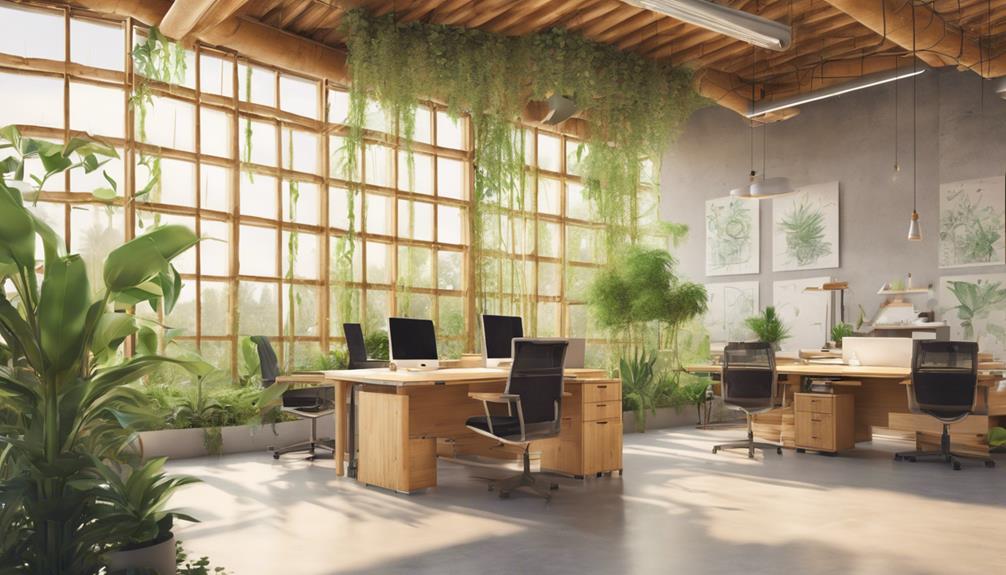
When choosing wood products for your office, opt for those certified by reputable organizations like the Forest Stewardship Council (FSC). This certification ensures the wood is sourced from forests that are managed with strict environmental, social, and economic standards. You're not just buying a desk or a bookshelf; you're investing in responsible forest management practices that help combat deforestation and promote regeneration.

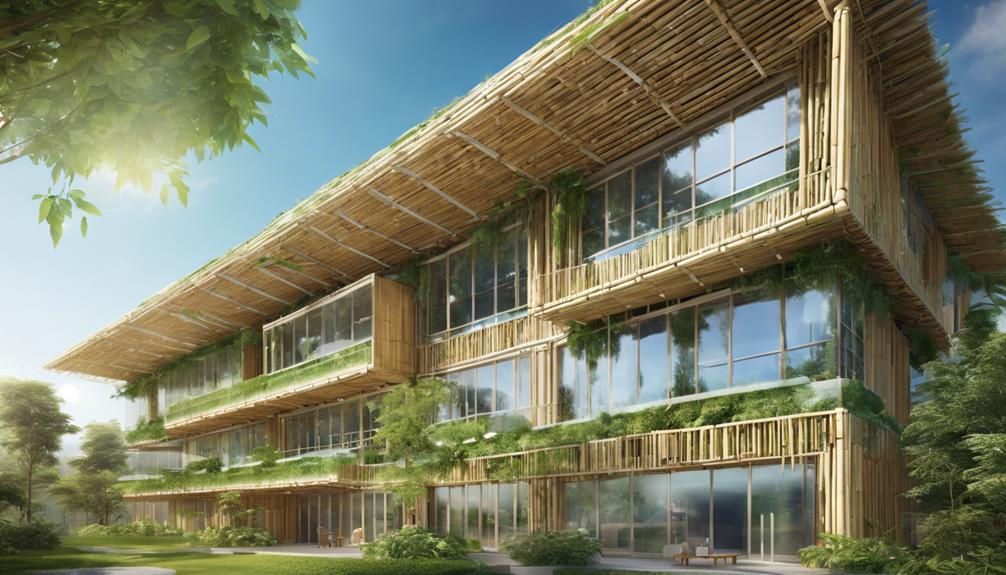
Consider the type of wood as well. Bamboo, for instance, is a highly sustainable option because it's fast-growing and doesn't require replanting. It's durable, stylish, and has a minimal carbon footprint compared to traditional hardwoods.

You'll find that products made from bamboo or reclaimed wood not only offer a unique aesthetic but also tell a story of environmental stewardship.

It's also crucial to think about the lifecycle of the products you choose. Look for items that are built to last, reducing the need for frequent replacements and minimizing waste. If possible, select furniture that can be easily disassembled and recycled or upcycled at the end of its life.

This approach helps you maintain a sustainable office environment that aligns with your commitment to the planet.

Benefits of Recycled Metal Use

Using recycled metal in your office building materials not only supports environmental sustainability but also offers significant economic benefits. When you choose recycled over new metal, you're tapping into a market that requires less energy for production. This reduction in energy consumption translates directly into cost savings, which can be crucial for your budgeting.

Recycled metal's production emits far fewer greenhouse gases compared to extracting and processing virgin materials. This substantial decrease in carbon footprint is a step forward in your company's commitment to fighting climate change.

Additionally, using recycled metal helps reduce landfill waste. Metals are durable and can be recycled multiple times without degradation in quality, ensuring that your office materials maintain high standards.

Moreover, opting for recycled metal can enhance your brand image. Today's consumers and businesses are increasingly drawn to companies with green practices. By integrating recycled metal into your building, you're showcasing your investment in sustainability, which can attract like-minded clients and partners.

Investing in Bamboo Flooring

In addition to recycled metals, bamboo flooring represents another sustainable choice that can significantly benefit your office environment.

You'll find that bamboo, as a rapidly renewable resource, offers a durable and attractive alternative to traditional hardwood floors. Growing to maturity in just three to five years, bamboo can be harvested without the need for replanting, since the root system remains intact after cutting, promoting soil stability and healthy regrowth.

Opting for bamboo flooring means you're choosing a material that's both stylish and resilient. It's naturally resistant to moisture and insects, making it an excellent option for busy office spaces that see a lot of foot traffic. You won't have to worry about the usual wear and tear that can make other flooring options look tired and worn.

Furthermore, bamboo flooring is a low-VOC (volatile organic compounds) product, which means it releases fewer airborne pollutants than many traditional flooring materials. This is crucial for maintaining indoor air quality and ensuring a healthier workspace for you and your team.

Advantages of Green Insulation Options

As you consider eco-friendly upgrades for your office, don't overlook the advantages of green insulation options. These sustainable choices not only reduce your carbon footprint but also enhance indoor air quality, making your workspace healthier for everyone.

Firstly, materials like sheep's wool, recycled denim, and cellulose are renewable and have minimal impact on the environment compared to traditional fiberglass insulation. They're biodegradable and sourced from abundant or recycled materials, ensuring your office remains part of a sustainable cycle.

Moreover, green insulation typically contains fewer volatile organic compounds (VOCs), which means you're reducing the amount of harmful chemicals released into your office environment. This can lead to fewer health risks and allergies for your staff, boosting overall productivity and well-being.

Energy efficiency is another significant benefit. Eco-friendly insulation often has superior thermal properties. It keeps your office warmer in winter and cooler in summer, leading to lower energy bills. This not only saves you money but also reduces the strain on natural resources and decreases your office's overall energy consumption.

Opting for green insulation means you're investing in the health of your staff and the planet, while also managing costs effectively. It's a smart choice that pays off in multiple ways.

Choosing Low-Emission Glass

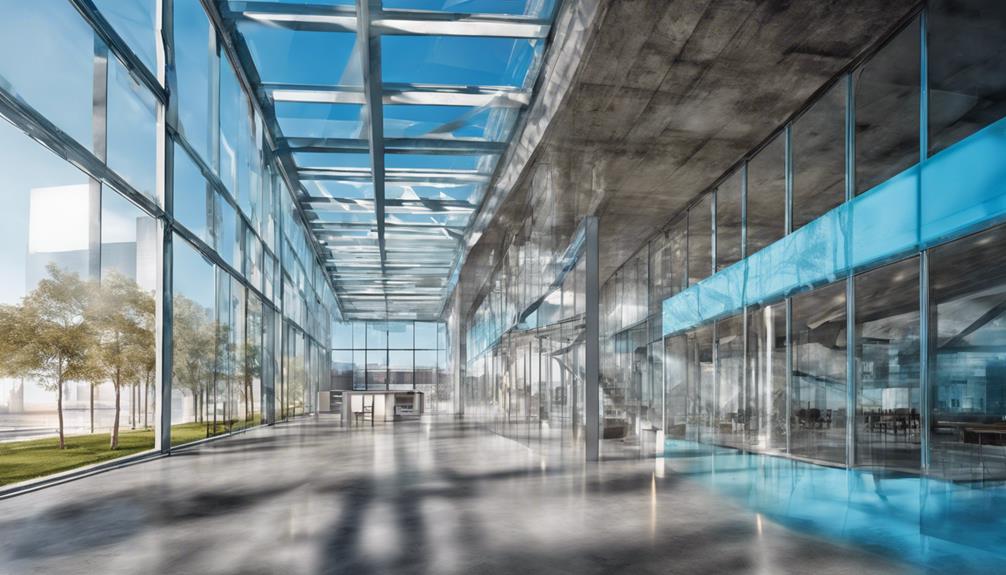
After exploring the benefits of eco-friendly insulation, consider the advantages of choosing low-emission glass for your office. Low-emission glass, often referred to as low-e glass, improves energy efficiency by reducing the amount of infrared and ultraviolet light that passes through without compromising the amount of natural light that enters. This means you'll keep your office cooler in summer and warmer in winter, reducing reliance on heating and cooling systems.

Low-e glass coatings reflect heat back to its source, helping to maintain consistent temperatures inside your office. That's not just good for the planet; it's great for your utility bills too. You'll see a noticeable drop in energy costs, which can be quite significant over time.

Installing low-e glass also protects your office interiors from UV damage, which can fade fabrics, artwork, and furniture. This prolongs the lifespan of these items and reduces the need to replace materials frequently.

To start, you'll want to choose between passive or solar control low-e glass, depending on your climate and office orientation. Talk to a specialist who can recommend the best option tailored to your needs. Remember, investing in low-e glass isn't just a cost—it's a long-term investment in sustainability.

Implementing Eco-Friendly Paints

Moving beyond the installation of low-e glass, it's crucial to consider eco-friendly paints for your office interiors. Traditional paints often contain volatile organic compounds (VOCs) that release harmful chemicals into the air, affecting indoor air quality and potentially harming your health. You'll want to choose paints labeled as low-VOC or no-VOC to ensure a safer, cleaner environment.

When selecting these paints, don't just look at the labels—check the actual VOC levels listed in the product specifications. Some paints marketed as low-VOC still contain up to 50 grams per liter, while no-VOC options should ideally have fewer than 5 grams per liter. It's also wise to consider the base of the paint. Water-based paints, for example, typically have lower VOC levels compared to their oil-based counterparts.

Moreover, the durability of eco-friendly paints has improved significantly. Manufacturers now offer products that are just as long-lasting and vibrant as traditional options. This means you don't have to sacrifice quality for sustainability.

Lastly, think about the overall lifecycle of the paint. Opt for brands that are committed to environmental responsibility in their production processes and supply chains. This way, you're not only improving your office space but also supporting sustainable practices in the wider industry.

Utilizing Natural Fiber Carpets

Shifting focus to the floor, consider the advantages of utilizing natural fiber carpets in your office. These carpets, made from materials like wool, sisal, and jute, aren't only sustainable but also boast significant environmental benefits. They're biodegradable, meaning they won't linger in landfills for centuries. Plus, they're produced from renewable resources, ensuring a smaller ecological footprint compared to synthetic alternatives.

You'll find that natural fiber carpets contribute positively to indoor air quality. They don't emit volatile organic compounds (VOCs) as some synthetic carpets do, which can trigger allergies or other health issues. This makes them a smarter choice for office spaces where air quality is a priority.

Maintenance is straightforward with these carpets. Regular vacuuming and the occasional professional cleaning will keep them looking fresh. They're durable too, often outlasting their synthetic counterparts if cared for properly. This durability means you won't have to replace them as frequently, reducing waste and ongoing costs.

Moreover, natural fiber carpets offer aesthetic versatility. Available in various textures and colors, they can complement any office decor, adding warmth and style. By choosing these carpets, you're not just making an eco-friendly choice; you're also enhancing the comfort and appeal of your workspace.

Conclusion

You've explored the best options for making your office eco-friendly, from sustainable wood and recycled metals to bamboo flooring. By choosing green insulation, low-emission glass, eco-friendly paints, and natural fiber carpets, you're not just creating a healthier workspace but also taking a stand for the planet. Embrace these materials and practices; they're not only good for the environment but also cost-effective in the long run. Start transforming your office today and lead the way in sustainability!

Related articles: Why Choose Weatherproofing Products for Commercial Construction?
eco friendly materials for offices

Top Green Materials for Commercial Offices

For your commercial office, consider opting for eco-friendly materials that not only enhance aesthetics but also support environmental sustainability. You can choose bamboo flooring, known for its rapid regeneration and durability, or recycled glass surfaces that reduce waste. Low-VOC paints and water-based options will freshen up your space while maintaining good indoor air quality. Don't overlook cork wall coverings and reclaimed wood, each offering unique textures and robustness. Additionally, natural fiber carpets like wool or sisal provide comfort and are sustainability-minded choices. Integrating these materials can significantly influence the environmental footprint of your office. As you explore further, you'll discover more about harnessing these innovative solutions for a greener workspace.

Bamboo Flooring Options

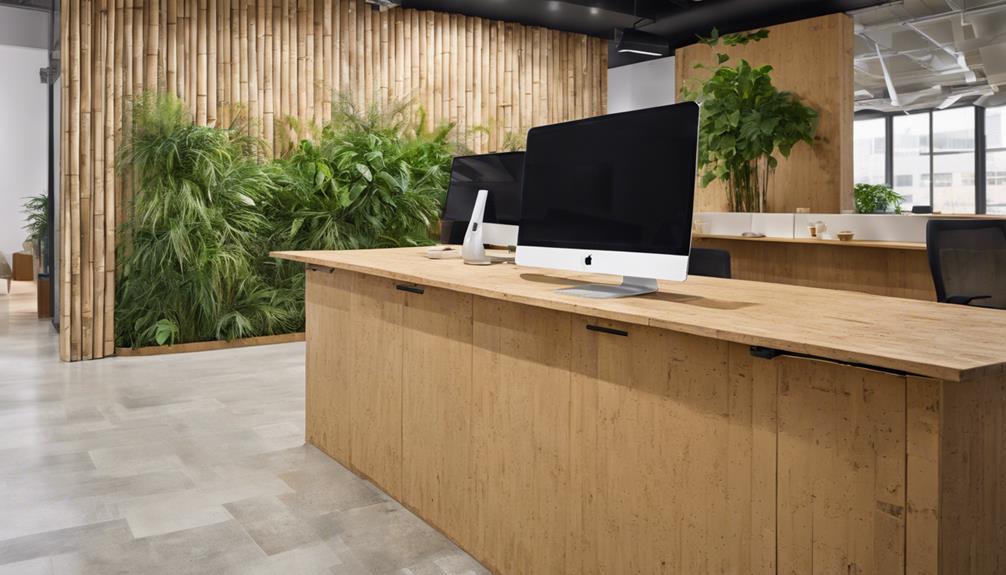
When considering eco-friendly materials for your office, bamboo flooring stands out as an excellent choice. It's not only aesthetically pleasing but also incredibly sustainable. Bamboo can regenerate itself in just three to five years, much faster than hardwood trees, which can take decades. This rapid growth cycle makes it a superstar in sustainable building materials.

You'll find that bamboo flooring offers remarkable durability. It's harder than many traditional hardwoods, making it ideal for high-traffic areas in your office. Plus, it's naturally resistant to moisture and insects, ensuring longevity and ease of maintenance.

You won't have to replace it as often as other flooring options, which saves you money and reduces waste.

Choosing bamboo also means you're opting for a material that has minimal impact on air quality. It doesn't require harmful pesticides or fertilizers during cultivation, and it's typically processed with fewer chemicals than other engineered flooring. This aspect is crucial, especially if you're aiming to maintain a healthy indoor environment for your team.

Recycled Glass Surfaces

Recycled glass surfaces are transforming the way commercial offices approach eco-friendly design. By incorporating these materials, you're not only embracing aesthetics but also endorsing environmental responsibility. These surfaces are crafted from recycled glass bottles and other glass products, which are then converted into stunning countertops, backsplashes, and even flooring options.

The beauty of recycled glass surfaces lies in their uniqueness. Each piece you choose won't just add style to your office; it'll also tell a story of sustainability. You're looking at a range of vibrant colors and patterns that traditional materials can't offer. This variety allows you to customize your workspace in a way that reflects your company's values and commitment to the environment.

Moreover, using recycled glass is incredibly beneficial for the environment. It reduces the waste that ends up in landfills and cuts down on the use of natural resources required to produce new glass.

This process also saves energy, as melting down recycled glass consumes less energy than creating new glass from raw materials.

Low-VOC Paints

Consider upgrading your commercial office with low-VOC paints to significantly improve indoor air quality and reduce environmental impact. Volatile organic compounds (VOCs) are notorious for their negative effects on health, contributing to issues like headaches, dizziness, and respiratory problems. By choosing low-VOC options, you're opting for a safer, cleaner alternative that doesn't compromise on quality or durability.

Low-VOC paints release fewer airborne chemicals during and after application, making your office a more pleasant place to work. You'll notice less of that harsh "new paint" smell, which means you can return to normal operations sooner without discomfort. Additionally, these paints contribute to a greener building certification score, enhancing your office's marketability and potentially increasing its value.

You're not just making a healthier choice for your team but also taking a step towards sustainability. Most low-VOC paints are water-based, which simplifies cleanup and reduces hazardous waste.

With a variety of colors and finishes available, you won't have to sacrifice style for sustainability. Start exploring your options today and make a positive impact on both the environment and your workplace's health.

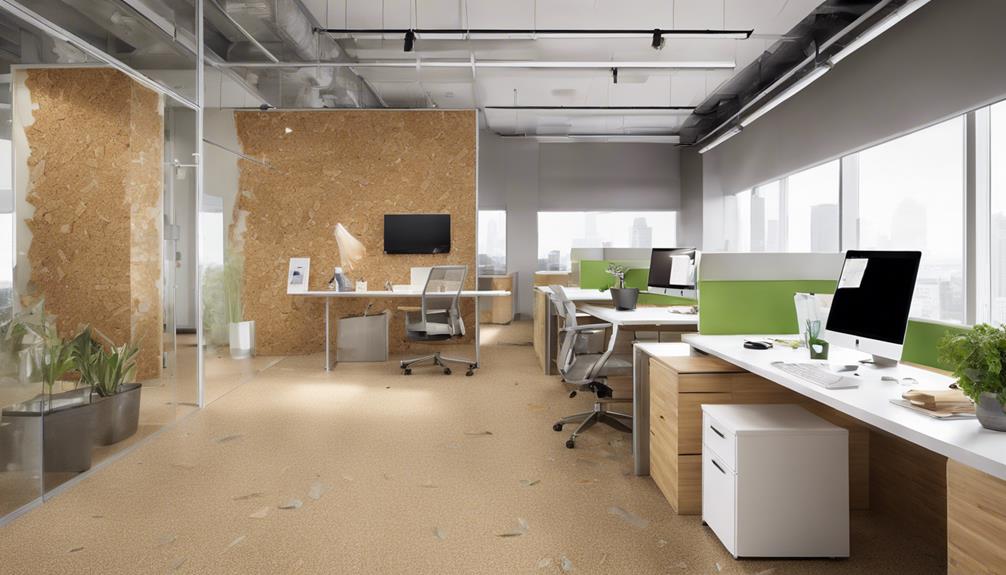
Cork Wall Coverings

Transitioning from low-VOC paints, explore the benefits of cork wall coverings for your commercial office. Cork, derived from the bark of the cork oak tree, offers exceptional sustainability since it's harvested without harming the tree. This renewable source regenerates every nine years, making it an eco-friendly choice.

Cork's natural properties make it an ideal material for busy office environments. It's an excellent insulator, both thermally and acoustically, ensuring your space remains energy efficient and quieter. These insulation qualities can help you save on heating and cooling costs, while also keeping office chatter and outside noise to a minimum.

Additionally, cork is naturally resistant to mold, mildew, and termites, which enhances its durability and reduces the need for frequent replacements or chemical treatments. Its inherent softness adds a layer of comfort underfoot if used as flooring, and it can also reduce the risk of injury from falls.

Aesthetically, cork can be finished in a variety of textures and colors, complementing any office decor. It adds a warm, organic feel to spaces, which can boost mood and productivity. Opting for cork wall coverings isn't just a practical decision but a stylish one too, aligning with green building trends and contributing to a healthier office environment.

Reclaimed Wood Features

Building on the theme of sustainable materials, reclaimed wood features offer an equally compelling choice for commercial office design. You'll find that integrating these elements not only enhances aesthetic appeal but also champions environmental responsibility. Reclaimed wood, sourced from old barns, warehouses, and decommissioned ships, has a rich history and a unique character that new materials can't match.

Using reclaimed wood helps reduce the demand for new timber, thus conserving forest resources and reducing the impact on the environment. It also minimizes waste by repurposing old wood, which might otherwise end up in landfills. You're not just choosing a stylish material—you're making an eco-friendly decision that contributes to sustainability.

Consider reclaimed wood for flooring, wall paneling, or custom furniture pieces in your office. Each installation is unique, bearing marks of its past life, such as nail holes or weathering, which add to its charm and authenticity. This can create a warm, inviting atmosphere that boosts both the comfort and productivity of your workspace.

Moreover, reclaimed wood can often be more durable than new wood because it comes from old-growth trees, offering you a blend of longevity and style. So, when you're planning your next office renovation, remember that reclaimed wood isn't just good for the planet; it's great for your work environment too.

Eco-Friendly Insulation Choices

Shifting focus to the walls that surround us, choosing eco-friendly insulation is crucial for maintaining a sustainable commercial office. You're not just selecting a product that keeps energy costs down; you're also making a statement about your company's commitment to environmental responsibility.

One of the top choices you can consider is cellulose insulation. It's made from recycled paper, primarily newspapers, and it's treated with borate for fire and pest resistance. Not only does it have a high R-value, which measures thermal resistance, but it also helps in soundproofing your office. You'll find it's a breeze to install in existing or new walls without major disruption.

Another fantastic option is sheep's wool insulation. It naturally provides excellent insulation and moisture control. Sheep's wool can absorb indoor pollutants like formaldehyde, making your office air cleaner. Plus, it's completely renewable.

Lastly, don't overlook cotton batts, made from recycled denim. They're easy to handle and contain no irritants or carcinogens, making them safe for installers and office occupants alike.

Choosing any of these materials ensures you're building an office that's not only energy-efficient but also health-conscious and aligned with green building principles.

Sustainable Ceiling Materials

As we continue to explore green materials, let's consider the importance of sustainable ceiling options for your commercial office. Choosing the right materials can significantly impact both the environmental footprint and the indoor air quality of your workspace.

One of the top choices for sustainable ceiling materials is recycled metal tiles. These tiles are made from post-consumer or post-industrial metals, offering a durable and recyclable solution that also contributes to a modern aesthetic. You'll not only benefit from their long lifespan but also from their ability to be fully recycled at the end of their use.

Another excellent option is bamboo panels. Bamboo grows incredibly fast, making it a highly renewable resource. It's also strong and versatile, ideal for creating an attractive ceiling that stands the test of time. Plus, bamboo has natural sound-absorbing properties, enhancing the acoustic comfort of your office.

Don't overlook the potential of reclaimed wood either. It adds a warm, organic feel to any space and comes with the story of its previous life. Using reclaimed wood helps reduce deforestation and the wood's seasoned stability means it's less prone to warping.

Incorporating these sustainable materials into your office design not only supports environmental sustainability but also creates a healthier and more aesthetically pleasing workplace.

Natural Fiber Carpets

Many commercial offices are now choosing natural fiber carpets as an eco-friendly flooring option. You're likely seeking materials that not only support sustainability but also maintain an aesthetic appeal and functionality in your workspace. Natural fiber carpets, made from materials like wool, sisal, and jute, offer just that.

These carpets aren't only biodegradable, reducing your office's environmental footprint, but they also provide a timeless look that synthetic fibers can't match. You'll find that they improve indoor air quality too, as they don't emit volatile organic compounds (VOCs) like many synthetic carpets do.

Moreover, natural fiber carpets are highly durable. Wool, for instance, has a natural resilience to crushing and can maintain its appearance for years, making it a cost-effective choice over time.

Jute and sisal, while slightly less durable than wool, still offer significant longevity and can withstand the wear and tear of high traffic areas in your office.

Choosing natural fiber carpets also means you're supporting sustainable agriculture practices. These fibers are sourced from plants and animals that are farmed with a lower impact on the environment, aligning your office space with broader sustainability goals. Opting for these materials can help you create a healthier, more environmentally responsible workplace.

Solar Energy Systems

Commercial offices are increasingly harnessing solar energy systems to cut operational costs and reduce their carbon footprint. As you explore sustainable options for your office, consider the significant benefits solar panels can offer. Beyond merely slashing electricity bills, they're a public testament to your commitment to sustainability, enhancing your brand's image among eco-conscious consumers.

Installing solar panels also allows you to take advantage of government incentives, including tax credits and rebates, which can substantially offset the initial costs. You'll find that these systems aren't only beneficial for the environment but also for your finances in the long run.

Moreover, modern solar energy systems are more efficient than ever. They can be installed on various parts of your building, not just the roof. This flexibility means you can maximize your property's solar potential regardless of its design.

Additionally, advancements in technology have led to sleeker, more aesthetically pleasing options that won't detract from your building's appearance.

Green Roofing Solutions

Switching to green roofing solutions not only enhances your building's sustainability but also improves its energy efficiency. By integrating vegetation layers atop your commercial space, you're actively reducing heat absorption, a process that substantially lowers cooling costs during warmer months. Imagine the benefits as you cut down on your air conditioning needs, directly decreasing energy consumption and utility bills.

But it's not just about energy savings. Green roofs absorb rainwater, reducing runoff and decreasing the burden on urban sewage systems during heavy rains. Moreover, these eco-friendly roofs can extend the lifespan of your roofing materials by protecting against UV radiation and physical wear. This means you'll face fewer maintenance issues and replacements over time.

You'll also contribute to urban air quality improvement. The plants on green roofs capture airborne pollutants and carbon dioxide, transforming them into oxygen. As a result, you're not just investing in your building's performance and aesthetics, but also in a healthier environment for everyone.

Consider the added aesthetic value too. A lush, green rooftop can provide a serene retreat in dense urban settings, enhancing your property's appeal to potential renters or buyers. In embracing green roofing, you're choosing a cost-effective, sustainable, and visually appealing option for your commercial office.

Conclusion

You've seen the best green materials for your commercial office. Embrace bamboo flooring for its durability, opt for recycled glass surfaces, and choose low-VOC paints to improve air quality. Cork wall coverings and reclaimed wood add unique charm, while sustainable ceiling materials and natural fiber carpets underscore your eco-commitment. Don't forget to install solar energy systems and green roofing solutions to maximize efficiency. By integrating these options, you'll create a healthier, more sustainable workspace that truly stands out.

Related articles: 7 Tips for Eco-Friendly Office Building Materials

eco friendly materials save environment

Why Choose Eco-Friendly Materials for Offices?

Choosing eco-friendly materials for your office can significantly enhance your company's public image and attract clientele and employees who value sustainability. These materials require less energy for production and transport, leading to lower operational costs and decreased environmental impact. Additionally, they improve indoor air quality by minimizing emissions of volatile organic compounds (VOCs) and fostering a healthier work environment, which boosts cognitive function and productivity. Opting for sustainable options not only positions you as a leader in green practices but also opens up various incentives and business opportunities. There's so much more you can benefit from by going green in your office space.

Benefits of Sustainable Construction

Adopting sustainable construction techniques offers significant benefits, directly impacting both the environment and your bottom line. By choosing materials like recycled steel, reclaimed wood, or low-impact concrete, you're not just building an office; you're investing in the future. These materials often require less energy to produce and transport, leading to lower emissions and reduced costs over time.

When you opt for green building practices, you're likely to see a decrease in energy consumption. Structures designed for energy efficiency, such as those incorporating solar panels or advanced insulation materials, drastically cut down on the energy needed for heating and cooling. This not only lowers your utility bills but also reduces your carbon footprint, a step towards combating climate change.

Moreover, using sustainable materials can enhance your company's reputation. Consumers are increasingly drawn to businesses that demonstrate environmental responsibility. By publicizing your sustainable building efforts, you attract like-minded clients and employees who are conscious about their ecological impact. This can lead to increased loyalty, higher employee satisfaction, and even spur innovation within your teams, as everyone contributes to a shared, meaningful goal.

Embracing sustainable construction isn't just a trend; it's a smart, forward-thinking business strategy.

Improving Indoor Air Quality

While sustainable construction significantly enhances building efficiency and reduces environmental impact, it also plays a vital role in improving indoor air quality. You'll find that using eco-friendly materials in your office can drastically cut down the levels of indoor pollutants.

Traditional building materials often emit volatile organic compounds (VOCs), which can trigger allergies, asthma, and other respiratory issues. Eco-friendly options, on the other hand, typically have lower VOC emissions, ensuring that you're breathing cleaner air while you work.

Moreover, natural materials like bamboo or recycled steel not only minimize VOCs but also prevent mold growth due to their moisture-resistant properties. You won't just feel healthier; you'll actually be working in a safer environment.

Additionally, improved air quality contributes to higher cognitive function and productivity, making your office space not only healthier but also more efficient.

Consider installing large windows and green walls, which naturally purify the air. Plants are excellent at absorbing pollutants and releasing oxygen, enhancing overall air quality without relying on artificial methods. By integrating these elements, you're ensuring that the air in your workspace remains fresh and invigorating, directly benefiting your health and well-being.

Long-Term Cost Efficiency

Although the initial investment in eco-friendly materials might seem high, you'll find that they offer significant long-term cost savings. Over time, the durability and efficiency of these materials typically surpass that of conventional alternatives.

For example, eco-friendly insulation often has superior performance in regulating temperature. This means you'll spend less on heating and cooling, reducing your energy bills substantially throughout the year.

Additionally, many eco-friendly products come with lower maintenance costs. Materials like bamboo flooring or recycled glass countertops aren't only resistant to wear and tear but also require less frequent replacements compared to traditional materials.

This reduction in maintenance and replacement costs can lead to considerable savings over the lifespan of your office.

You'll also benefit from various incentives and tax breaks aimed at promoting sustainability. Governments and local authorities often offer financial advantages to businesses that choose greener options. These can include reductions in tax rates or direct subsidies, effectively offsetting the initial cost outlay.

Enhancing Corporate Image

Beyond the financial benefits, choosing eco-friendly materials can significantly boost your company's public image. When you commit to sustainability, you're not just making a statement about your values; you're actively engaging in practices that resonate with a growing segment of the market. Customers, partners, and potential employees are increasingly drawn to businesses that demonstrate environmental responsibility.

Adopting green practices can set you apart from competitors, giving you a unique selling proposition. It's not just about being seen as a company that cares about the planet; it's about being a forward-thinking leader in your industry. This can lead to increased brand loyalty, as consumers prefer to align themselves with brands that reflect their own values.

Moreover, showcasing your commitment through the use of eco-friendly materials in your office design and operations can attract positive media attention. This not only enhances your visibility but also strengthens your reputation as an innovative and ethically-minded company.

You'll find that this proactive approach to sustainability can open doors to new business opportunities and partnerships, further elevating your corporate image in the eyes of your stakeholders.

Regulatory and Compliance Advantages

Adopting eco-friendly materials in your office not only enhances your brand image but also ensures compliance with ever-tightening environmental regulations. As governments across the globe push for greener building codes and corporate sustainability benchmarks, you're positioned ahead of the curve when your workspace adheres to these standards.

Using materials such as recycled plastics, sustainably sourced wood, or low-emission paints can significantly reduce the regulatory hurdles you might otherwise face. Many regions now offer incentives like tax breaks or grants for businesses that prove their commitment to sustainability, which can be directly tied to the materials you choose.

Moreover, adhering to these regulations often means you'll face fewer inspections and fines, which can otherwise be both costly and time-consuming.

It's not just about avoiding penalties. By meeting or exceeding regulatory standards, you're also opening doors to new business opportunities. Companies, especially large corporations, prefer to partner with suppliers and service providers that demonstrate compliance with environmental laws, seeing it as a marker of reliability and forward-thinking. Choosing eco-friendly materials doesn't just keep you in line with the law—it positions you as a leader in a market that increasingly values sustainable practices.

Sustainability and Employee Wellness

Incorporating eco-friendly materials into your office does more than just minimize environmental impact; it significantly enhances employee wellness. When you choose materials like natural wood or recycled fabrics for furniture and decor, you're not only opting for sustainability, you're also creating a healthier workspace. These materials often come with lower levels of volatile organic compounds (VOCs), which means you're reducing the toxic emissions your team is exposed to daily. This can lead to fewer headaches, reduced eye irritation, and a general boost in overall health.

Moreover, natural light and plant life, integral aspects of eco-friendly office designs, have been shown to improve mood and increase productivity. By integrating large windows and indoor plants, you're not just saving on energy costs; you're fostering an environment where your employees feel more energetic and less prone to the afternoon slump.

Trends in Eco-Friendly Office Materials

The office design industry's recent shift towards eco-friendly materials highlights some exciting trends that you should consider for your workspace. One standout trend is the use of reclaimed wood. Not only does this help reduce deforestation, but it also adds a unique aesthetic and warmth to office spaces. You'll find that tables, wall panels, and even flooring made from reclaimed wood can transform your office into a more inviting place.

Another trend is the increasing use of biodegradable materials. Companies are now producing office supplies, such as pens and notebooks, that can break down naturally, minimizing your environmental impact. It's a simple change, but it can make a big difference.

You should also look out for materials with low volatile organic compound (VOC) emissions. Products like zero-VOC paints ensure that you're not compromising air quality while staying stylish. This is especially important in maintaining a healthy environment where you and your team spend most of the day.

Lastly, consider investing in energy-efficient fixtures. LED lighting and eco-friendly insulation materials not only cut down on energy consumption but also reduce your office's carbon footprint. These changes might seem small, but they contribute significantly to a sustainable future.

Conclusion

You've got every reason to go green with your office space. By choosing eco-friendly materials, you're not just improving air quality and boosting employee wellness, but you're also setting yourself up for long-term savings. Plus, you'll enhance your corporate image and stay ahead of regulatory curves. Embrace the trend of sustainable construction—it's a smart move that aligns with the future of business. Make a positive impact on the planet and your bottom line simultaneously.

Related articles: Top Green Materials for Commercial Offices

sustainable materials for offices

Top Green Materials for Office Construction

When building your office, consider sustainable options like bamboo, known for its rapid growth and durability, or cork flooring, which is not only sound-absorbing but also mold-resistant. Recycled steel and reclaimed wood are great choices too, saving raw resources while adding unique character. Don't overlook wool insulation for natural temperature control and fire resistance. Integrating green roofing and Low-E glass technology can significantly reduce your energy costs and carbon footprint. Opt for solar panels to cut utility expenses further. These materials not only promote environmental sustainability but also enhance the efficiency and atmosphere of your workspace. There's so much more you can explore to make your project truly green.

Benefits of Bamboo in Construction

Bamboo stands out as a top choice for eco-friendly construction, offering remarkable durability and sustainability. You'll find that this material isn't just strong; it's also incredibly flexible, making it ideal for various design aesthetics from modern to traditional.

Bamboo's rapid growth rate, maturing in just three to five years, contrasts sharply with hardwoods, which can take decades to reach maturity. This makes bamboo a superstar in renewable resources, continually replenishing itself and reducing deforestation pressures.

What's more, bamboo sequesters carbon at an impressive rate, enhancing its environmental credentials. By choosing bamboo for your office construction, you're actively contributing to the reduction of global carbon footprints.

It's also worth noting that bamboo naturally resists pests and diseases. This means you'll avoid the harsh chemicals typically involved in protecting other construction materials from decay and infestation.

Incorporating bamboo into your office not only supports sustainable practices but also can lead to significant cost savings in the long run. It requires minimal maintenance compared to traditional materials. Plus, its natural insulation properties can help reduce energy costs, keeping your workplace warmer in winter and cooler in summer.

Recycled Steel Advantages

While bamboo offers numerous environmental benefits, another standout material in green office construction is recycled steel. You'll find that recycled steel isn't just strong; it's also incredibly sustainable. When you choose recycled steel for your office building, you're reducing the demand for virgin resources, which, in turn, lowers the carbon footprint associated with mining and processing new steel.

Recycled steel maintains the same strength and durability as its newly manufactured counterpart, ensuring your office structure won't compromise on safety or longevity. What's more, this material can be recycled repeatedly without degradation in quality, making it a poster child for circular economy principles. Imagine the positive environmental impact you're fostering by integrating recycled steel into your construction projects!

Moreover, using recycled steel speeds up the construction process since it's often pre-engineered. This means you're not just saving on materials but also on time and labor costs.

The efficiency doesn't stop at installation; steel's high thermal mass helps in reducing heating and cooling demands, lowering operational costs and enhancing energy efficiency in your office space.

Cork Flooring Sustainability

Shifting focus to flooring options, consider cork for its remarkable sustainability features. Cork flooring is derived from the bark of the cork oak tree, which means it's harvested without harming the tree itself. The bark regenerates every nine years, allowing for long-term, sustainable use. You'll find cork an eco-friendly choice because its extraction process is energy-efficient and minimizes waste.

Cork's natural properties extend beyond sustainability. It's incredibly durable, which means you won't have to replace it often, reducing the environmental impact over time. Additionally, cork naturally repels mold, mildew, and termites, which enhances its longevity and decreases the need for chemical treatments.

Moreover, cork is a fantastic insulator. It keeps your office warm in the winter and cool in the summer, potentially lowering heating and cooling costs. This not only saves you money but also reduces your carbon footprint.

Cork's softness and ability to absorb sound can also decrease noise pollution within your office environment, making it a smart choice for open-plan spaces.

Choosing cork flooring means you're opting for a material that's not just sustainable, but also practical and beneficial for both your workspace and the planet.

Using Wool Insulation

Turning now to insulation options, consider wool for its natural and efficient properties. Wool insulation is a superb choice for your office construction due to its inherent qualities that prioritize both sustainability and performance.

You'll find that wool, as a material, is remarkably adept at regulating temperature. It keeps spaces warm in the winter and cool in the summer, reducing your reliance on heating and cooling systems.

Furthermore, wool is a natural sound absorber. Installing it in your office walls can significantly reduce noise pollution, making the workspace quieter and more conducive to concentration and productivity.

Another advantage you can't overlook is its moisture-regulating capabilities. Wool can absorb and release moisture without compromising its thermal insulation properties, preventing mold growth and ensuring a healthier office environment.

You'll also appreciate that wool is fire-resistant. In the event of a fire, it doesn't melt or drip but chars, limiting the spread of flames. This feature adds an extra layer of safety to your office space.

Lastly, using wool supports sustainable practices. It's renewable and biodegradable, reducing environmental impact. Opting for wool insulation not only enhances office functionality but also aligns with eco-friendly construction goals.

Benefits of Reclaimed Wood

Exploring another sustainable material, reclaimed wood offers significant benefits when used in office construction. You'll find that incorporating this material not only enhances the aesthetic appeal of your workspace but also promotes environmental sustainability.

Reclaimed wood, sourced from old buildings, barns, and other structures, bypasses the need for new timber, reducing deforestation and the associated carbon emissions from logging, transporting, and processing new wood.

Using reclaimed wood means you're investing in a piece of history, adding unique character and warmth to your office environment. Each plank tells a story, potentially boosting the morale and productivity of your team who feels connected to their environmentally conscious workplace. Furthermore, this wood typically comes with superior durability having been hardened over time. This means less maintenance for you.

Moreover, reclaimed wood can improve indoor air quality compared to new wood. It's already off-gassed any volatile organic compounds (VOCs), making it a healthier choice for office environments where air quality is crucial.

Choosing reclaimed wood also supports the recycling industry, providing jobs and promoting the circular economy. You're not just building an office; you're also helping build a more sustainable world.

Eco-Friendly Concrete Alternatives

As we delve into eco-friendly alternatives to traditional concrete, it's crucial to recognize the environmental impact of conventional concrete production, which is one of the largest sources of carbon dioxide emissions worldwide. To mitigate these effects, you can turn to several innovative solutions that not only lower carbon footprints but also maintain structural integrity.

First off, there's fly ash concrete. By using fly ash, a byproduct from burning pulverized coal in electric power generating plants, you're repurposing waste material that would otherwise end up in landfills. This substitute reduces the cement requirement by up to 30%, significantly cutting down CO2 emissions.

Another promising option is slag cement. Created from granulated blast furnace slag, a byproduct of iron production, this material can replace more than 50% of traditional cement. This switch not only conserves natural resources but also enhances the durability and strength of the concrete.

Lastly, consider recycled plastic concrete. Innovators are now incorporating cleaned and shredded plastic waste into concrete, reducing the need for new materials and promoting recycling. This approach not only decreases landfill waste but also lightens the concrete, improving insulation properties.

Green Roofing Options

Building on the theme of sustainable construction materials, let's examine green roofing options that can further enhance your building's environmental efficiency.

Green roofs aren't just about adding a splash of nature to the top of your buildings; they're functional, sustainable components that can drastically lower heating and cooling costs. You'll find that a green roof involves layers of vegetation planted over a waterproofing system. This setup insulates the building, reducing the need for additional heating in winter and cooling in summer.

Imagine your office not just as a place of work but as a contributor to urban biodiversity. Green roofs can support a variety of plants and wildlife, creating a mini ecosystem. They also manage rainwater effectively, absorbing up to 75% of rainfall, thus decreasing the burden on urban sewage systems and mitigating flooding risks.

Moreover, implementing a green roof can significantly reduce noise pollution. The soil and plants absorb sound better than traditional roofing materials, making your office a quieter and more productive environment.

As you consider your options, remember that green roofs aren't only about energy efficiency and aesthetics; they're a proactive step towards a more sustainable and environmentally responsible building practice.

Low-E Glass Technology

Low-E glass, or low-emissivity glass, revolutionizes energy efficiency in modern office construction. When you're building or renovating an office space, choosing low-E glass for your windows can significantly enhance the building's thermal performance. This special type of glass features a microscopically thin coating that reflects infrared energy (heat) while allowing visible light to pass through.

What does this mean for you? It means your office stays cooler in the summer and warmer in the winter, reducing the need for heating and cooling. This technology not only cuts down on your energy bills but also reduces the strain on HVAC systems, leading to lower maintenance costs and longer system life.

Plus, by maintaining a more consistent indoor temperature, you're enhancing comfort for everyone inside, which can boost productivity and employee satisfaction. Moreover, low-E glass reduces the amount of ultraviolet (UV) light entering the office.

This helps prevent fading of your interior furnishings, which can save you money on replacements and updates over time. So, by investing in low-E glass, you're not just improving energy efficiency; you're also protecting your office's interior and ensuring a more sustainable working environment.

Solar Panel Integration

Continuing the theme of sustainable office construction, integrating solar panels is another effective way to enhance your office building's energy efficiency. By harnessing the sun's power, you're not only cutting down on utility costs but also reducing your carbon footprint. It's a win-win scenario that aligns with modern eco-friendly initiatives.

When you choose to install solar panels, you're investing in a renewable energy source that directly impacts your operational expenses. Over time, the initial costs are offset by the significant savings on your energy bills.

Moreover, many regions offer incentives like tax rebates and grants for solar adoption, making it an economically viable option.

You'll find that solar panels are versatile. Whether your office is a high-rise or a spread-out complex, there are solar solutions that can be tailored to fit your specific needs. They can be mounted on roofs, integrated into building facades, or installed on nearby ground spaces.

Further, by promoting a green image through visible solar panels, you're likely to boost your brand's reputation. Clients and employees alike appreciate and value environmental responsibility, which can enhance your company's marketability and workplace morale. Don't overlook this powerful tool in green office construction.

Conclusion

You've explored a range of sustainable materials that can transform your office into an eco-friendly space. From bamboo's durability to the energy efficiency of low-E glass and solar panels, each material offers unique benefits. Embrace recycled steel for strength, cork for comfort, and wool insulation for warmth. Opt for reclaimed wood for charm and eco-friendly concrete alternatives for resilience. Don't forget green roofing options to complete your sustainable construction. Now, it's your turn to build green and make a difference!

Related articles: Why Choose Eco-Friendly Materials for Offices?

eco friendly materials for offices

Sustainable Materials for Office Buildings

You can make your office building greener and more sustainable by choosing materials like bamboo, recycled steel, cork flooring, wool insulation, and eco-concrete. Bamboo, harvested every three to five years, rivals steel in tensile strength and is naturally pest-resistant. Recycled steel reduces energy consumption significantly and is fully recyclable. Cork flooring, a natural insulator, enhances comfort while reducing noise. Wool insulation effectively regulates temperature and moisture, promoting a healthier office environment. And eco-concrete incorporates reusable materials to enhance durability while lowering carbon emissions. These options not only benefit the environment but also offer long-term economic savings. Exploring further may reveal even more about their unique benefits and applications.

Bamboo: The Green Wonder

Bamboo has emerged as a top contender in the race for sustainable building materials. You'll find it fascinating that this fast-growing grass, not a tree, can be harvested every three to five years, unlike hardwoods which might take decades. This rapid growth cycle means you're engaging with a resource that's inherently renewable, offering a guilt-free foundation for constructing eco-friendly offices.

Bamboo's strength-to-weight ratio is comparable to timber and its tensile strength rivals that of steel, making it a robust choice for modern construction needs. It's also highly versatile. Whether you're looking at framing, paneling, or flooring, bamboo provides a stylish and durable option that stands up to the rigors of office use.

Plus, it's naturally resistant to pests and mold, which reduces the need for chemicals that can harm the environment.

Using bamboo also means you're contributing to reducing carbon emissions. It absorbs carbon dioxide at a higher rate than many trees, which effectively makes it a carbon sink. Additionally, its root systems help prevent soil erosion, maintaining healthier landscapes.

Choosing bamboo helps you meet your sustainability goals, turning your office project into a testament to environmental responsibility.

Recycled Steel Benefits

Turning to recycled steel offers significant environmental advantages for your office building projects. By choosing this material, you're not only supporting the reuse of resources but also reducing the demand for virgin ore extraction, which is highly energy-intensive and damaging to the environment. Using recycled steel can cut energy consumption by up to 75%, significantly lowering your project's carbon footprint.

Recycling steel also helps in reducing landfill waste. Steel is 100% recyclable and can be reused without loss of quality, making it a perpetually sustainable option. You're essentially contributing to a closed-loop economy, where materials are continuously cycled through various uses and applications.

Moreover, incorporating recycled steel into your construction plans can enhance the overall durability and resilience of your building. Steel offers excellent strength-to-weight ratio, which means you can achieve the same structural integrity with less material compared to other options. This not only makes your building safer and more sustainable but also more cost-effective in the long run.

Cork Flooring Advantages

Switching to cork flooring offers distinct environmental and practical benefits for office buildings. You'll find that this sustainable option not only reduces your carbon footprint but also enhances the comfort and aesthetic appeal of your workspace. Cork is harvested from the bark of cork oak trees without harming the tree, allowing it to continue growing and absorbing CO2. This makes cork a renewable resource that you can feel good about.

Cork's unique cellular structure makes it a natural insulator, keeping your office quieter and helping to maintain ambient temperatures. You'll notice a significant reduction in noise, making it easier to concentrate and communicate. It's also inherently resistant to mold, mildew, and termites, which contributes to a healthier office environment.

From a comfort standpoint, cork is softer underfoot than traditional hardwood or tile, easing the strain on your legs and back during long workdays. Its durability means it can handle the high foot traffic common in office settings without significant wear and tear.

You'll also appreciate how easy cork is to maintain. Simple sweeping and occasional mopping with mild detergent are all it takes to keep cork floors looking new, saving you time and maintenance costs.

Wool Insulation Properties

Wool insulation is another remarkable choice for enhancing the sustainability and efficiency of office buildings. You'll find that it's not only a natural fiber but also an exceptional insulator. With its ability to regulate moisture, wool insulation keeps your office environment comfortable throughout the year, reducing the need for heavy reliance on heating and cooling systems.

One of the standout properties of wool is its breathability. This means it can absorb and release moisture without compromising its thermal efficiency. You won't have to worry about mold or mildew, as wool is naturally resistant to both. Plus, it's fire-resistant, adding an extra layer of safety to your office space.

Moreover, wool insulation is sustainable. It's produced from renewable resources and is biodegradable at the end of its life cycle. This reduces waste and lessens the environmental impact compared to synthetic insulation options.

Installing wool insulation is straightforward, and it requires minimal energy, further enhancing its eco-friendly credentials. By choosing wool, you're opting for a material that not only conserves energy but also supports a healthier office environment.

Consider wool for your next building or renovation project to contribute to a greener planet.

Eco-Concrete Innovations

While wool insulation offers a sustainable choice for temperature and moisture control, eco-concrete steps up as another innovative material revolutionizing the construction of office buildings.

You'll find that eco-concrete isn't just ordinary concrete. It incorporates recycled materials like fly ash, slag, and used plastic, drastically reducing the carbon footprint associated with traditional concrete production.

You're probably wondering about its performance. Well, eco-concrete maintains, and often enhances, the durability and longevity you rely on in standard concrete, but with a greener edge. It's designed to be just as strong, if not stronger, and it cures quicker, which means your construction projects can move faster.

What's more, the thermal properties of eco-concrete are impressive. It provides better insulation than traditional options, helping reduce heating and cooling costs in your office building. This isn't just good for your wallet; it's great for the planet.

But how do you get started with eco-concrete? It's becoming more available as demand increases. Look for suppliers that specialize in sustainable building materials. They'll help you understand the specific benefits and applications suited for your project. Remember, choosing eco-concrete is a step towards building a more sustainable future.

Solar Glass Potentials

Turning our focus to another innovative material, solar glass offers significant potential in sustainable office building design. Imagine covering entire facades of an office building with panels that not only provide natural light but also generate clean electricity. That's the promise of solar glass. It's a dual-purpose technology that acts as both window and solar panel, maximizing your building's energy efficiency while minimizing its carbon footprint.

You can integrate solar glass seamlessly into the aesthetic of any office, maintaining design freedom without compromising on sustainability. Unlike traditional solar panels, which can be bulky and visually intrusive, solar glass maintains the sleek, modern appearance of glass facades. You won't have to worry about the trade-offs between form and function.

Moreover, the cost savings are substantial. By generating its own power, your building reduces its reliance on external electrical sources, slashing utility bills. Over time, the initial investment in solar glass pays for itself through these energy savings. Plus, you're future-proofing the office against rising energy prices.

Incorporating solar glass could also enhance your building's marketability. Prospective tenants are increasingly drawn to eco-friendly buildings, placing you at a competitive advantage. Imagine marketing your office space not just as a place to work, but as an active participant in the fight against climate change.

Conclusion

You've explored an array of sustainable materials that not only promise to revolutionize office building construction but also champion environmental stewardship. From bamboo's versatility and recycled steel's durability to cork flooring's comfort and wool insulation's energy efficiency, each option offers unique benefits. Don't forget the innovative uses of eco-concrete and the transformative potential of solar glass. Embrace these sustainable choices to significantly reduce your ecological footprint while maintaining modern, efficient, and aesthetically pleasing office spaces.

Related articles: Top Green Materials for Office Construction

fire resistant building materials list

3 Best Fire-Resistant Materials for Commercial Buildings

For your commercial building, consider these top three fire-resistant materials to enhance safety. First, concrete not only slows down fire spread through its dense composition but also provides excellent insulation against heat. Next, gypsum board is another great choice; it's cost-effective, easy to install, and releases steam to combat fires effectively. Finally, fire-resistant glass can withstand extreme temperatures and prevent shatters, helping to maintain building integrity during a fire. Each material offers unique advantages for protection and compliance with safety regulations. Exploring the specifics and applications of these materials will equip you with a robust understanding of how to safeguard your property.

Exploring Concrete's Fire Resistance

When considering building materials for fire safety, you'll find that concrete stands out due to its impressive inherent fire resistance. This material's ability to withstand extreme heat makes it a top choice for structures that prioritize safety and durability. Concrete doesn't burn, melt, or release toxic fumes when exposed to fire, which significantly enhances the overall safety of the buildings that utilize it.

You might be intrigued to know that concrete's composition—cement, water, and aggregates—contributes to its fireproof qualities. When exposed to high temperatures, concrete undergoes a process known as dehydration. This is where the water inside concrete evaporates, helping to absorb and dissipate heat, which slows down the spread of fire. This attribute not only protects the structural integrity of a building but also provides crucial extra time for evacuation during an emergency.

Moreover, the thickness and density of concrete play a pivotal role in its fire resistance. Thicker concrete slabs and walls offer better insulation against heat and are less likely to crack under fire conditions. It's essential to consider these factors when you're planning the construction of a new building or upgrading an existing one to enhance fire safety measures.

Benefits of Gypsum Board

Gypsum board, commonly known as drywall, offers significant advantages in fire safety, making it an essential component in modern building design. You'll find that its fire-resistant properties mainly stem from the water molecules trapped within its core, which, when exposed to high temperatures, are released as steam, effectively slowing down the spread of fire. This inherent ability to resist fire for a significant period allows you and your team more time to evacuate in the event of a fire, enhancing overall safety.

Moreover, gypsum board isn't just about safety. It's also incredibly versatile and cost-effective. You can use it in various parts of your building, from interior walls to ceilings, without straining your budget. Its ease of installation and finishing reduces labor costs and construction time significantly.

Additionally, gypsum board contributes to better sound insulation between rooms and can help in creating a quieter work environment. This material is also well-regarded for its ability to be recycled, aligning with greener building practices by reducing waste.

Incorporating gypsum board in your construction plans isn't just a building code compliance measure; it's a smart, economical choice that enhances the fire-resistance, comfort, and sustainability of your commercial property.

Evaluating Fire-Resistant Glass

After exploring the benefits of gypsum board, consider another key material in fire safety: fire-resistant glass. This innovative material plays a crucial role in protecting buildings from fire while maintaining visibility and light transfer. You'll find that fire-resistant glass isn't just ordinary glass. It's specially engineered to withstand extreme temperatures without shattering or losing integrity.

When you're evaluating fire-resistant glass, look at its fire ratings. These ratings, expressed in minutes (such as 60, 90, or 120), indicate how long the glass can withstand exposure to fire before it fails. The higher the number, the greater the protection. It's also essential to check if the glass meets the specific building code requirements for your project.

Another aspect you'll want to consider is the type of fire-resistant glass. There are generally two types: insulated and laminated. Insulated glass units consist of multiple glass panes separated by an air space, providing better heat resistance.

Laminated glass, on the other hand, includes layers of glass bonded with a tough, clear interlayer, offering increased safety and sound reduction.

Choosing the right fire-resistant glass can significantly enhance your building's safety and compliance. Make sure you consult with a specialist to find the best fit for your needs.

Conclusion

As you've explored, concrete's durability under fire is unmatched, making it a top choice for your building's structure. Gypsum board offers not only ease of installation but also significant protection by slowing fire spread. And don't overlook fire-resistant glass; it lets you maintain aesthetic appeal without compromising safety. By choosing any of these materials, you're enhancing your commercial building's safety, ensuring it stands strong against fire while keeping occupants secure. Make the smart choice, and invest in these reliable materials.

Related articles: Sustainable Materials for Office Buildings

fire safety building materials

Top Fire-Resistant Materials for Your Building

When selecting top fire-resistant materials for your building, you'll want to consider options like concrete, which boasts exceptional strength and acts as a robust fire shield. Gypsum board is another affordable choice, slowing fire spread by releasing water vapor. Don't overlook fire-resistant glass that maintains visibility while blocking heat, or steel framing, which supports heavy loads while withstanding extreme conditions. Additionally, fire-retardant treatments can make wood safer, and specific insulation like mineral wool provides added safety and energy efficiency. Exploring these materials further will reveal how they can best serve your structural and safety needs in construction.

Understanding Fire-Resistant Ratings

Fire-resistant ratings are crucial for understanding how well building materials withstand heat and flames. When you're selecting materials for construction, these ratings inform you of the time a material can endure a fire before it fails. This knowledge isn't just technical; it's a matter of safety and compliance with building codes.

Materials are typically tested by standards organizations which expose them to extreme conditions to determine their performance. These ratings are expressed in hours – one, two, three, or four-hour ratings are common. A one-hour rating means the material can resist fire for one hour under standard test conditions.

You should know that different components of a building like walls, floors, and ceilings might've varied fire-resistant requirements based on their location and function. For example, an exit route may need a higher rating than other areas. It's not just about picking the highest rating; it's about matching the material to the specific needs and regulations of your project.

Always consult with a fire safety engineer or a building professional when planning your construction. They can help you interpret these ratings and choose the right materials to ensure your building is both safe and compliant. Remember, the right information leads to better choices.

Concrete: Superior Fire Resistance

Among the variety of building materials available, concrete stands out for its superior fire resistance. When you're planning your next construction project, consider how concrete's unique properties offer not just strength and durability but also significant protection against fire.

Concrete's composition—cement, water, and aggregates—enables it to withstand extremely high temperatures. This material doesn't burn, melt, or emit toxic fumes when exposed to fire. It acts as an excellent fire shield, often keeping the integrity of a structure intact and preventing the spread of flames.

You'll find that concrete's thermal mass also contributes to its fire-resistant capabilities. It absorbs and retains heat, which helps in stabilizing temperatures within a building during a fire. This quality not only slows down the fire's progression but also reduces the risk of the fire spreading to other parts of the building.

Moreover, concrete's fire resistance can be enhanced with specific treatments and reinforcements, making it even more robust in fire scenarios. For high-risk areas prone to fire, using reinforced concrete can be a wise choice, providing that extra layer of safety you need.

Gypsum Board Applications

Gypsum board, commonly known as drywall, offers a cost-effective and efficient solution for enhancing fire safety in buildings. It's made from gypsum plaster pressed between thick sheets of paper and then dried in a kiln. This material isn't just versatile; it's also renowned for its excellent fire-resistant properties. When exposed to fire, gypsum board releases water vapor, which helps to lower the temperature and slow the spread of flames.

You can use gypsum board in various parts of your building to ensure safety and compliance with fire codes. It's ideal for walls, ceilings, and partitions. Installing it in critical areas will significantly enhance your building's overall fire resistance.

For instance, using Type X gypsum board, which contains glass fibers to increase its fire resistance, is a must for areas that require a higher fire rating.

Moreover, gypsum board's smooth surface makes it easy to paint and decorate, allowing you to blend safety with aesthetics seamlessly. It's also easy to install and replace, making it a practical choice for both new constructions and renovations.

Fire-Resistant Glass Features

While gypsum board is a standout choice for fire safety in building constructions, another innovative material that significantly enhances protection is fire-resistant glass. You'll find that this isn't your typical window glass. Fire-resistant glass is specially designed to withstand extreme heat, preventing fire spread and smoke damage for a certain period, typically ranging from 20 minutes to 3 hours depending on its rating.

This glass is made by layering together multiple sheets with intumescent interlayers that react to heat. When exposed to fire, these layers swell up, forming a shield that not only retains its integrity but also provides insulation from heat. This feature allows you more time to evacuate safely and for emergency services to respond.

You should consider installing fire-resistant glass in critical areas such as escape routes, stairwells, and between different sections of a building to hinder fire spread. It's also crucial in exterior windows to prevent fires from jumping to neighboring structures.

Moreover, despite its robust fire-fighting capabilities, fire-resistant glass maintains all the aesthetic qualities of standard glass, offering clear visibility and contributing to the overall design elegance of your building. So, it's not just about safety; it's also about maintaining style and openness in your architectural choices.

Steel Framing Advantages

Steel framing's durability offers significant advantages when constructing buildings, particularly in terms of safety and longevity. When you choose steel, you're opting for a material that withstands severe weather, earthquakes, and fires better than many alternatives. Its inherent strength supports heavier loads, which means your building can safely reach new heights without the risk of collapse under stress.

Another benefit you'll appreciate is steel's resistance to pests and decay. Unlike wood, steel doesn't attract termites or mold, which can save you a fortune in maintenance and repair costs over the building's lifespan.

You'll find that steel's dimensional stability also prevents warping, cracking, or splitting, ensuring that your structure remains intact and functional for decades.

Moreover, steel framing is surprisingly adaptable. It can be prefabricated to precise specifications, speeding up the construction process and reducing on-site errors. This precision allows for more innovative architectural designs and better integration of insulation materials, enhancing both the aesthetic and energy efficiency of your building.

Opting for steel framing isn't just a practical choice; it's a forward-thinking strategy that prioritizes safety, durability, and cost-efficiency. It's a robust foundation that lets you build with confidence, knowing your investment is secure against many of nature's challenges.

Brick and Block Effectiveness

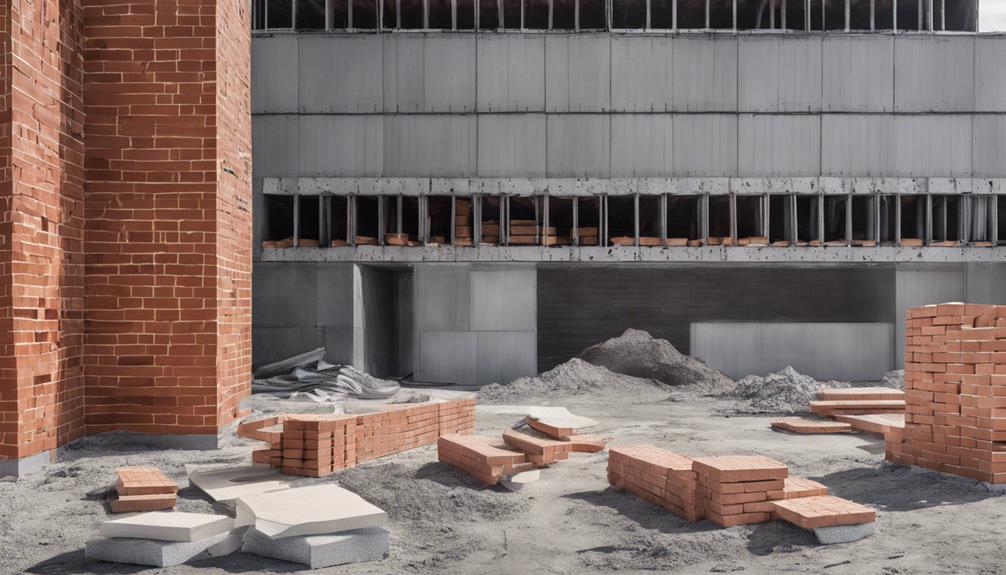
Shifting focus to brick and block, you'll discover their remarkable utility in building construction. These materials are prized for their inherent fire resistance. Bricks and concrete blocks, when constructed properly, can withstand extreme temperatures that would typically compromise other materials. This makes them an excellent choice for fire safety in your building projects.

Brick and block don't just resist fire; they also slow the spread of flames. This can be crucial in allowing more time for evacuation and potentially saving lives.

Moreover, the thermal mass of these materials helps in maintaining interior temperatures, reducing the burden on heating and cooling systems and thereby enhancing energy efficiency in your building.

You'll also appreciate the low maintenance required for brick and block constructions. Unlike other materials that might need regular treatments or repairs, brick and block are durable over time, resisting not only fire but also moisture and pest damage. This durability translates into a lower total cost of ownership, as the need for replacements or frequent repairs is significantly reduced.

Incorporating these materials into your construction isn't just a safety choice, but a smart financial decision as well, aligning longevity with robustness in your building's design.

Fire-Retardant Wood Treatments

After exploring the benefits of brick and block for fire resistance in buildings, let's consider an alternative for projects where wood is preferred. You might've assumed wood is inherently risky for fire-sensitive applications, but that's not entirely the case. Modern advancements in fire-retardant treatments can make wood a viable option.

Fire-retardant wood treatments involve applying chemicals that reduce the wood's flammability. These chemicals react when exposed to high temperatures, forming a protective char layer that insulates the underlying wood from heat and slows down combustion.

You've got a few options here: pressure-treated or surface-coated wood. Pressure-treated wood is infused with fire-retardant chemicals under high pressure, ensuring deep penetration and long-lasting protection. Surface-coated wood, on the other hand, is treated with a fire-resistant coating that also prevents fire spread but might require more frequent reapplications depending on exposure and wear.

It's crucial you choose the right type of treated wood for your project. Check the treatment's compatibility with your specific application, whether it's exterior siding, roofing, or interior paneling. Also, keep in mind that while these treatments enhance fire resistance, they don't make the wood entirely fireproof. Regular maintenance and inspections are essential to ensure the treatment remains effective.

Fire-Resistant Insulation Choices

While treated wood offers improved fire resistance, opting for fire-resistant insulation is equally crucial in enhancing the safety of your building. You'll want to consider materials that not only slow the spread of fire but also contribute to the overall energy efficiency and comfort of your space.

One standout option is mineral wool, also known as rock wool or slag wool. This insulation is made from natural minerals and offers excellent fire resistance due to its ability to withstand temperatures above 1,000 degrees Celsius without melting. It's not just fire-resistant; it's also effective at soundproofing and temperature control, making it a top choice for safety-conscious builders like you.

Another great choice is fiberglass insulation. It's made from fine strands of glass woven together, and while it's mostly known for its thermal insulation properties, it's also non-combustible. The materials used in fiberglass are naturally fire-resistant, providing a reliable barrier against heat and flames without the risk of emitting toxic fumes.

When you're planning your next building project, don't overlook gypsum board as an insulative option. Commonly used in drywall, gypsum contains water in its crystalline structure, which vaporizes during a fire and helps control the spread of flames.

Stone Durability in Fires

Stone stands as a formidable choice for building materials, especially when considering fire resistance. If you're planning a construction project, you'll find that using stone can provide not only aesthetic value but also significant safety benefits in the event of a fire.

Granite, limestone, and sandstone are among the top choices due to their ability to withstand high temperatures. These materials don't burn, making them ideal for areas prone to wildfires or in constructions where fire safety is paramount.

You mightn't realize it, but stone also absorbs heat slowly, which helps in maintaining structural integrity longer during a fire, compared to other materials.

Moreover, the density and composition of stone make it a poor conductor of heat. This feature significantly reduces the speed at which a fire can spread, offering you more time to safely evacuate and for emergency services to respond.

It's essential, though, to combine stone with other fire-resistant building practices for optimal protection.

Incorporating stone into your building not only enhances its resistance to fire but also adds to its longevity and resale value. It's a wise investment that pays off in safety, durability, and aesthetic appeal.

Just remember, while stone is resistant, it's not invulnerable, so consider comprehensive fire safety measures in your overall design.

Fireproofing Paints and Coatings

Many buildings benefit significantly from the application of fireproofing paints and coatings, which offer an additional layer of protection against flames. You'll find these innovative solutions essential in enhancing your building's resilience to fire. Essentially, they're designed to expand when exposed to high temperatures, forming a protective barrier that insulates structural members from the intense heat of a fire.

These coatings can be applied to a variety of materials, including steel, wood, and concrete, making them versatile for different building types.

You might wonder about their application process. It's straightforward: the paint is applied just like any other paint or coating, but you'll need to ensure it's evenly distributed to maximize its effectiveness.

When choosing the right fireproofing paint, consider the fire rating it offers—this determines how long the coated material can withstand fire exposure before it fails. It's also wise to check for certifications from reputable safety organizations to confirm the product's reliability and effectiveness.

Investing in quality fireproofing paints and coatings isn't just about compliance with safety regulations; it's about peace of mind. Knowing you've added an extra layer of protection can make all the difference in an emergency.

Conclusion

You've explored the top fire-resistant materials that can safeguard your building against the ravages of fire. From the robustness of concrete and steel framing to the protective qualities of fire-resistant glass and insulation, these materials are crucial for enhancing safety. Don't overlook the effectiveness of fire-retardant wood treatments and fireproof paints. By choosing the right materials, you're not just building; you're fortifying. Remember, investing in these materials can be a lifesaving decision for your property.

Related articles: 3 Best Fire-Resistant Materials for Commercial Buildings

fire safety in buildings

What Are Fire-Resistant Materials for Commercial Buildings?

In your commercial building, you can boost safety by using fire-resistant materials like gypsum boards, which release water as steam to manage flames and temperatures. Also, fire-resistant glass remains intact under extreme heat, offering visibility during a fire. Deeper layers of protection can be achieved with insulating materials treated with fire-retardant chemicals, while steel structures might be covered in intumescent paint or encased in concrete for enhanced durability. Brick and specially treated wood also provide reliable fire resistance. Each material carries specific fire ratings, guiding you towards making informed choices on their effectiveness. Exploring further will unveil more on how these materials can fortify your setup against fires.

Understanding Fire-Resistant Materials

Fire-resistant materials are essential components that significantly enhance the safety of commercial buildings by reducing the spread and impact of fires. When you're selecting materials for construction, it's crucial to consider how they'll perform in a fire. Materials like gypsum boards, glass, and certain types of insulation are designed to withstand high temperatures and slow down fire propagation.

Gypsum boards, for example, are made from a mineral that contains water in its crystal structure. During a fire, this water is released as steam, which helps to control the temperature and limit the spread of flames.

Meanwhile, fire-resistant glass can endure extreme heat without shattering, providing a barrier against flames while maintaining visibility and light transmission.

Insulation materials injected with fire-retardant chemicals can also play a critical role. These substances enhance the material's ability to resist ignition and slow down the fire's growth, giving you and emergency responders more time to act.

You should also consider the layout and installation of these materials. Proper installation can significantly impact their effectiveness in a fire. Always work with certified professionals who understand the nuances of fire-resistant technologies and building codes. This expertise ensures that safety isn't just an option; it's integrated into the very fabric of your building.

Concrete and Its Durability

Transitioning from specific fire-resistant materials, let's turn our focus to concrete, a staple in the construction of commercial buildings. You've likely seen concrete everywhere, but you may not know just how invaluable it's in fire safety. Concrete's durability and fire resistance make it an ideal choice for the structure of high-rise offices, shopping centers, and other commercial spaces.

Concrete's ability to resist fire comes from its composition. Made of cement, water, and aggregates like sand and gravel, it undergoes a chemical reaction that not only hardens it but also significantly reduces its susceptibility to fire. In the event of a fire, concrete can withstand high temperatures for extended periods without losing its structural integrity. This property minimizes the risk of collapse, providing more time for evacuation and firefighting efforts.

Moreover, concrete doesn't emit toxic fumes when exposed to flame, which is a crucial safety feature. It also doesn't burn, spread flames, or contribute fuel to an existing fire, enhancing its status as a fire-resistant material.

For you, as someone involved in commercial construction, choosing concrete means investing in both durability and safety, ensuring a longer lifespan for your buildings while protecting lives.

Gypsum Board Properties

After exploring the robust fire-resistant qualities of concrete, let's consider gypsum board, another vital material in constructing commercial buildings.

You'll find that gypsum board, commonly known as drywall, offers impressive fire-resistance that makes it indispensable in commercial construction.

Gypsum board consists mainly of gypsum, a mineral known for its fire-resistant properties. When exposed to fire, the water molecules trapped within the gypsum are slowly released as steam, effectively impeding the transmission of heat. This natural fire resistance doesn't just slow down the spread of flames; it also reduces the overall temperature, providing crucial extra minutes for evacuation and response.

You'll appreciate that gypsum board isn't only fire-resistant but also versatile and cost-effective. It's easily installed and finished, which can significantly cut down construction times and costs. Moreover, its smooth surface is ideal for painting or wallpapering, allowing for aesthetic flexibility in design.

It's also worth noting that while gypsum board is inherently fire-resistant, its performance can be enhanced. Manufacturers often offer Type X gypsum board, which includes glass fibers to increase its resistance to heat and fire. This makes it an even safer choice for areas where fire safety is paramount.

Fire-Resistant Glass Types

You'll find that as we explore further into the realm of fire-resistant materials, special types of glass play a crucial role in maintaining safety in commercial buildings. Fire-resistant glass isn't just ordinary glass. It's specifically designed to withstand extreme heat from fires, preventing flames and smoke from spreading and buying crucial time for evacuation and emergency response.

There are mainly two types of fire-resistant glass: wired and ceramic. Wired glass, recognizable by its embedded wire mesh, holds the glass in place even when shattered. It's generally effective for up to 45 minutes of fire resistance.

On the other hand, ceramic glass offers superior protection. Made to withstand temperature extremes, it can resist heat for up to 3 hours, significantly more than wired glass. It remains clear, unlike wired glass, which can obscure visibility with its wire mesh.

You might also encounter intumescent glass, a newer technology where a layer between the glass panes expands when exposed to fire, forming a thick, insulating barrier against heat and flames. It's an excellent option for areas needing clear visibility alongside high safety standards.

Choosing the right fire-resistant glass depends on specific building requirements and safety codes. Always consult with an expert to ensure compliance and maximum protection.

Steel Structures and Fire Resistance

Steel structures, while inherently robust, require specific enhancements to boost their fire resistance. You'll find that unprotected steel can lose its strength and stability at high temperatures, making it crucial to implement protection methods in commercial buildings.

One effective method you can consider is applying intumescent paint. This special coating expands when exposed to extreme heat, forming an insulating barrier that protects the steel beneath. It's not only efficient but also maintains the aesthetic appeal of the structure, as it can be applied in various finishes.

Another strategy involves using fire-resistant boards or wraps. These materials encase the steel, shielding it from high temperatures and prolonging the structural integrity during a fire. It's a reliable choice for areas where aesthetics are less critical but safety is paramount.

You might also explore the option of concrete encasement. By encasing steel columns or beams in concrete, you significantly enhance their fire resistance. Concrete has excellent heat-resistant properties and adds additional strength to the structure, though this method can increase construction costs and time.

Brick and Fire Safety

Brick construction offers notable fire safety benefits, positioning it as a top choice for commercial buildings where fire resistance is crucial. When you choose brick for your building's exterior, you're leveraging one of the most durable and fire-resistant materials available. Brick doesn't ignite, nor does it aid the spread of flames, ensuring additional time for evacuation and fire control.

Moreover, brick walls can withstand high temperatures without collapsing. This property significantly enhances the structural integrity of a building during a fire, reducing the risk of catastrophic damage.

You'll appreciate that brick's excellent thermal mass also helps in stabilizing interior temperatures, which can be critical in preventing fires from escalating.

Incorporating brick in your construction isn't just about safety; it's also about cost-effectiveness in the long run. Although the initial investment might be higher compared to less sturdy materials, the longevity and minimal maintenance requirements of brick can lead to substantial savings over time. Additionally, insurance costs may be lower for brick buildings due to their proven fire-resistance capabilities.

Choosing brick means you're not only ensuring a safer environment but also investing in a solution that stands the test of time and elements, including fire.

Fire-Retardant Wood Options

While traditional wood is highly flammable, manufacturers have developed fire-retardant wood options that significantly enhance safety in commercial buildings. You'll find these materials crucial in areas where aesthetics and wood's natural beauty are desired alongside stringent safety standards.

Fire-retardant wood is treated with chemicals that reduce its flammability. This treatment involves impregnating the wood fibers with fire-resistant chemicals, which inhibit the wood's tendency to ignite. These chemicals also reduce the rate at which the wood burns, allowing more time for evacuation and firefighting efforts.

When you're choosing wood for your project, you might come across terms like FR (fire-retardant) treated wood or fire-rated wood. These products aren't just soaked in chemicals; rather, they undergo a pressure-treatment process that ensures the fire-retardant chemicals deeply penetrate the wood, providing lasting protection.

It's essential you verify the wood's fire rating. Look for Class A rated fire-retardant wood, which offers the highest level of resistance to fire exposure. Always ensure that the wood meets local building code requirements, which dictate specific standards for fire safety.

Opting for fire-retardant wood not only helps protect your property but also significantly enhances the safety of occupants. This choice is a smart move in blending safety with functionality and aesthetics in your building's design.

Protective Coatings and Paints

Transitioning from fire-retardant wood, another vital option for enhancing fire resistance in commercial buildings involves the use of protective coatings and paints. You'll find these products crucial when you're aiming to bolster the fire safety of your structure. They're not just regular paints; they're specially formulated to resist high temperatures and slow the spread of flames.

These coatings and paints contain fire-retardant chemicals which react under heat, forming a protective char layer that insulates the material underneath. This action helps to maintain the structural integrity of the building components for a longer period during a fire, potentially saving lives by allowing more time for evacuation.

You can apply these coatings on a variety of surfaces, including walls, ceilings, floors, and even on steel structures that are typically vulnerable to high heat. It's essential, however, to ensure that the application is done correctly. Inadequate or improper application might reduce the effectiveness of these fire-resistant treatments.

Moreover, when you're selecting these products, it's important to check their fire rating. The higher the rating, the better the protection they offer. Always opt for products that comply with local fire safety regulations to ensure maximum safety and effectiveness.

Insulating Materials and Fire Barriers

After exploring the role of protective coatings and paints in enhancing fire safety, let's consider another key aspect: insulating materials and fire barriers. You need to know how these elements can safeguard your building during a fire.

Insulating materials in buildings primarily help in managing temperatures and reducing energy costs. However, when it comes to fire resistance, not all insulating materials are created equal. Materials like fiberglass, mineral wool, and certain foam insulations resist fire better and don't contribute to flame spread. These materials can withstand high temperatures while maintaining structural integrity and limiting the heat transfer that can lead to fires in other parts of the building.

Fire barriers play a critical role too. They compartmentalize a fire, keeping flames and smoke from spreading rapidly. This containment is crucial for allowing safe evacuation and giving firefighters more time to respond.

Common fire barriers include:

  • Fire-resistant walls
  • Floors
  • Doors

These are made from reinforced gypsum or concrete, which can stand up to intense heat.

Choosing the right combination of insulating materials and fire barriers isn't just a building code compliance issue; it's a vital part of your fire safety strategy. These elements work together to protect lives and minimize property damage during a fire.

Evaluating Material Fire Ratings

Understanding material fire ratings is crucial as you select the best fire-resistant materials for your commercial building. Fire ratings, measured in hours, indicate how long a material can withstand fire before it fails structurally or allows significant heat transfer. These ratings help you determine the level of fire resistance necessary for different areas of your building, ensuring safety and compliance with local fire codes.

Start by checking the fire ratings of materials, typically listed in product specifications or technical datasheets. You'll find common ratings like 1-hour, 2-hour, or 4-hour fire resistance. These numbers aren't arbitrary; they're based on rigorous testing by standards organizations such as ASTM International or UL LLC.

Materials undergo tests like the ASTM E119, which exposes them to controlled fire conditions to assess their performance under heat and stress.

You should also consider the fire rating requirements specific to your building's design and location. Different building codes and jurisdictions may demand varying levels of fire resistance, especially in critical areas like stairwells, elevator shafts, or mechanical rooms.

Consulting with a fire safety engineer can provide insights into the optimal materials for your project, balancing cost, functionality, and compliance.

Conclusion

You've explored a range of fire-resistant materials crucial for enhancing safety in commercial buildings. From the robustness of concrete and steel to the protective qualities of gypsum board and fire-resistant glass. Don't overlook fire-retardant wood and specialized coatings that boost resilience. Remember, the right insulating materials can further shield against fire. Always check the fire ratings to ensure the materials you choose meet the necessary safety standards for your building's security and compliance.

Related articles: Top Fire-Resistant Materials for Your Building

fire resistant building materials list

Top 5 Fire-Resistant Materials for Buildings

When building or renovating, you should consider fire-resistant materials to enhance safety and resilience. Concrete, for instance, significantly slows down the spread of flames and improves fire containment due to its low thermal conductivity. Gypsum board is another great choice; it releases water vapor under high heat, helping to control fires. You can also opt for fire-retardant wood, which resists ignition and can be used similarly to regular wood. For windows, laminated or ceramic glass can resist high temperatures, and steel framing offers exceptional strength and fire resistance. These materials not only secure your structure but also ensure long-term sustainability. Discover more benefits these materials can bring to your project.

Concrete: A Robust Barrier

Concrete serves as a formidable barrier against fire, enhancing the safety of buildings. When you're considering materials for construction, it's crucial to note how effectively concrete withstands high temperatures. Its ability to resist fire isn't merely about withstanding heat; it also significantly slows the spread of flames, providing crucial time for evacuation and response.

You'll find that unlike many other materials, concrete doesn't emit toxic fumes when exposed to fire. This characteristic is vital for maintaining safer environments during a fire event.

Moreover, concrete's composition — primarily cement, water, and aggregates — inherently possesses low thermal conductivity. This means it doesn't transfer heat quickly, helping to contain any fire to one area and preventing it from spreading rapidly throughout a structure.

As you plan your next construction project, remember that using concrete can also potentially lower insurance premiums due to its high fire resistance. It's a smart choice not only for safety but also for long-term savings. Consider how integrating concrete into your building design not only enhances structural integrity but also adds a crucial layer of fire protection. It's a robust, reliable choice that offers peace of mind.

Gypsum Board Installations

Shifting focus to gypsum board, you'll find it's an incredibly versatile material used primarily for interior walls and ceilings. This product not only offers a smooth finish but also provides significant fire resistance, thanks to its core composed of calcium sulfate dihydrate. When exposed to high heat, gypsum board releases water vapor, which helps control the spread of fire and lowers the temperature in the affected area.

You can choose from various types of gypsum boards depending on your specific needs. Type X gypsum board is especially popular for its enhanced fire-resistance qualities. It contains glass fibers that reinforce the board, allowing it to withstand fire for longer periods. Typically, you'll see this type used in areas requiring additional safety measures, like between apartments or in commercial kitchens.

Installing gypsum board is straightforward. You'll fasten the boards directly to the structure's framework using screws or nails. For improved fire protection, ensure all joints and seams are properly sealed with joint compound and tape. This not only enhances the fire-resistant properties but also ensures a uniform, polished appearance. Remember, correct installation is key to maximizing gypsum board's efficiency in fire protection.

Fire-Retardant Wood Applications

While gypsum board is a standout choice for fire-resistant wall and ceiling finishes, fire-retardant wood products bring similar safety features to a range of other construction elements. You'll find these specially treated woods ideal for framing, siding, and even roofing, where traditional wood might pose a fire hazard.

Here's the scoop: fire-retardant wood isn't your typical lumber. It's treated with chemicals that significantly slow down the combustion process. This means that in the event of a fire, it'll resist ignition longer than untreated wood, giving you more time to react and potentially reducing the damage to your property.

You're probably wondering about appearance and usability. Well, good news! Fire-retardant wood can be painted or stained just like regular wood, so it blends seamlessly with other materials in your building. Plus, it machines and works just like traditional lumber, making it a versatile choice for various architectural styles.

Glass Reinforcement Techniques

In modern architecture, glass plays a crucial role, but its fragility can be a concern. To boost its resilience and fire resistance, you'll want to consider various glass reinforcement techniques.

Laminated glass, one of the most effective options, involves bonding two or more glass sheets with a layer of resin or polyvinyl butyral (PVB) in between. This interlayer keeps the glass intact even when shattered, preventing it from breaking into dangerous shards during a fire.

Another robust technique is the use of tempered glass. It's heated to a high temperature and then rapidly cooled, strengthening it significantly compared to normal glass. This process makes it harder and more resistant to high temperatures, reducing the likelihood of breakage under fire conditions.

Ceramic glass, also essential, offers remarkable heat resistance. It withstands extreme temperatures without melting, making it ideal for high-risk fire zones in buildings. You might consider it for areas like fire doors or windows close to potential fire sources.

Incorporating these glass reinforcement techniques not only enhances safety but also maintains the aesthetic appeal of your building. Opt for these solutions to ensure durability and fire resistance without compromising on design.

Steel Framing Advantages

Beyond its aesthetic appeal, steel framing offers significant structural advantages for building construction. You'll find that it provides superior strength and durability, crucial in areas prone to severe weather or seismic activity. Steel's impressive strength-to-weight ratio means your building can withstand higher stresses while using less material than traditional wood framing, which not only saves you money but also speeds up the construction process.

Steel framing isn't just tough; it's also remarkably fire-resistant. It can withstand temperatures far higher than those that would cause wood frames to collapse. This feature alone makes steel an invaluable material in designing buildings where safety is a top priority. Additionally, steel doesn't contribute fuel to a fire, helping to limit the spread and intensity should one occur.

You'll also appreciate steel's adaptability. It can be molded into nearly any shape, allowing for innovative designs and architectural freedom. This flexibility ensures that your building can meet specific aesthetic and functional requirements without compromise.

Moreover, steel framing is environmentally friendly. It's fully recyclable, reducing waste and often incorporating recycled materials in its production. Choosing steel helps you contribute to a more sustainable construction model, aligning with modern eco-friendly building practices.

Conclusion

You've explored the top fire-resistant materials that can safeguard your building against fire hazards. Concrete offers robust protection, while gypsum board provides essential barriers. Fire-retardant wood and reinforced glass enhance safety without compromising aesthetics. Steel framing rounds out your options, combining strength and resistance. Choosing any of these materials will significantly boost your building's resilience to fire, ensuring peace of mind and safety for everyone inside. Make an informed decision and prioritize fire resistance in your construction plans.

Related articles: What Are Fire-Resistant Materials for Commercial Buildings?

fire safety in construction

Why Choose Fire-Resistant Materials for Commercial Buildings?

Choosing fire-resistant materials for your commercial building enhances safety by limiting the spread of flames and smoke, which aids in evacuation and maintains structural integrity during a fire. You'll comply with building regulations more effectively and may benefit from lower insurance premiums due to the reduced risk. These materials are not only durable but also cost-effective over time, as they decrease the likelihood of extensive fire damage and minimize business disruptions. Plus, incorporating such materials might position you for future savings and added security. Exploring this approach further could reveal significant safety and economic advantages for your business.

Benefits of Fire-Resistant Materials

Integrating fire-resistant materials into commercial building design significantly enhances safety and protection. When you choose these materials, you're not just complying with building codes; you're actively investing in your property's future. Fire-resistant materials like gypsum boards, reinforced concrete, and fire-retardant-treated wood limit the spread of flames and smoke, giving occupants more time to evacuate and reducing structural damage.

These materials are engineered to withstand high temperatures, ensuring that the integrity of your building's structure is maintained longer during a fire. This is crucial because it minimizes the risk of collapse, potentially saving lives and lowering repair costs.

Fire-resistant materials also contribute to a more predictable building performance under fire conditions, facilitating more effective firefighting and rescue operations.

Moreover, using these materials may lead to lower insurance premiums due to the reduced risk they present. Insurers often recognize the added safety features and adjust coverage costs accordingly. By incorporating fire-resistant materials, you're not only safeguarding the building's occupants and assets but also managing your operational costs more effectively. This makes them a wise choice for any commercial building project, blending safety with economic benefits seamlessly.

Enhancing Safety in Commercial Spaces

Beyond choosing fire-resistant materials, enhancing safety in your commercial spaces involves implementing comprehensive fire safety measures. You'll need to consider everything from the layout of your building to the emergency protocols you have in place. It's not just about minimizing the risk of fire but also ensuring that if a fire occurs, everyone in the building can exit safely and quickly.

Firstly, ensure your space has clear and accessible escape routes. You should regularly check these paths to ensure they're free of obstructions and clearly marked. It's crucial that your employees know these routes and participate in regular fire drills.

Secondly, install and maintain high-quality smoke detectors and fire alarms. These systems are your first line of defense, alerting occupants to danger before it's too late. Make sure they're tested regularly and kept in good working order.

Additionally, consider the benefits of sprinkler systems. While they represent an upfront investment, they can dramatically reduce the severity of fires, giving people more time to evacuate and potentially saving lives.

Cost-Effectiveness Over Time

While investing in fire-resistant materials and safety systems might seem costly initially, these measures prove cost-effective over time. You'll find that the longevity and durability of fire-resistant materials reduce the need for frequent replacements and repairs. This means you're not only saving on material costs but also on the labor needed for maintenance.

Moreover, consider the potential losses from fire damage. By incorporating fire-resistant materials, you're significantly lowering the risk of extensive damage, which can lead to costly repairs and even rebuilding. In the unfortunate event of a fire, these materials help contain the damage, ensuring that the structure of your building remains mostly intact. This containment also means less disruption to your business operations, helping you get back on track much faster than you'd otherwise.

Additionally, fire-resistant materials often come with lower insurance premiums. Insurers recognize the reduced risk these materials pose, reflected in the lower costs of insurance for your business. Over the years, these savings can add up, offsetting the initial higher investment.

In essence, while the upfront cost might pinch, the long-term savings and added security make these materials a wise financial decision for your commercial property.

Compliance With Building Regulations

Adhering to building regulations isn't just a legal necessity; it's a strategic advantage when you incorporate fire-resistant materials into your commercial property. You're not only ensuring compliance but also positioning your building for future-proofing against stricter codes and potential legal challenges. By choosing materials that meet or exceed current standards, you're significantly reducing the risk of costly penalties and interruptions during construction and operation phases.

You know the drill—each jurisdiction has its own set of codes and regulations that dictate the required fire safety measures for commercial buildings. Fire-resistant materials can help you meet these varying requirements more seamlessly. Whether it's insulation, wall panels, or flooring, opting for certified products that are recognized for their resistance to fire can streamline the approval process of your building plans.

Moreover, you're setting yourself up for lower insurance premiums. Insurers often favor buildings that demonstrate higher safety standards, which can translate into savings for you. This isn't just about following the rules; it's about making smart choices that keep your operations running smoothly and your finances intact.

Don't overlook the importance of compliance—it's your pathway to a safer, more sustainable future in commercial real estate.

Case Studies and Real-World Applications

You've seen how adhering to regulations with fire-resistant materials can benefit your commercial property; let's now look at how businesses like yours have applied these materials in practice.

Consider the case of a high-rise office complex in downtown Chicago. The developers used fire-resistant glass and cladding to exceed safety standards. This not only provided peace of mind but also reduced insurance premiums, making it an economically wise choice.

Another example is a tech warehouse in San Francisco that incorporated fire-resistant panels in its design. During a minor fire, these panels prevented the blaze from spreading, which allowed the building's sprinkler system to extinguish the fire quickly and efficiently. This quick action saved millions in potential damages and avoided a major disruption in operations.

Lastly, there's the renovation of an old hotel in New York City. The architects chose to retrofit with fire-resistant materials throughout the building. When a kitchen fire broke out, the materials contained it until firefighters arrived, thereby safeguarding not only the structure but also the lives of guests and staff.

These cases illustrate that investing in fire-resistant materials isn't just about compliance; it's about foresight, safety, and sustainability.

Conclusion

You've seen how fire-resistant materials not only enhance safety but also prove cost-effective and regulatory compliant. By integrating these materials into your commercial building, you're not just following codes; you're actively protecting lives and investments. Consider the real-world successes from the case studies; they highlight the undeniable value of choosing fire-resistance. Don't overlook this smart choice. It's about making your space safer, more durable, and ready to face any challenge. Make the right decision—prioritize safety with fire-resistant materials.

Related articles: Top 5 Fire-Resistant Materials for Buildings