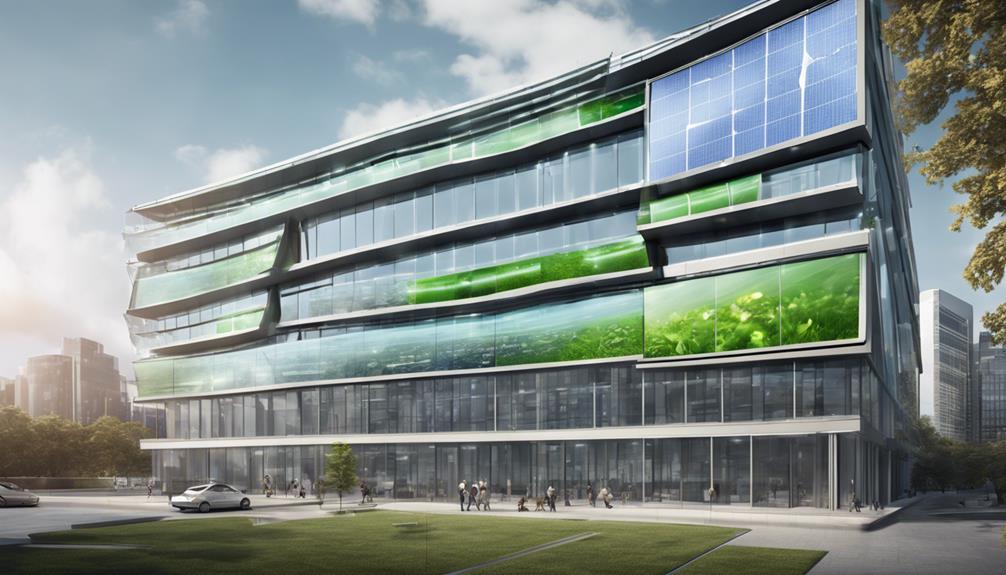
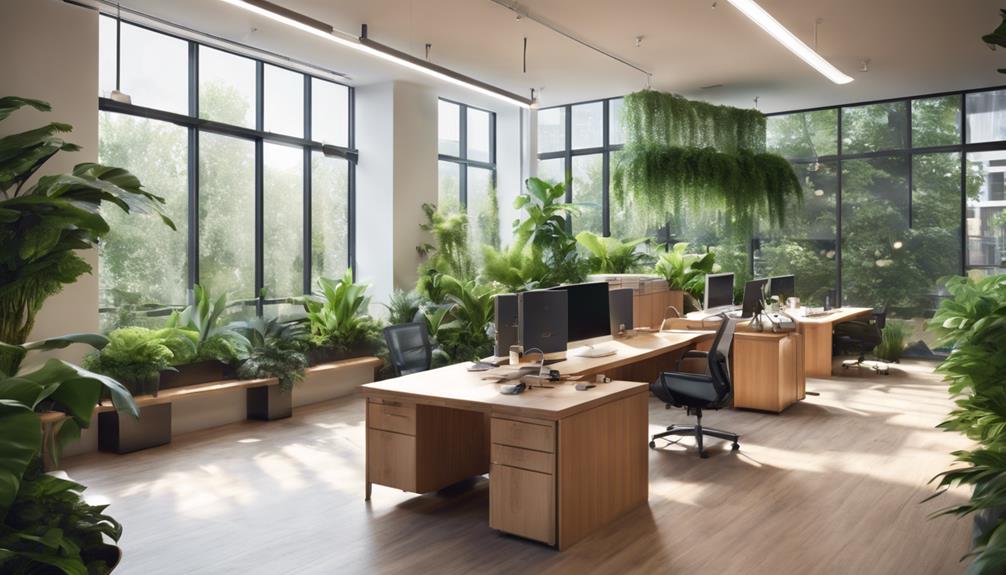
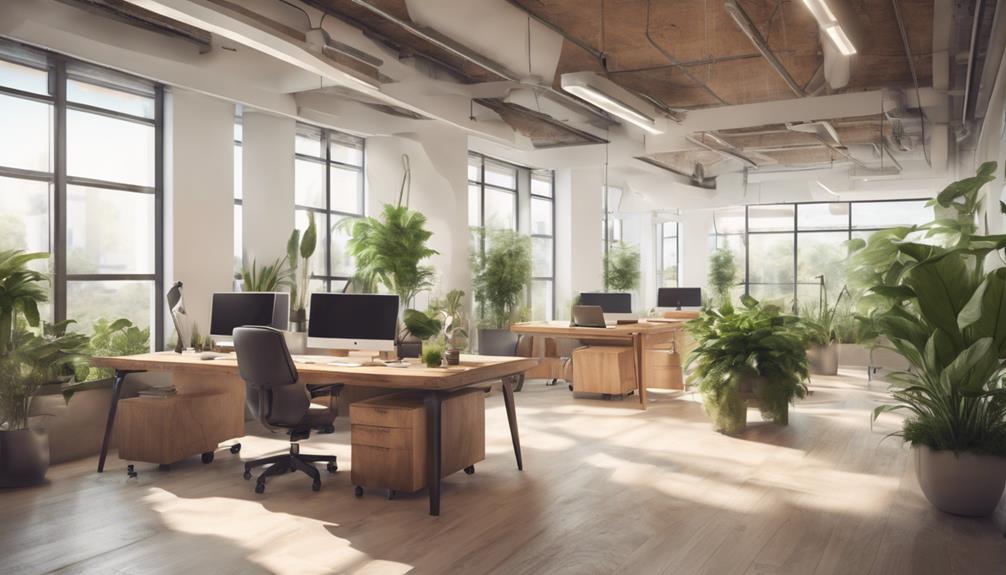
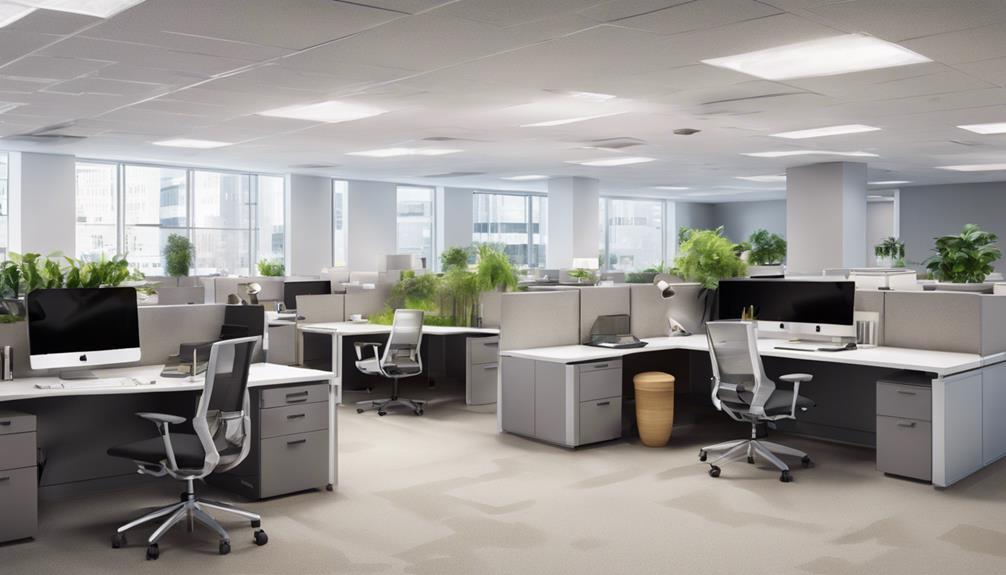
As you explore the integration of smart technology in modern architecture, you'll find buildings designed to anticipate and respond to your needs through advanced materials and systems. Imagine living or working in a space that adapts its environment for optimal comfort and efficiency, using smart thermostats, intelligent lighting, and automated security systems tailored to user presence and preferences. These innovations not only enhance your personal environment but also contribute to significant energy savings and a greener planet. By fully embracing these technologies, your surroundings become a seamless blend of functionality and sustainability. This is just a glimpse into how these intelligent systems are revolutionizing spaces.
Defining Smart Technology
Smart technology often integrates seamlessly into modern architecture, enhancing both functionality and sustainability. When you think about smart tech, you're considering a broad array of tools and systems that anticipate and respond to your needs. It's not just about gadgets; it's about elements that make buildings more adaptive and responsive.
You'll find that smart technology encompasses more than just programmable devices or internet-connected appliances. It includes advanced materials that help control indoor environments and structures that learn and adapt over time. Imagine windows that adjust their tint based on sunlight exposure or flooring that generates energy as people walk over it.
This integration means that the buildings you live, work, or play in are no longer static environments but dynamic spaces that interact with their inhabitants and surroundings. The technology hidden within these spaces is designed to be unobtrusive and intuitive, blending into the very fabric of the building's design.
Understanding smart technology in architecture isn't just about recognizing the devices used; it's about appreciating how deeply technology can be woven into the everyday spaces you occupy. It changes how you interact with your surroundings, making your environment more connected and attuned to your presence.
Benefits of Smart Buildings
Building on the understanding of how technology is woven into modern spaces, it's evident that smart buildings offer significant advantages. As you delve deeper into the world of smart architecture, you'll find that these buildings significantly enhance operational efficiency. They streamline building management processes, reducing the time and manpower needed for maintenance and control. This leads to cost savings that you'll appreciate over the building's lifespan.
Moreover, smart buildings adapt to the needs of their occupants. Imagine walking into a room that adjusts lighting, temperature, and even sound based on your preferences and the task at hand. This personalization not only boosts your comfort but also your productivity, making it easier for you to focus and achieve more in less time.
Energy efficiency is another key benefit. Smart buildings optimize the use of resources, drastically cutting down on energy consumption and, consequently, your utility bills. They achieve this by employing systems that ensure nothing goes to waste, whether it's heating, cooling, or lighting.
Incorporating smart technology in buildings doesn't just make life easier; it creates environments that are sustainable, efficient, and tailor-made for your needs, contributing to a greener planet and a more personalized space.
Key Smart Technologies Used
Delving into the core of modern smart architecture reveals a variety of technologies essential for enhancing building functionality. You'll find that automation systems are at the heart of these innovations. These systems integrate heating, ventilation, air conditioning, and lighting to create environments that adapt to user needs in real-time. Imagine walking into a room that adjusts the light and temperature exactly to your preference without the need to press a single button.
Next up, let's talk about intelligent security systems. These aren't just your average cameras and alarms. They incorporate facial recognition, motion sensors, and real-time alerts directly to your smartphone, providing enhanced security and peace of mind. You're not just protected; you're informed.
Then there's the incorporation of IoT (Internet of Things) devices. These devices connect and communicate seamlessly across the building's network, offering you control over various aspects from anywhere in the world. Picture adjusting your office's ambiance from your living room, or receiving maintenance alerts before a problem escalates.
Impact on Energy Efficiency
Integrating smart technology significantly boosts a building's energy efficiency. As you delve into the use of these innovations in your projects, you'll notice a substantial decrease in energy consumption and cost. Smart thermostats are a prime example; they learn your habits and adjust heating and cooling systems accordingly, ensuring that energy isn't wasted when you're not around.
You'll see similar benefits with smart lighting systems, which automatically dim or turn off based on room occupancy or natural light availability.
Moreover, the integration of energy management systems can provide you with detailed insights into your building's energy patterns. These systems analyze data from various sources within the building, enabling you to pinpoint inefficiencies and adjust settings for optimal performance. Imagine being able to detect and mend minor issues before they escalate into major energy wasters. This not only saves energy but also extends the lifespan of your building's systems.
Additionally, smart windows, which adjust their tint based on the intensity of incoming sunlight, can significantly reduce reliance on artificial cooling during hot days. This seamless adaptation contributes to a more comfortable indoor environment while slashing energy bills. Implementing these technologies transforms how buildings consume energy, turning traditional structures into dynamic, efficient entities.
Enhancing Building Security
Smart technology not only optimizes energy use but also revolutionizes building security. You'll see this as you integrate advanced surveillance systems, biometric access controls, and real-time monitoring apps into your building's architecture. These innovations ensure that you can keep an eye on your premises without being physically present.
Imagine using facial recognition or fingerprint scanning to grant access. These biometric systems reduce the risk of unauthorized entry, making traditional keys or access cards obsolete. You're not just enhancing security; you're streamlining access, making it both safer and quicker for everyone involved.
Moreover, smart sensors play a crucial role. They can detect unusual activity and alert you immediately. Whether it's an opened window or an unexpected movement during non-operational hours, you're instantly informed. This capability allows you to react swiftly to potential threats, perhaps even stopping them before they escalate.
Integration of AI in security systems further refines the protection. These smart systems learn from daily interactions and continually adjust to new threats, keeping your security measures a step ahead of any potential breaches. You're not just protected; you're prepared.
With smart technology, your building isn't just a space; it's a safe haven.
Improving Occupant Comfort
Beyond enhancing security, smart technology significantly boosts the comfort levels for occupants in modern buildings. Imagine living or working in a space that intuitively adjusts to your preferences. Smart thermostats, for instance, learn your schedule and temperature preferences, ensuring you're always walking into a perfectly heated or cooled environment.
This isn't just about luxury; it's about creating an atmosphere where you're consistently comfortable, which can significantly improve your productivity and mood.
Lighting plays a crucial role in comfort too. Smart lighting systems adjust the brightness and color based on the time of day or the task at hand, reducing eye strain and mimicking natural light cycles to support your body's circadian rhythms. You'll notice fewer headaches and better sleep patterns, all thanks to a well-lit environment that changes with your needs.
Moreover, smart acoustic systems can enhance your environment by minimizing noise pollution. These systems can detect and reduce outside noise, or even create soundscapes that promote concentration or relaxation. You're not just occupying a space; you're engaging with a living environment that adapts to ensure you're always at your best.
Smart Tech for Facility Management
While enhancing occupant comfort, smart technology also revolutionizes facility management. You'll find that integrating IoT devices and AI-driven systems enables real-time monitoring and management of building operations. This isn't just about controlling lights and adjusting thermostats from your smartphone. It's about embedding intelligence into the infrastructure to anticipate needs, streamline processes, and maintain efficiency.
Imagine sensors that detect not only occupancy but also monitor environmental conditions like air quality and temperature. These systems can adjust settings autonomously for optimal comfort while conserving energy.
Moreover, predictive maintenance becomes the norm rather than the exception. You've got systems in place that alert you to potential issues before they become problematic, saving time and money on repairs.
Furthermore, energy management gets smarter. With smart meters and integrative software, you're not just tracking energy consumption; you're analyzing patterns and optimizing usage without compromising on comfort. This way, you're not only contributing to a more sustainable environment but also reducing operational costs significantly.
Lastly, security systems equipped with facial recognition and motion sensors ensure safety without being intrusive. You manage everything remotely, ensuring that security protocols are adhered to, even from a distance. This integration of smart technology transforms the way facilities are managed, making them more responsive, secure, and efficient.
Challenges in Implementation
Implementing smart technology in modern architecture isn't without its hurdles. You'll often find that cost is a significant barrier. Integrating cutting-edge systems can be expensive, and the initial investment might deter you, especially if you're working within a tight budget.
Moreover, there's also the challenge of compatibility. Your existing infrastructure mightn't seamlessly accommodate new smart technologies, leading to potential conflicts or the need for costly modifications.
You also can't overlook the complexity of installation. Smart systems often require specialized knowledge for proper setup, which means you might need to hire experts or train your team, adding further to the costs.
Additionally, as you dive deeper into integrating these technologies, you'll encounter maintenance challenges. Smart technology evolves rapidly, and keeping systems updated and functioning optimally can be a daunting task that demands continuous attention and resources.
Privacy and security are paramount concerns too. With increased connectivity, there's a heightened risk of cyber threats. You need robust security measures in place to protect sensitive data and ensure the privacy of users. This aspect alone can make or break your project, as failure to address security concerns can lead to significant vulnerabilities.
Future Trends in Smart Architecture
Despite the challenges associated with implementing smart technology, the future of smart architecture holds promising developments that could redefine how we interact with our environments. You'll soon see buildings that not only adapt to your needs but also predict them, using AI to analyze patterns and automate systems like lighting, heating, and even security for optimal comfort and efficiency.
Imagine windows that adjust their tint based on the time of day and interior lighting that changes with your mood or task. These aren't distant dreams but near-future realities. You'll walk into rooms that adjust their environment so seamlessly, you mightn't even notice—until you visit a place without these smart features and feel the difference.
Moreover, sustainability will be at the heart of future smart buildings. They'll use less energy and generate their own power through solar tiles or kinetic floor tiles that convert footsteps into electricity. Water reclamation systems and green walls will become standard, not exceptions.
This isn't just about convenience; it's about creating spaces that are more responsive, efficient, and in tune with both environmental and personal needs. You'll live and work in spaces that not only support your lifestyle but also promote a healthier planet.
Conclusion
You've seen how integrating smart technology in modern architecture not only boosts energy efficiency but also enhances security and occupant comfort. As you embrace these innovations, you'll find managing your facilities becomes a breeze. However, be mindful of the challenges, especially in implementation. Moving forward, keep an eye on emerging trends to ensure your building stays ahead of the curve. Embrace these advancements, and you'll transform your space into a smarter, more efficient, and comfortable environment.
Related articles: Revolutionizing Commercial Architecture With Smart Tech · Why Are Modern Buildings Prioritizing Energy Efficiency? · 5 Best Energy-Saving Commercial Building Designs