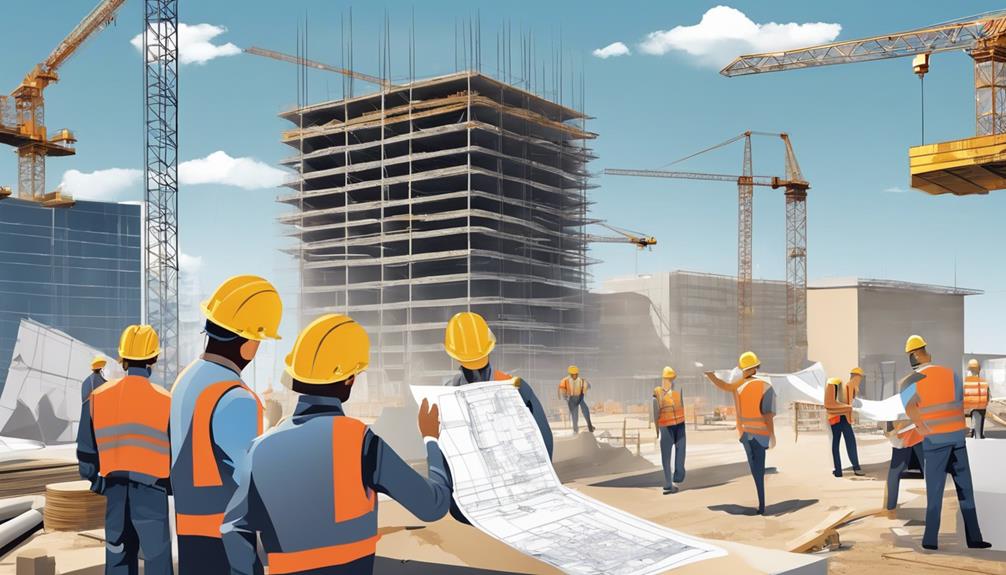
To elevate your construction project management skills, start by clearly defining your project's scope and setting realistic budgets. Develop a comprehensive timeline and prioritize effective communication to keep everyone on the same page. Implement risk management strategies to anticipate and mitigate potential setbacks. Ensure thorough documentation and compliance to keep all contractual obligations clear and up-to-date. Don't forget to monitor construction site safety rigorously to protect your team. Encourage team collaboration and regularly evaluate your project's performance against established timelines, budgets, and quality standards. Mastering these tips will surely set you up for success, offering even deeper insights into effective project management.
Define Project Scope Clearly
Defining your project scope clearly is crucial to the success of any construction project. You've got to know precisely what you're building, the standards you need to meet, and the objectives you aim to achieve. It's not just about the end product but understanding the milestones, the resources required, and the constraints you face.
Start with a detailed brief. This document should encapsulate everything from the client's vision to specific functional requirements. You'll refer back to this throughout the project, so it's got to be thorough.
Next, break down your project into manageable parts. Identify key deliverables for each phase and clarify the expected outcomes. This breakdown not only aids in clarity but also ensures that every team member knows their role and responsibilities.
Communication is your best tool here. Regular meetings and updates ensure everyone stays on the same page, helping to avoid scope creep, where projects expand beyond their original limits, often subtly and unnoticed until it's too late.
Set Realistic Budgets
Setting a realistic budget is essential for the financial health of your construction project. It ensures you've got the financial resources to cover all your project needs without overextending. To start, you'll need to thoroughly understand the costs involved. This includes direct costs like labor, materials, and equipment, as well as indirect costs such as administrative expenses and other overheads.
You should also account for contingencies—typically around 10-20% of your total budget—to handle unexpected issues that arise. Without this buffer, you're at risk of running out of funds, which can halt your project entirely.
To keep your budget grounded in reality, gather multiple quotes for services and materials. Don't just go with the first option. Comparing prices can save you a significant amount of money and help you make informed financial decisions.
Develop a Comprehensive Timeline
Once you've established a realistic budget, it's time to focus on creating a comprehensive timeline for your project. A detailed timeline is crucial as it guides every phase of the construction process, helping you manage time effectively and keep the project on track.
Start by breaking down the project into key phases. Each phase should have its own start and end dates, along with specific milestones you'll need to achieve. Make sure you're realistic about how long each task should take, considering potential delays.
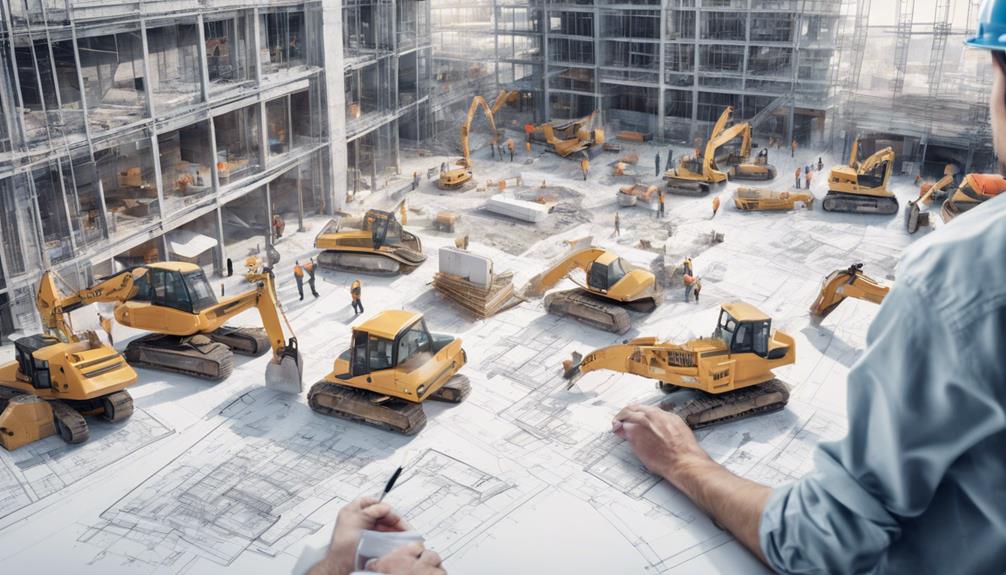
Next, integrate these phases into a master schedule. This overview allows you to see how different tasks overlap and interact, helping you allocate resources efficiently. Use tools like Gantt charts to visualize the timeline, making it easier to communicate the schedule to your team and stakeholders.
Remember to include buffer times for unexpected issues, such as weather delays or supply chain disruptions. Flexibility within your timeline can save you lots of stress down the line.
Regularly review and adjust the timeline as needed. Monitoring progress and adapting the schedule ensures that you're always moving forward efficiently, even when unexpected changes occur. This proactive approach keeps your project dynamic and responsive, ultimately leading to a successful completion.
Prioritize Effective Communication
Effective communication is often the cornerstone of successful project management in construction. As a project manager, you need to ensure that everyone on your team, from subcontractors to suppliers, understands the project goals, deadlines, and expectations clearly. This isn't just about sending emails or holding meetings; it's about making sure the message is received and understood.
To improve communication, you'll want to utilize multiple channels. Don't rely solely on email; consider regular in-person or virtual meetings, and use project management tools that provide real-time updates and feedback options. This variety ensures that information is accessible to everyone, depending on their preferences or needs.
It's also crucial that you're clear and concise in your communications. Avoid technical jargon when unnecessary and always clarify points that could be misinterpreted. Remember, misunderstandings can lead to costly delays or errors in a construction project.
Encourage open feedback from your team. This not only helps in identifying potential issues early but also promotes a collaborative team environment. When team members feel their voices are heard, they're more engaged and committed to the project's success.
Implement Risk Management Strategies
To manage risks effectively in construction project management, it's essential to identify potential hazards early. You'll want to establish a process that continuously assesses risks throughout the project's lifespan. Begin with a risk assessment during the initial phases, involving your team to brainstorm potential issues that could arise. This collaborative approach ensures that various perspectives and expertise contribute to a comprehensive risk profile.
Once you've identified the risks, prioritize them based on their potential impact and likelihood of occurrence. This prioritization helps you focus your resources on the most critical areas, ensuring that you're prepared for the most detrimental scenarios.
Develop mitigation strategies for these top-tier risks. These strategies might include securing additional resources, scheduling buffer times, or arranging for alternative methods or materials.
Implementing these plans requires constant monitoring. Keep your team engaged with regular updates and encourage them to report any deviations from the expected outcomes. This proactive communication allows you to address issues before they escalate.
Use Technology and Tools
Building on risk management strategies, leveraging the latest technology and tools can significantly enhance the efficiency and accuracy of your construction project management. Utilizing advanced software solutions, you can streamline processes, from scheduling to budget tracking, ensuring that you're always on top of the project's progress and financials.
Tools like Building Information Modeling (BIM) enable you to create detailed digital representations of physical and functional characteristics of your project, allowing for better planning and decision-making.
You'll also benefit from real-time communication apps that facilitate instant messaging and updates between team members, regardless of their location. This keeps everyone in the loop and can drastically cut down on delays caused by miscommunication or waiting for updates.
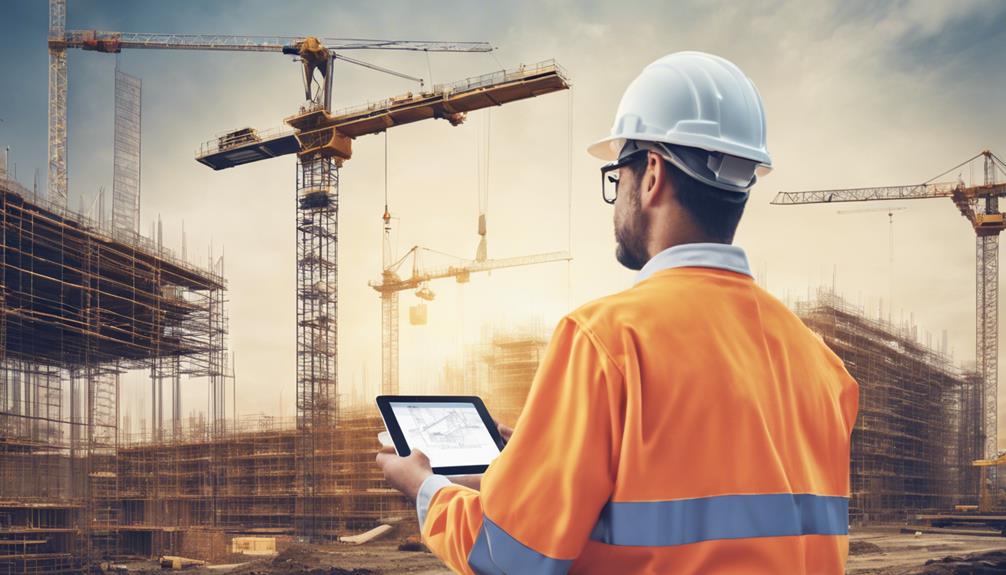
Don't overlook the power of mobile technology. Apps that allow you to manage your project from your smartphone or tablet can be a game-changer. You can perform tasks on-the-go, from editing plans to approving change orders, increasing your productivity significantly.
Investing in the right tech tools isn't just about keeping up with trends; it's about making smart choices that boost your project's success. You'll find that with the right technology at your fingertips, managing construction projects becomes a smoother, more precise process.
Manage Contracts and Documents
Managing contracts and documents efficiently is crucial to keeping your construction project on track. You'll find that without a streamlined approach, you're likely to face delays, misunderstandings, and potential legal troubles. It's essential you stay organized.
Start by digitizing your documents. This not only reduces physical clutter but also makes it easier to search and retrieve essential files when you need them. Make sure there's a backup system in place to protect against data loss.
You should also implement a robust contract management system. This will help you track the status of each contract, monitor compliance, and ensure that all parties are fulfilling their obligations. Regular reviews of these documents are key. Set up periodic check-ins to go over contracts and make adjustments as necessary.
Don't forget to train your team on the importance of document control. Everyone should know how to handle and store documents properly to avoid any mishaps. Clear communication about the processes and tools in place will ensure that everyone is on the same page.
Monitor Construction Site Safety
Ensuring safety on your construction site is paramount to the project's success and the well-being of your team. You've got to prioritize safety above all else, not just to meet legal requirements, but to protect everyone involved.
Start by conducting regular safety audits and risk assessments. These aren't just box-ticking exercises; they're crucial for identifying potential hazards before they lead to accidents.
It's also essential that you keep your safety gear up to date. Don't skimp on quality here—ensure that all personal protective equipment (PPE) meets the current standards and is in good condition.
Regular training sessions are a must. Make sure everyone on site knows how to handle the equipment safely and understands the latest safety protocols.
Don't overlook the importance of clear signage. It's your first line of defense against accidents, marking hazardous areas and providing critical information on safety procedures. Ensure these signs are visible and legible at all times.
Lastly, maintain an open line of communication regarding safety. Encourage your team to report potential hazards immediately. Remember, a safe site is more than just a compliant site; it's the foundation of a productive and responsible project environment.
Foster Team Collaboration
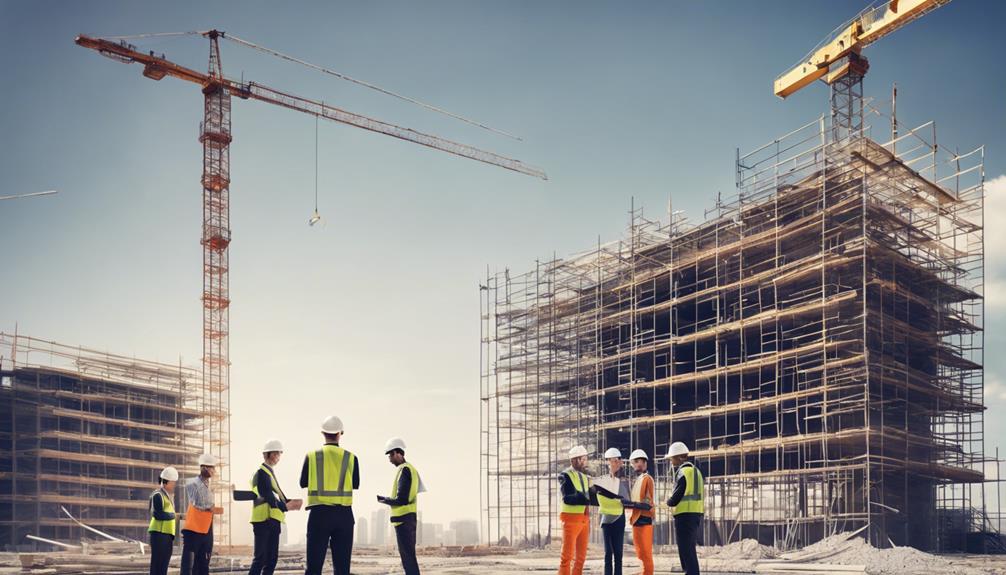
Effective team collaboration can significantly enhance the efficiency and outcome of your construction project. As you manage, remember that every team member's input is invaluable. You're not just a project manager; you're a facilitator for a diverse group of professionals, each with unique skills and perspectives.
Encourage open communication by setting regular meetings where everyone can share updates, challenges, and innovations. Opt for tools that support real-time communication and document sharing, such as cloud-based project management software.
You'll also want to foster an environment where team members feel comfortable voicing concerns and suggestions. Establish a clear, open-door policy that encourages your crew to approach you with any issues or ideas. This not only helps in resolving potential problems quickly but also boosts morale by showing that you value their contributions.
Moreover, recognize and celebrate team successes. This doesn't just boost morale; it reinforces the significance of collaborative effort. Whether it's completing a project phase on schedule or innovating a cost-saving technique, acknowledging these achievements can inspire continued cooperation and enthusiasm.
Evaluate Project Performance Regularly
Regular evaluation of your project's performance is crucial for staying on track and meeting your goals. You need to set specific times to assess how your project is progressing against the planned timelines, budget, and quality standards. This isn't just about catching problems; it's also about recognizing achievements and learning from what's working well.
You'll want to use a variety of tools and techniques for this evaluation. Key performance indicators (KPIs) such as cost variance, time variance, and work quality metrics are your allies here. Make sure you've got a clear dashboard or reporting system that lets you see these metrics at a glance.
Don't just keep these insights to yourself. Share them with your team and stakeholders in regular meetings. Discuss what's behind the numbers—why certain tasks are behind schedule or how you've managed to save money. This transparency builds trust and keeps everyone informed and engaged.
Lastly, remember that regular evaluation should lead to action. If you're off track, adjust your plans. If certain strategies are excelling, consider how you can apply them more broadly. Evaluating regularly ensures that you're not just observing but actively managing your project's success.
Conclusion
Now that you've got the top tips, you're ready to tackle your construction project with confidence. Remember, defining the scope and setting realistic budgets are your foundation. Stay on track with a well-planned timeline and prioritize communication at every step. Don't overlook the importance of risk management and keep your documents tight. Safety is non-negotiable, and fostering teamwork is crucial. Regularly evaluate your progress to stay ahead. You're all set to lead your project to success!
Related articles: Quiz: Commercial Construction Project Management Tips