
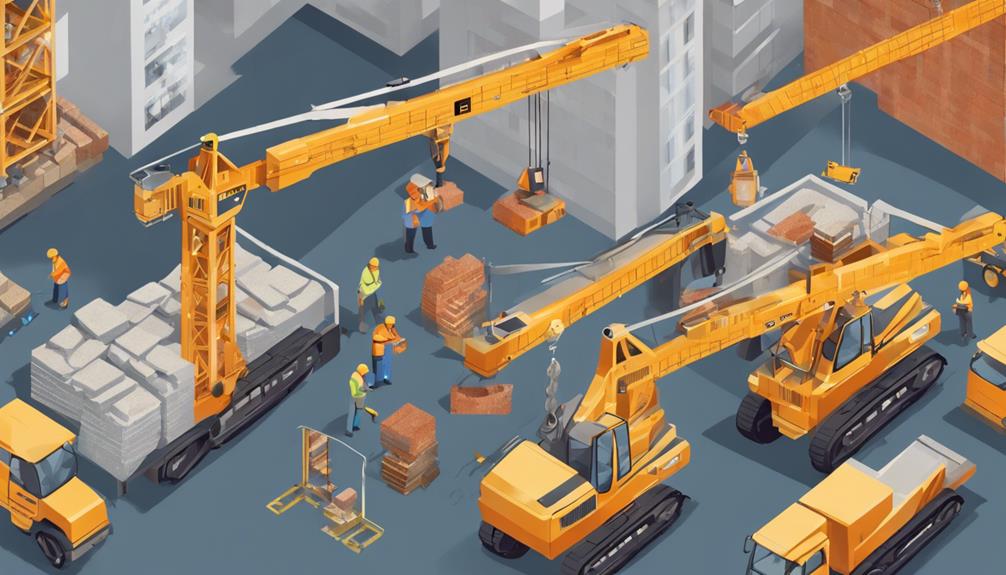
To cut costs on high-rise construction supplies, you should consider buying in bulk and negotiating better deals with suppliers. Opting for local sourcing not only minimizes transportation expenses but also supports your community's economy. Embrace technology to streamline operations; tools like Building Information Modeling can help reduce waste by ensuring accuracy. Considering alternative, eco-friendly materials could also lower your project's environmental impact and attract green-minded clients. Efficient inventory management and opting for refurbished equipment can offer further financial relief without sacrificing quality. As you explore these strategies, you'll find additional ways to optimize your spending and improve project outcomes.
Explore Bulk Purchase Discounts
When planning your high-rise construction project, exploring bulk purchase discounts can significantly reduce your overall supply costs. You'll find that suppliers are often more than willing to negotiate prices when you commit to large quantities. This approach isn't just about slashing costs; it's a strategic move to streamline your supply chain and ensure you have the required materials on hand when needed.
To maximize your savings, you should start by consolidating your supply needs. Look across your project plans and identify materials you can order in bulk—like steel, concrete, and glass. Once you've pinpointed these, reach out to multiple suppliers for quotes. Don't hesitate to leverage competitive offers, as this can drive down prices even further.
It's crucial, however, to assess the quality of materials. Cheaper isn't always better, especially in construction. Poor quality can lead to increased maintenance costs or safety hazards down the line. Therefore, always verify the standards and certification of the materials you're purchasing.
Lastly, consider the timing of your purchases. Buying off-season can yield better discounts. For instance, ordering materials late in the year might tap into suppliers' goals to clear out inventory, potentially snagging you a better deal.
Choose Local Material Sources
Choosing local material sources can significantly streamline your construction process. You'll find that using suppliers close to your project site reduces transportation costs and delivery times, allowing you to keep your project on schedule and within budget. Additionally, local sourcing supports the community's economy and can create goodwill, which might smooth over potential regulatory or community-related hurdles.
When you source materials locally, you also benefit from more predictable supply chains. You're less likely to experience delays due to long-distance shipping issues or international trade complications. This can be crucial when you're working with tight deadlines and need materials delivered reliably and swiftly.
Moreover, engaging with local suppliers usually means you can have more frequent, direct communication. This accessibility allows for better negotiation of prices and terms. You can visit suppliers in person, inspect materials firsthand, and build relationships that can lead to further discounts or preferential treatment.
Opt for Alternative Materials
While traditional building materials are widely used, exploring alternative materials can offer cost benefits and environmental advantages. By considering options like recycled plastics, bamboo, or engineered wood products, you're not only cutting costs but also reducing your project's ecological footprint. These materials often require less energy to produce and can be sourced from waste products, making them both eco-friendly and economical.
You'll find that alternative materials can be surprisingly durable and versatile. For instance, bamboo isn't only sustainable but also has a strength-to-weight ratio that rivals steel, making it ideal for high-rise constructions where weight and durability are paramount.
Similarly, recycled plastic composites can resist corrosion and pests, increasing the longevity of your building without breaking the bank.
Moreover, using unconventional materials can set your project apart, potentially attracting more clients interested in green building. This approach not only saves you money on initial material costs but can also enhance the marketability of your constructions.
Leverage Technology for Efficiency
After exploring alternative materials to enhance sustainability and reduce costs, it's equally important to harness the power of modern technology to streamline your construction processes. By integrating advanced software solutions, you can significantly boost productivity and cut down on delays. Project management tools allow you to track progress in real time, ensuring that every aspect of your high-rise project is on schedule and within budget.
Investing in Building Information Modeling (BIM) technology can revolutionize how you plan, design, and manage construction projects. BIM enables you to create highly accurate virtual models of your building, which facilitates better decision-making and can prevent costly errors and rework. Additionally, these models integrate seamlessly with automated machinery, further increasing your efficiency by speeding up tasks like prefabrication of building components directly from the digital designs.
Don't overlook the benefits of mobile technology. Using apps that enable communication and data sharing in real-time among your team can eliminate misunderstandings and ensure that everyone's on the same page, regardless of their location. This connectivity also allows for immediate adjustments and updates, which keeps your project moving forward without unnecessary interruptions.
Embracing these technological tools isn't just a choice; it's a necessity to stay competitive and cost-effective in today's fast-paced construction industry.
Negotiate With Suppliers
To secure the best deals on high-rise construction supplies, start by negotiating directly with suppliers. You're in a powerful position to discuss terms that benefit both sides. Don't hesitate to ask for discounts, especially when ordering in bulk.
Remember, suppliers are often willing to lower prices to secure a large or long-term contract.
It's crucial to do your homework before meetings. Understand the market prices, and know your budget inside and out. This knowledge makes you a formidable negotiator.
If you're aware of competitors' pricing, you can leverage this when discussing rates with your suppliers. They'll realize you've got options and might offer more competitive terms to win your business.
Build strong relationships with suppliers. When they see you as a reliable, repeat customer, they're more likely to offer you better deals.
Regular communication and prompt payments enhance trust and mutual respect, setting the stage for favorable negotiations.
Implement Just-in-Time Inventory
Having established strong partnerships through effective negotiation, you can now focus on optimizing your supply chain with Just-in-Time (JIT) inventory practices. JIT helps you streamline operations by reducing the storage of surplus materials. You'll order supplies only as needed, which minimizes holding costs and reduces waste due to overstocking or material spoilage.
To effectively implement JIT, you need a clear understanding of your project timelines and precise communication with your suppliers. Ensure they're aware of your schedules and can meet the tight turnaround times required. This approach requires a bit of risk management—any delay in the supply chain can halt your construction progress. Therefore, maintaining a backup plan and having reliable suppliers is crucial.
You'll also benefit from integrating technology that enhances supply chain visibility. Invest in project management software that tracks material usage rates and forecasts future needs based on real-time data. This tech investment not only supports JIT implementation but also improves overall efficiency.
Buy Refurbished Equipment
Investing in refurbished equipment can significantly cut costs without compromising quality in your high-rise construction projects. When you opt for refurbished, you're not just saving money; you're also tapping into a market where products often undergo rigorous testing to meet original factory specifications. This means you'll get machinery that's as good as new but at a fraction of the cost.
Look for reputable suppliers known for their quality refurbishments. These vendors often provide warranties, which can give you peace of mind. Don't hesitate to ask for the refurbishment history and any replacement parts used in the equipment. Transparency from your supplier is key to ensuring you're making a wise investment.
Using refurbished equipment also aligns with eco-friendly practices by reducing waste and the demand for new resources. You're not only saving money but also contributing to sustainability in the construction industry.
Conclusion
You've learned how to cut costs without cutting corners. Remember, bulk purchases and local sourcing can significantly reduce expenses. Don't shy away from alternative materials and refurbished equipment—they're both economical and effective. Use technology to streamline your processes and negotiate diligently with suppliers. Implementing just-in-time inventory will further optimize your spending. By following these strategies, you'll manage to keep your high-rise construction project affordable while maintaining quality. Now, go make those smart choices!
Related articles: Why Choose Affordable High-Rise Building Supplies? · Unbelievably Cheap Supplies for High-Rise Builds · Top Affordable Supplies for High-Rise Construction