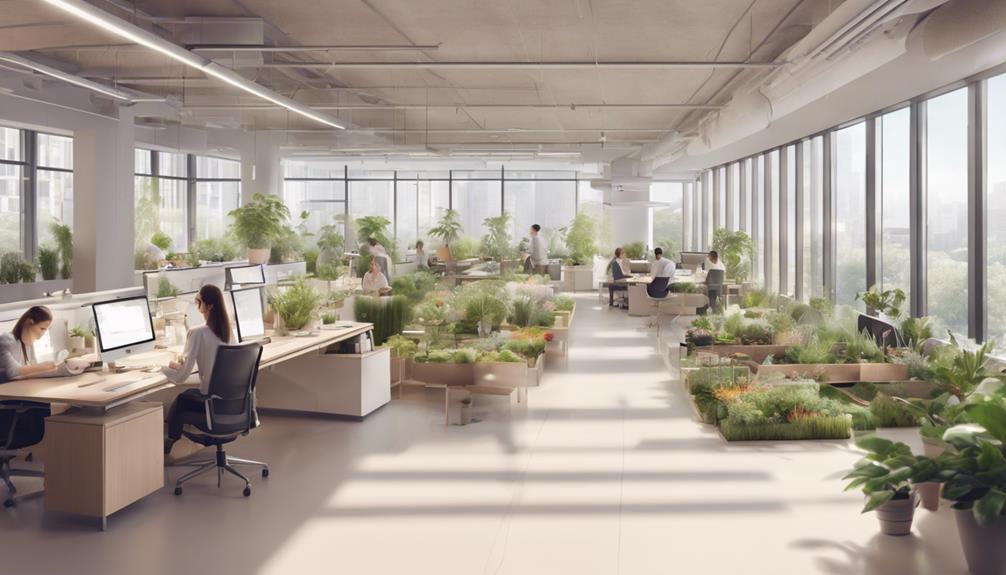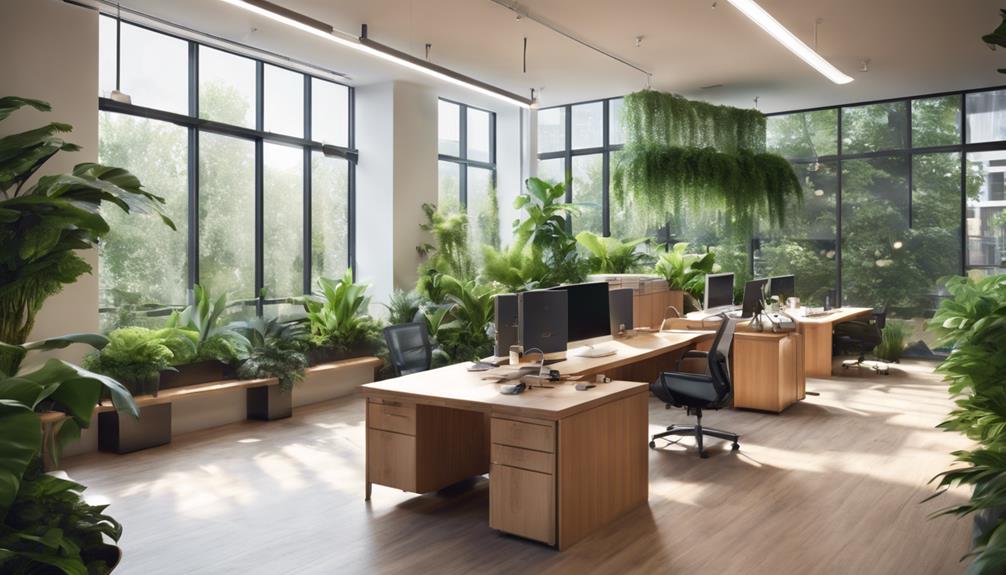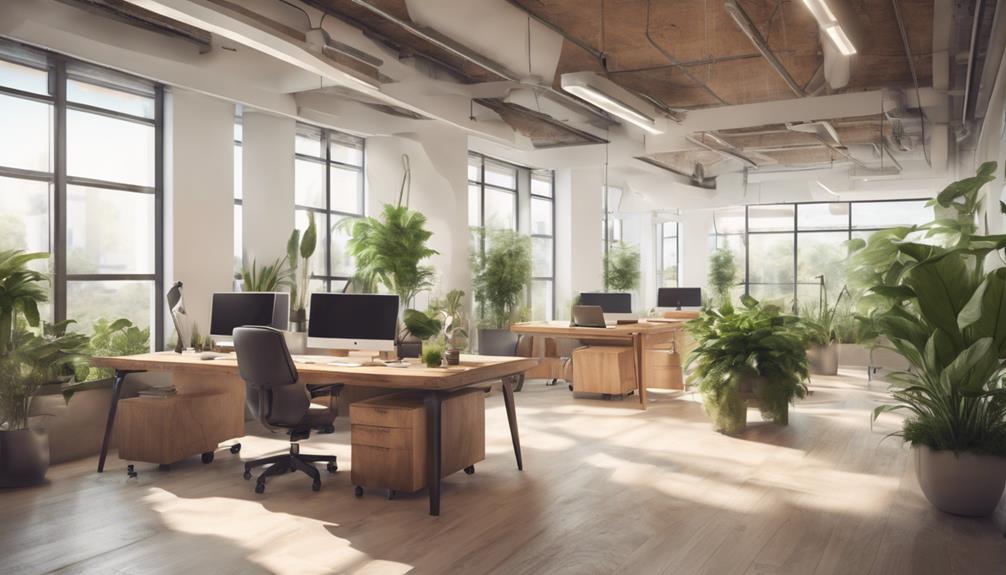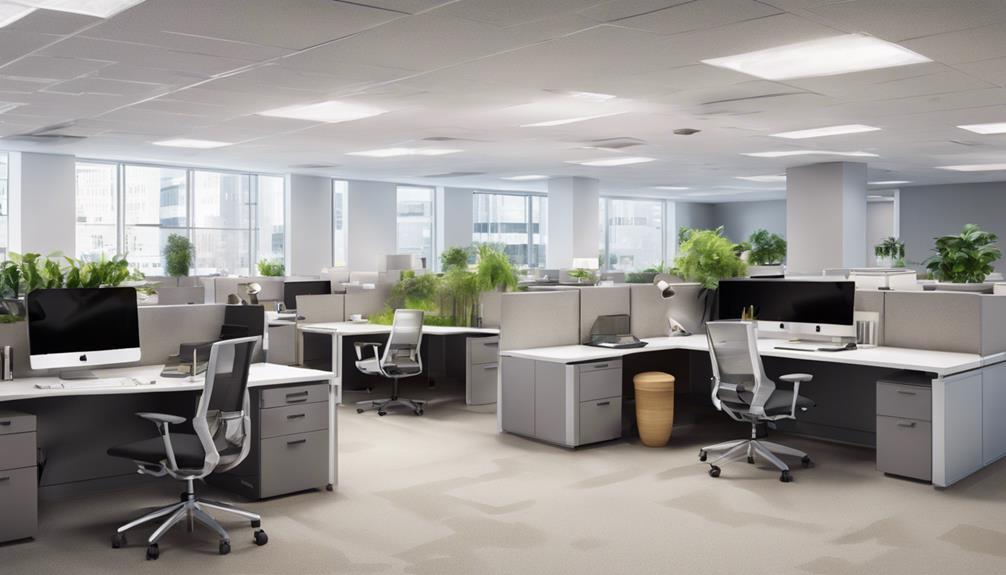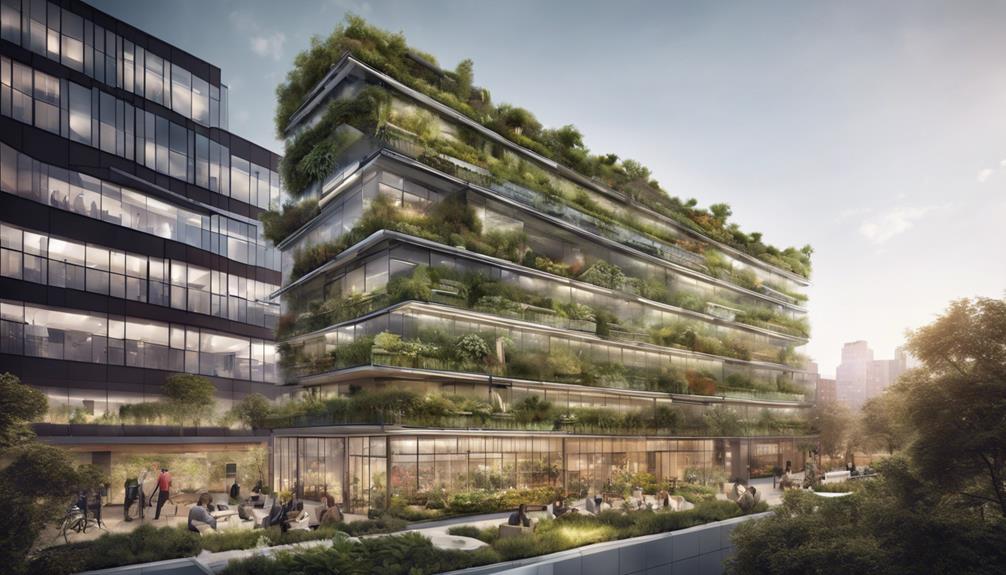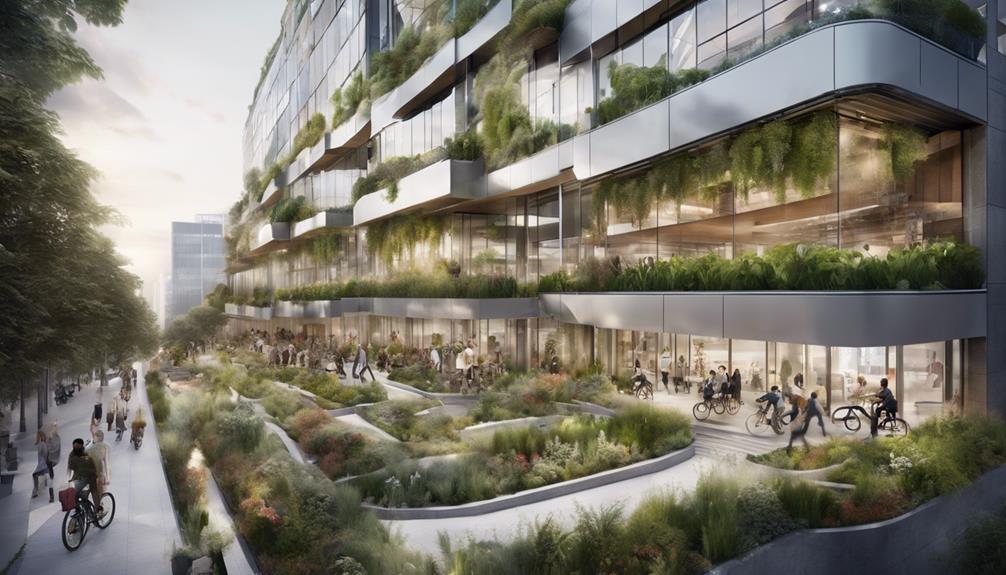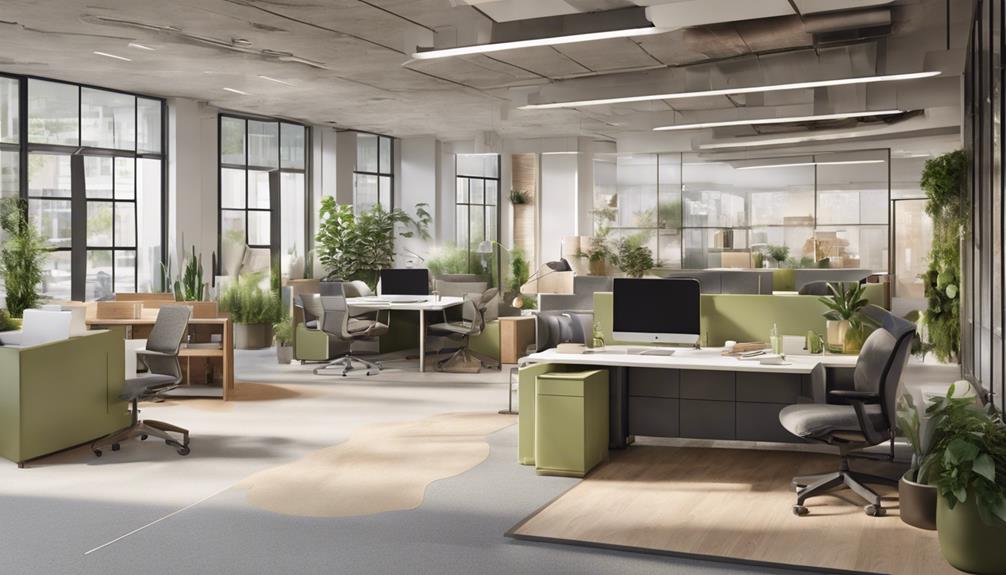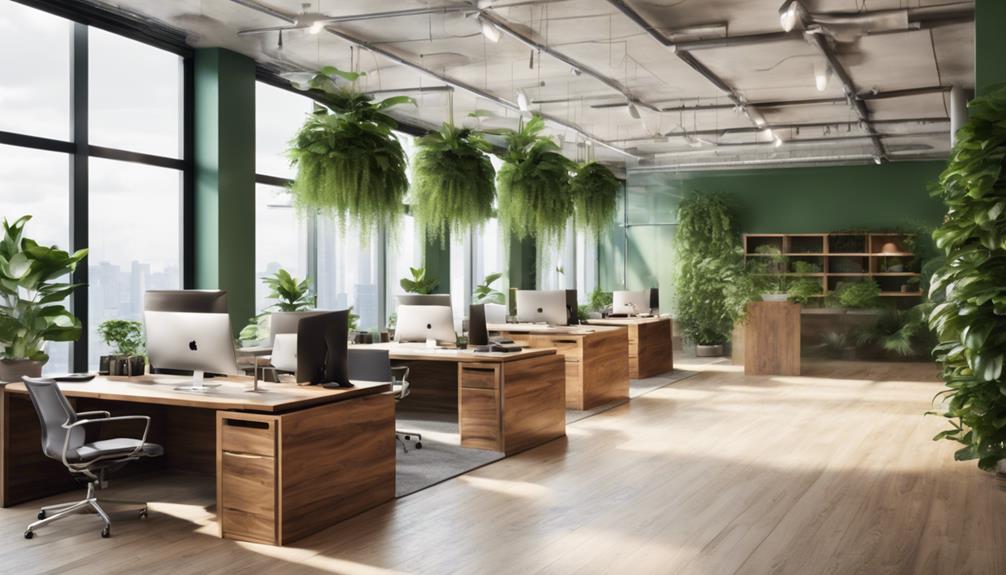
You're on the right track if you're incorporating abundant natural light, indoor vertical gardens, soothing water features, sustainable materials, and earthy color schemes into your workspace. These elements not only bolster well-being and productivity but also connect you directly with nature. Maximize sunlight with well-placed windows and use reflective surfaces to enhance light's reach. Add a vertical garden to purify the air and a water feature to elevate ambiance. Opt for natural fibers and recycled materials to minimize your environmental impact. Experimenting with these trends could transform how you feel and work each day. Stick around for more enriching tips that bring the outside in.
The Rise of Natural Light
The importance of natural light in modern interiors has surged, as more homeowners and designers recognize its benefits. You'll find that integrating more natural light not only enhances the aesthetic appeal of your space but also significantly improves your well-being. Exposure to sunlight boosts your vitamin D levels, which is crucial for bone health and immune function.
Moreover, natural light regulates your body's circadian rhythms, helping you sleep better at night.
When you're planning your workspace, consider the placement of windows to maximize sunlight exposure. Large, unobstructed windows or skylights can flood your area with light, reducing the need for artificial lighting and cutting down on energy costs. You might also think about using reflective surfaces to bounce light around the room, ensuring even the darker corners get a bit of sunshine.
Additionally, the color palette you choose can influence the perception of natural light in your workspace. Light colors and muted tones can make your space feel brighter and more open. Remember, the goal is to create an environment where you feel energized and productive.
With thoughtful design choices, you can harness the power of natural light to transform your workspace into a vibrant, healthy area.
Indoor Vertical Gardens
Bringing nature indoors has never been more stylish than with indoor vertical gardens. Imagine transforming your bland office walls into lush, living landscapes. These aren't just aesthetically pleasing; they're a breath of fresh air—literally. Plants naturally purify the air, removing toxins and improving indoor air quality. You'll breathe easier, and you might just find that your focus sharpens, too.
Vertical gardens are versatile. You can choose from a variety of plants that thrive indoors, from ferns and mosses to small flowering plants. Each selection offers different textures and shades of green, creating a visually dynamic space. You're not just installing a garden; you're crafting an environment that enhances well-being.
Care for these living walls is simpler than you might think. Many come with integrated watering systems, and with the right light conditions, maintenance can be minimal. This isn't just a trend; it's a practical, sustainable approach to design.
Your workspace should be a place of inspiration and vitality. By incorporating a vertical garden, you're setting a standard for a healthier, more engaging work environment. Step into your office and into nature every day.
Incorporating Water Features
Often, integrating water features into your interior design not only elevates the aesthetic appeal but also significantly enhances the ambiance of your space. You'll find that the sound of trickling water isn't just soothing; it can increase focus and productivity by drowning out distracting noises.
Imagine a small waterfall or fountain in your workplace, creating a serene environment that invites calm and encourages creativity.
You might think installing a water feature sounds complicated, but it's simpler than you'd expect. Start with something small, like a tabletop fountain, which doesn't require complex plumbing. As you get comfortable, you could consider larger, more interactive installations such as a wall-mounted waterfall or a koi pond.
These elements bring a piece of nature right into your work area, making it more lively and inviting.
Sustainable Materials Usage
Transitioning to sustainable materials isn't just a trend; it's a necessity for eco-friendly design. As you rethink your workspace, consider the profound impact of your material choices on both the environment and workplace well-being. You're not just selecting materials; you're making a statement about your company's values and commitment to sustainability.
Wood, for instance, is a core element in biophilic design. Opt for reclaimed or responsibly sourced wood, which reduces deforestation and lowers carbon footprints. It's not only about the origin but also about the end of life cycle. Choose materials that are recyclable or biodegradable to ensure they can return to the earth without harming it.
Bamboo is another excellent choice. It's fast-growing, making it highly renewable, and it has the tensile strength of steel, which is great for durable furniture and fixtures.
Additionally, integrating natural fibers like jute or sisal can enhance the aesthetic and functionality of your space while keeping environmental impact low.
Biophilic Color Schemes
As you explore biophilic design, consider how color schemes drawn from nature can transform your space. You'll find that harnessing earthy tones—deep greens, rich browns, sandy beiges—can evoke a sense of calm and connection to the outdoors. These colors don't just look beautiful; they enhance your well-being, reducing stress and boosting productivity.
Think about how the soft greens of leafy plants or the dark browns of wet soil can be incorporated into your office's walls, floors, or furnishings. Imagine stepping into a room where the color palette reminds you of a peaceful forest or a tranquil beach. This isn't just about aesthetics; it's about creating an environment that mentally and physically supports you.
You can accent these natural hues with brighter, organic colors, like sky blue or sunrise orange, to add vibrancy and energy to your workspace. The key is to blend these colors seamlessly, ensuring they're not overpowering but rather, complementing each other and fostering a cohesive and soothing atmosphere.
Integrating Outdoor Elements
Building on the foundation of biophilic color schemes, you can further enhance your connection to nature by integrating outdoor elements into your workspace. Start by incorporating natural materials such as wood, stone, and bamboo. These materials don't just add a touch of nature; they also bring a sense of calm and grounding to your environment.
Consider installing large, expansive windows or even skylights to usher in more natural light and provide views of the outdoors. If you're in a dense urban area, create a small garden or green wall. This isn't just for aesthetics; these living elements help purify the air and can boost your mood and productivity.
Don't overlook the power of water features. A small tabletop fountain or a strategically placed aquarium can introduce soothing sounds and movement, mimicking the tranquil effects of a natural setting.
Lastly, integrate outdoor elements in your furniture choices. Opt for pieces made from natural fibers or upcycled outdoor elements. Not only do these choices sustain the biophilic design, but they also promote sustainability.
Conclusion
You've explored the transformative power of biophilic design in workspaces, from basking in natural light to surrounding yourself with indoor vertical gardens. Integrating water features and using sustainable materials not only enhance your surroundings but also promote well-being. By adopting biophilic color schemes and blending outdoor elements indoors, your workspace becomes a sanctuary where creativity and productivity flourish. Embrace these trends and watch how they positively influence your daily work experience and overall health.
Related articles: 5 Best Smart Technologies in Commercial Architecture