
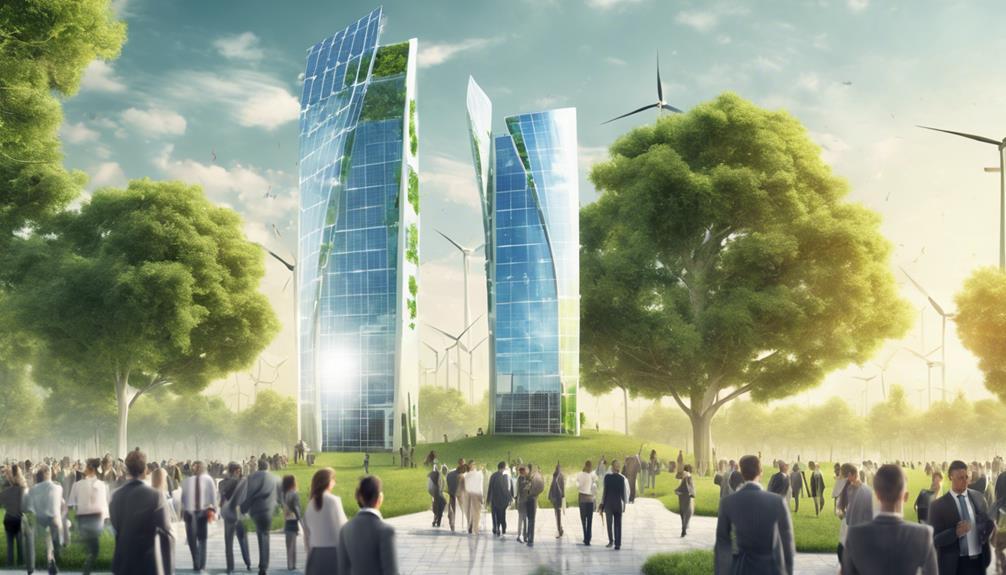
You're seeing modern buildings prioritize energy efficiency because it's financially smart and environmentally necessary. Architects harness technologies like solar panels and green roofs while adhering to standards such as LEED to ensure sustainable and cost-effective structures. This focus reduces utility bills, attracts incentives, and paves the way for significant tax benefits. Additionally, these practices diminish the harmful environmental impact by cutting down emissions and reliance on fossil fuels. As you explore further, you'll uncover even more compelling reasons behind this shift, and how technologically advanced, efficient constructions are sculpting the future of our built environment.
The Rise of Green Building Standards
In recent years, an increasing number of architects and developers have embraced green building standards, a trend that significantly elevates a structure's energy efficiency. You've likely noticed more buildings with solar panels, green roofs, and advanced ventilation systems. These aren't just trendy design choices; they're part of a crucial shift toward sustainability.
Green building standards like LEED, BREEAM, and WELL are guiding this transformation. They don't just assess energy efficiency; they consider water usage, indoor environmental quality, and material selection. When you walk into a building that meets these standards, you're stepping into a space that prioritizes your health and the planet's health.
You might wonder why there's such a push for these standards. It's because they ensure that buildings consume less power and water, reducing their environmental impact. This shift isn't merely about compliance; it's about responsibility. Developers and architects aren't just following these standards because they've to; they're doing it because it's the right thing to do for future generations.
As you see more of these efficient, responsibly designed buildings, remember that it's not just about aesthetics or trends. It's about building a sustainable future, one project at a time.
Cost Savings From Energy Efficiency
Adopting energy-efficient practices not only benefits the environment but also leads to significant cost savings for building owners and tenants. When you invest in energy-efficient appliances, better insulation, and modern heating and cooling systems, you're setting the stage for reduced utility bills. Over time, these savings can add up, offsetting the initial costs of green upgrades.
Consider the impact of LED lighting, which uses at least 75% less energy than traditional incandescent bulbs. By switching to LEDs, you're not only cutting down on energy consumption but also reducing the frequency of replacements due to their longer lifespan.
Similarly, energy-efficient windows can help maintain your building's temperature, decreasing the need for heating in winter and air conditioning in summer. This direct reduction in energy use translates to lower monthly expenses, making it a smart financial decision.
Moreover, many regions offer incentives and rebates for implementing energy-saving measures, which can further reduce the upfront costs. By taking advantage of these financial incentives, you enhance the return on your investment and improve the overall cost-effectiveness of your property. Thus, prioritizing energy efficiency isn't just good for the planet—it's a solid economic strategy that pays off in the long run.
Environmental Impact Reduction
Reducing your building's energy consumption significantly lessens its environmental impact. By adopting energy-efficient technologies and designs, you're not just cutting costs, you're also drastically reducing the number of harmful emissions your building releases into the atmosphere. This shift plays a crucial role in combating climate change and promoting a sustainable future.
Improved energy efficiency means your building demands less from power plants, which typically generate energy from fossil fuels like coal and natural gas. These fuels release carbon dioxide, a leading greenhouse gas, into the atmosphere, contributing to global warming. By minimizing your building's energy needs, you're directly reducing its carbon footprint.
Moreover, energy-efficient buildings often use resources more sustainably. This includes better water management and waste reduction practices that further decrease the environmental strain. Sustainable practices in building operations can preserve local ecosystems and biodiversity by avoiding overconsumption of natural resources and reducing pollution.
You're also playing a part in reducing dependence on non-renewable energy sources. By implementing energy-efficient measures, ranging from LED lighting to high-efficiency HVAC systems, you're ensuring that your building utilizes energy more responsibly, paving the way for a greener planet. Every step you take helps in making a significant environmental impact.
Regulatory Compliance and Incentives
You'll find that adhering to regulatory standards not only ensures compliance but can also qualify your building for various incentives. Governments worldwide are tightening the noose on energy consumption norms, pushing you towards more sustainable practices. These changes make it crucial for you to understand what's required to not only meet these standards but to benefit from them financially.
Firstly, meeting or exceeding local and international building codes often unlocks a range of tax benefits, rebates, and grants. For instance, in the U.S., the Energy Policy Act provides significant tax deductions for buildings that achieve a 50% energy reduction compared to a pre-set baseline.
Furthermore, higher energy ratings can lead to reduced utility rates from local energy providers, lowering operational costs significantly.
Additionally, there are often non-monetary incentives such as expedited permitting processes for green buildings. This can speed up your construction and renovation projects dramatically, saving time and reducing overhead expenses.
Moreover, compliant buildings frequently garner public and market recognition, enhancing your brand reputation and potentially increasing property values.
Technological Advances in Construction
Technological innovations are revolutionizing the construction industry, making it possible for you to build more efficiently and sustainably than ever before. Smart technology integration, for instance, allows you to monitor and manage building energy systems in real-time, drastically reducing unnecessary power consumption. Imagine adjusting lighting, heating, and cooling systems automatically based on occupancy or time of day.
Moreover, advancements in building materials are equally significant. You've got materials like self-healing concrete and insulating aerogels, which not only enhance the durability of structures but also improve their energy efficiency. These materials help keep buildings warmer in the winter and cooler in the summer, cutting down on the need for additional heating and air conditioning.
You're also seeing a rise in the use of prefabricated components. This method streamlines the construction process, significantly reduces waste, and shortens project timelines. By assembling parts of a building in a controlled factory environment, you're ensuring higher quality and consistency while minimizing on-site construction challenges.
These technological strides aren't just about adhering to newer, stricter regulations—they're about stepping towards a future where construction is quicker, less wasteful, and fundamentally smarter.
Market Demand for Sustainable Spaces
In response to growing environmental concerns, there's a significant shift in market demand toward sustainable spaces. You're seeing a trend where businesses, homeowners, and property developers are increasingly prioritizing green building certifications like LEED, BREEAM, or WELL. This shift isn't just about altruism; it's economically motivated. Energy-efficient buildings often lead to reduced operational costs through lower energy consumption and water usage, making them highly attractive.
Investors and developers are recognizing that sustainable buildings tend to have higher occupancy rates and command premium rents compared to non-green counterparts. There's a clear financial incentive as properties with sustainability credentials often enjoy higher resale values, drawing more interest from potential buyers and tenants.
You'll find that as the market evolves, sustainability is becoming a critical factor in investment decisions.
Moreover, regulatory frameworks around the world are increasingly stringent on environmental sustainability. Governments are setting ambitious carbon reduction targets, often providing tax incentives or subsidies for green building projects. This regulatory environment is nudging the market further towards sustainability, making it an essential consideration for anyone involved in building and real estate.
Whether you're constructing new properties or retrofitting existing ones, integrating energy-efficient features is becoming a necessity, not just an option.
Enhanced Occupant Comfort and Health
Beyond the financial and regulatory incentives driving the shift towards sustainable buildings, there's also a notable improvement in the comfort and health of those who occupy these spaces. You mightn't realize it, but the air you breathe, the light you work under, and even the sounds around you can significantly impact your well-being. Energy-efficient buildings often incorporate better ventilation systems that improve indoor air quality, reducing potential health issues like asthma or allergies.
These structures typically utilize natural light more effectively, which not only saves energy but also enhances your mood and productivity. Imagine working in an environment where you're exposed to an ample amount of daylight and have access to views outside; it's not just pleasant, it's healthier.
Moreover, the use of non-toxic materials is increasingly common in these buildings. You're less likely to be exposed to harmful chemicals that can off-gas from paints, carpets, and furniture in older buildings. This shift is crucial for your long-term health.
Long-Term Investment Benefits
Shifting to energy-efficient buildings not only enhances occupant comfort but also offers substantial long-term investment benefits. As you consider the upfront costs, remember that these are often offset by the significant savings on energy bills and maintenance costs over time. Lower utility expenses mean you're saving money every month, which adds up to a considerable amount over the lifespan of your building.
Moreover, energy-efficient properties tend to have higher resale values. They're more attractive to buyers and renters who are increasingly conscious of sustainability and operational costs. This demand can drive up your property's market value, making it a smarter investment from a real estate perspective.
You'll also benefit from various government incentives aimed at promoting green building practices. These can include tax rebates, grants, or reduced rates, which alleviate the initial financial burden of adopting energy-efficient technologies.
Case Studies in Efficient Design
Reflecting on the investment benefits of energy-efficient buildings naturally leads us to explore real-world applications that have successfully integrated these principles. Let's look at the Edge in Amsterdam, hailed as one of the greenest buildings worldwide.
It's not just about the solar panels that cover the roof and south-facing facade; it's how they're used alongside motion-sensor LED lighting and an advanced climate control system to slash energy consumption dramatically. You'd see a similar strategy at work in the Bullitt Center in Seattle, which produces as much energy as it uses annually, making it a net-zero energy building.
You might wonder how these features impact daily operations. In both buildings, employees benefit from natural light and superior air quality, which studies show, boost productivity and well-being. The Edge's use of an ethernet-powered LED lighting system not only reduces energy costs but also supports a sophisticated data-gathering network that optimizes building use in real time.
You're looking at smart design that not only saves costs but also creates an environment where people thrive. These case studies exemplify not just architectural innovation, but a forward-thinking approach to how buildings interact with human and environmental health.
Conclusion
You've seen how prioritizing energy efficiency in modern buildings isn't just a trend—it's a necessity. By embracing green standards, leveraging technology, and meeting market demands, you're not only saving on costs but also enhancing comfort and safeguarding the environment. Remember, each step towards energy efficiency reflects a wise investment in our planet's future. So, as you move forward, consider how these insights can transform your spaces into sustainable, cost-effective havens that everyone can cherish.
Related articles: 5 Best Energy-Saving Commercial Building Designs