
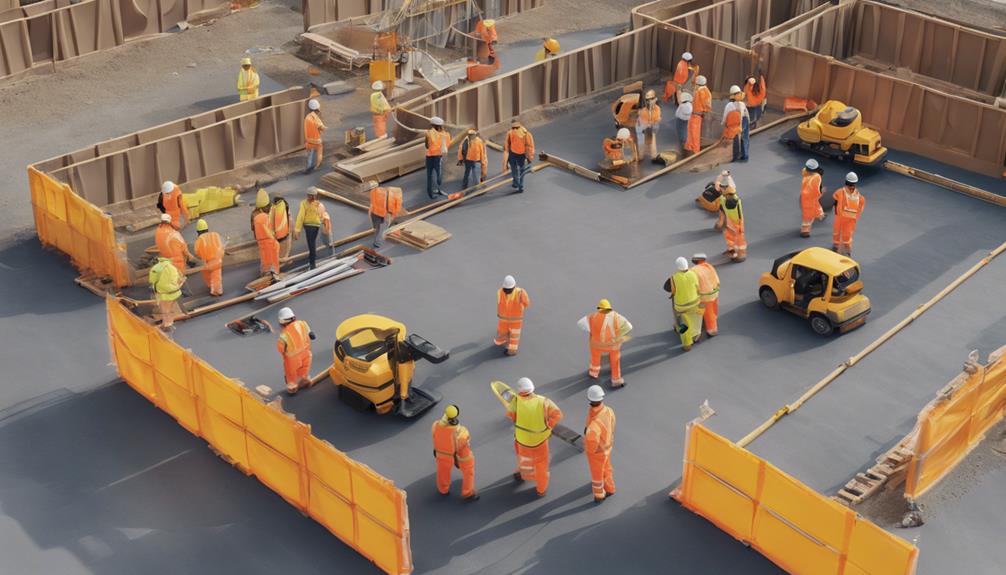
When tackling building projects, ensuring your safety and that of your crew is paramount. Start with a thorough risk assessment to spot potential hazards, and don't skimp on personal protective equipment—hard hats, safety glasses, and steel-toe boots are essential. Fall protection is crucial too; set up guardrails and use personal fall arrest systems to prevent accidents. Always keep a safe distance from power lines and stay educated on electrical safety. Handling hazardous materials? Make sure they're properly labeled and stored. With these strategies in place, you'll significantly reduce risks. There's more to explore that can further bolster your project's safety.
Risk Assessment and Management
Identifying potential hazards before they cause harm is crucial in managing risks effectively on any building project. As you initiate the process, you'll start with a comprehensive risk assessment. This assessment isn't just a formality; it's your first line of defense against potential accidents. You'll need to analyze the construction site for any possible risks, from unstable structures to exposed electrical systems.
Once you've identified the hazards, it's time to evaluate the risks associated with them. Consider both the likelihood of these hazards occurring and the potential severity of their impact. This dual focus helps you prioritize which risks need the most immediate attention and resources.
Next, you'll develop a risk management plan. This involves deciding on the preventive measures and controls you'll implement to mitigate the identified risks. It's not enough to just recognize the problems; you've got to actively plan how you'll handle them. This might involve restructuring work procedures, scheduling regular maintenance checks, or even altering the physical layout of the site.
Throughout the project, continuously monitor and review the effectiveness of your risk management strategies. Adjustments might be necessary as the project evolves and new risks emerge. Remember, effective risk management is dynamic; it adapts as conditions change.
Personal Protective Equipment Usage
Using the right personal protective equipment (PPE) is essential for ensuring your safety on a construction site. You need to be equipped with the basics: a hard hat, safety glasses, and sturdy gloves at a minimum. This gear protects you from common hazards like falling objects, flying debris, and hand injuries.
Don't overlook the importance of selecting the right footwear. Steel-toe boots are your best bet as they prevent crushing injuries to your feet and provide better grip on slippery surfaces. You'll also want to ensure they're comfortable for long hours of standing and walking.
Hearing protection is another critical element, especially if you're working around heavy machinery or loud tools. Use earmuffs or earplugs to guard against hearing loss. Remember, once your hearing is damaged, it's usually permanent.
Respiratory protection is vital too, particularly in environments where you're exposed to dust, fumes, or chemical vapors. Depending on the exposure level, you might need anything from a simple dust mask to a full-face respirator.
Lastly, always check your PPE before starting your shift. Worn out or damaged equipment won't offer you the protection you need. Stay safe by keeping your gear in top shape and replacing it as necessary.
Fall Protection Strategies
To prevent falls on construction sites, you must employ several reliable strategies.
First, always ensure that guardrails are installed around every open side of elevated platforms and at the edges of roofs. It's not just about putting them up; you've've got to check regularly to make sure they're sturdy and meet safety standards.
Next, consider safety nets. These should be your go-to if you're working where guardrails aren't feasible. Place them below any high work areas where the risk of falling exists. It's essential they're positioned close enough to the work area to catch someone effectively without causing additional injury.
Personal fall arrest systems (PFAS) are another critical component. You'll need to wear a harness that's connected to a secure anchor point. This system is your last line of defense, so don't skimp on quality or fit. Regular training on how to use PFAS properly is just as important as the equipment itself.
Electrical Safety Measures
While protecting workers from falls remains a priority, equally important is safeguarding against electrical hazards on construction sites. You've got to recognize that working around electricity requires strict adherence to safety protocols to prevent accidents and fatalities. Start by ensuring all workers understand the basics of electrical safety. This includes recognizing live wires, understanding the function of grounding, and the importance of using insulated tools.
You should always use ground-fault circuit interrupters (GFCIs) on all construction sites. These devices can prevent electrocution by automatically shutting off an electrical circuit when they detect that the current is flowing along an unintended path. It's vital that you test these regularly to ensure they're functioning correctly.
Another key measure is to maintain a safe distance from power lines. Always assume that all overhead wires are live and maintain at least a 10-foot distance. Before beginning any work, check the location of all power lines and plan your site layout to avoid accidental contact.
Lastly, ensure that all electrical equipment is inspected and maintained regularly. Damaged cords or improper connections can lead to dangerous exposures. If you spot any faults, don't try to repair them yourself unless you're qualified; always call in a professional. Safety is everyone's responsibility, and staying vigilant can save lives.
Handling Hazardous Materials
Handling hazardous materials on your construction site demands strict adherence to safety protocols to ensure everyone's well-being. You've got to know the materials you're dealing with—whether they're toxic, flammable, or corrosive.
Start by thoroughly educating yourself and your team on the specific hazards of each material. Make sure this training includes proper handling, storage, and disposal methods.
You'll need the right gear. Don't skimp on personal protective equipment (PPE); it's your first line of defense. Gloves, goggles, respirators, and appropriate clothing are must-haves. Check that each piece of PPE meets industry standards and is well-maintained. Remember, damaged or improper PPE is as good as none.
Labeling is crucial. Every container of hazardous material should be clearly marked with its contents and the associated risks. This not only keeps everyone informed but also helps in quick identification should an issue arise.
Storage matters too. Separate incompatible materials to prevent dangerous reactions. Use designated storage areas that are secure, well-ventilated, and away from general work zones. Regularly inspect these areas for any signs of leaks or deterioration. It's your job to ensure that these practices aren't just followed but ingrained in your site's daily operations.
Emergency Response Planning
Every construction project must include a comprehensive emergency response plan to effectively manage accidents and crises. As you develop this plan, you'll need to consider a variety of potential emergencies, from fires and structural collapses to medical emergencies and natural disasters.
Firstly, identify all possible risks associated with your specific project. You'll need to analyze the site, materials used, and the types of work being performed. Once you've pinpointed these risks, you can tailor your emergency protocols to address each specific scenario.
Next, establish clear roles and responsibilities. Who's in charge during an emergency? Who contacts emergency services? You need a well-defined chain of command to ensure swift, organized responses. Don't forget to include contact information for all key personnel in your plan.
You'll also want to conduct regular emergency drills. These drills not only test the effectiveness of your plan but also familiarize your team with the actions they must take in different scenarios. Make sure everyone understands their roles and feels confident executing them.
Conclusion
You've got this! Always start with a thorough risk assessment to manage potential dangers effectively. Never skip on personal protective equipment; it's your first line of defense. Implement robust fall protection strategies and stay vigilant with electrical safety to prevent accidents. Properly handle hazardous materials and have an emergency response plan ready. By adhering to these top safety protocols, you'll ensure not only your safety but also the safety of everyone on your building project. Stay safe out there!
Related articles: Why Follow Safety Protocols in Commercial Construction?