
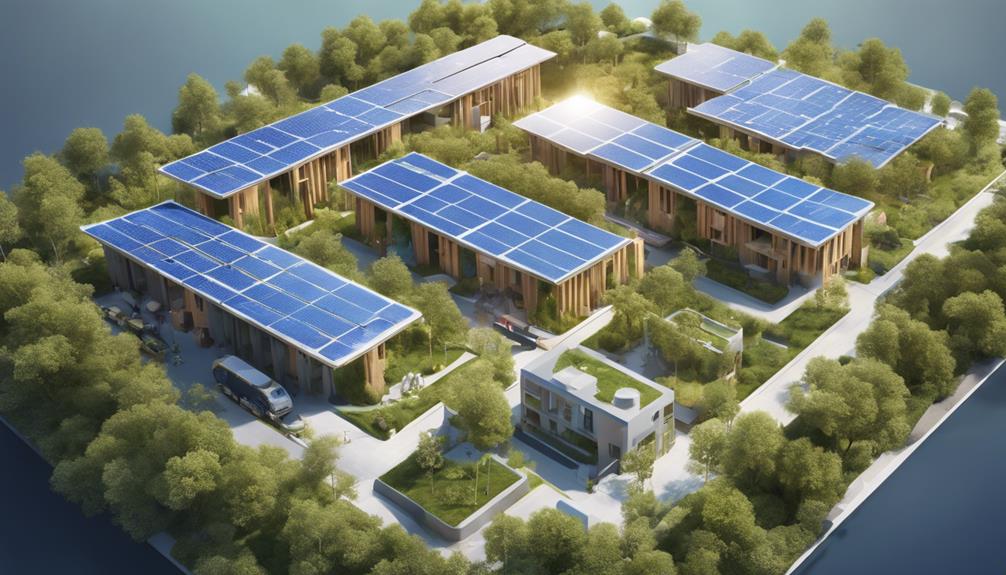
In commercial construction, adopting sustainable building strategies not only helps you cut long-term costs but also enhances the market appeal of your buildings. You'll use energy-efficient technologies like solar panels and advanced insulations, boosting energy performance and reducing utility bills. Using non-toxic, recycled materials improves indoor air quality, making your buildings healthier, and you'll attract more eco-conscious tenants. These practices not only save on maintenance but also future-proof your property investment. Opting for such methods brings significant operational savings and potential tax benefits. Let's explore how these practices can be implemented to maximize your benefits and operational efficiencies.
Defining Sustainable Building Practices
Sustainable building practices, often referred to as green building, focus on creating structures that are environmentally responsible and resource-efficient throughout their lifecycle—from planning to design, construction, operation, maintenance, renovation, and demolition. As you dive into the world of sustainable construction, you'll find that these practices don't just benefit the planet; they also foster healthier living environments.
By using non-toxic, recycled, and sustainable materials, you're not only reducing the depletion of finite resources but also minimizing indoor pollutants. This can significantly improve the air quality of the buildings you occupy, making them safer and more comfortable for everyone.
Moreover, sustainable buildings typically incorporate energy-efficient systems such as solar panels, green roofs, and smart lighting. These features use less energy and water, which not only preserves precious resources but also enhances the building's overall operational efficiency.
You'll also see that these practices often involve a holistic approach to site development. This means protecting native flora and fauna, maximizing green space, and implementing stormwater management systems that naturally integrate with the local ecosystem. Engaging with sustainable building isn't just about structures—it's about creating a harmonious balance with the environment.
Cost Reduction Benefits
Adopting sustainable building practices can significantly cut costs over the lifetime of a structure. When you choose materials that are both sustainable and durable, you're not just helping the environment; you're setting yourself up for fewer maintenance and replacement expenses. Sustainable materials often require less frequent upkeep due to their natural resilience and longevity. This means you'll save money that would otherwise be spent on repairs and renovations.
Moreover, sustainable construction techniques can lead to lower construction costs. By utilizing local and recycled materials, you reduce transportation expenses and the costs associated with buying new, possibly more expensive, resources.
You're also likely to benefit from various government incentives aimed at promoting green building practices. These can include tax benefits, rebates, and grants, which can substantially decrease your initial investment.
Enhancing Energy Efficiency
One can significantly boost a building's energy performance by integrating sustainable technologies and design principles. You'll find that the initial costs of such technologies are quickly offset by the drastic reductions in energy bills.
Consider, for instance, installing high-performance insulation and triple-glazed windows. These aren't just upgrades; they're long-term investments in energy conservation, keeping heat in during winter and out during summer, reducing the need for heating and air conditioning.
You should also think about incorporating renewable energy sources like solar panels or small wind turbines. Harnessing the power of the sun and wind isn't only for isolated farmhouses. Urban commercial buildings worldwide are adopting these systems, significantly cutting their reliance on non-renewable energy sources and decreasing their carbon footprints.
Moreover, upgrading to energy-efficient HVAC systems and LED lighting can make a considerable difference. These systems use less power and have longer lifespans than their traditional counterparts. By choosing LEDs, you're not just saving on your utility bills; you're also reducing the frequency of replacement due to their durability.
Incorporating smart building technologies further enhances efficiency. Smart thermostats and energy management systems allow you to monitor and adjust energy use in real-time, ensuring you're not wasting a watt. Adopt these strategies, and you'll see your energy costs plummet while supporting a sustainable future.
Improving Indoor Air Quality
Improving indoor air quality in your building can significantly enhance the health and comfort of its occupants. You mightn't realize it, but the air inside can often be more polluted than the air outside. This can come from a variety of sources like building materials, furnishings, and even cleaning products.
To tackle this, consider using low-emitting materials. These are designed to release fewer airborne pollutants, which can help maintain cleaner indoor air.
You'll also want to focus on adequate ventilation. This doesn't just mean opening windows, but incorporating a well-designed HVAC system that efficiently exchanges indoor and outdoor air. Proper ventilation reduces the buildup of pollutants, moisture, and odors.
Don't overlook the role of routine maintenance. Regularly changing air filters and servicing your HVAC system ensures it functions effectively, filtering out potential contaminants from the air.
Additionally, integrating indoor plants can be a natural way to purify the air. They absorb toxins and produce oxygen, boosting air quality naturally.
Utilizing Renewable Resources
Shifting toward renewable resources can dramatically reduce your building's environmental footprint. By integrating materials like bamboo, recycled steel, or reclaimed wood, you're not only opting for durability but also promoting a cycle of sustainability that lessens waste and energy consumption during production. These choices contribute significantly to the conservation of non-renewable resources, ensuring that environmental impacts are minimized.
You'll find that renewable resources often come with an added advantage of energy efficiency. For instance, using solar panels converts sunlight directly into electricity, cutting down on fossil fuel use and reducing greenhouse gas emissions. Similarly, incorporating biodegradable materials helps decrease landfill waste, further reducing your project's environmental impact.
It's crucial to consider the lifecycle of the materials you choose. Opt for those that offer both longevity and the possibility for recycling at the end of their use. By making these mindful selections, you're not just building for today but are also paving the way for a more sustainable future.
Boosting Property Value
By incorporating sustainable features into your building, you can significantly enhance its market value. Prospective buyers and tenants are increasingly drawn to properties that promise lower utility costs and healthier living environments. Features like solar panels, energy-efficient windows, and green roofs don't just cut down on energy consumption; they also attract a premium on property prices.
Moreover, you'll find that sustainable buildings maintain their value over time. As energy prices fluctuate and environmental awareness rises, the demand for eco-friendly properties increases. This trend ensures that your investment remains robust and lucrative in the long run. It's not just about the immediate perks; it's a strategic move that positions your property as a desirable asset in a competitive market.
Additionally, by choosing sustainable materials and design, you're not just adding to the building's aesthetics; you're also enhancing its durability. These materials often require less maintenance and are more resilient, which can significantly reduce long-term repair and upkeep costs.
This reduction in ongoing expenses makes your property even more attractive to potential investors and buyers, further driving up its value.
Compliance With Environmental Regulations
As regulations tighten, ensuring your building meets environmental standards isn't just about compliance; it's a proactive step toward future-proofing your investment. You're not only adhering to current laws but also preparing for stricter future regulations that could affect your property's viability and cost efficiency.
When you prioritize compliance, you're minimizing the risk of fines and legal issues. Environmental regulations are designed to protect natural resources and ensure public health, so non-compliance can lead to severe penalties that might include hefty fines or operational restrictions. By staying ahead, you're safeguarding your project from potential disruptions and financial liabilities.
Moreover, integrating sustainable practices from the start can streamline the construction process. You'll find that sourcing eco-friendly materials and employing green technologies become simpler when these objectives are ingrained in your project's blueprint. This approach not only expedites regulatory approvals but also reduces the likelihood of encountering roadblocks that could delay construction and inflate costs.
Lastly, consider the long-term operational savings. Buildings that are constructed to high environmental standards typically consume less energy and water, leading to significantly lower utility bills. You're not just building for today, but you're setting up cost-effective operations for years to come.
Attracting Eco-Conscious Tenants
Attracting eco-conscious tenants offers a competitive edge in today's market. As you focus on sustainable building practices, you're not just complying with regulations; you're also appealing directly to a fast-growing demographic that values environmental responsibility.
Imagine you're a tenant looking for a new commercial space. You'd likely prefer buildings that reflect your commitment to sustainability. Features like energy-efficient systems, green roofs, and materials with low environmental impact can be major selling points. By investing in these features, you're not only future-proofing your property but also making it more attractive to prospective tenants who are willing to pay a premium for such innovations.
Moreover, showcasing your building's green credentials can significantly enhance its marketability. You can achieve this through certifications like LEED or BREEAM, which are recognized globally. These aren't just badges; they're proof of your commitment to sustainable practices.
Conclusion
You've now explored the vast benefits of sustainable building in commercial construction. By implementing these practices, you're not only cutting costs and boosting energy efficiency but also enhancing indoor air quality and utilizing renewable resources. This forward-thinking approach increases your property's value, ensures compliance with environmental regulations, and attracts eco-conscious tenants. Embrace sustainable building—it's a smart investment in the future, ensuring your projects are as beneficial to the planet as they are to your bottom line.
Related articles: Top Benefits of Sustainable Building Practices in 2024 · What Are the Best Sustainable Building Materials? · Eco-Friendly Materials for Sustainable Construction