
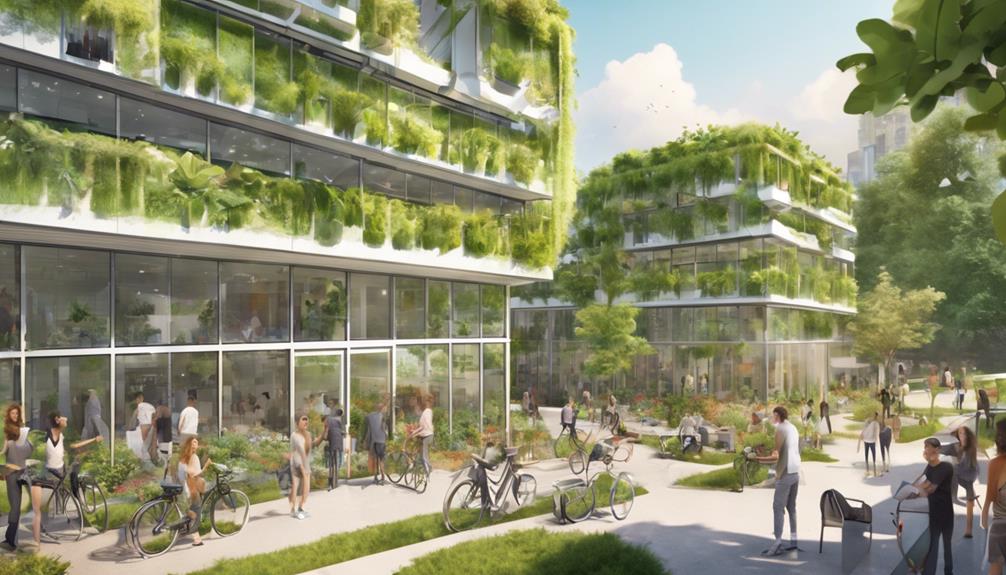
By embracing sustainable commercial building practices, you'll unlock a range of benefits. You'll save on costs over time thanks to durable materials and energy-efficient upgrades, such as LED lighting and smart thermostats, which slash energy use and operational expenses. The health and productivity of your employees will improve due to better air quality and natural lighting. Additionally, green buildings can increase property values and enhance marketability—qualities that attract quality tenants and command higher rents. These eco-friendly practices not only reduce environmental impact but also bolster your company's reputation. Explore how these advantages ensure a robust return on your investment.
Cost Savings Over Time
Adopting sustainable building practices can lead to significant cost savings over time. When you invest in materials that are durable and sustainably sourced, you're not just helping the environment, you're also reducing long-term maintenance and replacement costs.
Think about it: materials like high-quality steel or reclaimed wood aren't just trendy; they last longer and require less upkeep compared to traditional options.
Additionally, sustainable buildings often incorporate design elements that utilize natural light and landscaping that reduces the need for artificial cooling and heating. This isn't just about energy efficiency, but also about minimizing the strain on your building systems, leading to fewer breakdowns and repairs.
Furthermore, by choosing sustainable practices, you're positioning your property as a forward-thinking, eco-friendly option. This can boost your building's marketability, allowing you to command higher rents and attract quality tenants who value sustainability. This demand can significantly increase your return on investment.
Enhanced Energy Efficiency
Enhancing energy efficiency in your commercial building isn't just a good practice; it's a smart investment. By upgrading to energy-efficient systems, you're not only reducing operational costs but also increasing the market value of your property. Implementing technologies like LED lighting, high-efficiency HVAC systems, and smart thermostats can drastically cut down your energy consumption.
Consider, for instance, the installation of automated energy management systems. These systems adjust lighting and temperature based on occupancy and time of day, ensuring that energy isn't wasted. You'll see a significant reduction in your utility bills, which can free up capital for other business investments.
Additionally, opting for energy-efficient appliances and fixtures can qualify your building for tax incentives and rebates, further enhancing your savings.
Moreover, by prioritizing energy efficiency, you're also contributing to a larger global effort to reduce carbon emissions. This not only helps mitigate environmental impact but also strengthens your company's reputation as a responsible community member. Clients and investors are increasingly drawn to businesses that demonstrate a commitment to sustainability, potentially leading to increased business opportunities.
Improved Employee Wellbeing
While focusing on energy efficiency, don't overlook the profound impact that sustainable building practices can have on employee wellbeing. As you integrate natural light, improved air quality, and green spaces into your building's design, you're not just cutting costs—you're creating a healthier, more inviting workspace.
Studies show that natural light alone can boost mood and enhance productivity among employees. Imagine your team working with a view of lush greenery or enjoying breaks in a garden-like setting; it's a simple change that can make a big difference in day-to-day job satisfaction and stress reduction.
Moreover, better air quality from non-toxic materials and advanced ventilation systems means fewer health risks and sick days for your staff. You'll notice fewer complaints about headaches or respiratory issues, which are often linked to poor indoor environments.
Investing in these aspects of building design shows your commitment to your employees' health, potentially leading to higher retention rates.
Ultimately, by prioritizing these elements, you're not just building a workplace. You're fostering a productive, happy community. Remember, a healthy employee is a productive employee, and when they feel good, they perform better. Isn't that what you want for your business?
Increased Property Value
Sustainable building practices not only boost workplace morale but also significantly enhance your property's market value. When you invest in eco-friendly materials and energy-efficient systems, you're not just ticking boxes for environmental stewardship; you're also positioning your property as a premium asset in the commercial market. Potential buyers and tenants are increasingly drawn to buildings that promise lower utility costs and modern, sustainable designs.
Consider the financial incentives: properties with green certifications like LEED, BREEAM, or WELL often fetch higher prices and attract quicker sales than their conventional counterparts. This is because these certifications are recognized markers of quality and sustainability, making your building more attractive to discerning investors who understand the long-term cost savings and benefits.
Moreover, sustainable buildings tend to have higher occupancy rates. Tenants value the improved air quality, natural light, and overall better living conditions that come with green buildings. This increased demand can drive up rental rates, ensuring you a steady return on your investment.
In the long run, the upfront costs associated with implementing sustainable practices are outweighed by the substantial increases in property value and marketability. So, investing in sustainable building isn't just good for the planet—it's a savvy business move as well.
Reduced Environmental Impact
Beyond the financial benefits, adopting sustainable commercial building practices significantly reduces your environmental footprint. When you choose materials that are recycled or sustainably sourced, you're not only conserving natural resources but also minimizing waste.
Think about the reduction in emissions: sustainable buildings typically have energy-efficient systems that cut down the use of fossil fuels, leading to fewer greenhouse gases released into the atmosphere.
Additionally, by incorporating green roofs and better insulation, you can drastically lower energy consumption. This isn't just good for the planet; it's great for your utility bills too.
Water efficiency is another critical aspect. Installing low-flow fixtures and rainwater harvesting systems reduces your water demand, conserving this precious resource and decreasing your building's operational costs.
Let's not forget the local environment. Sustainable construction methods often involve less invasive site development and the preservation of existing landscapes, which helps maintain local biodiversity. By prioritizing these practices, you contribute to healthier ecosystems, which is essential for the well-being of all species, including humans.
Conclusion
You've seen how sustainable commercial building practices can revolutionize your business. By embracing these methods, you'll notice significant cost savings over time due to enhanced energy efficiency. Not only does this increase your property value, but it also boosts employee wellbeing and reduces your environmental footprint. Making the shift isn't just a wise financial decision; it's a step towards a healthier planet and a happier workplace. Isn't it time you considered the bigger picture for your business?
Related articles: Commercial Construction: Sustainable Building Benefits Tutorial · Top Benefits of Sustainable Building Practices in 2024 · What Are the Best Sustainable Building Materials?