
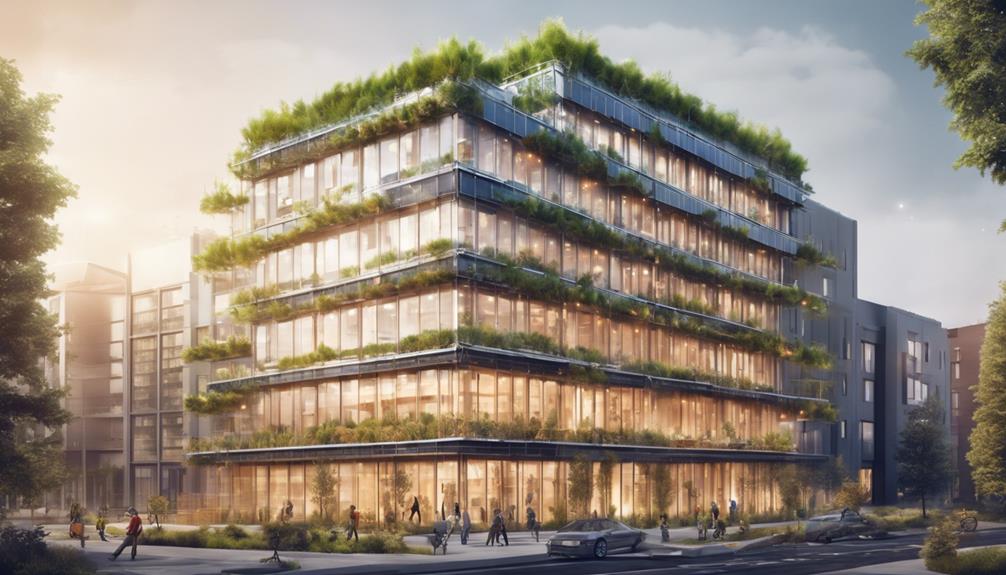
To boost the energy efficiency of your commercial construction, start by optimizing the building's orientation to take full advantage of natural light and minimize heat gain. Consider high-performance building envelopes with materials that provide excellent thermal resistance and focus on airtight designs. Upgrade to energy-efficient HVAC systems with high SEER ratings and smart thermostats to cut back on energy use. Implement advanced window technologies, such as triple-pane, low-E coated windows for better insulation. Also, integrating solar power and employing LED lighting solutions significantly reduce energy consumption. With these strategies in place, you'll find a noticeable improvement in your building's energy performance and cost-effectiveness.
Site Orientation and Planning
Site orientation and planning play a crucial role in maximizing energy efficiency in commercial construction. You've got to consider how your building interacts with its environment right from the start. By carefully positioning the building on the site, you can take full advantage of natural light, thereby reducing the need for artificial lighting and cutting down on energy costs.
It's not just about where you place the building, but also how you align it. The direction it faces matters immensely.
Think about the sun's path. In cooler climates, you'd want to maximize southern exposure to increase solar gain, while in hotter areas, minimizing this can reduce cooling loads. It's all about finding that sweet spot.
You also need to consider wind patterns for natural ventilation. Properly harnessing breezes can improve indoor air quality and decrease the need for mechanical cooling systems.
Don't forget the landscaping. Strategic placement of trees and shrubs can provide shade and act as windbreaks, which further optimizes your energy savings. You're not just building on a site; you're integrating into an ecosystem. By understanding and respecting this connection, you ensure your commercial project isn't just built but is sustainably established.
High-Performance Building Envelopes
While site orientation optimizes natural resources, high-performance building envelopes are crucial for maintaining energy efficiency throughout the structure's lifetime. You need to consider how every component, from walls and roofs to windows and doors, contributes to an energy-efficient envelope. Start by selecting materials with high thermal resistance. Insulating materials like spray foam, rigid insulation boards, and double-glazed windows can significantly reduce heat transfer.
You'll also want to focus on airtightness. Preventing unwanted airflow through cracks and crevices is key. Employ techniques such as air barriers and sealants, and ensure that all joints and intersections are well-sealed. This step alone can drastically cut energy costs by minimizing the load on heating and cooling systems.
Moreover, the envelope's design should promote natural light while minimizing heat gain and loss. Using daylighting strategies, such as strategically placed windows and skylights, reduces the need for artificial lighting and helps maintain constant indoor temperatures. Reflective materials or coatings on exterior surfaces can also deflect unwanted solar heat, particularly in warmer climates.
Energy-Efficient HVAC Systems
Transitioning from high-performance building envelopes, consider the role of energy-efficient HVAC systems in reducing your building's energy consumption. These systems are crucial for maintaining not only comfort but also operational efficiency and cost-effectiveness.
When you choose an HVAC system, focus on options that feature high Seasonal Energy Efficiency Ratios (SEER), Energy Efficiency Ratios (EER), and Heating Seasonal Performance Factors (HSPF). These ratings indicate the energy efficiency of air conditioners, heat pumps, and heaters. The higher the number, the less electricity they use.
You should also consider systems that use variable speed drives for fans and compressors. These components adjust their speed based on the actual need, which significantly reduces energy use and wear and tear.
Additionally, modern HVAC systems often include smart thermostats and zoning capabilities. These features allow you to control temperatures in different areas of your building independently and according to occupancy, which can lead to substantial energy savings.
Moreover, regular maintenance can't be overlooked. Ensuring that your HVAC system is properly serviced means it operates at peak efficiency. This includes routine checks and replacing filters, which prevent overworking and excessive energy use. By prioritizing these aspects, you'll optimize your energy usage and contribute to a more sustainable future.
Advanced Window Technologies
Moving beyond HVAC systems, advanced window technologies offer another significant opportunity to enhance your building's energy efficiency. Implementing cutting-edge window solutions can drastically reduce heating and cooling costs. You'll find that these technologies not only improve thermal performance but also contribute to overall building sustainability.
Consider smart windows, which adjust their tint based on sunlight intensity, keeping interiors comfortable without excessive air conditioner use. You'll save energy, as these windows can significantly cut down on heat gain during summer and heat loss in winter.
Additionally, by implementing triple-pane windows filled with argon or krypton gas, you'll enhance insulation, further stabilizing indoor temperatures.
Low-emissivity (low-E) coatings are another game-changer. Applied to window glass, these microscopic metal or metallic oxide layers reflect infrared radiation, keeping heat inside during winter and outside in summer. You'll notice less need for heating and cooling, leading to lower energy bills.
Think also about frame materials. Fiberglass frames offer superb thermal insulation compared to traditional aluminum, minimizing thermal bridging where heat could transfer. By choosing energy-efficient window technologies tailored to your specific climate and building orientation, you'll maximize benefits and ensure a comfortable, cost-effective environment for all occupants.
Solar Power Integration
Solar power integration offers a transformative approach to reducing your building's carbon footprint and operational costs. By harnessing the sun's energy, you're not only cutting down on electricity bills but also contributing to a greener planet. It's crucial to consider the orientation of your building and the local climate to maximize solar gain. Panels should ideally be placed where they can receive direct sunlight for the majority of the day.
Incorporating solar technology doesn't just stop at photovoltaic panels. You might also explore solar water heating systems, which can further decrease your reliance on traditional energy sources. These systems are particularly effective in industries that require large amounts of hot water, such as hospitality or manufacturing.
Moreover, with advances in solar storage, you don't have to worry about losing power after the sun sets. Modern solar batteries store excess energy produced during the day, ensuring a continuous power supply, and even offer the possibility of selling surplus energy back to the grid.
Sustainable Insulation Options
In addition to solar technology, choosing the right insulation is crucial for energy-efficient commercial construction. You'll want to consider sustainable options that not only reduce energy consumption but also minimize environmental impact. Wool, cotton, and cellulose are among the top choices. They're sourced from renewable materials, making them incredibly eco-friendly.
Wool insulation, for instance, is made from sheep's wool and can be reused or recycled at the end of its life. It's naturally fire-resistant and effective at regulating humidity, which keeps your building cooler in the summer and warmer in the winter.
Cotton insulation, often made from recycled denim, is another stellar option. It's free from chemical irritants and offers excellent thermal and acoustic properties.
Cellulose, primarily made from recycled paper, has a low thermal conductivity, making it ideal for preventing heat transfer. It's treated to be fire and pest-resistant, adding an extra layer of protection for your building.
Choosing any of these materials means you're reducing reliance on synthetic, non-biodegradable insulation options like fiberglass and foam. Not only are you enhancing the building's energy efficiency, but you're also contributing to a sustainable future. So, weigh your options carefully and consider how your choices today impact tomorrow.
LED Lighting Solutions
While selecting sustainable insulation enhances building efficiency, integrating LED lighting solutions further reduces your energy use and costs. LED lights are known for their longevity and energy efficiency. They use up to 75% less energy compared to traditional incandescent bulbs and last 25 times longer. This means you'll save on both maintenance and energy bills.
Switching to LED lighting also improves the quality of light in your space, offering a range of colors and brightness levels that can be tailored to fit any environment. You can manipulate this versatility to create ambiance that not only elevates the aesthetic of your commercial space but also enhances productivity and comfort for occupants.
Moreover, LED lights operate at a lower temperature, reducing the workload on your cooling systems during warmer months. This interaction between your lighting and HVAC systems is crucial for minimizing energy consumption.
To maximize your savings, consider installing smart LED systems that adjust brightness based on the time of day and occupancy levels. This adaptive technology ensures you're not wasting energy lighting unoccupied spaces.
Water Conservation Strategies
Transitioning to water-saving technologies is essential for any energy-efficient commercial construction project. As you plan your building's infrastructure, consider the substantial benefits of incorporating high-efficiency plumbing fixtures. You'll not only reduce water usage but also lower the overall operational costs.
Start by installing low-flow toilets and urinals, which use significantly less water per flush compared to standard models. Also, opt for faucet aerators and high-efficiency showerheads in restrooms to cut down on water wastage without compromising performance. These simple swaps can lead to substantial savings in both water and money.
Next, think about rainwater harvesting systems. These systems collect rainwater from rooftops, which can then be used for landscaping and flushing toilets. It's a smart way to utilize a natural resource that would otherwise go to waste.
Additionally, implementing drought-resistant landscaping can further reduce your water usage outdoors. Choose native plants that require minimal irrigation and maintenance, ensuring your green spaces are both beautiful and sustainable.
Smart Building Automation
Moving beyond water conservation, smart building automation is your next step toward creating an energy-efficient commercial space. You'll find that integrating advanced technology systems can drastically reduce energy consumption and operational costs.
By installing smart sensors and controls, you can automatically adjust lighting, heating, cooling, and ventilation based on occupancy and ambient conditions. This ensures that you're not wasting resources on unoccupied spaces or during times when natural conditions are favorable.
For example, during cooler periods, HVAC systems can dial back, leveraging natural air without compromising comfort.
Moreover, smart meters and energy management systems provide real-time data on power usage. You'll gain insights into which areas of your building consume the most energy, allowing you to make informed decisions to optimize performance.
By analyzing this data, you can also predict future energy needs and plan accordingly, reducing surprises and ensuring your operations run smoothly.
Don't overlook the benefits of integrating renewable energy sources with your building automation systems. Solar panels or small wind turbines can be controlled to maximize energy production based on weather conditions, further enhancing your building's efficiency and sustainability.
This smart integration not only supports your environmental goals but also improves your bottom line.
Green Roofing Systems
Green roofing systems offer a transformative solution for your commercial building's sustainability efforts. By installing a green roof, you're not only enhancing the aesthetic value of your property but also contributing significantly to environmental sustainability.
These roofs are covered with vegetation, which helps reduce heat absorption, leading to lower cooling costs and energy consumption.
You'll find that green roofs can dramatically extend roof life. The vegetation layer protects the roofing materials from UV rays and extreme temperatures, both of which can cause significant wear over time. Additionally, they manage stormwater effectively.
Instead of overwhelming city drainage systems during heavy rains, green roofs absorb and retain a substantial amount of rainfall, reducing runoff and promoting water conservation.
Moreover, they improve air quality. The plants on green roofs filter pollutants and carbon dioxide out of the air, which makes the air cleaner around your building. This can be particularly beneficial in urban areas where air quality may be a concern.
Conclusion
You've explored the top techniques for energy-efficient commercial construction, from smart site planning to integrating solar power. By implementing these strategies, you'll not only cut down on energy costs but also contribute to a sustainable future. Remember, every choice counts, from the windows you select to the type of roofing and HVAC systems you install. Embrace these innovations to make your building as efficient as possible. It's about being cost-effective while being environmentally responsible.
Related articles: What Are Energy-Efficient Building Techniques?